









Introdução
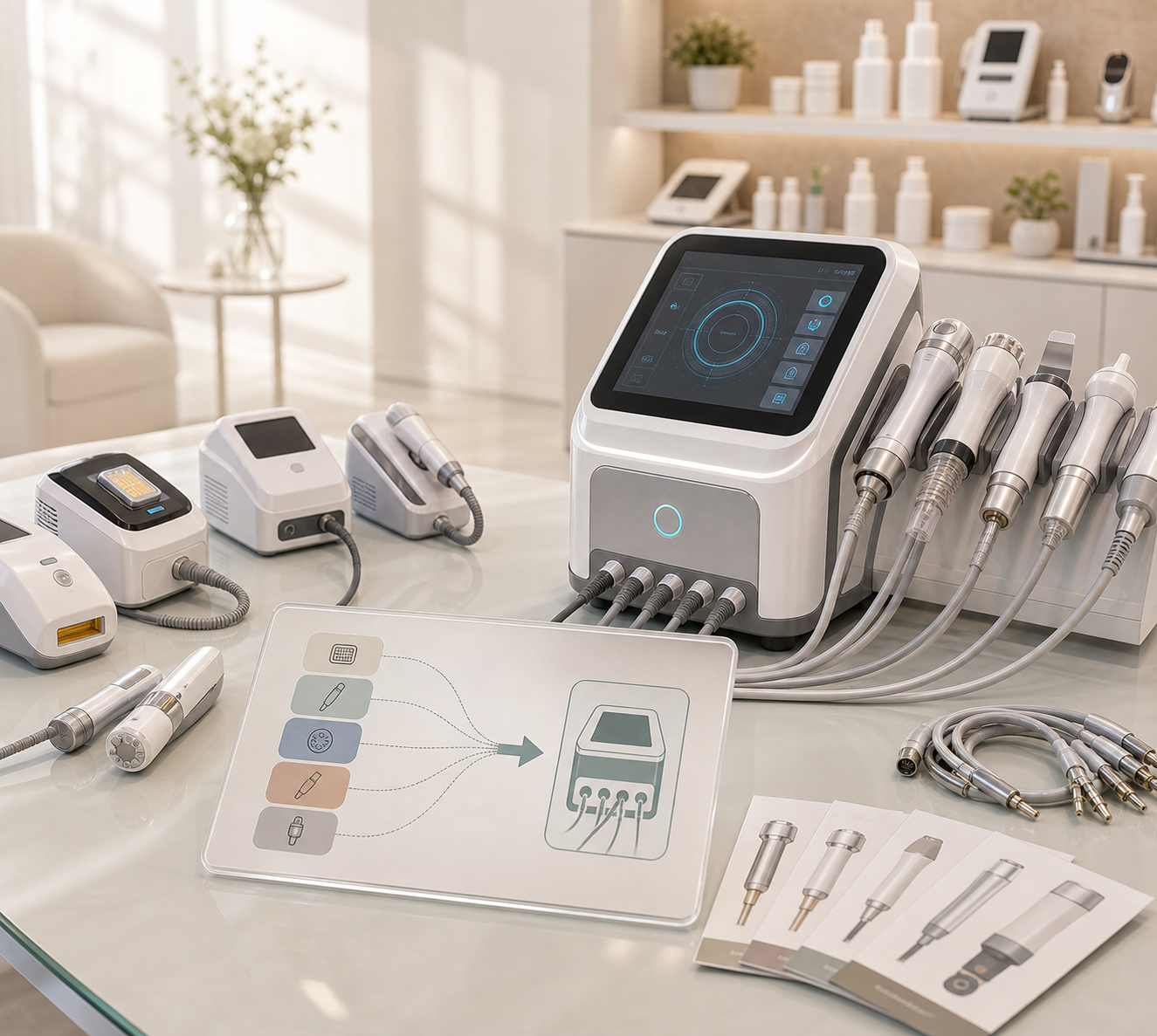
Sim, a tendência de migrar de equipamentos de beleza com função única para plataformas integradas multifuncionais está se tornando cada vez mais evidente.
Mas isso não deve ser entendido como uma regra simples de que “mais funções são sempre melhores”.”
A verdadeira tendência é mais específica:
Salões de beleza, clínicas de estética e distribuidores desejam equipamentos que suportem pacotes de serviços mais completos, melhorem a eficiência do espaço, reduzam a complexidade das compras e ajudem a gerar receita recorrente.
Isso é diferente de adicionar aleatoriamente vários identificadores não relacionados a uma única máquina.
Na indústria de equipamentos de beleza, a integração multifuncional está se tornando atraente porque os compradores de salões estão mudando. Muitos compradores não querem mais adquirir uma máquina para cada serviço individual. Eles desejam dispositivos que ofereçam um menu de tratamentos integrados, como limpeza facial com radiofrequência, criolipólise com radiofrequência para cuidados corporais, eletroestimulação muscular (EMS) com modelagem corporal ou hidratação facial com oxigênio, LED e funções de cuidados com a pele.
Ao mesmo tempo, os compradores profissionais estão mais cautelosos do que antes.
Eles querem saber:
- As funções integradas são realmente úteis?
- Os funcionários conseguem aprender a operação facilmente?
- A máquina suporta pacotes de serviços reais?
- Os aplicadores são duráveis?
- O custo de manutenção é aceitável?
- O fornecedor oferece treinamento?
- As reivindicações e a conformidade local estão claras?
- O salão utilizará realmente todas as funções?
Para os distribuidores, essa tendência cria uma oportunidade, mas também um risco.
Equipamentos multifuncionais de beleza podem ajudar os distribuidores a atender mais tipos de compradores e vender pacotes de maior valor agregado. No entanto, máquinas multifuncionais mal projetadas também podem gerar pressão no pós-venda, confusão para o operador e clientes de salão insatisfeitos.
A questão fundamental não é apenas se os equipamentos multifuncionais são populares.
A pergunta mais pertinente seria:
Que tipo de integração gera valor comercial real para os salões de beleza?
Por que a tendência para a integração multifuncional está se tornando mais evidente?
A tendência em direção a equipamentos de beleza multifuncionais é impulsionada por diversas forças práticas do mercado.
Não se trata apenas de uma tendência tecnológica.
É também uma tendência de modelo de negócios.
1. Os salões de beleza querem oferecer mais serviços em um espaço limitado.
Muitos salões de beleza e clínicas de estética não possuem um número ilimitado de salas de tratamento.
Salões de beleza de pequeno e médio porte podem ter apenas uma ou duas salas para serviços que utilizam equipamentos. Mesmo clínicas maiores precisam gerenciar o uso das salas, o fluxo de agendamentos e a escala de funcionários.
Se cada serviço exigir uma máquina separada, o salão poderá enfrentar problemas:
- maior investimento inicial
- salas de tratamento lotadas
- mais trabalhos de manutenção
- mais treinamento para a equipe
- mais cabos e acessórios
- mais peças sobressalentes
- comunicação pós-venda mais complexa
- menor eficiência do quarto
Equipamentos multifuncionais podem ajudar a reduzir essa pressão.
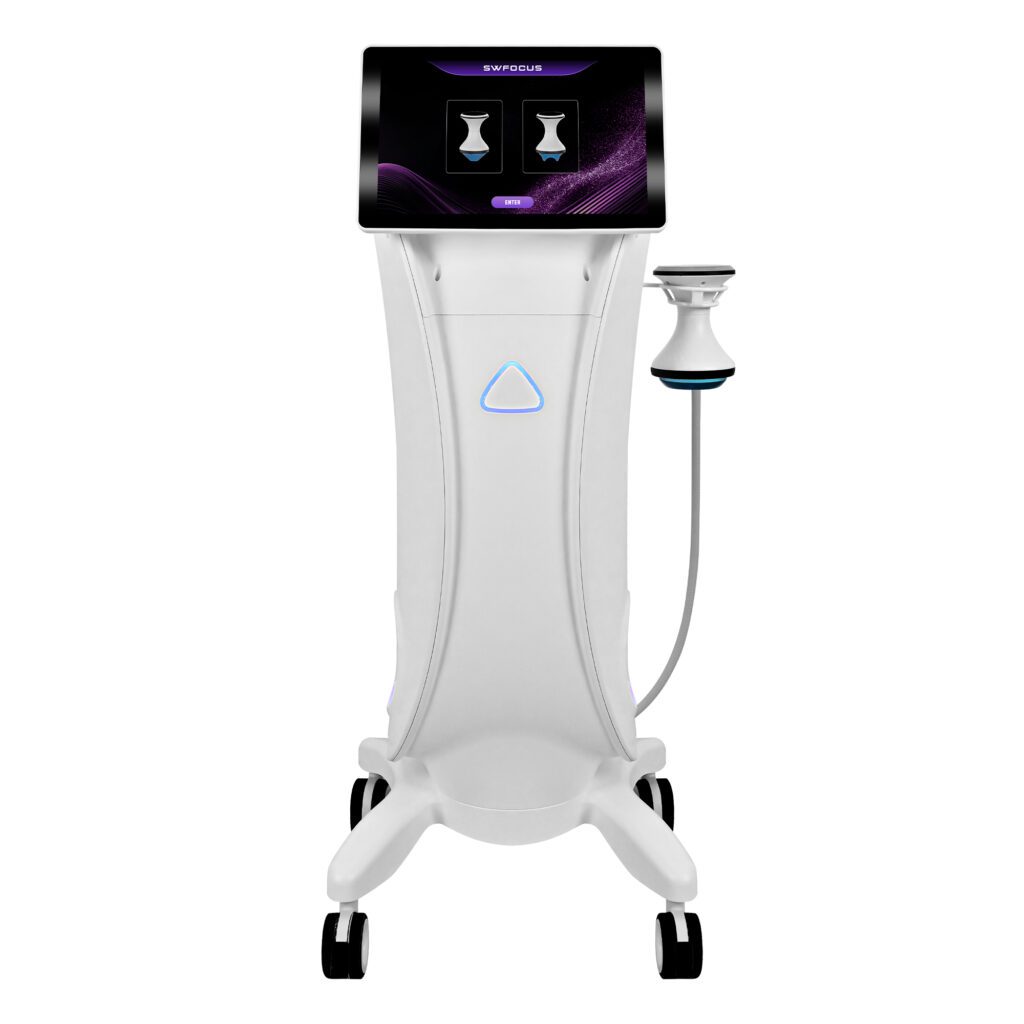
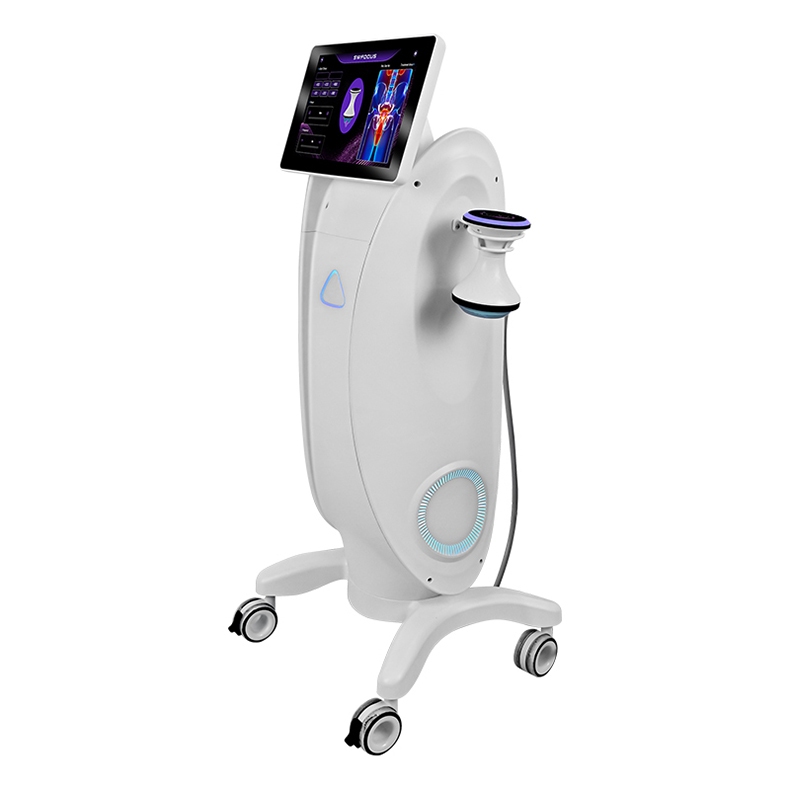
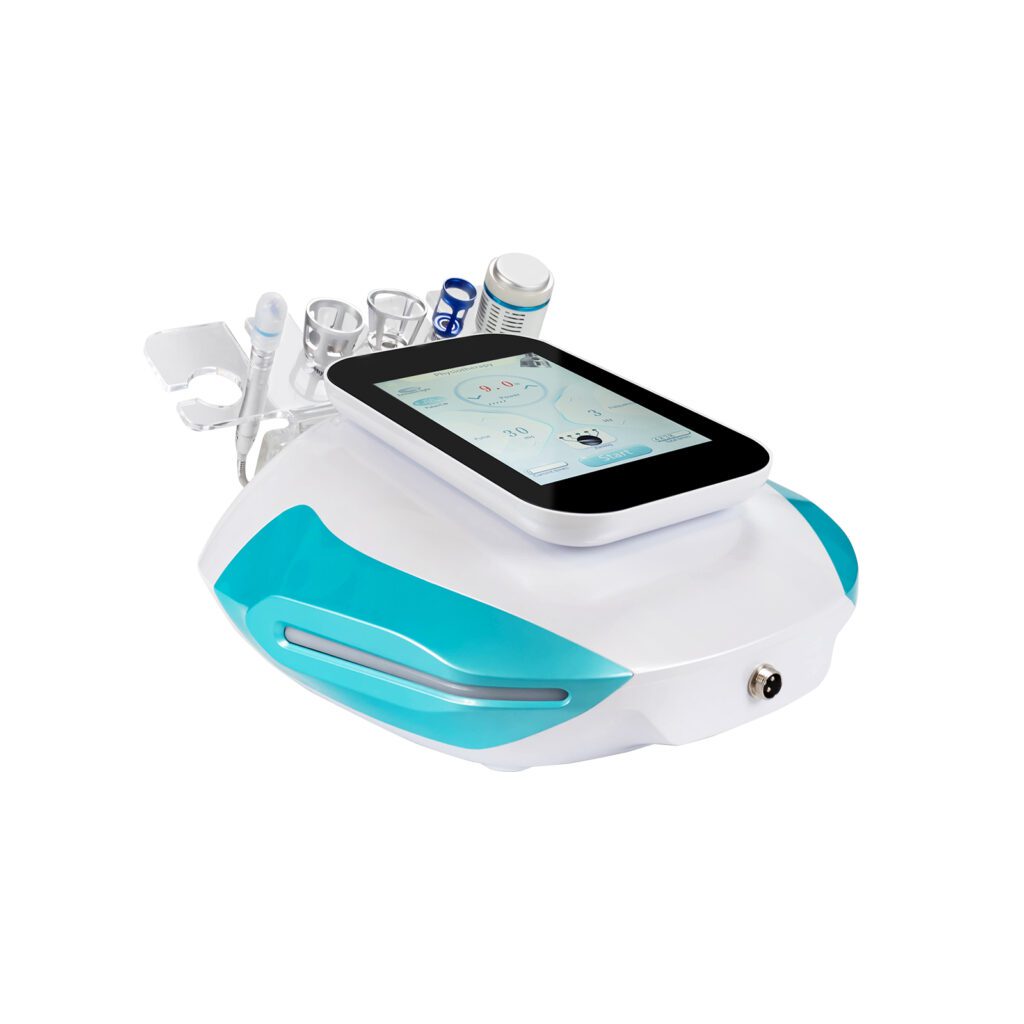
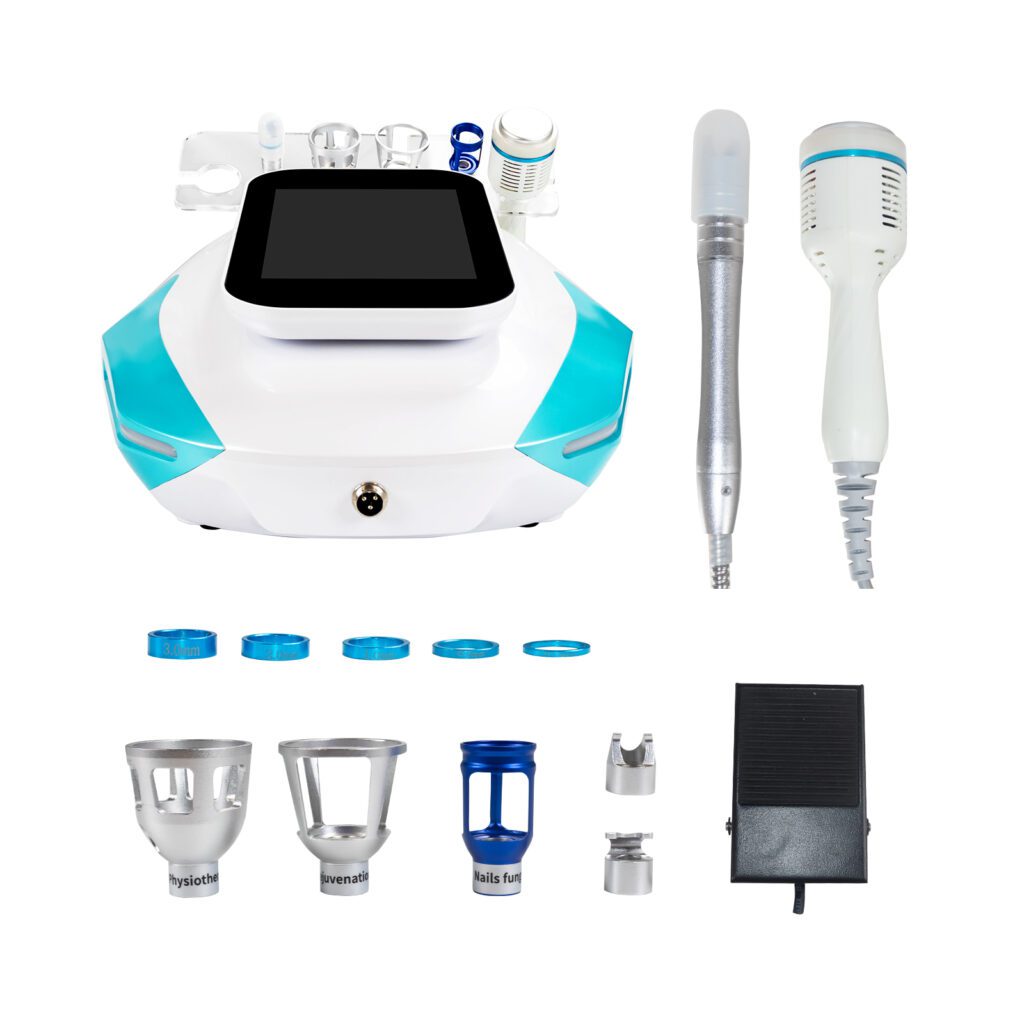
Por exemplo, uma plataforma facial pode oferecer serviços de limpeza profunda, esfoliação, spray de oxigênio, LED e radiofrequência. Uma plataforma de contorno corporal pode combinar cavitação, radiofrequência, vácuo e eletroestimulação muscular. Um sistema corporal avançado pode oferecer serviços de criolipólise e modelagem corporal em uma única sala de tratamento.
Isso não significa que uma única máquina deva substituir todos os dispositivos especializados.
Mas para salões com espaço limitado, uma plataforma multifuncional bem projetada pode facilitar o planejamento de serviços.
2. Os compradores desejam uma expansão mais rápida do menu de serviços.
O proprietário de um salão de beleza pode não querer adicionar apenas um tratamento.
Eles podem querer atualizar todo o menu de serviços.
Por exemplo:
- Um salão de estética facial deseja adicionar serviços adicionais de limpeza, hidratação, lifting e iluminação LED.
- Um centro de estética corporal deseja oferecer suporte para redução de gordura, radiofrequência para firmar o corpo e massagem modeladora.
- Um centro de estética médica deseja combinar tratamentos adicionais antienvelhecimento, de textura da pele e de recuperação.
- Um centro de recuperação pós-parto busca serviços relacionados a cuidados corporais, cuidados com a pele e bem-estar.
Equipamentos multifuncionais podem ajudar os compradores a lançar diversos serviços relacionados mais rapidamente.
Isso é especialmente interessante para novos salões ou empresas em crescimento que desejam testar a demanda local antes de investir em várias máquinas separadas.
Do ponto de vista do distribuidor, os equipamentos multifuncionais também fortalecem a proposta de vendas.
Em vez de dizer: “Esta máquina faz uma coisa”, o distribuidor pode explicar:
Esta plataforma ajuda você a criar um pacote de serviços completo em torno de uma necessidade específica do cliente.
Essa mudança é importante.
Os equipamentos de beleza não são mais avaliados apenas pela tecnologia. Eles são avaliados pela forma como complementam o menu de tratamentos do salão.
3. Os pacotes de tratamento estão se tornando mais importantes do que os serviços individuais.
Muitos salões estão abandonando os tratamentos individuais e optando por pacotes, planos de assinatura e serviços combinados.
Isso permite a integração multifuncional.
Exemplos incluem:
- Hydra Facial mais atualização facial por radiofrequência
- Terapia LED após serviços de limpeza ou microagulhamento, quando apropriado.
- criolipólise combinada com cuidados corporais por radiofrequência
- Estimulação muscular EMS combinada com planos de modelagem corporal
- Cavitação por radiofrequência combinada com modelagem corporal a vácuo
- Programas faciais de manutenção com HIFU e outros tratamentos.
- Pacotes de ondas de choque para cuidados corporais ou recuperação em canais adequados.
Quando os salões vendem pacotes, eles querem que o equipamento suporte uma experiência completa para o cliente.
Por exemplo, um pacote de modelagem corporal pode incluir suporte para redução de gordura, suporte para firmeza da pele e massagem linfática. Um pacote facial antienvelhecimento pode incluir limpeza, hidratação, radiofrequência e serviços adicionais de LED.
Isso torna a integração atraente porque ajuda os salões a criarem serviços em camadas.
A máquina deixa de ser apenas um dispositivo.
Isso passa a fazer parte da estratégia de pacotes do salão.
4. Os consumidores têm várias preocupações ao mesmo tempo.
Clientes de serviços de beleza raramente têm apenas uma preocupação.
Uma cliente de tratamento facial pode se preocupar com ressecamento, textura, poros, linhas finas e firmeza da pele. Uma cliente de cuidados corporais pode se preocupar com gordura localizada, aparência da celulite, flacidez e contorno corporal. Uma cliente em fase pós-tratamento pode se preocupar com hidratação, vermelhidão, conforto e recuperação.
Como as preocupações dos clientes estão interligadas, os salões de beleza geralmente desejam tecnologias que possam ser combinadas.
Isso reforça a demanda por plataformas integradas.
Por exemplo:
- A limpeza e a hidratação auxiliam na manutenção regular da pele facial.
- A tecnologia RF com LED oferece suporte a menus de serviços antienvelhecimento e de qualidade da pele.
- A radiofrequência combinada com vácuo auxilia na modelagem corporal e em tratamentos corporais.
- A cavitação combinada com radiofrequência auxilia no posicionamento do serviço de modelagem corporal.
- A combinação de EMS e criolipólise oferece um menu mais amplo de tratamentos para contorno corporal.
- O microagulhamento com radiofrequência e tratamentos complementares de recuperação é indicado para programas avançados de cuidados com a pele em canais profissionais adequados.
A atenção do mercado em torno das terapias combinadas também reflete essa lógica do comprador. Muitas discussões profissionais sobre estética agora se concentram em abordagens combinadas em vez de tratamentos isolados.
Para os distribuidores, isso significa que o valor do produto deve ser explicado através dos problemas dos clientes, e não apenas pelas especificações do dispositivo.
5. Plataformas multifuncionais podem melhorar o retorno sobre o investimento por máquina.
O alto custo dos equipamentos faz com que o retorno sobre o investimento (ROI) seja uma questão crucial na hora da compra.
Se uma única máquina suportar apenas um número limitado de serviços, o comprador poderá se preocupar com o volume de agendamentos.
Se uma plataforma suporta vários serviços relacionados, o comprador pode achar que o investimento é mais fácil de justificar.
As vantagens potenciais de retorno sobre o investimento incluem:
- Mais opções de serviço em uma única máquina.
- maior utilização do espaço
- capacidade de vender pacotes
- facilitar a venda cruzada
- maior valor do ingresso
- custo inicial de aquisição menor do que comprar vários dispositivos separados.
- campanhas de promoção mais flexíveis
- melhor aproveitamento do tempo da equipe
No entanto, essa vantagem só existe quando as funções são efetivamente utilizadas.
Uma máquina com dez funções não cria automaticamente dez fontes de renda.
O salão deve ser capaz de treinar a equipe, explicar os serviços e vender pacotes.
Portanto, os distribuidores não devem vender máquinas multifuncionais apenas contando as funções.
Devem mostrar como cada função se conecta a um menu de serviços prático.
Quais tipos de integração multifuncional são mais valiosos?
Nem toda integração tem o mesmo valor.
As plataformas multifuncionais mais robustas geralmente combinam tecnologias que atendem ao mesmo canal de compra ou ao mesmo objetivo do cliente.
1. Integração de limpeza facial, hidratação e cuidados com a pele
Esta é uma das tendências multifuncionais mais evidentes.
Muitas plataformas faciais do tipo Hydra combinam:
- hidrodermoabrasão ou limpeza à base de água
- sucção a vácuo
- esfoliação
- spray de oxigênio
- cuidados faciais por radiofrequência
- ultrassom
- Terapia de luz LED
- peças de mão refrescantes ou calmantes
Esse tipo de integração faz sentido porque as funções suportam um fluxo de trabalho facial conectado.
Um salão de beleza pode oferecer serviços como:
- limpeza facial profunda
- hidratação facial
- manutenção facial mensal
- serviço calmante para pele sensível
- rejuvenescimento facial
- Pacote adicional de LED
Para salões de pequeno e médio porte, as máquinas multifuncionais faciais são atraentes porque podem gerar agendamentos frequentes e serviços de assinatura.
Os principais pontos de avaliação são:
- sucção estável
- alças confortáveis
- gerenciamento fácil de garrafas
- design higiênico
- manutenção simples
- treinamento claro
- posicionamento de serviço realista
2. Integração de modelagem corporal e cuidados corporais
As plataformas de cuidados corporais geralmente integram diversas funções, como:
- RF
- cavitação
- vácuo
- EMS
- infravermelho
- lipolaser
- massagem com rolos
- criolipólise em alguns sistemas
Essa integração é popular porque os clientes de modelagem corporal geralmente precisam de mais de uma etapa do serviço.
Um salão de beleza pode querer oferecer suporte a:
- pacotes de modelagem corporal
- suporte de gerenciamento de polegadas
- suporte firmador da pele
- menus de serviços para aparência da celulite
- pacotes de cuidados corporais pós-emagrecimento
- campanhas sazonais de emagrecimento
Para os distribuidores, a integração de produtos para cuidados corporais pode ser um forte diferencial de vendas.
Mas o controle de sinistros é importante.
Não apresente aparelhos de modelagem corporal como soluções garantidas para perda de peso. Uma abordagem mais segura é explicar os menus de serviços de cuidados corporais, os cursos de tratamento, o contexto do estilo de vida e as expectativas realistas do cliente.
3. Criolipólise combinada com radiofrequência ou eletromiografia
A criolipólise geralmente está associada ao resfriamento controlado para serviços de contorno corporal.
Algumas plataformas de equipamentos combinam criolipólise com tecnologias de radiofrequência, eletroestimulação muscular ou massagem para oferecer um programa corporal mais completo.
Isso pode ser atraente porque os salões podem querer oferecer:
- suporte para redução de gordura
- contorno corporal
- suporte firmador da pele
- escultura corporal focada em músculos
- gerenciamento corporal baseado em pacotes
Essa integração pode fazer sentido quando o projeto da máquina é estável e o fluxo de trabalho de manutenção é claro.
O distribuidor deve explicar:
- Qual tecnologia é usada para qual objetivo de tratamento?
- se as funções são utilizadas em uma única consulta ou em sessões separadas.
- Que tipo de treinamento é necessário?
- Como precificar o pacote
- Como gerenciar as expectativas do cliente
- Quais contraindicações devem ser verificadas?
A mensagem mais importante não é "uma máquina faz tudo".“
A mensagem mais forte é:
Esta plataforma ajuda um salão de beleza a criar um programa estruturado de modelagem corporal.
4. Integração antienvelhecimento: RF, HIFU, MNRF e serviços de manutenção
A demanda por soluções antienvelhecimento sustenta o planejamento multifuncional, mas essa área requer mais atenção.
Tecnologias como radiofrequência (RF), ultrassom focalizado de alta intensidade (HIFU) e microagulhamento por radiofrequência podem aparecer em portfólios de produtos relacionados ou em programas combinados para salões de beleza.
No entanto, não são tecnologias idênticas e não devem ser misturadas levianamente na linguagem de vendas.
Uma integração útil pode ocorrer no nível do menu de serviços:
- HIFU para posicionamento adequado em serviços de elevação e aperto.
- Radiofrequência para manutenção e firmeza da pele.
- Microagulhamento por radiofrequência para programas avançados de textura e rejuvenescimento em canais treinados.
- Serviços de hidratação ou LED como manutenção facial complementar.
Em alguns casos, um salão pode usar máquinas separadas em vez de um único aparelho combinado.
Isso ainda é integração, mas no nível de negócios em vez do nível de hardware.
Os distribuidores devem ajudar os compradores a entender o papel de cada tecnologia, em vez de afirmar que elas são intercambiáveis.
5. Integração de Recuperação, Bem-estar e Beleza
Outra tendência crescente é a intersecção entre beleza, bem-estar, cuidados com o corpo e recuperação.
Alguns salões de beleza, academias, centros de fisioterapia e clínicas de bem-estar estão interessados em dispositivos como:
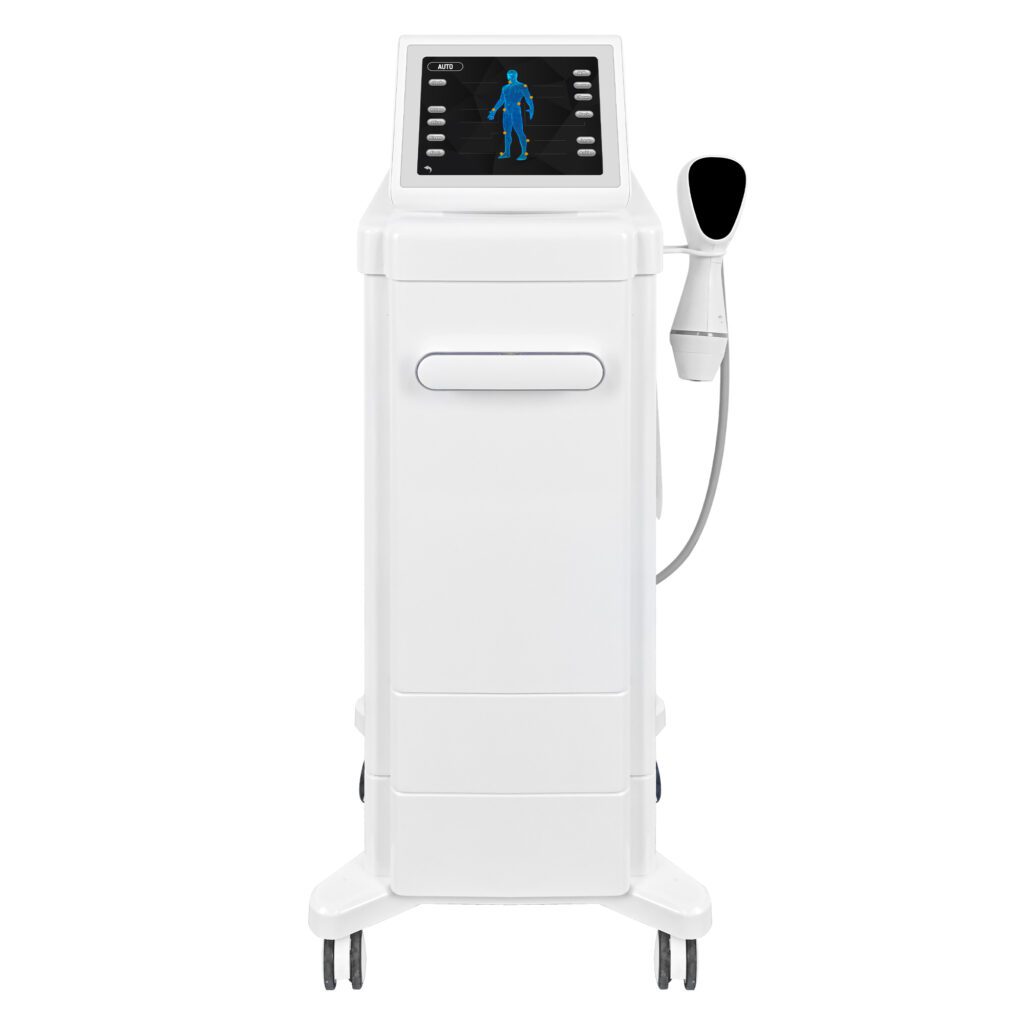
- Onda de choque
- Tecar
- PMST
- magnetoterapia
- escultura corporal
- equipamentos de massagem e drenagem linfática
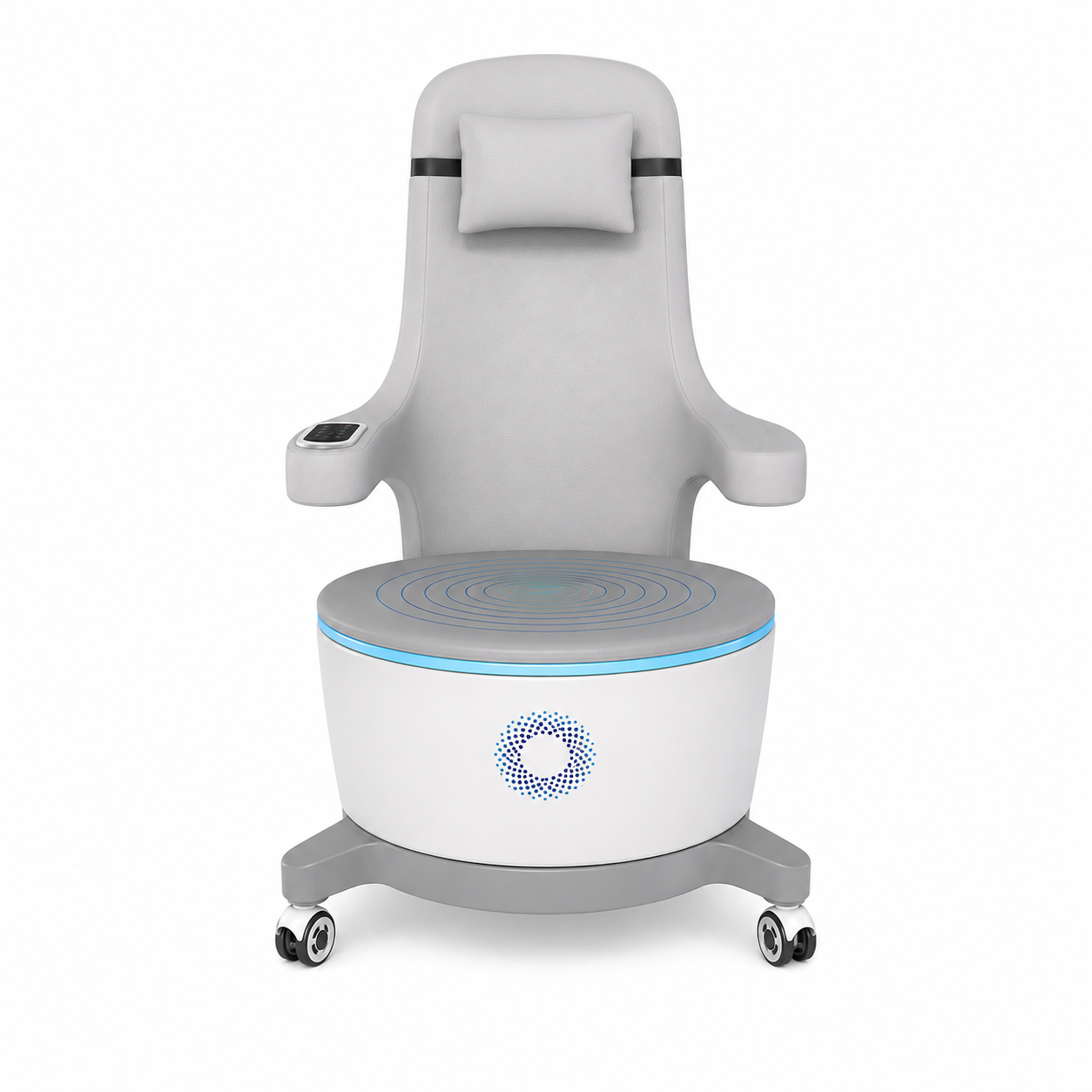
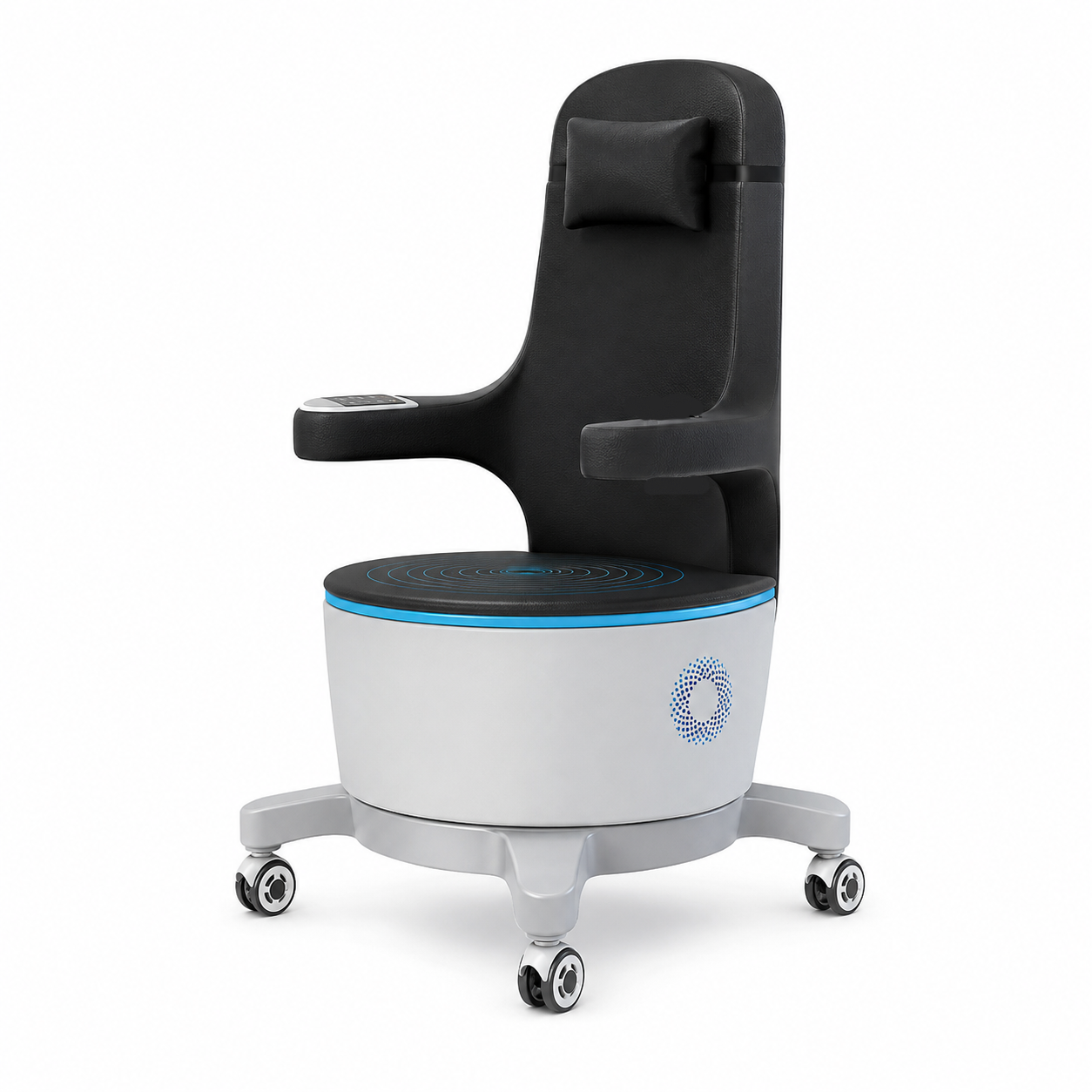
- dispositivos para o assoalho pélvico ou para o bem-estar pós-parto
Isso não significa que todos os dispositivos de bem-estar devam estar presentes em todos os salões de beleza.
Mas alguns mercados estão vendo menus de serviços mais amplos, onde empresas de beleza adicionam serviços de recuperação ou bem-estar corporal.
Isso cria integração no nível do canal.
Para os distribuidores, a questão importante é:
Este equipamento é compatível com a capacidade profissional do comprador e com as normas locais?
Se sim, a integração relacionada ao bem-estar pode abrir novas categorias de receita.
Caso contrário, poderá gerar confusão e riscos de não conformidade.
Por que os dispositivos de função única ainda são importantes
Embora a integração multifuncional seja uma tendência clara, os dispositivos de função única não estão desaparecendo.
Em muitos casos, máquinas especializadas ainda são melhores.
Dispositivos especializados podem oferecer um desempenho superior.
Um aparelho dedicado à depilação a laser com diodo pode ter um desempenho melhor em estúdios de laser de alto volume do que uma plataforma IPL multifuncional de baixa potência.
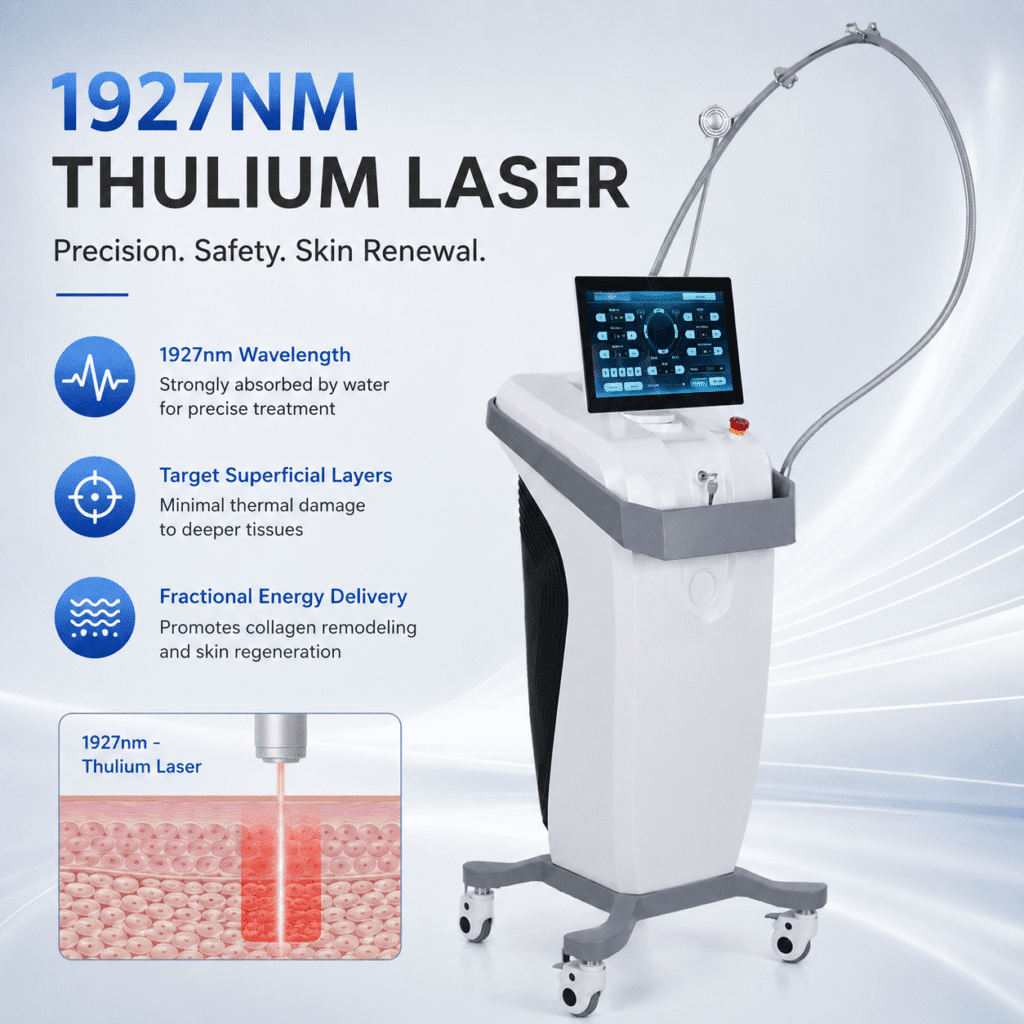
Um laser fracionado de CO2 profissional pode ser mais adequado para clínicas de estética avançadas do que um aparelho multifuncional de uso geral.
Um sistema HIFU dedicado pode ser mais adequado para compradores que necessitam de serviços antienvelhecimento específicos.
Para um centro de estética corporal, uma máquina especializada em criolipólise pode ser mais útil do que um aparelho multifuncional simples.
Quando um salão depende muito de uma única categoria de serviço, equipamentos especializados podem oferecer:
- melhor desempenho
- maior volume de tratamento
- resfriamento mais forte
- peças de mão mais duráveis
- treinamento mais claro
- manutenção mais fácil
- posicionamento profissional mais forte
Portanto, o futuro não é simplesmente "a multifuncionalidade substituir a função única".“
A tendência mais precisa é:
Salões de entrada e de gama média geralmente preferem plataformas multifuncionais práticas, enquanto centros de grande volume ou profissionais ainda investem em equipamentos especializados de alto desempenho.
Dispositivos de função única ajudam a construir uma identidade profissional.
Algumas empresas querem ser reconhecidas por um único serviço.
Exemplos incluem:
- estúdio de depilação a laser
- clínica de tratamento de cicatrizes de acne
- estúdio de remoção de tatuagem
- centro de modelagem corporal
- Centro antienvelhecimento HIFU
- clínica profissional de reparação da pele
Para esses compradores, um dispositivo especializado pode contribuir para um posicionamento de marca mais forte.
Eles podem não querer uma máquina que execute muitas tarefas básicas.
Eles querem um dispositivo que execute uma função importante muito bem.
Os distribuidores não devem insistir para que todos os compradores comprem máquinas multifuncionais.
O produto deve estar alinhado ao modelo de negócio.
Máquinas multifuncionais podem aumentar a complexidade do pós-venda.
Uma máquina multifuncional tem mais peças, mais pegas, mais cabos e mais pontos de possível falha.
Isso pode aumentar o trabalho de pós-venda.
Os problemas comuns incluem:
- Uma alça funciona enquanto a outra falha.
- Os funcionários não sabem qual função usar.
- Os materiais de consumo são esquecidos
- As peças de reposição são mais difíceis de estocar.
- O treinamento se torna muito amplo.
- o comprador utiliza apenas duas das oito funções
- A máquina torna-se difícil de explicar aos clientes.
Para os distribuidores, este é um aviso importante.
Equipamentos multifuncionais devem ser selecionados com cuidado.
Uma máquina com menos funções, porém mais robustas, pode ser melhor do que uma máquina com muitas funções menos eficientes.
Como os salões de beleza estão mudando sua lógica de compra
A procura por equipamentos multifuncionais também está ligada à mudança no comportamento de compra em salões de beleza.
Da compra de equipamentos à compra de sistemas de serviço.
Os salões de beleza não estão mais comprando apenas uma máquina.
Eles estão comprando um sistema de serviços.
Eles querem:
- design de menu de serviços
- treinamento de pessoal
- fluxo de trabalho de consulta ao cliente
- preços de pacotes
- linguagem de reivindicação realista
- orientações de cuidados pós-operatórios
- suporte de manutenção
- peças de reposição
- materiais de marketing
- caminho de atualização
Uma máquina multifuncional é atraente quando ajuda a criar esse sistema.
Mas se o fornecedor apenas entregar a máquina e não oferecer suporte técnico, o valor se torna menor.
Da lista de funções à frequência de uso
As apresentações de vendas mais antigas costumavam enfatizar o número de funções.
Os compradores modernos têm maior probabilidade de perguntar:
- Qual função usarei todos os dias?
- Qual função cria reservas recorrentes?
- Qual função aumenta o valor do ingresso?
- Qual função é fácil para os funcionários aprenderem?
- Qual função apresenta baixo risco de reclamações?
- Qual função é mais adequada para meus clientes locais?
Essa é uma mudança saudável.
Significa que o mercado está se profissionalizando.
Os distribuidores devem preparar explicações que priorizem as funções, e não apenas fichas técnicas.
Do preço baixo ao menor risco total
Muitas máquinas multifuncionais parecem atraentes porque aparentam ser mais baratas do que comprar vários aparelhos separadamente.
Mas os compradores sérios estão olhando além do preço de compra.
Eles estão pensando no risco total:
- A máquina será estável?
- As peças estão disponíveis?
- O treinamento está concluído?
- Os clientes compreenderão os serviços?
- Os funcionários conseguem operá-lo com segurança?
- Posso anunciá-lo de forma responsável?
- O fornecedor responderá após a compra?
Isso significa que uma plataforma multifuncional um pouco mais cara, mas com melhor suporte, pode ser mais atraente do que um equipamento de baixo custo com suporte incerto.
O que torna uma máquina de beleza multifuncional boa?
Uma boa máquina de beleza multifuncional não deve ser avaliada apenas pelo número de alças.
Deve ser avaliada como uma ferramenta de negócios.
1. As funções devem estar relacionadas
Uma boa integração possui uma lógica clara.
Por exemplo:
- Limpeza, hidratação, oxigenação e LED para cuidados faciais.
- Radiofrequência, vácuo e cavitação para serviços de cuidados corporais
- Criolipólise e radiofrequência para tratamentos corporais de contorno corporal.
- EMS e modelagem corporal para menus de serviços focados em músculos.
A má integração combina funções não relacionadas apenas para dar à máquina uma aparência de potência.
Se um salão não consegue explicar por que as funções estão relacionadas, os clientes também podem não entender.
2. Cada função principal deve ser suficientemente forte.
Uma máquina multifuncional não deve ser fraca em todas as áreas.
Os distribuidores devem verificar:
- estabilidade energética
- força de sucção
- desempenho de resfriamento
- durabilidade da peça de mão
- conforto do tratamento
- controle de software
- recursos de segurança
- necessidades de manutenção
- vida útil esperada da peça de mão
Se as funções principais forem fracas, a máquina pode decepcionar os compradores, mesmo que a lista de funções seja extensa.
3. A operação deve ser suficientemente simples para os funcionários.
Uma máquina multifuncional deve ser treinável.
Caso os funcionários não consigam se lembrar do protocolo, o equipamento não será utilizado em sua totalidade.
Boas plataformas oferecem:
- interface clara
- layout de alça lógica
- predefinições práticas
- manuais
- vídeos de operação
- diretrizes de fluxo de tratamento
- avisos de segurança
- lembretes de manutenção
Quanto mais fácil for operar a máquina corretamente, maior será seu valor comercial.
4. A máquina deve suportar embalagens reais.
Antes de vender um dispositivo multifuncional, os distribuidores devem preparar embalagens de exemplo.
Por exemplo:
- Limpeza profunda + hidratação facial
- Rejuvenescimento Facial
- Curso de Cuidados Corporais por Radiofrequência
- Pacote de Criolipólise + Radiofrequência para Contorno Corporal
- Plano de Escultura Corporal EMS
- Programa de Manutenção da Textura da Pele
- Pacote de assinatura mensal de beleza
Esses pacotes ajudam o comprador a entender como as funções da máquina se transformam em receita.
Sem pacotes de serviços, os equipamentos multifuncionais podem permanecer apenas uma especificação técnica.
5. A manutenção e as peças de reposição devem ser claras.
As máquinas multifuncionais geralmente precisam de mais peças de reposição.
Os distribuidores devem confirmar:
- disponibilidade de alça
- disponibilidade de cabo
- dicas e consumíveis
- filtros
- sondas
- aplicadores
- telas
- bombas
- fontes de alimentação
- suporte de software
- escopo da garantia
Quanto mais complexa a máquina, mais importante se torna o suporte pós-venda.
O que os distribuidores devem evitar
A tendência multifuncional pode ser lucrativa, mas os distribuidores devem evitar alguns erros.
Erro 1: Vender quantidade de serviços em vez de valor do serviço
Não confie apenas em frases como “10 em 1” ou “12 em 1”.”
Os compradores podem ficar atraídos inicialmente, mas irão questionar se cada função pode gerar lucro.
Uma mensagem de vendas mais eficaz seria:
Esta plataforma oferece pacotes de limpeza facial, hidratação e tratamentos antienvelhecimento para salões que desejam oferecer serviços mensais recorrentes.
Isso é mais útil do que simplesmente dizer que possui muitas alças.
Erro 2: Combinar muitas tecnologias não relacionadas
Se as funcionalidades não forem compatíveis com o mesmo canal de compra, a máquina torna-se difícil de vender e de treinar.
Por exemplo, um salão iniciante pode não precisar de um aparelho que combine cuidados faciais simples com procedimentos profissionais avançados que exigem treinamento e cumprimento de normas muito diferentes.
A integração deve facilitar os negócios do comprador, e não torná-los mais confusos.
Erro 3: Ignorar a regulamentação local
Algumas tecnologias podem ser regulamentadas de forma diferente em diferentes países.
Uma máquina multifuncional pode incluir funções com diferentes níveis de classificação.
Os distribuidores devem verificar:
- classificação de dispositivos cosméticos ou médicos
- requisitos de importação
- qualificação do operador
- alegações publicitárias
- documentação de segurança
- restrições de uso local
Uma única função regulamentada pode afetar toda a estratégia de mercado do produto.
Erro 4: Subestimar as necessidades de treinamento
Mais funções significam mais treinamento.
Se os distribuidores não fornecerem treinamento, os compradores podem usar apenas uma pequena parte da máquina ou usá-la incorretamente.
O treinamento deve incluir:
- explicação da função
- protocolos de tratamento
- contraindicações
- consulta ao cliente
- design de embalagem
- manutenção
- solução de problemas
- orientações sobre reivindicações
O treinamento é especialmente importante quando o equipamento inclui funções baseadas em energia, como radiofrequência (RF), luz pulsada intensa (IPL), ultrassom focalizado de alta intensidade (HIFU), laser ou microagulhamento por radiofrequência.
Erro 5: Escolher máquinas com suporte de peças deficiente
Uma máquina multifuncional pode gerar sérios problemas pós-venda se as peças não estiverem disponíveis.
Antes de vender, os distribuidores devem perguntar ao fornecedor:
- Quais puxadores são substituíveis?
- Quais peças estão em estoque?
- Qual é o prazo normal de entrega?
- Os consumíveis são padrão ou proprietários?
- O que está coberto pela garantia?
- O suporte técnico pode orientar o reparo remoto?
- As peças continuarão disponíveis após as atualizações do modelo?
Isso é importante porque uma maçaneta com defeito pode afetar o menu de serviços do comprador.
Como escolher entre equipamentos de função única e multifuncionais
A escolha certa depende do modelo de negócios do comprador.
Escolha equipamentos multifuncionais quando:
- O salão tem espaço limitado.
- O comprador deseja testar vários serviços relacionados.
- O menu de serviços é baseado em pacotes.
- As funções atendem à mesma necessidade do cliente.
- Os funcionários podem ser treinados para usar todas as funções principais.
- O comprador deseja promoções flexíveis.
- A máquina possui um excelente suporte pós-venda.
- O mercado local ainda está em desenvolvimento.
- O comprador precisa de uma solução de entrada prática.
Escolha equipamentos de função única quando:
- O comprador precisa de um alto volume de tratamento.
- A empresa é especializada em um único serviço.
- Os requisitos de desempenho são elevados.
- a tecnologia requer treinamento avançado
- O comprador deseja um posicionamento de marca profissional.
- o serviço tem uma forte demanda existente
- o comprador já possui outras máquinas
- A simplicidade da manutenção é importante.
Escolha uma estratégia de portfólio quando:
Muitos distribuidores não devem escolher apenas uma direção.
Um portfólio de produtos robusto pode incluir ambos:
- Plataformas multifuncionais para compradores de salões de beleza de entrada e de gama média.
- Dispositivos especializados para clínicas profissionais, estúdios ou compradores de grande volume.
Por exemplo:
- Máquinas multifuncionais Hydra Facial para salões de beleza
- Máquinas de laser de diodo para estúdios de depilação
- Plataformas de cavitação por radiofrequência para centros de estética corporal
- Sistemas de criolipólise para empresas de modelagem corporal
- Sistemas de microagulhamento por radiofrequência ou laser de CO2 para centros de estética avançada.
- Dispositivos Shockwave ou Tecar para canais de recuperação e bem-estar
Isso permite que os distribuidores atendam a diferentes níveis de compradores sem impor um único tipo de produto a todas as situações.
O que essa tendência significa para os fabricantes
Os fabricantes não devem apenas adicionar mais funções.
Eles deveriam projetar sistemas melhor integrados.
Diretrizes importantes para o desenvolvimento de produtos incluem:
- fluxo de trabalho de tratamento mais claro
- design modular da peça de mão
- manutenção mais fácil
- produção de energia estável
- melhor refrigeração e conforto
- predefinições de software
- interface multilíngue
- diretrizes do protocolo de tratamento
- diagnóstico remoto
- peças sobressalentes padronizadas
- documentação de sinistros mais segura
- Melhor personalização OEM/ODM
O futuro dos equipamentos multifuncionais não será definido pela lista de especificações mais extensa.
O prêmio será conquistado por dispositivos que ajudem os salões a operar com mais eficiência e a vender serviços com mais confiança.
O que essa tendência significa para os distribuidores
Os distribuidores podem se beneficiar da tendência multifuncional se venderem de forma estratégica.
Eles devem se preparar:
- perfis de compradores-alvo
- exemplos de menu de serviço
- sugestões de preços de pacotes
- materiais de treinamento
- orientações sobre reivindicações
- plano de manutenção
- lista de peças sobressalentes
- Comparação entre opções multifuncionais e de função única
- Explicação do ROI com base em um volume realista de agendamentos.
Os distribuidores também devem segmentar seus clientes.
Um novo salão de beleza pode precisar de uma plataforma facial multifuncional. Uma clínica especializada pode precisar de um dispositivo dedicado para microagulhamento a laser ou radiofrequência. Um estúdio de estética corporal pode precisar de um sistema específico para contorno corporal. Um centro de bem-estar pode precisar de equipamentos de recuperação.
O melhor distribuidor não empurra a mesma máquina para todos.
O melhor distribuidor ajuda o comprador a escolher a estrutura de equipamentos que melhor se adapta ao seu negócio.
Conclusão
A tendência de transição de equipamentos de beleza com função única para plataformas integradas multifuncionais é claramente visível.
É impulsionado pela demanda dos salões por mais serviços, espaço limitado, receita baseada em pacotes, pressão por retorno do investimento, tendências de tratamentos combinados e a necessidade de atender clientes com múltiplas preocupações estéticas.
No entanto, a integração multifuncional não significa que toda máquina "10 em 1" seja um bom investimento.
O mercado está caminhando em direção à integração útil, e não ao empilhamento aleatório de funções.
Os equipamentos de função única continuarão sendo importantes para serviços especializados de alto desempenho e grande volume. As plataformas multifuncionais serão mais atraentes para salões que precisam de menus de serviços flexíveis, menor risco de entrada e modelos de negócios baseados em pacotes.
Para os distribuidores, a oportunidade é clara:
Venda equipamentos multifuncionais como uma solução de serviço, não como uma lista de funções.
Os produtos vencedores serão aqueles que combinam tecnologias relacionadas, permanecem fáceis de operar, suportam pacotes de tratamento reais, incluem treinamento e possuem suporte pós-venda confiável.
Perguntas frequentes
1. Será que a indústria de equipamentos de beleza está realmente caminhando em direção a máquinas multifuncionais?
Sim. A tendência é clara, especialmente em cuidados faciais, modelagem corporal, radiofrequência, HydraFacial e equipamentos relacionados ao bem-estar. Os salões querem máquinas que suportem menus de serviços mais completos e receita baseada em pacotes.
2. As máquinas multifuncionais substituirão as máquinas de função única?
Não. Os equipamentos multifuncionais vão crescer, mas os dispositivos especializados de função única continuarão sendo importantes para serviços de alto desempenho, como depilação a laser de diodo, laser de CO2, HIFU, criolipólise ou microagulhamento por radiofrequência.
3. Por que os salões de beleza gostam de equipamentos multifuncionais?
Os salões de beleza gostam de equipamentos multifuncionais porque eles economizam espaço, reduzem o investimento inicial, permitem a prestação de diversos serviços e facilitam a venda de pacotes.
4. Mais funções são sempre melhores?
Não. Mais funções só são úteis se derem suporte a serviços reais, puderem ser operadas corretamente e tiverem um desempenho confiável. Funções irrelevantes ou deficientes podem gerar confusão e problemas pós-venda.
5. Qual o tipo de equipamento de beleza multifuncional mais prático?
Exemplos práticos incluem plataformas multifuncionais HydraFacial, máquinas de cavitação por radiofrequência para o corpo, sistemas de criolipólise combinados com radiofrequência ou eletroestimulação muscular (EMS) e máquinas de cuidados faciais que combinam limpeza, hidratação, radiofrequência e LED.
6. O que os distribuidores devem verificar antes de vender máquinas multifuncionais?
Os distribuidores devem verificar a lógica de funcionamento, a estabilidade energética, a qualidade da pega, os materiais de formação, as peças sobresselentes, a garantia, a conformidade com as normas locais e se a máquina suporta pacotes de assistência técnica reais.
7. As máquinas multifuncionais são adequadas para novos salões?
Muitas vezes sim, especialmente quando as funções são fáceis de operar e oferecem serviços comuns. Salões novos devem evitar máquinas excessivamente complexas que exigem treinamento avançado ou cuja regulamentação seja pouco clara.
8. Quando uma máquina com uma única função é melhor?
Uma máquina de função única pode ser mais adequada quando o comprador necessita de um alto volume de tratamento, desempenho especializado, posicionamento profissional preciso ou tecnologia avançada que não deva ser simplificada.
9. Como os salões de beleza podem lucrar com equipamentos multifuncionais?
Os salões podem criar pacotes, planos de assinatura, serviços adicionais e tratamentos combinados. O equipamento deve estar conectado a um menu de serviços claro e a um plano de preços realista.
10. Qual é o futuro dos equipamentos de beleza multifuncionais?
O futuro reside na integração útil: funções relacionadas, software aprimorado, operação mais fácil, design modular, treinamento mais robusto e suporte pós-venda mais confiável.