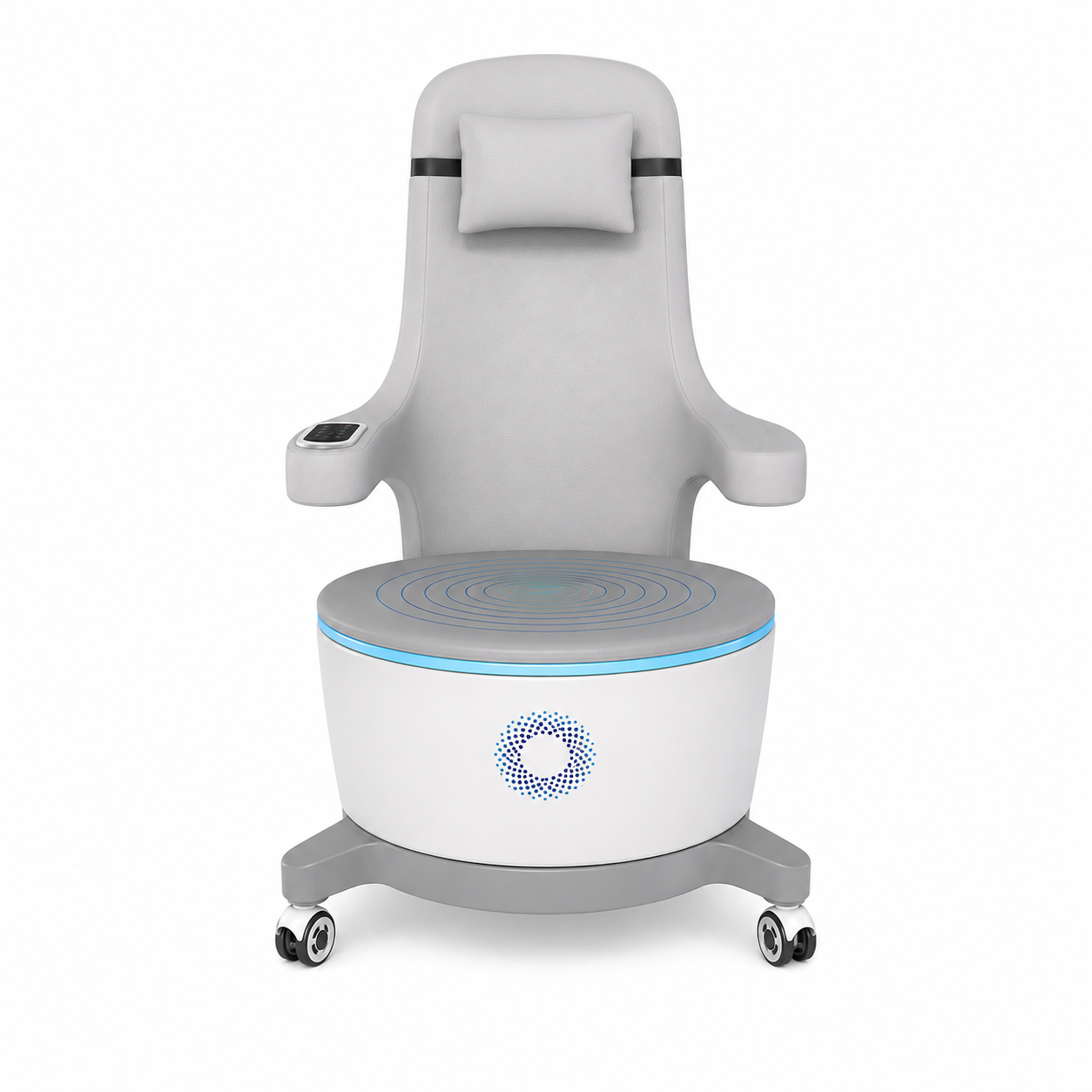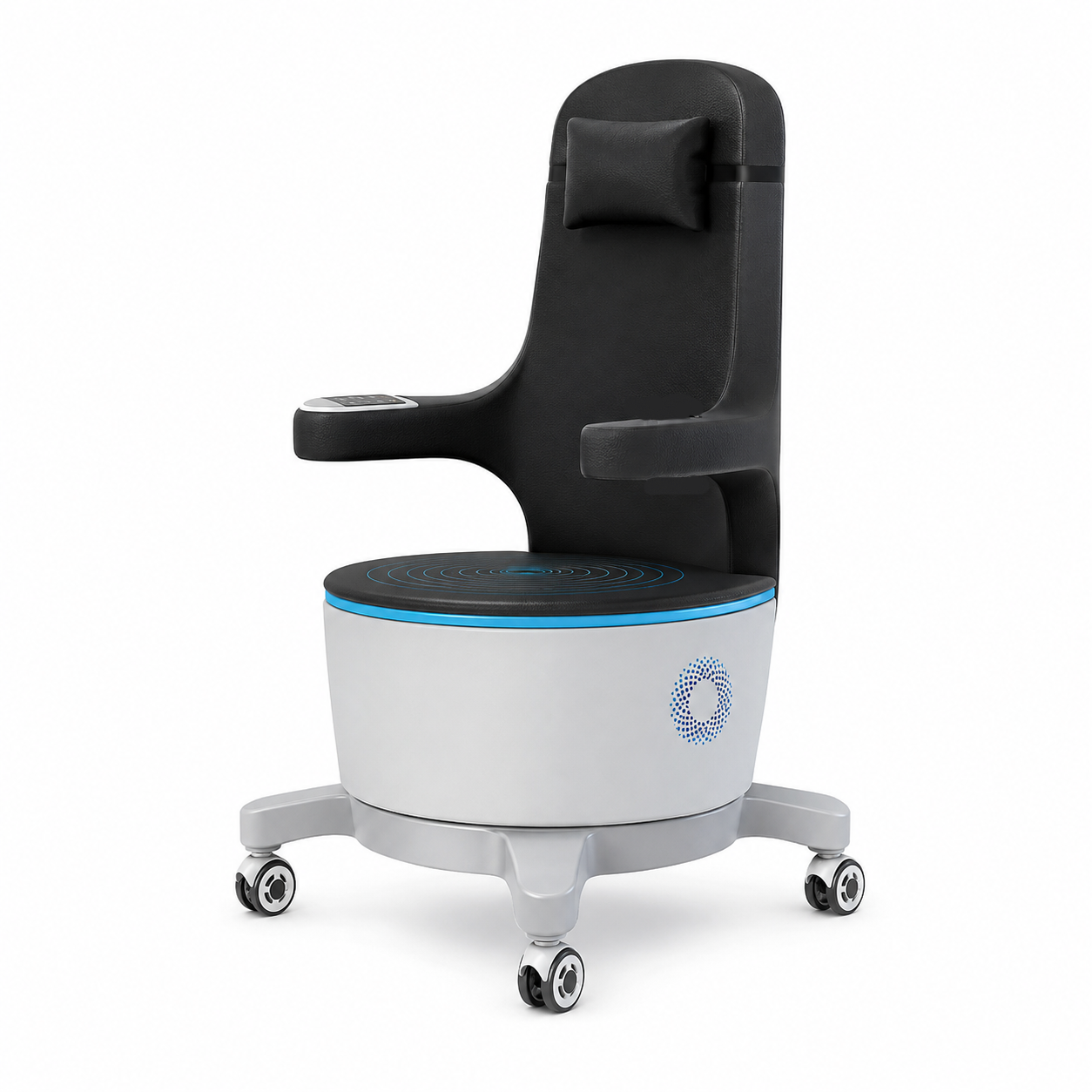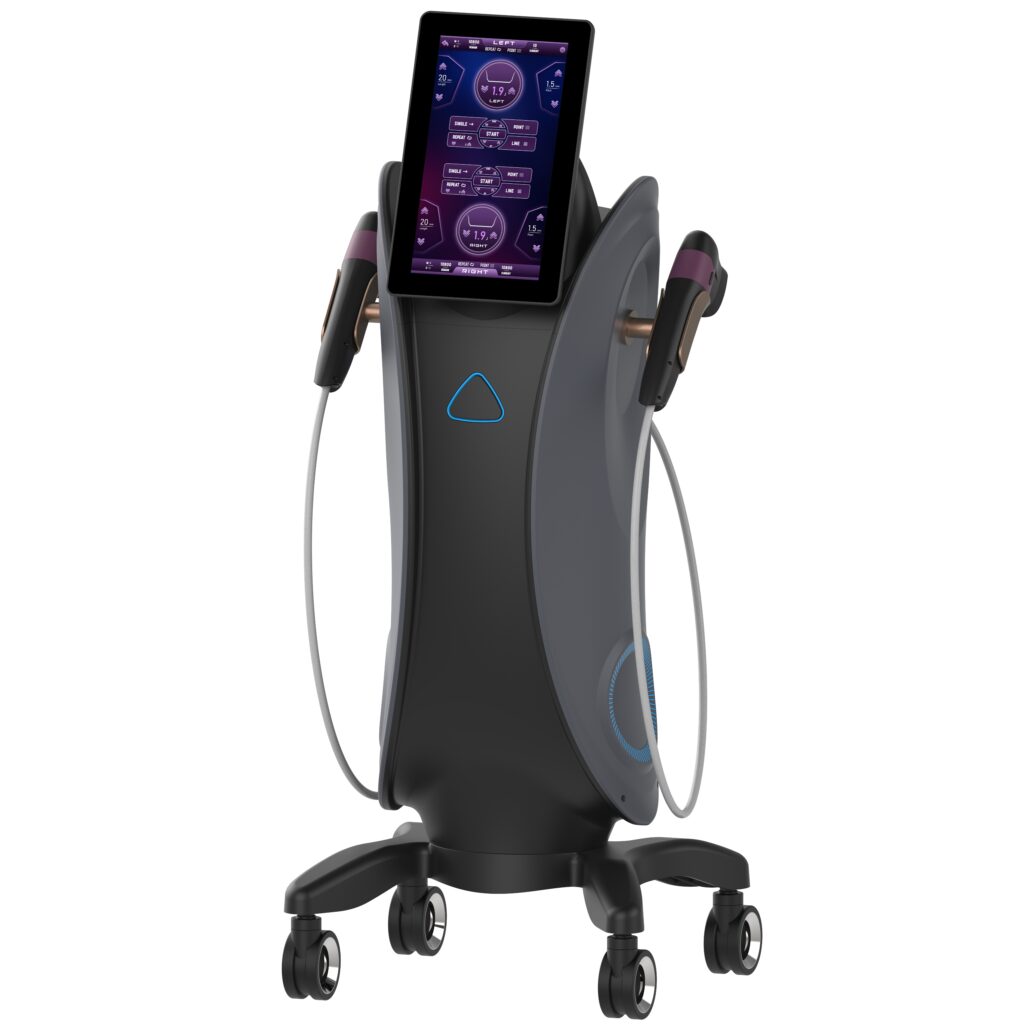










Pelvic floor health plays a critical role in urinary control, core stability, and overall quality of life, especially after childbirth or during aging. In recent years, non-invasive electromagnetic stimulation systems have emerged as an alternative to traditional pelvic floor training methods. The E0435 EMS Chair Pelvic Floor Muscle Stimulator is designed to support muscle strengthening and functional recovery through focused electromagnetic energy, offering a structured approach for both women’s postpartum rehabilitation and general pelvic health improvement.
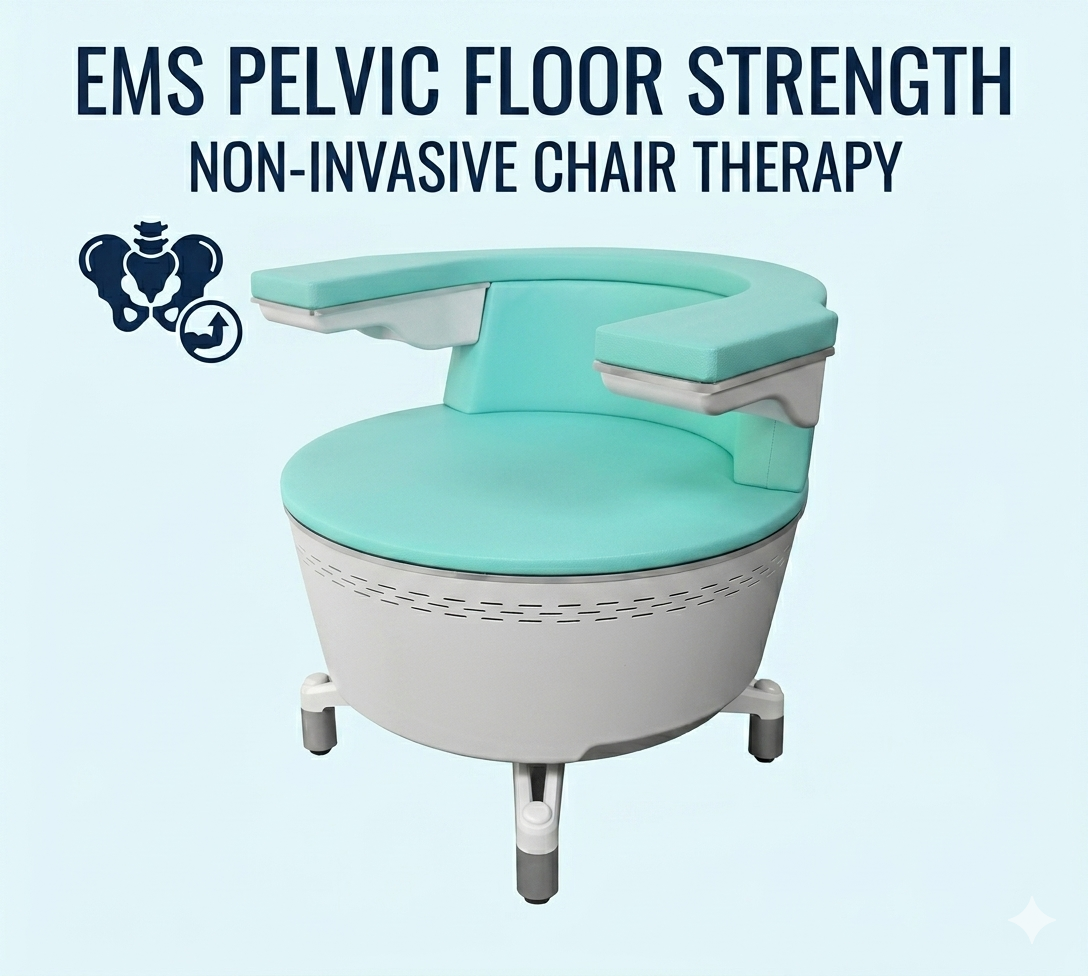
1. How EMS Chair Technology Works
Pulsed Electromagnetic Field Therapy used in EMS chairs applies focused electromagnetic pulses to stimulate deep muscle contractions without physical effort from the user.
1.1 Supramaximal Muscle Contractions
The system generates high-intensity pulses that trigger involuntary muscle contractions in the pelvic floor. Each session can simulate thousands of contractions in a short period of time, far exceeding what is typically achieved through voluntary exercise.
1.2 Deep Muscle Activation Without Invasiveness
Unlike traditional exercise methods, electromagnetic energy penetrates deep into muscle layers, activating areas that are difficult to engage through voluntary movement alone.
1.3 Hands-Free Treatment Process
The user remains fully clothed and seated while the device performs the stimulation, making it a convenient and comfortable therapy option.
2. Core Benefits for Pelvic Floor Health
2.1 Strengthening Pelvic Floor Muscles
The main goal of the system is to strengthen the pubococcygeal (PC) muscles, which support bladder control and core stability.
2.2 Urinary Incontinence Support
Regular sessions may help reduce symptoms of stress urinary incontinence, such as leakage caused by coughing, sneezing, or physical activity.
2.3 Improved Muscle Tone and Control
Stronger pelvic floor muscles contribute to better control over bladder and bowel function, supporting daily comfort and confidence.
2.4 Enhanced Circulation and Nerve Activation
Electromagnetic stimulation may improve local blood flow and nerve responsiveness in the pelvic region, supporting tissue function.
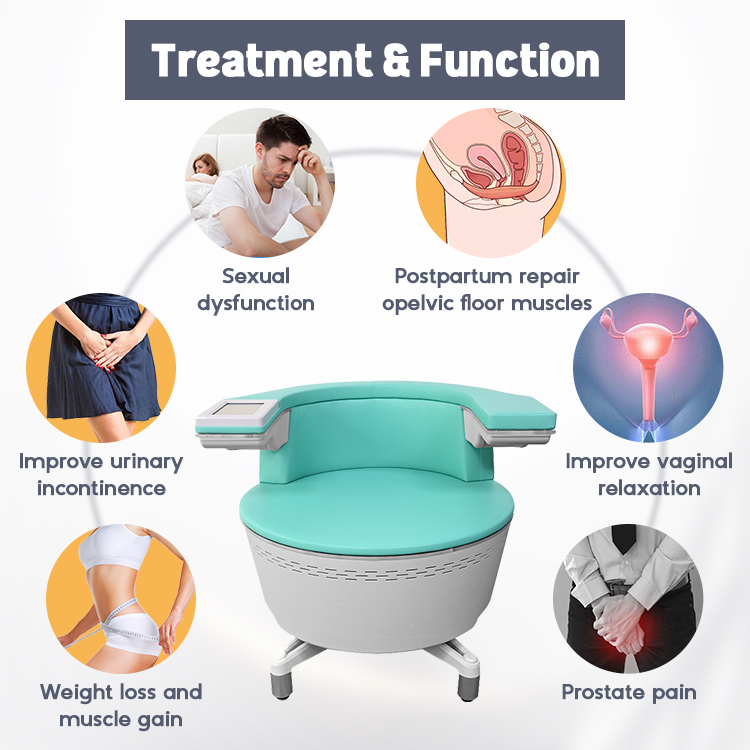
3. Postpartum Recovery Applications
After childbirth, many women experience weakened pelvic floor muscles. The EMS chair system is designed to assist in this recovery phase.
3.1 Restoring Muscle Strength After Delivery
The treatment helps reactivate and strengthen muscles that may have been stretched or weakened during pregnancy and childbirth.
3.2 Supporting Vaginal Muscle Tone
Improved muscle engagement may help restore firmness and elasticity in the pelvic area over time.
3.3 Reducing Postpartum Discomfort
By strengthening internal support structures, the system may help reduce discomfort associated with pelvic floor weakness.
4. Benefits for Men and Women
4.1 Female-Focused Applications
For women, the system is commonly used to:
- Improve bladder control
- Support postpartum recovery
- Enhance pelvic muscle tone
- Reduce leakage during physical activity
- Improve sexual function and sensitivity
4.2 Male-Focused Applications
For men, pelvic floor strengthening may help with:
- Improved bladder control
- Support for urinary function with aging
- Enhanced pelvic stability
- Better core muscle engagement
5. How a Treatment Session Works
5.1 High-Intensity Muscle Activation
Each session delivers electromagnetic pulses that simulate approximately 12,000 muscle contractions, depending on treatment parameters.
5.2 Comfortable Sitting Position
The treatment is performed while seated, with no physical exertion required from the user.
5.3 Gradual Progress Over Multiple Sessions
Results are typically cumulative, with improvements becoming more noticeable over a series of treatments.

6. Key Advantages Over Traditional Exercises
6.1 Beyond Kegel Exercises
While Kegel exercises rely on voluntary contraction, EMS chair technology activates deeper muscle groups more consistently and intensively.
6.2 Time Efficiency
A single session can achieve what would take significantly longer through manual exercise routines.
6.3 Consistent Muscle Engagement
The system ensures uniform stimulation across the entire pelvic floor area, reducing inconsistency in muscle training.
7. Physiological Effects of EMS Stimulation
7.1 Muscle Fiber Activation
The electromagnetic pulses stimulate both fast and slow muscle fibers, improving overall strength and endurance.
7.2 Tissue Re-Education
Repeated stimulation helps retrain muscle response and coordination in the pelvic region.
7.3 Circulatory Support
Improved blood flow may contribute to better oxygen and nutrient delivery to muscle tissues.
8. Who Can Benefit from EMS Chair Therapy
This type of system is commonly used by:
- Postpartum women
- Individuals experiencing mild urinary incontinence
- People seeking pelvic floor strengthening
- Patients in rehabilitation programs
- Aging populations looking to maintain muscle function
Its non-invasive nature makes it suitable for a wide range of users.
Conclusion
The E0435 EMS Chair Pelvic Floor Muscle Stimulator represents a modern, non-invasive approach to pelvic health and muscle rehabilitation. By using focused electromagnetic energy to trigger deep muscle contractions, it provides an efficient method for strengthening the pelvic floor, supporting postpartum recovery, and improving bladder control. Compared to traditional exercise methods, EMS chair therapy offers a more intensive and time-efficient solution, making it a practical option for both clinical and personal wellness applications.
FAQ
Is EMS chair therapy painful?
No, it is generally non-invasive and comfortable.
How many sessions are needed?
Results vary, but multiple sessions are typically recommended.
Can it help with urinary incontinence?
Yes, it is commonly used to support mild stress urinary incontinence.
Is it only for women?
No, it can also benefit men with pelvic floor weakness or urinary issues.
Do users need to exercise during treatment?
No, the device works automatically without physical effort.