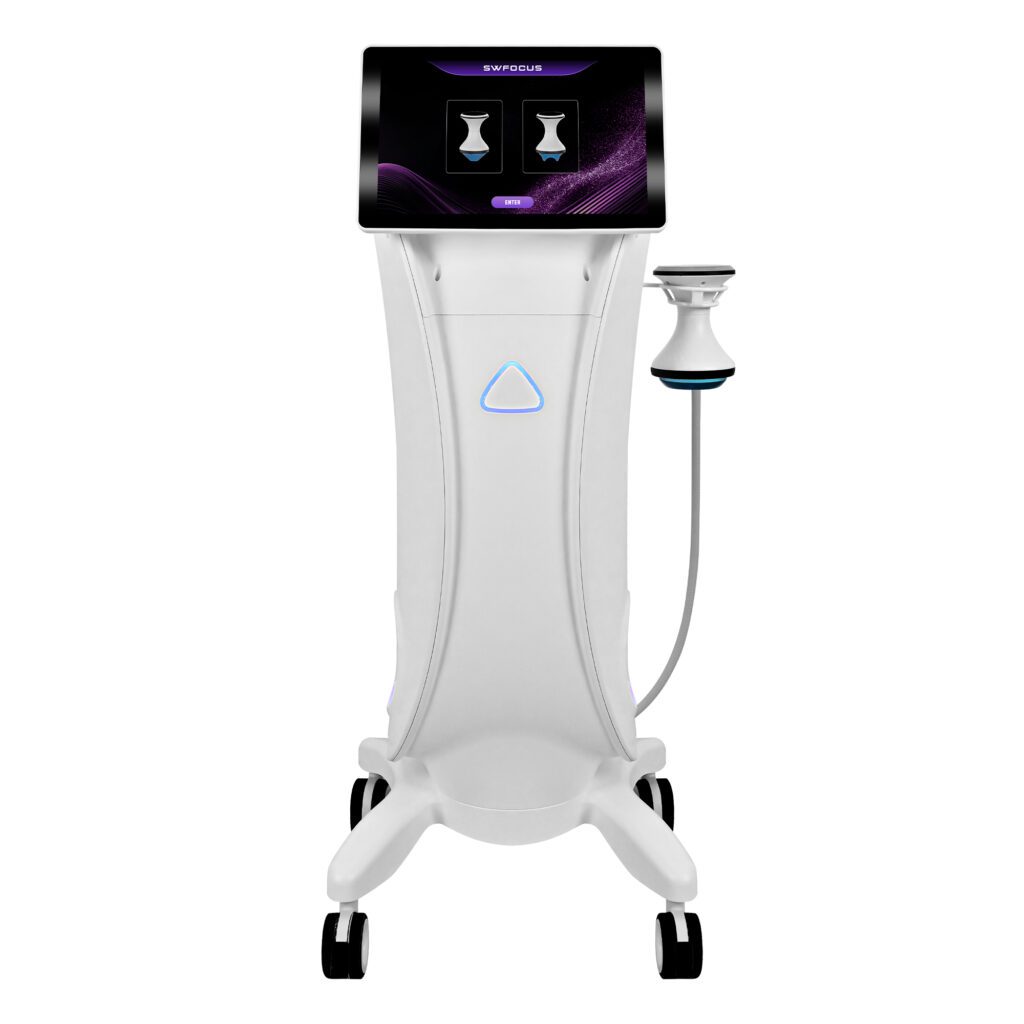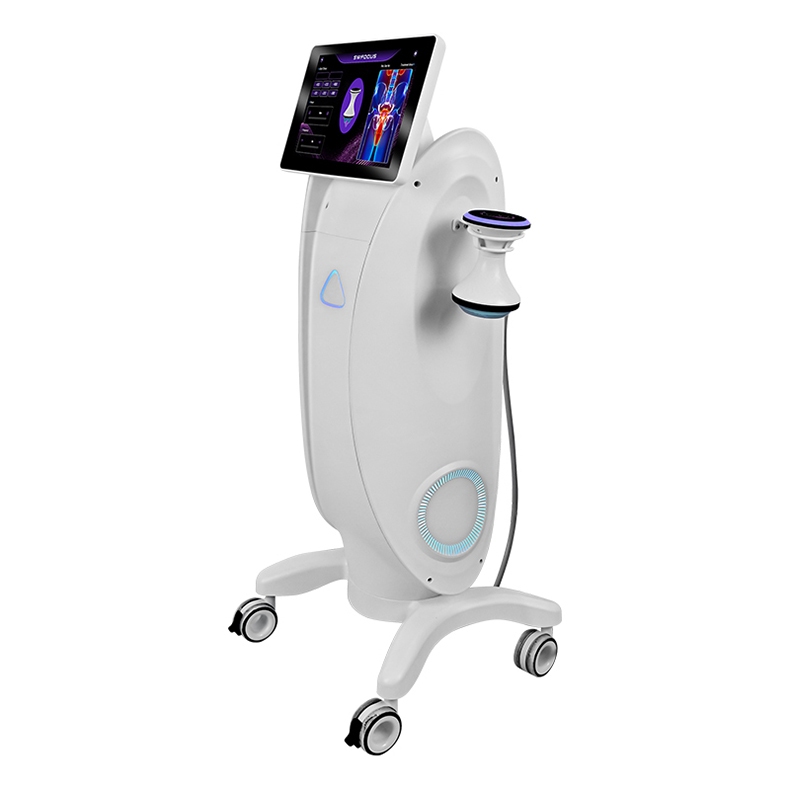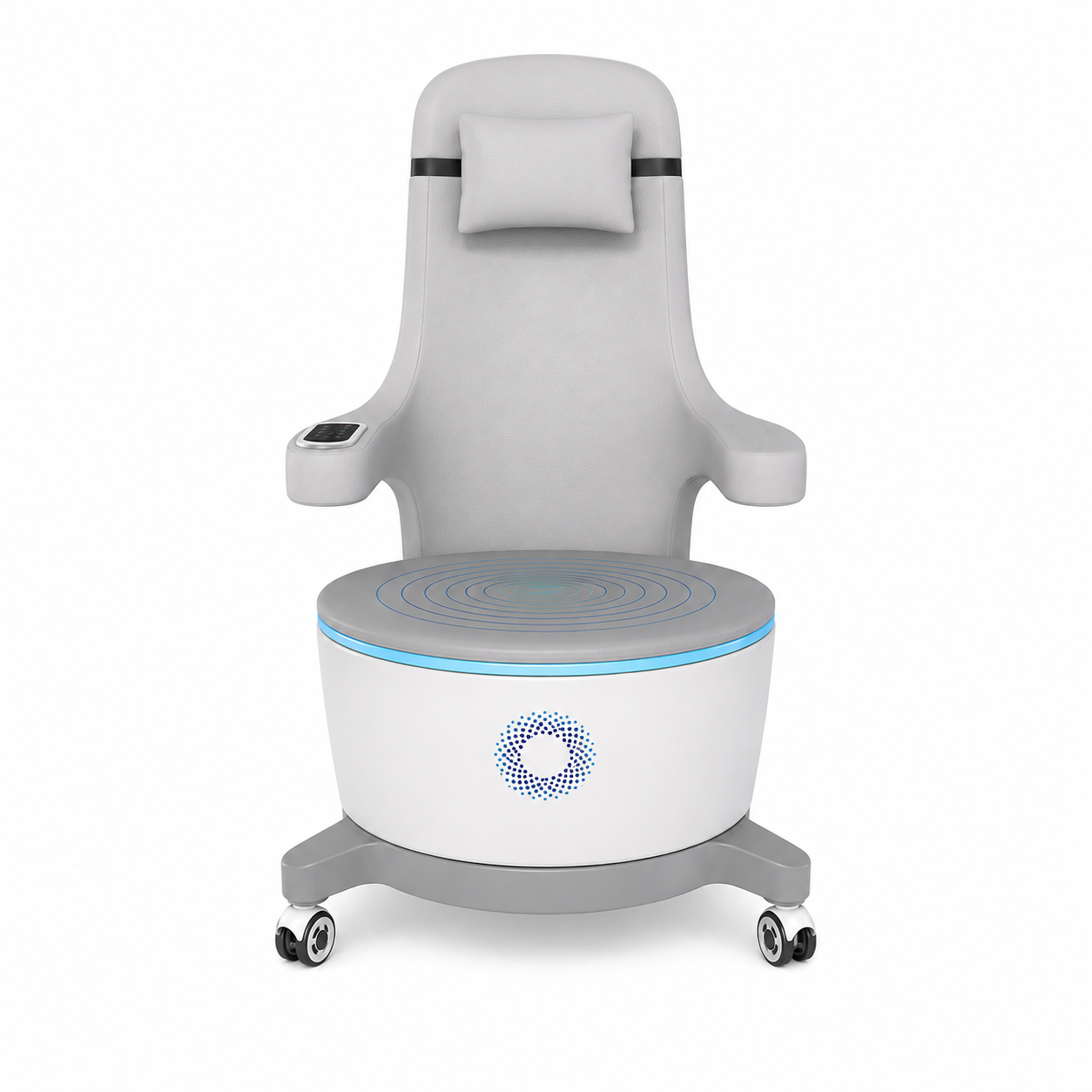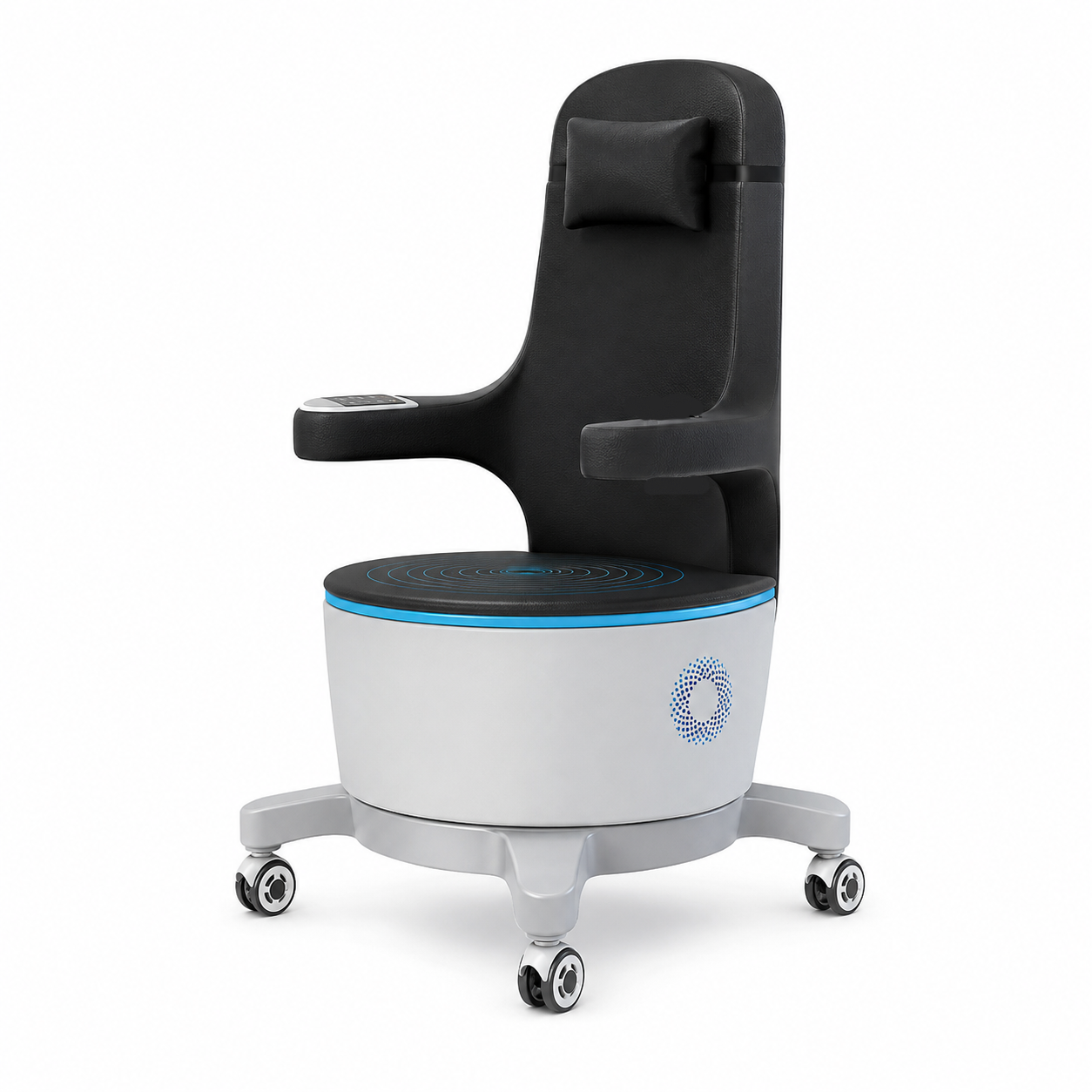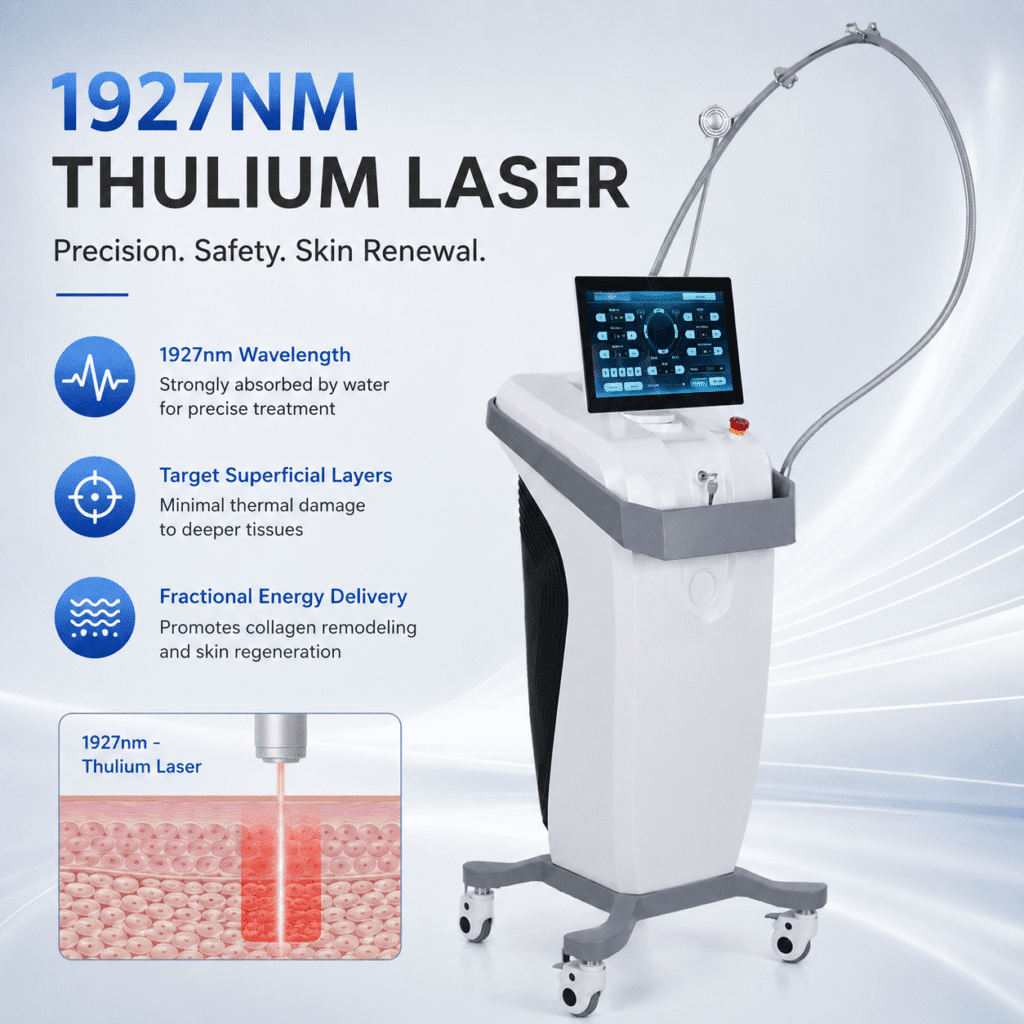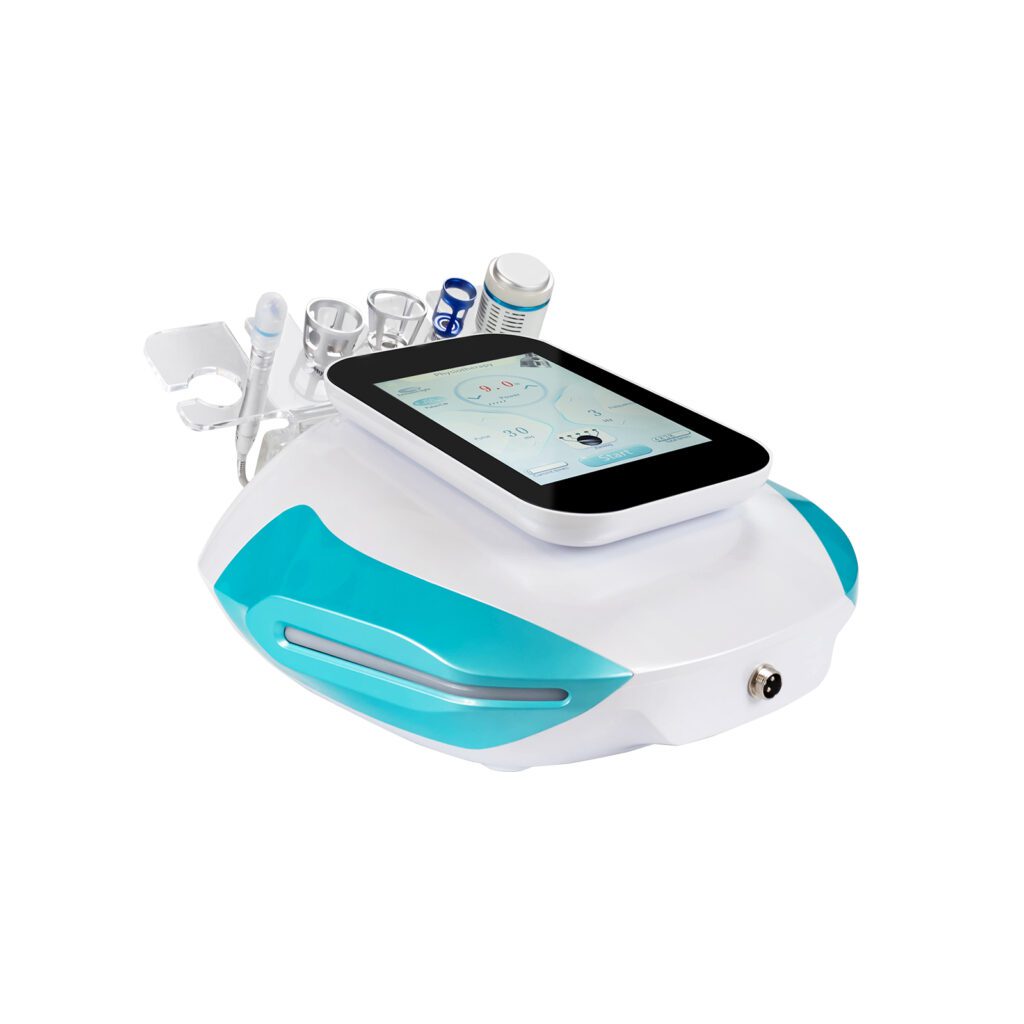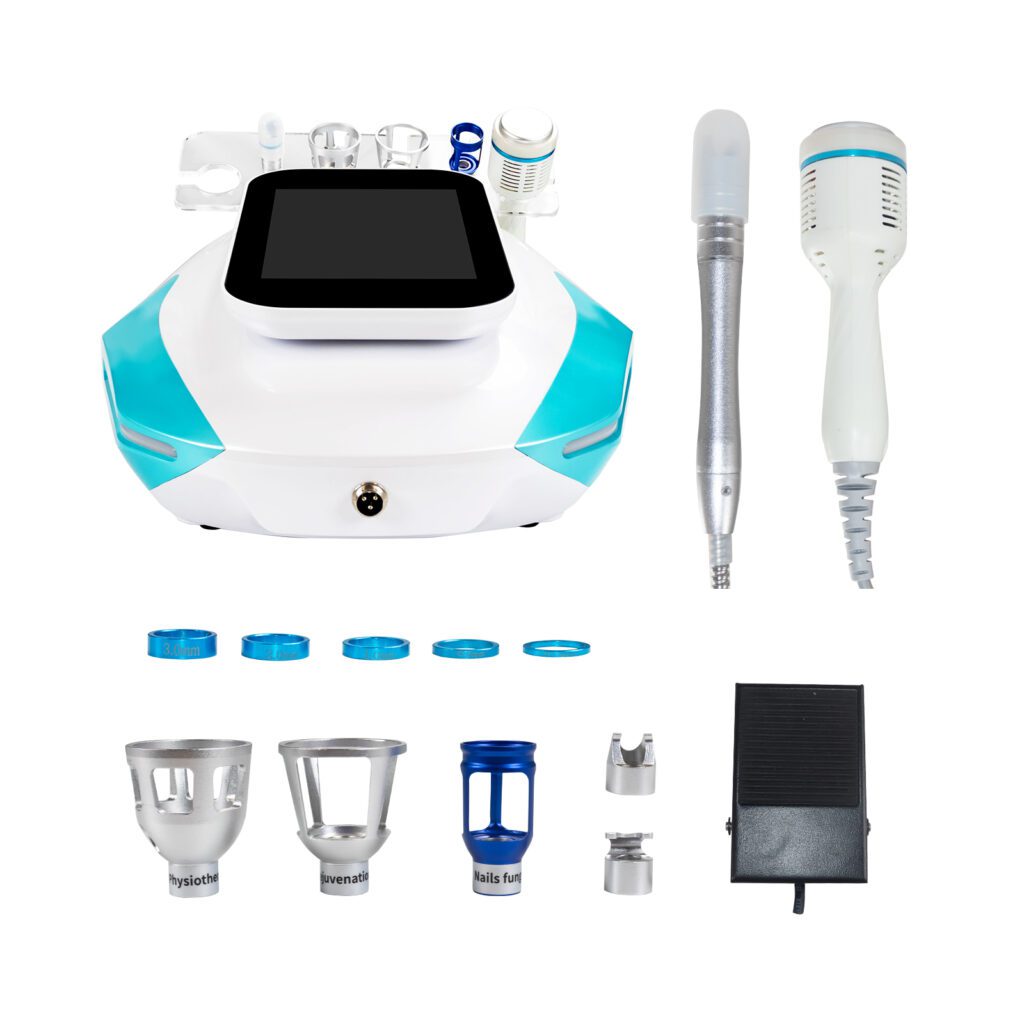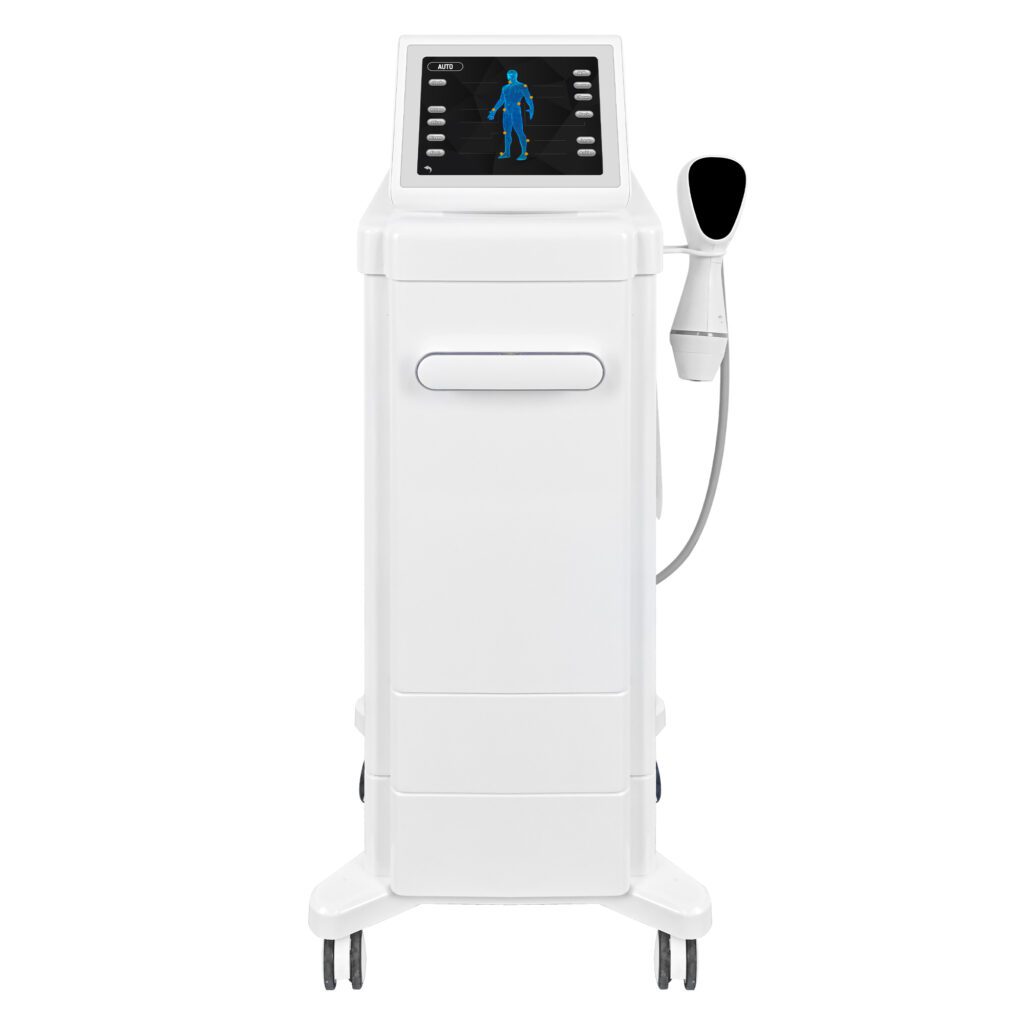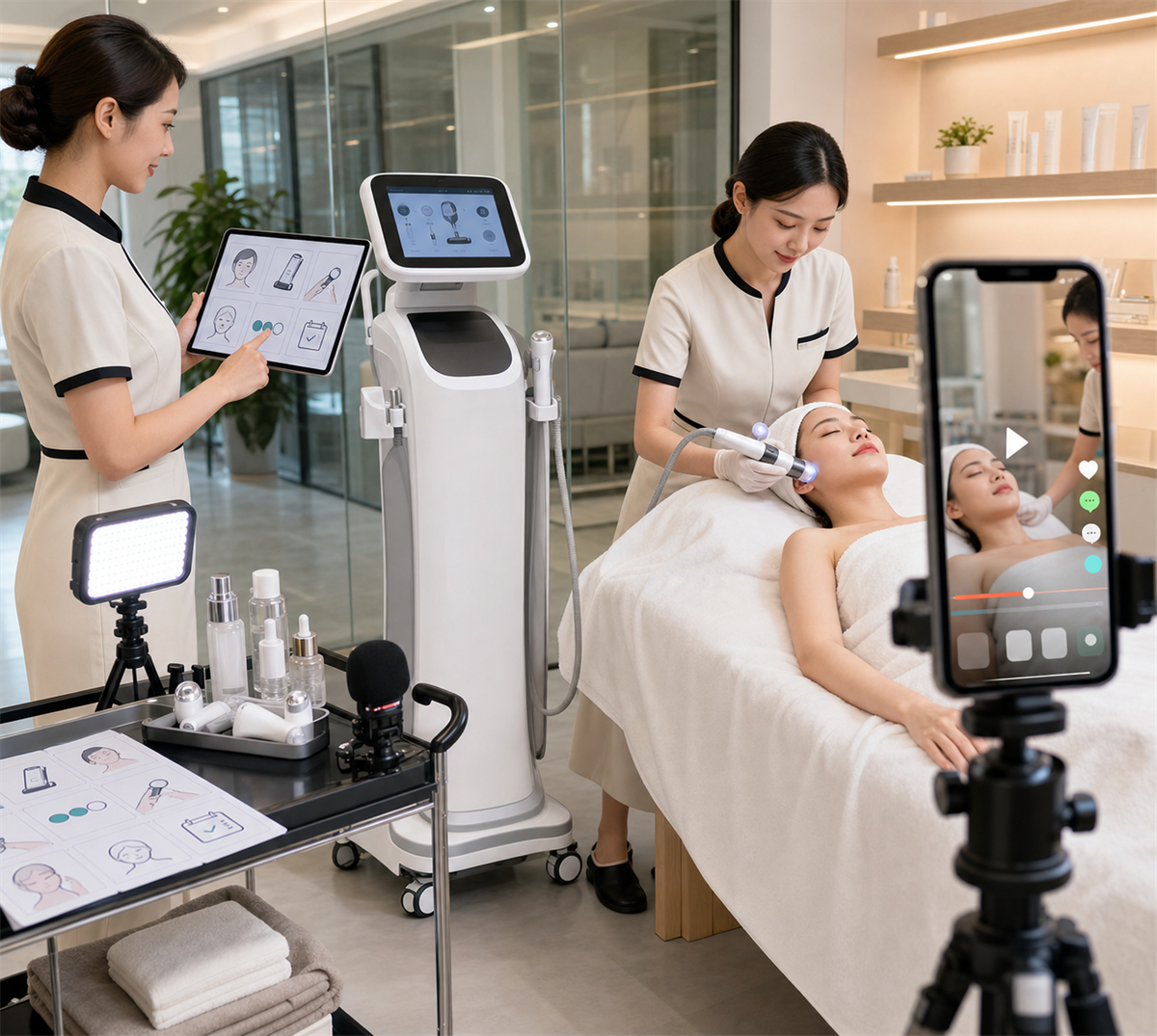
Short video platforms have become one of the most important marketing channels for beauty salons and beauty equipment distributors. For salons, short videos can make a new equipment project feel more visible, more professional, and easier for customers to understand. For distributors, short video content can show real machine usage, training support, project packaging, and customer operation scenarios in a way that static product photos cannot.
However, promoting beauty equipment projects on short video platforms is not as simple as recording a machine and adding background music. If the content only says “new machine arrived”, “high-end device”, or “visible effect after one session”, it may attract views but fail to create trust. Worse, it may create compliance risk if the claims are too medical, too absolute, or not supported by proper evidence.
The right strategy is to treat short video as a full project education and conversion system. A beauty salon should use video to explain who the project is for, what the service process looks like, what kind of experience customers can expect, how the project fits into daily skin care or body care, and why the salon is qualified to operate it. A distributor should use video to prove that the equipment is not just a machine, but a complete business solution with training, after-sales support, project design, and long-term customer development value.
Why Short Video Works Well For Beauty Equipment Projects
Beauty equipment projects are visual, process-based, and experience-driven. Customers often want to know what the machine looks like, whether the treatment feels comfortable, how the therapist operates it, how long one session takes, and whether the salon environment looks professional. These details are difficult to communicate through text alone.
Short video solves this problem because it can show the project in motion. A 30 second video can display the equipment, the treatment room, the therapist’s technique, the customer’s preparation, the project steps, and the booking offer. This makes the project easier to understand and easier to trust.
For salons, short video also helps reduce customer hesitation. Many customers do not reject equipment projects because they dislike them. They hesitate because they do not understand the project. They may worry about pain, safety, sensitivity, downtime, price, or whether the result is worth it. A good short video can answer these questions before the customer contacts the salon.
For distributors and manufacturers, short video helps solve a different problem: buyers cannot judge equipment quality from a catalog alone. They want to see operation, handle design, interface clarity, training support, project cases, packaging materials, and real salon usage scenarios. Video content can make these advantages more concrete.
Promote The Project, Not Just The Machine
The biggest mistake in short video promotion is focusing only on the equipment itself. A video that only shows the machine body, screen, and handle may look clean, but it does not tell the customer why they should book or why a salon owner should buy.
Beauty salons should promote the service project built around the equipment. For example, instead of saying “we bought a new RF machine”, a salon can present the project as “firming care for customers who feel loose skin and dull facial contours”. Instead of saying “new small bubble machine”, the salon can present it as “deep cleansing and hydration management for customers with clogged pores and makeup residue concerns”.
Distributors should also avoid selling only specifications. Instead of leading with “10 handles and 8 functions”, they should explain which salon scenarios the machine supports, what service combinations can be designed, what customer groups can be targeted, what price range salons can set, and how the distributor helps salons launch the project.
The machine creates attention, but the project creates revenue.
Choose The Right Platform Positioning
Different short video platforms have different user habits, content styles, and conversion paths. A beauty business does not need to treat every platform the same way.
Douyin and TikTok-style platforms are strong for quick discovery, local traffic, video hooks, before-and-after style storytelling where permitted, staff personalities, and high-frequency content testing. They are suitable for project launch videos, therapist demonstrations, local store exposure, and campaign offers.
Kuaishou-style platforms often work well for practical, direct, relationship-driven content. For beauty salons in lower-tier cities, community markets, or relationship-based service environments, videos with a real shop owner, real staff, and honest project explanations may perform better than overly polished ads.
Xiaohongshu-style content is often stronger for search, lifestyle decision-making, review behavior, and longer consideration. Although it is not purely a short video platform, short videos and notes can work together. It is useful for explaining skin concerns, care routines, project selection logic, and customer experience stories, while staying within platform rules and advertising compliance requirements.
Video accounts inside social ecosystems such as WeChat Channels may be valuable for salons with strong private traffic. These platforms are less about cold viral traffic and more about warming existing customers, connecting with community users, and guiding viewers back to appointments.
The practical rule is simple: use public short video platforms for discovery, use search-friendly content for education, and use private traffic channels for conversion and repurchase.
Start With A Clear Customer Segment
Short video content performs better when it speaks to a specific customer. A video that tries to promote “beauty equipment for everyone” usually feels vague. A video that speaks to one concern is much easier to watch.
Beauty salons can divide content by customer segment:
- Office workers with dull skin, dehydration, and irregular schedules
- Women aged 25 to 35 who are starting preventive anti-aging care
- Women aged 35 to 50 who care about firming, contour, and skin texture
- Customers who want pore cleansing and stable skin management
- Customers who want body shaping or postpartum body management
- Sensitive skin customers who need gentle and cautious care
- Existing members who want to upgrade from basic manual care to equipment-assisted care
Distributors can divide content by buyer segment:
- New salons choosing their first practical equipment set
- Community salons with limited space and budget
- Skin management centers that need professional project differentiation
- High-end salons that need anti-aging or body contouring packages
- Regional agents looking for easy-to-demonstrate equipment
- Salon chains that need standardized training and after-sales systems
Every video should answer one clear question for one clear audience. This improves retention, comments, and conversion quality.
Build A Short Video Content Matrix
A strong beauty equipment account should not only post sales videos. It needs a content matrix that covers education, proof, trust, conversion, and follow-up.
Equipment Demonstration Videos
These videos show the machine in use. They should focus on clean operation, professional hand movement, customer preparation, product application, handle contact, and step-by-step service flow.
Good topics include:
- What happens during one equipment facial session
- How the therapist prepares the skin before using the machine
- What the customer feels during the treatment
- How long one session usually takes
- Which areas can be served by this project
- Why the same handle can be used in different treatment steps
The goal is not to make exaggerated claims. The goal is to make the project feel understandable and professional.
Customer Concern Education Videos
These videos explain why a customer may need a certain type of care. They should not diagnose medical conditions. They should describe common beauty concerns in everyday language.
Examples include:
- Why skin can look tired even after applying skin care products
- Why pores may look more obvious after heavy makeup
- Why basic cleansing and hydration projects are still needed
- Why anti-aging care should focus on long-term management
- Why body management requires both equipment and lifestyle cooperation
This type of content attracts customers before they are ready to buy. It creates trust because the salon is teaching, not pushing.
Project Packaging Videos
These videos show how the salon turns one machine into a structured service package. They are important because customers do not buy a device. They buy a service outcome, a ritual, and a feeling of value.
Examples include:
- New firming management project now open for booking
- Deep cleansing plus hydration project for first-time customers
- Seasonal skin recovery project for dry and tired skin
- Member upgrade plan for customers who already do basic facial care
- Three-session trial plan for customers who want to observe gradual changes
The content should explain what is included, who it suits, how many sessions are suggested, and how to book.
Staff Training Videos
Training videos are powerful because they show seriousness. Customers trust a salon more when they see staff learning, practicing, and standardizing the service.
Distributors should also use training videos because they prove post-sale support. A machine supplier that only shows factory footage may look distant. A supplier that shows real training, therapist Q&A, handle technique, contraindication reminders, and project launch support looks more useful to salon buyers.
Good training video topics include:
- Therapist training before the new project launch
- Common operating mistakes and how to avoid them
- How to adjust service steps for different skin concerns
- What staff should explain before the first experience
- Why project records matter after each session
Trust Building Videos
Trust videos focus on the store, team, process, maintenance, hygiene, and after-sales support. These are especially important for higher-priced equipment projects.
Examples include:
- Daily equipment cleaning and maintenance
- How the treatment room is prepared before a customer arrives
- What information is checked before a customer starts the project
- How the salon records customer feedback after each session
- How the distributor handles training and after-sales questions
Short video trust is built through details. A tidy room, clean handles, labeled products, clear operating records, and calm explanation often convert better than loud slogans.
Conversion Videos
Conversion videos should be used after enough education and trust content has been posted. They can present trial offers, limited booking slots, member upgrade benefits, or package plans.
Examples include:
- This week’s new equipment project experience slots are open
- Trial fee can be deducted from the package on the same day
- Existing members can upgrade from basic care to equipment-assisted care
- First 20 bookings receive a skin analysis before the project
- Book through private message and receive a one-on-one project suggestion
The offer should be clear, but not desperate. High-value beauty projects need a professional tone.
Use A Strong Opening Hook
The first three seconds decide whether many viewers keep watching. A beauty equipment video should open with a specific problem, visual action, or direct question.
Weak opening:
- “Our salon has introduced a new machine.”
- “Today I will introduce this beauty equipment.”
- “This machine has many functions.”
Stronger opening:
- “If your customers always ask for firming but only buy basic facials, this project structure may help.”
- “This is how we prepare a new equipment facial before the first customer arrives.”
- “Many customers are afraid of instrument care because they do not know what happens during the session.”
- “For a community salon, the first equipment project should be easy to explain and easy to repeat.”
- “Before launching a new RF project, we train staff on these three details.”
A good hook does not need to be dramatic. It needs to be specific.
Make The Video Structure Simple
Most beauty equipment videos should follow a simple structure:
- Hook: one customer concern or business problem
- Scene: show the machine, room, staff, customer preparation, or training
- Explanation: explain one useful point
- Trust detail: show a process, standard, record, or staff action
- Call to action: invite booking, consultation, trial, or distributor inquiry
For example:
“Many customers ask for anti-aging care but do not know which project to choose. This new equipment project is designed for customers who want firming management and a more structured care plan. Before each session, we first check skin condition, explain the process, and record feedback after the treatment. This week we have 10 trial experience slots. Message us to check whether it suits your skin condition.”
This structure is easy to repeat. It also avoids making the video sound like a hard advertisement.
Show Real Operation, But Keep It Professional
Real operation videos usually perform better than overly staged promotional clips. Viewers want to see the actual treatment room, actual staff, actual machine, and actual service process.
But “real” does not mean messy. The machine should be clean, wires organized, handles placed neatly, disposable items prepared, background products arranged, and the therapist’s movement steady.
Before filming, prepare:
- Clean treatment bed
- Proper lighting
- Machine screen and handle close-ups
- Branded but not cluttered background
- Staff uniform or clean professional clothing
- Clear product and tool placement
- Customer privacy protection
- Written consent if a customer’s face, body, voice, or feedback is used
For distributors, filming should also show packaging quality, machine details, factory inspection, training sessions, and after-sales service scenes. A buyer wants to know what happens after payment, not only what the product looks like.
Be Careful With Before-And-After Content
Before-and-after content can attract attention, but it also carries high risk in beauty, aesthetic, and health-related advertising. Different platforms and markets may restrict medical beauty content, testimonials, exaggerated claims, or visual proof used as advertising.
If a salon uses any customer comparison or testimonial, it should be handled carefully:
- Get clear permission from the customer
- Avoid claiming guaranteed results
- Avoid implying that everyone will get the same result
- Avoid medical diagnosis or treatment claims if the salon is not qualified
- Avoid editing photos or videos in a misleading way
- Avoid extreme phrases such as “permanent”, “100 percent effective”, “no risk”, “instant transformation”, or “medical-grade result” unless legally supported and permitted
In many cases, process content is safer and more sustainable than aggressive result content. A professional treatment process can still build strong trust without crossing into risky claims.
Separate Life Beauty From Medical Beauty
Beauty salons must be especially careful with the boundary between daily beauty care and medical beauty. Some equipment, claims, or procedures may be regulated differently depending on the market, the device classification, the service method, and the promised effect.
For a salon operating non-medical beauty projects, short video content should avoid language that sounds like medical diagnosis, medical treatment, disease improvement, surgery, injection, prescription, or invasive procedure promotion. If the project belongs to medical beauty or involves regulated medical devices, the business should confirm qualification, advertising review requirements, platform policy, and local law before publishing.
A practical content boundary is:
- Say “skin care management” instead of “treat disease”
- Say “helps improve the appearance of” only when supported, instead of “cures”
- Say “suitable for customers concerned about” instead of “solves all problems”
- Say “experience may vary” when discussing customer feedback
- Say “please consult our staff for suitability” instead of “everyone can do it”
This does not make the content weak. It makes the content more credible.
Design Content For Search And Recommendation
Short video platforms are no longer only entertainment feeds. Many users search inside video platforms before visiting a store or buying a beauty project. Therefore, each video should include searchable phrases in the title, captions, spoken script, and on-screen text.
Search phrases can include:
- Beauty salon equipment project
- RF firming project
- Small bubble facial cleansing
- Skin management equipment
- Body shaping equipment project
- Anti-aging facial care
- Beauty salon new project
- Community beauty salon facial care
- Salon equipment training
- Beauty equipment distributor
Do not stuff keywords unnaturally. Use them in real sentences. For example:
“Today we are showing how a beauty salon can launch a new RF firming project, from staff training to customer experience design.”
This sentence is useful to humans and readable by platform search systems.
Use Local Content For Salon Traffic
For beauty salons, the final goal is usually not national views. It is local appointments. A salon should include local signals in short video content.
Useful local signals include:
- City or district name
- Nearby business area
- Store exterior or landmark
- Local customer lifestyle
- Local weather or season
- Appointment time slots
- Community member benefits
For example:
“For customers near the CBD who often wear makeup for work, our new deep cleansing and hydration equipment project is now open for weekday evening bookings.”
This kind of content may not get the most views, but it can attract the right viewers.
Turn Comments And Messages Into Sales Conversations
Short video promotion fails when the salon only posts videos and waits. Every comment, like, share, and private message should enter a follow-up process.
When a viewer comments “How much?”, the staff should not only reply with a price. A better reply is:
“The trial price depends on the project type. You can message us your main skin concern and we will suggest whether the new equipment project is suitable.”
When a viewer asks “Does it hurt?”, the staff can reply:
“Most customers describe this project as comfortable, but the feeling depends on skin condition and settings. We will check suitability before the session.”
When a viewer asks “How many sessions are needed?”, the staff can reply:
“It depends on the concern and your current care routine. We usually suggest starting with one experience session and then deciding whether to build a course plan.”
The goal is to move from public comment to private consultation, then from private consultation to appointment, then from appointment to membership or package conversion.
Create A 7 Day Short Video Launch Plan
When a new beauty equipment project is launched, the salon should not post one video and stop. A 7 day plan is more effective.
Day 1: Problem Awareness
Topic: “Why many customers need more than basic manual care”
Content: Explain one common concern such as dullness, dryness, clogged pores, or loose-looking skin. Do not mention the machine too early. Let viewers recognize their need first.
Call to action: “Comment your main skin concern or message us for a simple project suggestion.”
Day 2: Equipment Arrival
Topic: “New equipment project is now in the salon”
Content: Show the machine arriving, inspection, clean setup, and treatment room preparation.
Call to action: “We are preparing the first experience slots this week.”
Day 3: Staff Training
Topic: “Before customers try the project, our therapists train first”
Content: Show staff learning operation steps, handle technique, parameter awareness, and service notes.
Call to action: “Training is part of why we do not rush to sell a new project immediately.”
Day 4: Process Demonstration
Topic: “What happens during one equipment care session”
Content: Show cleansing, preparation, machine operation, finishing care, and feedback recording.
Call to action: “Message us if you want to know whether this project suits your skin.”
Day 5: Customer Suitability
Topic: “Who is more suitable for this project?”
Content: Explain suitable customer groups and who should be cautious or consult first.
Call to action: “Send your age, skin concern, and current care routine for a basic suggestion.”
Day 6: Trial Offer
Topic: “First experience slots are open”
Content: Explain trial content, time required, trial fee, deduction rule, and booking limit.
Call to action: “Book through private message. Trial slots are limited by therapist schedule.”
Day 7: FAQ And Follow-Up
Topic: “Questions customers asked about this new project”
Content: Answer price, feeling, session time, aftercare, and package options.
Call to action: “Save this video and message us before booking.”
Create A 30 Day Content System
After the launch week, the salon should continue with a 30 day content system. This prevents the project from disappearing after the first wave of attention.
Use four weekly themes:
- Week 1: customer concerns and project education
- Week 2: operation process and therapist professionalism
- Week 3: member cases, feedback, and daily store scenes
- Week 4: packages, seasonal campaigns, and repurchase reminders
Post types can rotate:
- One project education video
- One operation demonstration video
- One staff or owner explanation video
- One FAQ video
- One conversion offer video
- One behind-the-scenes video
- One customer story or feedback video, only with permission and compliant wording
This rhythm gives the account enough variety while keeping the project visible.
Use Live Streaming Carefully
Live streaming can help explain beauty equipment projects in detail, but it should not become uncontrolled claim-making. The host should prepare a compliant script before going live.
A salon live stream can include:
- Project introduction
- Equipment appearance and handle explanation
- Treatment room setup
- Therapist training highlights
- Customer suitability explanation
- Trial booking rule
- FAQ
- Member upgrade plan
Avoid:
- Guaranteeing results
- Making medical claims without qualification
- Showing sensitive body areas
- Pressuring customers with fear-based language
- Using fake scarcity
- Exaggerating before-and-after effects
- Allowing staff to answer complex suitability questions casually
The best live streams are calm and educational. They make customers feel that the salon is professional, not desperate to sell.
Short Video Scripts For Beauty Salons
Script 1: New Equipment Arrival
“Many customers have asked whether we can add a more structured care option for firming and skin management. Our new equipment has arrived today. Before opening appointments, we will complete inspection, staff training, and trial operation first. After the project process is confirmed, we will open the first experience slots for existing members and new customers.”
Script 2: Staff Training
“A new equipment project is not launched by simply placing the machine in the room. Our therapists first need to learn the operation steps, customer communication points, and aftercare reminders. The goal is to make every session clear, comfortable, and properly recorded.”
Script 3: Customer Suitability
“This project is more suitable for customers who want structured skin management and are already doing regular care. If your skin is currently sensitive, irritated, or recovering from other procedures, please tell us before booking. We will check suitability before arranging the session.”
Script 4: Trial Offer
“This week we are opening a limited number of experience appointments for the new equipment project. The experience includes consultation, preparation, equipment care, finishing care, and feedback record. If you decide to upgrade to a package on the same day, the trial fee can be deducted according to the store policy.”
Script 5: Distributor Promotion
“For salon owners, a machine is only the beginning. What matters is whether the project can be explained, priced, trained, promoted, and maintained. This model is suitable for salons that need a practical project package with training support, launch materials, and after-sales response.”
Short Video Scripts For Distributors
Distributors should remember that salon owners care about sell-through, staff training, project positioning, and after-sales support. Product function is important, but it is not the whole decision.
Script 1: Buyer Pain Point
“Many salon owners do not lack equipment. They lack a project that staff can explain and customers can understand. When we recommend a machine, we also help design project positioning, experience flow, pricing suggestion, and promotion materials.”
Script 2: Machine Demonstration
“This equipment is designed for salons that want to add a repeatable care project. Today we show the handle operation, screen interface, treatment step design, and daily maintenance points. For distributors or salons, easy operation and stable training are more important than simply having many functions.”
Script 3: After-Sales Trust
“A salon should not be left alone after receiving the machine. Our support includes operation training, project launch guidance, common problem response, maintenance reminders, and replacement accessory consultation. This is what helps a device become a revenue project instead of idle inventory.”
Script 4: Regional Agent Content
“If you are choosing beauty equipment for regional distribution, do not only compare factory price. Compare demand, demonstration difficulty, after-sales burden, project repeatability, and whether the manufacturer can keep supplying materials, accessories, and training support.”
What To Film For Each Equipment Category
Different beauty equipment categories need different content angles.
RF Beauty Equipment
Focus on anti-aging positioning, firming management, comfort, therapist technique, care cycle, and premium package design. Avoid guaranteed lifting or medical claims unless qualified and supported.
Ultrasound Beauty Equipment
Focus on product introduction steps, care process, facial management combinations, and gentle project design. Show how it fits with cleansing, hydration, and soothing care.
EMS Or Microcurrent Equipment
Focus on facial vitality, muscle-feeling explanation, low-intensity experience, therapist operation, and customer communication. Avoid language that sounds like medical rehabilitation unless qualified.
LED Light Therapy Equipment
Focus on calm atmosphere, skin care routine support, post-care comfort, and combination with soothing or acne-prone skin management where permitted. Avoid disease treatment claims.
Hydro Dermabrasion Or Small Bubble Equipment
Focus on visible process, pore cleaning, hydration steps, first-time customer experience, and easy package design. These videos can be practical and simple because the project is easy to understand.
Hair Removal Equipment
Focus on preparation, skin suitability, course explanation, seasonal planning, privacy, and professional operation. Avoid absolute claims such as permanent removal unless legally and scientifically supported for the specific device and jurisdiction.
Body Shaping Equipment
Focus on body management, lifestyle cooperation, measurement process, package cycle, and realistic expectations. Avoid weight-loss guarantees and medical treatment language.
How To Connect Short Video With Store Revenue
Views alone do not pay back a machine. A short video system must connect to store revenue.
A basic conversion path can be:
- Video view
- Comment or private message
- Suitability question
- Trial appointment
- First experience
- Feedback record
- Package recommendation
- Member card or course purchase
- Follow-up reminder
- Repurchase or referral
The salon should prepare reply templates for common questions before posting videos. The distributor should prepare inquiry forms for salon buyers before running ads or publishing large volumes of content.
For each lead, record:
- Which video brought the inquiry
- Customer concern
- Project interest
- Appointment date
- Trial result
- Whether a package was purchased
- Follow-up date
- Objections
- Final conversion value
After 30 days, the salon can identify which videos actually created appointments, not just likes.
Paid Ads Or Organic Content?
Beauty equipment projects can use both organic content and paid ads, but the order matters.
Start with organic content to test:
- Which customer concerns get comments
- Which hooks increase watch time
- Which project names are easier to understand
- Which videos bring private messages
- Which offers create appointments
After enough testing, promote the best-performing videos with paid traffic if platform policy and business qualifications allow it. Do not spend heavily on an untested sales video.
For distributors, paid ads may be useful for reaching salon owners, regional agents, and beauty entrepreneurs. But the landing process must be ready. If buyers click and only find a simple machine photo, the ad budget is wasted. They need product details, training support, warranty policy, qualification documents, price range, sample testing options, and contact response.
Common Mistakes To Avoid
Mistake 1: Only Showing The Machine
The machine is important, but customers buy the project and salon owners buy the business model. Show the project flow, not only the device shell.
Mistake 2: Making Overstated Claims
Terms such as “permanent”, “no risk”, “instant face lift”, “one session changes everything”, or “100 percent effective” can create distrust and compliance risk. Use accurate, qualified language.
Mistake 3: Copying Viral Beauty Content Blindly
Not every viral format fits beauty equipment projects. A salon needs local appointments and repeat customers. A distributor needs qualified buyer inquiries. Entertainment content is useful only if it connects back to business goals.
Mistake 4: No Follow-Up System
Many salons get comments but lose customers because nobody follows up. Short video should be connected to staff reply rules, booking forms, trial slots, and member conversion.
Mistake 5: No Project Packaging
If the customer only sees a machine name, they cannot judge value. Give the project a clear name, target group, process, duration, price logic, and course suggestion.
Mistake 6: No Compliance Review
Beauty, aesthetic, medical beauty, health, and device-related claims can be regulated by both law and platform policies. Review scripts before posting, especially for paid ads, live streaming, testimonials, and before-and-after content.
Compliance Principles For Beauty Equipment Short Videos
This article is not legal advice, but beauty businesses should follow several practical principles.
- Claims should be truthful and not misleading
- Effect claims should be supported by suitable evidence
- Testimonials should reflect real experience and should not imply typical results if they are not typical
- Paid cooperation, influencer promotion, or sponsored content should be clearly disclosed where required
- Customer images and feedback should be used only with permission
- Medical beauty or medical device content should be reviewed according to local qualification and advertising rules
- Platform policies should be checked before paid advertising
- Staff should avoid answering medical suitability questions beyond their qualification
Compliance does not reduce marketing power. It protects the brand, the salon, the distributor, and the customer relationship.
Metrics To Track
A beauty business should not judge short video promotion only by views. The right metrics depend on the business goal.
For salons, track:
- Views from local area
- Completion rate
- Saves
- Comments
- Private messages
- Appointment requests
- Trial bookings
- Show-up rate
- Trial-to-package conversion
- Average order value
- Member upgrade rate
- Repeat purchase rate
For distributors, track:
- Salon owner inquiries
- Regional agent inquiries
- Qualified buyer ratio
- Sample request rate
- Quotation request rate
- Training consultation rate
- Conversion from inquiry to order
- After-sales question volume
- Repeat order or accessory purchase
If a video gets many views but no inquiries, the hook may be interesting but the offer is unclear. If a video gets inquiries but no bookings, the reply script or pricing may need improvement. If bookings happen but packages do not sell, the in-store experience and staff sales process should be reviewed.
How Manufacturers Can Support Short Video Promotion
Manufacturers and distributors can make short video promotion easier for salons by providing reusable content assets and training.
Useful support includes:
- Product operation videos
- Project launch scripts
- Therapist training clips
- Before-service and after-service explanation templates
- FAQ reply templates
- Legal and compliance wording reminders
- Product certificates and qualification documents where applicable
- Maintenance and cleaning videos
- Accessory replacement guidance
- Poster and video cover templates
- Case studies that avoid exaggerated claims
This kind of support helps salons post faster and sell more confidently. It also helps distributors reduce repetitive training pressure.
Practical Posting Frequency
A beauty salon does not need to post ten videos a day. Quality and consistency matter more.
For a small salon, a realistic schedule is:
- 3 to 5 short videos per week
- 1 live stream or longer explanation session per month if the team can manage it
- Daily private traffic reposting for important launch content
- Weekly review of inquiries and bookings
For a distributor or manufacturer, a stronger schedule may be:
- 5 to 7 short videos per week
- 1 to 2 product demonstration videos per week
- 1 training or after-sales video per week
- 1 buyer education video per week
- 1 agent policy or business opportunity video per week
- Regular live sessions for product Q&A
The key is not volume alone. The account should build a library of searchable answers.
FAQ
Should a beauty salon show prices in short videos?
It depends on the project. For low-entry experience projects, showing a clear trial price can increase bookings. For higher-priced anti-aging or body management projects, it may be better to show a starting price, package logic, or private consultation path. The content should not hide important conditions.
Can a salon use customer testimonials?
Customer testimonials can be useful, but they require permission and careful wording. The salon should avoid implying guaranteed or typical results if the testimonial is unusual. Paid or incentivized feedback may need disclosure depending on platform policy and local law.
Are before-and-after videos necessary?
No. Many salons can build trust through process videos, staff training, project explanation, hygiene details, and customer experience descriptions. Before-and-after content can be risky if it is edited, exaggerated, unsupported, or restricted by platform rules.
How long should each video be?
For simple project hooks, 20 to 45 seconds is often enough. For process explanation or FAQ content, 60 to 90 seconds may work. Longer videos should only be used when the content is clear and useful.
Should distributors post factory videos?
Yes, but factory videos should not be the only content. Distributors also need buyer education, machine operation, salon project design, training support, warranty explanation, and real use scenarios.
What is the most important conversion step?
The most important step is fast and professional follow-up. A viewer who comments or sends a private message should receive a clear reply, suitability question, booking path, and next action.
Conclusion
Short video platforms can help beauty salons and distributors promote beauty equipment projects, but only when the content is built around customer understanding and business conversion. A machine video may create attention. A project video creates trust. A complete content system creates appointments, package sales, agent inquiries, and repeat business.
The best strategy is to combine education, real operation, staff professionalism, careful claims, clear project packaging, and disciplined follow-up. When short video content answers real customer questions and connects smoothly to booking or buyer consultation, beauty equipment promotion becomes more than exposure. It becomes a practical growth system for salons, distributors, and manufacturers.