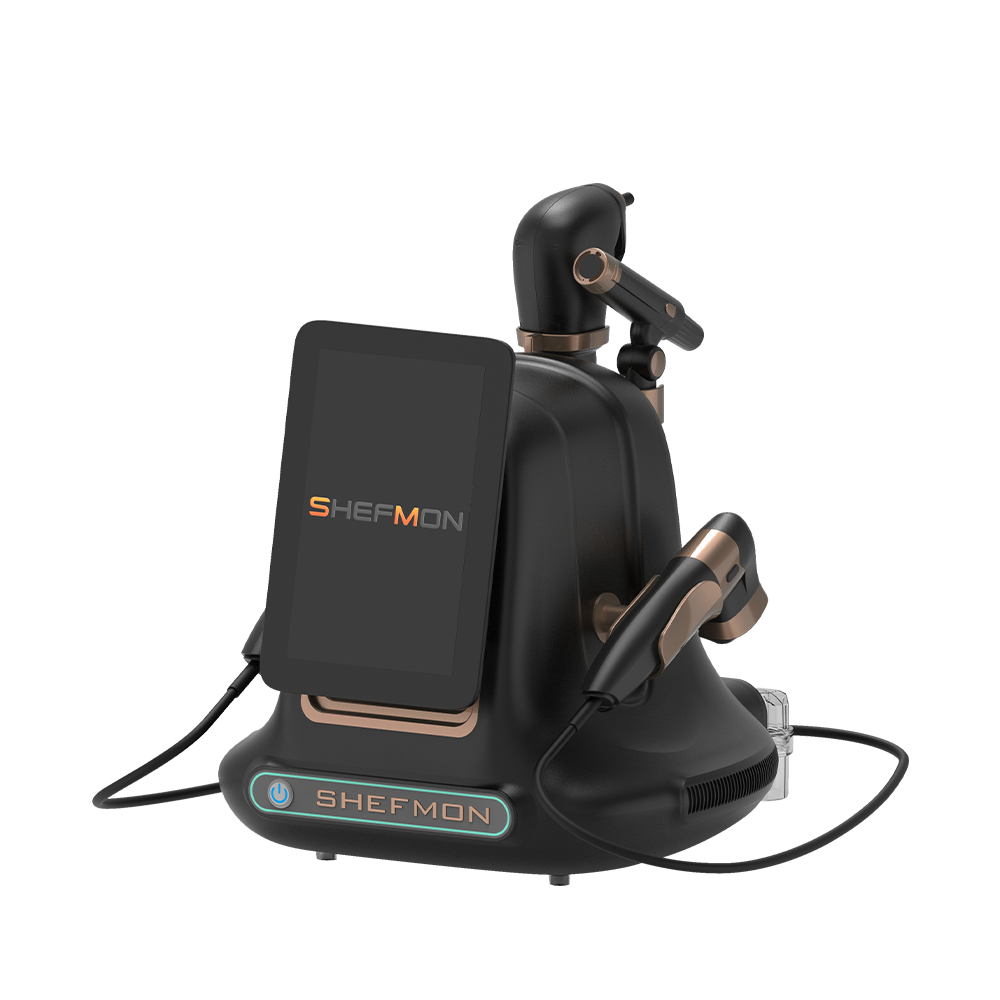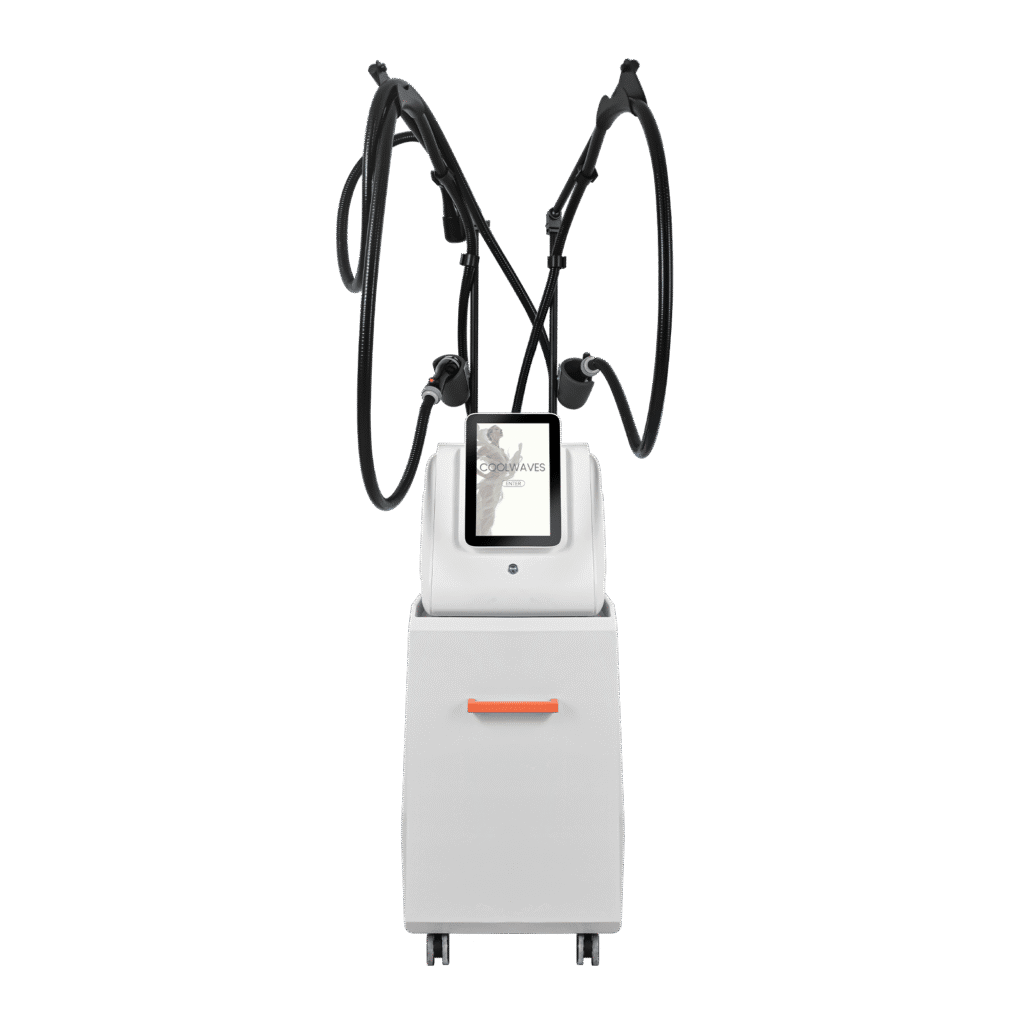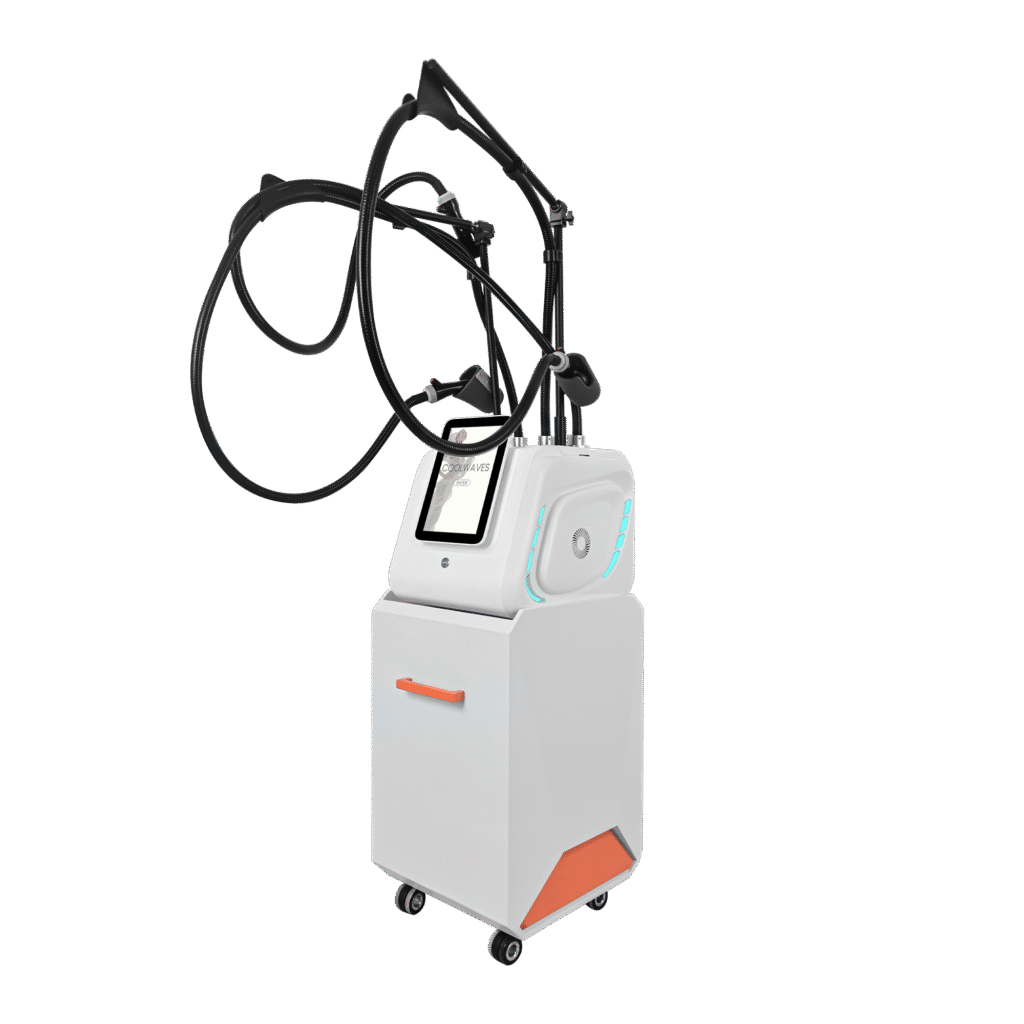
A closed-lost beauty device opportunity should explain more than “price too high” or “customer stopped replying.” The distributor needs to know which service category the buyer considered, which model and configuration were active, how far the decision progressed, what evidence supports the outcome, and whether the root cause can be corrected.
Poor loss data creates the wrong conclusions. A clinic that could not support an advanced device is different from a salon that selected another facial model. A project postponed until a new location opens is different from a completed competitive loss. A quotation containing the wrong configuration is different from a valid offer rejected for budget reasons.
This guide explains how distributors can track lost opportunities across relevant SHEFMONの美容機器カテゴリー. It covers terminal-state definitions, reason codes, model and configuration data, multi-device opportunities, category-specific causes, reporting, win-back rules, and corrective action.
エグゼクティブサマリー
Build lost-deal tracking around a consistent evidence model:
- Separate Closed Lost from Deferred, Disqualified, Nurture, and Duplicate. These outcomes should not share one bucket.
- Record the product decision accurately. Store primary category, preferred model, alternatives, configuration status, quantity, quote version, and value basis.
- Use one primary loss reason and optional contributing reasons. The primary reason should identify the event that ended the current decision cycle.
- Capture the sales stage at loss. Early category mismatch, post-demo rejection, configuration failure, and post-quote loss require different action.
- Use category-specific reason detail. A0648, A0426, B0155, A0204, and A0152 opportunities can fail on different menu, room, staff, component, professional, consumable, or support conditions.
- Distinguish controllable and external factors. Internal delay, inaccurate configuration, weak follow-up, buyer budget, site cancellation, and changed strategy should not be blended.
- Review patterns, not anecdotes. Analyze counts, units, value, loss rate, stage, time, region, buyer type, model, configuration, and evidence quality together.
The purpose is to improve qualification, product selection, demonstrations, quotations, support planning, and future follow-up. It is not to assign blame to a salesperson for every buyer decision.
1. Define a Lost Deal Precisely
Use Closed Lost when an active, qualified buyer project has ended in the current decision cycle without an order and the outcome is sufficiently known.
例:
- buyer selected another supplier or device;
- buyer chose a different technology or service category;
- buyer rejected the final commercial terms;
- buyer cancelled the project;
- required delivery timing could not be met;
- the distributor could not provide a suitable approved configuration;
- buyer selected an internal alternative, such as retaining current equipment; or
- decision process ended after repeated documented attempts and there is no current re-entry trigger.
Do not use Closed Lost simply because the expected close date passed.
2. Separate Terminal and Inactive States
| State | 意味 | Reporting treatment |
|---|---|---|
| Closed Won | Approved order evidence exists | Won-deal cohort |
| Closed Lost | Active decision ended without an order | Loss-rate and reason analysis |
| Deferred | Relevant project moved beyond the active horizon with a known trigger | Future-pipeline and reactivation view |
| Disqualified | Buyer, category, site, professional, support, or commercial gate failed | Qualification-quality analysis |
| Nurture | Interest exists, but no active project or decision process remains | Marketing or sales nurture view |
| No Decision | Buyer ended or paused the evaluation without selecting an option and no useful trigger exists | Closed-loss subtype or separately reported outcome |
| Duplicate | Record belongs to another opportunity | Data-quality metric, not commercial loss |
These distinctions keep a delayed clinic opening from appearing as a competitive loss and prevent unsuitable inquiries from weakening true sales-conversion measures.
3. Define the Minimum Lost-Deal Record
Every closed-lost record should include:
- buyer organization and location;
- 購入者タイプ;
- opportunity owner and region;
- lead source;
- 主要デバイスカテゴリ;
- preferred model or final shortlist;
- configuration-completeness status;
- 量;
- current quotation ID and version, if issued;
- quoted currency and value basis;
- stage at loss;
- primary loss reason;
- contributing reasons;
- evidence source;
- known alternative selected;
- close date;
- re-entry eligibility and trigger; and
- corrective-action owner where relevant.
If the final model was never selected, record the category and “model unresolved” rather than guessing.
4. Track Category, Model and Configuration Separately
A loss can occur at three different levels:
- Category loss: the buyer decided not to add hair removal, body care, or another service direction.
- Model loss: the buyer remained in the category but selected another model or format.
- Configuration loss: the model fit, but the required handles, wavelengths, cartridges, electrical version, components, or commercial package could not be agreed.
Use separate fields. “Lost A0426” does not show whether the buyer rejected diode laser as a category, chose another diode system, or needed a different handpiece configuration.
5. Record the Stage at Loss
| Stage at loss | Typical meaning | Review question |
|---|---|---|
| Opportunity Qualified | Project ended before category decision | Was qualification strong enough to create an opportunity? |
| Category Confirmed | Buyer changed or abandoned service direction | Was category fit and business case understood? |
| Model Shortlist | Model or format did not match criteria | Were relevant alternatives presented? |
| Demonstration or Validation | Session exposed a fit, readiness, or product issue | Was the correct question tested with the right participants? |
| Configuration Approved | Required package could not proceed | Was configuration accurate, available, and supported? |
| Quotation Issued | Buyer rejected value, timing, terms, or alternative | Was the offer aligned with requirements and decision process? |
| Buyer Decision | Final internal or competitive decision ended | What evidence explains the final selection? |
Stage-at-loss analysis tells the team where to improve. Counting only final reasons hides when the problem became visible.
6. Use One Primary Reason and Multiple Contributing Reasons
The primary reason should answer: “What most directly ended this buying cycle?”
Contributing reasons add context without replacing the primary code. For example:
- primary: buyer selected another model;
- contributing: preferred handle format and faster local access.
または:
- primary: project deferred due to site delay;
- contributing: staff recruitment incomplete.
Do not select three equal primary reasons. It prevents useful analysis and lets teams avoid deciding what actually happened.
7. Build a Controlled Loss-Reason Taxonomy
| Reason family | Example primary reasons | Evidence to capture |
|---|---|---|
| Buyer strategy | Project cancelled, service category removed, current equipment retained | Buyer statement or documented decision |
| Product or category fit | Category unsuitable, model format unsuitable, required feature unavailable | Requirement and comparison record |
| 構成 | Required option incompatible, package unclear, electrical profile mismatch | Technical or configuration review |
| Professional or site readiness | Staff, room, infection control, protection, utilities, or local requirement unresolved | Site and readiness record |
| コマーシャル | Budget not approved, total offer rejected, payment or commercial term not accepted | Buyer feedback and current quote |
| Timing and supply | Required launch or delivery date could not be met | Buyer milestone and confirmed timing |
| Training and support | Required onboarding, language, service, consumable, or local support not available | Support-gap record |
| Competitive decision | Buyer selected another supplier, model, or technology | Known choice and stated selection criteria |
| Internal execution | Slow response, missed follow-up, inaccurate configuration, inconsistent information | CRM activity and correction history |
| No decision or unreachable | Decision ended without selection or contact ceased after agreed sequence | Follow-up history and closure approval |
Keep the code list short enough to use and detailed enough to guide action. Add notes for specifics instead of creating hundreds of overlapping codes.
8. Distinguish Controllable, Influenceable and External Causes
Classify the primary reason:
- controllable: inaccurate product data, missing follow-up, avoidable delay, wrong configuration, or inconsistent quotation;
- influenceable: weak discovery, unclear category positioning, insufficient demonstration, incomplete stakeholder engagement, or unsupported business case;
- external: buyer budget withdrawal, site cancellation, internal strategy change, regulatory or local restriction, or competitor relationship outside current control;
- unknown: evidence remains insufficient after the closure review.
Use Unknown sparingly, with a note showing what was attempted. A large unknown share signals weak follow-up or poor data discipline.
9. Track Evidence Strength
Add an evidence level:
- confirmed: buyer or authorized decision-maker stated the reason;
- supported: reason is backed by activity, quotation, technical, or project records;
- inferred: salesperson conclusion based on incomplete evidence;
- unknown: no reliable basis.
Reports can separate confirmed losses from inferred ones. This prevents confident decisions based on speculation such as “probably price.”
10. Track A0648 Facial Opportunity Losses
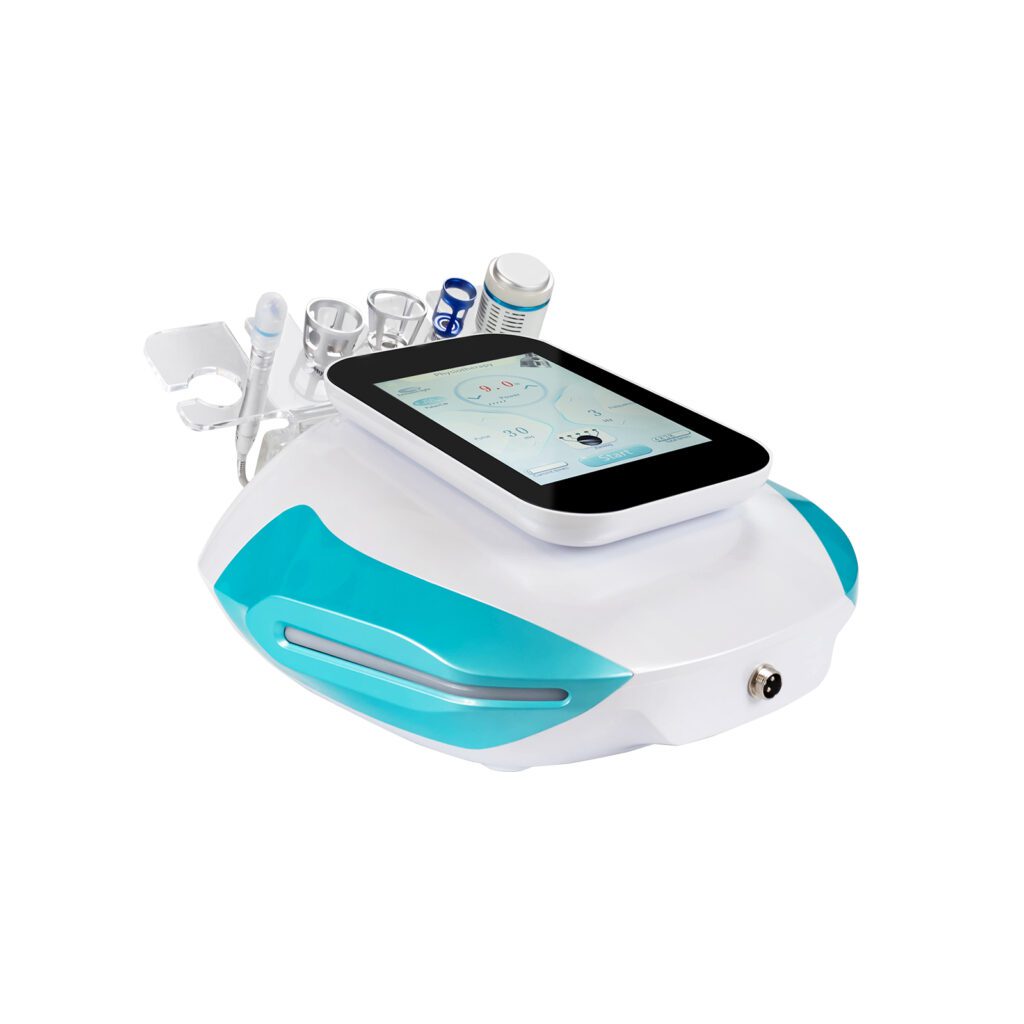
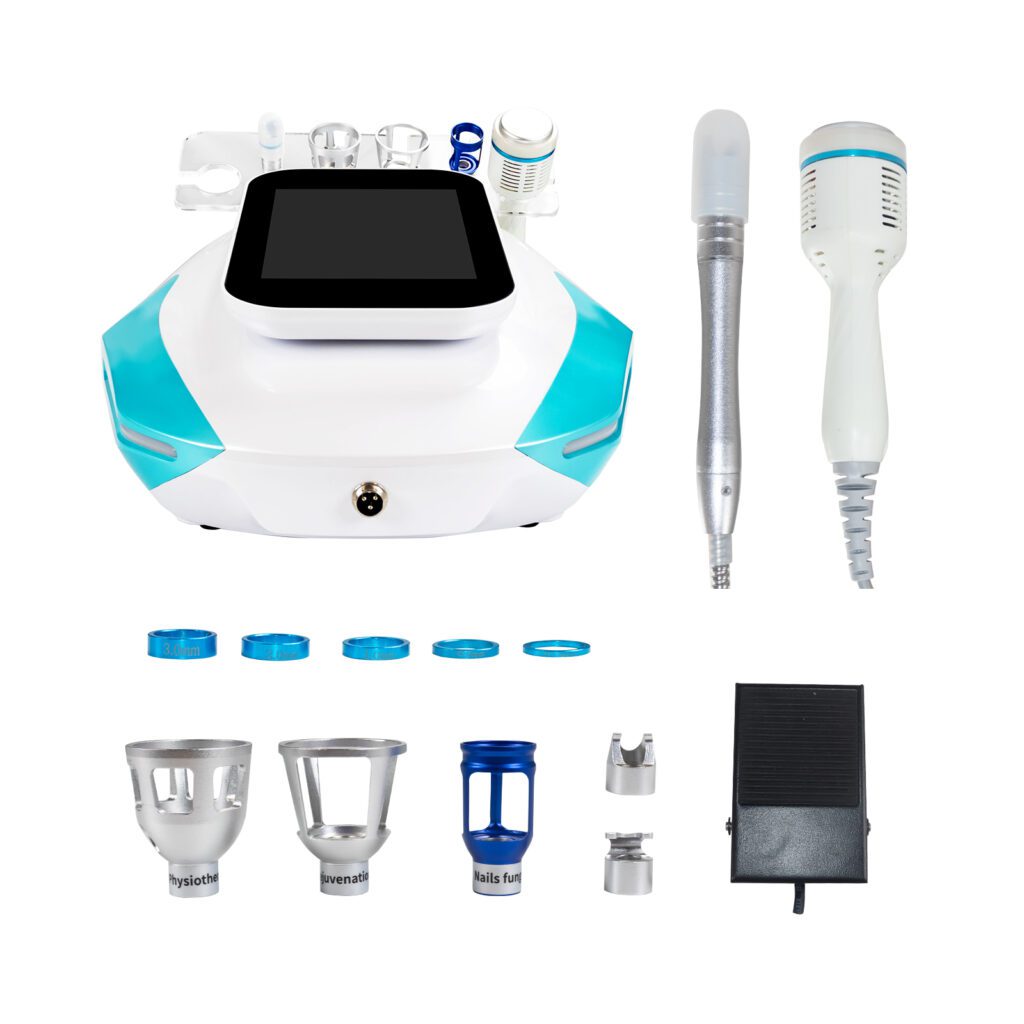
その A0648 9-in-1 ハイドロマイクロダーマブレーションシステム can represent facial foundation opportunities for salons and beauty studios.
Relevant loss details can include:
- buyer decided not to add cleansing and hydration-oriented services;
- existing device already covers the intended menu;
- multifunction workflow did not fit the team;
- room or storage constraints;
- tip, liquid, solution, cleaning, or replenishment process not accepted;
- required accessory package remained unclear;
- training or launch timing did not fit; or
- another facial format was selected.
Record whether the buyer rejected A0648, hydro facial as a category, or the proposed configuration.
11. Track A0426 Hair-Removal Opportunity Losses
その A0426 diode laser hair-removal device lists 755, 810, 940, and 1064 nm wavelengths.
Relevant fields include:
- category abandoned or postponed;
- wavelength or handpiece requirement not matched;
- spot-size or cooling preference;
- electrical or room condition;
- protective setup;
- staff capability or training;
- local requirement;
- technical support expectation;
- delivery timing; and
- alternative diode system or technology selected.
Avoid recording “price” if the buyer actually chose a different configuration that better matched the project.
12. Track B0155 Body-Care Opportunity Losses
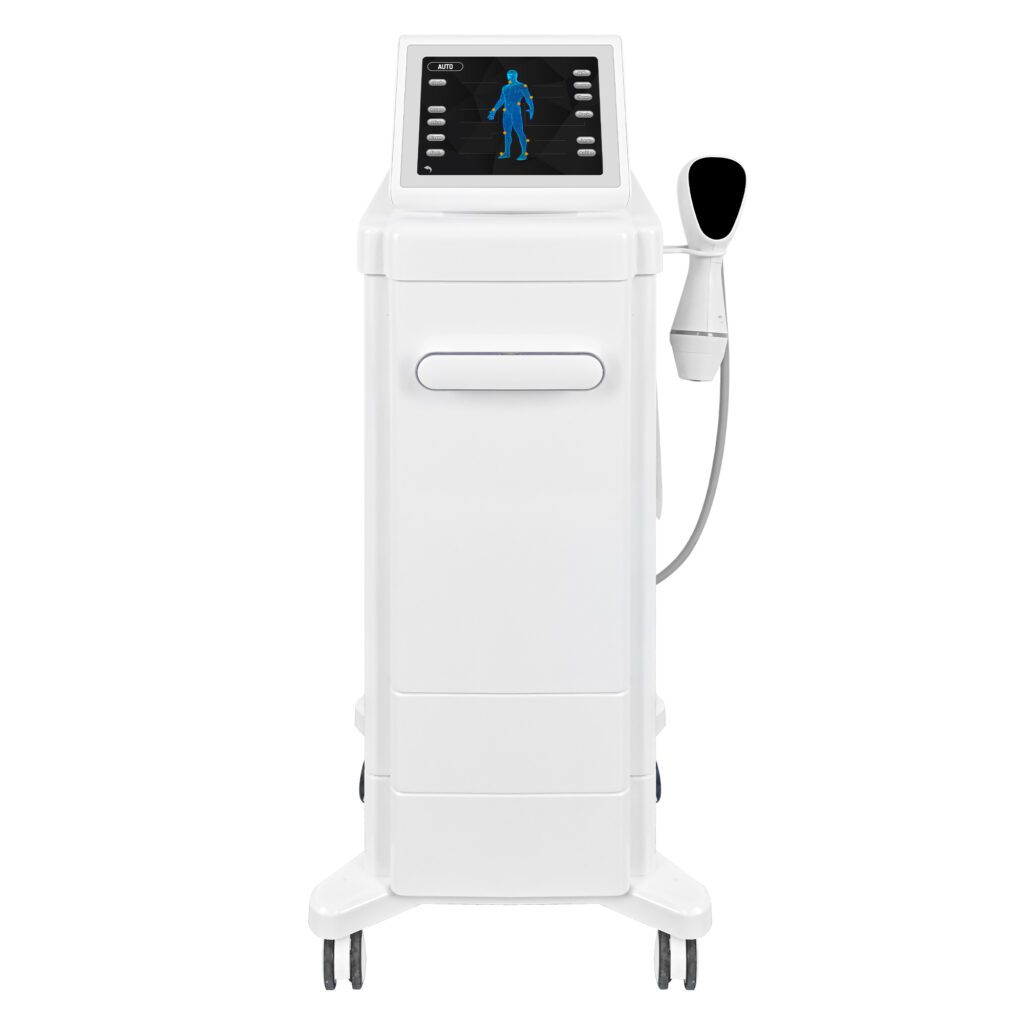
その B0155 デスクトップエンドス ベラプロ lists vacuum roller, RF, rotating massage, and 80K cavitation functions.
Relevant loss details can include:
- buyer chose another body-service direction;
- existing equipment created too much menu overlap;
- required handles or components differed;
- multifunction package was more than the buyer needed;
- room, storage, or operator movement was unsuitable;
- cleaning and changeover process was not accepted;
- staff or consultation workflow was incomplete;
- training or support gap; and
- another body platform was selected.
Do not treat all body-category losses as one group. Multifunction body care, muscle-focused services, and cooling-based contouring represent different buyer decisions.
13. Track A0204 Advanced-Lifting Opportunity Losses
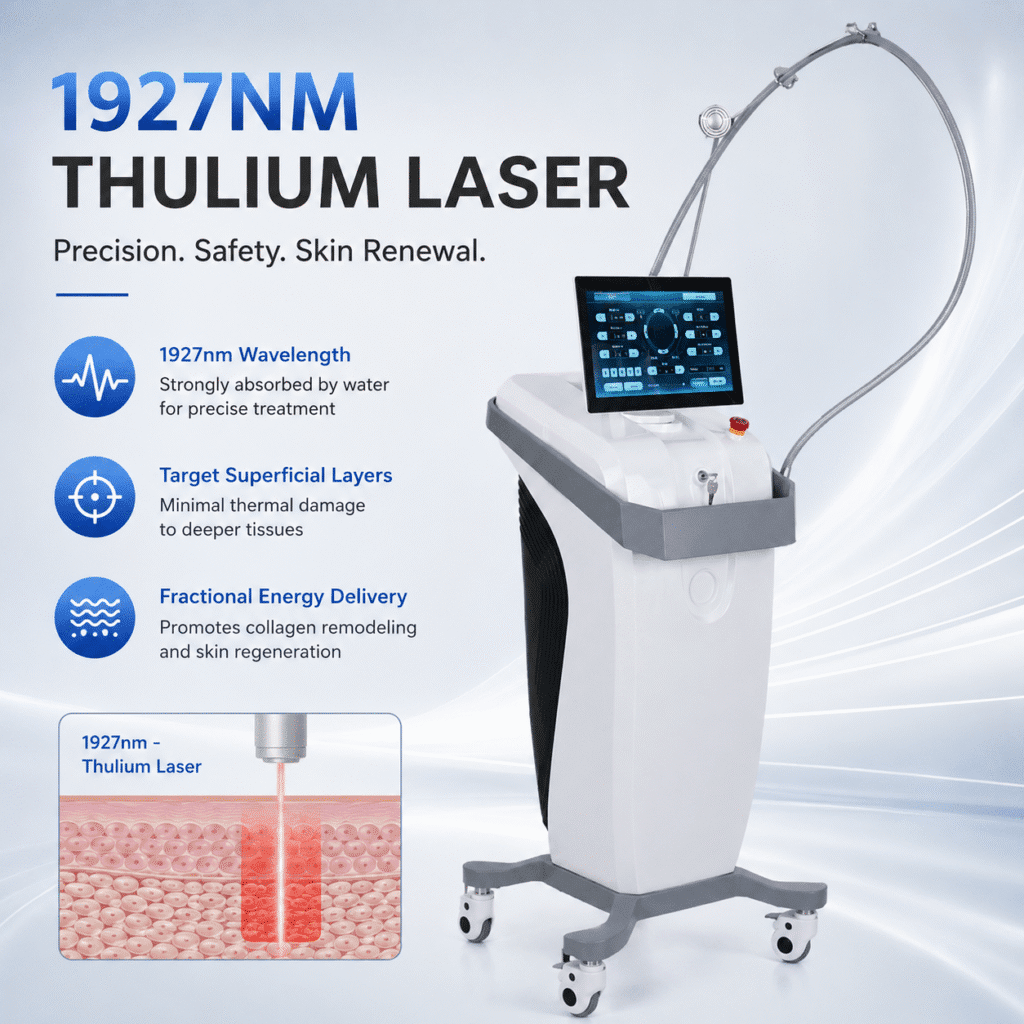
その A0204 9D/7D focused HIFU system requires specific tracking for:
- focused lifting category no longer planned;
- professional or site readiness incomplete;
- handpiece, cartridge, or depth requirement unresolved;
- consumable planning not accepted;
- specialist review did not support the requested path;
- staff capability or training gap;
- local requirement not resolved;
- technical support expectation; and
- another lifting technology or system selected.
If the buyer may proceed after staff or site readiness changes, use Deferred with a re-entry trigger rather than Closed Lost.
14. Track A0152 Advanced-Skin Opportunity Losses
その A0152 RFマイクロニードリングシステム needs loss detail covering:
- RF microneedling category abandoned;
- professional setting or oversight unsuitable;
- applicator, needle, or cartridge requirement not met;
- infection-control or disposal process incomplete;
- consumable system not accepted;
- staff competency or training gap;
- consultation, documentation, or aftercare process incomplete;
- local review unresolved; and
- another advanced-skin pathway selected.
A well-qualified disqualification before quotation should not be reported as a late competitive loss.
15. Handle Multi-Model Shortlists
When the buyer compared several models, record:
- primary preferred model at closure;
- approved alternative;
- models removed earlier;
- reason each was removed;
- final category choice;
- configuration compared; and
- actual selected alternative when known.
Count one lost opportunity, not one loss for every model on the shortlist. Use candidate-level analysis in a separate table if the team needs model-comparison insight.
16. Handle Multi-Category and Package Deals
A package opportunity may include facial, hair, and body devices. Decide whether it represents:
- one package decision with one commercial outcome; or
- several category decisions connected to a parent project.
If the buyer purchases the facial device but rejects the body system, record a partial outcome using separate category lines or child opportunities. Do not mark the entire package Won or Lost without preserving category results.
17. Track Quantity and Value at Loss
Use the latest valid buyer requirement and current controlled quotation.
記録:
- 要求数量;
- quoted quantity;
- pilot versus rollout quantity;
- base configuration value;
- optional alternatives;
- 通貨;
- quote version;
- expected close period; and
- whether value was provisional.
Do not add mutually exclusive options. For early losses without a configuration, report units or a category opportunity count rather than invented value.
18. Track Time and Aging
測定:
- days from opportunity creation to closure;
- days in each stage;
- time from demo to decision;
- time from quote to closure;
- number of close-date changes;
- number of demos or revisions;
- last meaningful buyer activity; and
- delay between known loss and CRM closure.
Late closure makes forecasts inaccurate and can create false follow-up work. Review opportunities that remain open without a buyer milestone.
19. Track Competitive Decisions Carefully
When the buyer selects another option, capture only what is known:
- selected supplier or model, if confirmed;
- selected technology or category;
- decision criteria;
- price or commercial difference, if disclosed;
- local availability;
- configuration preference;
- demonstration experience;
- training and support preference;
- existing relationship; and
- timing.
Do not invent competitor specifications or reasons. Mark evidence strength and preserve the buyer’s wording in a short note.
20. Define Re-Entry and Win-Back Rules
Some losses can reopen when a condition changes.
| Loss or inactive reason | Possible re-entry trigger | Follow-up treatment |
|---|---|---|
| Site not ready | Room completion date | Deferred review task |
| Staff capability incomplete | Recruitment or training milestone | Readiness follow-up |
| Budget unavailable | Next budget period or approval meeting | Dated commercial review |
| Configuration unavailable | Approved alternative or updated option | Product-update task |
| Delivery timing missed | New launch window | Requalify timing and need |
| Buyer selected competitor | Contract renewal, service issue, or new category need | Long-term account nurture |
| Project cancelled | New project announcement | Requalify from business need |
Do not keep these records in the active pipeline while waiting for an uncertain future event.
21. Build a Lost-Deal Dashboard
| Dashboard view | Measures |
|---|---|
| Loss by category | Count, units, value, stage, and primary reason |
| Loss by model | Preferred model, configuration status, alternatives, and candidate removal reasons |
| Reason analysis | Primary and contributing reasons, evidence strength, and controllability |
| Stage analysis | Loss count and rate by CRM stage |
| Time analysis | Age, stage duration, close-date slippage, and closure delay |
| Regional and owner view | Category mix, reason mix, unknown-rate, and data completeness |
| Competitive view | Known alternative, criteria, timing, and support factors |
| Re-entry view | Deferred and lost records with triggers, dates, and owners |
Show opportunity counts beside units and value. One large multi-site project should not hide a repeated small-salon problem.
22. Calculate Loss Rates with a Clear Denominator
考えられる対策としては、以下のようなものがある。
- decision loss rate: Closed Lost ÷ (Closed Won + Closed Lost);
- disqualification rate: Disqualified ÷ qualified opportunities reviewed;
- no-decision rate: No Decision ÷ completed decision-cycle opportunities;
- deferred rate: Deferred ÷ active opportunities reaching the review point; and
- unknown-reason rate: losses with unknown evidence ÷ Closed Lost.
Use mature cohorts and consistent periods. Segment by category, stage, region, buyer type, and configuration status before interpreting differences.
23. Turn Patterns into Corrective Actions
Connect each recurring pattern to an owner and testable response.
例:
- repeated category mismatch → improve qualification questions;
- model-format rejection → improve shortlist and comparison process;
- missing configuration → update forms and product-data controls;
- room or professional issues discovered late → move readiness checks earlier;
- slow response → revise ownership and service levels;
- unclear support → improve training and after-sales explanation;
- frequent quote corrections → strengthen technical and commercial review;
- high unknown reason → coach closure interviews and audit records.
Do not redesign the entire product portfolio from a few anecdotes. Review sample size and evidence quality.
24. Review Lost Deals Regularly
Use two review levels:
Weekly operational review
Check newly closed records for correct state, model, configuration, reason, evidence, value, and re-entry trigger.
Monthly or quarterly pattern review
Analyze category, model, region, stage, reason, time, buyer type, configuration completeness, competitive data, and corrective actions.
Invite sales, product, technical, commercial, training, support, and operations teams when the pattern crosses their responsibilities.
25. Audit Lost-Deal Data Quality
Check a sample for:
- correct terminal state;
- one primary reason;
- reason supported by evidence;
- correct category and model;
- current quote version and value;
- no duplicate opportunity;
- appropriate stage at loss;
- contributing reasons used correctly;
- re-entry trigger where relevant; and
- concise explanatory note.
Reject vague records such as “not interested,” “price,” or “ghosted” when better evidence exists.
26. Lost-Deal Tracking Checklist
- ☐ Closed Lost, Deferred, Disqualified, Nurture, No Decision, and Duplicate are distinct.
- ☐ Category, model, configuration, quantity, quote version, and stage at loss are recorded.
- ☐ One primary reason and optional contributing reasons are used.
- ☐ Evidence strength and controllability are visible.
- ☐ A0648, A0426, B0155, A0204, and A0152 use category-specific reason detail.
- ☐ Multi-model shortlists count one opportunity rather than several losses.
- ☐ Partial package outcomes preserve category-level results.
- ☐ Pilot and rollout quantities are separated.
- ☐ Re-entry triggers move inactive projects outside the active pipeline.
- ☐ Corrective actions have owners, dates, and measurable follow-up.
よくある質問
1. What qualifies as a lost beauty device deal?
An active, qualified buyer project has ended in the current decision cycle without an order, and the final outcome is sufficiently known. A missed expected close date alone is not enough.
2. What is the difference between Closed Lost and Deferred?
Closed Lost means the current buying decision ended without an order. Deferred means a relevant project moved beyond the active horizon and has a known condition or date for re-evaluation.
3. Should “price” be a loss reason?
Only when evidence shows the buyer rejected the valid commercial offer on budget or value grounds. If the buyer preferred another configuration, delivery time, support model, or technology, record the more accurate primary reason.
4. How many loss reasons should be recorded?
Use one primary reason that ended the decision and optional contributing reasons for context. Multiple equal primary reasons make reporting difficult.
5. How should a lost A0426 opportunity be recorded?
Record whether the loss involved the hair-removal category, A0426 model, wavelength or handpiece configuration, spot size, cooling, room, electrical setup, staff, protection, local requirements, support, timing, or a competing system.
6. How should advanced-device disqualification be reported?
Use Disqualified when the professional setting, room, infection-control process, staff, local requirement, or support gate cannot be met. Use Deferred when the buyer has a credible plan and re-entry trigger to close the gap.
7. How are multi-model quotations counted?
Count one opportunity loss. Record the preferred model, alternatives, configuration differences, and why each candidate was removed. Do not create several losses from one buyer decision.
8. How should partial package wins be handled?
Use category lines or linked child opportunities. Record the purchased category as Won and the rejected or deferred category with its own outcome and reason.
9. What metrics belong on a lost-deal dashboard?
Show count, units, value, category, model, stage, reason, evidence strength, controllability, age, slippage, region, buyer type, competitive choice, unknown-rate, and re-entry status.
10. How often should lost deals be reviewed?
Validate new closures weekly and review larger patterns monthly or quarterly. The schedule should be frequent enough to correct data and act on recurring issues while evidence is still available.
結論
Lost beauty device deals become useful data when the record preserves the buyer decision, category, model, configuration, stage, reason, evidence, quantity, value, and possible re-entry path. Closed Lost should not absorb deferred projects, unsuitable buyers, duplicate records, or incomplete nurture cases.
Track A0648 facial opportunities, A0426 hair-removal systems, B0155 body-care platforms, A0204 advanced lifting, and A0152 advanced skin with category-specific detail. Then use repeated, evidence-backed patterns to improve qualification, demonstrations, configuration, quotations, training, and support.
レビューする SHEFMONの美容機器シリーズ, consult the SHEFMONのアフターサービス概要、 そして シェフモンに連絡してください with your lost-deal categories, model records, configuration questions, buyer types, stage data, support needs, and recurring selection gaps. SHEFMON can help provide relevant product and configuration information for clearer deal analysis.