
エグゼクティブサマリー
はい、多くの美容機器メーカーはプライベートブランド、OEM、ODMの協力体制を整えています。これは、サロン用美容機器、スキンケア機器、RFおよびEMS機器、LED光線療法機器、ハイドロフェイシャル機器、小型バブル機器、ボディコンタリング機器、脱毛機器、肌分析装置、家庭用美容ツールなどで一般的です。ただし、カスタマイズのレベルは、メーカー、製品カテゴリー、注文数量、技術的な難易度、規制状況、販売代理店の市場戦略によって異なります。.
最も一般的なモデルは、プライベートブランドまたは簡易OEMです。このモデルでは、販売代理店は既存の製品を使用し、独自のロゴ、ラベル、パッケージ、マニュアル、言語インターフェース、または色を追加します。これは通常、より簡単、迅速、かつ低コストです。.
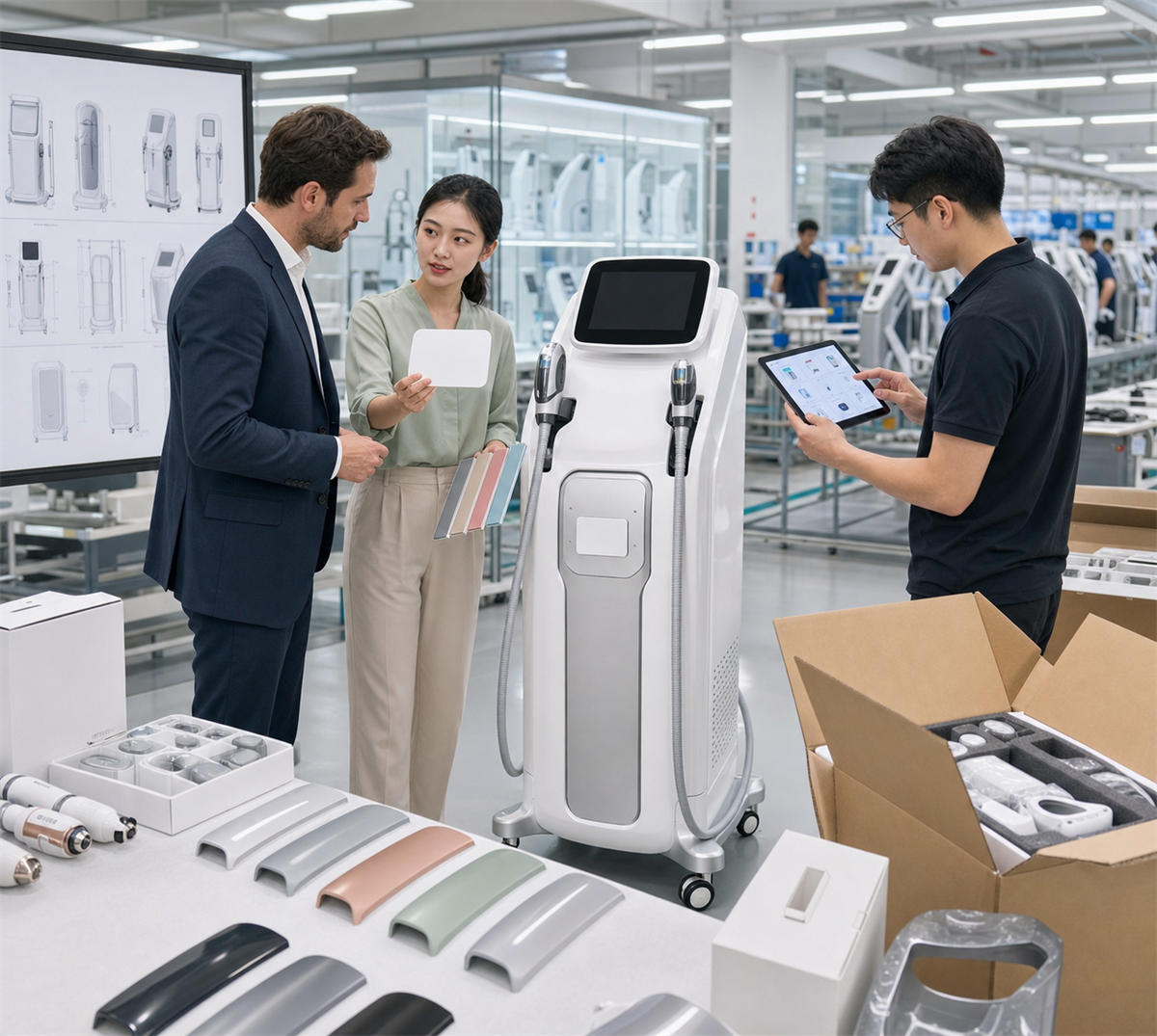
ODMはより高度なサービスです。外観デザイン、機能構成、ソフトウェアインターフェース、処理レポートデザイン、ハンドル組み合わせ、金型開発、アプリ連携、専用製品ライン、あるいはメーカーのエンジニアリング能力に基づいた新製品コンセプトなど、多岐にわたる可能性があります。ODMにはより多くの時間、より高い最小注文数量、より明確な技術仕様、そしてより強力な契約保護が求められます。.
美容機器市場には、プライベートブランド戦略を支えるだけの十分な成長ポテンシャルがあります。Grand View Researchは、世界のエネルギーベースの美容機器市場を2025年には75億米ドルと推定し、2026年の81億米ドルから2033年には157億米ドルに成長すると予測しています。Fortune Business Insightsは、世界の美容ツール市場を2025年には735億3000万米ドルと推定し、2026年の763億3000万米ドルから2034年には1172億9000万米ドルに成長すると予測しています。しかし、市場の成長はリスクを排除するものではありません。プライベートブランドの美容機器には、品質責任、アフターサービス、商標保護、ラベル、マニュアル、クレーム、および現地の法令遵守が伴います。.
結論はシンプルです。美容機器はOEMとODMに対応できますが、販売代理店は単に「機械に自社のロゴを付ける」という考え方で扱うべきではありません。OEMまたはODMプロジェクトを成功させるには、適切な製品カテゴリー、信頼できる製造業者、明確なサンプル承認、文書化されたカスタマイズ範囲、現実的な最小発注数量(MOQ)、検証済みの書類、安定したスペアパーツ、責任あるクレーム対応、そしてブランド所有権、保証、独占権、製品変更管理を明確に定義した契約が必要です。.
1. 簡潔な回答
ほとんどの美容機器メーカーは、ある程度のプライベートブランドまたはOEMに対応できます。しかし、すべてのメーカーが真のODMに対応できるわけではありません。.
実際には:
- プライベートブランドは一般的で、通常は簡単です。.
- ロゴのカスタマイズは一般的です。.
- 注文数量が妥当な場合、パッケージのカスタマイズはよくあることです。.
- 手動によるカスタマイズや言語カスタマイズは一般的です。.
- 色のカスタマイズは、最小注文数量(MOQ)と素材によって異なります。.
- ソフトウェアインターフェースのカスタマイズは、製品の種類によって異なります。.
- 金型開発や独自設計には、より高い最小発注数量(MOQ)とコストが必要となります。.
- 高エネルギー機器や規制対象機器は、より多くの文書作成とクレーム管理が必要となる。.
新規販売業者にとっては、プライベートブランドや軽度のOEMが通常最も安全な出発点となります。ODMは、市場需要が実証済みの経験豊富な販売業者に適しています。.
2. プライベートラベル、OEM、ODMは同じではありません
これらの用語はしばしば混同されますが、それぞれ異なる意味を持っています。.
プライベートブランドとは、通常、既存製品を販売代理店のブランド名で販売することを意味します。製造元は、販売代理店のロゴ、ラベル、モデル名、パッケージ、またはマニュアルを追加する場合があります。製品自体は、製造元の既存モデルと同じである場合もあります。.
OEMとは通常、メーカーが購入者のブランドや特定の仕様に基づいて製品を製造することを意味します。美容機器の場合、OEMにはロゴ、色、パッケージ、ラベル、言語、ハンドルの組み合わせ、そして場合によっては細かな機能変更が含まれることがよくあります。.
ODMとは通常、メーカーが設計・開発能力を提供することを意味します。購入者は、新しいデザイン、新しい構成、新しいソフトウェアインターフェース、独自の構造、または新しい製品コンセプトを要求する場合があります。メーカーは製品を開発または改良します。.
カスタマイズの度合いが高くなるほど、コスト、納期、品質リスク、契約の複雑さも増す。.
3. 美容機器がOEMとODMをサポートする理由
美容機器は、多くの販売代理店、サロンチェーン、eコマースブランド、地域代理店が差別化を求めているため、OEMおよびODMに適しています。.
彼らは次のようなことを望むかもしれない:
- 機械に自社ブランドのロゴが刻印されている。.
- 競合他社とは異なるパッケージ。.
- ローカル言語インターフェース。.
- 現地のプラグと電圧の設定。.
- 色や貝殻のデザインが異なる。.
- 地元のサロンに合わせたトリートメントメニュー。.
- ソフトウェアは自社のロゴとともにレポートを作成します。.
- 限定モデル名。.
- 販売店保護。.
- 利益率の向上。.
- 顧客ロイヤルティの向上。.
製造業者にとって、OEMとODMは受注量の増加、輸出チャネルの強化、そして長期的な販売代理店との関係構築につながる。.
4. プライベートブランド化が最も容易な美容機器のカテゴリーはどれですか?
最も扱いやすいカテゴリーは、通常、安定性が高く、リスクが低く、既に大量生産されているものである。.
プライベートブランドに適したカテゴリーは以下のとおりです。
- ハイドロフェイシャルマシン。.
- 小型の泡洗浄器。.
- 酸素噴霧装置。.
- 超音波式輸出入装置。.
- 基本的なLEDデバイス。.
- エントリーレベルのRFデバイス。.
- EMS(電気機械システム)微弱電流治療器。.
- 冷間ハンマー装置と熱間ハンマー装置。.
- 多機能フェイシャルマシン。.
- 基本的な体型補正補助器具。.
- 家庭用美容ツール。.
これらの製品は多くの場合、ロゴ、パッケージ、言語、付属品などを手頃な価格でカスタマイズできる。.
5.どのカテゴリーに特に注意が必要か?
高エネルギー機器、高額機器、または法令遵守が求められる機器は、より一層の注意が必要です。.
注意すべき点:
- レーザー装置。.
- IPL脱毛システム。.
- 高度なRFシステム。.
- 集束超音波プラットフォーム。.
- 冷却脂肪分解(クライオリポリシス)タイプの機器。.
- 高級ボディコンタリングシステム。.
- クラウドソフトウェアを搭載したAI肌分析装置。.
- 強力な治療効果を謳う医療機器。.
- 規制市場で販売される機器。.
これらの製品はOEMまたはODMに対応可能ですが、販売代理店は規制状況、ラベル表示、使用目的、安全関連文書、ソフトウェアの所有権、スペアパーツ、およびアフターサービス責任について確認する必要があります。.
6. 一般的なOEMカスタマイズオプション
一般的な美容機器のOEMオプションには以下が含まれます。
- ロゴ印刷。.
- ロゴステッカー。.
- 金属製のロゴプレート。.
- 起動ロゴ画面。.
- インターフェースのロゴ。.
- 包装箱。.
- ユーザーマニュアル。.
- 保証書.
- 製品ラベル。.
- モデル名。.
- 色のカスタマイズ。.
- ハンドルの組み合わせ。.
- 言語インターフェース。.
- プラグの種類。.
- 電圧オプション。.
- アクセサリーキット。.
- 治療手順書.
- マーケティング用の写真や動画。.
これらは軽微なカスタマイズ項目です。通常、構造的なカスタマイズよりも迅速かつ安価に済みます。.
7. 高度なODMカスタマイズオプション
高度なODMには以下が含まれる場合があります。
- 新しいシェルデザイン。.
- 新しい型。.
- 新しいハンドル構造。.
- 新しい機能の組み合わせ。.
- カスタムソフトウェアインターフェース。.
- AIレポート設計。.
- アプリ連携。.
- クラウドデータ機能。.
- 専用の治療モード名。.
- 特注の工業デザイン。.
- 新しいパッケージ構造。.
- 特別な付属品。.
- 独自のカラーシステム。.
- プライベートモデルシリーズ。.
- 地域限定構成。.
ODM(オリジナルデザイン製造)は、詳細な製品要件定義書から始めるべきです。文書化された仕様書がなければ、プロジェクトは費用がかさみ、混乱を招く可能性があります。.
8. 最小注文数量はカスタマイズの程度によって異なります
最小発注数量(MOQ)は、工場、製品、カスタマイズの種類によって大きく異なります。統一された基準はありません。.
実用的な参考資料:
- ロゴステッカーまたはシンプルなロゴ:1~5個から可能な場合もあります。.
- スクリーン印刷によるロゴやラベルの印刷:多くの場合、少量の注文でも対応可能です。.
- カスタムパッケージ:通常、10~50個以上といった、より高い最小注文数量(MOQ)が必要となります。.
- 特注色の場合、材料をまとめて発注する必要があるため、最低発注数量(MOQ)が高くなる場合があります。.
- ソフトウェアのカスタマイズ:エンジニアリング作業に依存し、セットアップ料金が発生する場合があります。.
- 新規金型または独自設計:大量の最低発注数量(MOQ)と金型費用が必要となる場合があります。.
販売代理店は、製造業者に対し、サンプル注文の最小発注数量(MOQ)、試用注文の最小発注数量、および量産注文の最小発注数量を分けて提示するよう依頼すべきである。.
9. OEMコスト項目
OEMコストには以下が含まれる場合があります。
- ロゴ設定料。.
- 印刷料金。.
- ラベル料金。.
- パッケージデザイン料。.
- 手動翻訳料金。.
- ソフトウェアロゴ使用料。.
- 色のカスタマイズ料金。.
- サンプル料金。.
- 型取り料金。.
- 技術料.
- 資格更新手数料。.
- 検査手数料。.
- 写真撮影またはビデオ撮影料金。.
- 最低注文金額。.
注文数量が一定量以上であれば、一部の工場では小さなロゴのカスタマイズを無料で提供しています。しかし、無料カスタマイズだからといって責任がゼロになるわけではありません。販売代理店はサンプルを慎重に審査する必要があります。.
10.リードタイムと開発スケジュール
プライベートブランドは通常、ODMよりも迅速です。.
典型的なワークフロー:
- 製品モデルを確認してください。.
- カスタマイズ範囲を確認してください。.
- ロゴとブランド関連ファイルを提供してください。.
- レイアウトを承認してください。.
- サンプルを作成する。.
- 試験サンプル。.
- パッケージとマニュアルを承認してください。.
- 量産を開始する。.
- 検査を実施する。.
- 発送順序。.
軽度のOEM生産は、在庫状況や梱包方法によって数日から数週間かかる場合があります。ODMは、新規設計、金型、ソフトウェア、テスト、ドキュメント作成などが含まれる場合、数か月かかることがあります。.
販売業者は、生産リードタイムを確認する前に、サロンの顧客に納品日を約束してはならない。.
11. ロゴおよびブランドファイルの要件
メーカーは通常、クリーンなブランドファイルを必要とします。.
役立つファイルには以下が含まれます。
- ベクターロゴ。.
- ブランドカラー。.
- フォントはルールだ。.
- 製品型番。.
- パッケージのテキスト。.
- 会社名。.
- 住所および連絡先情報。.
- 商標情報。.
- 警告ラベルのテキスト。.
- マニュアルの言語。.
- 保証規定.
販売代理店が低品質のロゴ画像を送ると、最終製品の見栄えが悪くなる可能性があります。ブランディングの質は顧客の信頼に影響を与えます。.
12. プライベートブランド化前の商標保護
美容機器に自社ブランドを付ける前に、販売業者は商標の利用可能性を確認する必要があります。米国特許商標庁(USPTO)は、商標は商品やサービスの広告に使用される名称、ロゴ、スローガン、その他の出所表示を保護できると説明しています。また、米国中小企業庁(SBA)は、商号、屋号、ドメイン名、商標は、名称登録または保護の異なる形態であると指摘しています。.
具体的な手順:
- 対象市場の商標データベースを検索する。.
- 国際的に販売する場合は、WIPOグローバルブランドデータベースを検索してください。.
- ドメイン名の空き状況を確認してください。.
- ソーシャルメディアの名前が利用可能かどうか確認してください。.
- 他社のブランド名やロゴをコピーすることは避けてください。.
- 製品を販売する地域で商標を登録してください。.
- OEM契約において、ブランドの所有者を明確に定義する。.
商標計画なしにプライベートブランドを販売すると、後々ブランド間の衝突を引き起こす可能性がある。.
13. ラベリングとマニュアルの責任
OEM製品やプライベートブランド製品は、製品の商業的アイデンティティを変更する。ラベルと取扱説明書は正確でなければならない。.
チェック:
- ブランド名。.
- メーカー情報。.
- 販売代理店情報。.
- 型番。.
- シリアルナンバー。.
- 定格電力。.
- 警告。.
- 使用目的。.
- 禁忌事項。.
- お手入れ方法.
- 保証条件.
- 国別のラベル表示要件。.
- 言語要件。.
素敵なロゴだけでは不十分です。ラベルや取扱説明書は、安全かつ法令遵守に基づいた使用をサポートするものでなければなりません。.
14. プライベートブランドでもコンプライアンスは消滅しない
プライベートブランドであっても、法令遵守の責任は免除されません。対象市場において、製品が医療機器である場合、または規制対象となる美容関連製品に該当する場合は、販売業者は登録、登録、表示、および表示に関する要件を理解していなければなりません。.
FDAの医療機器登録およびリストに関するガイダンスでは、登録とリストによってFDAは医療機器製造施設の所在地と、それらの施設で製造された機器の情報を得ることができると説明されています。FDAはまた、美容機器は使用目的や身体の構造または機能に影響を与えるかどうかによって規制される可能性があると述べています。FDAの機器分類ガイダンスは、企業が製品が医療機器であるかどうかを判断するのに役立ちます。.
実際的なポイントは次のとおりです。
- OEMだからといって、メーカーの文書が自動的に自社ブランドを網羅しているとは限りません。.
- 証明書が製品およびプライベートブランド版と一致しているかどうかを確認してください。.
- モデル名の変更がドキュメントに影響するかどうかを確認してください。.
- ラベルの変更が責任範囲に影響を与えるかどうかを確認してください。.
- 現地での登録が必要かどうか確認してください。.
- 請求が裏付けられているかどうかを確認してください。.
これは、レーザー、IPL、RF、ボディコンタリング、および強力なスキンケア効果を謳う施術において特に重要です。.
15.広告における主張は規制されなければならない
米連邦取引委員会(FTC)の指針では、健康に関する主張は真実でなければならず、誤解を招くものであってはならず、信頼できる証拠によって裏付けられていなければならないとされている。これは、プライベートブランドの美容機器のマーケティングにも強く当てはまる。.
根拠のない主張は避けてください。
- 減量効果を保証します。.
- ニキビを治す。.
- 恒久的な持ち上げ。.
- すべてのしわを取り除く。.
- 医学的診断。.
- 副作用はありません。.
- たった1回のセッションで劇的な変化を。.
- 製品が登録またはリストに掲載されているだけであれば、FDAの承認を受けていることになります。.
OEM販売代理店は、多くの場合、独自のパンフレット、ウェブサイト、ソーシャルメディアコンテンツを作成します。つまり、メーカーの誇張された表現をそのままコピーするのではなく、クレームリスクを自社で管理する必要があるということです。.
16.OEM注文の品質管理
OEM注文の場合、製品に販売代理店のブランド名が付くため、より厳格な品質管理が必要となる。.
重要な管理項目は以下のとおりです。
- 承認済みサンプル。.
- ロゴの配置が承認されました。.
- 承認済みのパッケージデザイン。.
- 承認済みマニュアル。.
- 製品構成シート。.
- ソフトウェアのバージョン記録。.
- 付属品リスト。.
- シリアル番号追跡。.
- 出荷前検査。.
- 機能テスト。.
- 落下防止パッケージ。.
- 欠陥処理に関する合意書。.
工場が販売代理店のブランド名で低品質の製品を出荷した場合、販売代理店の評判は損なわれる。.
17.サンプル承認は極めて重要である
量産前に、販売代理店はサンプルを承認する必要があります。.
サンプルは以下を確認するはずです。
- ロゴのサイズと位置。.
- ラベルの内容。.
- 包装の品質。.
- マニュアルの言語。.
- ソフトウェアのロゴ。.
- 起動画面。.
- 治療インターフェース。.
- 設定を処理する。.
- アクセサリー。.
- 電源プラグと電圧。.
- 全体的な外観。.
- デバイスのパフォーマンス。.
承認されたサンプルは参照用として保管してください。量産品は承認されたサンプルと一致している必要があります。.
18. OEM契約条件
真剣なOEM契約では、以下の点を明確に定めるべきである。
- 製品モデル。.
- カスタマイズ範囲。.
- ブランド所有権。.
- ロゴの使用許可。.
- 最小注文数量(MOQ)。.
- 単価。.
- 金型費用。.
- サンプル承認。.
- 生産リードタイム。.
- 支払い条件。.
- 品質基準。.
- 検査方法.
- 保証。.
- スペアパーツ。.
- 機密保持。.
- 独占性。.
- 製品変更承認。.
- 欠陥に対する責任。.
- 責任を認めなさい。.
- 終了。.
重要なOEMプロジェクトにおいては、チャットメッセージだけに頼ってはいけません。.
19. ODM契約条件
ODMは、単純なOEMよりも詳細な条件を必要とする。.
契約書には以下を明記する必要がある。
- 製品要件定義書。.
- デザインの所有権。.
- カビの所有権。.
- ソフトウェアの所有権。.
- ソースファイルの所有権。.
- 開発における重要な節目。.
- テスト実施責任。.
- 認証責任。.
- 変更要求プロセス。.
- 独占期間。.
- 最低購入金額。.
- 機密保持。.
- 複製禁止に関する合意。.
- アフターサービス責任。.
- アップグレード権限。.
所有権が不明確な場合、製品が成功した後に紛争が発生する可能性がある。.
20.OEMおよびODMの価格戦略
販売代理店が真のブランド価値を構築できれば、プライベートブランド製品はジェネリック製品よりも有利な価格設定が可能になる。.
価格設定においては、以下の点を考慮する必要があります。
- 製品コスト。.
- カスタマイズ費用。.
- 貨物。.
- 認証費用。.
- 梱包費用。.
- 保証準備金。.
- マーケティング費用。.
- チャネルマージン。.
- アフターサービス費用。.
- ブランドポジショニング。.
- 競合他社の価格設定。.
- サロンの投資対効果(ROI)。.
プライベートブランド製品の価格設定は、ロゴマークを上乗せするだけではいけません。製品は、品質、トレーニング、サービス、プロジェクトサポートを通じて価値を提供する必要があります。.
21. OEMおよびODMの収益性
OEMとODMは、販売代理店がブランド、パッケージ、流通チャネル、価格設定を管理できるため、販売代理店の利益を向上させることができます。プライベートブランド製品は、サロンがオンラインで販売されている汎用機器と直接比較するのが難しくなります。.
利益が向上するのは次のような場合です。
- そのブランドはプロフェッショナルな印象を与える。.
- この製品は差別化されている。.
- 販売代理店が流通チャネルを管理している。.
- 研修費用が含まれています。.
- 消耗品は連動しています。.
- 交換部品は入手可能です。.
- 保証内容は明確です。.
- そのサロンは収益性の高いプロジェクトを販売できる。.
しかし、品質が悪かったり、在庫が多すぎたり、アフターサービス費用が高額だったりすると、利益は消滅してしまう可能性がある。.
22. OEMリスク:製品の均質化
多くのOEM美容機器は、既存の工場モデルをベースにしている。複数の販売業者が異なるロゴを付けて同じ機器を使用する場合、市場は均質化される可能性がある。.
このリスクを軽減するには:
- より良い製品構成を選択してください。.
- パッケージングと治療手順をカスタマイズします。.
- 独自のプロジェクト名を作成してください。.
- 研修およびアフターサービスを提供する。.
- 消耗品またはソフトウェアを追加してください。.
- 独占的な構成について交渉する。.
- 公の場での価格比較は避けてください。.
プライベートブランドは有用だが、それだけでは完全な差別化戦略にはならない。.
23. OEMリスク:サプライヤーが競合他社に同じモデルを販売する
一部の工場は、同じモデルを複数のブランドに供給している。これはよくあることだが、価格競争を引き起こす可能性がある。.
エージェントは次のような質問をすべきです。
- その出演は限定ですか?
- この構成は排他的ですか?
- その工場は私の市場でも同じモデルを販売できますか?
- 顧客保護や地域保護を受けることはできますか?
- 工場はオンライン販売を行う予定ですか?
- モデル名やパッケージを十分にカスタマイズして、他社製品と差別化することは可能でしょうか?
独占権が重要なら、契約書に明記すべきだ。.
24. ODMリスク:開発遅延
ODM(オリジナルデザイン製造)は、設計変更、部品不足、ソフトウェアの問題、金型の問題、試験の失敗、要件の不明確さなどによって遅延する可能性があります。.
遅延を減らすために:
- 製品要件定義書を作成してください。.
- 金型製作前に設計図面を承認してください。.
- マイルストーンを定義する。.
- 生産開始前に仕様を確定してください。.
- 意思決定者を1名任命する。.
- プロトタイプをテストする。.
- 認証とラベル作成には余裕を持って時間を確保してください。.
- 毎週のように要件を変更するのは避けましょう。.
ODMは、来月すぐに売上を伸ばしたい販売代理店には適していません。.
25.ODMのリスク:知的財産権の紛争
ODMプロジェクトでは、デザインの所有権が不明確な場合や、工場が他社ブランドのデザインをコピーして使用する場合、知的財産権の問題が発生する可能性があります。.
チェック:
- 工業デザインの所有権は誰にあるのか?
- その型は誰が所有しているのですか?
- ソフトウェアのUIは誰が所有しているのですか?
- ブランド名の所有者は誰ですか?
- そのデザインはオリジナルですか?
- メーカーは同じデザインを他の製品にも使用できますか?
- 特許または意匠特許に関する懸念事項はありますか?
- 秘密保持契約はありますか?
販売業者は、模倣したデザインに基づいてブランドを構築すべきではない。.
26. 家庭用美容機器のOEMおよびODM
家庭用美容機器は、パッケージ、デザイン、色、ユーザーエクスペリエンス、小売店でのブランディングが非常に重要であるため、プライベートブランドに非常に適しています。.
一般的な製品には以下が含まれます。
- 家庭用RF。.
- EMSの顔面保護ツール。.
- LEDマスク。.
- 洗顔ブラシ。.
- 目のマッサージ器。.
- 脱毛器。.
- 顔面リフトアップツール。.
プライベートブランドの家庭用機器は、ユーザーマニュアル、安全上の警告、充電の安全性、パッケージ、保証、消費者の主張、オンラインレビューに細心の注意を払う必要がある。.
27. サロン機器のOEMおよびODM
サロン向け機器のプライベートブランドは、家庭用機器のプライベートブランドとは異なります。サロンの購入者は、耐久性、トレーニング、保証、スペアパーツ、トリートメントパッケージ、そして投資対効果(ROI)をより重視します。.
サロン機器のカスタマイズにおいては、以下の点に重点を置くべきです。
- プロフェッショナルな外見。.
- 安定した性能。.
- 操作が簡単。.
- サービスマニュアル。.
- スタッフ研修。.
- 治療手順。.
- 消耗品。.
- スペアパーツ。.
- 保証サポート。.
- プロジェクト価格設定資料。.
サロン機器に必要なのは、美しい箱だけではありません。サービスサポートも必要です。.
28. 皮膚分析装置のOEMおよびODM
皮膚分析装置はOEMとODMに対応できるが、ソフトウェアが極めて重要だ。.
カスタマイズには以下が含まれる場合があります。
- デバイスのロゴ。.
- 起動画面。.
- レポートテンプレート。.
- ブランドカラー。.
- 言語。.
- 顧客記録システム。.
- クラウドアカウント。.
- AIレポートのカテゴリ。.
- サロン会員レポート。.
肌分析装置を自社ブランドで販売する前に、データ保存方法、プライバシーポリシー、ソフトウェア更新権限、レポートの所有権、および利用料金を確認してください。ハードウェアのロゴは簡単ですが、ソフトウェアサービスこそが真の課題です。.
29. 新規販売代理店はどのように始めるべきか
新規の販売代理店は、既に市場での実績がない限り、複雑なODM事業から始めるべきではない。.
推奨される開始戦略:
- 実績のあるモデルを1つか2つ選びましょう。.
- サンプルユニットを注文してください。.
- サロンのお客様を対象にテストを実施してください。.
- まずはロゴとパッケージのカスタマイズから始めましょう。.
- 大規模な金型投資は避けるべきです。.
- 可能な限り少量の注文(MOQ)を使用してください。.
- 主張は控えめにすべきだ。.
- 研修資料を作成する。.
- 顧客からのフィードバックを追跡する。.
- 販売実績が証明されたら、より高度なODMへとアップグレードする。.
最初の目標は、完璧なカスタム製品を作ることではなく、需要を検証することである。.
30. 成熟した販売代理店はODMをどのように活用すべきか
成熟した流通業者は、ODMを活用することで、より強力な差別化を図ることができる。.
推奨される対策:
- 地域の顧客需要を分析する。.
- 既存製品の欠点を特定する。.
- 詳細な製品要件を記述してください。.
- 独占的な構成について交渉する。.
- ブランドとデザインの所有権を保護する。.
- 生産開始前にローンチ計画を策定する。.
- 証明書とラベルを準備してください。.
- 販売店価格システムを作成する。.
- 営業チームと技術チームを育成する。.
- 予備部品とアップデートの計画を立てましょう。.
販売代理店が流通チャネルにおける影響力を持っている場合、ODMは強力な競争優位性となり得る。.
31. OEMおよびODM向けメーカー評価
OEMまたはODMメーカーを選ぶ前に、以下の点を評価してください。
- 工場のアイデンティティ。.
- 製品に焦点を当てる。.
- 工学的な能力。.
- 品質システム。.
- 証明書の有効性。.
- サンプル性能。.
- カスタマイズ体験。.
- 輸出経験。.
- スペアパーツの供給。.
- アフターサービス対応。.
- ソフトウェアの機能。.
- 機密保持の姿勢。.
- 契約内容の明確化。.
- チャネル保護。.
最も安価な工場が必ずしも最良のOEMパートナーであるとは限りません。信頼できる工場こそが、販売代理店のブランドを守るのです。.
32.OEMおよびODMにおける危険信号
製造元が以下の場合は注意してください。
- 最低注文数量や追加料金なしで、あらゆるカスタマイズに対応します。.
- サンプル承認を拒否する。.
- ベクターアートワークの要件を満たすことができません。.
- 証明書については説明できません。.
- FDAへの登録はFDAの承認と同義であると述べている。.
- 交換部品はありません。.
- 書面による保証はありません。.
- 入金後に価格が変更になる場合があります。.
- 他社ブランドの商品写真を使用している。.
- カビの所有権を定義することを拒否する。.
- 契約条項を回避する。.
- 大規模な第一注文を押し出す。.
- 非現実的な治療効果を謳っている。.
これらの危険信号は、プライベートブランドを高額な失敗に終わらせる可能性がある。.
33. OEM製造の手順
実用的なOEMプロセス:
- 商品カテゴリーを選択してください。.
- 製造業者を絞り込む。.
- お見積もりとカスタマイズオプションをご依頼ください。.
- 書類を確認してください。.
- サンプルを注文する。.
- 試験サンプル。.
- ロゴ、ラベル、パッケージ、およびマニュアルを確認してください。.
- サンプルを承認する。.
- 注文およびカスタマイズに関する規約に署名してください。.
- 生産を開始する。.
- 出荷前検査を実施する。.
- 商品を発送する。.
- トレーニングと保証付きで発売開始。.
- 市場からのフィードバックを収集する。.
このプロセスは、混乱や手戻りを減らすのに役立ちます。.
34. ODMのステップバイステッププロセス
実践的なODMプロセス:
- 市場ニーズを定義する。.
- 製品要件定義書を作成する。.
- 設計能力のあるメーカーを選びましょう。.
- 必要に応じて秘密保持契約書に署名してください。.
- 開発予算を確認してください。.
- デザインの所有権を確認してください。.
- コンセプトを承認する。.
- プロトタイプを作成する。.
- テストプロトタイプ。.
- デザインを改善する。.
- 認証経路を確認してください。.
- 試作生産を承認する。.
- パイロットユニットを点検する。.
- 量産を開始する。.
- トレーニングとアフターサービス体制を整えた上で製品を発売する。.
ODMには忍耐力とプロジェクト管理能力が求められる。.
35.販売代理店向け戦略的提言
販売代理店はOEMとODMを戦略的に活用すべきである。.
推奨される対策:
- 本格的なODMを行う前に、まずはプライベートブランドから始めよう。.
- サロンでの需要が実証されている製品を選びましょう。.
- 商標は早めに登録しましょう。.
- 証明書と使用目的を確認してください。.
- 量産前にサンプルを承認してください。.
- 書面による契約書を使用する。.
- 支配権に関する主張。.
- スペアパーツと保証について計画を立てましょう。.
- 初回注文では過剰在庫を避けるようにしましょう。.
- 製品トレーニングおよびプロジェクトパッケージを作成する。.
目標は単にロゴを所有することだけではありません。サロンが信頼し、繰り返し購入してくれるような製品ラインを構築することが目標です。.
36.製造業者向け戦略的提言
OEMおよびODM顧客を獲得したいメーカーは、体系的なサポートを提供する必要がある。.
役立つサポート内容は以下のとおりです。
- 明確なカスタマイズメニュー。.
- 最小注文数量(MOQ)表。.
- サンプルポリシー。.
- アートワークの要件。.
- パッケージングテンプレート。.
- 手動テンプレート。.
- モデル別の証明書一覧。.
- 保証規定.
- スペアパーツキット。.
- OEM契約書テンプレート。.
- 製品ライフサイクル計画。.
- 責任あるクレーム表現。.
OEMを容易にし、透明性を確保するメーカーは、より優れた販売代理店を引き付けることができるだろう。.
結論
美容機器は通常、プライベートブランド、OEM、場合によってはODMに対応できますが、最適なモデルは製品カテゴリー、注文数量、カスタマイズの程度、規制状況、販売代理店の成熟度によって異なります。.
新規ディストリビューターのほとんどにとって、プライベートブランドや軽度のOEMは最適な出発点となります。これらを利用すれば、ロゴ、パッケージ、マニュアル、言語、モデル名、簡単な構成変更などを、開発リスクを最小限に抑えながら行うことができます。一方、需要が実証済みの成熟したディストリビューターであれば、ODMを活用することで、新しいデザイン、ソフトウェア、独自の構成、あるいは特別な製品シリーズなどを通じて、より強力な差別化を図ることができます。.
最大の誤りは、OEMを単なるロゴサービスとして扱うことです。プライベートブランドの美容機器は、販売代理店のブランド、評判、保証責任、クレームリスク、そして顧客からの信頼を背負っています。OEMおよびODMを成功させるには、信頼できる製造業者の選定、サンプルテスト、明確な契約、商標保護、法令遵守に基づく表示、責任ある広告、スペアパーツ、トレーニング、そしてアフターサービス計画が不可欠です。.
美容機器業界において、最も強力なプライベートブランドとは、ロゴが最も美しいブランドではない。安定した製品、明確なポジショニング、プロフェッショナルなサービス、そして長期的な販売チャネルのサポートを備えているブランドこそが、真に強力なブランドなのである。.
よくある質問
美容機器メーカーは通常、OEMやプライベートブランドをサポートしていますか?
はい。多くの美容機器メーカーは、ロゴ、パッケージ、取扱説明書、言語、機種名、簡単な設定のカスタマイズに対応しています。これは、サロン用および家庭用美容機器でよく見られることです。.
美容機器におけるOEMとODMの違いは何ですか?
OEMは通常、既存製品に購入者のブランドや仕様を適用するものです。一方、ODMは、外観の変更、機能構成の変更、ソフトウェアインターフェースの開発、金型製作、あるいは独自の製品設計など、より高度な設計・開発作業を伴います。.
プライベートブランド化しやすい美容機器はどれですか?
ハイドロフェイシャルマシン、小型バブルデバイス、酸素スプレーデバイス、基本的なLEDデバイス、エントリーレベルのRFまたはEMSデバイス、超音波ツール、多機能フェイシャルマシン、および家庭用美容ツールは、通常、プライベートブランド化しやすい。.
OEM製の美容機器はリスクが高いのか?
販売代理店が品質管理、証明書、商標、ラベル、クレーム、保証、スペアパーツ、契約条件などを無視すると、リスクが生じる可能性があります。サンプル承認と書面による契約は重要です。.
新規販売代理店は、まずOEMとODMのどちらを選ぶべきでしょうか?
新規の販売代理店は通常、プライベートブランドまたは小規模なOEMから始めるべきです。ODMは、実績のある需要、予算、製品知識、流通チャネルの管理能力を備えた成熟した販売代理店に適しています。.