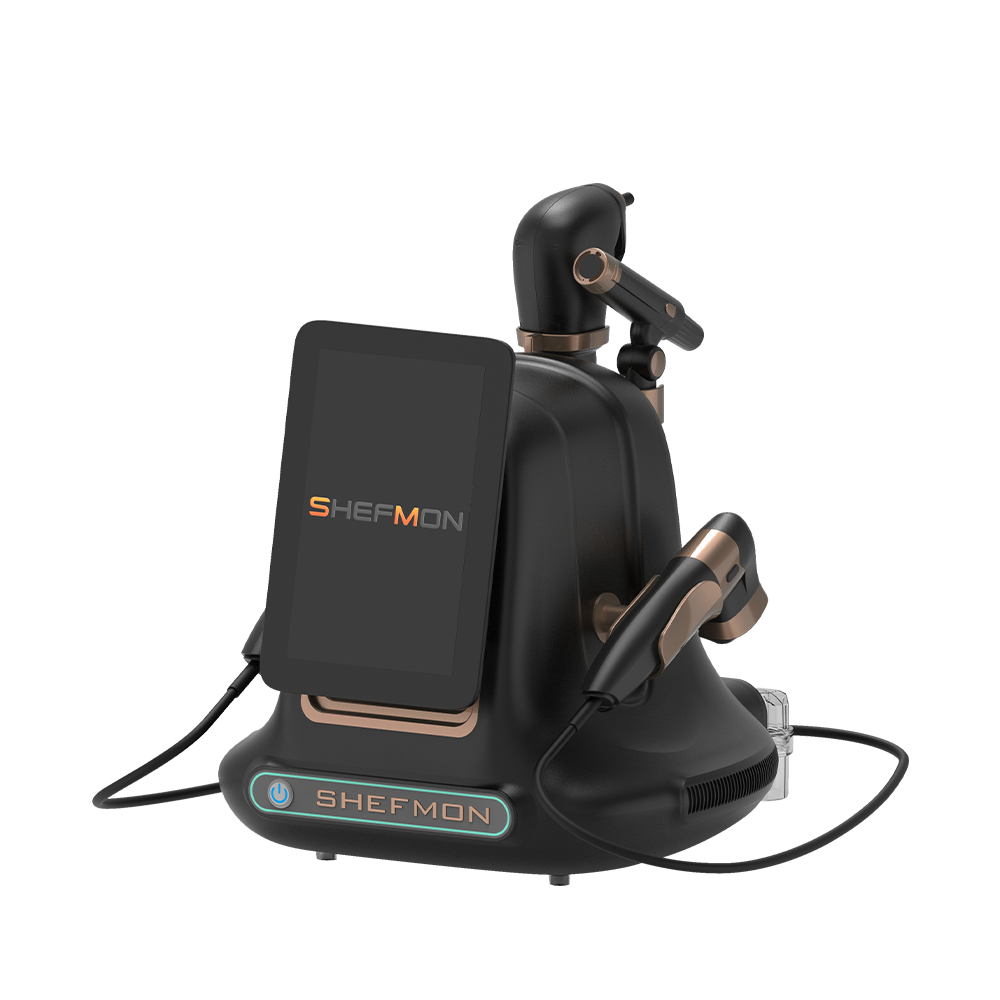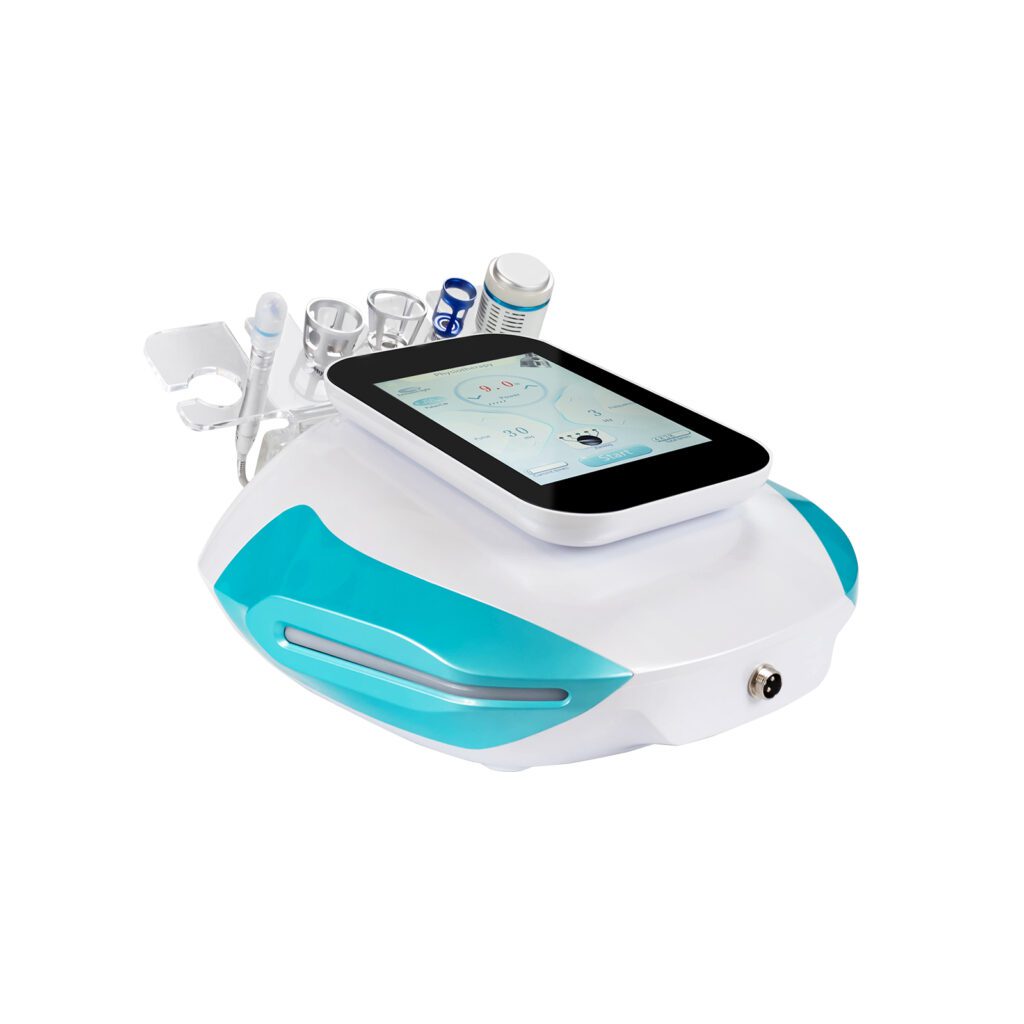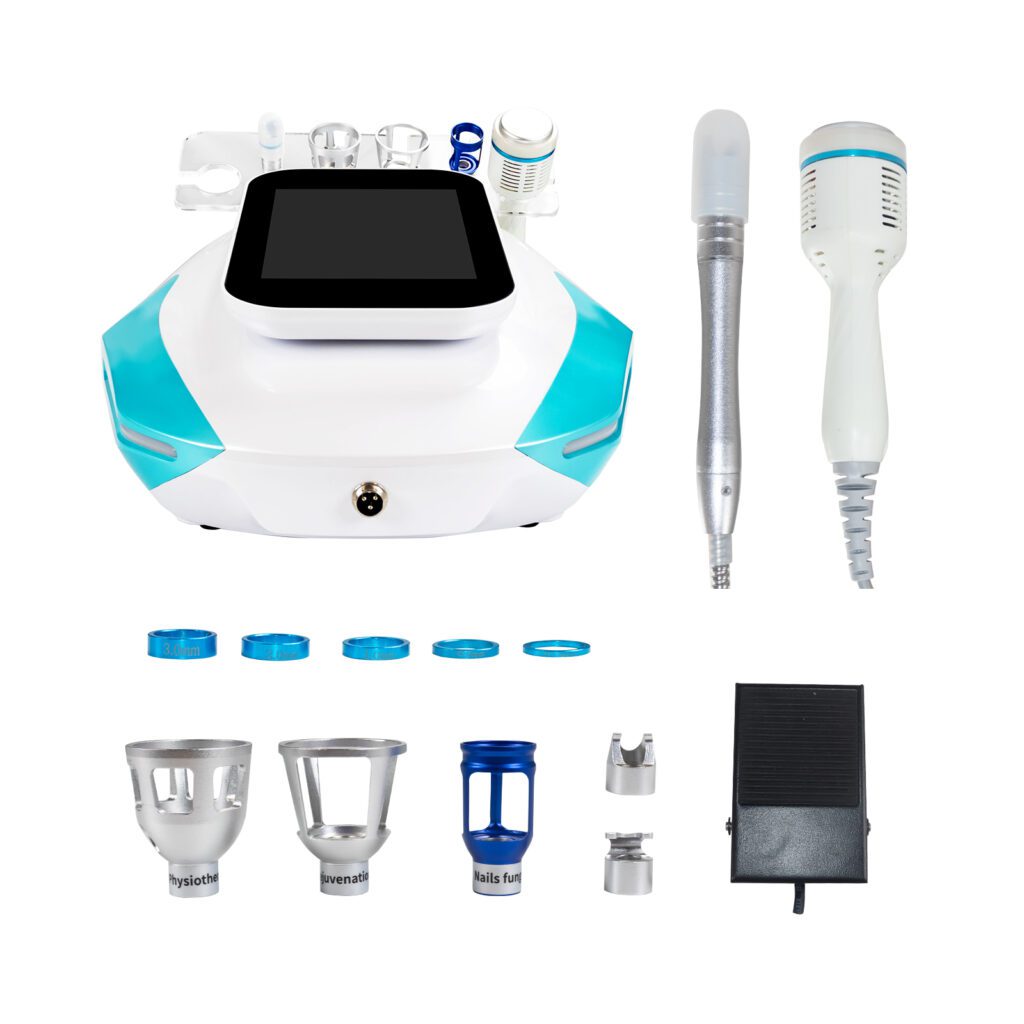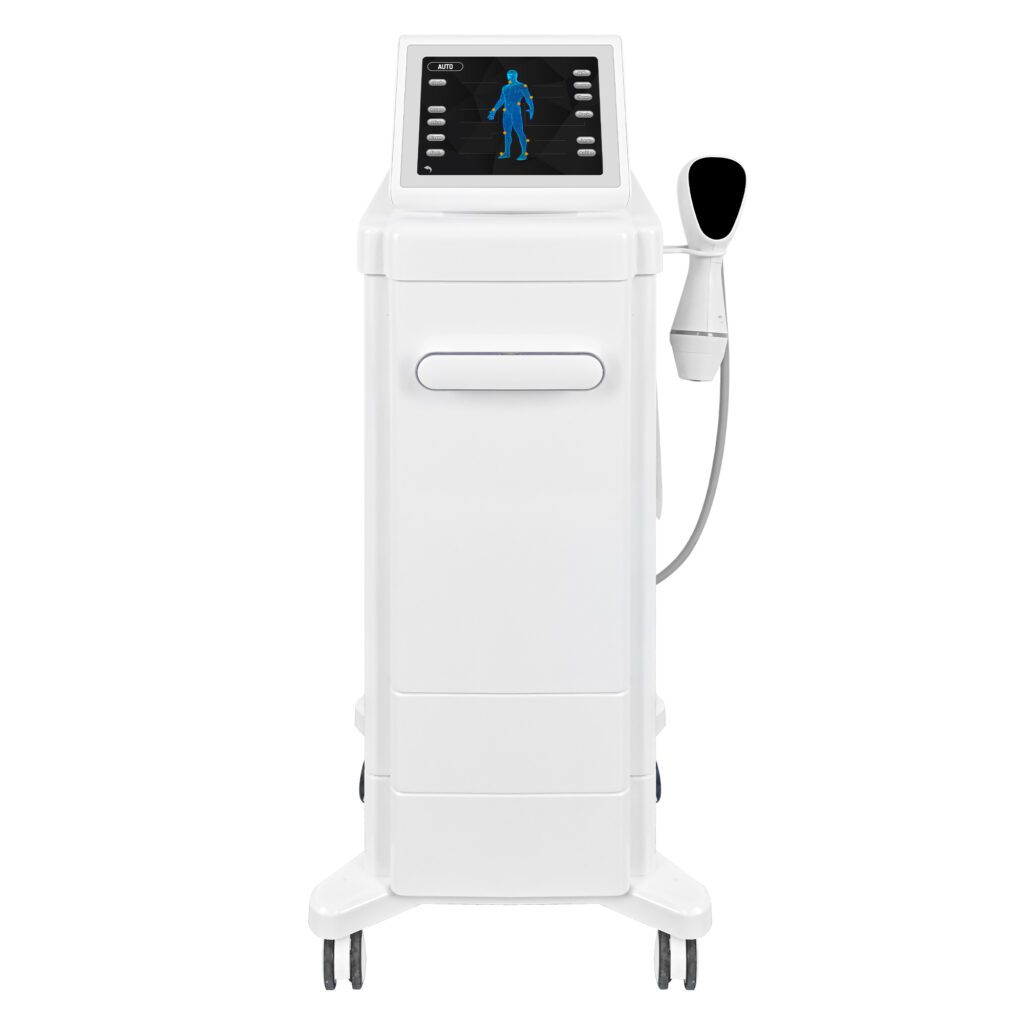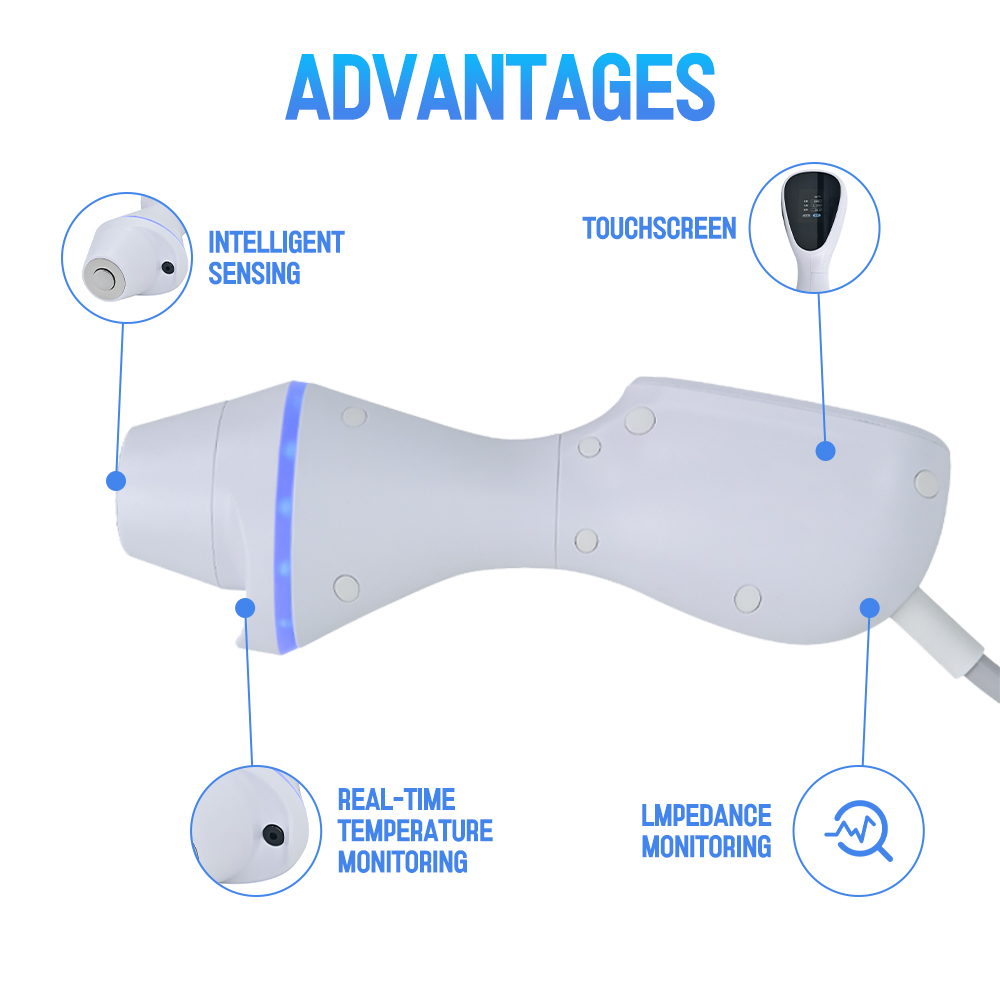
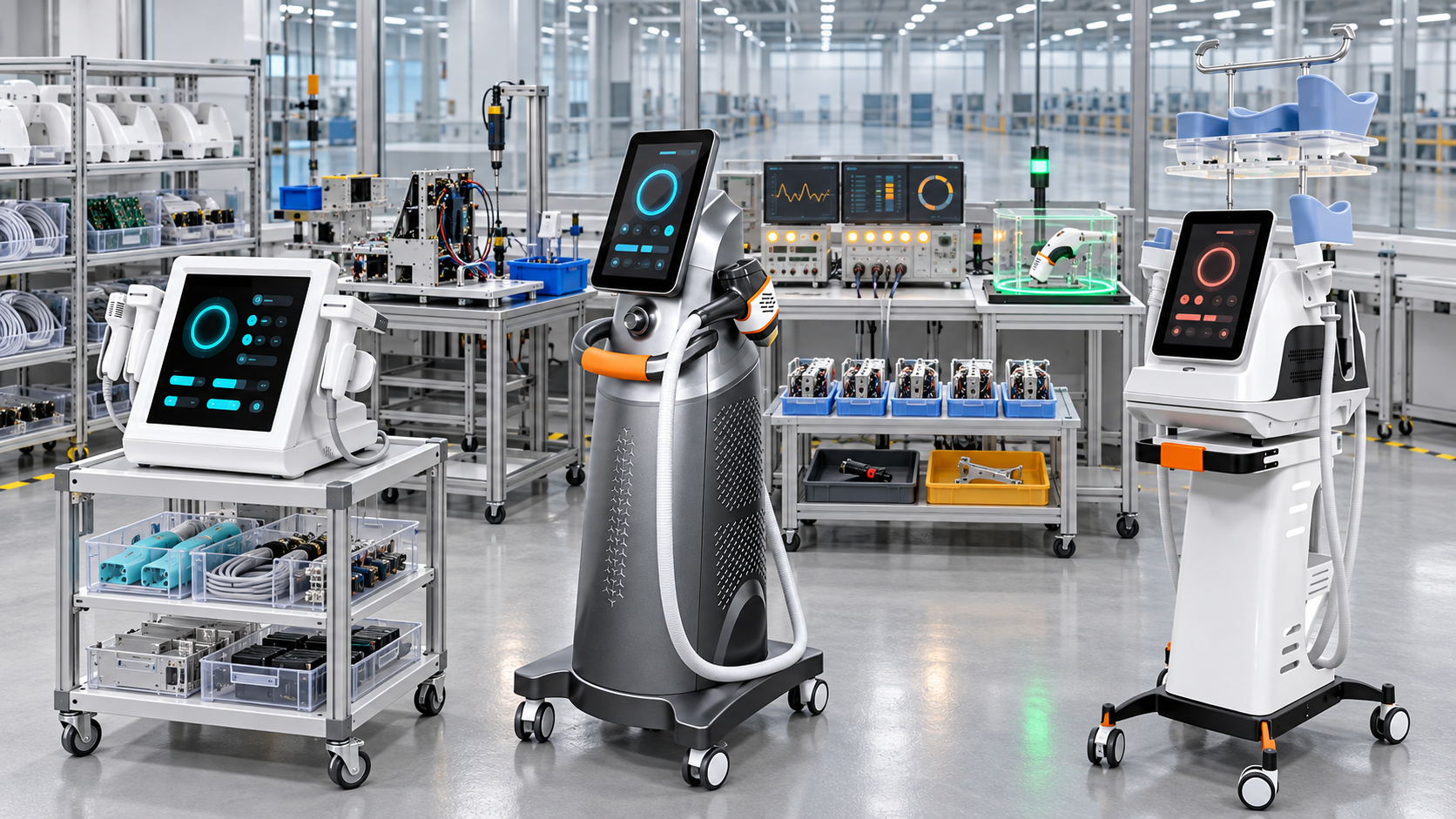
A beauty device can perform well as an engineering prototype and still be unready for routine production. The intended bill of materials may not have been built together. Operators may depend on verbal instructions. A test fixture may work only when an engineer adjusts it. Software, labels, manuals, and sales configurations may describe different versions. Packaging may protect a sample but fail when the normal packing team follows the released method.
Pilot production gives the factory a controlled opportunity to expose these gaps before full-scale release. It tests whether the product baseline, materials, suppliers, people, workstations, instructions, inspections, software, traceability, packaging, and support records can operate as one repeatable manufacturing system.
This guide explains how cross-functional beauty device teams can plan a pilot build, collect useful evidence, control defects and deviations, and make a defensible release decision. It focuses on manufacturing readiness rather than merely producing a small quantity of machines.
エグゼクティブサマリー
A practical beauty device pilot-production plan should:
- Define the decisions the pilot must support. State which manufacturing, quality, configuration, packaging, service, and capacity questions remain open.
- Require entry evidence. Do not start simply because a launch date is approaching; confirm that the intended design and production package are stable enough to evaluate.
- Freeze an identifiable build baseline. Every pilot unit should point to controlled parts, drawings, software, parameters, labels, instructions, test methods, and packaging.
- Select units and configurations by risk. The pilot should cover material variants, handles, voltage, language, software, accessories, and workflows that could change the manufacturing result.
- Use intended production resources. Normal operators, workstations, tools, fixtures, inspections, and records reveal problems hidden by engineering-built samples.
- Observe the process as well as the finished machine. Assembly time, waiting, adjustment, repeated handling, inspection findings, retest, scrap, and rework all contain readiness evidence.
- Control every exception. A temporary substitution or engineer-assisted workaround must be visible and must not silently become the approved process.
- Separate containment from correction. Repairing pilot units may protect the batch, but the factory still needs to remove the cause before release.
- Use explicit exit criteria. Release, conditional release, another pilot, limited ramp, or stop should follow the evidence rather than enthusiasm.
- Carry learning into the production baseline. Drawings, BOMs, instructions, inspections, fixtures, software, training, packaging, and service material must reflect approved pilot corrections.
The pilot is successful when it produces reliable knowledge and closes the right gaps. A batch with no reported defects can be less useful than a smaller build that reveals and resolves hidden process weaknesses.
1. What Is Beauty Device Pilot Production?
Pilot production is a limited, controlled manufacturing run used to evaluate whether a defined beauty device and its supporting factory system are ready for repeatable release.
The pilot should approximate intended production conditions as closely as practical. This includes:
- released or controlled pre-release parts;
- approved suppliers and material specifications;
- intended assembly sequence;
- production personnel;
- production tools and fixtures;
- incoming, in-process, and final inspections;
- production software-loading methods;
- configuration and serial-number records;
- labels, manuals, accessories, and packaging; and
- defect, deviation, rework, and disposition controls.
It is not merely a convenient way to make sales samples. Its primary output is evidence about the production system.
2. Separate Prototype, Verification, Pilot, and Release Stages
| ステージ | 主な質問 | 典型的な証拠 | What it does not prove alone |
|---|---|---|---|
| Engineering prototype | Can the selected design approach function? | Engineering observations, subsystem tests, design findings | Repeatable manufacturing |
| Design verification | Does the design output meet defined inputs? | Approved protocols, results, deviations, and conclusions | Normal-line execution |
| パイロット生産 | Can the intended factory system build, inspect, configure, pack, and trace the product consistently? | Build records, process observations, defects, yields, rework, timing, and corrective actions | Stable high-volume performance |
| Limited ramp | Does the corrected process remain controlled as volume and pace increase? | Trend data, capacity evidence, recurring-defect review, supplier performance | Unlimited capacity or permanent process stability |
| Full-scale release | Is the approved product and production system authorized for routine orders? | Signed release record and controlled production baseline | Freedom from later change or monitoring |
These stages may overlap in calendar time, but their decisions should remain distinct. A pilot unit can also support verification only when the unit, method, acceptance criteria, and deviations meet the applicable verification plan.
3. Begin with the Pilot Decision
The team should write the decision that will follow the pilot before choosing a build date. Examples include:
- authorize routine production of one defined model and configuration;
- authorize a limited ramp while one low-risk action closes;
- repeat the pilot after process correction;
- approve one configuration but hold another;
- approve assembly while blocking shipment until packaging evidence closes; or
- return the product to engineering because the released design is not manufacturable as defined.
A clear decision prevents the pilot from becoming an activity with no agreed endpoint.
4. Turn Open Questions into Pilot Objectives
Each objective should identify the question, evidence, sample coverage, owner, and acceptance rule.
| Objective area | Example pilot question | Useful evidence |
|---|---|---|
| Assembly | Can trained operators follow the intended sequence without engineering interpretation? | Observation records, time, errors, instruction changes |
| 構成 | Can the correct hardware, software, handle, language, and label set be created from the order code? | Configuration records and final identity check |
| Inspection | Do incoming and in-process controls detect defined nonconformities? | Inspection results, false rejects, escaped findings |
| Production test | Can the fixture and method distinguish pass, fail, setup error, and test-equipment fault? | Test logs, retest reasons, fixture findings |
| パッケージ | Can normal staff pack the complete kit correctly and consistently? | Pack audit, accessory reconciliation, handling evidence |
| トレーサビリティ | Can each unit be traced to critical parts, software, tests, deviations, and disposition? | Complete device history record |
| Capacity | Which process constrains controlled output? | Cycle-time, queue, utilization, and recovery observations |
Avoid objectives such as “confirm everything is ready.” They do not tell the team what to observe or how to decide.
5. Establish Pilot Entry Criteria
Entry criteria protect the value of the run. A pilot normally needs:
- approved product requirements and defined configuration scope;
- a stable design baseline;
- completed design reviews appropriate to the stage;
- available verification evidence and a list of open results;
- identified product and process risks;
- controlled drawings, schematics, specifications, and interfaces;
- a buildable BOM with material status;
- controlled software and production-loading method;
- draft or approved work instructions;
- inspection and test methods with acceptance criteria;
- calibrated or otherwise controlled measurement resources where required;
- tools, fixtures, workstations, and utilities;
- trained participants;
- traceability and nonconformance systems; and
- an approved pilot protocol.
An entry review may accept limited open items, but each one needs an owner, impact assessment, temporary control, and closure requirement.
6. Freeze the Pilot Build Baseline
The baseline is the exact product and process state being evaluated. It should identify:
- モデルおよび構成コード。;
- BOM revision;
- drawing and specification revisions;
- supplier and component revisions where relevant;
- hardware and PCB revisions;
- firmware, application, interface, and parameter versions;
- handle, applicator, tip, cartridge, and accessory versions;
- work-instruction and inspection-plan revisions;
- production-test program and fixture revision;
- labels, language, manual, and package version; and
- authorized pilot deviations.
If the baseline cannot be reconstructed later, the team cannot know which result applies to the released product.
7. Define Configuration Coverage
Building several identical units may reveal assembly variation but miss configuration risk. Select coverage according to the product architecture.
Review whether the pilot needs to represent:
- standard and optional handles;
- different spot sizes, tips, cartridges, or applicators;
- voltage or plug variants;
- language and user-interface versions;
- desktop and vertical formats;
- different cooling, vacuum, fluid, RF, ultrasound, or motion modules;
- standard and optional accessories;
- regional labels and manuals; and
- OEM/ODM exterior, logo, interface, or packaging variants.
Not every variant must enter the same run. The plan should explain which evidence can be shared and which variant requires separate confirmation.
8. Choose Pilot Quantity by Learning Need
There is no universal pilot quantity for every beauty device. The number should be justified by:
- process complexity;
- number of operators and shifts to observe;
- supplier and component variation;
- configuration coverage;
- destructive or retained samples;
- expected defect opportunity;
- workstation and fixture capacity;
- packaging and logistics evaluations;
- regulatory or market-specific evidence needs; and
- risk of scaling too early.
A quantity selected only to satisfy a sales request may not expose meaningful variation. Conversely, producing a large batch before the process stabilizes can multiply rework and obsolete inventory.
9. Assign Cross-Functional Responsibilities
| 関数 | Pilot responsibility |
|---|---|
| Product or project management | Confirms intended model, market, configuration, schedule, and decision scope |
| Engineering | Supports controlled technical questions without informally changing the process |
| 品質 | Approves inspection, nonconformance, deviation, evidence, and release criteria |
| Sourcing and supplier quality | Confirms material status, supplier changes, incoming controls, and shortages |
| Production engineering | Owns sequence, workstations, tools, fixtures, time study, and process correction |
| Production | Builds according to the authorized package and records actual execution |
| Software or configuration team | Controls builds, parameters, loading, identity, and backup or recovery methods |
| ドキュメント | Aligns labels, manuals, work instructions, packaging lists, and revision status |
| サービス | Reviews access, diagnostics, replaceable parts, training, and support records |
| リリース権限 | Weighs evidence, risks, open items, and scope before authorization |
The person who fixes a problem should not be the only person deciding whether the evidence is sufficient for release.
10. Create the Pilot Build Packet
The packet should give each function the correct information without relying on private messages. It can include:
- pilot plan and unit list;
- configuration matrix;
- build baseline and document index;
- material readiness report;
- workstation and line layout;
- operator qualification or training status;
- assembly and inspection instructions;
- test-fixture and software versions;
- sampling or inspection rules;
- serial-number and traceability method;
- deviation and nonconformance forms;
- rework authorization and verification rules;
- packaging specification and pack list;
- observation sheets and time-study method; and
- exit-review agenda and evidence owners.
The packet should be controlled, accessible at the point of use, and updated through an authorized method.
11. Confirm BOM and Material Readiness
Before the run, reconcile the BOM against drawings, specifications, supplier records, stock, and the actual parts staged for assembly.
チェック:
- part number and description;
- revision and approved supplier;
- 数量と測定単位。;
- alternates and substitutions;
- 重要な特性;;
- shelf-life or storage status where applicable;
- incoming-inspection status;
- lot or serial traceability;
- firmware or programmed-part identity;
- cosmetic standard; and
- shortage or temporary-material plan.
Material that is “functionally similar” but not part of the baseline creates ambiguous pilot evidence unless a formal deviation defines its use.
12. Include Supplier Readiness in the Plan
Pilot performance can be distorted when suppliers provide hand-selected samples that differ from their normal process. Confirm whether intended suppliers can repeatedly provide:
- the approved specification and revision;
- required inspection evidence;
- stable cosmetic and dimensional quality;
- programmed or calibrated subassemblies where applicable;
- packaging that protects parts in normal transport and storage;
- traceability for defined critical items;
- change notification; and
- realistic replenishment lead time.
Supplier findings should be linked to the pilot record even when the factory contains the immediate issue internally.
13. Verify Incoming Inspection before Assembly
The pilot should test whether incoming controls are practical and effective. Review whether inspectors have:
- a clear characteristic and acceptance rule;
- an appropriate method and measurement resource;
- the correct drawing or reference sample;
- sampling instructions;
- a way to record the lot, result, and disposition;
- escalation rules for ambiguous findings; and
- separation controls for accepted, rejected, and pending material.
If production discovers obvious component problems that incoming inspection was intended to detect, the process needs correction before release.
14. Control Software and Configuration Loading
Beauty devices may combine controller firmware, display software, language resources, parameter files, module identity, and production-test programs. The pilot plan should state:
- authoritative software package;
- approved hardware relationship;
- loading station and access permission;
- checksum, version, or other confirmation method;
- parameter and calibration ownership;
- language and region selection;
- failed-loading recovery;
- record attached to each serial number;
- restriction against unauthorized builds; and
- final user-visible version check.
A machine that powers on is not necessarily configured correctly.
15. Qualify Tools, Fixtures, and Test Stations
List every tool or fixture needed to build and accept the pilot units. For each one, define:
- unique identity and revision;
- intended operation;
- setup and verification method;
- maintenance or calibration status where relevant;
- permitted users;
- 許容限界値;
- fault recognition;
- data capture;
- backup or contingency plan; and
- storage and change control.
Engineering bench equipment should not quietly substitute for a missing production fixture. If it must be used, record the limitation and its effect on release.
16. Review Workstations and Material Flow
A correct assembly method can still fail in a poorly arranged workstation. Observe:
- component presentation and identification;
- prevention of part mixing;
- cable, hose, board, and housing protection;
- electrostatic or cleanliness controls where applicable;
- ergonomic reach and handling;
- tool placement;
- work-in-process storage;
- movement between assembly, inspection, test, aging, and packing;
- quarantine space; and
- separation of finished configurations.
The pilot should reveal unnecessary movement, repeated handling, waiting, and opportunities for damage or substitution.
17. Train without Hiding Instruction Problems
Operators need training, but excessive coaching can make an incomplete process appear ready. Training should use the intended documents and should record:
- trainer and trainees;
- revision taught;
- demonstration and supervised practice;
- questions or ambiguous steps;
- competency confirmation appropriate to the task; and
- restrictions until qualification is complete.
During the pilot, observers should distinguish a genuine operator error from an unclear instruction, difficult design, poor fixture, or missing feedback in the process.
18. Conduct a First-Unit Review
The first completed unit provides an early checkpoint before the rest of the batch repeats the same problem. Review:
- correct parts and revision;
- critical assembly steps;
- routing, fastening, sealing, and connections;
- software and parameter identity;
- in-process and final test results;
- labels and serial number;
- accessories and packaging;
- deviations and rework; and
- differences between written and actual methods.
First-unit acceptance should not replace evaluation of variation across later units and operators.
19. Limit Engineering Intervention during the Run
Engineers should be available for safety, containment, and technical clarification, but every intervention needs visibility. Record when an engineer:
- selects or modifies a part;
- changes a setting;
- adjusts a fixture;
- rewrites a sequence;
- performs an operator step;
- interprets an acceptance rule;
- bypasses an alarm or test; or
- decides that a result is acceptable.
If the normal team cannot repeat the build without this support, the production method is not yet self-sufficient.
20. Observe the Actual Manufacturing Process
Process observers should capture more than total build time. Useful observations include:
- touch time and waiting time;
- repeated assembly or inspection;
- searches for parts or information;
- tools shared between workstations;
- difficult alignment or connector access;
- adjustments that are not documented;
- material damage during handling;
- queues at programming, test, aging, or packing;
- operator questions; and
- points where identity or traceability can be lost.
Time data should describe the observed conditions. An engineering-supported pilot is not automatically a normal production rate.
21. Define Pilot Metrics before the Build
Select metrics that support the stated objectives. These may include:
- first-pass completion at a process step;
- final-test first-pass result;
- defect count by unit and process;
- rework and retest frequency;
- scrap or component replacement;
- missing or incorrect configuration items;
- build and test cycle time;
- waiting and queue time;
- instruction clarifications;
- fixture or test-station interruption;
- トレーサビリティの完全性、および
- pack-out accuracy.
Do not hide problems by reporting only the final number of shippable units. A unit that passed after repeated repair carries different process evidence from one built correctly the first time.
22. Classify Findings Consistently
| Finding type | 意味 | Required response |
|---|---|---|
| Product-design defect | The released design cannot reliably meet a requirement or be built as intended | Engineering assessment, risk review, controlled design change, and appropriate retest |
| Process defect | The method, sequence, workstation, or control is inadequate | Process correction, instruction update, retraining, and effectiveness evidence |
| Material defect | A part or supplier output does not meet the approved requirement | Containment, supplier disposition, replacement, and supplier corrective action as appropriate |
| Documentation defect | Instructions, drawings, BOM, labels, manuals, or pack lists conflict or omit necessary information | Correct controlled source and check affected records |
| Tool or test defect | Fixture, software, gauge, or station creates invalid or unreliable results | Stop or contain affected work, correct resource, and reassess prior results |
| Execution error | An approved method was not followed despite adequate instruction and resources | Containment, cause review, coaching or process improvement, and reinspection as needed |
| Configuration defect | Hardware, software, language, accessory, or label identity is incorrect | Quarantine, reconcile records, correct configuration controls, and inspect affected units |
Consistent classification helps the factory find system causes instead of treating every finding as operator error.
23. Control Nonconforming Pilot Units
Every nonconforming unit or component should have:
- unique identity;
- description of the observed condition;
- requirement or acceptance criterion;
- discovery point;
- affected configuration and quantity;
- containment status;
- investigation owner;
- authorized disposition;
- rework or repair instruction where approved;
- verification after disposition; and
- relationship to similar units, lots, or suppliers.
Physical segregation and system status should agree. A rejected part placed beside accepted material is still a release risk.
24. Separate Deviation, Rework, Repair, and Use-As-Is
These decisions are not interchangeable:
- あ deviation authorizes a defined temporary departure before or during specified work.
- Rework returns the item to the approved requirement using an authorized method.
- 修理 makes an item usable without fully restoring the original requirement and needs appropriate technical and quality review.
- Use-as-is accepts a specific nonconforming item after documented evaluation.
Each record should state the affected units, reason, authority, verification, and whether the disposition can apply beyond the pilot. Temporary pilot acceptance must not become an unwritten production standard.
25. Distinguish Containment from Corrective Action
Containment protects the current batch. Examples include sorting a lot, adding inspection, replacing a component, or holding shipment.
Corrective action addresses why the condition occurred and how recurrence will be prevented. It may change:
- product design;
- supplier control;
- work sequence;
- fixture or tool;
- software-loading method;
- inspection plan;
- operator instruction;
- configuration logic; or
- packaging method.
The exit review should not treat contained units as proof that the normal process has been corrected.
26. Route Pilot Changes through Change Control
When a finding requires a permanent change, assess all affected outputs. A connector change may influence the BOM, housing opening, cable, drawing, work instruction, test fixture, spare part, manual, packaging, and existing units.
The change record should identify:
- reason and evidence;
- affected models and configurations;
- design and process outputs;
- verification or regression work;
- material disposition;
- implementation point;
- training and documentation updates;
- supplier communication; and
- whether another pilot or targeted build is needed.
Do not edit a work instruction to compensate for a design change that has not been technically approved.
27. Validate Production Inspection and Test Flow
The pilot should challenge the complete control path:
- incoming material inspection;
- critical in-process checks;
- software and configuration confirmation;
- functional testing;
- aging or extended operation where defined;
- final visual and identity inspection;
- accessory and document reconciliation; and
- packaging release.
For each step, confirm the test purpose, method, limit, record, result authority, failure response, retest rule, and link to the unit. Repeated retest until pass can conceal either an unstable product or an unreliable station.
28. Include Packaging and Shipment Preparation
Full-scale release can fail outside the assembly line. The pilot should evaluate:
- complete pack list;
- correct machine, handles, accessories, consumables, manuals, and cables;
- protective films, caps, restraints, and cushioning;
- cable and hose routing inside the package;
- carton, insert, and label versions;
- serial-number relationship between product and package;
- normal packing sequence;
- weight and handling information;
- unpacking and initial-setup clarity; and
- transport or distribution evidence appropriate to the product and market.
A hand-packed engineering sample does not prove that normal packaging instructions are adequate.
29. Build Complete Unit Traceability
Each pilot unit should connect to the information needed to reconstruct its history. Depending on risk and product architecture, the record may include:
- unit serial number;
- configuration and order code;
- critical component lots or serials;
- hardware and PCB revisions;
- software and parameter version;
- operators and dates;
- inspection and test results;
- equipment or fixture identity;
- nonconformance, deviation, rework, and retest;
- final disposition; and
- package and shipment status.
Traceability depth should be defined by product, process, quality, service, and market needs rather than collected without purpose.
30. Prepare Service and Support before Release
Pilot units can reveal whether service teams have enough information to support the product. Review:
- replaceable assembly boundaries;
- spare-part numbers and compatibility;
- diagnostics and fault information;
- safe access and replacement sequence;
- software recovery or update process;
- service tools and training;
- installation and initial checks;
- cleaning and maintenance information;
- warranty or asset-registration data needs; and
- feedback path from field issues to product and factory teams.
A product is not fully release-ready when the factory can build it but cannot identify or support its installed configuration.
31. A0648 Example: Pilot Planning for a Multifunction Facial System
公式 SHEFMON A0648 hydro microdermabrasion system page presents a nine-function facial platform associated with cleansing, extraction, hydration, vacuum, and related functions.
For a comparable multifunction facial category, a pilot plan could examine:
- bottle, tube, valve, filter, and waste-path assembly;
- vacuum and fluid-path identification;
- leak checks and cleaning instructions;
- handle-to-port matching;
- tip and accessory pack accuracy;
- software menu and physical-function agreement;
- holder arrangement and cable or tube protection; and
- contamination controls during assembly and test.
These are planning examples based on the public product category, not claims about confidential SHEFMON production records.
32. A0426 Example: Pilot Planning for a Configurable Hair-Removal System
その SHEFMON A0426 diode laser hair-removal system page lists wavelength and spot-size choices as well as cooling, touchscreen, and language information.
For a product category with these options, pilot planning should keep aligned:
- console hardware and power configuration;
- approved handpiece and spot-size variant;
- wavelength identity;
- cooling assembly and circulation path;
- software, parameter, and language version;
- handle serial or configuration relationship;
- production-test method;
- external label and manual; and
- quotation, order, build, and final-inspection identity.
The pilot should test the factory’s ability to build the ordered configuration, not only whether one engineering-selected combination functions.
33. B0155 Example: Pilot Planning for a Multifunction Body System
公式 SHEFMON B0155 デスクトップエンドス ベラプロ page describes a desktop multifunction arrangement involving vacuum roller, RF, rotating massage, and 80K cavitation elements.
A pilot for a comparable body-system architecture could pay particular attention to:
- identification and storage of multiple applicators;
- vacuum, RF, motion, and ultrasound module relationships;
- shared power and duty assumptions;
- connector and cable routing;
- handle recognition or configuration control;
- mode-to-applicator agreement in the interface;
- function-specific production tests; and
- complete package reconciliation.
One passed function should not be used as evidence that every module and combined configuration was manufactured correctly.
34. Adapt the Pilot for OEM/ODM Projects
その SHEFMONのOEM/ODMページ describes customization areas including exterior and mechanical design, internal layout, handpiece connections, function, interface and language, logo, packaging, manuals, and prototyping.
For an OEM/ODM pilot, define:
- factory technical baseline;
- buyer-approved appearance and interface baseline;
- standard versus customized components;
- buyer-supplied files or materials;
- sample approval status;
- logo, color, language, label, manual, and package version;
- who approves a deviation;
- which change requires renewed buyer approval;
- retained reference sample; and
- transition from pilot units to commercial orders.
Buyer approval of appearance should not be interpreted as approval of unresolved manufacturing or quality evidence.
35. Hold a Formal Pilot Exit Review
The exit review should compare actual evidence with entry assumptions and exit criteria. Review:
- units planned, started, completed, held, scrapped, and accepted;
- configuration coverage;
- material and supplier findings;
- process observations and timing;
- inspection and test results;
- defects by type, severity, station, and recurrence;
- deviations, rework, repair, and retest;
- traceability completeness;
- packaging and documentation results;
- corrective actions and effectiveness evidence;
- open risks; and
- exact baseline proposed for release.
Summaries should retain links to unit-level records. A percentage alone cannot explain which defect occurred or whether the correction was verified.
36. Use More than Pass or Fail
| Exit decision | Appropriate meaning |
|---|---|
| Release | Defined configuration and manufacturing baseline meet the approved release criteria |
| Conditional release | Limited production may proceed under explicit controls while specified low-risk actions close |
| Limited ramp | Volume, configuration, market, or time is intentionally restricted while stability evidence grows |
| Repeat pilot | Corrected product or process needs another representative build |
| Partial approval | One model or configuration is ready while another remains blocked |
| Return to engineering | Product design or architecture needs material revision before another manufacturing assessment |
| Stop | The current product direction no longer justifies continued release work |
Every decision should name the approved scope, excluded scope, conditions, authority, review point, and evidence required for the next state.
37. Plan the Ramp after Pilot Approval
Full-scale release should not mean that monitoring stops. The ramp plan can define:
- allowed production volume or rate;
- approved configurations;
- enhanced inspection or audit period;
- supplier monitoring;
- recurring-defect review frequency;
- fixture and equipment capacity checks;
- escalation thresholds;
- engineering and quality support availability;
- timing for removing temporary controls; and
- review of early service or buyer feedback.
Temporary controls should have owners and exit rules. Otherwise, expensive pilot containment can become permanent undocumented production practice.
38. Pilot Production Planning Checklist
- The pilot decision, objectives, owners, evidence, and exit criteria are approved.
- Product requirements, verification status, risks, and open items have been reviewed.
- Model, configuration, BOM, drawings, software, parameters, documents, and packaging form one identifiable baseline.
- Standard, optional, regional, and OEM/ODM configuration coverage is justified.
- Pilot quantity reflects risk and learning needs rather than only sample demand.
- Intended suppliers and production materials are available and controlled.
- Incoming-inspection methods and material segregation are ready.
- Operators, inspectors, programmers, and packers have documented training status.
- Workstations, tools, fixtures, utilities, and test resources are identified and ready.
- Work instructions are available at the point of use.
- Software loading, version confirmation, recovery, and unit records are controlled.
- First-unit review and in-process observation points are scheduled.
- Process time, defects, retest, rework, waiting, and traceability metrics are defined.
- Engineering interventions and temporary workarounds will be recorded.
- Nonconformance, deviation, rework, repair, and use-as-is have separate controls.
- Corrective actions include effectiveness evidence and affected-document review.
- Packaging, accessory reconciliation, labels, manuals, and shipment preparation are included.
- Each pilot unit can be traced to materials, configuration, tests, exceptions, and disposition.
- Service documents, spares, diagnostics, and support responsibilities have been reviewed.
- The exit authority can choose release, conditional release, limited ramp, repeat pilot, partial approval, engineering return, or stop.
- Approved pilot corrections will be incorporated into the final production baseline.
- Post-release ramp monitoring and escalation thresholds are defined.
よくある質問
1. What is the main purpose of beauty device pilot production?
Its main purpose is to determine whether a defined product and the intended factory system can repeatedly build, configure, inspect, test, trace, document, and package the device before routine release.
2. Is a successful engineering prototype enough to begin full-scale production?
No. A prototype can show that a design approach functions, but it does not prove supplier readiness, production instructions, normal-operator execution, fixtures, inspection, configuration control, packaging, traceability, or support readiness.
3. How many beauty devices should a pilot run include?
There is no universal number. The quantity should reflect process risk, configuration coverage, operator and supplier variation, destructive evaluations, packaging needs, and the evidence required for the release decision.
4. Should engineers build the pilot units?
Engineers may support the run, but intended production operators should perform normal work as far as practical. Heavy engineering intervention needs to be recorded because it can hide instruction, fixture, design, or training weaknesses.
5. Can pilot production start with temporary components?
Only under an approved deviation that defines the affected units, reason, risk, control, and evidence limitation. Results from a temporary component should not automatically be applied to the intended production part.
6. What is the difference between a pilot defect and a pilot deviation?
A defect is a failure to meet a defined requirement. A deviation is an authorized temporary departure from a requirement or baseline for a specified scope. A deviation does not erase the need to understand its effect on the pilot conclusion.
7. Does repairing every pilot unit mean the process is ready?
No. Repair or rework can recover individual units, while the original cause remains. Release needs evidence that the design, material, method, tool, document, training, or control responsible for the problem has been corrected appropriately.
8. Can one beauty device configuration represent every option?
Not automatically. The team should evaluate whether differences in hardware, software, language, voltage, handles, applicators, accessories, labels, or packaging introduce unique manufacturing and inspection risks.
9. What should block full-scale release after a pilot?
Unresolved high-impact defects, unclear baseline identity, invalid tests, uncontrolled software, repeated configuration errors, ineffective corrective actions, incomplete traceability, unstable critical suppliers, or missing packaging and support readiness can all justify holding release.
10. How can a buyer discuss pilot production with SHEFMON?
Prepare the required model, functions, handles, voltage, language, branding, packaging, market, expected approvals, and target order configuration. Then シェフモンに連絡してください to discuss which standard product information or controlled OEM/ODM development steps apply.
結論
Beauty device pilot production is the bridge between an engineered design and a repeatable factory release. Its value comes from using a defined baseline, intended materials, normal production resources, measurable objectives, visible exceptions, unit-level evidence, and a formal exit decision.
The strongest plan does not ask only whether the pilot units eventually passed. It asks how they were built, which problems appeared, which workarounds were needed, whether causes were corrected, whether every configuration remained identifiable, and whether the final production package reflects what the factory learned.
探索する SHEFMONの美容機器製品ラインナップ, review the company’s quality-control overview そして OEM/ODM機能、 または シェフモンに連絡してください to discuss a defined standard or customized beauty device project.