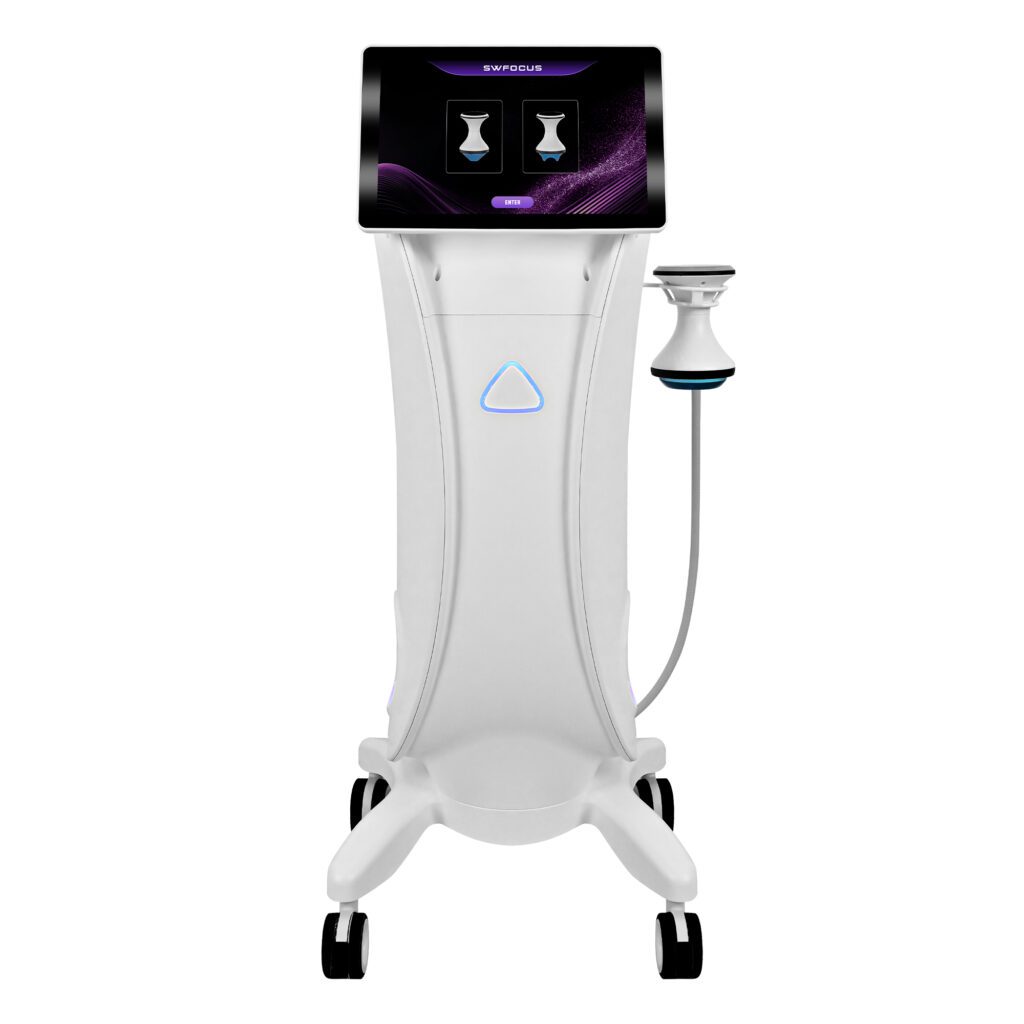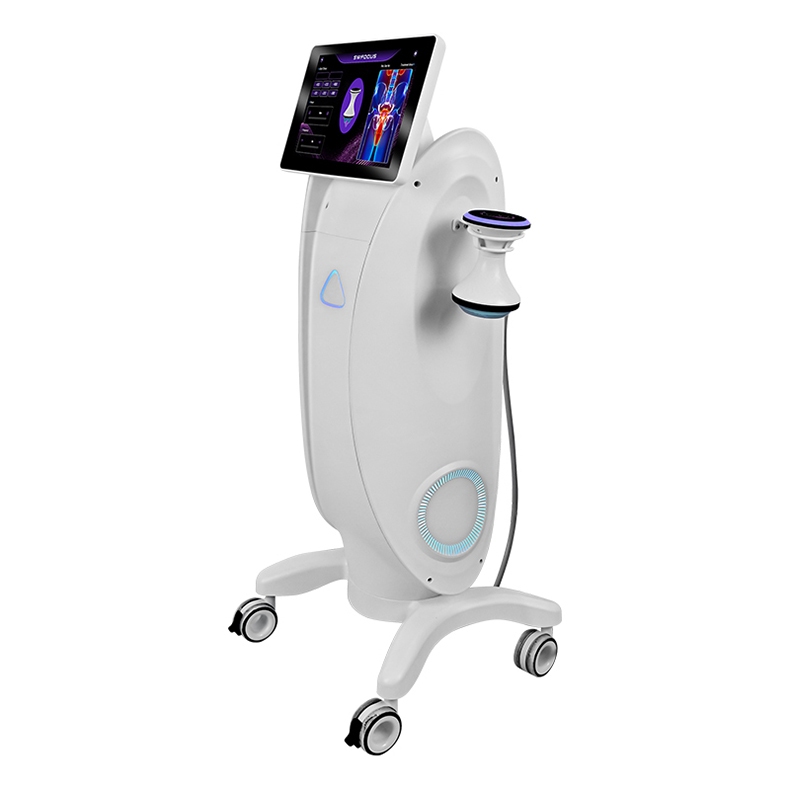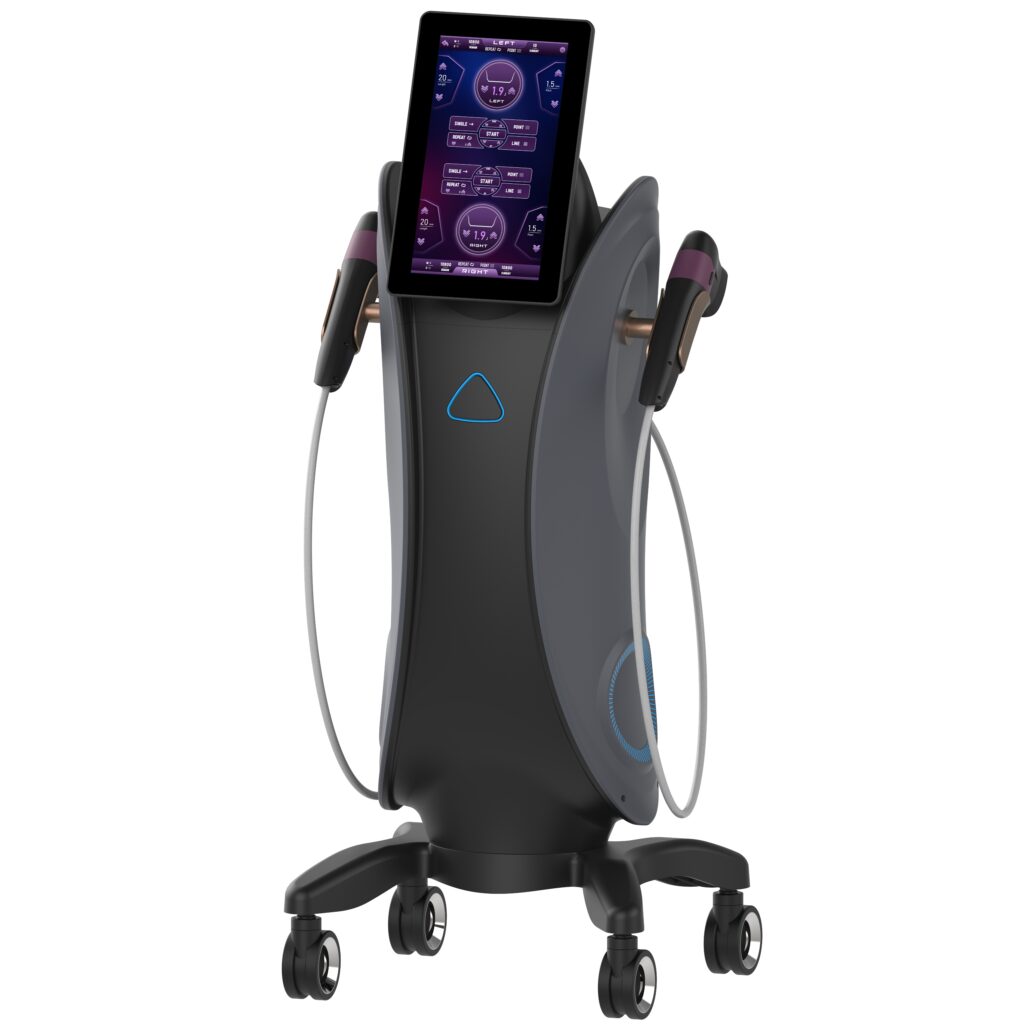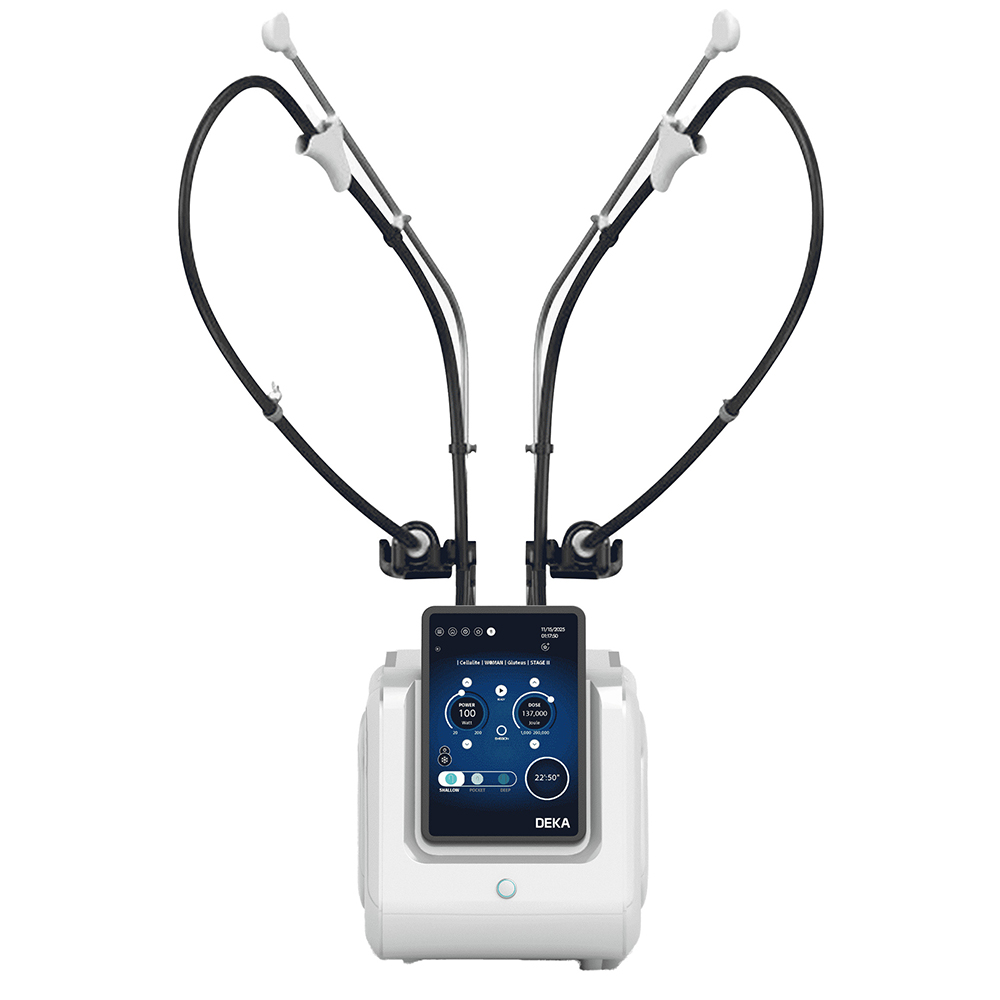










RF skin tightening is not only about delivering radiofrequency energy to the skin. Treatment results and comfort also depend on how energy is distributed, how deeply it acts, how heat is controlled, and how the skin surface is managed during treatment. XERF technology combines dual-frequency RF, controlled pulse delivery, integrated cooling, and real-time temperature monitoring to manage these factors as part of one treatment system.
1. Why Does RF Energy Control Matter?
Radiofrequency energy produces heat when it interacts with tissue. The thermal effect depends on several factors, including RF frequency, energy level, treatment depth, tissue characteristics, applicator design, and how the energy is delivered.
Too little thermal energy may not provide sufficient stimulation for the intended treatment. Excessive or poorly controlled heating, on the other hand, can increase discomfort and unwanted thermal effects.
This is why modern RF systems focus not only on power output but also on energy distribution, treatment depth, pulse control, cooling, and temperature monitoring.
XERF systems are designed with multiple depth and intensity options, allowing treatment parameters to be adjusted according to the treatment area and desired thermal effect.
2. How Does XERF Deliver RF Energy?
2.1 Dual-Frequency RF: 6.78 MHz and 2 MHz
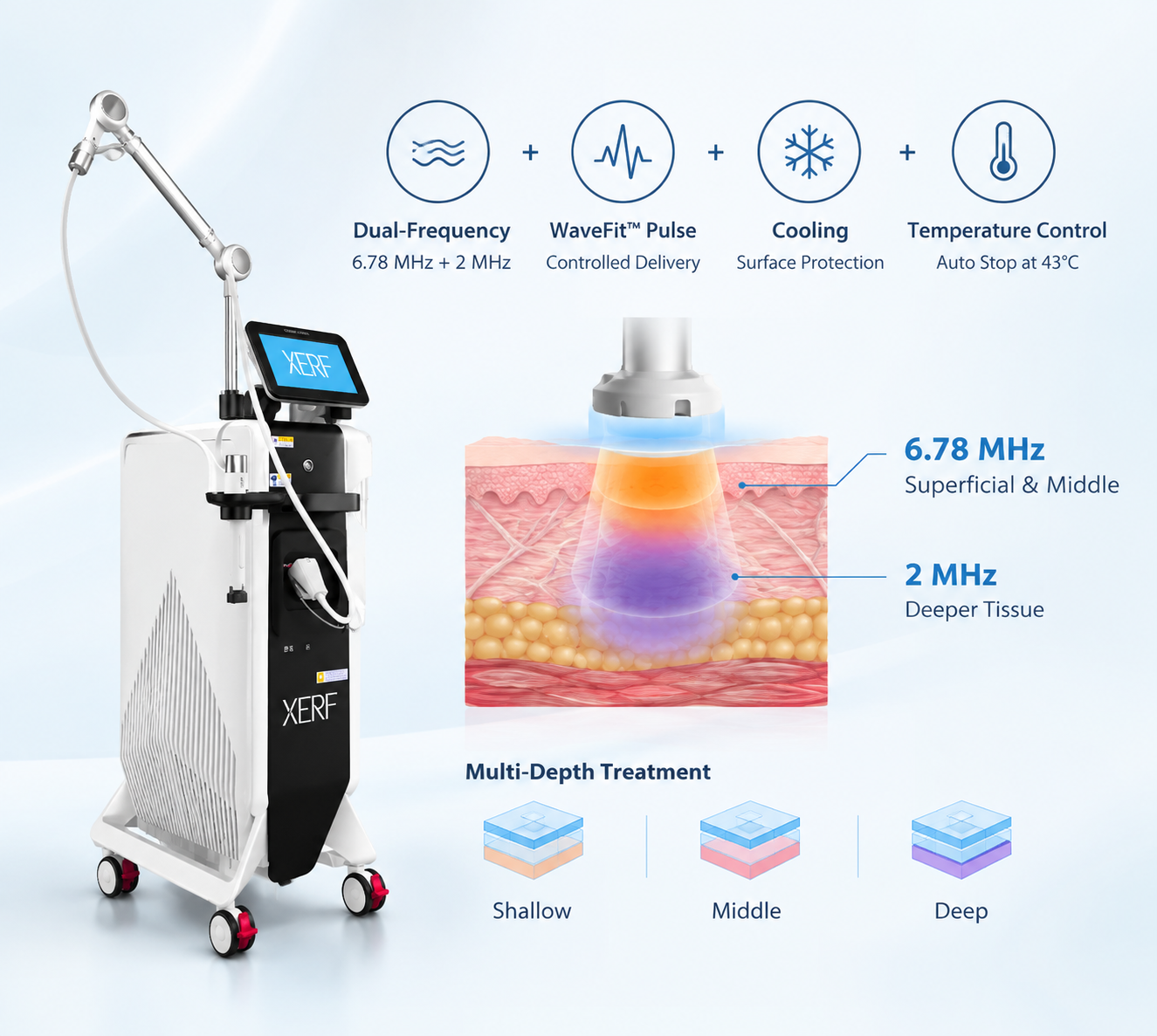
A key feature of XERF technology is the combination of 6.78 MHz and 2 MHz monopolar RF.
The two frequencies are associated with different thermal distributions within tissue. In XERF-related research, 6.78 MHz is associated more with superficial and intermediate tissue heating, while 2 MHz can provide a broader and deeper thermal distribution.
In the deep treatment mode, the two frequencies can be delivered sequentially within a single treatment pulse. This is different from simply performing two separate RF treatments at different frequencies.
The concept is to provide controlled thermal delivery across multiple tissue levels rather than relying on a single frequency and treatment depth.
2.2 WaveFit Pulse Control
RF frequency is only one part of energy delivery. The way RF energy is pulsed can also influence the resulting thermal profile.
XERF uses WaveFit pulse technology to control the timing and energy distribution of RF sub-pulses. Treatment parameters can be adjusted according to the selected depth and intensity.
This type of pulse management is intended to create a more controlled heating process while allowing the operator to adapt treatment to different facial areas and tissue characteristics.
3. How Does Integrated Cooling Work?
3.1 Advanced Integrated Cryogen Delivery
While RF energy heats the target tissue, cooling is used to manage the temperature at the treatment surface.
XERF incorporates an integrated cryogen cooling system, with adjustable cooling levels. Cooling acts primarily at the surface while RF energy produces its intended thermal effect within the tissue.
This separation is important. The objective is not to eliminate the thermal effect of RF, but to help manage excessive surface heating during energy delivery.
3.2 Why Combine Heating and Cooling?
RF treatment requires a balance between delivering sufficient energy and maintaining an appropriate surface temperature.
By combining RF heating with cooling, the system can manage the treatment surface while continuing to deliver RF energy to the targeted tissue.
For professional RF equipment, this combination can be particularly relevant when different treatment areas require different energy levels, depths, or treatment techniques.
4. Why Is Real-Time Temperature Monitoring Important?
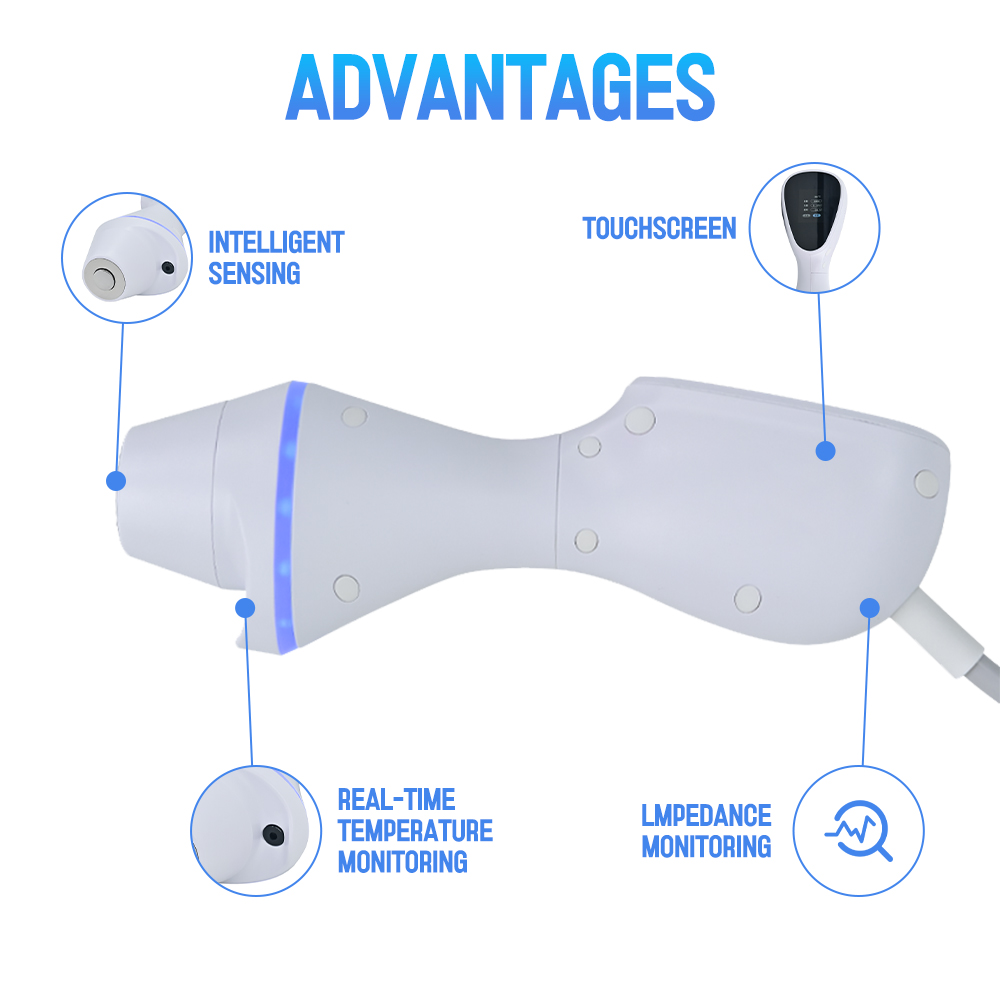
Cooling alone does not provide complete temperature control. Monitoring the treatment temperature provides another layer of control during RF delivery.
XERF systems can display treatment-tip temperature during individual shots. In published XERF treatment protocols, RF delivery was automatically interrupted when the monitored surface temperature exceeded 43℃.
This type of automatic control helps prevent continued RF delivery when the monitored surface reaches the preset temperature threshold.
It is important to distinguish this surface temperature from the higher temperatures that may be generated deeper within the tissue. RF skin tightening relies on controlled internal heating, while surface monitoring and cooling help manage the skin directly exposed to the applicator.
5. How Does Temperature Control Affect Treatment Comfort?
RF treatment comfort depends on energy level, treatment area, applicator size, tissue characteristics, and individual sensitivity.
Cooling can help reduce excessive surface heating and contribute to a more comfortable treatment experience.
In a 2026 retrospective study of 16 women receiving a single XERF facial treatment, the reported mean pain score was approximately 4.3 on a 10-point scale. Reported adverse effects were mainly mild and temporary erythema or edema. The study was small and retrospective, so these findings should not be treated as a universal prediction for every patient.
This also illustrates why energy delivery and temperature management should be considered together rather than evaluating RF power alone.
6. How Do These Technologies Work Together?
The main advantage of combining these technologies is that each one addresses a different part of the RF treatment process:
Dual-frequency RF determines the available RF frequencies and thermal distribution.
WaveFit pulse control manages how RF energy is delivered over time.
Integrated cooling helps manage the temperature at the skin surface.
リアルタイム温度監視 provides feedback during treatment.
Automatic temperature interruption can stop RF delivery when the monitored surface reaches the preset threshold.
Together, the process can be viewed as:
RF energy delivery → controlled pulse sequence → tissue heating → surface cooling → temperature monitoring → automatic control
This integrated approach is more meaningful than looking at frequency or power specifications separately.
7. What Should Buyers Look for in an RF Skin Tightening Machine?
For distributors and professional buyers evaluating RF equipment, several specifications should be considered together:
- RF frequency and whether single- or dual-frequency operation is available
- Available treatment depths
- Energy and intensity adjustment
- Pulse delivery and energy control
- Applicator or treatment-head design
- 冷却システム
- リアルタイム温度監視
- Automatic temperature protection
- Treatment techniques such as stamping or gliding
- Face and body treatment capabilities
A machine with a high power rating is not automatically a better RF system. The more important question is how effectively the machine controls where, how, and how much thermal energy is delivered.
結論
XERF technology combines dual-frequency RF energy with controlled pulse delivery, integrated cooling, and real-time temperature monitoring. The 6.78 MHz and 2 MHz frequencies provide different thermal characteristics, while WaveFit helps manage RF delivery. At the same time, cooling and temperature monitoring help control surface heating during treatment. For Radio Frequency machines, this combination demonstrates why treatment performance should be evaluated as a complete energy-management system rather than by looking at a single specification such as frequency or power.