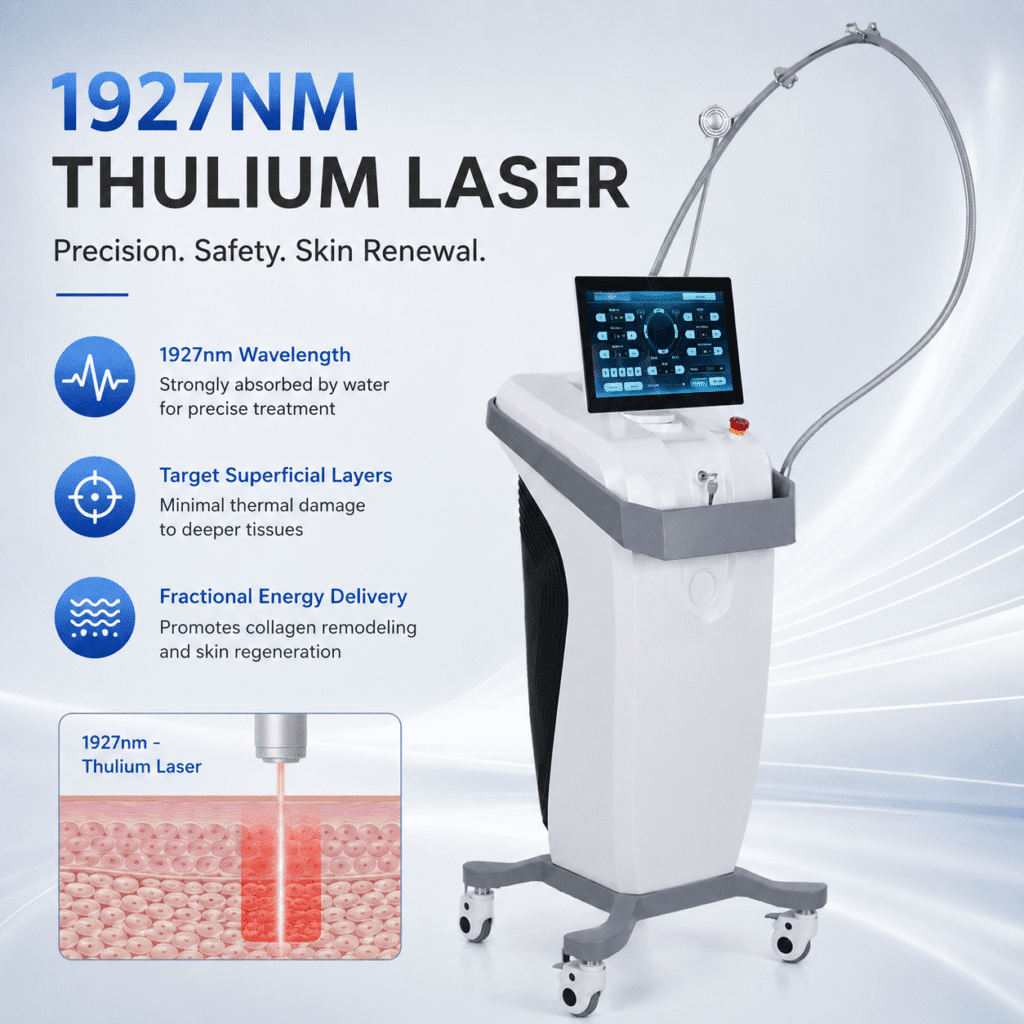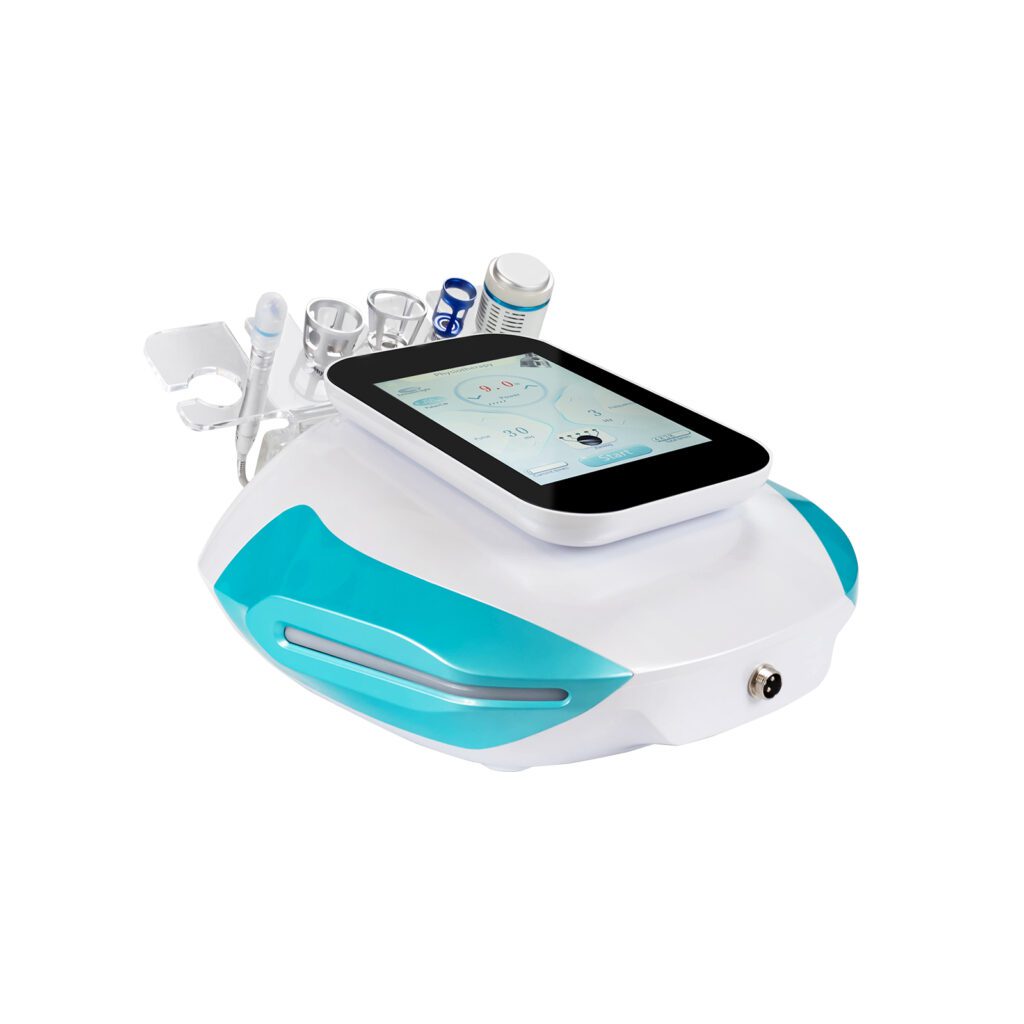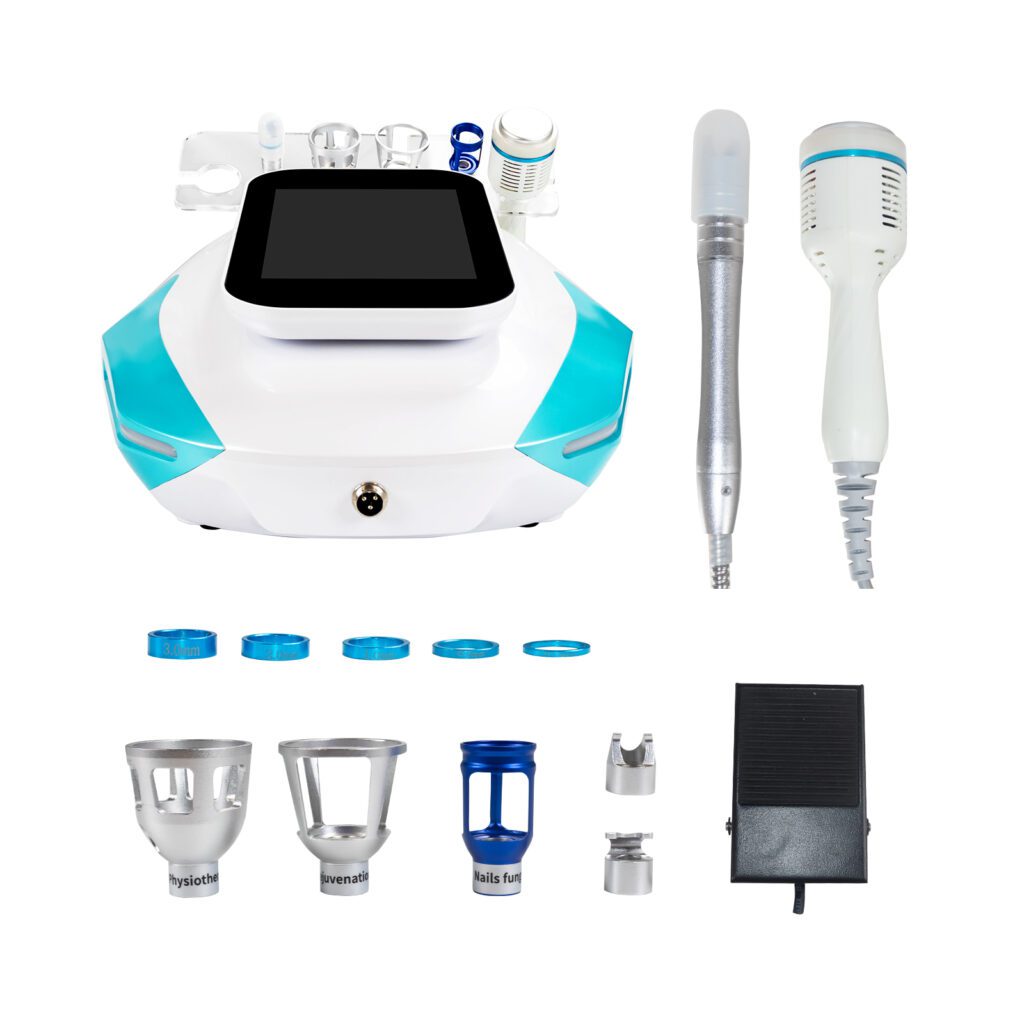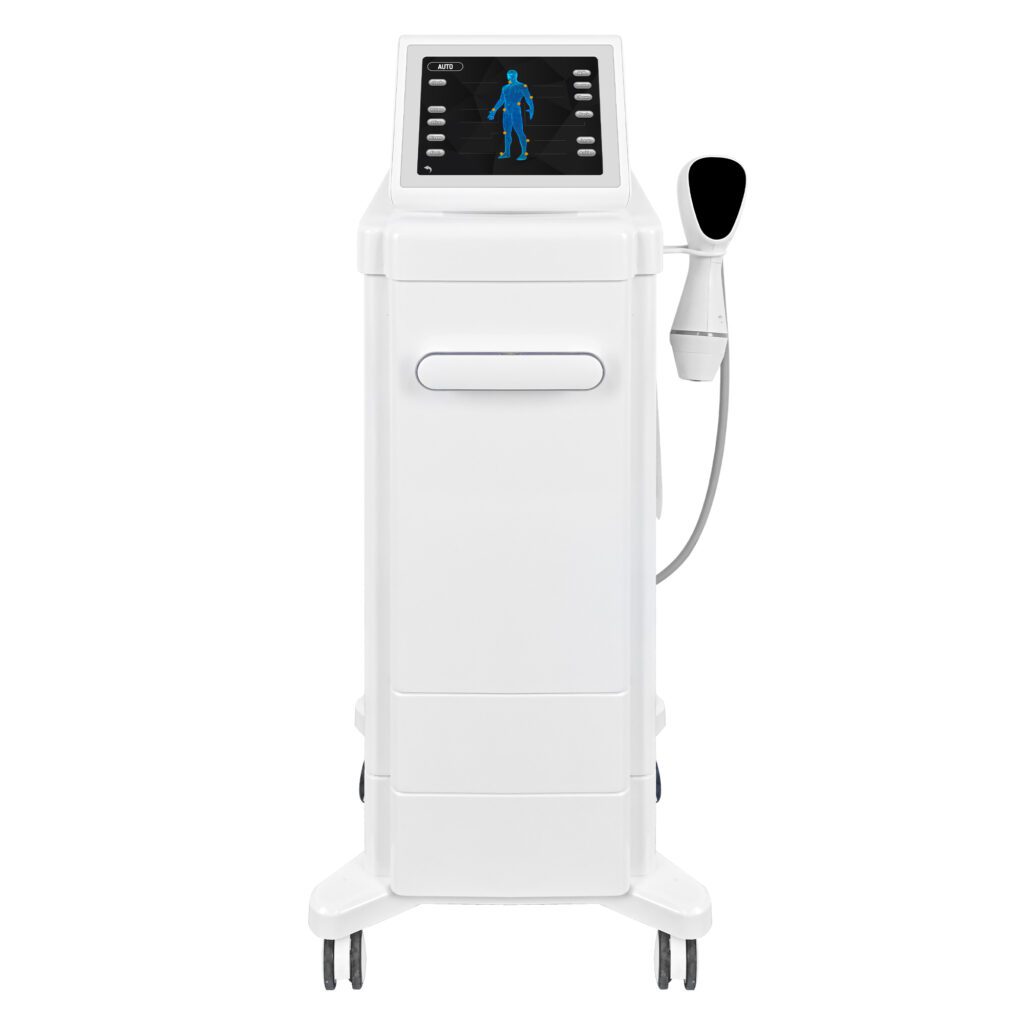











The difference between low-priced and high-priced beauty equipment is not only the number on the quotation sheet. In many cases, the real difference is hidden in hardware quality, output stability, safety protection, spare parts, consumable cost, software function, training support, warranty terms, and long-term reliability.
For beauty salons, this difference affects customer experience, treatment pricing, repurchase rate, staff confidence, and equipment downtime. For distributors, it affects product positioning, return rate, after-sales workload, customer complaints, and repeat orders. A low purchase price can be attractive, but it is not always the same as low operating cost. A high purchase price can look expensive, but it is not always a waste if the machine supports stable high-ticket projects.
The best purchasing logic is not simply cheap is bad or expensive is good. The better question is: which price level matches the target project, customer group, treatment frequency, risk level, and profit model?
The Price Gap Usually Comes From Several Layers
A beauty machine is a combination of many cost layers. Two machines may look similar from the outside, but their internal structure, testing process, service support, and long-term performance can be very different.
The main cost layers include:
- **Core components:** Power supply, circuit board, pump, compressor, sensor, lamp, laser module, cooling system, RF generator, ultrasound transducer, vacuum system, and handle materials.
- **Energy control:** Output stability, pulse consistency, temperature control, current stability, cooling speed, and safety shutoff design.
- **Manufacturing quality:** Assembly accuracy, wiring, sealing, heat dissipation, aging test, quality inspection, and batch consistency.
- **Compliance documents:** Product classification, intended use, labeling, electrical safety documents, radiation-related documents for laser or light products, and export market documents.
- **Software and interface:** Treatment modes, parameter memory, user permissions, AI analysis, customer records, usage count, error alerts, and remote support.
- **Training and protocols:** Operation videos, project design, contraindication reminders, staff training, sales scripts, and service manuals.
- **After-sales system:** Warranty length, spare parts availability, repair speed, technical response, replacement policy, and maintenance guidance.
- **Brand and market value:** Customer recognition, project packaging, case materials, distributor protection, and channel support.
Low-priced machines usually reduce cost in one or more of these layers. High-priced machines usually invest more in these layers, but buyers still need to verify the details because a high price alone does not prove high quality.
1. Hardware And Component Quality
The most direct difference is often inside the machine. Low-priced beauty equipment may use lower-cost pumps, fans, power supplies, screens, plastic housings, cables, connectors, probes, sensors, or cooling parts. These choices can reduce factory price, but they may also shorten service life or make performance less stable.
High-priced equipment often uses stronger power systems, better heat dissipation, more stable sensors, more durable handles, higher-quality probes, better sealing, and more reliable internal wiring. In daily salon use, this can mean fewer sudden failures, lower downtime, and better customer comfort.
For example, two vacuum body contouring machines may both advertise suction and RF functions. The cheaper one may have weaker pump life, unstable sealing, lower-cost tubes, and less accurate temperature control. The higher-priced one may keep suction more consistent, heat more evenly, and allow staff to work with more confidence during longer sessions.
Buyers should not only compare appearance. They should ask for component specifications, handle structure, cooling design, rated working hours, test reports, and replacement part prices.
2. Energy Output Stability
For energy-based equipment, stable output is often more important than the maximum number printed on the screen. RF, ultrasound, EMS, IPL, laser, HIFU, cavitation, and cryotherapy systems all depend on controlled energy delivery.
A low-priced machine may be able to turn on and display high parameters, but the actual output may fluctuate during treatment. This can create three problems:
- Customers feel the effect is weak or inconsistent.
- Staff need to adjust parameters frequently.
- The salon receives more complaints or lower repurchase.
High-priced equipment is more likely to invest in output control, feedback sensors, cooling protection, energy calibration, and internal testing. This does not guarantee results, but it gives the salon a more stable operating base.
For a basic cleansing project, small differences in output may be acceptable. For high-ticket anti-aging, laser, IPL, HIFU, or body contouring projects, unstable output can damage the business value of the project.
3. Safety Protection And Risk Control
Safety design is one of the most important differences between low-end and high-end beauty equipment. Professional beauty devices may involve heat, light, suction, current, pressure, cooling, vibration, or mechanical movement. If safety control is weak, staff and customers may face higher risk.
Useful safety design may include:
- Temperature sensors and automatic shutoff.
- Cooling monitoring for IPL, laser, RF, or cryotherapy systems.
- Emergency stop button for higher-power machines.
- Error codes and self-check functions.
- Stable power supply and leakage protection.
- Clear warning labels and contraindication reminders.
- Eye protection and labeling for laser or strong light devices.
- Handle lock, usage count, and cartridge control for some energy devices.
Low-priced machines may remove some of these functions to reduce cost. They may still work in simple scenarios, but the salon needs to understand what protections are missing. High-priced machines usually have more complete risk control, especially for equipment with stronger energy output or higher customer sensitivity.
For distributors, this matters because safety-related complaints are more costly than ordinary after-sales problems. One unstable handpiece or unclear warning label can create customer disputes and damage channel reputation.
4. Certifications, Labeling, And Compliance Documents
Compliance is another source of price difference. Some beauty devices are general wellness or cosmetic tools, while others may be regulated as medical devices depending on intended use, claims, market, and technology. Laser and radiation-emitting products may also involve specific labeling or performance standards in certain markets.
Higher-priced manufacturers often spend more on product testing, documentation, quality management systems, labeling, export documents, user manuals, risk files, and after-sales records. Lower-priced suppliers may provide fewer documents or use vague certificates that do not match the exact model.
購入者は以下のことを要求すべきです。
- Product model name and specification sheet.
- User manual and cleaning instructions.
- 保証条件.
- Electrical safety or market access documents where applicable.
- Laser or light safety information for IPL and laser systems.
- Quality inspection records or factory testing process.
- Intended use and marketing claim boundaries.
- Spare parts and servicing policy.
The goal is not to collect documents for decoration. The goal is to confirm whether the supplier understands the market where the machine will be sold and whether the documentation matches the actual product.
5. Software, Interface, And Intelligent Functions
High-priced beauty equipment increasingly includes better software. This may include treatment mode presets, user permissions, customer files, before-and-after photo management, usage records, consumable count, AI skin analysis, cloud updates, remote diagnostics, and multilingual interfaces.
Low-priced machines may provide only basic buttons and simple parameter adjustment. This can be enough for simple projects, but it may limit staff training, project packaging, data management, and customer consultation.
For salons that rely on skin analysis, anti-aging management, membership programs, or high-end consultation, software value can become part of the selling point. A machine that helps staff explain skin condition, design packages, and track customer progress may support higher conversion than a machine that only performs one function.
However, buyers should be careful with fashionable terms. AI, smart, digital, and cloud do not automatically mean the machine is better. The software must actually improve consultation, operation, safety, records, or after-sales efficiency.
6. Treatment Comfort And Customer Experience
Customers may not understand component specifications, but they can feel comfort, stability, noise, heat, suction, cooling, vibration, and treatment smoothness. These details directly affect whether the customer wants to buy a course package.
Low-priced equipment may have louder noise, rougher handles, uneven heat, unstable suction, slower cooling, lower screen quality, or less comfortable probes. High-priced equipment often pays more attention to ergonomic handle design, cooling comfort, smoother parameter transitions, quieter operation, and better user interface.
In a low-price service menu, customers may tolerate a simpler experience. In a high-ticket anti-aging or skin management center, customers expect the equipment to feel professional. The machine itself becomes part of the perceived value.
7. Consumables And Spare Parts
The cheapest machine is not always the cheapest to operate. Some low-priced machines have expensive consumables, short handpiece life, hard-to-find accessories, or slow spare part supply. Some high-priced machines have higher purchase cost but more stable consumable supply and longer accessory life.
Before buying, salons should calculate:
- Cost of disposable tips, pads, covers, gels, filters, tubes, lamps, cartridges, and handles.
- Expected treatment count per consumable.
- Replacement frequency.
- Shipping cost and delivery time.
- Whether spare parts are available for several years.
- Whether the supplier can repair or replace handpieces quickly.
For distributors, spare parts can determine long-term customer satisfaction. A product that sells easily but cannot be supported later may create more cost than profit.
8. Durability And Downtime
High-priced equipment should normally be designed for higher-frequency use, longer working hours, stronger heat dissipation, and more stable daily operation. This is especially important for chain salons, busy skin management centers, and stores that rely on one machine for a core revenue project.
Low-priced equipment may be acceptable for occasional use, starter salons, trial projects, or low-frequency services. But if it is used heavily every day, lower durability may lead to frequent repair, unstable results, and booking interruptions.
The real cost of downtime includes:
- Cancelled appointments.
- 顧客からの苦情。.
- Staff idle time.
- Shipping and repair cost.
- Lost trust in the project.
- Lower repurchase.
A machine with a lower purchase price but frequent downtime may become more expensive than a higher-priced machine with stable service.
9. Training, Protocols, And Project Packaging
High-priced beauty equipment often includes more complete training and project support. This may include operation training, contraindication guidance, customer consultation scripts, project package design, pricing advice, marketing images, videos, posters, and troubleshooting documents.
Low-priced machines may provide only basic operation instructions. For experienced operators, this may be enough. For new salons or new distributors, lack of training can make the equipment harder to sell and harder to use correctly.
The difference is especially clear when a salon wants to turn a machine into a profitable project. Buying the machine is only the first step. Staff also need to know how to introduce the project, select customers, combine treatments, handle objections, design courses, and guide aftercare.
10. Warranty And After-Sales Support
Warranty terms are a major price difference. A higher-priced machine may include longer warranty, clearer repair rules, faster technical response, spare handpiece options, remote guidance, and better parts availability.
A low-priced machine may have a short warranty, limited parts coverage, unclear responsibility for shipping, or slow repair response. The buyer may save money at purchase but spend more time solving problems later.
When comparing prices, ask:
- How long is the main unit warranty?
- ハンドピースは付属していますか?
- Are lamps, cartridges, probes, batteries, tubes, and consumables covered?
- 修理の際の送料は誰が負担するのですか?
- How fast can the supplier respond?
- Is there video support or remote diagnosis?
- Are replacement parts stocked?
- What happens after the warranty expires?
Clear warranty terms are part of product value. Vague after-sales promises should not be treated as real protection.
When Low-Priced Beauty Equipment Makes Sense
Low-priced equipment is not always a bad choice. It can be suitable when the salon has a clear low-risk use case.
Low-priced machines may be reasonable for:
- New salons with limited opening budget.
- Basic cleansing, hydration, LED care, simple skin care support, or low-energy projects.
- Testing local market acceptance before larger investment.
- Adding an entry-level project to increase service variety.
- Low-frequency use where downtime will not damage core revenue.
- Distributors who need a starter product line for price-sensitive customers.
The key is to match the machine with a suitable project. A low-priced basic machine should not be oversold as a premium clinical-level or high-energy solution if it cannot support that positioning.
When High-Priced Beauty Equipment Is Worth Considering
High-priced equipment is more suitable when the machine is expected to support core revenue, high-frequency operation, high-ticket packages, or stronger customer expectations.
High-priced machines may be more appropriate for:
- Anti-aging, lifting, contouring, IPL, laser, RF, HIFU, cryotherapy, and premium skin management projects.
- Stores that need stable daily operation.
- Chain salons or high-end centers with brand reputation pressure.
- Projects where customer comfort and trust are important.
- Businesses that need better documentation, training, and service support.
- Distributors targeting professional salons instead of only price-sensitive buyers.
If a machine can raise project price, reduce complaints, support repeat purchase, and operate steadily for years, the higher purchase price may be justified.
How To Compare Low-Price And High-Price Machines Fairly
Buyers should compare machines by total value, not only quotation.
A fair comparison should include:
- Machine function and target project.
- Actual output stability, not only displayed parameters.
- Handle quality and expected life.
- 治療1回あたりの消耗品コスト。.
- Safety protection and error alerts.
- Cooling, suction, or energy consistency.
- Certification and market documents.
- Warranty scope and response time.
- スペアパーツの入手可能性。.
- Training and project support.
- Customer experience during trial treatment.
- Expected revenue and payback period.
If possible, salons should test both machines under real treatment conditions. A showroom demonstration is useful, but daily operation tells more about noise, heat, comfort, staff learning curve, and treatment consistency.
A Simple Total Cost Of Ownership Formula
To judge whether a machine is really cheap or expensive, use total cost of ownership.
Total cost of ownership = purchase price + consumables + spare parts + maintenance + training time + downtime loss + financing cost – expected resale or remaining value.
Then compare it with expected revenue:
Monthly gross profit = expected monthly treatment revenue – monthly consumables – monthly maintenance reserve – staff cost related to the project.
Payback period = total investment divided by monthly gross profit.
This calculation often changes the decision. A low-priced machine with high downtime and weak repurchase may be less profitable than a higher-priced machine that supports better packages and stable customer results.
Red Flags In Very Low-Priced Beauty Equipment
Some low-priced machines are acceptable, but some are risky. Be careful if you see:
- No clear manufacturer information.
- No user manual or cleaning instructions.
- No model-specific documents.
- Vague claims such as permanent effect, medical effect, or guaranteed result without support.
- スペアパーツリストはありません。.
- No warranty details.
- 研修資料はありません。.
- Poor cable, loose handle, unstable screen, or rough assembly.
- Parameters that look exaggerated compared with similar products.
- Supplier cannot explain consumable cost or replacement cycle.
- After-sales answer depends only on verbal promise.
For distributors, these red flags may become future returns, disputes, and reputation damage. For salons, they may become lost bookings and customer complaints.
How Distributors Should Position Different Price Levels
Distributors do not have to sell only expensive machines. A healthy product line can include entry-level, mid-range, and high-end models, but each model needs a clear customer group.
Entry-level products can target small salons, starter packages, and basic care projects. Mid-range products can target stores that need better durability and stronger project design. High-end products can target anti-aging centers, chain stores, premium skin management brands, and high-ticket service providers.
The mistake is selling every machine with the same promise. A low-priced machine should be positioned around affordability, practicality, and fast entry. A high-priced machine should be positioned around stability, professional experience, training, documentation, and long-term project value.
よくある質問
Is expensive beauty equipment always better?
No. A high price does not automatically prove quality. Buyers still need to check hardware, output stability, documents, warranty, spare parts, training, and real trial performance. The right machine is the one that fits the project and business model.
Can low-priced beauty equipment help a salon make money?
Yes, if it is used for suitable basic projects, low-frequency services, or market testing. The salon should avoid using low-priced equipment to support claims or services beyond its real capability.
Why do two similar-looking beauty machines have very different prices?
They may differ in internal components, energy stability, cooling system, sensors, handle materials, software, testing process, certification, warranty, spare parts, and after-sales support.
What should salons check before buying a cheap machine?
They should check the manual, warranty, spare parts, consumable cost, supplier support, safety features, customer trial experience, and whether the machine can support the intended project.
What should distributors consider when choosing high-end machines?
Distributors should evaluate market demand, customer budget, supplier training, parts supply, documentation, warranty, project packaging, and whether the machine can create repeat orders instead of only one-time sales.
結論
The difference between low-priced and high-priced beauty equipment is mainly reflected in hardware quality, output stability, safety protection, compliance documents, software function, consumable system, durability, training, after-sales support, and brand value. Low-priced machines can be useful for entry-level or basic projects, while high-priced machines are more suitable for high-frequency, high-ticket, and reputation-sensitive projects.
For salons, the correct decision is not to buy the cheapest machine or the most expensive machine. It is to buy the machine that matches the customer base, project positioning, expected revenue, and risk tolerance. For distributors, the real opportunity is to build a product structure that covers different budgets while keeping after-sales support, spare parts, and product positioning clear.