









エグゼクティブサマリー
美容機器のアフターサービスに問題が発生した場合、責任は必ずしも製造元のみ、あるいは販売代理店のみにあるとは限りません。ほとんどのB2B美容機器販売チャネルでは、責任は原因、契約内容、保証条件、販売担当者の役割、サービス内容、そして顧客との関係性などによって分担されるべきです。.
実際的な答えは次のとおりです。
- 製造元は通常、製品の品質、製造上の欠陥、設計上の欠陥、技術文書、正規保証サポート、ソフトウェアの問題、不良部品、スペアパーツの供給、および工場レベルの修理指導について責任を負います。.
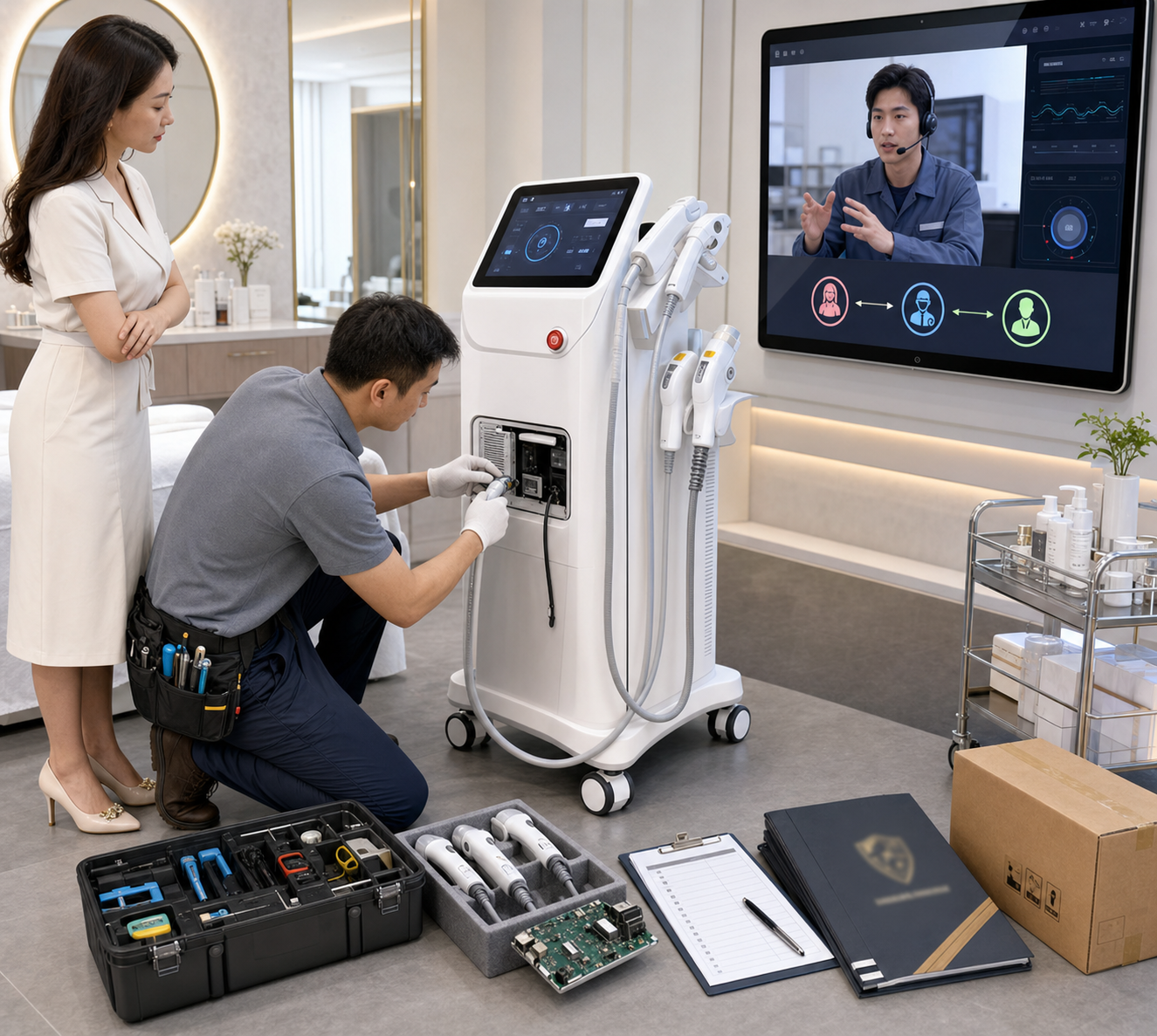
- 販売代理店は通常、顧客とのコミュニケーション、一次トラブルシューティング、約束されている場合は設置サポート、現地でのトレーニング、保証請求の調整、合意されている場合は基本的な修理サービス、スペアパーツの交換、サービススケジュールの調整、およびサロンの顧客関係の保護を担当します。.
- サロンまたはエンドユーザーは、誤用、不適切なメンテナンス、無許可の修理、誤った電圧、物理的な損傷、消耗品の詰まり、指示外の使用、および保証期間外の損傷について責任を負う場合があります。.
- 特に、機器の問題が不十分なトレーニング、不明瞭な指示、不適切な設置、輸送中の損傷、または使用上の紛争に起因する場合、責任は双方にあるとみなされる。.
最も重要な点は、販売前にアフターサービスに関する責任を明記しておく必要があるということです。信頼できるメーカーと販売代理店は、保証期間、保証範囲、保証対象外部品、スペアパーツに関する方針、人件費、送料、返品手続き、初期不良時の対応、技術対応時間、修理手順、顧客とのコミュニケーションの役割、交換基準などを明確に定めるべきです。これらの項目が明記されていないと、トラブルが発生する可能性が高くなります。.
美容機器は、サービス提供が非常に重要な分野です。機器は有料サロンでの施術に使用されるため、故障が発生すると顧客からの苦情、返金要求、施術の遅延、信頼の失墜につながる可能性があります。したがって、アフターサービス責任は単なる法的問題ではなく、販売チャネル管理と評判に関わる重要な問題です。.
1. 簡潔な回答
ほとんどの美容機器業界では、製造業者と販売業者の両方がアフターサービスに関する責任を負いますが、その責任範囲は異なります。.
製品が正しく製造されたかどうか、また技術的なサポートが可能かどうかについては、製造業者が責任を負います。.
販売代理店は、サロンの顧客がタイムリーなサポート、明確なコミュニケーション、基本的なトラブルシューティング、および販売時に約束されたサービスを受けられるかどうかについて責任を負います。.
サロンは、正しい運営、日常的なメンテナンス、衛生管理、適切な保管、および指示の遵守に責任を負います。.
製造上の欠陥により機械が故障した場合、メーカーは保証に基づき修理、部品交換、または代替品の提供を行うべきです。販売代理店が現地での修理、設置、またはトレーニングを約束した場合、販売代理店はそのサービスを提供しなければなりません。サロンの誤用により機械が損傷した場合、修理費用はサロンが負担する場合があります。.
2.なぜこの質問が重要なのか
美容機器のアフターサービスに関する問題は、関係者全員にプレッシャーがかかるため、あっという間に関係を損なう可能性があります。.
サロン側は、既に施術パッケージを販売済みである可能性があるため、迅速な修理を希望している。.
販売代理店は顧客の信頼を守りたいと考えているが、工場の品質問題については責任を負いたくないと考えている。.
メーカーは販売チャネルを支援したいと考えているが、誤用、不適切な設置、無許可の修理、または非現実的な販売約束に対しては費用を負担したくないと考えている。.
よくある紛争には以下のようなものがあります。
- サロン側は、その機械は一度も正常に作動したことがなかったと述べている。.
- 販売代理店は、工場から不良品が出荷されたと主張している。.
- 工場側は、機械は操作中または輸送中に損傷したと述べている。.
- 顧客は無償修理を期待しているが、保証は消耗品を対象外としている。.
- 販売代理店は、製造元が承認していない結果を約束した。.
- サロン側は交換を希望しているが、メーカー側は修理を提案している。.
明確な責任分担があれば、こうした紛争は防げる。.
3. 美容機器における保証チェーン
美容機器には、多くの場合、複数の保証関係が存在します。
- 製造業者から販売業者へ。.
- サロン向け販売代理店。.
- サロンが家庭用機器を販売している場合、サロンから消費者への販売となります。.
- 機器が有料治療に対応している場合、サービス提供者から顧客へのサービス提供が行われます。.
これらの関係は必ずしも同じではありません。メーカーが販売代理店に12ヶ月間の部品保証を提供する一方で、販売代理店はサロンに対して12ヶ月間の部品と工賃の保証を提供する場合があります。この場合、販売代理店は追加のサービス責任を負うことになります。.
販売代理店は、実際に提供できる範囲を超える保証を約束してはならない。.
4. 製造業者の責任
通常、製品自体に対する責任は製造業者にある。.
製造業者の一般的な責任には以下が含まれます。
- 製造品質。.
- 設計およびエンジニアリングの信頼性。.
- 部品の品質。.
- ソフトウェアの安定性。.
- 工場でのテスト。.
- 技術マニュアル。.
- 正しいラベル表示。.
- 保証規定.
- スペアパーツの供給。.
- 修理手順書。.
- 欠陥分析。.
- 製造上の欠陥に対する交換決定。.
- 製品アップデート情報。.
- 安全性および禁忌事項に関する文書。.
製品に多数の個体で繰り返し発生する欠陥がある場合、製造元は根本原因を調査し、是正措置を講じるべきである。販売代理店だけでは設計上の欠陥を解決することはできない。.
5.販売代理店の責任
販売代理店は通常、サロンのお客様にとって最初の窓口となります。たとえ最終的な責任が製造元にある場合でも、顧客対応プロセスは通常、販売代理店が担当しなければなりません。.
販売代理店の一般的な責任には以下が含まれます。
- 販売前の説明。.
- 正しい製品マッチング。.
- インストールサポートは約束された場合のみ提供されます。.
- 運用訓練。.
- 約束された場合は、営業研修を実施する。.
- 一次トラブルシューティング。.
- 保証登録。.
- 顧客からの苦情受付。.
- 写真と動画のコレクション。.
- シリアル番号の確認。.
- 製造元との連絡。.
- 合意があれば、現地で交換部品を使用できる。.
- 修理スケジュールの調整。.
- 顧客フォローアップ。.
- アフターサービス記録の保管。.
機械を販売した後に「工場に問い合わせてください」としか言わない販売店は、サロンからの信頼をあっという間に失うだろう。.
6. サロンまたはエンドユーザーの責任
サロンやエンドユーザーにも責任がある。.
彼らは通常、以下の責任を負います。
- 正常に動作しています。.
- マニュアルに従ってください。.
- 毎日の清掃。.
- 消耗品の交換部品。.
- 適切な保管方法。.
- 正しい電圧を使用してください。.
- 無許可の修理を避ける。.
- 物理的な損傷を避ける。.
- 問題を迅速に報告する。.
- 購入記録を保管する。.
- 必要に応じて、承認された付属品を使用してください。.
サロンがメンテナンスを怠ったり、フィルターを詰まらせたり、ハンドルを破損させたり、誤った設定を使用したり、機器を改造したりした場合、その問題は保証の対象外となる可能性があります。.
7.製品の品質問題
問題が製品の品質に起因する場合は、通常、製造元が主導権を握るべきである。.
例:
- 内部部品の故障により、機械の電源が入りません。.
- 保証期間中に、通常の使用においてハンドルが故障した場合。.
- ソフトウェアが正しく動作しません。.
- エネルギー出力は不安定である。.
- 冷却システムが製造上の欠陥により故障しました。.
- 画面または基板の故障は、誤用なしに発生する可能性があります。.
- 複数のユニットで同じ不具合が繰り返し発生している。.
販売代理店は証拠を収集し、製造元に提出する必要があります。製造元は、保証条件に従って、修理手順、部品、交換品、またはその他のサポートを提供する必要があります。.
8.インストールに関する問題
設置に関する責任は、設置を行った業者によって異なります。.
製造元が機器を設置した場合、設置ミスについては製造元が責任を負う可能性があります。.
販売代理店が機器を設置した場合、不適切な設定によって発生したエラーについては、販売代理店が責任を負う可能性があります。.
サロンが指示に従わずに機器を設置した場合、サロンに責任が生じる可能性があります。.
設置に伴うリスクには以下が含まれます。
- 電圧が間違っています。.
- 接地不良。.
- ハンドルの接続が間違っています。.
- 水またはフィルターの設定にエラーが発生しました。.
- ソフトウェアのアクティベーションエラーが発生しました。.
- キャリブレーションが不足しています。.
- 開梱時にパッケージが破損しました。.
インストール手順は、可能な限り写真、動画、および署名入りの受領書で記録しておくべきです。.
9. トレーニング上の問題
研修は責任の共有を生み出す。メーカーが不十分な説明書を提供したり、販売代理店がサロンを適切に研修できなかったりすると、アフターサービスの問題が増加する可能性がある。.
販売代理店が研修を約束しながら実施しなかった場合、研修不足によって生じた業務上のミスについて、販売代理店が責任を負う可能性があります。.
サロンが研修を受けたにもかかわらずそれを無視した場合、サロンは不正使用の責任を問われる可能性があります。.
研修内容は以下のとおりです。
- 手術。.
- 設定。.
- 禁忌事項。.
- クリーニング。.
- 消耗品。.
- メンテナンス。.
- トラブルシューティング。.
- デバイスの使用を中止するタイミング。.
適切な研修は、アフターサービスにおける紛争を減らす。.
10. 輸送中の損傷
輸送中の損傷は、よくある紛争の原因です。責任の所在は、取引条件、検査手順、運送業者の責任、そして損傷が発見された時期によって異なります。.
責任を負う可能性のある当事者:
- 製造元は、包装が不十分だった場合。.
- 輸送中の損傷が記録されている場合は、運送業者に連絡してください。.
- 販売代理店が配送を手配した場合。.
- 受け取り後または移動中に破損が発生した場合は、サロンにご連絡ください。.
最善の方法は次のとおりです。
- 到着時に梱包状態を確認してください。.
- 破損が見られる場合は、開封前に写真を撮ってください。.
- 高価な機器の開封動画を撮影しましょう。.
- 被害が発生した場合は、直ちに報告してください。.
- パッケージは保管しておいてください。.
- 出荷前に運送責任を確認してください。.
配送中の破損に関する規定は、注文条件に明記されるべきである。.
11. 到着時に欠陥あり
初期不良(DOAとも呼ばれる)とは、機器が到着後、実際に使用する前に正常に動作しない状態を指します。.
優れた政策は以下を定義するべきである。
- 顧客がDOA(到着時不良)を報告する期限は何日間ですか。.
- どのような証拠が必要ですか。.
- 交換か修理かどちらが適用されるか。.
- 送料は誰が負担するのか。.
- 付属品が含まれているかどうか。.
- 動画による証拠が必要かどうか。.
- 販売店が現地で交換対応できるかどうか。.
初期不良品は、顧客が使用可能な機器を受け取っていないため、通常の保証修理よりも迅速に対応する必要がある。.
12.保証期間に関する問題
保証期間は明確に記載する必要があります。一般的な美容機器の保証期間は、種類、ブランド、契約内容によって、6ヶ月、12ヶ月、18ヶ月、または24ヶ月となる場合があります。.
しかし、重要なのは長さだけではありません。契約書には以下の点を明記する必要があります。
- 保証開始日。.
- カバーされている部分。.
- 除外部品。.
- 労働災害補償。.
- 貨物輸送保険。.
- 交換基準。.
- 修理時間。.
- 消耗品は除外。.
- 保証対応.
- 該当する場合、バッテリー保証が適用されます。.
- ソフトウェアサポート。.
- 延長保証オプション。.
保証範囲が明記されていない「1年間保証」は曖昧すぎる。.
13.消耗品および摩耗部品
消耗品や摩耗部品は、通常保証の対象外となることが多い。.
例:
- フィルター。.
- ヒント。.
- チューブ。.
- パッド。.
- ランプ。.
- 電極。.
- 保護メガネ。.
- ゲル。.
- 解決。.
- 使い捨てアクセサリー。.
- 方針によっては対応できない場合もあります。.
販売代理店は販売前にこの点を説明すべきです。サロン側が1年間はすべて無料だと思い込むと、トラブルが発生します。.
14. スペアパーツの責任
スペアパーツは通常メーカーから供給されますが、販売代理店は一般的な部品を現地で在庫しておく必要がある場合があります。.
製造業者の責任:
- 部品リストを提供してください。.
- 部品価格を提示してください。.
- 互換性を確認してください。.
- 妥当な期間、部品を供給する。.
- 置換方法を説明してください。.
- 技術的な診断をサポートします。.
販売代理店の責任:
- 地元のサロンにサービスを提供する場合は、需要の高いスペアパーツを常備しておきましょう。.
- 部品交換は製造元の指示に従って行ってください。.
- 使用された線路部品。.
- サロン向けに、有料部分と無料部分について説明してください。.
- 許可されていない互換性のない部品は使用しないでください。.
スペアパーツがないということは、まともなアフターサービス体制がないということだ。.
15. 労務費負担責任
人件費については合意が必要です。メーカーは保証期間中は無償で部品を提供するかもしれませんが、現地技術者の人件費は負担しない場合があります。販売代理店はサービスパッケージの一環として、サロンに無償の人件費を約束するかもしれません。.
考えられるモデル:
- メーカーは部品のみを保証対象としています。.
- メーカーは部品と遠隔サポートを提供します。.
- 販売代理店が現地労働費を負担します。.
- サロンは保証期間終了後も工賃を支払います。.
- 延長保証は工賃もカバーします。.
- プレミアムサービス契約には人件費が含まれます。.
人件費が明記されていない場合、販売代理店が予期せずその費用を負担することになる可能性がある。.
16. 運賃負担責任
送料は、アフターサービスにおける最も一般的な紛争の一つです。.
定義すべき質問:
- 保証部品の送料は誰が負担するのですか?
- 工場への返送費用は誰が負担しますか?
- 修理済みユニットの送料は誰が負担しますか?
- 国際配送の費用は誰が負担するのですか?
- 不正使用が問題となった場合、誰が費用を負担するのか?
- 機器が初期不良だった場合、誰が費用を負担するのですか?
- 交換が承認された場合、誰が費用を負担するのですか?
低価格部品の場合は、販売代理店が現地配送を行う方が迅速な場合がある。高額な機械の場合は、販売前に輸送に関する規則を決定しておくべきである。.
17. 返金および交換に関する責任
修理、交換、返金は同じものではありません。.
メーカーは修理を優先するかもしれない。サロンは交換を要求するかもしれない。販売代理店はその板挟みになるかもしれない。.
保証規定には以下を定めるべきである。
- 修理が必要な場合。.
- 交換が必要な場合。.
- 払い戻しが適用される場合。.
- 修理試行回数は何回まで許可されていますか。.
- 貸出用機器が利用可能かどうか。.
- 外観上の欠陥が対象となるかどうか。.
- 開封済みの消耗品は返品可能か。.
販売代理店は、メーカーが保証しない限り、無条件の交換を約束すべきではない。.
18. ソフトウェアおよびファームウェアの問題
美容機器はますますソフトウェア化が進んでいます。肌分析装置、AIデバイス、RFプラットフォーム、スマートデバイス、クラウドシステムなどには、ソフトウェアの問題が発生する可能性があります。.
製造者の責任には通常、以下が含まれます。
- ソフトウェアのバグ修正。.
- ファームウェアのアップデート。.
- アクティベーションサポート。.
- アカウント設定。.
- 必要に応じてサーバーサポートを提供します。.
- データレポート機能。.
- 互換性に関するガイダンス。.
販売代理店の責任範囲は通常以下のとおりです。
- サロンのソフトウェアアップデートを支援します。.
- アカウントの使用方法について説明します。.
- エラー画面のスクリーンショットを収集しています。.
- 製造業者との調整。.
- 従業員にソフトウェアの使い方を指導する。.
ソフトウェアサポートは明確に定義されるべきであり、特にサブスクリプションベースのシステムにおいてはそれが重要である。.
19. 誤用および無許可の修理
機器が誤用または不正な修理によって損傷した場合、製造元は無償保証を拒否する場合があります。.
例:
- 電圧が間違っています。.
- 水害。.
- 取っ手を落とす。.
- 許可なく機械を開ける。.
- 承認されていない消耗品を使用すると、システムが停止してしまう。.
- 取扱説明書に記載されていない方法で機器を使用すること。.
- ソフトウェアの変更。.
- 清掃要件を無視する。.
- 故障警告後も使用を継続すること。.
販売代理店は、販売前にこれらの除外事項を説明し、研修にも含めるべきである。.
20.繰り返し発生する故障とバッチ不良
同じ不具合が複数の機械で繰り返し発生する場合は、製造ロットの欠陥または設計上の問題が原因である可能性があります。.
この場合、製造業者は以下のことを行うべきです。
- 根本原因を調査する。.
- 技術報告書を提出してください。.
- 交換部品を供給してください。.
- 該当ユニットを修理または交換する。.
- 生産プロセスを更新します。.
- 販売代理店に通知してください。.
- 必要に応じて、改訂版の研修を実施する。.
販売業者は以下を行うべきである。
- 故障データを追跡する。.
- シリアル番号を報告してください。.
- 顧客の証拠を収集する。.
- サロンとは正直にコミュニケーションを取りましょう。.
- 必要に応じて、該当するロットの販売を中止してください。.
度重なる不具合を、いつまでも単発的な苦情として扱うべきではない。.
21. 規制対象機器または医療機器関連機器
美容機器の中には、用途、効能、市場によっては医療機器規制の対象となるものがあります。FDAのガイダンスでは、美容機器は用途に応じて規制される可能性があるとされています。FDAの品質管理システム規制は、医療機器を商業的に流通させる完成品製造業者に適用されます。FDAはまた、医療機器の修理と再製造を区別するためのガイダンスも発行しています。.
これは、アフターサービスにおける修理や改造が製品の安全性や本来の用途に影響を与える可能性があるため重要です。通常のメンテナンスでは、機器を元の仕様に戻すことができます。しかし、性能、安全仕様、または本来の用途を大きく変更するような変更は、異なる扱いを受ける可能性があります。.
高エネルギー機器や規制対象機器を取り扱う販売業者は、無許可の改造を避けるべきです。製造元の指示および地域の規制要件を遵守する必要があります。.
22. FTCの保証に関するガイダンスと明確な情報開示
米国連邦取引委員会(FTC)の保証に関するガイダンスでは、米国における消費者向け製品の保証に関する明確な情報伝達が強調されています。FTCの消費者向けアドバイスでは、消費者は製造元と販売元のどちらに連絡すべきか、また修理の際に工賃や送料を支払う必要があるかどうかを知っておくべきであるとも指摘しています。.
美容機器の販売はB2B(企業間取引)であり、地域によって法律が異なる場合もあるが、原則として、購入前に保証条件を明確にしておくことが重要である。.
販売業者は以下の事項を明確に開示する必要があります。
- サービスに関するお問い合わせ先.
- 補償対象。.
- 対象外となるもの。.
- 補償期間はどのくらいですか。.
- 送料は誰が負担するのか。.
- 労働費が含まれているかどうか。.
- 部品が含まれているかどうか。.
- どのような証拠が必要ですか。.
明確な情報開示は紛争を減らす。.
23.販売代理店契約書に記載すべき事項
製造業者と販売業者間の契約では、以下の事項を定めるべきである。
- 保証期間。.
- 保証範囲。.
- 除外部品。.
- DOA(到着時死亡)ポリシー。.
- RMA(返品承認)手続き。.
- スペアパーツの価格。.
- スペアパーツの納期。.
- 修理責任。.
- 労働者の責任。.
- 貨物運送責任。.
- 技術サポートの応答時間。.
- 交換基準。.
- バッチ不良処理。.
- 研修責任。.
- クレームおよび広告に関する責任。.
- 地域におけるサービス責任。.
- 該当する場合は、製品のリコールまたは安全に関する通知手続きを行ってください。.
- 紛争解決。.
契約にアフターサービスに関する条項が含まれていない場合、販売代理店はリスクを負うことになる。.
24.サロン販売契約書に記載すべき事項
販売代理店とサロン間の契約書には、以下の事項を明記する必要があります。
- 製品モデル。.
- シリアルナンバー。.
- 保証開始日。.
- 保証期間。.
- カバーされている部分。.
- 除外事項。.
- 保守業務。.
- 研修制度あり。.
- 設置承認。.
- 輸送費。.
- 修理プロセス。.
- 応答時間。.
- 消耗品に関する規定。.
- 保証期間終了後の有料サービス。.
- 交換または返金に関する規定。.
- 連絡担当者。.
これは販売業者とサロンの両方を保護するものです。.
25. 推奨されるアフターサービスワークフロー
プロフェッショナルなアフターサービスワークフローには、以下の要素が含まれるべきです。
- ステップ1:顧客からの苦情を受け付ける。.
- ステップ2:シリアル番号、購入日、保証状況を記録します。.
- ステップ3:写真、動画、および故障内容の説明を依頼する。.
- ステップ4:運用および保守履歴を確認する。.
- ステップ5:一次トラブルシューティングを実行します。.
- ステップ6:ユーザー側の問題、部品の問題、配送上の問題、または工場側の問題かを判断します。.
- ステップ7:必要に応じて証拠を添えて製造元に連絡してください。.
- ステップ8:解決策を提供する:指示、部品、修理、交換、または有料サービス。.
- ステップ9:費用と責任を記録する。.
- ステップ10:修理後のフォローアップ。.
このワークフローは感情的な言い争いを防ぎ、問題解決を迅速化します。.
26.文書は証拠となる
アフターサービスに関する責任の所在を明確にするには、文書が存在する方が都合が良い。.
役立つ資料には以下が含まれます。
- 引用。.
- 契約。.
- 保証書.
- 請求書。.
- シリアルナンバー。.
- 発送写真。.
- 設置時の写真。.
- トレーニング記録。.
- お客様承諾書.
- メンテナンスチェックリスト。.
- 故障箇所の写真と動画。.
- 修理記録。.
- スペアパーツ記録。.
- チャットとメールの履歴。.
証拠がなければ、どの当事者も他の当事者を非難することができる。.
27. サロンとの連絡は誰が行うべきですか?
通常、販売代理店は顧客との関係を担っているため、サロンと直接連絡を取るべきです。メーカーは、直接的な技術的なやり取りが必要な場合を除き、販売代理店を裏方でサポートするべきです。.
この構造は混乱を避ける。.
しかし、複雑な問題の場合は、メーカーがビデオ通話に参加したり、直接技術的なガイダンスを提供したりする場合があります。販売代理店は、顧客との関係を維持するために、引き続き関与する必要があります。.
28.原因が不明な場合、誰が費用を負担するのか?
原因が不明な場合もある。そのような場合は、調査期間中に暫定的な解決策を用いることができる。.
考えられるアプローチ:
- 販売店はまず交換部品を送付し、その後調査を行う。.
- メーカーは割引価格で部品を提供します。.
- サロン側がまず送料を負担し、製造上の欠陥が確認された場合に返金されます。.
- 販売代理店は、重要顧客向けに貸出用ユニットを提供する。.
- 費用は善意のために分担される。.
契約書には、紛争が発生した場合の処理方法を明記すべきである。良好なパートナーは、まず問題を解決し、議論を減らす。.
29.一般的なシナリオにおける責任
よくあるシナリオ例:
- 機械が故障した状態で到着した場合、製造元または配送業者が対応します。対応は証拠と初期不良に関する規定に基づきます。販売代理店が顧客への対応を調整します。.
- 通常の使用において保証期間中にハンドルが故障した場合:メーカーが部品を提供し、販売店が合意すれば交換または修理の手配を行います。.
- 落下によるハンドル破損:サロンが善意によるサポートを提供しない限り、サロンが費用を負担します。.
- 清掃不良によるフィルター詰まり:研修が実施されていない場合を除き、サロンの責任となる。.
- ソフトウェアのアクティベーションが失敗:メーカーが技術的な修正を提供。販売代理店がサロンをサポート。.
- 電圧の誤りは機器の損傷につながる。責任の所在は、電圧を指定または設置した者によって異なる。.
- オンラインで正規販売店以外から購入した顧客の場合、保証内容はブランドのポリシーおよび現地の法律によって異なります。.
- 複数のユニットで同じ不具合が繰り返し発生している。製造元は製造ロットの問題か設計上の問題を調査すべきである。.
- 販売業者が非現実的な治療効果を約束した場合、販売業者は販売上の約束が原因で発生した顧客からの苦情に対して責任を負う可能性があります。.
これらのシナリオは、文書化された政策に反映されるべきである。.
30.輸入機器のアフターサービス責任
輸入機器の修理には、国際輸送、通関手続き、部品の遅延、言語の壁、ブランド認証などが関係する可能性があるため、より詳細な情報が必要となります。.
輸入機器を販売する前に、以下を定義してください。
- 地元のサービスセンター。.
- スペアパーツ倉庫。.
- 技術者の資格。.
- 国際貨物輸送における責任。.
- 輸入/輸出修理関連書類。.
- ソフトウェアの地域サポート。.
- 保証譲渡に関する規定。.
- 認証済みチャネルの要件。.
輸入機器は高級プロジェクトを支えることができるが、アフターサービスの複雑さを価格に織り込む必要がある。.
31.国内機器のアフターサービス責任
国産機器は部品供給が迅速で修理費用も低いかもしれないが、販売業者には依然として書面による規則が必要だ。.
チェック:
- 工場が部品を提供しているかどうか。.
- 販売店が現地で修理を行う必要があるかどうか。.
- 工場が返品を受け付けているかどうか。.
- オンライン販売は価格と保証に関する矛盾を生み出すのか。.
- モデルチェンジがスペアパーツに影響を与えるかどうか。.
- 保証対象に取っ手が含まれているかどうか。.
迅速な対応は重要だが、それは責任の所在が明確な場合に限る。.
32. OEMおよびプライベートラベル製品のアフターサービス責任
OEM製品やプライベートブランド製品は、より綿密な計画が必要となる。サロン側は販売代理店のブランドを目にするため、たとえ工場で製品が製造されていても、販売代理店はより多くのフロントエンドにおける責任を負うことになる。.
OEM契約では、以下の事項を規定する必要があります。
- メーカー保証付き。.
- 販売代理店ブランド保証。.
- スペアパーツの供給。.
- ラベル表示および取扱説明書に関する責任。.
- 欠陥に対する責任。.
- 製品変更承認。.
- 一括発行処理。.
- 責任を認めなさい。.
- 顧客からの苦情処理プロセス。.
プライベートブランドはブランド管理を強化するが、同時にアフターサービスにおける責任も増大させる。.
33. 販売代理店が身を守る方法
販売代理店は、以下の方法でアフターサービスのリスクを軽減できます。
- 信頼できるメーカーを選ぶ。.
- 大量注文の前にサンプルをテストする。.
- 保証条件を明確に記載する。.
- 予備部品を保管しておく。.
- サロンスタッフの研修。.
- 録音インスタレーション。.
- 誇張した約束は避ける。.
- シリアル番号による追跡を使用しています。.
- 保証期間と有料サービスを分離する。.
- 故障率を監視する。.
- 大量注文の前に、メーカーのサポート体制について交渉する。.
販売代理店は、問題が発生するまでアフターサービス体制の構築を待つべきではない。.
34.メーカーがチャネルを保護する方法
製造業者は、以下の方法で紛争を減らすことができます。
- 明確な保証規定を提供する。.
- スペアパーツの供給。.
- 販売代理店向けの研修。.
- トラブルシューティングガイドを提供する。.
- 迅速に対応します。.
- バッチ処理の問題を追跡しています。.
- DOA(到着時死亡)事例のサポート。.
- 不明瞭な主張を避ける。.
- 修理方法の動画を提供します。.
- オンライン保証ポリシーの定義。.
- 地域サービスセンターを支援する。.
メーカーの優れたアフターサービスは、販売代理店が自信を持って販売活動を行う上で役立ちます。.
35. サロンが身を守る方法
サロンは以下の方法で自衛すべきです。
- 正規販売店から購入してください。.
- 書面による保証を求めています。.
- 請求書とシリアル番号を保管してください。.
- 運用訓練を受ける。.
- 録音インスタレーション。.
- メンテナンス手順に従ってください。.
- 問題を早期に報告する。.
- 無許可の修理を避ける。.
- 運賃と人件費は誰が負担するのかを問う。.
- 購入前にスペアパーツの在庫状況を確認してください。.
最も安い販売者が、最も安全なアフターサービスパートナーとは限らない。.
36.アフターサービス費用と利益
アフターサービス責任は利益に影響を与える。販売代理店は粗利益率が高くても、アフターサービス費用が高ければ損失を出す可能性がある。.
費用には以下が含まれます。
- 技術者の作業時間。.
- スペアパーツ。.
- 貨物。.
- 交換用ユニット。.
- デモ機の貸出。.
- 顧客訪問。.
- トレーニングの反復。.
- 払い戻し。.
- 評判の低下。.
販売代理店は、価格設定に保証準備金とサービス費用を含めるべきです。低価格で高いサービス保証を提供すると、利益が出なくなる可能性があります。.
37. サービスレベル契約
真剣に販売に取り組む業者にとって、サービスレベル契約は役立つだろう。.
それは以下を定義する可能性があります:
- 初回応答時間。.
- 遠隔診断の時間。.
- 部品の発送時間。.
- 修理時間の目標。.
- 交換承認プロセス。.
- 緊急支援に関する規則。.
- エスカレーション経路。.
- 勤務記録の要件。.
サービスレベル契約は、チェーン展開しているサロン、地域代理店、高額機器を扱う業者にとって特に有用です。.
38.危険信号
以下の場合は注意してください:
- メーカーは書面による保証を提供していません。.
- 販売代理店は、メーカーのサポートなしでサービスを提供することを約束する。.
- 保証書には「1年間」と書いてあるが、ほとんどすべての項目が対象外となっている。.
- 交換部品は入手できません。.
- メーカーは技術的な質問を拒否する。.
- 到着時死亡に関する規定は存在しません。.
- 運送業者の責任範囲は不明確である。.
- 販売実績は誇張されている。.
- 訓練が不足している。.
- サロン契約にはメンテナンスに関する条項はありません。.
- オンライン販売業者は、同じ商品を販売しているが、サービスは提供していない。.
- シリアル番号を追跡している人はいません。.
こうした危険信号は、売却後に高額な費用につながることが多い。.
39.販売代理店向け戦略的提言
販売代理店は、アフターサービス責任をビジネスモデルに組み込むべきである。.
推奨される対策:
- 注文前に保証条件について交渉してください。.
- 交換部品リストと価格を入手してください。.
- DOA(到着時死亡)に関する規定を確認してください。.
- 貨物運送および労働者の責任範囲を定義する。.
- よく使う予備部品は保管しておきましょう。.
- サロンのスタッフを育成する。.
- サロンの販売契約書は書面で作成してください。.
- シリアル番号を追跡してください。.
- すべてのサービス事例を記録してください。.
- モデル別の故障率を確認する。.
- 根拠のない主張は避けてください。.
- 価格にはサービス費用を含めてください。.
充実したアフターサービスは、一度の販売をリピート顧客へと繋げる。.
40.製造業者向け戦略的提言
メーカーは、明確なアフターサービス体制で販売代理店を支援すべきである。.
推奨される対策:
- 書面による保証書を提供してください。.
- 対象部分と対象外部分を定義してください。.
- トラブルシューティングガイドを提供する。.
- 操作および保守に関するトレーニングを提供する。.
- スペアパーツを迅速に供給してください。.
- バッチごとの欠陥を追跡する。.
- 遠隔診断をサポートします。.
- DOA(到着時死亡)に関する規定を明確にしてください。.
- 修理方法の動画を提供してください。.
- 販売代理店が高リスク案件に対応できるよう支援する。.
- サービス提供能力のない製品の販売は避けるべきです。.
アフターサービスを充実させるメーカーは、より優れた販売代理店を引き付けることができる。.
41.サロン向け戦略的提言
サロンは美容機器を購入する前に、アフターサービスに関する質問をすべきです。.
推奨される質問:
- 機械が故障した場合、誰に連絡すればよいですか?
- 保証の対象となるものは何ですか?
- 取っ手は覆われていますか?
- 消耗品は保証対象ですか?
- 送料は誰が負担するのですか?
- 労働力に賃金を支払うのは誰か?
- 交換部品はどれくらい早く入手できますか?
- トレーニングは含まれていますか?
- どのようなメンテナンスが必要ですか?
- もし機器に不具合があった場合はどうなりますか?
- 保証条件を文書で入手できますか?
アフターサービスが明確でない状態で機器を購入するのは危険です。.
結論
美容機器のアフターサービスに問題が発生した場合、責任の所在は原因と契約内容によって異なります。通常、製造元は製品の品質、製造上の欠陥、技術サポート、スペアパーツ、保証サポートに責任を負います。販売代理店は通常、顧客とのコミュニケーション、現地サービス、トレーニング、一次トラブルシューティング、およびサロンに対して約束したサービス全般に責任を負います。サロンまたはエンドユーザーは、機器の正しい操作、メンテナンス、誤用防止に責任を負います。.
最も安全な解決策は、問題が発生した後に議論しないことです。最も安全な解決策は、販売または購入前に責任範囲を明確にすることです。保証期間、保証対象部品、除外事項、初期不良に関する規定、送料、工賃、スペアパーツ、修理手順、トレーニング、交換条件など、すべてを文書化しておくべきです。.
美容機器の販売において、アフターサービスは単なる付属品ではなく、製品の一部です。メーカー、販売代理店、サロンのそれぞれが、収益、信頼、安全性、そして長期的な協力関係を守るために、明確な役割分担を持つ必要があります。.
よくある質問
美容機器が故障した場合、製造元または販売元が責任を負うのでしょうか?
原因や契約内容によっては、どちらにも責任が生じる可能性があります。製造元は通常、製造上の欠陥、保証サポート、技術指導、スペアパーツの提供を担当します。販売代理店は通常、サロンとのコミュニケーション、一次トラブルシューティング、トレーニング、および現地でのサービス提供を担当します。.
保証期間中の美容機器の修理費用は誰が負担するのですか?
それは書面による保証内容によります。メーカーは部品代を負担し、販売代理店は現地での修理・メンテナンスを担当する場合があります。販売前に、送料、工賃、ハンドル、消耗品、誤用に関する保証内容を明確に定める必要があります。.
サロンでの誤った使用によって機械が破損した場合はどうなりますか?
サロンが誤用、不適切なメンテナンス、無許可の修理、誤った電圧の使用、または物理的な損傷によって機械を損傷した場合、善意によるサポートが提供されない限り、通常は無償保証の対象外となります。.
販売代理店はアフターサービスを直接提供すべきでしょうか?
はい、通常、販売代理店は顧客との関係を担っているため、サロンにとって最初のサービス窓口となるべきです。メーカーは技術サポート、部品、および工場保証を提供する必要があります。.
美容機器の保証書には何を記載すべきでしょうか?
保証条件には、保証期間、保証対象部品、除外事項、初期不良時の対応方針、修理手順、スペアパーツ、輸送費、人件費、交換規則、トレーニング責任、およびサービス連絡先を明記する必要があります。.