










導入
小規模な美容サロンは依然として美容機器を購入しているが、その予算編成の考え方は変化しつつある。.
彼らは単に支出を減らしているわけではない。.
彼らは以前よりも慎重に支出するようになっている。.
多くの市場で、小規模サロンは家賃の高騰、競争の激化、顧客獲得コストの上昇、そして消費者の支出に対する慎重な姿勢といった課題に直面している。同時に、顧客は依然として脱毛、フェイシャルケア、アンチエイジングサポート、ボディコンタリング、スキンケア、そしてウェルネス関連サービスを求めている。.
これにより、新たな購買パターンが生まれます。
小規模サロンは、資金繰りに過度の負担をかけずに、収益性の高いサービスを追加できるような機器を求めている。.
美容機器販売業者にとって、これは重要な変化です。.
小規模サロンの購入者は、見た目が高級そうだからとか、サプライヤーが流行っていると言うからという理由だけで機械を購入する可能性は低い。彼らが知りたいのは以下の点だ。
- この機械はどれくらいの速さで収益を生み出すことができるのか?
- 治療をパッケージとして販売することはできますか?
- 私のスタッフはそれを操作できるでしょうか?
- 高価な消耗品が必要ですか?
- メンテナンスはどれくらい難しいですか?
- 交換部品をすぐに入手できますか?
- この機械は私の部屋のサイズに適していますか?
- 最初は1台のマシンで始めて、後でアップグレードすることはできますか?
予算編成の傾向は、衝動買いから投資対効果(ROI)に基づいた購入へと移行しつつある。.
この記事では、小規模美容サロンの予算がどのように変化しているか、そして販売業者がこの顧客層に機器を販売する際に考慮すべき点について説明します。.
1. 小規模サロンは初期投資にますます慎重になっている
まず最初に明確に見られる傾向は、慎重な姿勢である。.
小規模サロンのオーナーは、資金繰りに制約があることが多い。高額な設備投資は、家賃、従業員の給与、マーケティング予算、改装費、在庫、そして日々の運営費に影響を与える可能性がある。.
そのため、多くの小規模サロンは、明確な事業計画がない限り、リスクの高い購入を避けている。.
彼らは次のような場合に躊躇するかもしれない:
- 機械の価格は高い
- このサービスは地元の顧客には馴染みがない。
- トレーニングは複雑です
- スペアパーツは不明
- 消耗品は高価です
- 回収期間は不確実です
- 競合他社は同じサービスを割引価格で提供している
- 現地の規制は不明確である
これは、小規模なサロンが高度な設備を必要としていないという意味ではない。.
それは、彼らがより安全な道を望んでいるという意味だ。.
彼らはまず信頼性の高い機械を1台選び、市場調査を行い、顧客需要を喚起してから、後からアップグレードするかもしれない。.
販売代理店にとって、これは販売に関する会話が機械の機能だけに焦点を当てるべきではないことを意味する。.
サロンがどのように開業し、販売し、維持し、投資を回収できるかを説明する必要がある。.
2. 予算はより迅速な回収が見込めるカテゴリーへと移行している。
小規模なサロンでは、すぐに収益を生み出すことができる機器を好む傾向が強まっている。.
彼らは、顧客にとって理解しやすく、繰り返し販売できるサービスを好む傾向がある。.
投資回収期間が短い一般的なカテゴリーには以下が含まれます。
- ハイドラフェイシャルと洗顔機
- ダイオードレーザー脱毛装置
- IPLまたはSHR脱毛システム
- RF顔面・身体用機器
- RFキャビテーションボディコンタリングプラットフォーム
- LED光線療法用アドオン
- 酸素フェイシャルマシン
- 適切な市場におけるEMSボディスカルプティング機器
これらのカテゴリーは、リピートサービスや治療パッケージをサポートするため、魅力的なものとなり得る。.
例えば:
- フェイシャルケアは月額制のメンテナンスとして販売できる
- 脱毛は複数回コースとして販売されることがある
- ボディコンタリングはパッケージプログラムとして販売されることがある
- RFフェイシャルケアは、アンチエイジングメンテナンスとして販売されることがある。
- LEDは他の治療法と併用できる
小規模なサロンは通常、あまり多くの不確かなサービスを試すだけの予算がない。.
彼らは、購入から予約までの手順がより明確な機械を好む。.
販売代理店向けの製品プレゼンテーションには、以下の内容を含める必要があります。
- おすすめのサービスメニュー
- 地域ごとの価格設定例
- パッケージのアイデア
- 保守派の報復論理
- 予約の流れ
- 維持費
- 消耗品コスト
小規模サロンでは、「機械で何ができるか」と尋ねるだけではありません。“
彼らはこう尋ねる:
この機械は来月、私がお金を稼ぐのにどのように役立ちますか?
3.多機能デバイスの魅力が高まっている
小規模なサロンは、スペースが限られているだけでなく、設備予算も限られていることが多い。.
これにより、多機能美容機器の魅力がさらに高まる。.
小規模なサロンでは、複数の個別の機器を購入する代わりに、関連する複数のサービスをサポートする単一のプラットフォームを好む場合がある。.
例:
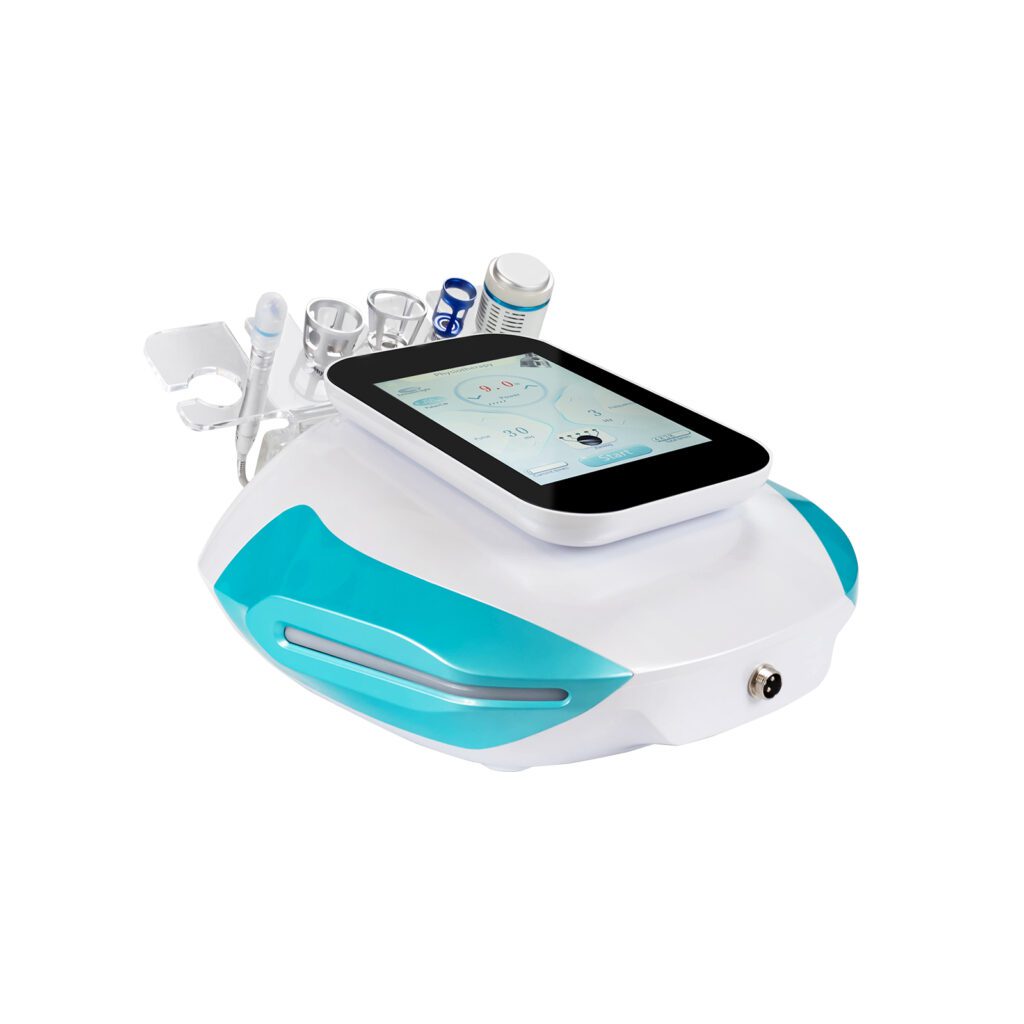
- ハイドラフェイシャルプラス酸素スプレー、LEDおよびRFフェイシャルケア
- RFキャビテーション+真空吸引+EMSボディシェイピング
- 冷却脂肪分解とRFボディケアサポート
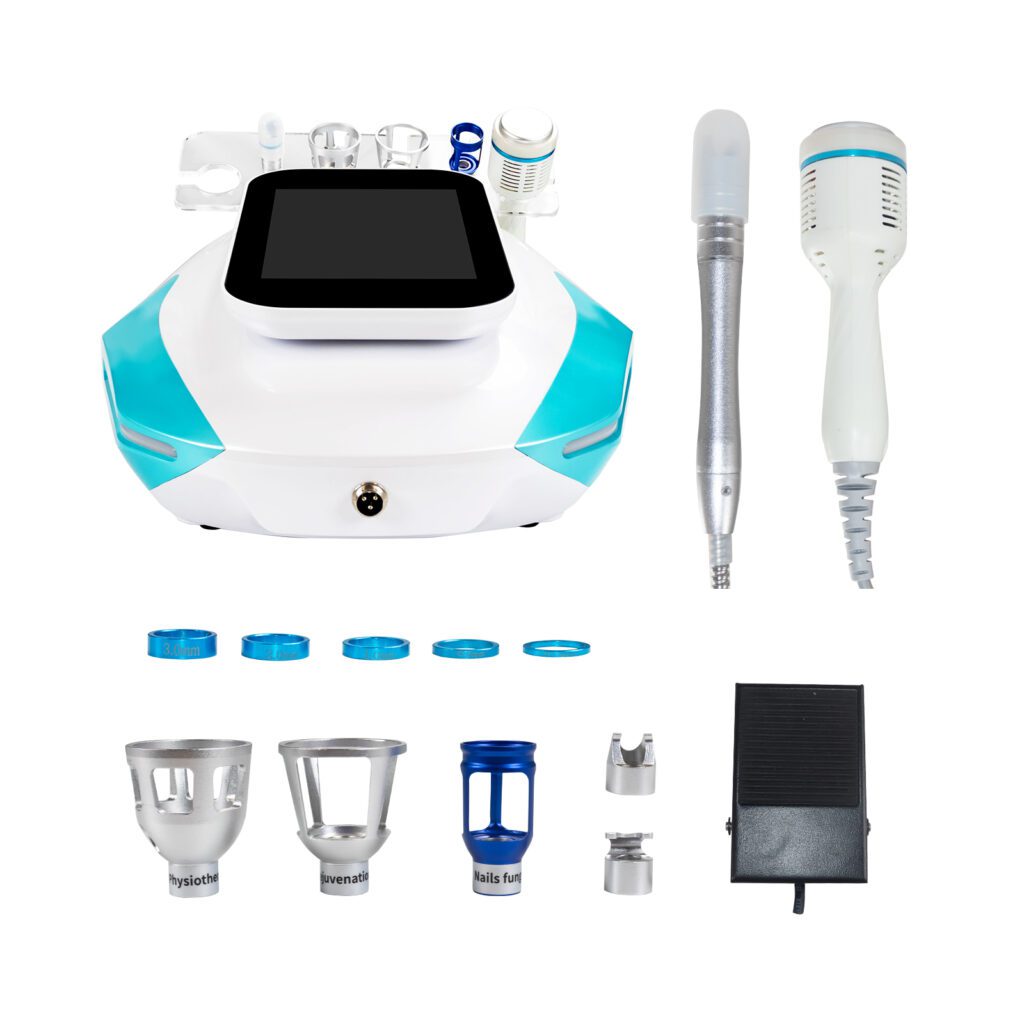
- 複数のハンドルを備えた顔の肌管理プラットフォーム
- 複数のパッケージオプションを備えたボディコンタリングプラットフォーム
理由は実際的なものだ。.
多機能デバイスは、小規模サロンにとって役立つ可能性があります。
- 部屋のスペースを節約
- 初期投資を削減する
- 複数のサービスをテストする
- サービスパッケージを作成する
- チケットの価値を上げる
- 顧客により多くの選択肢を提供する
- 複数の別々の機械の必要性を減らす
しかし、小規模なサロンもより慎重になっている。.
機能が弱かったり、互いに関連性がなかったりする、無作為な「10in1」マシンは望まれていない。.
彼らは有益な統合を求めている。.
小規模サロン向けの最適な多機能マシンには、通常以下の機能が備わっています。
- 関連関数
- 簡単な操作
- 明確な治療ワークフロー
- メンテナンスの負担が少ない
- 信頼性の高いハンドピース
- トレーニング資料
- 現実的なサービスパッケージの例
販売代理店にとって、伝えるべきメッセージは「多くの機能」だけではありません。“
より良いメッセージは次のとおりです。
このプラットフォームは、小規模なサロンが1つの設備投資で複数の関連サービスを構築するのに役立ちます。.
4. サロンは、日々の売上を生み出す機器と主力機器を分けて使用している。
小規模サロンは、予算配分に関してより戦略的になってきている。.
高価な機器1台にすべてのお金を費やす代わりに、機器を2種類に分ける場合がある。
日々の収益機器
これらは、繰り返し行われるサービスに頻繁に使用される機械です。.
例:
- ハイドラフェイシャルマシン
- RFフェイシャルデバイス
- ダイオードレーザー脱毛システム
- LED治療装置
- 基本的なボディケアプラットフォーム
目標は、安定した予約とリピート予約を獲得することです。.
小規模なサロンは、これらの機器が安定した収入に直接つながるため、より多くの予算をこれらの機器に割り当てている可能性がある。.
主力製品または差別化機器
これらは、プレミアムなポジショニングや独自のサービスを生み出すために使用される機械です。.
例としては以下のようなものが挙げられます。
- HIFUマシン
- RFマイクロニードリングシステム
- 凍結脂肪分解プラットフォーム
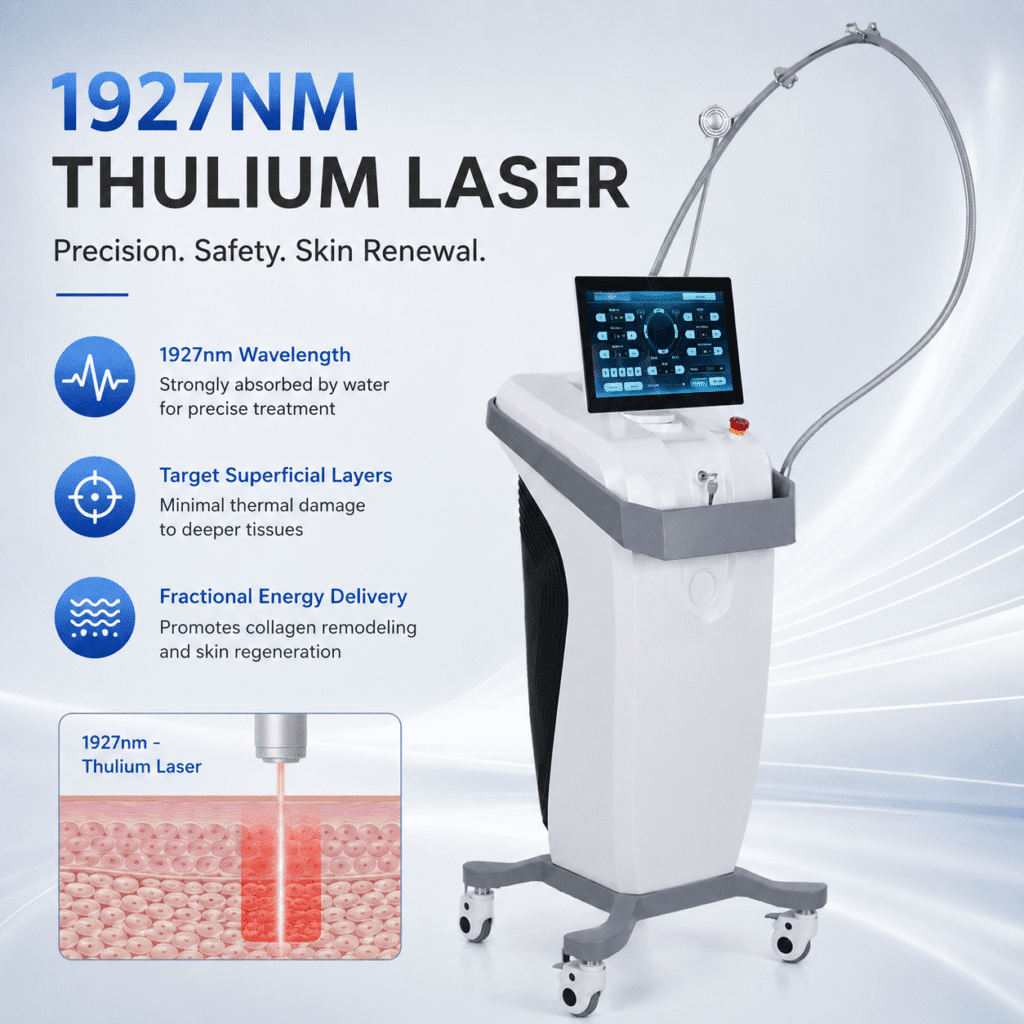
- 業務用レーザー機器
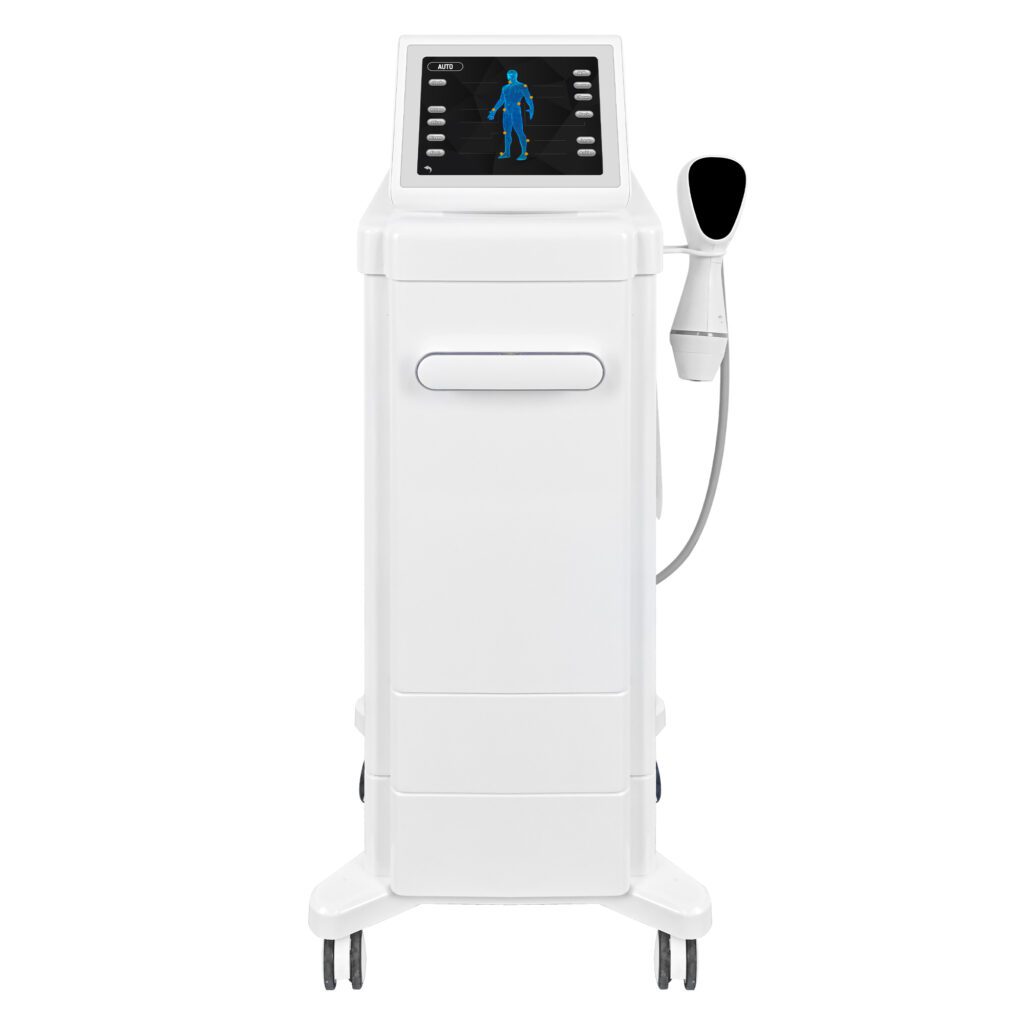
- EMSボディスカルプティングシステム
目標は、差別化、客単価の向上、またはブランドイメージの向上です。.
小規模なサロンでも、最高級の機器を欲しがる場合もあるが、多くの場合、資金繰りがより安定してから購入する。.
これは販売代理店にとって、有効な販売戦略となる。.
すべての小規模サロンに、最初に最も高価な機械を導入させるべきではない。.
段階的な購入計画を立てるのを手伝ってあげましょう。
1. 信頼性の高い、繰り返し修理可能な機械から始めましょう。.
2. パッケージを作成し、顧客の要望に応える。.
3. サロンの客足が十分になったら、より高価な機器を追加する。.
4. アクセサリー、スペアパーツ、または2台目の機械でアップグレードする。.
この段階的なアプローチは、小規模サロンの予算により適しています。.
5. 総費用は購入価格よりも重要である
小規模なサロンでは、機械の価格だけがコストではないという認識が広まりつつある。.
彼らは今、総所有コストをより重視している。.
重要なコスト要因には以下が含まれます。
- 消耗品
- ハンドピースの交換
- カートリッジ
- ヒント
- フィルター
- 溶液ボトル
- アプリケーター
- ランプ
- 配送
- 輸入税
- メンテナンス
- 修理
- トレーニング
- ダウンタイム
- 保証の制限
安価な機械でも、部品の故障が早かったり、消耗品が高価だったりすると、結果的に高くつく可能性がある。.
性能が安定していて、メンテナンス費用が少なく、サポートが迅速な機械であれば、高価な機械の方が良い場合もある。.
小規模サロンではよく次のような質問が出ます。
- 1回の治療にかかる費用はいくらですか?
- 部品はどのくらいの頻度で交換する必要がありますか?
- 消耗品は標準品ですか、それとも独自規格品ですか?
- ハンドピースは保証の対象ですか?
- 交換用ハンドルの費用はいくらですか?
- 部品はどれくらい早く届きますか?
- その機械は頻繁に問題なく毎日稼働できますか?
販売業者にとって、これは見積もりが透明であるべきだということを意味する。.
小規模サロンの購入者は、その機械の長期的なリスクが低いことを理解していれば、多少高い価格でも受け入れるかもしれない。.
6.アフターサービスが予算の優先事項になりつつある
小規模なサロンは、長時間の休業に耐えられない。.
機械が1台でも故障すると、サロンの収益の大部分に影響が出る可能性がある。.
このため、購入決定においてアフターサービスがより重要になる。.
小規模サロンはますます以下の点を重視するようになっている。
- 迅速な技術対応
- 現地語サポート
- 手術動画
- 分かりやすいマニュアル
- スペアパーツの入手可能性
- リモートトラブルシューティング
- 保証内容の明確化
- ハンドピースの交換オプション
- メンテナンスガイド
- 購入後のトレーニング
以前は、一部の購入者は主に機械の価格の安さを重視していた。.
今では多くの小規模サロンが、サポートのない機器は後々高くつく可能性があることを理解している。.
販売代理店にとって、アフターサービスは高価格を正当化する理由となり得る。.
販売メッセージには以下を含める必要があります。
- どのようなサポートが提供されますか?
- 保証の仕組み
- 在庫のある部品は何ですか?
- スタッフの研修方法
- よくある問題をどのように解決するか
- どのようなメンテナンスが必要ですか?
小規模サロンは単に機械を購入するだけではありません。.
彼らは、その機械が今後も稼働し続けるという確信を買っているのだ。.
7. 融資、分割払い、スターターパッケージがより重要
予算の制約が厳しくなると、柔軟な購入方法がより魅力的に映るようになる。.
市場によっては、小規模サロンは以下のような点を重視するかもしれません。
- 分割払い
- リース
- リース購入オプション
- 中古または再生品の機械
- デモ機
- スターターバンドル
- 預金の少額注文
- 季節限定プロモーションパッケージ
- 共有機器モデル
- 販売代理店向け融資サポート
すべての販売代理店が融資を提供できるわけではなく、また、すべての融資モデルが適切であるとは限りません。.
しかし、その傾向は明らかだ。
小規模サロンは参入障壁の低さを求めている。.
これにより、販売代理店はスターターパッケージを設計する機会を得ることができます。.
例:
- ハイドラフェイシャルスターターキット(基本トレーニング付き)
- 治療メニューと保護メガネがセットになったダイオードレーザーパッケージ
- RF、バキューム、またはキャビテーションを含むボディコンタリングスターターバンドル
- 顔面メンバーシップ機器セット
- スペアパーツおよびメンテナンスパッケージ
- サロンチェーン向けOEMローカルブランドスターターパッケージ
目標は、最初の購入を無理なく行えるようにすることです。.
そのサロンが成功すれば、後々さらに設備を購入する可能性もある。.
8.小規模サロンは、トレーニングのハードルが低い機器を好む
研修費用は予算の一部です。.
機械は収益性が高く見えても、従業員が自信を持って操作できなければ、投資は無駄になる。.
小規模サロンでは、以下のような機器が好まれることが多い。
- シンプルなインターフェース
- プリセットをクリアする
- 簡単な治療ワークフロー
- オペレーターのミスリスクが低い
- 強力なトレーニングビデオ
- メンテナンスが簡単
- 明確な禁忌に関するガイダンス
- 現実的なサービススクリプト
だからこそ、エントリーレベルやミドルレベルの機器は魅力的なものになり得るのです。.
例:
- ハイドラフェイシャルマシン
- LED治療システム
- 基本的なRF顔面デバイス
- 酸素フェイシャルマシン
- ボディケアプラットフォームの一部
- 充実した研修サポートを備えた脱毛システム
訓練を受けたスタッフがいて、地域の法令で認められている場合、小規模なサロンでも高度な機器は適している可能性があります。.
しかし、多くの小規模購入者にとって、スタッフが使わないような高度な機能を備えたデバイスよりも、使い方が簡単なデバイスの方が価値があるかもしれない。.
販売代理店にとって、研修費用は予算編成の検討事項に含めるべきである。.
トレーニングサポート付きの製品は、小規模サロンにとって信頼しやすい。.
9.予算は新たなトレンドだけでなく、実績のある需要へとシフトしている
小規模なサロンは、短期的なトレンドに対してより慎重になっている。.
彼らは新しい技術には依然として関心を持っているかもしれないが、実績のないサービスに設備予算の全額を投じるリスクを負うことには消極的だ。.
彼らは需要が明確に見られるカテゴリーを好む傾向がある。
- 脱毛
- 洗顔と保湿
- 肌の引き締めをサポートする
- ボディコントゥアリング
- ニキビおよび肌管理サービス
- アンチエイジングメンテナンス
- 適切な場合には、健康増進および回復のためのサービスを提供します。
新しい技術も有効である可能性はあるが、小規模なサロンは通常、その効果を証明する証拠を求める。
- 地元の顧客はそれを求めているのでしょうか?
- 競合他社はそれをうまく販売しているだろうか?
- そのサービスは利益が出る価格設定が可能だろうか?
- それには過剰な教育が必要でしょうか?
- 保険金請求は安全ですか?
- サプライヤーはマーケティング支援を提供していますか?
販売業者にとって、これは製品選定が実用的であるべきだということを意味する。.
流行の機械は注目を集めるかもしれないが、実績のあるカテゴリーの製品こそがリピート注文につながる。.
10.輸入高級機器は、拒否されるのではなく、遅延することが多い。
小規模なサロンは輸入された高級機器に憧れるかもしれないが、すぐに購入できるところは多くない。.
問題は必ずしも関心の欠如にあるわけではない。.
予算編成のタイミングの問題だ。.
小規模サロンでは、以下のような理由で高価な輸入品やハイエンド機器の導入を遅らせる場合があります。
- 高額な購入費用
- 高価な消耗品
- サービス料金
- 不明確な現地需要
- 長い返済期間
- 治療室の収容人数に制限があります。
- より高度なトレーニングの必要性
- スペアパーツに関する懸念
その代わりに、彼らは国内メーカー直販の機器や中級クラスの業務用機器から始めるかもしれない。.
将来、サロンが成長すれば、主力サービス向けに高級機器に投資する可能性もある。.
これにより、予算の段階的な配分が実現します。
- 基本的な収入を得るためのエントリー機器
- サービス拡張のための中級機器
- ブランドアップグレードのためのプレミアム機器
販売業者にとって最適な戦略は、単一の価格帯だけでなく、複数の製品レベルを提供することかもしれない。.
11. 小規模サロンはマーケティングとサービスデザインにより多くの費用をかけている
設備予算とは、機械予算だけを指すのではない。.
小規模な美容室は、機械は勝手に売れるものではないということを学んでいる。.
彼らには以下のような予算が必要になるかもしれません。
- ソーシャルメディアプロモーション
- ビフォーアフターコンテンツ
- サービスメニューのデザイン
- クライアント相談資料
- スタッフ研修
- パッケージカード
- 予約システムの設定
- ローカル広告
- インフルエンサーとのコラボレーション
- 会員プログラム
- 治療の写真と動画
これは機器の購入に影響を与える。.
サロンが利用可能な資金をすべて機械に費やしてしまうと、サービスの宣伝に十分な予算が残らない可能性がある。.
より慎重なサロン経営者たちは今、こう問いかけている。
機械を購入した後も、サービスを販売するための資金は残るのでしょうか?
販売業者にとって、これは重要なことです。.
マーケティング資料、サービスメニュー、パッケージ例などを提供することで、サロン側の導入負担を軽減できるため、機械の魅力を高めることができる。.
12. 小型の機械とコンパクトなデザインの方が魅力的
小規模なサロンは、施術室の数が限られていることが多い。.
予算とは、金銭的なものだけを指すのではない。空間もまた、予算の一部なのだ。.
コンパクトなデバイスは、次のような理由で魅力的です。
- 小さな部屋にも合う
- 移動が容易
- 改修の必要性を減らす
- 柔軟なサービス設定を可能にする
- 場合によっては送料が安くなる
- 部屋の混雑感を軽減する
しかし、コンパクトだからといって必ずしも優れているとは限らない。.
そのデバイスは、安定した性能と信頼できるサポートを提供し続けなければならない。.
小規模サロンでは、以下のようなものが好まれることが多い。
- コンパクトなハイドラフェイシャルマシン
- 携帯型RF機器
- 小型ボディケアシステム
- デスクトップLEDデバイス
- コンパクトダイオードレーザーモデル
- 整理された収納を備えたマルチハンドルプラットフォーム
販売代理店にとって、製品のサイズと設置場所への適合性は、販売に関する話し合いの中で考慮すべき事項である。.
13.予算はサービスパッケージとより密接に結びつきつつある
小規模サロンでは、単発のセッションではなく、パッケージプランでの販売を検討するケースが増えている。.
機械が以下の機能をサポートしている場合、その存在意義を正当化しやすくなります。
- 月額制フェイシャル会員制度
- 脱毛コース
- ボディラインを整えるパッケージ
- アンチエイジングメンテナンスプラン
- 産後ボディケアプログラム
- ニキビと肌管理プログラム
- 健康増進または回復のためのセッション
これは予算計画に変化をもたらす。.
サロンは「機械の値段はいくらですか?」とだけ尋ねるのではなく、次のように尋ねます。
- どのパッケージを販売できますか?
- 費用を回収するには、何人の顧客が必要ですか?
- このサービスを既存の治療と併用することはできますか?
- この機械は平均チケット単価を上げることができるか?
- 顧客を定期的にリピーターにできるだろうか?
販売代理店にとって、これは投資対効果(ROI)の事例はパッケージベースであるべきだということを意味する。.
小規模サロンの購入者は、機器のコストがサービス収益にどのように影響するかを把握する必要がある。.
14.予算決定は、競合するカテゴリーではより保守的になる
サービスが混雑すると、小規模なサロンはより慎重になる。.
すでに多くの競合店が同じ施術を提供している場合、サロンは価格競争を懸念するかもしれない。.
これは、以下のようなカテゴリーの予算決定に影響を与える可能性があります。
- 基本的なフェイシャルマシン
- 低価格帯のボディキャビテーション機器
- 一般的なIPL機器
- 汎用RF機器
- 低コスト多機能プラットフォーム
競争の激しい分野では、小規模サロンは次のいずれかの可能性があります。
- リスクを軽減するために、より低価格の機械を選択する
- よりサポートの充実したマシンを選択して差別化を図る
- このカテゴリを避ける
- 多機能プラットフォームを購入する
- 技術名ではなく、サービス体験に焦点を当てる
販売代理店にとって、これは販売プレゼンテーションで差別化を示す必要があることを意味する。
- 冷却性能の向上
- ハンドピースの品質向上
- より強力なトレーニング
- 地域サポート
- パッケージプランニング
- 保証
- サービスメニューの配置
その機械は、単に競合他社を模倣するだけでなく、サロンの競争力を高めるものでなければならない。.
15. コンプライアンス意識が予算計画に浸透しつつある
小規模サロンは、法令遵守と広告リスクに対する意識を高めつつある。.
これは特に以下のケースに当てはまります。
- レーザ
- IPL
- 高周波
- HIFU
- RFマイクロニードリング
- ボディコンタリングデバイス
- 親密な健康のためのデバイス
- 理学療法関連機器
法令遵守は、サロンが以下のようなことを必要とする場合、予算に影響を与える可能性があります。
- 適切な文書化
- より安全なクレーム表現
- オペレーター研修
- 地方自治体の登録または免許の確認
- 保険に関する検討
- 専門家による相談プロセス
- 禁忌に関するガイダンス
小規模なサロンの中には、コンプライアンス遵守がリスクが高すぎると感じる場合、高度な機器の使用を避けるところもあるかもしれない。.
より明確なドキュメントとより安全なマーケティングガイダンスを提供する機器や販売代理店サポートには、より多くの費用を支払う場合もあるでしょう。.
販売代理店にとって、コンプライアンスサポートは製品価値の一部になりつつある。.
小規模サロン向けの現実的な予算レベル
正確な予算は、国、施術料金、サロンの規模によって異なります。.
しかし、予算構造は多くの場合、3つのレベルに分かれている。.
初期予算
そのサロンは、リスクの低い最初のマシンを求めている。.
適切な製品タイプとしては、以下のようなものが考えられます。
- ハイドラフェイシャルマシン
- LED治療器
- 基本的なRF顔面デバイス
- 酸素フェイシャルマシン
- エントリーボディケアプラットフォーム
最優先事項:
- 簡単な操作
- 高速起動
- 消耗品が少ない
- シンプルなパッケージ
- 短期トレーニング
成長予算
そのサロンは既に一定の顧客基盤を持っており、より収益性の高いサービスを追加したいと考えている。.
適切な製品タイプとしては、以下のようなものが考えられます。
- ダイオードレーザー脱毛
- RFキャビテーションボディプラットフォーム
- 多機能顔面システム
- EMSボディスカルプティング
- クライオリポリシス入門または中級システム
最優先事項:
- パッケージ収入
- 治療需要
- 返済計画
- 安定したパフォーマンス
- アフターサポート
アップグレード予算
そのサロンは差別化を図りたい、あるいはより高額なサービスを提供したいと考えている。.
適切な製品タイプとしては、以下のようなものが考えられます。
- HIFU
- RFマイクロニードリング
- 先進レーザー
- プレミアムボディコンターシステム
- プロフェッショナルなアンチエイジングプラットフォーム
最優先事項:
- ブランドポジショニング
- オペレーター研修
- コンプライアンス
- 顧客からの信頼
- プレミアム価格設定
この段階的な予算モデルは、販売代理店がより正確に製品を推奨するのに役立ちます。.
販売代理店がすべきこと
小規模サロンの予算動向は、販売代理店にとって明確なメッセージとなる。.
販売代理店は機械を売るだけではないはずだ。.
彼らは実用的な参入経路を販売すべきだ。.
段階的な製品オプションを提供する
エントリーモデル、ミドルレンジモデル、アップグレードモデルなど、幅広い選択肢を提供する。.
これは、小規模サロンが予算や成長段階に応じて選択するのに役立ちます。.
ROIツールを提供する
簡単な計算機または以下の例を用意してください。
- 治療費
- パッケージ価格
- 月間セッション数
- 消耗品コスト
- 推定回収期間
収入保証の謳い文句は避けるべきです。.
控えめな例を用いる。.
トレーニングとサービスメニューをセットにしたパッケージ
小規模サロンはサービス開始にあたって支援を必要としている。.
提供する:
- 治療メニュー
- パッケージの提案
- 相談スクリプト
- 禁忌事項に関する注意事項
- 手術動画
- メンテナンスガイド
アフターサービスについて明確にする
説明する:
- 保証
- スペアパーツ
- 応答時間
- 共通メンテナンス
- ハンドピースの交換
- リモートサポート
これは予算の正当性を説明するのに役立つ。.
ビジネスステージ別のおすすめ商品
すべての小規模サロンに同じ機械を押し付けてはいけません。.
聞く:
- ここは新しいサロンですか?
- すでにフェイシャルエステの顧客はいますか?
- 治療室はありますか?
- 脱毛、フェイシャルケア、それともボディラインの整形を最初に希望しますか?
- 現地での治療費はいくらですか?
- スタッフはどの程度の研修に対応できるのか?
次に、サロンのステージに合った製品を選びましょう。.
小規模サロンが避けるべきこと
小規模サロンは、予算編成においていくつかのミスに注意する必要がある。.
予算の全てをリスクの高い機械1台に費やす
サービスがまだテストされていない場合、高価な機器を1台購入すると、資金繰りに負担がかかる可能性があります。.
明確な需要から始めるか、まずは市場調査を行う。.
最も安い機械だけを購入する
購入価格が安い場合、修理費用が高額だったり、性能が低かったり、サポート体制が整っていなかったりする可能性がある。.
保証、部品、トレーニング内容を確認してください。.
消耗品を無視する
一部の機器では、カートリッジ、チップ、ランプ、フィルター、または専用の消耗品が必要になります。.
購入前に合計金額を計算してください。.
サービスプランなしで多くの機能を購入する
多機能マシンは、サロンがその機能を販売できる場合にのみ有用である。.
機能数と収益は同じではありません。.
マーケティング予算を忘れる
新製品には宣伝が必要だ。.
サービス開始、コンテンツ制作、顧客教育のための予算を確保しておく。.
結論
小規模な美容サロンにおける美容機器への予算は、より慎重かつ実用的で、投資対効果(ROI)を重視する傾向にある。.
小規模サロンは機器の購入を止めているわけではない。ただ、より慎重に選んでいるだけだ。.
最も顕著な予算動向は以下のとおりです。
- 初期リスクが低い
- 段階的な購入
- より早く返済できるサービス
- リアルなサービスロジックを備えた多機能プラットフォーム
- 総コストへのより強い注目
- アフターサービスをより重視する
- 融資やスターターパッケージに関心がある
- トレーニングのハードルが低い機器を好む
- 実証済みの需要にさらに注力する
- サービスパッケージに関する予算計画
販売業者にとって、その機会は明白だ。.
小規模サロンに必要なのは見積もりだけではありません。製品に関するアドバイス、サービスメニューの計画、控えめな投資対効果の例、トレーニング、メンテナンスサポート、そして現実的なアップグレード計画が必要です。.
小規模サロンが賢くお金を使うのを支援する販売店は、最も安い機械や最も高い機械だけを販売する販売店よりも信頼されるだろう。.
小規模サロンの予算管理はより賢くなっている。.
美容機器の販売は、それらを活用するとより賢明になるはずだ。.
よくある質問
1. 小規模な美容サロンは、美容機器への支出を減らしているのでしょうか?
必ずしもそうとは限りません。多くの企業は依然として機器を購入していますが、より慎重になり、投資対効果(ROI)を重視しています。彼らは、継続的なサービスに対応でき、投資回収期間が短い機器を好みます。.
2. 小規模サロンは通常、最初にどのような機器を購入しますか?
多くの小規模サロンは、ハイドラフェイシャルマシン、LEDセラピー、RFフェイシャル機器、ダイオードレーザー脱毛、IPL、または基本的なボディケア機器から始めます。なぜなら、これらのサービスは説明しやすく、パッケージ化しやすいからです。.
3.なぜ多機能マシンは小規模サロンにとって魅力的なのでしょうか?
多機能マシンは、省スペース化、初期投資の削減、そして複数の関連サービスを1つのプラットフォームから提供できるという利点があります。ただし、その機能は実用的で、操作方法の習得が容易である必要があります。.
4.小規模サロンでも、今でもハイエンドの機器を購入しているのでしょうか?
はい、しかし多くの企業は安定したキャッシュフローを築いてから、ハイエンド機器を購入します。最初は日々の収益を生み出す機器から始め、後からフラッグシップモデルを追加していく場合もあります。.
5.小規模サロンが考慮すべき隠れたコストとは?
消耗品、カートリッジ、ハンドピース、フィルター、修理、トレーニング、送料、税金、ダウンタイム、マーケティング費用などを考慮に入れるべきである。.
6.小規模サロンにとってアフターサービスサポートが重要な理由は何ですか?
小規模なサロンは、個々の機器に大きく依存していることが多い。機器が故障したり、サポートが遅れたりすると、予約や収益に影響が出る可能性がある。.
7.小規模サロンは最も安価な美容機器を選ぶべきでしょうか?
必ずしもそうとは限りません。安価な機械は、性能が低かったり、部品が入手できなかったり、保証が不十分だったりすると、リスクが高い場合があります。購入価格だけでなく、総所有コストの方が重要です。.
8.販売代理店は小規模サロンにどのように販売すべきでしょうか?
販売代理店は、段階的な製品オプション、投資対効果(ROI)の事例、サービスパッケージの提案、トレーニング、スペアパーツ情報、明確な保証サポートを提供するべきである。.
9.融資やスターターパッケージは役に立ちますか?
はい。融資、デモ機、スターターセット、段階的な購入などは、小規模サロンが参入障壁を軽減し、より大規模な投資を行う前にサービスを試すのに役立ちます。.
10. 小規模美容サロンの主な予算動向は何ですか?
主な傾向は、より賢い支出です。小規模なサロンは、実際のサービス提供、リピート予約、管理しやすいメンテナンス、そして明確な投資回収の可能性を支える、リスクの低い機器を求めています。.