









最適化されたソリューション、専門的なバルブの知識、業界ニュースを共有する
ご希望の用語やキーワードを入力すると、検索結果に関連記事が表示されます。お探しの回答が見つからない場合は、お気軽にお問い合わせください。喜んでお手伝いいたします。または、beauty@shefmon.comまで直接メールでお問い合わせください。
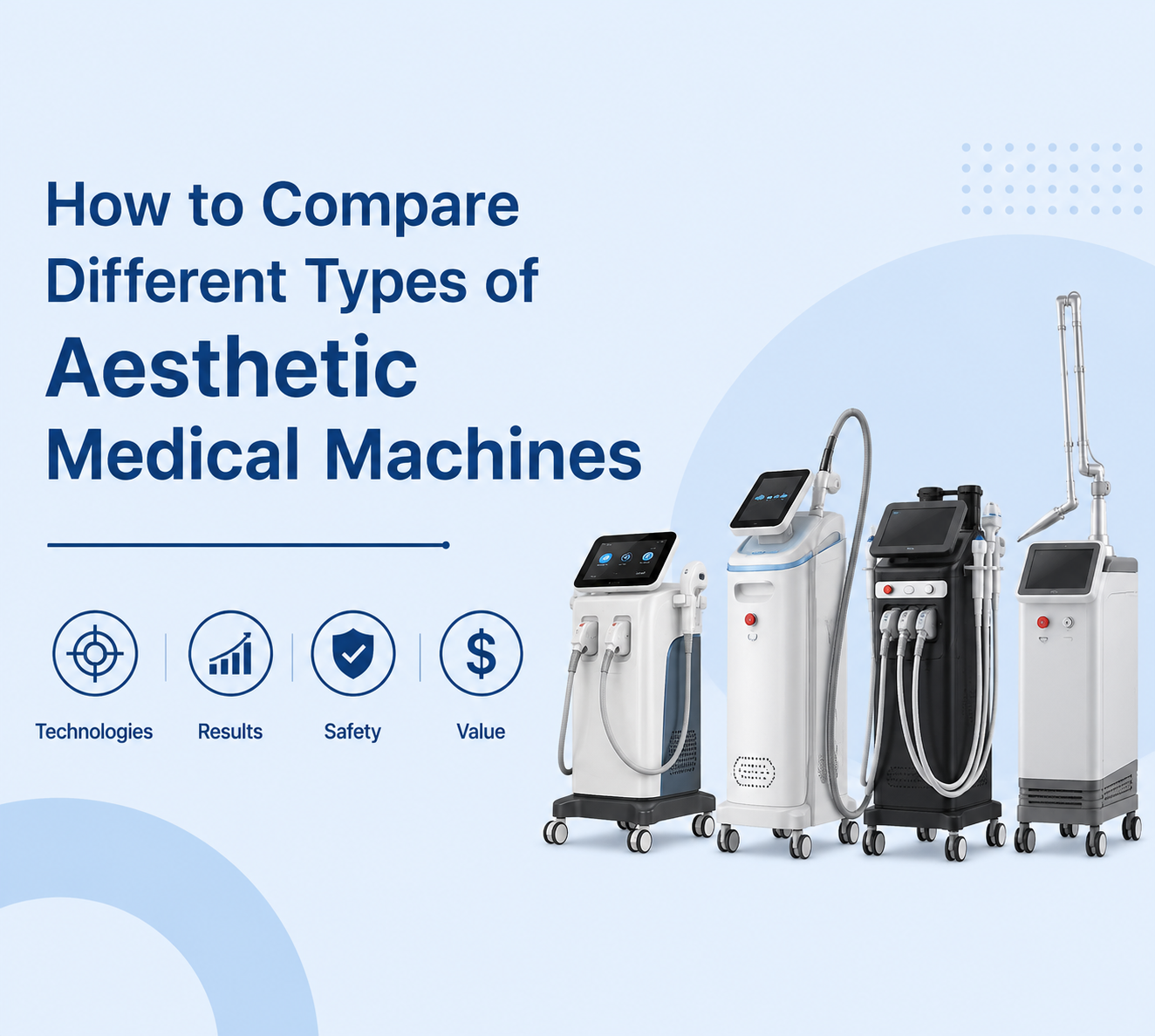
さまざまな種類の美容医療機器を比較する方法
- シェフモン
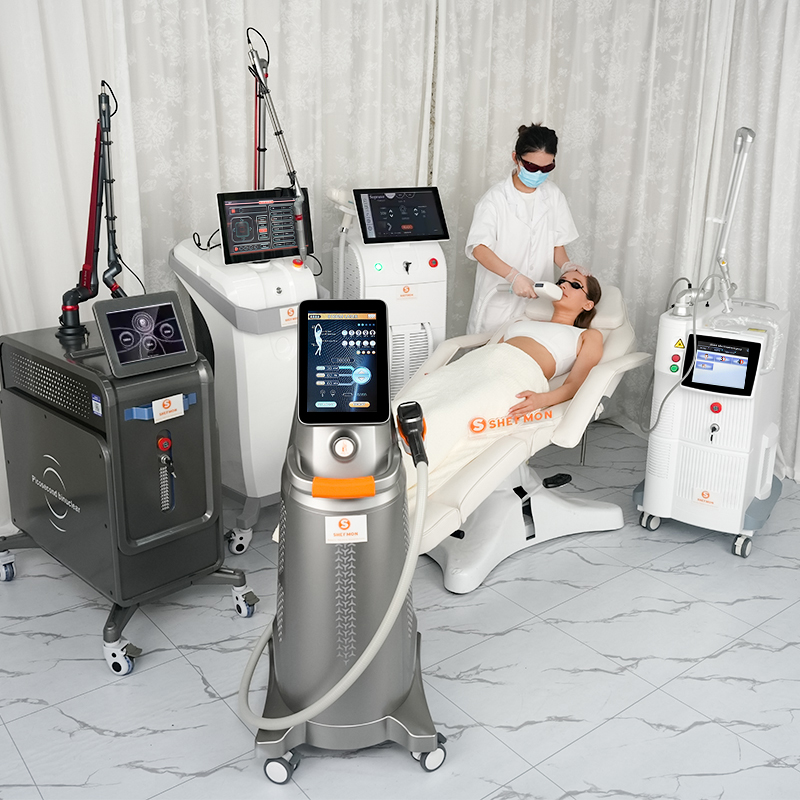
The aesthetic medicine industry continues to grow as consumers seek non-invasive and minimally invasive treatments for skin rejuvenation, body contouring, hair removal, and anti-aging. As a result, clinics, medical spas, and beauty businesses have access to a wide range of aesthetic medical machines. However, choosing the right equipment can be challenging, especially when multiple technologies appear to offer similar benefits. Understanding the differences between various aesthetic devices is essential for making informed investment decisions. This guide explains how to compare different types of aesthetic medical machines based on technology, treatment applications, performance, safety, and business value.

1. Compare Machines Based on Treatment Goals
1.1 Facial Rejuvenation and Skin Tightening Devices
The first step in comparing aesthetic equipment is identifying the primary treatment objective. For facial rejuvenation and skin tightening, several technologies are commonly used.
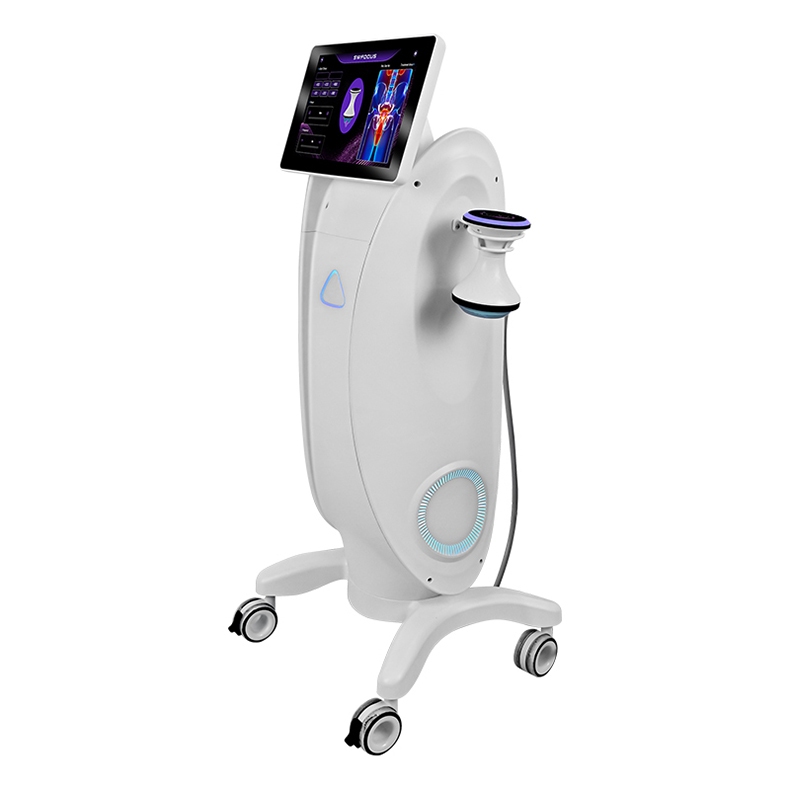
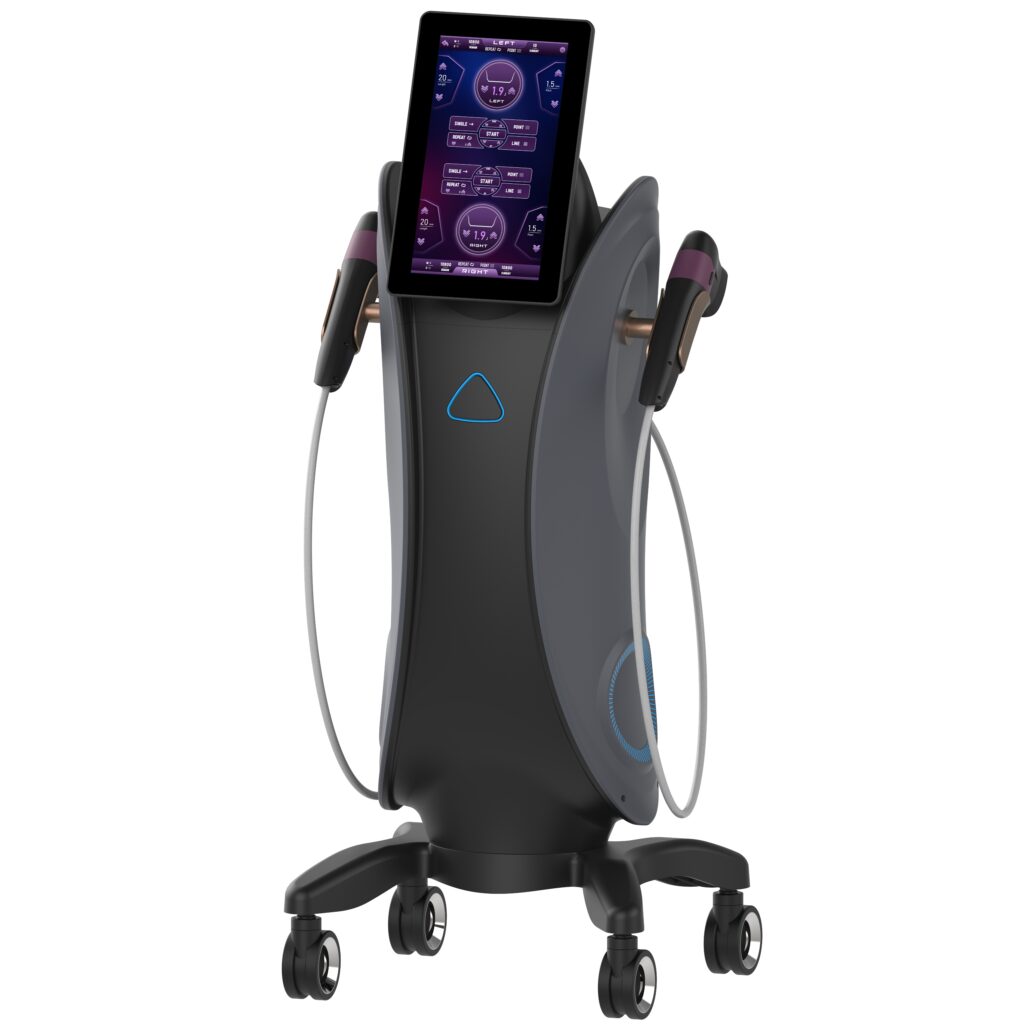
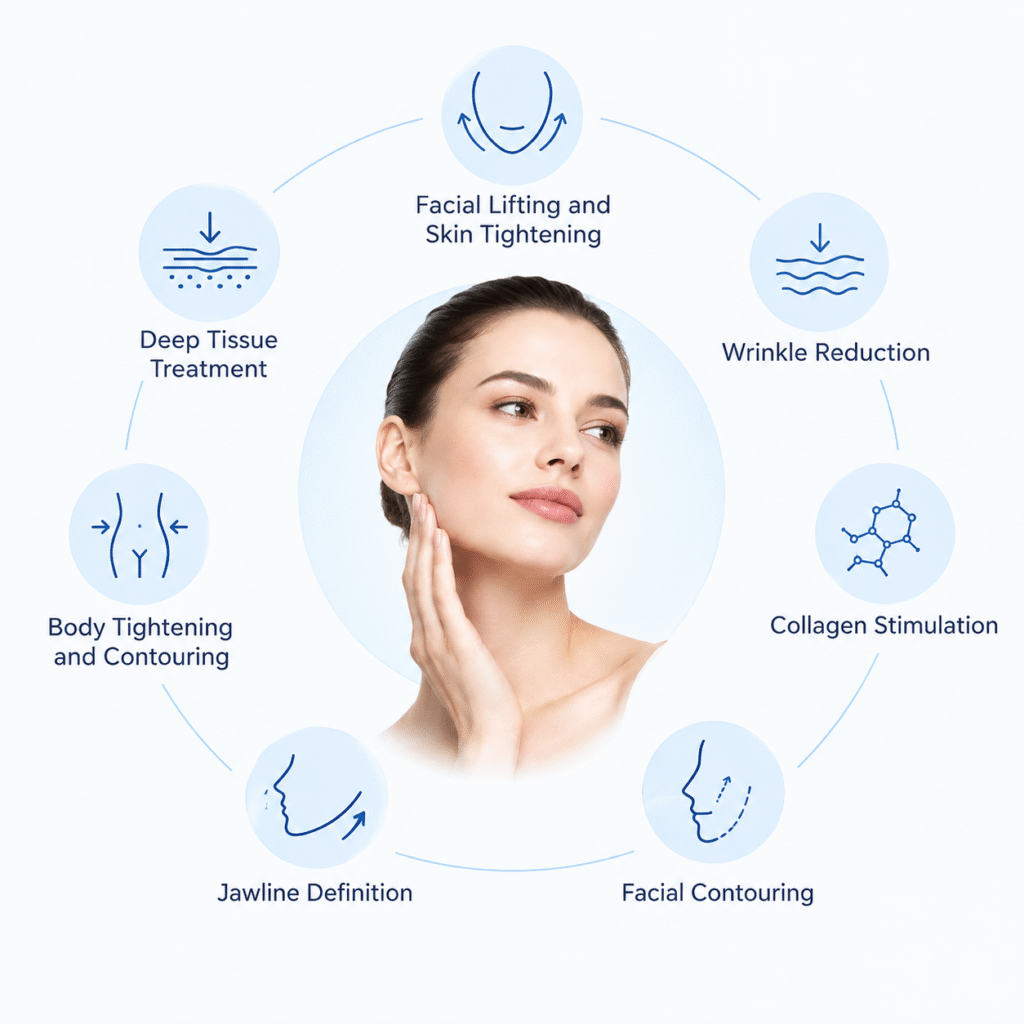
Radiofrequency (RF) devices use controlled heat to stimulate collagen production and improve skin firmness. These treatments are popular because they involve little downtime and are suitable for various skin types.
High-Intensity Focused Ultrasound (HIFU) systems work at deeper tissue levels, targeting the superficial muscular aponeurotic system (SMAS) to create lifting and tightening effects. HIFU is often selected by clients seeking non-surgical facial lifting procedures.
1.2 Body Contouring and Fat Reduction Machines
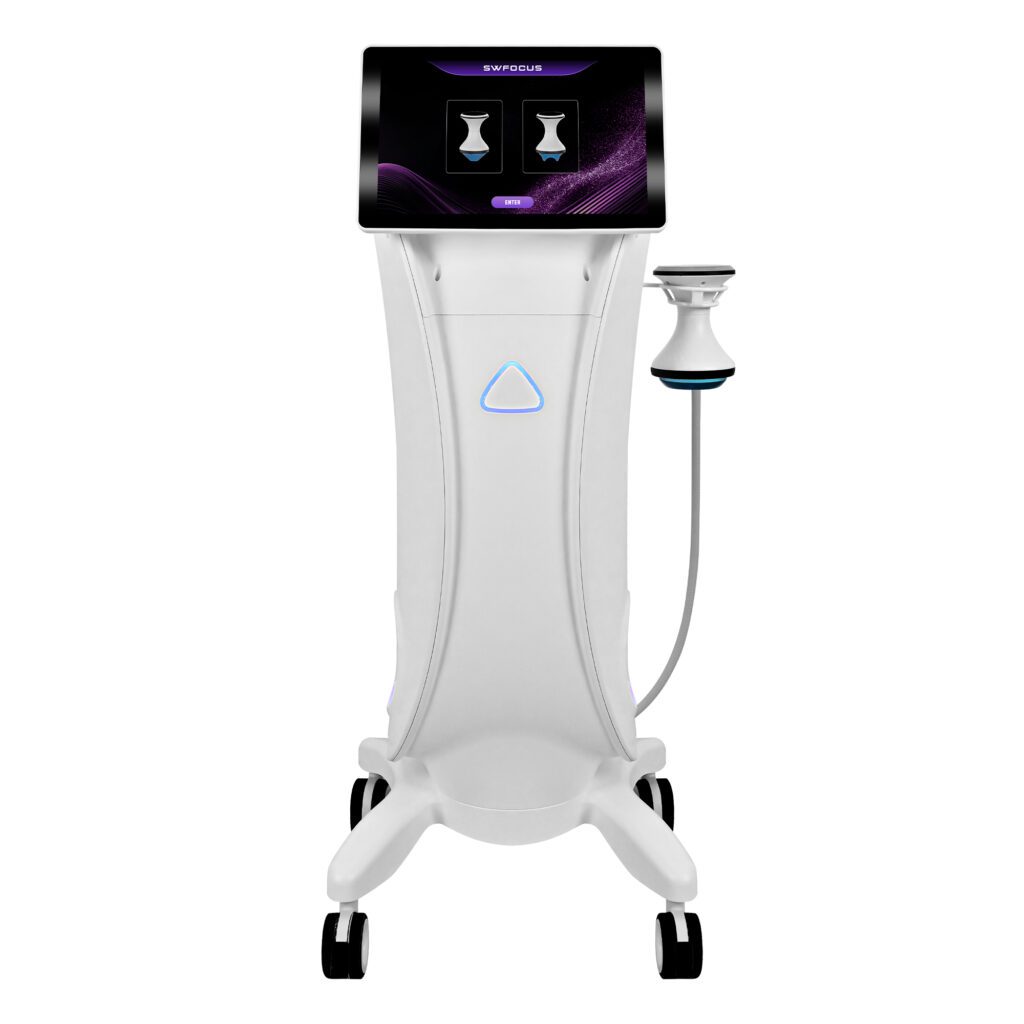
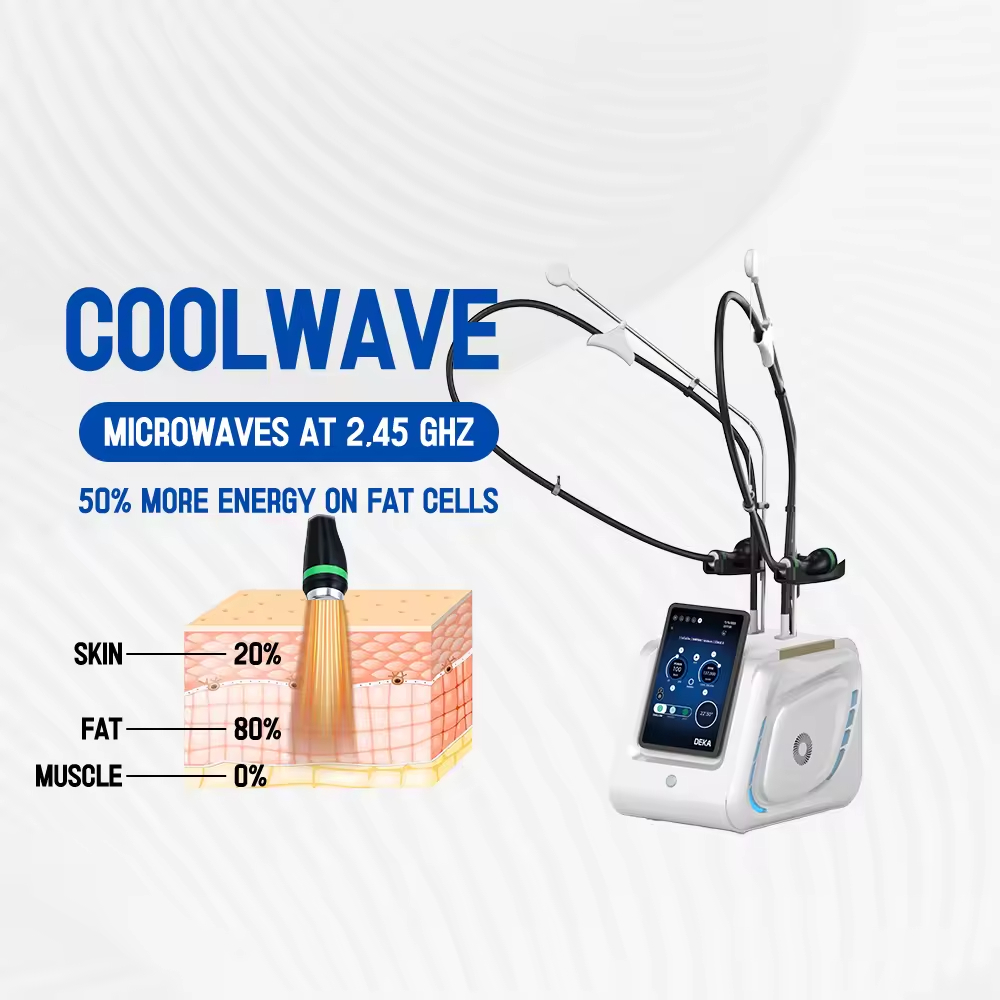
For body sculpting applications, cryolipolysis and RF body contouring systems are among the most common options.
Cryolipolysis machines use controlled cooling technology to target and reduce stubborn fat cells. They are particularly effective for localized fat deposits in areas such as the abdomen, thighs, and flanks.
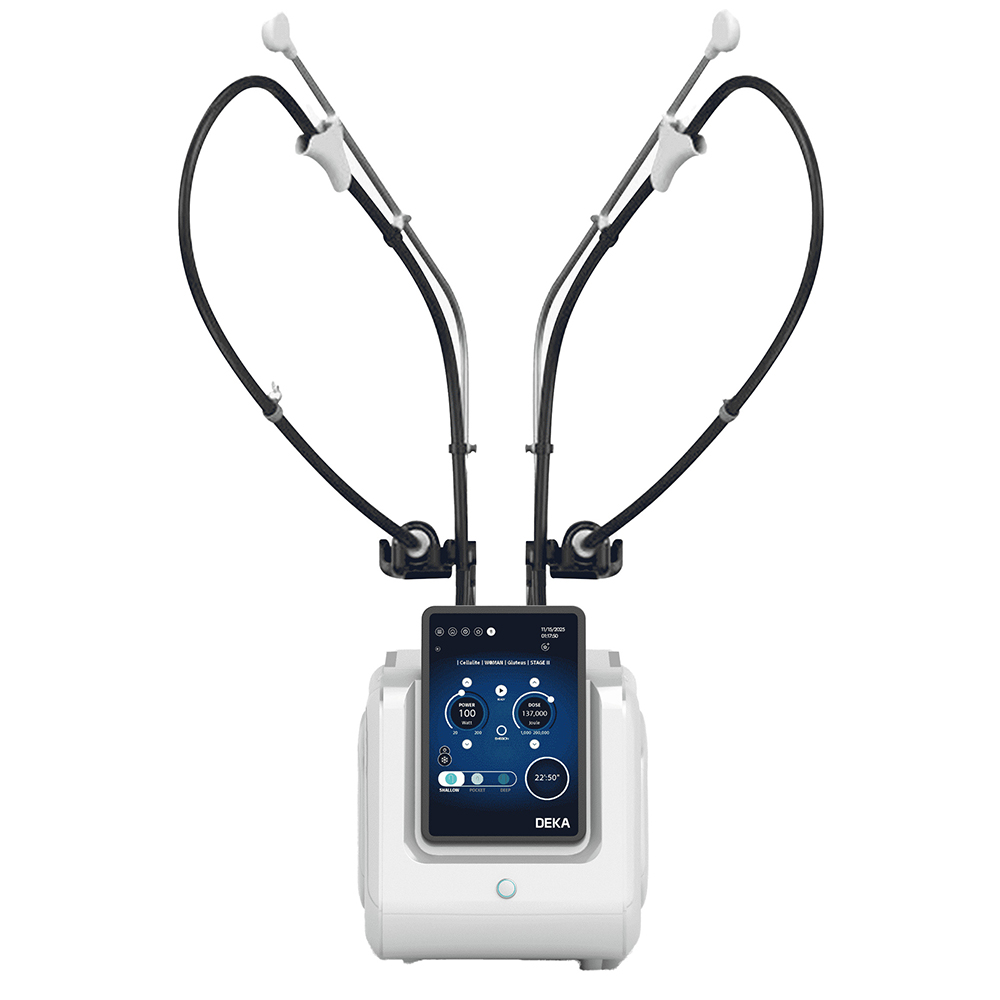
Body contouring RF systems focus on skin tightening while also improving body shape. Depending on client goals, some clinics choose to offer both technologies to provide comprehensive body treatment solutions.
2. Evaluate Energy Technologies
2.1 Laser-Based Systems
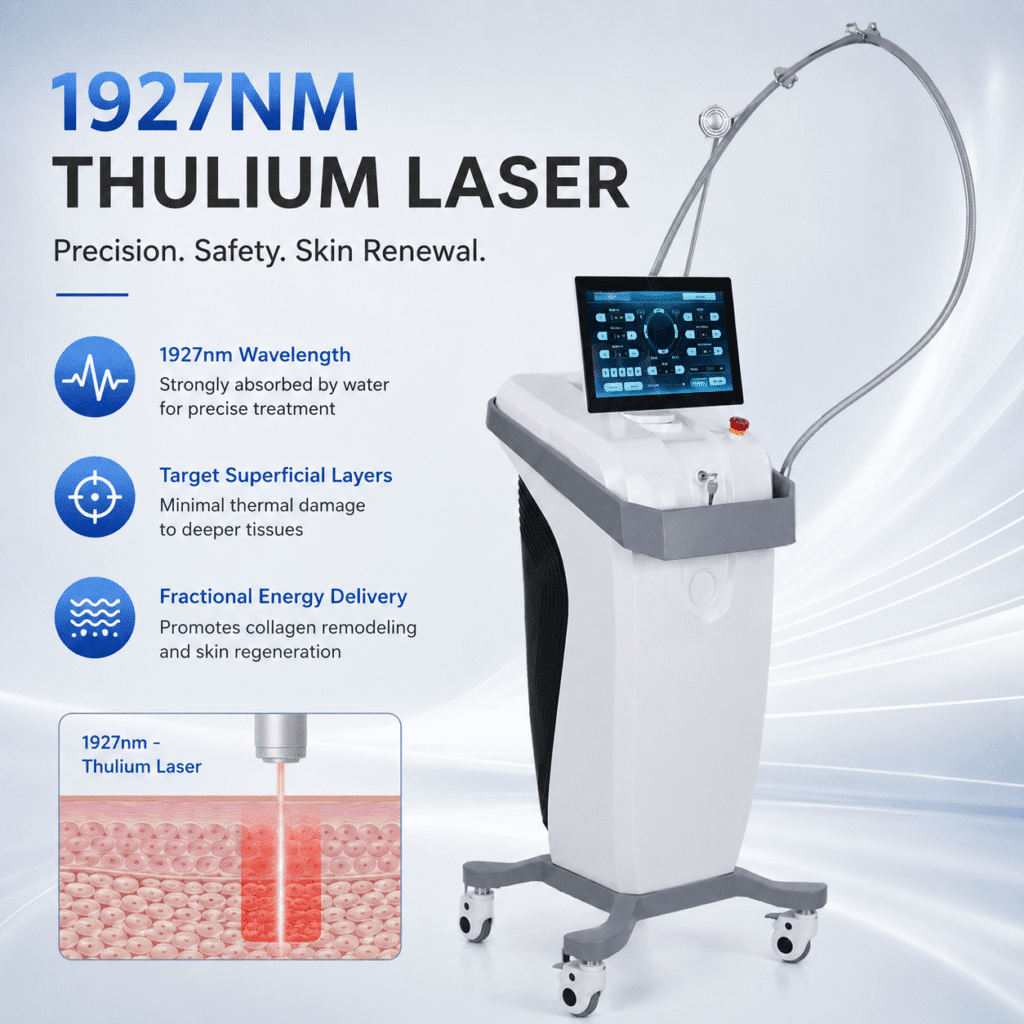
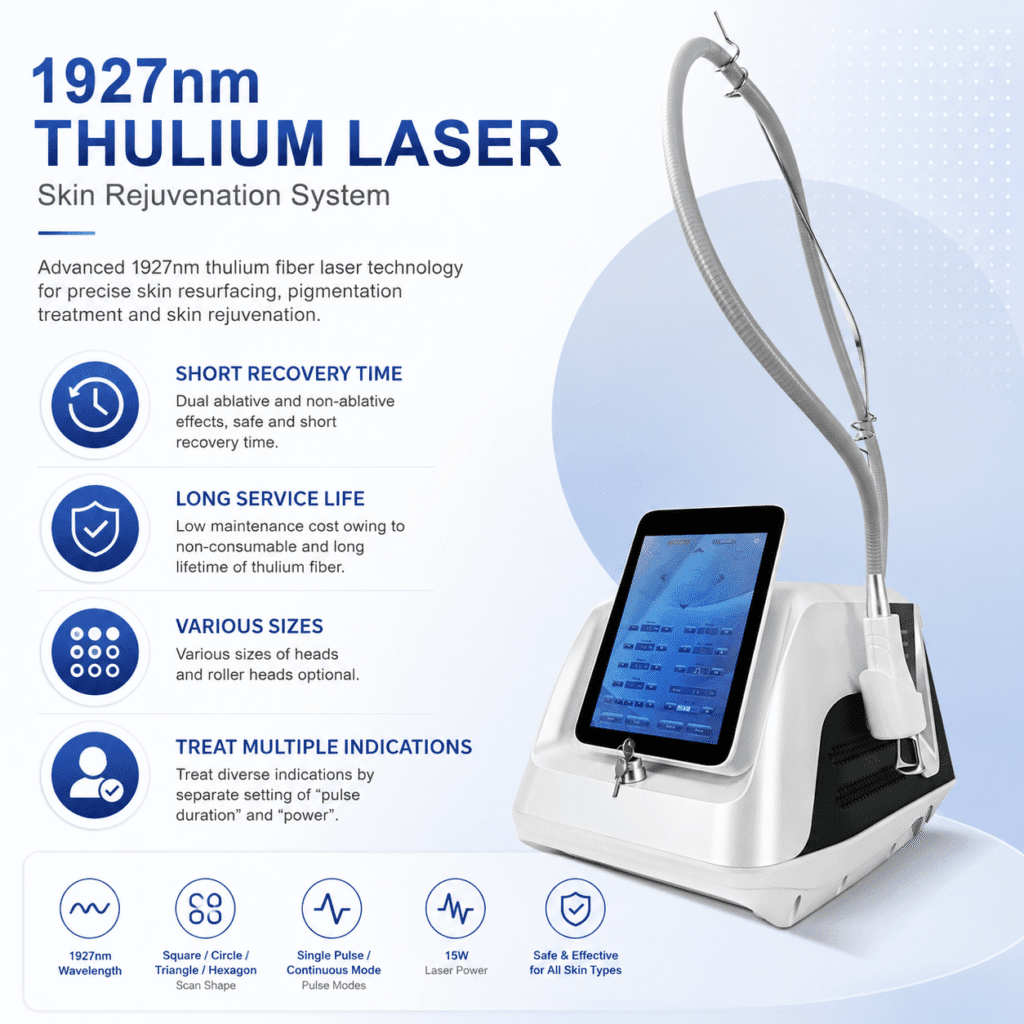
レーザー技術 is widely used in aesthetic medicine for hair removal, pigmentation correction, vascular treatments, and skin resurfacing.
Diode lasers are considered one of the most effective solutions for long-term hair reduction. They offer deep penetration and can treat larger areas efficiently.
Other laser technologies may focus on specific concerns such as pigmentation or skin texture improvement. When comparing laser devices, buyers should consider wavelength, energy output, treatment speed, and cooling capabilities.
2.2 Non-Laser Energy Devices
Not all aesthetic treatments rely on laser energy. Technologies such as ultrasound, radiofrequency, and electroporation offer alternative solutions for skin tightening and rejuvenation.
These systems often provide lower downtime and broader treatment suitability, making them attractive options for clinics seeking diverse service offerings.

3. Compare Treatment Results and Client Expectations
3.1 Speed of Visible Results
Different technologies produce results at different rates.
Cryolipolysis treatments may require several weeks before noticeable fat reduction occurs, as the body gradually eliminates treated fat cells.
HIFU treatments often deliver progressive improvements over two to three months as new collagen develops within deeper tissue layers.
Radiofrequency treatments may provide immediate skin tightening effects, with continued improvements after multiple sessions.
Understanding these timelines helps clinics set realistic expectations for clients.
3.2 Number of Sessions Required
Some treatments achieve noticeable improvements after a single session, while others require multiple appointments.
For example, HIFU is often marketed as a single-treatment solution for lifting and tightening, whereas RF-based treatments generally require a series of sessions to achieve optimal outcomes.
Comparing treatment protocols is important when evaluating both client convenience and potential revenue opportunities.
4. Assess Safety and Patient Comfort
4.1 Treatment Comfort Levels
Client experience plays a significant role in treatment popularity. Machines that provide effective results while minimizing discomfort often generate higher satisfaction rates and stronger client retention.
Modern diode laser systems frequently incorporate advanced cooling technologies to reduce discomfort during 脱毛 procedures.
Similarly, newer RF and ultrasound devices are designed to improve comfort without compromising treatment effectiveness.
4.2 Suitability for Different Skin Types
Not every machine is equally suitable for all patients. Some technologies perform better on certain skin tones or conditions.
When comparing devices, clinics should evaluate whether the equipment can safely treat a diverse range of clients. Versatile systems can help expand the potential customer base and improve business flexibility.
5. Analyze Operational Efficiency and Maintenance
5.1 Treatment Speed and Workflow
Aesthetic businesses must consider how efficiently a machine fits into daily operations.
Devices with larger treatment areas, faster energy delivery, and simplified operating systems can reduce treatment times and increase appointment capacity.
Higher efficiency allows clinics to serve more clients without compromising treatment quality.
5.2 Maintenance and Consumable Costs
The purchase price is only one part of the total investment. Buyers should also compare long-term operational expenses.
Important factors include:
- Handpiece lifespan
- Cartridge replacement requirements
- Cooling system maintenance
- ソフトウェアアップデート
- スペアパーツの入手可能性
Machines with lower maintenance requirements often provide better long-term value.

6. Consider Business Goals and Return on Investment
6.1 Matching Equipment to Target Clients
The ideal machine depends on the services a clinic plans to offer and the needs of its target market.
A clinic focused on anti-aging treatments may prioritize HIFU and RFテクノロジー, while a business targeting younger clients may find greater demand for laser hair removal and acne treatment systems.
Purchasing equipment that aligns with local market demand increases utilization rates and profitability.
6.2 Evaluating Revenue Potential
Different treatments generate different revenue opportunities. Buyers should compare factors such as:
- Average treatment pricing
- Session frequency
- Client retention rates
- Cross-selling opportunities
Machines that support multiple treatment categories can create additional revenue streams and improve overall business performance.
結論
Comparing different types of aesthetic medical machines requires more than simply reviewing technical specifications. Clinics and beauty businesses should evaluate equipment based on treatment goals, energy technology, treatment results, safety, operational efficiency, and return on investment. By carefully comparing technologies and practical performance factors, aesthetic professionals can build a treatment portfolio that delivers both excellent client outcomes and sustainable business growth.