








最適化されたソリューション、専門的なバルブの知識、業界ニュースを共有する

ご希望の用語やキーワードを入力すると、検索結果に関連記事が表示されます。お探しの回答が見つからない場合は、お気軽にお問い合わせください。喜んでお手伝いいたします。または、beauty@shefmon.comまで直接メールでお問い合わせください。

最新美容機器によるニキビ跡治療

痤疮

最新美容機器によるニキビ跡治療

Acne scars are more than just a skin concern—they often affect confidence, self-image, and how people present themselves in daily life. With modern aesthetic technology, treating acne scars is no longer limited to creams or home remedies. Today, advanced beauty machines such as fractional lasers, RF microneedling systems, and skin resurfacing devices are changing the game completely. These technologies work deep within the skin layers to rebuild collagen, smooth texture, and restore a healthier appearance.

What makes machine-based acne scar treatment so powerful is precision. Unlike topical solutions that only affect the surface, these devices penetrate deeper layers where scars actually form. This allows controlled skin remodeling, which gradually replaces damaged tissue with fresh, healthy skin. Clinics around the world are now adopting multi-technology systems to achieve faster and more visible results.

In this article, we will explore how different beauty machines work, why they are effective, and how they are reshaping the future of acne scar treatment in professional skincare clinics.

Understanding Acne Scars: Causes and Types

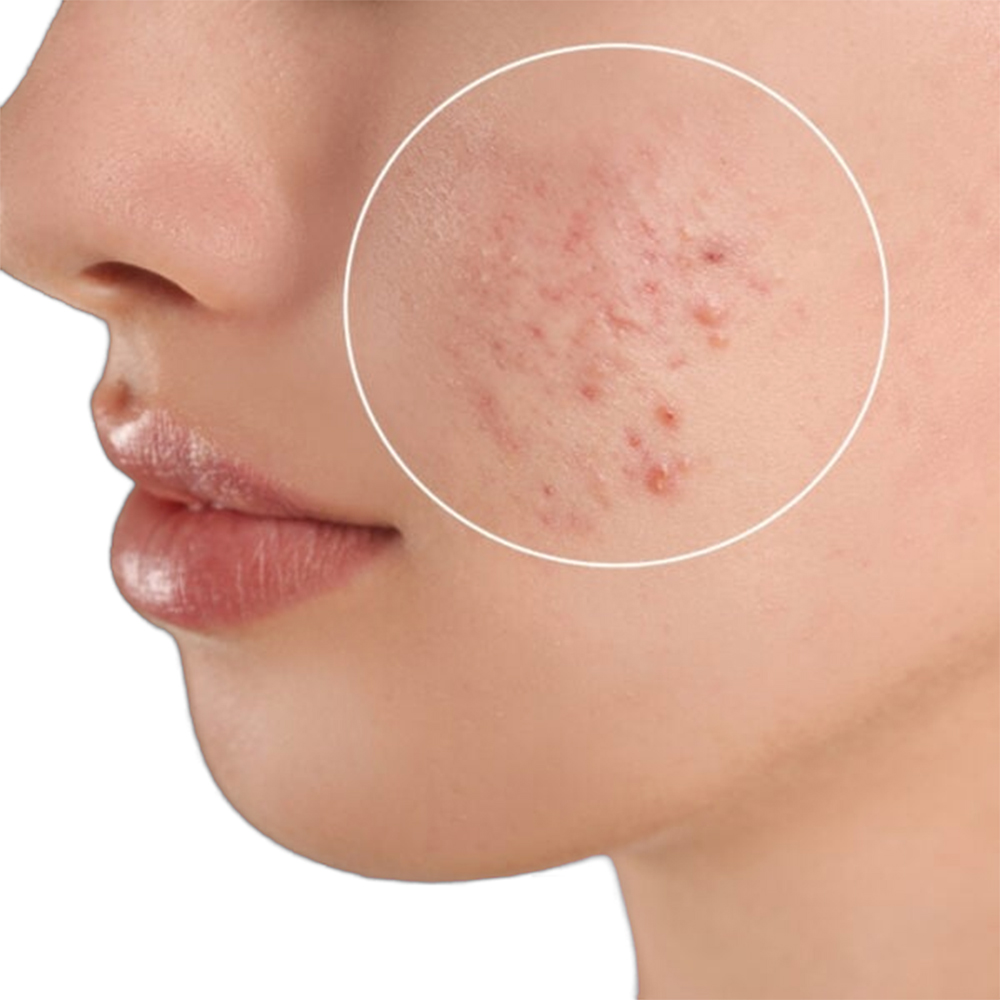
Acne scars form when inflamed acne damages the skin tissue beneath the surface. When the body attempts to heal itself, it sometimes produces too little or too much collagen, leading to uneven skin texture. This imbalance is what creates visible scarring that can last for years if untreated.

The most common type is atrophic scars, which appear as depressions or “pits” in the skin. These include ice-pick, boxcar, and rolling scars. They are typically the result of severe acne that destroys collagen. On the other hand, hypertrophic and keloid scars are raised scars caused by excess collagen production during healing.

Understanding the type of acne scar is essential because each responds differently to treatment. For example, atrophic scars often require resurfacing technologies like fractional lasers or RF microneedling, while raised scars may need controlled energy-based therapies to flatten the tissue.

Without proper classification, treatment results may be inconsistent. That’s why professional evaluation using advanced skin imaging tools is often the first step in a successful acne scar treatment plan.

Why Professional Acne Scar Treatment Matters

Many people initially try to treat acne scars using over-the-counter creams, exfoliants, or DIY remedies. While these may slightly improve skin tone, they rarely address deep dermal damage. Professional acne scar treatment becomes necessary when scars are embedded in the skin’s structure.

Beauty machines used in clinics deliver controlled energy to trigger the body’s natural healing response. This process is known as collagen remodeling. It helps rebuild damaged skin from within rather than just masking imperfections on the surface. As a result, improvements are more long-lasting and noticeable.

Another major advantage is customization. Professionals can adjust intensity, depth, and treatment mode based on individual skin conditions. This level of personalization is impossible with at-home products. Additionally, modern machines reduce downtime and improve safety compared to older invasive procedures.

In short, professional treatment bridges the gap between cosmetic improvement and true skin regeneration. It offers patients a scientifically backed path to smoother, clearer skin.

How Beauty Machines Transform Skin Healing

Beauty machines revolutionize acne scar treatment by activating the skin’s self-repair system. Instead of simply covering scars, they stimulate biological regeneration. This is achieved through controlled micro-injuries or thermal energy delivered into the deeper dermal layers.

When the skin detects controlled damage, it immediately begins repairing itself by producing new collagen and elastin fibers. These proteins are essential for smooth, firm, and youthful skin. Over time, the treated areas become more even in texture and tone.

Different machines use different energy sources such as laser, radiofrequency, ultrasound, or mechanical needling. Each has a unique way of stimulating skin repair, but the goal remains the same: rebuild damaged tissue from within.

This transformation process is gradual but highly effective. Unlike quick-fix solutions, machine-based treatments deliver progressive improvement that continues even weeks after each session. This makes them a preferred choice for dermatology clinics and aesthetic centers worldwide.

CO2 Fractional Laser Technology Explained

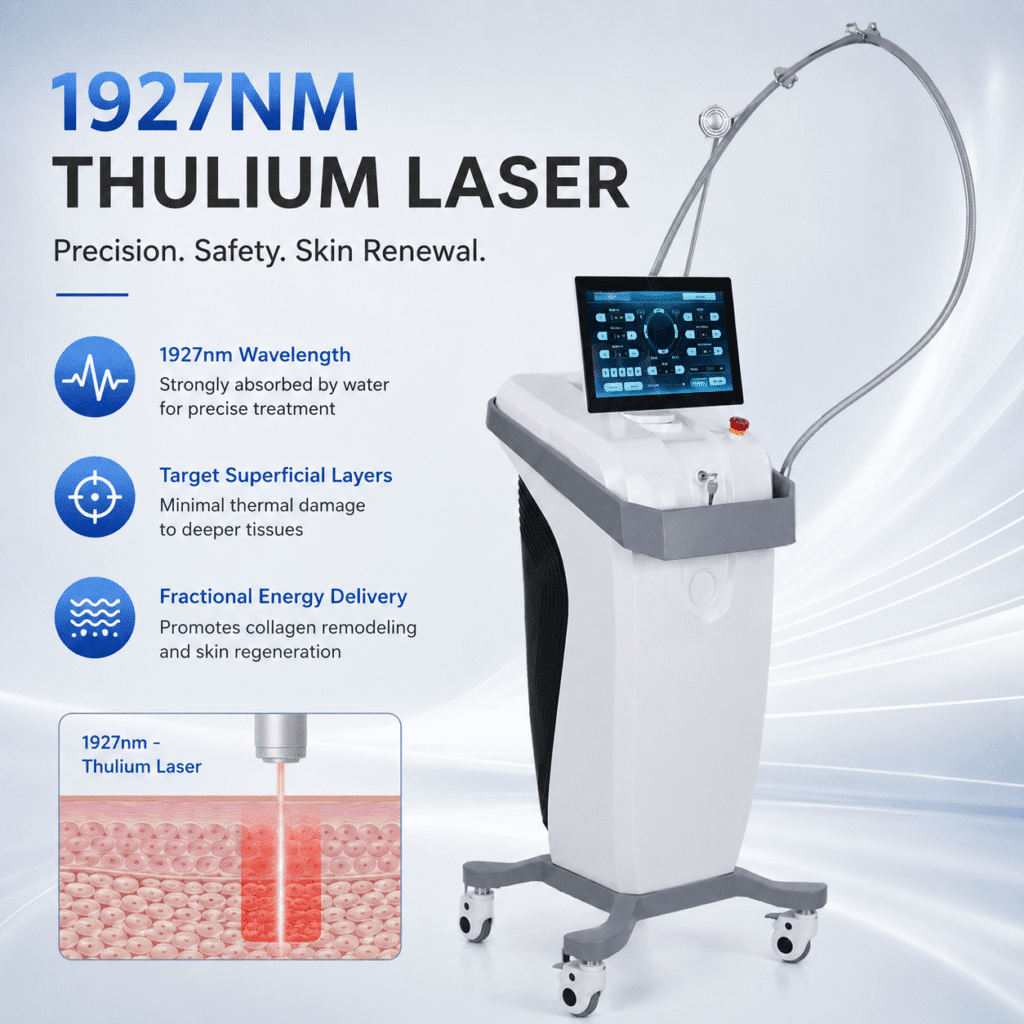
CO2 fractional laser is one of the most powerful tools for treating deep acne scars. It works by delivering tiny beams of laser energy into the skin, creating micro-injuries while leaving surrounding tissue untouched. This fractional approach ensures faster healing and reduced downtime.

The controlled thermal effect vaporizes damaged skin cells and triggers a strong collagen remodeling response. As the skin heals, new tissue forms, gradually smoothing out scar depressions. Over several sessions, patients often see significant improvement in skin texture and clarity.

This technology is particularly effective for deep boxcar and rolling scars. However, it requires professional handling due to its intensity. Proper calibration ensures safety while maximizing results.

CO2 fractional laser remains a gold standard in dermatology because of its ability to resurface skin at a deeper level than most non-invasive treatments.

Microneedling RF for Acne Scars

Microneedling RF combines two powerful techniques: physical micro-injury and radiofrequency energy. Tiny needles penetrate the skin while simultaneously delivering heat into the dermis. This dual action significantly enhances collagen production.

The controlled micro-channels created by the needles allow RF energy to reach deeper layers, making it highly effective for stubborn acne scars. The skin responds by producing new collagen and tightening existing structures.

Collagen Induction Mechanism

The key benefit of RF microneedling lies in its collagen induction process. Once the skin is stimulated, fibroblast cells become active and begin rebuilding connective tissue. Over time, this leads to smoother and firmer skin.

This treatment is especially suitable for patients who want visible results with minimal downtime. It is also safer for darker skin tones compared to some laser treatments.

Hydra Dermabrasion and Skin Rejuvenation

Hydra dermabrasion is a gentle yet effective method for improving superficial acne scars and skin texture. It combines exfoliation, cleansing, and hydration in one procedure. The machine removes dead skin cells while infusing the skin with nourishing serums.

Although it does not penetrate as deeply as lasers or RF, it plays an important supportive role in acne scar treatment. By improving skin surface health, it enhances the effectiveness of deeper treatments.

Regular sessions can help reduce pore size, improve brightness, and maintain overall skin clarity. It is often used as a complementary therapy in combination treatment plans.

HIFU Role in Skin Remodeling

High-Intensity Focused Ultrasound (HIFU) is widely known for skin tightening, but it also contributes to acne scar improvement. It delivers ultrasound energy deep into the skin layers, targeting the SMAS layer and stimulating collagen contraction.

This tightening effect helps lift depressed scars and improve skin firmness. While it is not a primary acne scar treatment, it enhances overall facial contour and skin structure.

HIFU is often used in combination with other technologies to achieve a more comprehensive rejuvenation effect.

Comparison of Acne Scar Treatment Technologies

テクノロジー深さ最適な用途ダウンタイム効果
CO2レーザー深いSevere scars適度非常に高い
RFマイクロニードリングMedium-DeepModerate scars低い高い
ハイドラダーマブレーション表面Mild scarsなし適度
HIFUDeep structural肌の引き締めなしSupportive

Each technology has unique strengths, and clinics often combine them for optimal results.

治療プロセスのステップバイステップ

The acne scar treatment process begins with a skin consultation and analysis. Professionals assess scar type, skin condition, and treatment suitability. Next, a customized treatment plan is created.

Before the procedure, the skin is cleansed and numbed if necessary. The selected machine is then used to deliver controlled energy into targeted areas. After treatment, soothing serums or masks are applied to reduce redness and support healing.

Patients are usually advised to avoid sun exposure and follow a proper skincare routine for best results. Multiple sessions are often required depending on scar severity.

安全性と副作用

Modern acne scar treatment machines are designed with advanced safety features. However, mild side effects such as redness, swelling, or temporary sensitivity may occur. These effects usually subside within a few days.

Proper calibration and professional handling significantly reduce risks. It is important that treatments are performed by trained practitioners to avoid complications.

Who Is the Ideal Candidate

Ideal candidates are individuals with acne scars who are in good overall health. People with atrophic scars benefit most from machine-based treatments. However, those with active acne or certain skin conditions may need preliminary treatment first.

A professional consultation is essential to determine suitability.

Post Treatment Care and Recovery

After treatment, the skin needs time to heal. Patients should avoid direct sunlight and use sunscreen regularly. Hydration and gentle skincare products are recommended.

Avoiding harsh exfoliants or active ingredients helps speed up recovery and ensures better results.

期待される結果とタイムライン

Results vary depending on the severity of scars and type of treatment used. Most patients notice improvement after 2–3 sessions, with optimal results appearing after several weeks.

Collagen production continues over time, meaning results improve gradually even after treatment ends.

Combining Treatments for Best Results

Many clinics combine CO2 laser, RF microneedling, and Hydra dermabrasion for a layered approach. This combination targets different skin depths, ensuring more complete rejuvenation.

Why Choose SHEFMON Acne Scar Treatment Machines

SHEFMON offers advanced aesthetic devices designed for professional clinics. Their machines combine precision, safety, and performance, making them ideal for acne scar treatment.

With OEM/ODM customization, clinics can also tailor devices to their brand needs, improving business competitiveness.

OEM/ODM Opportunities for Clinics

Clinics and distributors can benefit from custom branding, system configuration, and functional upgrades. This allows businesses to create unique service offerings in a competitive market.

Cost Effectiveness and ROI for Clinics

Investing in acne scar treatment machines provides strong ROI due to high demand. Patients often require multiple sessions, ensuring consistent revenue streams.

よくある質問

1. How many sessions are needed for acne scars?
Most patients need 3–6 sessions depending on severity.

2. Is acne scar treatment painful?
Mild discomfort may occur, but numbing cream reduces pain.

3. 結果は永続的ですか?
Yes, collagen remodeling creates long-lasting improvement.

4.すべての肌タイプに対応できますか?
Most skin types can be treated with proper machine selection.

5. What is the downtime?
It varies from none to a few days depending on technology used.

結論

ニキビ跡の治療 has evolved significantly with the rise of advanced beauty machines. From CO2 lasers to RF microneedling, modern technologies offer effective, science-backed solutions for skin regeneration. These treatments not only improve appearance but also restore confidence by rebuilding healthy skin from within.

人気商品