









最適化されたソリューション、専門的なバルブの知識、業界ニュースを共有する

ご希望の用語やキーワードを入力すると、検索結果に関連記事が表示されます。お探しの回答が見つからない場合は、お気軽にお問い合わせください。喜んでお手伝いいたします。または、beauty@shefmon.comまで直接メールでお問い合わせください。

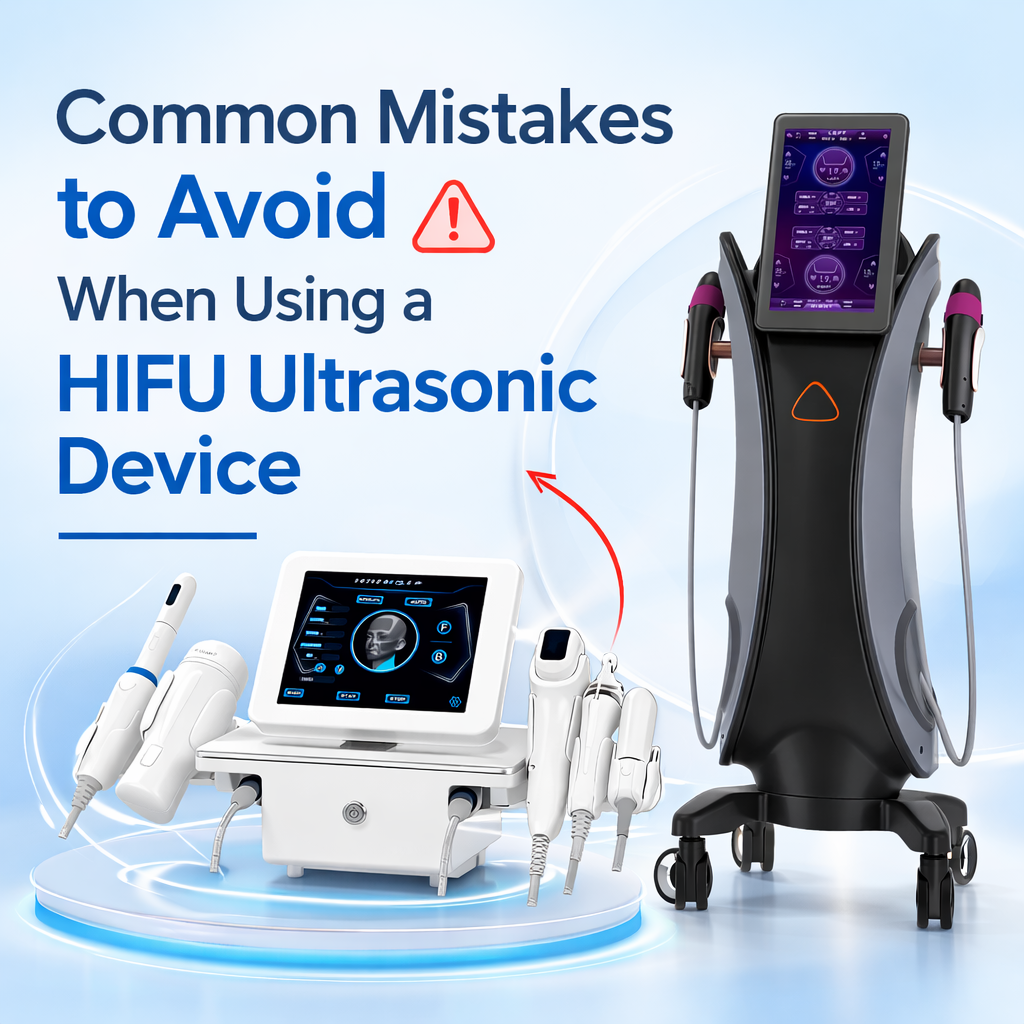
HIFU超音波装置の使用時に避けるべきよくある間違い

高強度焦点式超音波(HIFU) has become one of the most popular non-invasive technologies in aesthetic medicine. It is widely used for skin tightening, lifting, and anti-aging treatments because it delivers focused ultrasound energy deep into the skin layers without damaging the surface. While HIFU devices are highly effective, improper use can reduce treatment results or even cause unwanted side effects. Understanding the most common mistakes when using a HIFU ultrasonic device can help practitioners deliver safer treatments and achieve better outcomes for their clients.

1. Not Understanding How HIFU Technology Works

1.1 Lack of Knowledge About Skin Layers

One of the biggest mistakes beginners make is using a HIFU device without fully understanding how the technology works. HIFU targets specific skin layers, including the dermis and the SMAS (Superficial Muscular Aponeurotic System), which is the same layer targeted in surgical facelifts.

When ultrasound energy is delivered precisely, it creates controlled thermal coagulation points that stimulate collagen regeneration and tissue tightening. However, if the operator does not understand the correct depth of treatment, the energy may be delivered to the wrong layer, reducing effectiveness.

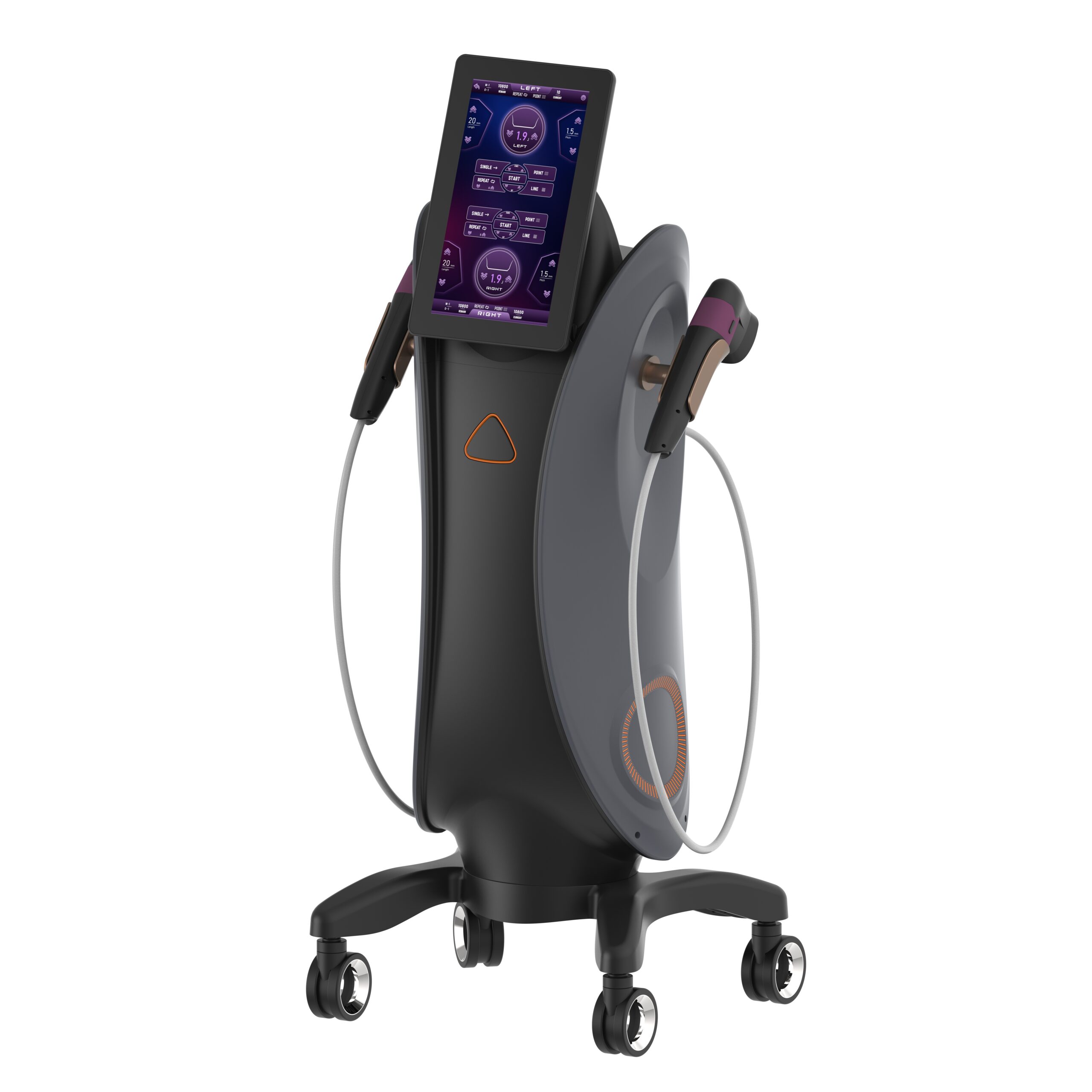
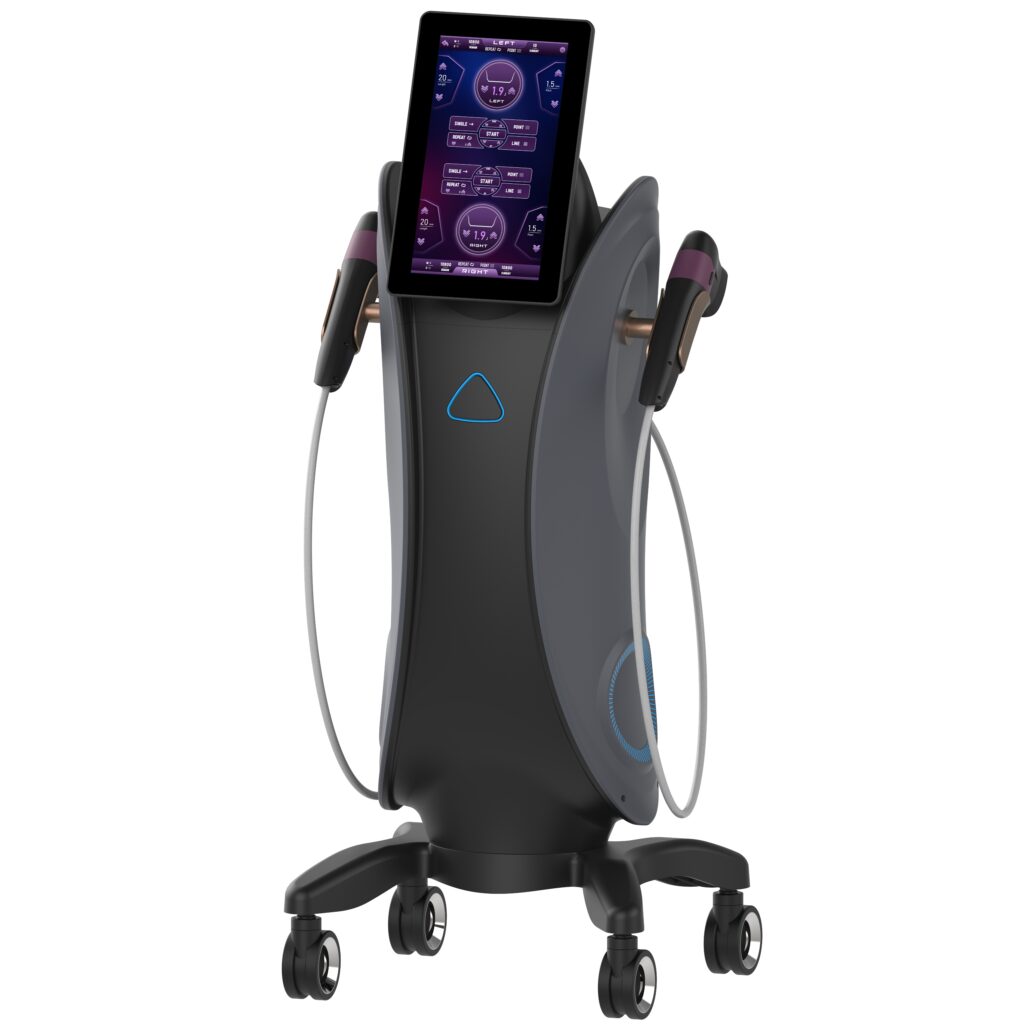
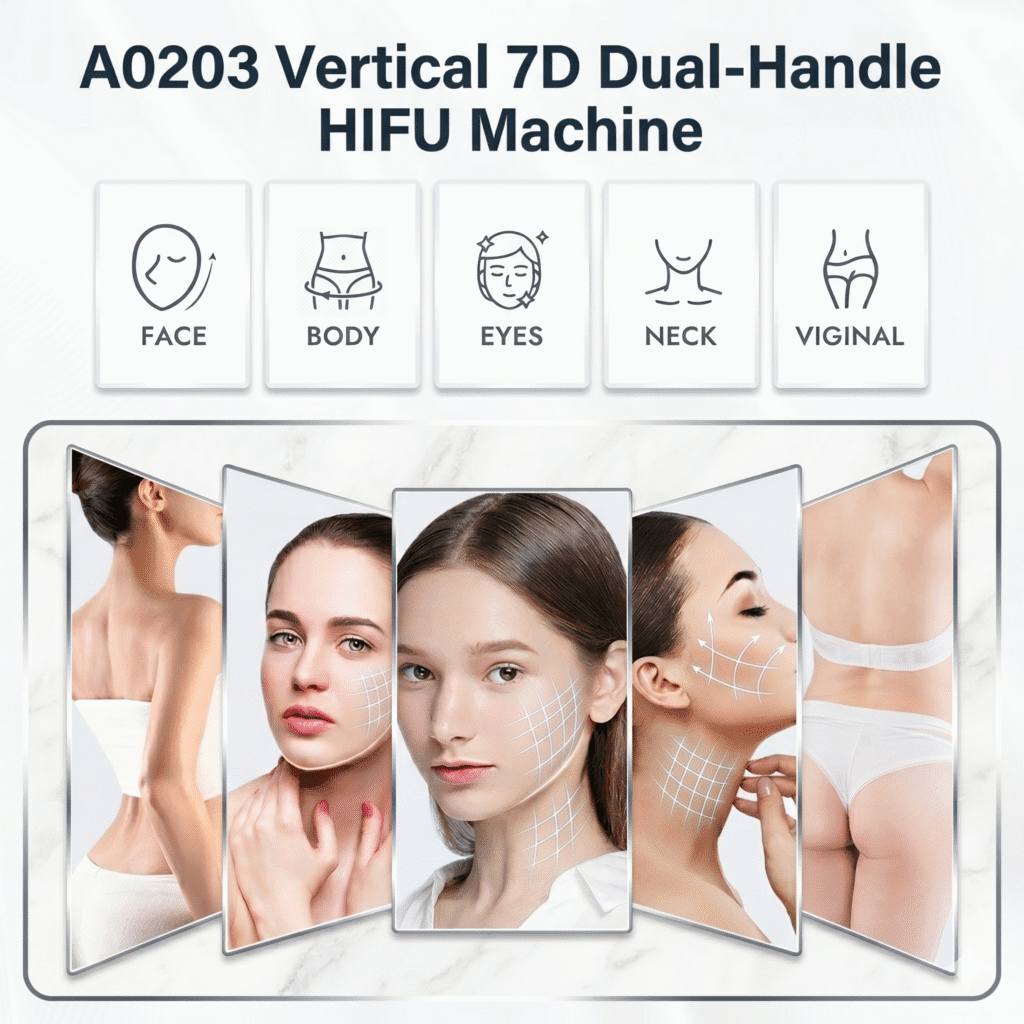
Professional equipment such as the advanced system available here can help practitioners work with precise treatment depths:
https://shefmon.com/product/a0203-vertical-7d-dual-handle-hifu-machine/

1.2 Incorrect Cartridge Selection

HIFU devices typically use cartridges designed for different treatment depths, such as:

• 1.5 mm for superficial skin tightening
• 3.0 mm for dermal collagen stimulation
• 4.5 mm for SMAS lifting

Using the wrong cartridge for the treatment area is a common mistake that can significantly affect results.

HIFU超音波を使用する際のよくある間違い - shefmon

2. Using Incorrect Energy Settings

2.1 Energy That Is Too Low

Some practitioners reduce energy levels excessively to avoid discomfort for clients. While patient comfort is important, energy that is too low may fail to create sufficient thermal stimulation to trigger collagen remodeling.

As a result, the treatment may produce minimal visible improvement.

2.2 Energy That Is Too High

On the other hand, excessively high energy settings can increase the risk of complications such as:

• Skin burns
• Pain or discomfort
• Swelling or redness

The best practice is to start with recommended parameters and adjust gradually based on the client’s skin condition and tolerance.

3. Skipping Proper Skin Assessment

3.1 Ignoring Individual Skin Conditions

Not every client is an ideal candidate for HIFU treatment. One of the most common mistakes is performing the procedure without evaluating the patient’s skin condition and medical history.

Important factors to consider include:

• Skin thickness
• Level of skin laxity
• Age and collagen density
• Previous aesthetic treatments

Proper consultation helps determine whether HIFU is suitable for the patient.

3.2 Treating Contraindicated Areas

Certain situations require avoiding HIFU treatment, including:

• 開いた傷や感染症
• Severe acne or inflammation
• Implanted medical devices in the treatment area
• 妊娠

Ignoring these contraindications can lead to safety risks.

4. Poor Treatment Technique

4.1 Incorrect Handpiece Movement

Another common mistake is moving the handpiece too quickly or irregularly across the skin. HIFU requires precise placement of ultrasound lines to ensure even energy distribution.

Poor technique may lead to:

• Uneven results
• Patchy skin tightening
• Reduced treatment efficiency

Practitioners should follow systematic treatment patterns and maintain consistent spacing between energy lines.

4.2 Not Applying Enough Ultrasound Gel

Ultrasound gel is essential for transmitting energy effectively from the handpiece into the skin. Insufficient gel can cause poor energy conduction and increase discomfort during treatment.

Always apply an adequate layer of gel before performing the procedure.

HIFU超音波を使用する際のよくある間違い - shefmon

5. Expecting Immediate Results

5.1 Misunderstanding the Collagen Regeneration Process

Many practitioners and clients expect immediate lifting results after a HIFU treatment. While some tightening may be visible right away, the most significant improvements appear gradually.

HIFU works by stimulating the body’s natural collagen production process, which typically takes several weeks to develop.

Most clients notice:

• Initial improvement within 2–4 weeks
• Continued tightening over 2–3 months
• Maximum results around 3–6 months

Understanding this timeline helps manage client expectations.

5.2 Performing Treatments Too Frequently

Because collagen remodeling takes time, repeating HIFU treatments too frequently is unnecessary and may irritate the skin.

Most professionals recommend spacing treatments several months apart depending on the client’s condition.

6. Using Low-Quality Equipment

6.1 Choosing Devices Without Stable Energy Output

Not all HIFU machines provide consistent performance. Low-quality devices may produce unstable energy levels, leading to inconsistent treatment outcomes.

Reliable equipment with advanced technology ensures:

• Accurate energy delivery
• Multiple treatment depths
• Better safety control

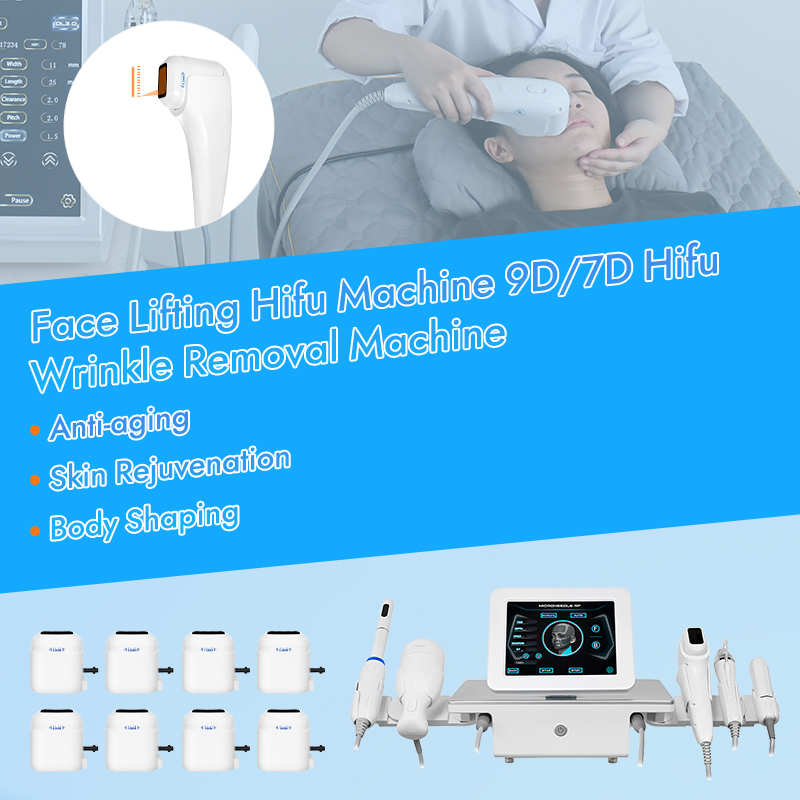
A multi-functional professional system such as the following example offers several treatment modes for different aesthetic needs:
https://shefmon.com/product/a0204-9d-7d-focused-hifu-machine-5-in-1/

6.2 Lack of Professional Training

Even the most advanced equipment cannot guarantee results if the operator lacks proper training. Many mistakes occur because practitioners try to learn the device through trial and error rather than professional instruction.

Training should cover:

• Skin anatomy
• Treatment protocols
• Device parameters
• Safety guidelines

HIFU超音波を使用する際のよくある間違い - shefmon

7. Neglecting Post-Treatment Care

7.1 Not Advising Proper Aftercare

Aftercare plays an important role in maximizing HIFU treatment results. Without proper guidance, clients may unknowingly reduce the effectiveness of the treatment.

Recommended post-treatment care includes:

• Staying hydrated
• Avoiding excessive heat exposure
• Using gentle skincare products
• Applying sunscreen regularly

7.2 Ignoring Follow-Up Evaluations

Follow-up consultations allow practitioners to evaluate treatment progress and determine whether additional sessions are needed.

Regular monitoring helps ensure the best possible outcome.

結論

HIFU ultrasonic devices offer powerful non-invasive skin lifting and tightening solutions when used correctly. However, mistakes such as improper energy settings, incorrect cartridge selection, poor technique, and lack of patient assessment can significantly reduce treatment effectiveness.

By understanding these common errors and following proper treatment protocols, practitioners can improve safety, enhance client satisfaction, and achieve more consistent results. Investing in high-quality HIFU equipment and proper professional training is also essential for delivering reliable and effective aesthetic treatments.

人気商品