A beauty device service depends on more than the person who operates the equipment. Reception controls the first booking information, the consultation team converts a client request into an appropriate service pathway, and the treatment team confirms readiness and delivers the authorized procedure. When these roles overlap without clear limits, clients receive inconsistent answers, unsuitable appointments reach the treatment room, and important information disappears between departments.
The solution is a written responsibility system built around decisions and handoffs. Each team should know what it may explain, what it must record, what it may approve, what it must never promise, and when another role must take over. This guide shows salons, skin clinics, med spas, body studios, and multi-room aesthetic centers how to assign those duties across common SHEFMON facial, body-care, RF-microneedling, and laser services.
Sintesi
- Reception should explain booking logistics and approved service categories without diagnosing concerns, selecting technical settings, or promising results.
- Consultation staff should gather relevant information, explain the approved pathway, identify when professional review is needed, and document the agreed plan.
- Authorized treatment staff should verify the client, device, configuration, room, records, and treatment readiness before operating equipment.
- A qualified service or clinical lead should define professional boundaries, approve protocols, control authorizations, and decide how exceptions are handled.
- Every handoff should contain a minimum information set, a named next owner, and a visible status.
- Booking codes should connect the service, device category, room, duration, operator requirement, consumables, and any consultation prerequisite.
- Advanced services such as RF microneedling or laser require tighter eligibility, room, consent, documentation, and escalation controls than routine facial services.
- Staff should use approved wording and evidence instead of giving guarantees, improvising technical advice, or interpreting conditions outside their role.
- A device or service must be placed on hold when required staff, components, records, room controls, or support conditions are unavailable.
- Managers should review booking corrections, failed handoffs, treatment delays, incomplete records, incidents, rebook rates, and device holds to improve the system.
1. Assign Decisions, Not Just Job Titles
Job titles vary between businesses and markets. A “consultant” in one clinic may be a commercial coordinator; in another, the title may belong to a regulated professional. Responsibility should therefore attach to a defined task and verified authorization rather than to the title alone.
For every step, answer five questions:
- Who may provide approved general information?
- Who records the information and where?
- Who decides whether the pathway can continue?
- Who may perform the device-related task?
- Who receives an exception or unresolved concern?
This approach prevents a broad job description from becoming assumed permission to assess, recommend, consent, operate, change settings, or clear a client.
2. Use a Core Responsibility Matrix
| Workflow decision | Reception | Consultation team | Authorized treatment team | Service or clinical lead |
|---|---|---|---|---|
| Explain available appointment types | Responsible within approved scripts | Supports complex enquiries | Confirms operational detail when needed | Approves service definitions and wording |
| Collect basic booking information | Responsible | Reviews and expands | Verifies before treatment | Defines required fields |
| Assess the client for a professional treatment pathway | Routes only | Performs only within verified scope | Performs or verifies within verified scope | Defines eligibility and review rules |
| Select a device category or service plan | Does not decide | Recommends only within authorization | Confirms practical suitability | Approves protocols and boundaries |
| Confirm operator, room, and device availability | Books from system rules | Checks pathway needs | Confirms treatment readiness | Resolves capacity or authorization gaps |
| Obtain and verify required consent | Sends approved preparation information | Explains and records within scope | Completes final treatment-stage verification | Approves forms and professional process |
| Operate the device | NO | Only if separately trained and authorized | Responsible | Controls authorization standards |
| Choose or change technical settings | NO | No unless separately authorized for that exact task | Only within approved protocol and authorization | Approves setting governance and exceptions |
| Record treatment delivery | NO | Records consultation outputs | Responsible for treatment record | Audits completeness and quality |
| Respond to adverse signs or incidents | Stops booking advice and escalates | Stops pathway and escalates | Stops treatment, follows procedure, and escalates | Directs professional response and review |
| Release a held device or service | NO | NO | Provides operational evidence | Approved release owner decides |
Use “responsible” only when the role performs the task. Use “approves” for the role that has authority to accept the outcome. Avoid assigning the same final decision to several teams.
3. Define the Reception Team’s Scope
Reception is the entry point to the service, not a substitute consultation. Its job is to create an accurate appointment and route the client to the right decision-maker.
Reception should be able to:
- describe approved service categories in plain language;
- distinguish a consultation, patch-test appointment where applicable, treatment appointment, review, and maintenance visit;
- collect the client’s name, contact details, requested concern or goal, preferred area, timing, and existing-client status;
- identify required pre-booking steps from the scheduling rules;
- book only an eligible service code, room, device resource, and authorized operator combination;
- send approved preparation and arrival information;
- flag information that requires consultation or professional review;
- record the source and status of a referral or enquiry;
- protect private information and use the approved communication channel;
- transfer questions it is not authorized to answer.
Reception should not diagnose a condition, declare a client suitable, interpret a complex medical history, recommend technical settings, override a blocked booking, or guarantee a result. A useful response is: “That decision is made during the appropriate consultation; I can book the correct next step and record your question.”
4. Define the Consultation Team’s Scope
The consultation team turns a broad goal into an approved pathway. The exact professional scope depends on the service, the person’s credentials, local rules, business policy, and the approved protocol.
Consultation responsibilities can include:
- confirming the client’s stated goal and treatment area;
- collecting the required history and current-service information;
- checking which questions require review by an appropriately qualified person;
- explaining realistic service options, sequence, preparation, aftercare, and follow-up within approved materials;
- separating maintenance services from advanced device pathways;
- documenting suitability decisions and unresolved items;
- explaining alternatives without creating unsupported comparisons;
- confirming which device category and named service are proposed;
- recording the agreed next step, responsible person, and validity period;
- refusing to progress when required information or authorization is missing.
The consultation record should produce a clear operational output. “Interested in skin treatment” is not enough. The next team needs the approved service name, intended area, relevant restrictions, required preparation, prerequisites, and whether another review remains open.
5. Define the Treatment Team’s Scope
The treatment team owns treatment-room readiness and device operation, but only for services, devices, configurations, and tasks included in each person’s current authorization.
Before treatment, the operator should verify:
- the correct client and appointment;
- the approved service and treatment area;
- required consultation, review, consent, and preparation records;
- no new information that changes the pathway;
- the correct device, handle, applicator, tip, cartridge, or other required component;
- device status and daily checks;
- room readiness and protective resources;
- consumables and single-use items;
- approved protocol access;
- their own authorization for the exact service and site.
During and after the appointment, the treatment team records what was actually delivered, completes cleaning and stock actions, provides approved aftercare information, schedules or requests the correct follow-up, and escalates unexpected events. It must not rely on a sales note or a previous appointment as proof that today’s treatment is automatically ready.
6. Give the Service Lead Clear Approval Duties
A manager may coordinate the workflow, but commercial seniority alone does not create professional authority. The business should name the person or group that can approve each controlled area.
The service or clinical lead should define:
- service names and boundaries;
- professional eligibility and supervision requirements;
- consultation and treatment decision points;
- required forms and record fields;
- operator authorization criteria;
- approved protocols and controlled changes;
- room and protective conditions;
- incident and emergency processes;
- device-hold and return-to-service authority;
- audit frequency and corrective actions.
If several people approve different parts, document the split. For example, an operations lead may confirm room availability while an appropriate professional confirms the treatment pathway and an equipment lead confirms device status.
7. Build a Minimum Handoff Dataset
Every handoff should transfer enough information for the next role to act without guessing.
| Handoff | Minimum information | Receiving role’s confirmation |
|---|---|---|
| Reception to consultation | Client identity, contact permission, stated goal, area, source, appointment type, prior-client status, questions, relevant booking flags | Correct consultation route and required reviewer |
| Consultation to reception | Approved next step, service code, timing window, room or operator conditions, prerequisite, preparation message, unresolved items | Correct resource bundle and client message |
| Consultation to treatment | Approved service, area, relevant decision record, consent status, restrictions, required components, planned follow-up | Treatment readiness or return for clarification |
| Treatment to reception | Completed or deferred status, approved rebook instruction, follow-up type and timing, resource needs | Accurate next appointment without interpreting clinical detail |
| Treatment to service lead | Device issue, client event, deviation, missing resource, evidence, immediate action, affected bookings | Named owner, hold decision, response, and closure route |
Do not pass sensitive details in an open chat channel or a free-text diary when the approved record system provides controlled fields.
8. Use Visible Workflow Statuses
Teams need a shared status vocabulary. Recommended statuses include:
- Enquiry Received;
- Consultation Required;
- Review Required;
- Information Incomplete;
- Approved for Named Service;
- Preparation Pending;
- Ready to Book;
- Booked;
- Treatment Ready;
- Completed;
- Follow-Up Due;
- Deferred;
- Client Hold;
- Device Hold;
- Closed.
Each status should have an owner, entry condition, exit condition, and permitted next action. A free-text note saying “okay to proceed” is weaker than a controlled status linked to the approved service and reviewer.
9. Connect Booking Codes to Real Resources
A bookable beauty device service should connect several resources in the scheduling system:
- approved service name;
- appointment type and duration;
- device category or named unit;
- required handle, applicator, cartridge, tip, or module where relevant;
- suitable room;
- operator authorization level;
- consultation or other prerequisite;
- preparation message;
- turnover time;
- essential consumables;
- follow-up type.
Reception should select the code. It should not reconstruct the service from memory. If the system allows an appointment with no qualified operator or suitable room, the booking design needs correction.
10. Control Client-Facing Language
Create an approved language library for reception, consultation, and treatment teams. Each version should match the role.
Reception language covers logistics: what the appointment is called, what to bring, how long to allow, and which next step is required. Consultation language covers the approved decision process, reasonable expectations, alternatives, preparation, and follow-up. Treatment language confirms the planned service, explains the immediate process within scope, and gives approved aftercare.
Remove language that:
- guarantees outcomes;
- describes a client as suitable before the proper review;
- turns a product feature into a certain client result;
- encourages staff to minimize risks or exclusions;
- suggests that one setting or schedule fits everyone;
- permits reception to interpret professional information;
- permits an operator to improvise outside the approved protocol.
11. Design the Pre-Appointment Workflow
Before the client arrives:
- Reception selects the correct enquiry or consultation route.
- The client receives the approved information and forms appropriate to that stage.
- Consultation staff review the required information within their scope.
- Any unresolved point moves to the named reviewer.
- The approved service and prerequisites are recorded.
- Reception books the linked operator, room, device, and time.
- The treatment team can see the readiness status before the day begins.
A deadline should exist for unresolved items. Do not leave the treatment operator to discover at the appointment that the service was never approved or the necessary component is unavailable.
12. Define the Arrival and Check-In Workflow
At check-in, reception confirms identity, appointment type, required forms, and any approved arrival question. New information should be recorded and routed; reception should not decide whether it changes treatment suitability.
The treatment or consultation role then verifies any time-sensitive professional information. If the pathway changes, the status and booking outcome should change with it. The system should show whether the appointment was completed, converted to consultation, deferred, or cancelled for an operational reason.
13. Define Treatment-Room Handoffs
The operator should receive the client only after confirming that the digital or written record matches the appointment. A spoken corridor handoff is not a complete record.
Immediately before operating the device, confirm:
- client and service identity;
- treatment area;
- current readiness status;
- required reviews and consent;
- device and component match;
- room controls;
- consumable availability;
- protocol version;
- operator authorization;
- escalation contacts.
If any required item fails, pause the workflow and choose the documented alternative. Protecting the booking schedule is not a reason to proceed with incomplete information.
14. Define Post-Treatment Responsibilities
The treatment team records the delivered service and approved follow-up plan. Reception then schedules from that instruction.
| Produzione | Treatment team | Reception team |
|---|---|---|
| Completion status | Records completed, modified, deferred, or stopped | Uses status to manage the diary |
| Cartella clinica | Completes controlled technical and client record | Does not edit technical content |
| Post-trattamento | Provides and documents approved guidance | Resends the approved document if requested |
| Seguito | Specifies approved type and timing | Books the defined resource bundle |
| Stock use | Records required items | Does not estimate technical consumption |
| Device concern | Places or requests hold and escalates | Protects future bookings once hold is visible |
| Preoccupazione del cliente | Starts the approved response route | Transfers promptly without offering an independent interpretation |
15. Adjust Boundaries by Device Category
The division of work becomes stricter as the service requires more specialized assessment, controlled consumables, room conditions, or operator authorization.
| esempio di SHEFMON | Reception focus | Consultation focus | Treatment-team focus |
|---|---|---|---|
| A0648 hydrodermabrasion platform | Book the correct facial tier and duration | Match the client goal to the approved facial pathway | Verify the selected function, fluid path, tools, consumables, cleaning, and record |
| B0155 body-care platform | Book the correct area, room, and appointment type | Define the body-service pathway within scope | Confirm the area-specific applicator, room setup, protocol, cleaning, and progress record |
| A0152 RF-microneedling system | Route to the required advanced consultation; do not promise eligibility | Complete or route the appropriate professional assessment | Verify authorization, needle-head selection, single-use stock, infection controls, consent, and technical record |
| A0426 diode-laser system | Book the correct consultation, test, treatment, or review stage | Complete or route assessment under local and business requirements | Verify exact system, room controls, protective resources, operator eligibility, protocol, cooling, and records |
These examples are workflow illustrations. Current product information, the delivered configuration, official instructions, professional requirements, and local rules must govern the actual service.
16. Assign A0648 Facial-Service Responsibilities
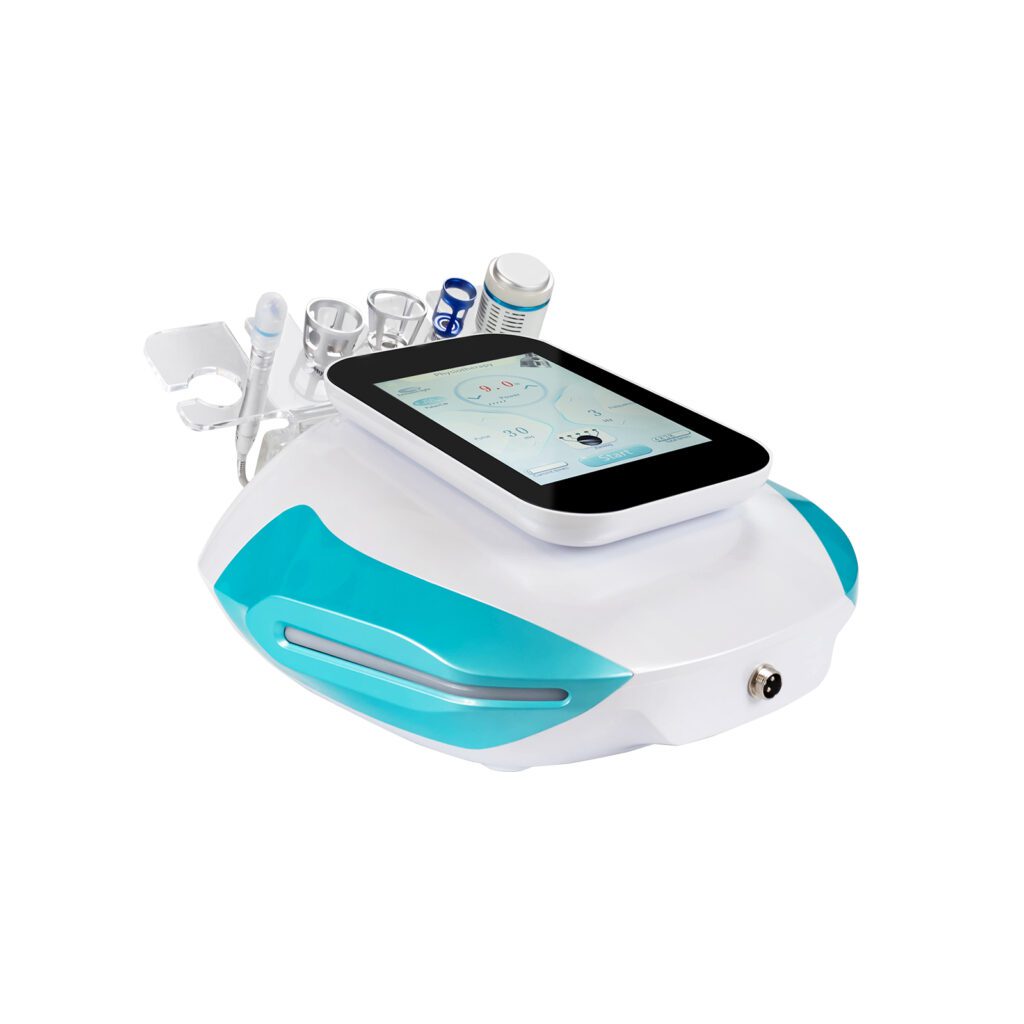
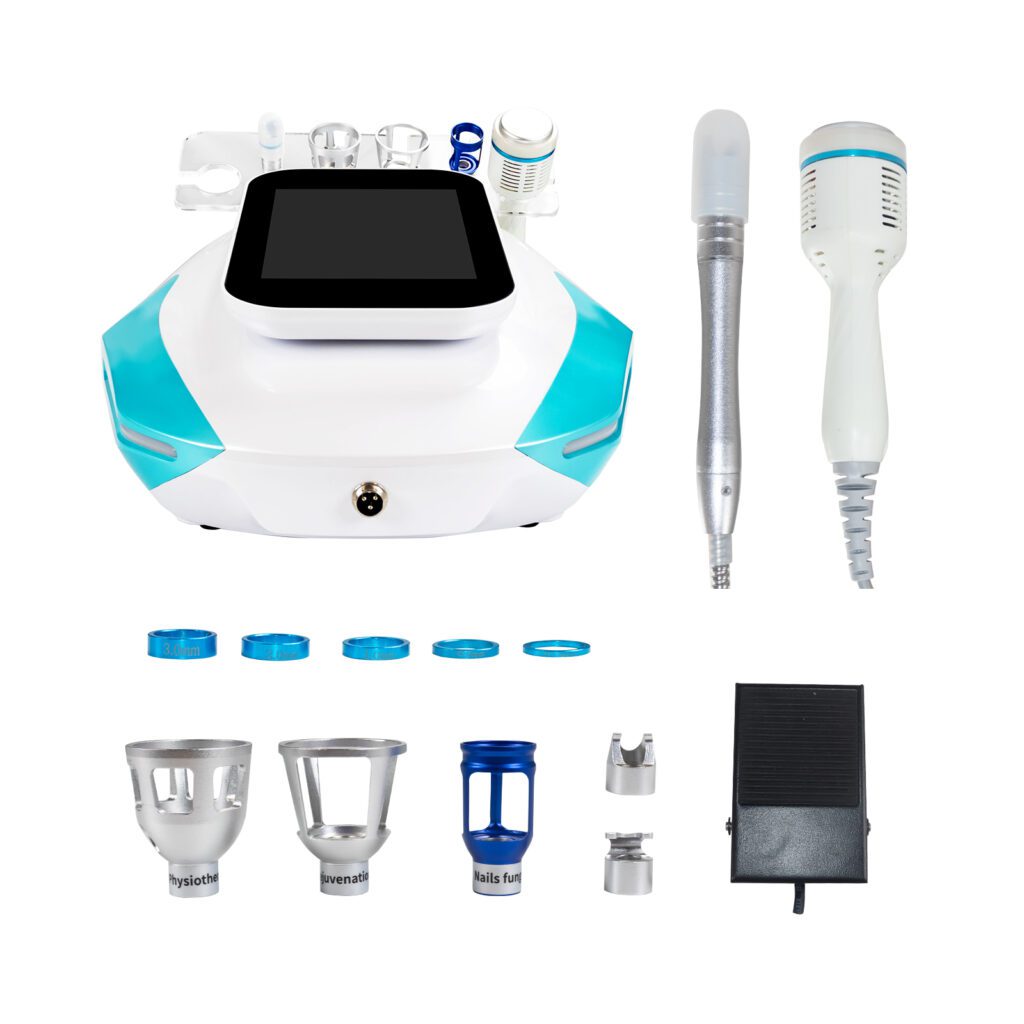
The A0648 page presents a nine-function hydrodermabrasion platform for facial care. A multifunction unit can create several menu items, so every team needs the same function-to-service map.
Reception should choose between consultation, core facial, targeted add-on, maintenance appointment, or review only when those codes have already been approved. Consultation staff should record the intended pathway and any need for further review. The operator should verify the precise tools and fluid setup for the booked service, complete the cleaning process, and document which functions were used.
Do not allow reception to sell “all nine functions” as one undefined appointment. Do not allow different operators to use the same menu name for different undocumented workflows.
17. Assign B0155 Body-Service Responsibilities
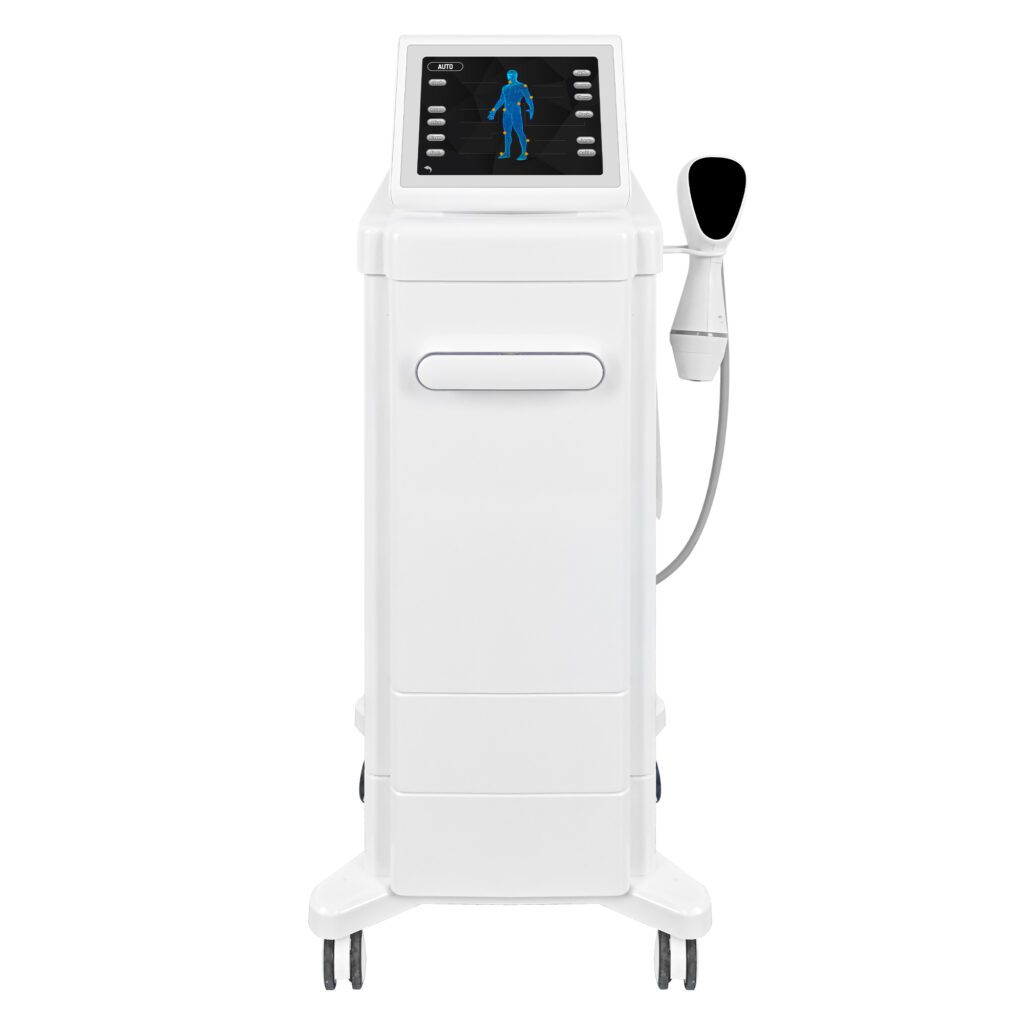
The B0155 product page lists body and smaller-area applicator options. This makes area, applicator, appointment duration, room layout, and operator skill part of the booking logic.
Reception records the requested area and selects the approved body-service code. Consultation staff determine or route the appropriate pathway without making unsupported body-change promises. The treatment team confirms the applicator assigned to that service, the condition of the handle and cable, room setup, client positioning, approved process, cleaning, and progress documentation.
If a client asks to add an area at the appointment, the operator should follow the defined change process. Available diary time alone does not prove that the extra service, applicator, stock, assessment, or record is ready.
18. Assign A0152 RF-Microneedling Responsibilities
The A0152 page lists different needle-head configurations and working-handle options. Those configuration choices affect acceptance, stock control, consultation planning, operator authorization, and treatment records.
Reception should route the client into the required advanced pathway and avoid deciding suitability. The consultation role must be the appropriately qualified person for the assessment task or transfer the case to that person. The operator verifies the delivered handle configuration, approved needle head, sealed single-use item, infection-control setup, room readiness, consent, treatment record, and disposal process.
The service lead controls which operators may perform which service and how needle-head stock is mapped to the device. A missing or mismatched item should create a hold, not a last-minute substitution.
19. Assign A0426 Laser Hair-Removal Responsibilities
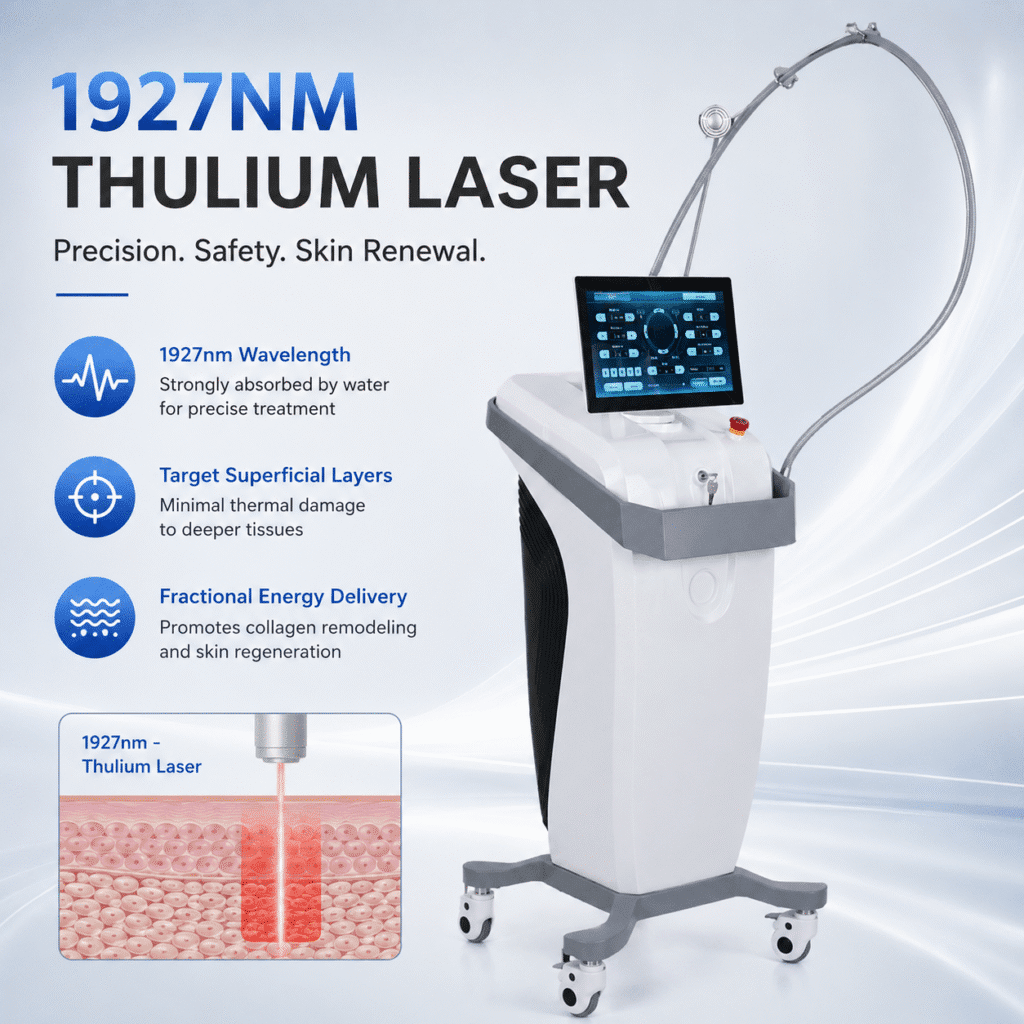
The A0426 page identifies a multi-wavelength diode-laser system. Laser services require the business to define local professional eligibility, room controls, protective resources, assessment, test processes where applicable, operating authorization, records, and incident response before opening bookings.
Reception can distinguish consultation, required test stage, treatment, and review from approved booking rules. It should not interpret skin or hair suitability. The consultation team performs only the decisions allowed by its verified scope. The authorized operator completes the final identity, pathway, area, device, room, eyewear, cooling, protocol, and record checks.
Any new medication, skin change, exposure history, unexpected response, missing protective resource, or device warning should follow the stop-and-escalate procedure.
20. Prevent Responsibility Gaps on Multifunction Devices
Multifunction equipment can fail administratively even when it works technically. One team may think a function is included, another may believe it requires a separate consultation, and a third may lack the consumable or authorization.
Create a function register containing:
- device and installed configuration;
- function or applicator;
- client-facing service name;
- obbligo di consultazione;
- permitted operator level;
- room and resource needs;
- consumables;
- cleaning or turnover task;
- record fields;
- booking code;
- active, restricted, training-only, or unavailable status.
Only active functions should appear in the public menu and reception booking view.
21. Establish Stop-and-Escalate Triggers
All three teams need simple triggers that override commercial pressure.
Escalate when:
- the client provides new information outside the role’s decision scope;
- required information, consent, consultation, or review is incomplete;
- the requested service differs from the approved plan;
- the operator, room, or device resource is not eligible;
- a required handle, applicator, cartridge, tip, consumable, or protective item is missing;
- the device shows an alert, fault, damage, or unexplained change;
- an unexpected client response occurs;
- staff disagree about whether the pathway can continue;
- a record cannot be completed accurately;
- the approved protocol does not cover the situation.
The escalation route should state whom to contact, how quickly, what evidence to preserve, what to tell the client, and whether future bookings must be protected.
22. Control Device and Service Holds
A hold must be visible beyond the treatment room. Otherwise, reception may continue booking a service that operators know is unavailable.
Use separate hold reasons such as:
- device fault;
- accessory or component unavailable;
- consumable unavailable;
- room unavailable;
- qualified operator unavailable;
- professional review required;
- document or protocol under review;
- incident investigation;
- planned maintenance.
Name the person who can place a hold, the person who can release it, the evidence required for release, and who manages affected clients. Reception may manage communication and rebooking, but it should not release a technical or professional hold.
23. Assign Opening, Closing, and Daily Checks
The treatment team usually performs device-specific opening and closing checks. Reception needs visibility of readiness but should not mark technical checks complete on another role’s behalf.
Daily responsibilities may include:
- opening device-status check;
- room and protective-resource check;
- accessory and consumable count;
- cleaning status;
- first-appointment readiness;
- between-client turnover;
- end-of-day cleaning and storage;
- fault and usage recording;
- next-day capacity update.
If operations staff support room turnover or inventory, define the exact task and verification method. Shared work still needs a final accountable owner.
24. Train Each Team for Its Own Decisions
Reception training should cover service categories, booking codes, approved scripts, privacy, flags, holds, and escalation. Consultation training should cover approved assessment workflows, documentation, scope boundaries, service pathways, expectations, and referrals. Treatment-team training should cover the exact device configuration, room setup, protocols, component selection, operation, cleaning, records, fault response, and client escalation.
Attendance does not prove authorization. Assess the actual decisions and tasks each person will perform. Keep authorization specific to the service, device or configuration, role, site, and review date.
25. Audit the Handoffs, Not Only the Operators
An operator audit cannot reveal every failure created earlier in the journey. Review samples from enquiry through follow-up.
Useful measures include:
- percentage of bookings using the correct service code;
- consultations returned for missing information;
- appointments changed on arrival;
- delays caused by room, operator, device, or stock mismatch;
- records completed on time;
- follow-ups booked from a documented instruction;
- holds applied and released correctly;
- incidents or complaints involving unclear promises;
- repeated questions that indicate weak scripts;
- cancellations linked to avoidable handoff errors.
Use the findings to improve system rules, forms, scripts, training, and resource planning rather than relying only on reminders.
26. Standardize Responsibilities Across Locations
Multi-location groups need a central service definition with local readiness records. The same service name should not hide different devices, components, operator permissions, or room conditions.
Maintain centrally:
- service definitions and approved wording;
- role boundaries;
- minimum consultation and treatment records;
- booking-code structure;
- authorization criteria;
- escalation and hold categories;
- audit measures.
Maintain locally:
- installed unit and configuration;
- room status;
- named authorized staff;
- current stock;
- local requirements and approvals;
- support contacts;
- current holds and capacity.
A person authorized at one site should not be assumed authorized everywhere without checking the defined scope.
27. Include the Distributor in the Information Handoff
Distributors can help the buyer create accurate device, component, document, training, and support records. The receiving business remains responsible for its staffing, professional decisions, client workflow, local requirements, and service release.
Before launch, ask the distributor or SHEFMON contact to confirm:
- exact model and ordered configuration;
- included and optional handles or applicators;
- compatible consumables and replacement items;
- document and training scope;
- setup or acceptance responsibilities;
- support-case information requirements;
- maintenance guidance available for the delivered unit.
Keep those facts in the equipment record so reception, consultation, and treatment teams do not rely on different catalog versions.
28. Use a 30-Day Implementation Plan
Week 1: Map the current journey
- List every enquiry, consultation, booking, treatment, follow-up, complaint, and technical handoff.
- Identify where staff currently make undocumented decisions.
- Record every service code and device resource.
Week 2: Define responsibilities
- Approve the responsibility matrix.
- Define status names, required fields, and escalation owners.
- Separate reception, consultation, treatment, management, and technical decisions.
Week 3: Configure and train
- Update booking rules, scripts, forms, resource links, and hold controls.
- Train each team on its own workflow and handoffs.
- Test common cases and exceptions.
Week 4: Pilot and review
- Run selected services through the complete process.
- Audit records and handoffs daily.
- Correct gaps before expanding appointment volume.
29. Common Responsibility-Assignment Errors
Avoid these patterns:
- asking reception to decide suitability so the diary fills faster;
- allowing consultants to recommend services outside their verified scope;
- assuming every trained operator may use every device function;
- giving several teams the power to override a hold;
- recording important decisions only in chat messages;
- using one generic booking code for multiple device workflows;
- asking treatment staff to repair all errors at the appointment;
- letting reception rebook without a documented follow-up instruction;
- treating a completed form as proof that the information was reviewed;
- keeping technical status invisible to booking staff;
- measuring sales conversion while ignoring failed handoffs and corrections.
30. Responsibility Assignment Checklist
Before releasing a beauty device service, confirm:
- ☐ every workflow decision has one responsible role;
- ☐ every controlled approval has a named authorized owner;
- ☐ reception scripts and booking limits are documented;
- ☐ consultation scope and referral triggers are documented;
- ☐ treatment authorization is specific to the service and device;
- ☐ the minimum handoff dataset is built into the record system;
- ☐ statuses have owners and permitted next actions;
- ☐ booking codes link the room, device, operator, duration, and prerequisites;
- ☐ component and consumable needs are visible;
- ☐ stop-and-escalate triggers are available to all teams;
- ☐ service and device holds block affected bookings;
- ☐ only an authorized role can release a hold;
- ☐ aftercare and follow-up instructions use approved content;
- ☐ multi-location differences are visible;
- ☐ handoffs are included in audits;
- ☐ the complete client journey has been tested.
Domande frequenti
1. Should reception recommend a beauty device treatment?
Reception can explain approved service categories and book the correct next step. The recommendation or suitability decision should belong to the role authorized for that decision under the business process and local requirements.
2. Can a consultant also operate the device?
Yes, but only when that person has separate, current authorization for the exact device, configuration, service, task, and site. The consultant title itself does not provide operating permission.
3. Who has final responsibility for checking treatment readiness?
The authorized treatment role should perform the final treatment-stage check. Earlier approvals remain important, but the operator should not proceed when today’s client, device, component, room, record, or authorization is not ready.
4. What information should reception collect before a consultation?
Collect the approved minimum booking information: identity, contact permission, stated goal, area, existing-client status, appointment type, and any routing questions. Reception should record professional information without interpreting it.
5. Who should choose device settings?
Only a person authorized for that technical decision should select or change settings, using the current approved protocol and official instructions. Reception and commercially focused consultation staff should not advise on settings.
6. How should a team handle a last-minute service change?
Recheck the consultation or approval status, operator authorization, device and component availability, room, time, consumables, consent, and record requirements. If the alternative service has not passed those checks, schedule the correct next step instead.
7. Who contacts clients when a device is placed on hold?
Reception or another client-service owner can manage communication and rebooking from an approved message. The technical or professional release decision remains with the named authorized owner.
8. Should reception see treatment records?
Reception should access only the information needed for its role, such as booking status and approved follow-up instruction. Access to detailed professional or technical records should follow privacy, employment, and business access rules.
9. How often should the responsibility matrix be reviewed?
Review it whenever a device, configuration, service, protocol, booking system, role, site, or relevant requirement changes. Also review it after incidents, repeated booking corrections, staff turnover, or audit findings.
10. Can the same workflow be used for facial, body, RF-microneedling, and laser services?
The same responsibility framework can be used, but the controls should match the category. Advanced or locally restricted services usually require more specific assessment, room, operator, consent, component, record, and escalation rules.
Conclusione
Clear responsibility assignment turns three separate teams into one controlled client journey. Reception owns accurate routing and booking, consultation staff own only the decisions within their verified scope, and authorized treatment staff own final readiness and device delivery. Service leads define the rules, approve controlled changes, and resolve exceptions.
Use the responsibility matrix with visible statuses, resource-linked booking codes, minimum handoff fields, device holds, and regular audits. When selecting equipment for a new or revised workflow, review the Gamma di dispositivi di bellezza SHEFMON E contattare SHEFMON to confirm the exact model, configuration, compatible components, documentation, training scope, and support information your teams need.