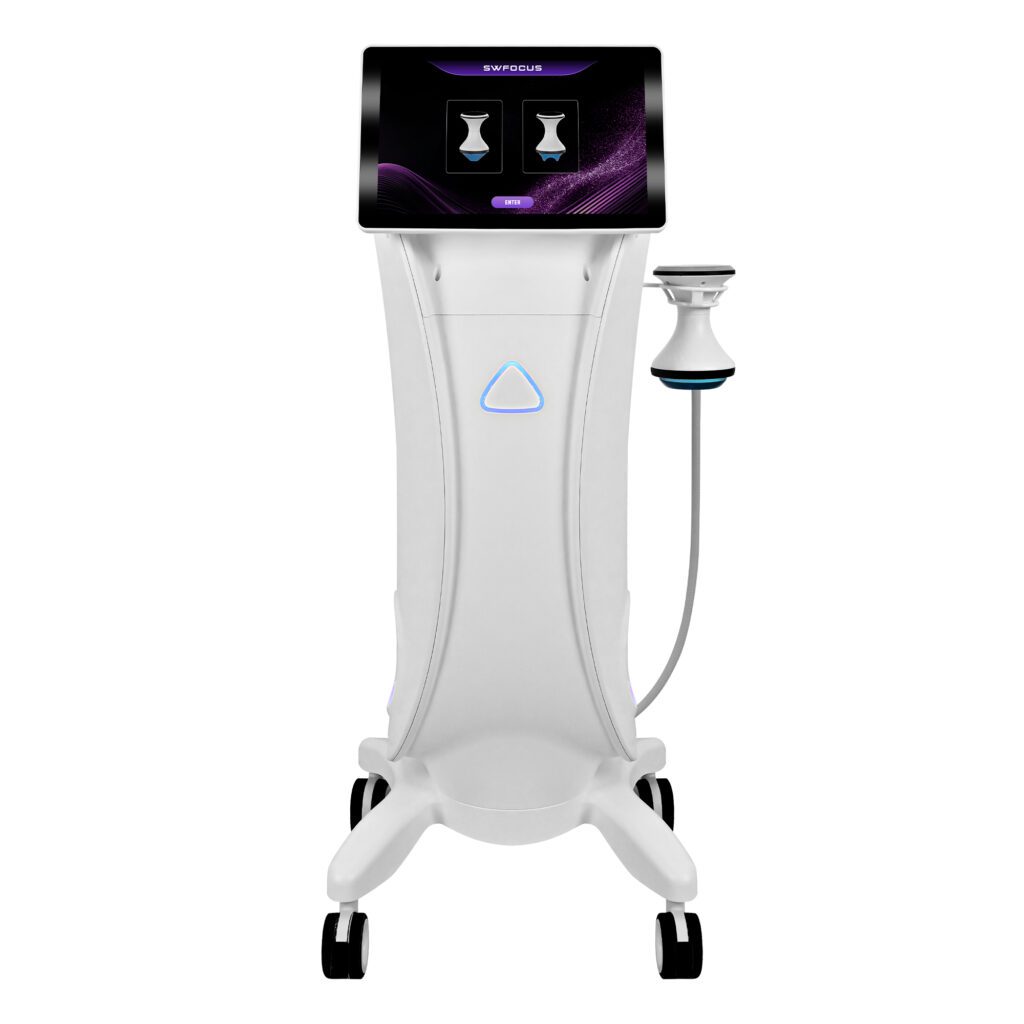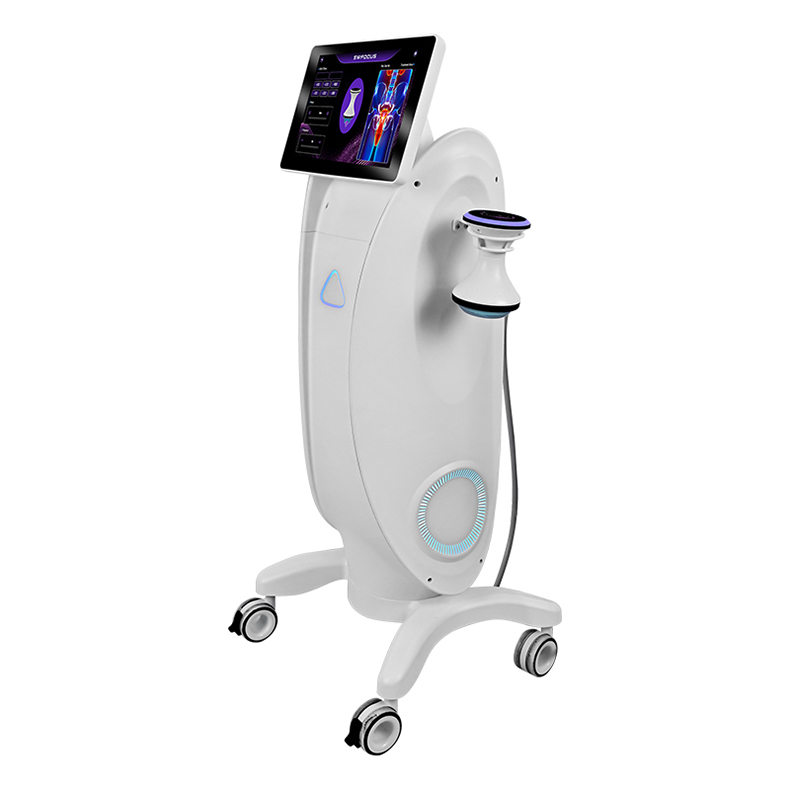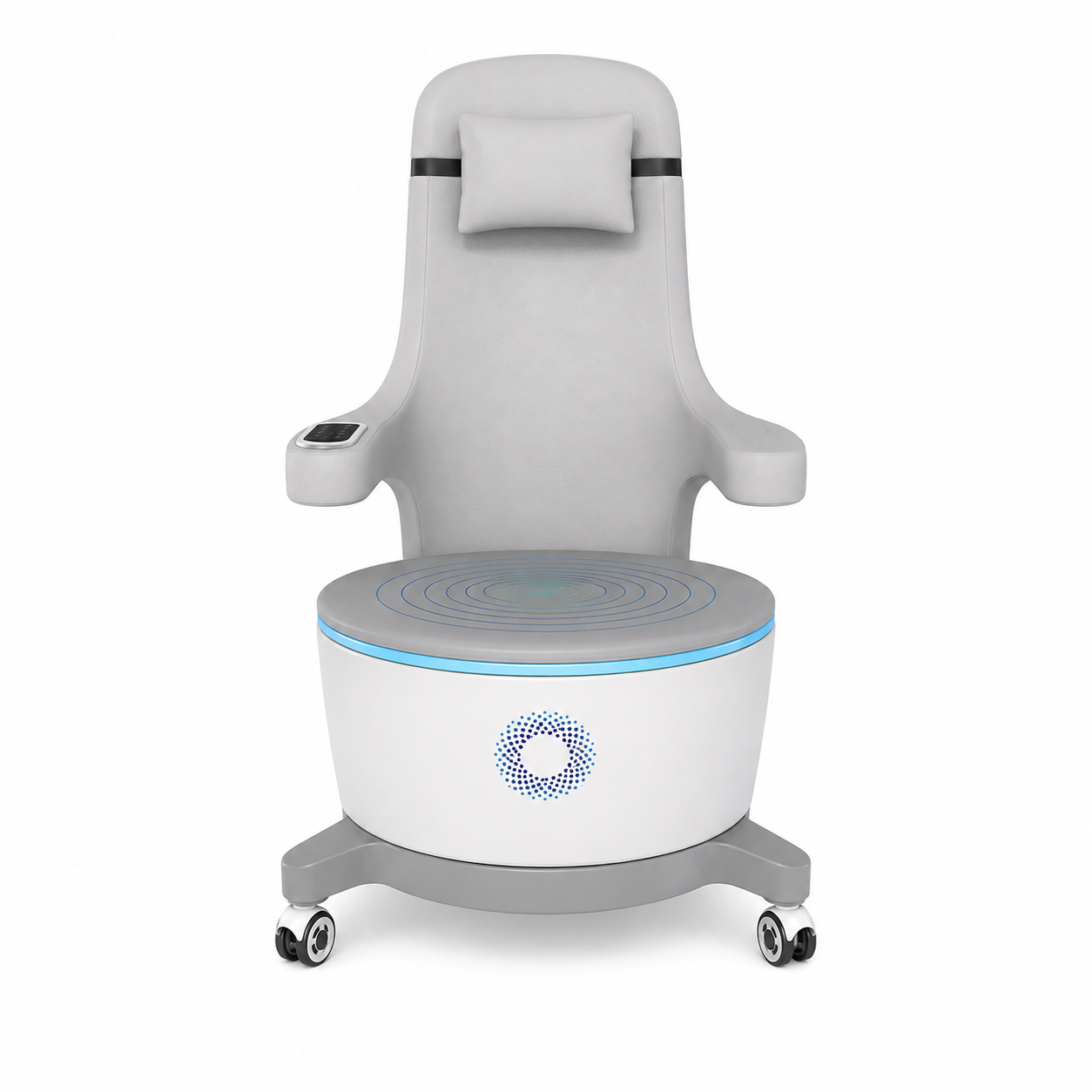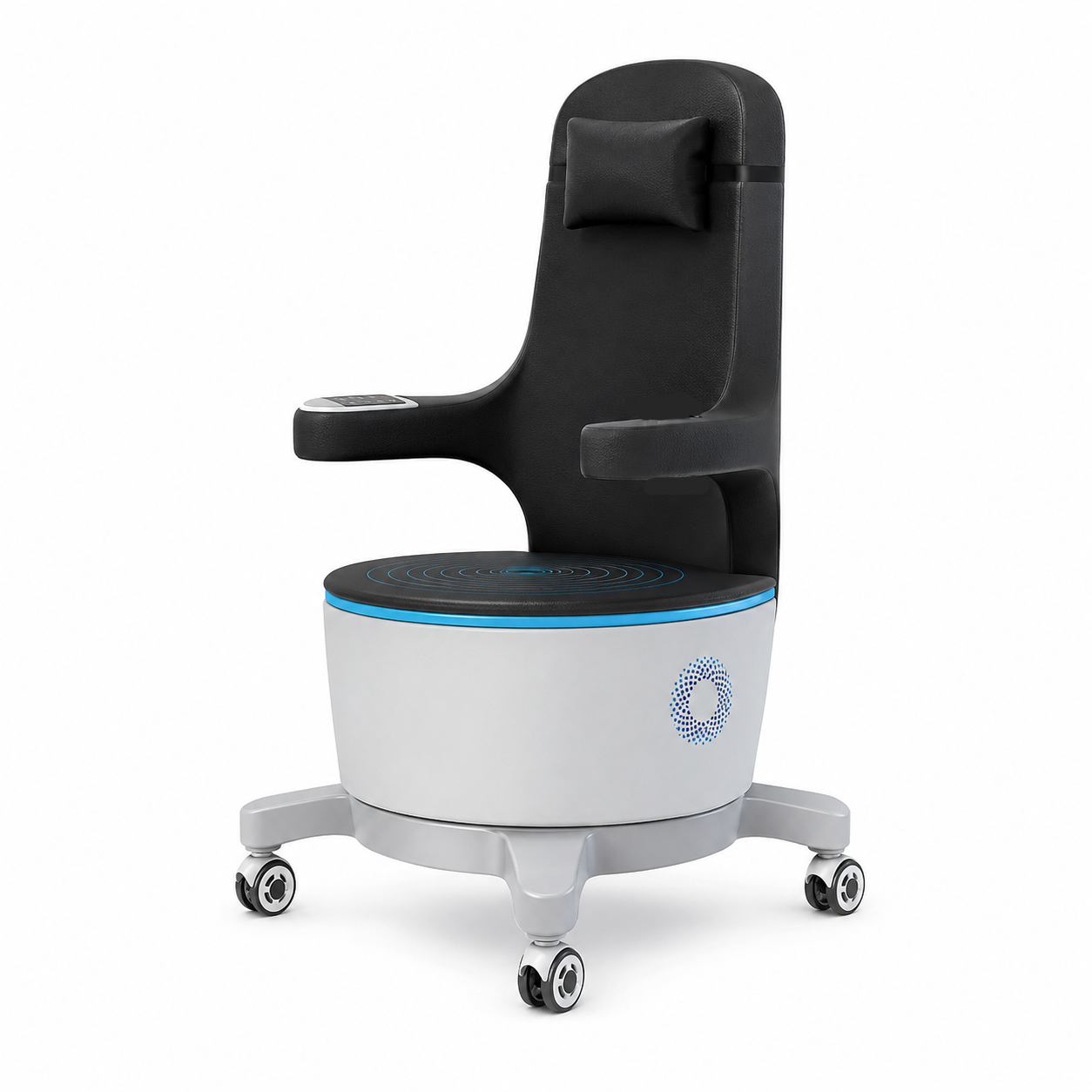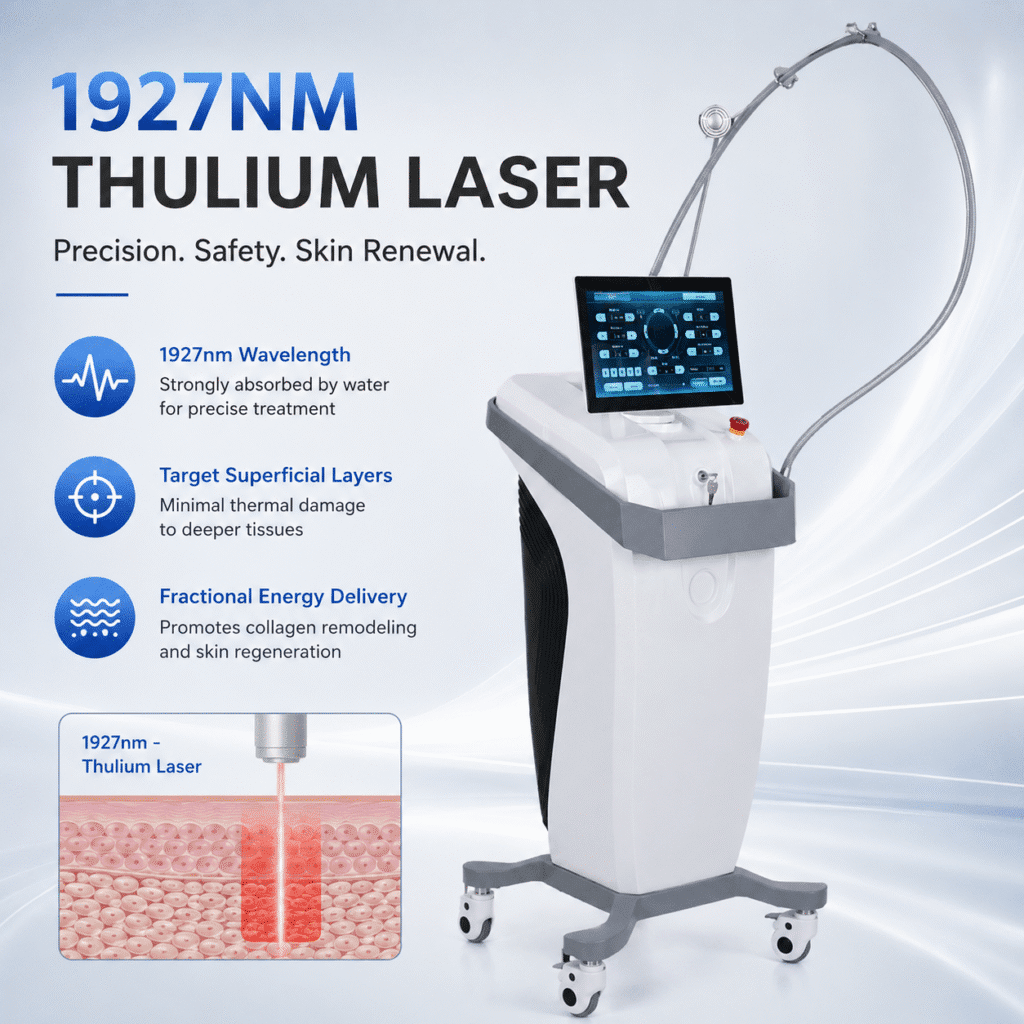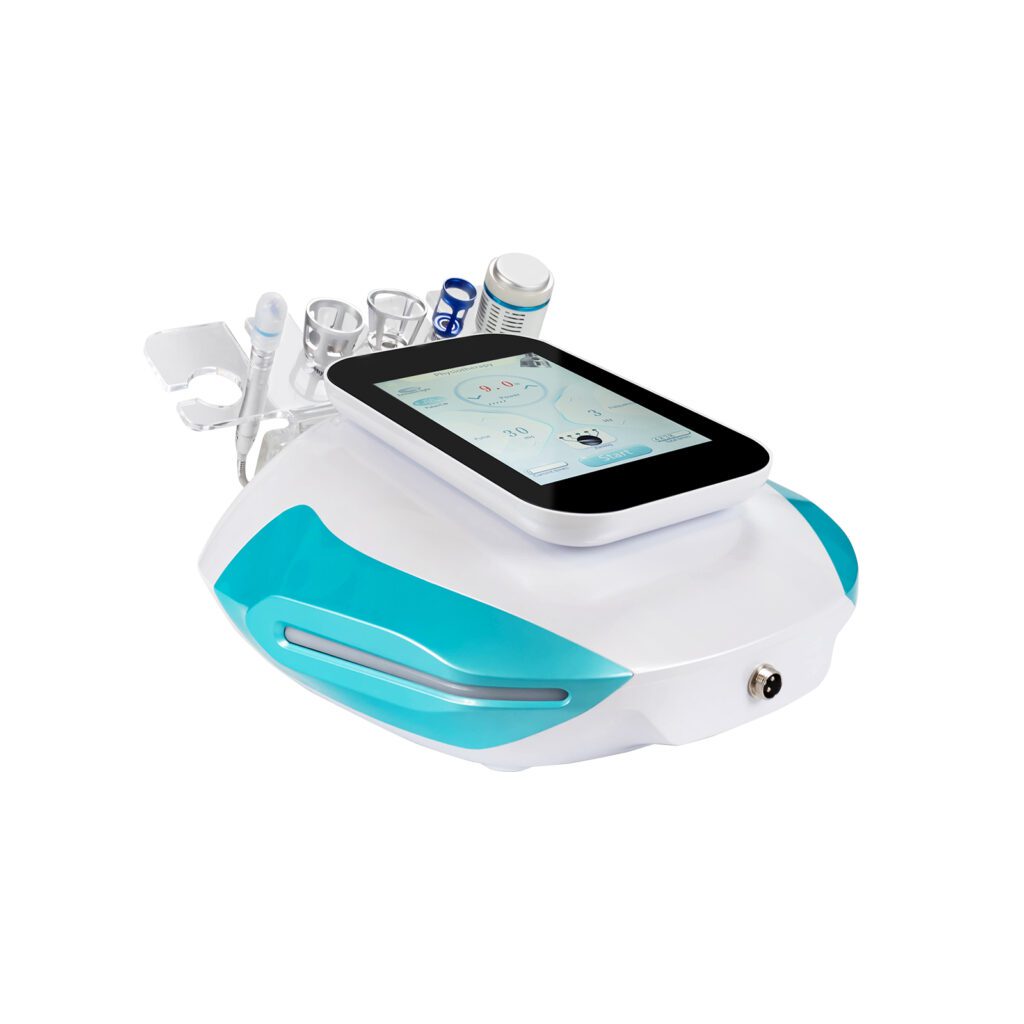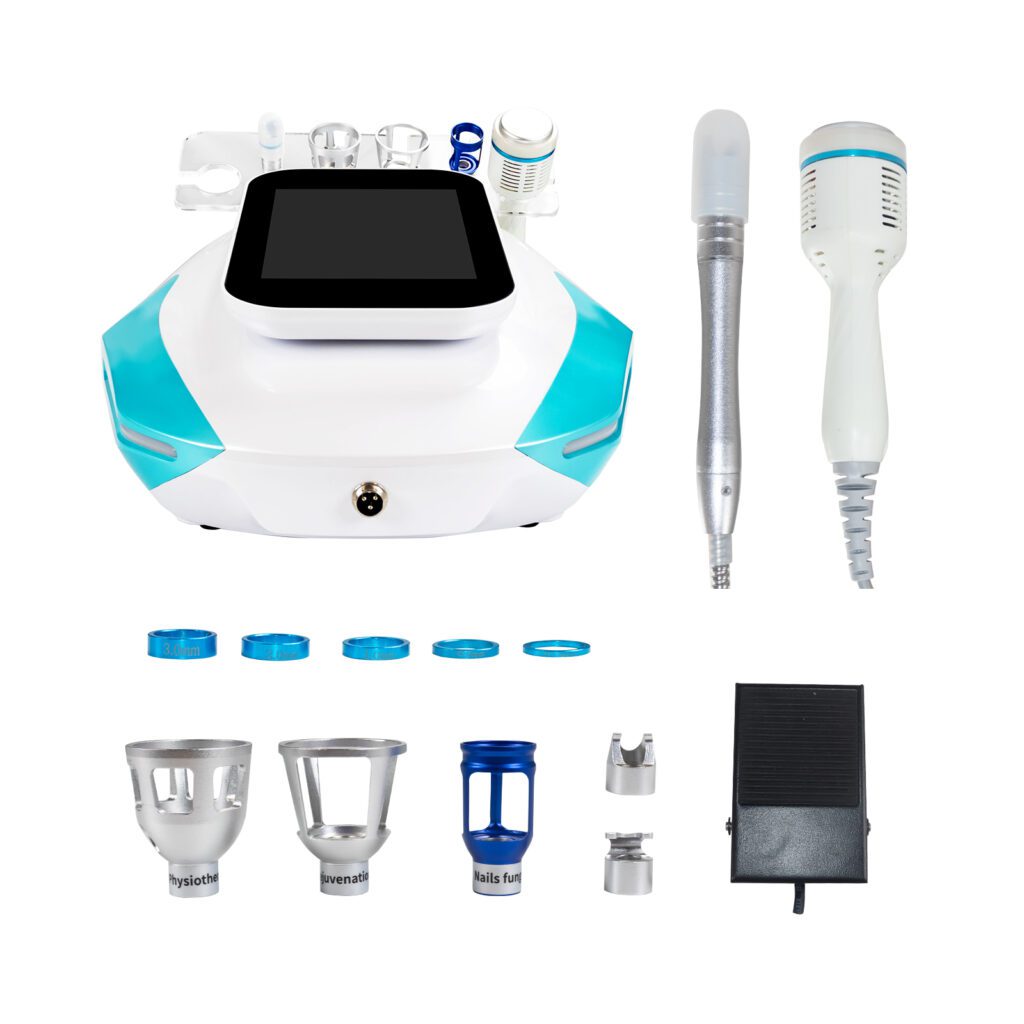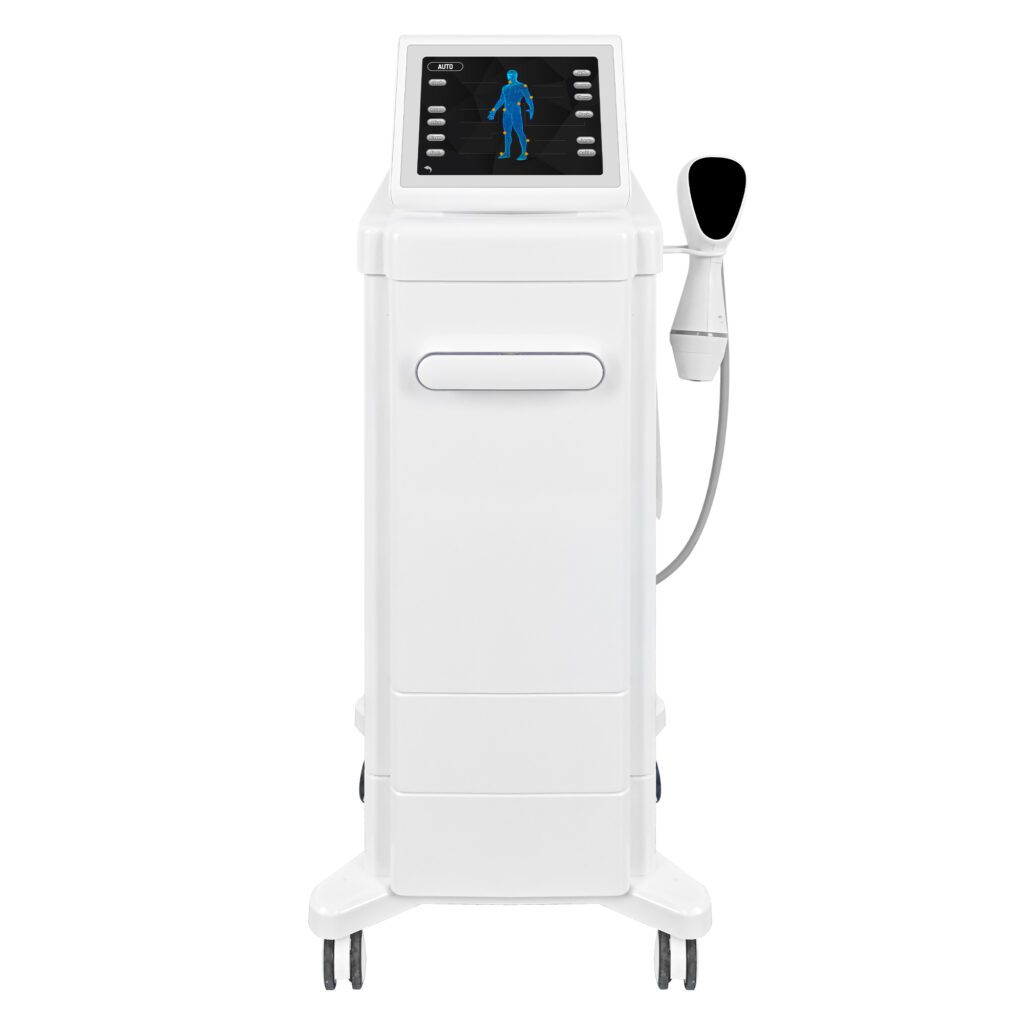
Professional beauty devices do not move directly from active use to disposal. A model may leave new sales while installed units remain supportable. Consumables may continue after a successor launches. Replacement handles may become service-only. A salon may stop offering the treatment before a distributor reaches the end of technical support.
End-of-life planning coordinates those different timelines. It gives salons, clinics, med spas, body studios, and distributors a controlled way to manage equipment, components, consumables, service obligations, client appointments, product data, and final decommissioning. This guide explains how to build that plan across SHEFMON facial, RF-microneedling, HIFU, laser hair-removal, and body-care categories.
Sintesi
- Treat end of sale, end of standard support, end of service, retirement, and physical decommissioning as separate milestones.
- Build the plan from verified installed units, configurations, handles, cartridges, applicators, and consumable relationships.
- Assign one lifecycle status, effective date, owner, successor, and permitted transaction type to every affected record.
- Assess client-service impact, professional-use conditions, maintenance, documentation, components, and consumables before setting dates.
- Preserve support for active legacy units only where an approved and practical path exists.
- Define last-order, final-buy, replacement-only, service-only, and remaining-stock rules without implying unsupported future availability.
- Give salons and clinics enough notice to manage appointments, packages, staff training, and replacement equipment.
- Give distributors a controlled process for catalogs, quotations, warehouses, regional resellers, installed-base records, and customer communications.
- Remove retired equipment from active booking and marketing systems, close stored data where applicable, and document final disposition.
- Review local electrical, environmental, transport, privacy, professional-use, resale, and disposal requirements before executing the plan.
1. What End-of-Life Planning Means
End-of-life planning is the controlled transition of a device, configuration, component, consumable, software dependency, or service offer from normal active status to a defined final state.
It can involve:
- stopping new equipment sales;
- limiting new configurations;
- supporting existing installed units;
- ending optional upgrades;
- retaining replacement-only components;
- setting final consumable order dates;
- introducing a successor device or component;
- migrating salons and clinics to another service pathway;
- retiring the unit from active operation;
- decommissioning, transferring, returning, recycling, or disposing of equipment;
- archiving product, service, training, and customer records.
The plan should state what remains possible at each stage. “Discontinued” is too vague for operational use.
2. Use Clear Lifecycle Statuses
Create a controlled status model.
| Stato | Senso | Permitted activity |
|---|---|---|
| Active | Normal sale, operation, support, and replenishment under current rules | New sales, approved options, service, consumables |
| End of Sale Announced | New-sale closure has a future effective date | Controlled final quotations and transition planning |
| End of Sale | No ordinary new equipment sales | Installed-base support and approved replacements only |
| Solo sostituzione | Components remain available to restore supported installed units | Verified replacement transactions; no routine new configuration |
| Limited Support | Only defined documents, components, regions, or service actions remain | Activities explicitly named in the support notice |
| Final Order | A last confirmed order window applies to defined equipment, parts, or consumables | Orders within stated item, quantity, market, and date rules |
| End of Service | Ordinary repair or technical support has ended | Only contractual, regulatory, or specifically approved residual actions |
| Pensionato | Record is blocked from active use, sale, and normal support | Historical lookup and approved closure activities |
| Decommissioned | Physical unit has been permanently removed from operation | Archive, disposition, and traceability only |
An installed device can be Active at a salon while the model is already End of Sale for new buyers. Store product lifecycle and physical-unit status separately.
3. Distinguish Product, Component, and Installed-Unit Timelines
A beauty-device platform contains several related lifecycles.
Product-model lifecycle
Controls whether new configurations can be sold and promoted.
Configuration lifecycle
Controls specific handle, module, voltage, software, language, or market combinations.
Component lifecycle
Controls handles, cartridges, applicators, cables, accessories, and service parts.
Consumable lifecycle
Controls reorder items, pack units, final-order conditions, and successor relationships.
Installed-unit lifecycle
Controls whether one physical device is active, relocated, temporarily inactive, replacement-only, retired, or decommissioned.
Service-offer lifecycle
Controls whether the salon or clinic still markets, books, and delivers the associated client service.
Do not close every timeline on the same date. The plan should coordinate them without forcing an artificial single milestone.
4. Define Roles for Salons, Clinics, and Distributors
| Tipo di attività | Main end-of-life responsibilities |
|---|---|
| Salon or studio | Identify active units, protect bookings, manage staff communication, stop use when required, transition services, close asset records |
| Clinica dermatologica o centro benessere medico | Add professional-use, clinical governance, local eligibility, patient/client record, and qualified-service review where applicable |
| Distributore | Control model and component statuses, installed base, customer notices, final orders, support scope, stock, regional reseller communication, successors |
| Multi-location group | Standardize decisions, move approved equipment or stock between sites, coordinate training and booking changes, prevent local exceptions |
| Regional reseller | Report downstream installed units, use approved communication, stop outdated offers, handle local stock and customer questions |
Every plan needs a named owner. Shared responsibility without a decision owner can leave old equipment active after the support path has ended.
5. Establish End-of-Life Triggers
Triggers can arise from several sources:
- a supported successor becomes available;
- critical components or consumables approach end of supply;
- service documentation or technical capability no longer covers older revisions;
- professional-use or local-market requirements change;
- the installed population declines below a practical support level;
- fault, downtime, maintenance, or serviceability data show rising support difficulty;
- new sales create too many legacy configurations;
- software, account, network, or external dependency ends;
- the service menu no longer needs the category;
- the device has repeated high-impact issues without a credible corrective path;
- warranty and contractual periods are closing;
- regional logistics can no longer support the equipment appropriately.
A trigger starts review. It does not automatically determine the final date or require every installed unit to stop immediately.
6. Apply Safety and Eligibility Gates First
Before commercial planning, identify conditions that require immediate hold, stop-use, or qualified review.
Alcuni esempi:
- unresolved electrical, heat, cooling, output, leakage, or safety-control concerns;
- professional-use eligibility that cannot be confirmed;
- missing service documentation for the installed revision;
- critical replacement components without confirmed compatibility;
- unauthorized modification;
- market status or required documentation that no longer supports operation;
- instructions that would require unqualified internal repair;
- no approved return-to-service verification.
These gates may accelerate retirement for specific units even when the broader model still has an end-of-life transition period.
7. Build an Accurate Installed-Base Register
The distributor cannot plan support from historic invoices alone. The salon or clinic cannot plan from a room list that lacks configuration details.
For every physical device, record:
- installed-unit or serial identifier where available;
- official model number;
- configuration and revision;
- installed handles, modules, cartridges, and applicators;
- market and electrical profile;
- customer, site, room, and department;
- installation or acceptance date;
- active, inactive, loan, demonstration, retired, or decommissioned state;
- maintenance, incident, and replacement history;
- consumable relationships;
- service-menu role;
- current support and successor status;
- latest verification date and confidence.
Downstream reseller stock should remain separate from confirmed installed equipment. Unknown units need a verification campaign before final support quantities are calculated.
8. Build an End-of-Life Impact Assessment
Assess each affected model or configuration across several areas.
| Impact area | Domande a cui rispondere |
|---|---|
| Installed customers | How many verified active units and sites are affected? |
| Menù di servizio | Which facial, hair-removal, HIFU, RF, body, or wellness services depend on the equipment? |
| Components | Which handles, cartridges, applicators, accessories, and service parts remain required? |
| Materiali di consumo | Which reorder items, pack sizes, and legacy variants must be maintained or closed? |
| Documentazione | Which manuals, training files, configuration lists, and service records must remain accessible? |
| Supporto tecnico | Which checks, repairs, qualifications, and escalation paths remain available? |
| Inventory | What usable, reserved, quarantine, in-transit, obsolete, and final-buy stock exists? |
| Commercial commitments | Which open quotations, orders, warranties, service agreements, packages, or memberships are affected? |
| Data and software | Which accounts, stored records, subscriptions, exports, or deletion steps apply? |
| Successor | Is the successor direct, conditional, category-level, or absent? |
The assessment should expose gaps before dates are announced.
9. Create a Milestone Timeline
An end-of-life plan can use milestones such as:
- internal review opened;
- affected records and installed population verified;
- end-of-sale decision approved;
- successor and migration path approved;
- internal teams and regional partners notified;
- customer notice released;
- final new-equipment order date;
- final component or consumable order dates;
- limited-support period begins;
- end-of-service date;
- remaining installed units reviewed;
- retirement and decommissioning closure.
Use actual dates only after component supply, service capability, contractual obligations, customer notice, and local requirements have been reviewed. Avoid announcing a long support period without evidence that the required resources can be maintained.
10. Define the Successor Relationship Precisely
A successor can mean different things.
- Direct device successor: intended to replace the former model in a similar business role.
- Conditional successor: requires different room, power, training, consumables, documents, or professional conditions.
- Category successor: supports the same broad service category but is not a like-for-like replacement.
- Component successor: replaces a handle, cartridge, applicator, accessory, or consumable under defined conditions.
- No successor: the service or configuration is intentionally closed.
Documentazione:
- predecessor and successor IDs;
- supported configurations and revisions;
- conditions and exclusions;
- new consumables and replacement components;
- staff retraining needs;
- room and utility changes;
- market and professional-use differences;
- effective date;
- evidence and approval.
Do not describe a newer device as a direct successor only because it belongs to the same category.
11. Plan Components and Consumables Separately
Installed units may need two supply plans.
Replacement-component plan
Cover durable handles, applicators, cables, modules, controlled accessories, and service parts. Define replacement-only, service-only, pooled, final-order, and retired statuses.
Consumable plan
Cover tips, needle heads, cartridges, refill items, and other recurring supplies. Define pack units, compatible revisions, last-order conditions, successor packs, and remaining-stock rules.
For each item, record:
- item ID and revision;
- compatible device and parent component;
- active installed exposure;
- usable, reserved, blocked, quarantine, and in-transit stock;
- current supply status;
- final-order date and quantity rules where applicable;
- successor and conditions;
- regional allocation;
- next review date.
Do not use a final buy to cover unidentified devices or assumed cross-model compatibility.
12. Build a Final-Order and Inventory Policy
Final-order decisions should use verified data rather than urgency alone.
Considerare:
- active compatible installed units;
- expected remaining support period;
- historic reorder and replacement patterns;
- current customer stock where known voluntarily;
- pack size and minimum order;
- storage, shelf-life, and handling conditions where confirmed;
- regional transfer capability;
- successor availability;
- product and component retirement dates;
- cost and risk of excess stock;
- contractual commitments.
State whether final orders are cancellable, returnable, transferable, or subject to special confirmation according to the applicable commercial policy. Do not promise indefinite supply because stock exists on the announcement date.
13. Communicate Clearly with Salons and Clinics
A customer notice should explain:
- exact model, configuration, component, or consumable affected;
- what status is changing;
- effective dates;
- what remains supported;
- what will no longer be offered;
- final-order conditions;
- maintenance and service implications;
- successor or migration options;
- action required from the customer;
- contact and escalation route;
- limits of the notice by market or configuration.
Avoid vague statements such as “old model discontinued.” The salon needs to know whether it may continue operation, obtain consumables, request a replacement handle, book future appointments, or plan another device.
14. Update Distributor Catalogs and Quotations
The lifecycle decision must reach every sales channel.
Update:
- website and downloadable catalogs;
- regional price lists;
- quotation templates;
- distributor and reseller portals;
- comparison tables;
- bundles and package builders;
- replacement-component lists;
- consumable reorder lists;
- demonstration inventory;
- sales scripts and training;
- translations;
- open quotations and pending orders.
Block End of Sale and Retired items from ordinary new quotations. Preserve historical records for installed customers and approved replacement transactions.
15. Protect Existing Client Appointments and Packages
Salons and clinics should map the affected device to:
- future appointments;
- prepaid packages;
- memberships;
- promotional offers;
- client consultation pathways;
- staff schedules;
- room assignments;
- required consumables;
- backup equipment;
- alternate approved services.
Create a transition policy before removing the service from the menu. Follow applicable consumer, contract, clinical, privacy, and local business requirements. Do not continue using an unsupported or unsafe device merely to complete a prepaid package.
16. Plan Staff Training and Authorization Changes
End-of-life transitions can require two training streams.
Legacy support training
Staff may need updated maintenance, identification, stop-use, and escalation guidance during the limited-support period.
Successor-device training
Staff may need new configuration, operation, consumable, maintenance, consultation, documentation, and authorization training.
Retire old quick-start guides from active stations when the equipment leaves use. Keep archived documents clearly labeled for the correct model and revision so they do not migrate to the successor device.
17. Control Warranty, Service, and Open Cases
End of Sale does not automatically cancel existing obligations.
Revisione:
- warranty terms;
- service agreements;
- paid maintenance plans;
- open technical cases;
- replacement commitments;
- loan equipment;
- pending component orders;
- unresolved returns;
- customer complaints;
- local record-retention duties;
- reseller responsibilities.
Define who owns each case after the lifecycle change. A customer should not be moved between teams because the model status changed while the case remained open.
18. Manage Data and Software Dependencies
Some beauty devices use accounts, stored reports, images, client records, cloud services, subscriptions, local software, or external accessories.
Before retirement or transfer:
- identify stored information;
- determine whether data must be exported, retained, returned, or deleted;
- control account credentials and administrator access;
- close subscriptions or licenses where appropriate;
- record software and configuration version;
- remove personal data before transfer or disposal when required;
- preserve only the records that must remain accessible;
- document completion and responsible owner.
Do not assume a physical power-off closes the digital lifecycle.
19. Decommission Physical Equipment Safely
The decommissioning process should reflect the exact equipment type and local requirements.
A controlled checklist can include:
- stop booking and operating the unit;
- label and segregate it from active equipment;
- disconnect power, water, gas, network, or other utilities through the approved process;
- remove consumables and handle them according to their instructions and local rules;
- identify handles, cartridges, applicators, cables, and accessories;
- quarantine unresolved or damaged components;
- remove stored data and accounts where applicable;
- record final meter, count, or status information when relevant;
- package the unit for approved return, transfer, recycling, or disposal;
- update the installed-unit status;
- retain disposition evidence.
Qualified personnel may be required for disconnection or handling. Do not dismantle high-energy, electrical, cooling, pressurized, fluid, battery, or internal components without the appropriate process.
20. Control Resale, Transfer, and Donation
Moving a device to another owner does not remove the need for accurate disclosure.
Before transfer, verify:
- legal and contractual permission;
- exact model, revision, and operating status;
- known faults and maintenance history;
- included handles, accessories, and documents;
- remaining support and consumable availability;
- market and electrical suitability;
- professional-use eligibility;
- data and account closure;
- safe transport requirements;
- receiving-party acceptance;
- transfer of ownership in the installed-base record.
Do not transfer a unit with an unresolved safety condition as ordinary working equipment. Follow the rules that apply in the origin and destination markets.
21. Apply the Plan to A0648 Facial Platforms
IL SHEFMON A0648 hydro microdermabrasion machine is presented as a multifunction facial platform. Its end-of-life plan should identify the actual installed tools and their separate supply paths.
Revisione:
- A0648 configurations in active service;
- installed handpieces and reusable tools;
- tips, containers, tubing, cables, and refill items;
- cleaning and maintenance documents;
- replacement-only components;
- remaining service-menu functions;
- successor facial platform or alternate service pathway;
- final consumable and component order needs;
- customer appointment transition.
One tool can reach end of supply before the main platform. Record function-level impact instead of marking every unit identically.
22. Apply the Plan to A0152 RF Microneedling
IL SHEFMON A0152 RF-microneedling device currently lists different working-handle arrangements and several tip configurations. Plan the durable handles and recurring needle heads separately.
Identify:
- installed A0152 configuration and revision;
- working-handle arrangement;
- needle-head types and pack identities;
- active customers and service status;
- final consumable-order conditions;
- replacement-handle support;
- successor relationships;
- professional-use, training, and market requirements;
- records required after service closure.
Do not leave a clinic with a nominally active device but no verified needle-head or handle support path.
23. Apply the Plan to A0204 HIFU Configurations
IL SHEFMON A0204 focused HIFU platform lists multiple functions, handles, and cartridge groups. Its end-of-life plan should operate at configuration, module, and cartridge levels.
Map:
- A0204 configuration and revision;
- 9D or 7D arrangement where applicable;
- optional handles or modules;
- cartridge identities, depths or sizes, and status;
- active installed quantities;
- remaining usage or replacement records where applicable;
- final component and cartridge orders;
- direct or conditional successors;
- staff and client transition;
- professional-use and local requirements.
Avoid one closure date for every cartridge and optional handle unless the approved plan genuinely applies to all of them.
24. Apply the Plan to A0423 and A0426 Lasers
Le pagine attuali per il SHEFMON A0423 diode laser E SHEFMON A0426 diode laser list choices involving wavelength arrangement, handle power, and spot size. Maintain separate lifecycle records for each model and configuration.
Pianificare per:
- exact installed model and handle;
- wavelength, power, spot-size, cooling, and electrical profile;
- replacement-handle support;
- maintenance and stop-use guidance;
- remaining component and service availability;
- open client packages and hair-removal appointments;
- successor laser configuration;
- retraining and room preparation;
- final unit decommissioning.
Do not pool handles, stock, or successor assumptions across A0423 and A0426 unless current approved records confirm the exact relationship.
25. Apply the Plan to B0155 Body-Care Equipment
IL SHEFMON B0155 body-care system is described with body and smaller-area handles. Its lifecycle plan should preserve applicator-level support.
Revisione:
- B0155 configuration and installed handle set;
- active body and smaller-area service roles;
- durable handle, cable, connector, and accessory status;
- regional replacement coverage;
- maintenance records;
- successor body-care service options;
- prepaid programs and membership transitions;
- remaining usable components;
- final return, transfer, or disposition.
A failed or retired secondary handle may reduce the menu without requiring immediate retirement of the whole platform. Record the approved remaining configuration.
26. Manage Regional and Reseller Networks
Distributors with several markets need one global lifecycle decision and controlled local implementation.
Require each region or reseller to report:
- installed units and confidence level;
- local stock and open orders;
- active quotations;
- warranty and service cases;
- market-specific requirements;
- customer notice completion;
- final-order requests;
- successor readiness;
- decommissioned units;
- unresolved exceptions.
Local differences can affect dates or actions, but they should not create contradictory product identities or unsupported extensions.
27. Track End-of-Life Metrics
Useful measures include:
- percentage of installed units verified;
- percentage of active units with a documented support path;
- customer-notice completion;
- open quotations updated or closed;
- final-order quantity versus approved plan;
- legacy stock with no compatible installed population;
- active units without a successor decision;
- overdue retirements or decommissioning actions;
- open service cases after End of Service;
- documents removed from active channels;
- transferred devices with ownership records updated;
- disposition evidence completion.
Metrics should reveal transition gaps. They should not be presented as treatment, clinical, revenue, or environmental benefit claims without appropriate evidence.
28. Build a Cross-Functional Approval Workflow
- Product or service owner opens the lifecycle review.
- Installed equipment and component populations are verified.
- Technical, service, inventory, commercial, and local-market impacts are assessed.
- Successors and exclusions are confirmed.
- Dates, support scope, and final-order rules are drafted.
- Customer and channel communications are reviewed.
- Decision owners approve the plan.
- Catalog, quotation, inventory, support, and booking systems are updated.
- Regional teams execute customer transitions.
- Remaining units, stock, cases, and exceptions are reviewed until closure.
Preserve the decision evidence, approvals, revisions, and change reasons.
29. End-of-Life Planning Checklist
- Product, configuration, component, consumable, installed-unit, and service-offer lifecycles are separated.
- Status definitions and permitted transactions are approved.
- Exact installed units and component sets are verified.
- Safety, professional-use, and market gates are reviewed.
- Support, warranty, and open-case obligations are identified.
- Successor relationships and exclusions are documented.
- Replacement components and consumables have separate plans.
- Final-order assumptions use verified installed exposure.
- Customer, reseller, and internal notices state exact dates and scope.
- Catalogs, quotations, price lists, bundles, and reorder tools are updated.
- Appointments, packages, memberships, rooms, and staff transitions are planned.
- Data, accounts, subscriptions, and software dependencies are closed appropriately.
- Retired units are removed from active booking and use.
- Transfer, return, recycling, and disposal follow applicable requirements.
- Historical documents and service records remain traceable.
- Metrics, exceptions, owners, and closure dates are monitored.
Domande frequenti
1. Is End of Sale the same as End of Service?
No. End of Sale stops ordinary new equipment sales. Installed units may continue to receive defined consumables, replacement components, maintenance, or technical support until later milestones.
2. Does an end-of-life announcement mean salons must stop using the device immediately?
Not automatically. The notice should state the exact support and operating conditions. A specific unit may require immediate stop-use when safety, eligibility, compatibility, or service conditions cannot be met.
3. How much notice should customers receive?
Use a period supported by actual supply, service capability, contracts, installed exposure, and local requirements. Do not promise a standard notice period that the organization cannot reliably support.
4. How should final consumable orders be calculated?
Use verified active compatible units, expected remaining support, reorder history, pack units, storage constraints, regional transfer, current stock, and successor availability. Keep assumptions visible.
5. Can one successor replace every old configuration?
Only when approved evidence confirms it. A successor may be direct for some revisions, conditional for others, or only a category-level alternative.
6. What should salons do with prepaid packages?
Map every package to the affected service, determine whether safe supported delivery can continue, and create an appropriate transition consistent with contracts, consumer obligations, professional standards, and local requirements.
7. What should happen to replacement components after the device is retired?
Review compatible installed units, service obligations, return options, regional transfers, successor relationships, and disposition rules. Do not discard stock while supported devices still depend on it.
8. Can a retired device be resold or transferred?
Only through a process that addresses permission, accurate condition disclosure, known faults, support status, market suitability, professional-use requirements, data closure, transport, and receiving-party acceptance.
9. Which records should remain after decommissioning?
Retain the unit identity, configuration, ownership, maintenance and incident history, lifecycle decision, data closure, component disposition, transfer or disposal evidence, and required contractual or local records.
10. Quando è opportuno contattare SHEFMON?
Contact SHEFMON when current records do not resolve a product or component lifecycle state, final-order condition, replacement relationship, consumable successor, support scope, configuration, or other model-specific transition question.
Conclusione
End-of-life planning gives every device, configuration, component, consumable, customer, and service offer a controlled path from active support to closure. The strongest plans separate lifecycle milestones, verify the installed base, protect existing users, preserve legacy evidence, and prevent unsupported equipment from remaining in active booking or sales channels.
Businesses can review current facial, RF-microneedling, HIFU, laser, and body-care platforms in the SHEFMON beauty-machine range. To clarify a model-specific successor, component, consumable, support, or lifecycle question, contattare SHEFMON with the exact model, configuration, revision, market, and installed-unit details.