Sintesi
Many beauty equipment manufacturers can supply after-sales parts and consumables long term, but the actual reliability depends on the manufacturer’s product life cycle, production stability, spare parts inventory, consumable supply chain, warranty policy, technical support, and distributor agreement.
For distributors, long-term supply is not a small detail. It directly affects customer trust, repair speed, salon project continuity, repeat purchases, cash flow, and brand reputation. A machine that sells well today can become a business risk tomorrow if handpieces, tips, filters, lamps, pumps, screens, gels, cartridges, or software support disappear.
The safest approach is to confirm spare parts and consumable support before placing large orders. Distributors should ask the manufacturer for a spare parts list, consumable list, recommended inventory level, warranty scope, parts price list, replacement lead time, model life cycle plan, discontinued product policy, repair videos, technician support, and written supply commitment.
Long-term supply should be written into the cooperation terms. Verbal promises such as “do not worry, we always have parts” are not enough.
The core principle is simple: a beauty equipment product is worth distributing only when it can be sold, used, serviced, repaired, and supplied repeatedly.
1. La risposta breve
Yes, many manufacturers do provide long-term after-sales parts and consumables.
However, the supply level may be very different:
- Some suppliers only provide parts during the warranty period.
- Some suppliers keep common spare parts for several years.
- Some suppliers can support consumables continuously because they are part of repeat business.
- Some suppliers stop supplying parts when a model is discontinued.
- Some suppliers change components without informing distributors.
- Some suppliers rely on third-party parts and cannot guarantee stable supply.
- Some suppliers have no real after-sales system at all.
Distributors should not assume long-term supply automatically exists. It must be checked and negotiated.
2. Why Long-Term Supply Matters
Beauty salons buy equipment to run projects. If parts or consumables are not available, the salon cannot operate the project smoothly.
Poor long-term supply can cause:
- Machine downtime
- Salon customer complaints
- Lost treatment revenue
- Refund pressure
- Controversie sulla garanzia
- Slow repair cycles
- Damaged distributor reputation
- Inventory that cannot be resold
- Lower repeat purchase rate
- Price competition from unstable suppliers
For distributors, after-sales parts and consumables are not only service items. They are part of the product’s real market value.
3. Spare Parts And Consumables Are Different
Distributors should separate spare parts from consumables.
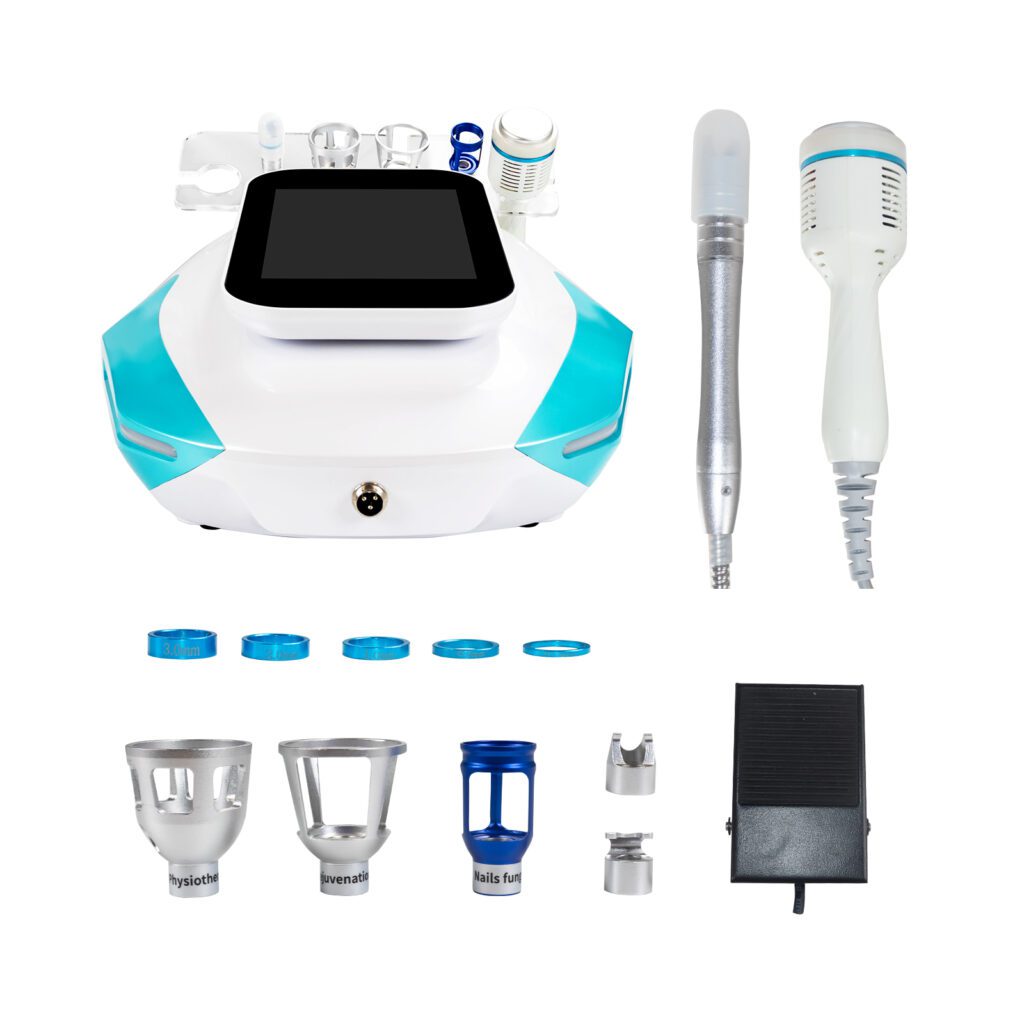
Spare parts are components used for repair or replacement, such as:
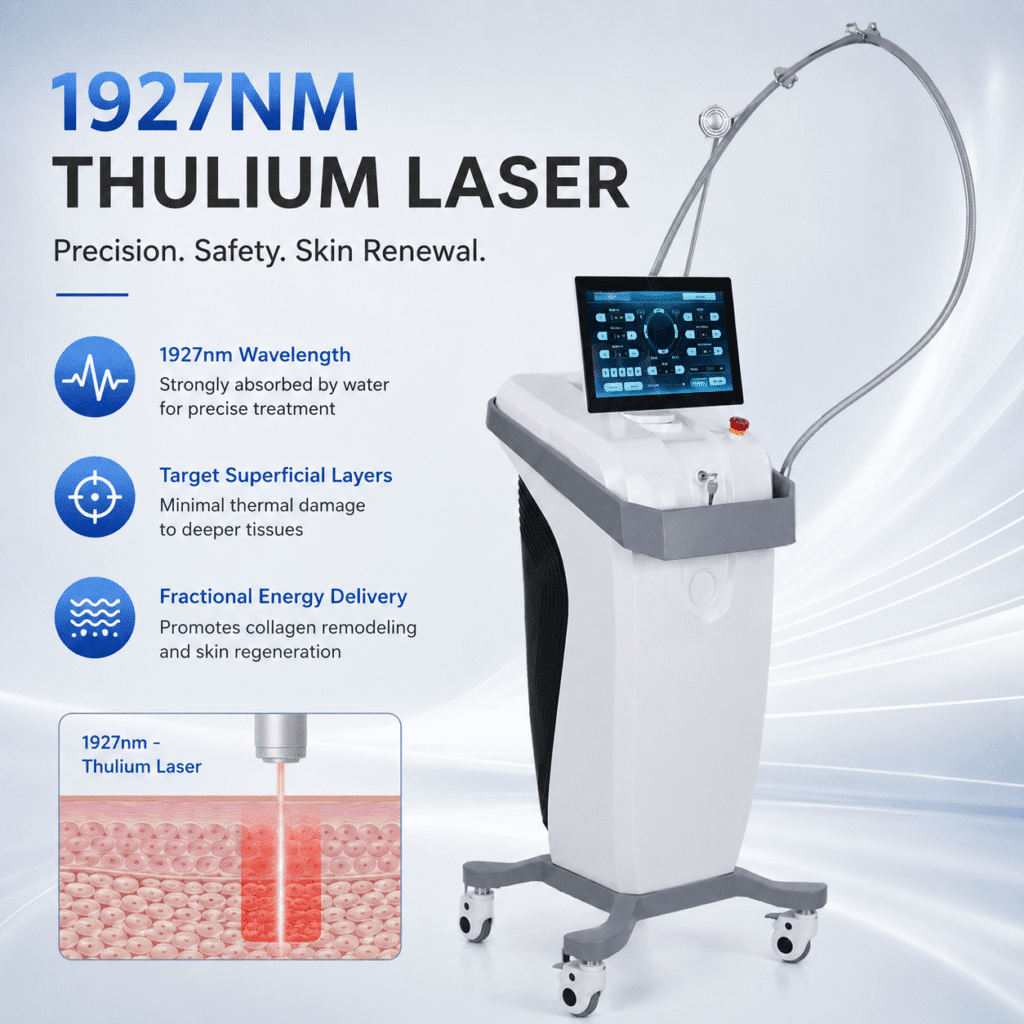
- Manipoli
- Cavi
- Pompe
- Schermate
- Alimentatori
- Main boards
- Connettori
- Bottiglie
- Filtri
- Lampade
- Laser handles
- Componenti di raffreddamento
- Valves
- Tubi
- Foche
- Foot switches
Consumables are items used repeatedly during treatments, such as:
- Consigli per un trattamento viso idratante
- Filtri
- Treatment cartridges
- Gel conduttivo
- Sieri
- Maschere
- Coperture monouso
- Cotton filters
- Needle tips where applicable
- Protective eyewear covers
- Soluzione detergente
- Replacement pads
- IPL lamps or shot-related parts
Spare parts protect repair ability. Consumables protect project continuity and repeat revenue.
4. Which Parts Must Be Available Long Term?
Not every part needs the same stock level. Distributors should focus on parts most likely to fail or most important for daily operation.
Priority parts include:
- Manipoli
- Testine di trattamento
- Cavi
- Pompe
- Tubi
- Filtri
- Schermate
- Alimentatori
- Main boards
- Connettori
- Bottiglie
- Lampade
- Suggerimenti
- Materiali di consumo
For high-value machines, distributors should ask the manufacturer for a list of high-failure parts and recommended spare parts kit.
5. Which Consumables Need Stable Supply?
Consumables are important because salons need them to keep selling services.
High-priority consumables include:
- Consigli per un trattamento viso idratante
- Small bubble tips
- Filtri
- Gel conduttivo
- gel RF
- EMS gel
- Sieri
- Cartucce
- Testine di trattamento
- Disposable hygiene items
- LED eye protection accessories
- IPL lamps or replaceable light parts
- Soluzione detergente
If a machine depends on proprietary consumables, distributors should be especially careful. A closed consumable system can create good repeat revenue, but it can also create risk if the manufacturer stops supplying it.
6. Ask For A Spare Parts List Before Buying
A serious manufacturer should provide a spare parts list.
L'elenco dovrebbe includere:
- Part name
- Part photo
- Part code
- Compatible model
- Unit price
- Stato della garanzia
- aspettativa di vita
- Replacement difficulty
- Recommended stock quantity
- Tempi di consegna
- Quantità minima d'ordine
- Whether the part is proprietary
If the manufacturer cannot provide a clear spare parts list, the distributor should be cautious before ordering a large quantity of machines.
7. Ask For A Consumables List Before Buying
The distributor should also request a consumables list.
L'elenco dovrebbe includere:
- Consumable name
- Compatible model
- Unit price
- Packing quantity
- durata di conservazione
- Condizioni di conservazione
- MOQ
- Tempi di consegna
- Recommended treatment usage
- Whether local substitutes can be used
- Whether the consumable is required for warranty
- Certificate or ingredient information where applicable
Consumables are a key part of salon ROI. If consumable cost is too high or supply is unstable, salons may resist buying the machine.
8. Confirm The Product Life Cycle
Long-term parts supply depends on the product life cycle. If a manufacturer changes models frequently, parts may become difficult to find.
Chiedere:
- Is this model new, mature, or close to replacement?
- How long has the model been sold?
- How many units are in the market?
- Is the model still in production?
- Are parts shared with other models?
- What happens if the model is discontinued?
- How long will parts be supplied after discontinuation?
- Can the distributor buy a final spare parts stock?
A mature model with shared parts may be safer than a trendy model with unknown parts supply.
9. Confirm Whether Parts Are Self-Made Or Purchased
Some parts are made by the manufacturer. Others are purchased from suppliers.
Chiedere:
- Which parts are self-developed?
- Which parts come from third-party suppliers?
- Are there alternate suppliers?
- Are critical parts customized?
- Can parts be replaced if the original supplier stops production?
- I ricambi sono compatibili tra i diversi modelli?
- Can the distributor source generic parts locally?
If a critical part is custom-made by one small supplier, long-term supply risk is higher.
10. Confirm Warranty Scope For Parts
Warranty terms must be clear.
Chiedere:
- Are handpieces included in warranty?
- Are cables included?
- Are pumps included?
- Are screens included?
- I materiali di consumo sono esclusi?
- Are lamps or cartridges excluded?
- Is damage from misuse excluded?
- Is freight covered?
- Who pays for replacement shipping?
- Cos'è la politica "morto all'arrivo"?
- What is the replacement process?
The FTC’s business guide to federal warranty law emphasizes that written warranties should be clear and understandable. For distributors, clear warranty terms reduce disputes with salons.
11. Consumables Are Usually Not Covered By Warranty
Consumables are normally not covered by machine warranty because they are used up during treatment.
However, distributors should confirm:
- What counts as consumable
- What counts as accessory
- What counts as spare part
- Whether defective consumables can be replaced
- Whether unopened expired consumables can be returned
- Whether storage mistakes void replacement
- Whether consumables have batch numbers
- Whether ingredient or material documents are available
This distinction should be explained to salons before purchase.
12. Build A Local Spare Parts Inventory
Distributors should not depend on the factory for every small replacement. Local spare parts stock improves service speed.
A basic inventory may include:
- Common handpieces
- Cavi
- Tubi
- Filtri
- Connettori
- Pompe
- Alimentatori
- Consigli per il trattamento
- Screens for best sellers
- Main boards for high-volume models
- Common screws, seals, and adapters
The exact stock depends on sales volume, failure rate, repair skill, and factory lead time.
13. Use An ABC Inventory Method
Distributors can manage parts by priority.
Category A parts:
- Critical parts that stop machine operation
- High-value but important components
- Parts with long factory lead time
- Parts for best-selling models
Category B parts:
- Moderate-use parts
- Standard replacement items
- Parts with manageable lead time
Category C parts:
- Low-cost items
- Easy-to-stock consumables
- Generic accessories
This helps distributors avoid both overstock and service delays.
14. Calculate Recommended Spare Parts Stock
A simple spare parts plan can use:
- Number of machines sold
- Average failure rate
- Expected monthly repairs
- Factory lead time
- Local service target
- Part MOQ
- Costo parziale
- Product seasonality
- Warranty exposure
For example, if a distributor sells 100 hydro facial machines and pumps or tubes are common replacement items, it should keep enough pumps, tubes, filters, and tips locally to handle service without waiting for factory shipment.
15. Track Failure Rate By Model
Long-term supply planning must be based on data.
Traccia:
- Numero di modello
- Numero di serie
- Sale date
- Nome del cliente
- Failure date
- Failed part
- Causa
- Stato della garanzia
- Tempo di riparazione
- costo di sostituzione
- Factory response
- Repeat failure
This data helps the distributor know which parts to stock and which models to stop selling.
16. Use Serial Number Tracking
Serial numbers help connect machines, parts, warranty, and customer service.
A proper tracking system should record:
- Modello della macchina
- Numero di serie
- Batch number
- Customer
- Data di acquisto
- Periodo di garanzia
- Installed parts
- Replaced parts
- Cronologia delle riparazioni
- Versione software
- Technician notes
Without serial number tracking, it is hard to manage long-term service.
17. Ask For Repair Videos And Technical Support
Parts supply is useful only if the distributor can replace parts correctly.
I produttori devono fornire:
- Video di riparazione
- Guida alla risoluzione dei problemi
- Wiring diagram where appropriate
- Error code list
- Guida alla manutenzione
- Technician contact
- Remote diagnosis support
- Repair training
- Replacement procedure
FDA servicing guidance for medical devices notes that poor quality servicing may lead to poor device performance, malfunction, and adverse events. Even when salon equipment is not a regulated medical device, the practical lesson is the same: repair quality matters.
18. Confirm Who Can Replace Parts
Some parts can be replaced by salon staff. Some should be replaced by the distributor. Some require factory technicians.
Chiarire:
- Which parts can users replace?
- Which parts can distributors replace?
- Which parts require factory service?
- Does replacement affect warranty?
- Are special tools needed?
- Is calibration required after replacement?
- Is software reset required?
- Are safety tests needed after repair?
This is especially important for high-energy devices such as RF, laser, IPL, focused ultrasound, and body contouring systems.
19. Check Whether Parts Are Compatible Across Versions
Manufacturers may update products without changing the product name. This can create parts compatibility problems.
Chiedere:
- Are parts compatible across old and new versions?
- How are version changes marked?
- Does the serial number show the version?
- Are old-version parts still stocked?
- Can new parts be installed on older machines?
- Are software and hardware versions matched?
Distributors should ask manufacturers to notify them before any component change.
20. Long-Term Consumable Supply Needs Shelf-Life Control
Consumables may expire or degrade.
I distributori devono verificare:
- durata di conservazione
- Production date
- Data di scadenza
- Storage temperature
- Humidity requirements
- Batch number
- Packaging seal
- Ingredient information where applicable
- Import restrictions
- Return policy
Consumables should not be overstocked blindly. Expired consumables can create loss and customer complaints.
21. Consumables Can Improve Distributor Profit
Consumables can create repeat revenue after the machine sale.
Esempi:
- Hydro facial tips and filters
- Gel conduttivo
- Treatment cartridges
- Sieri
- Coperture monouso
- Soluzione detergente
- Replacement lamps
- Accessori di protezione
A distributor with stable consumable supply can maintain long-term contact with salons. This also creates opportunities for training, upgrades, and new machine sales.
22. Consumable Pricing Must Be Reasonable
Consumables can support profit, but excessive pricing can hurt salon adoption.
I distributori devono calcolare:
- Costo dei materiali di consumo per trattamento
- Salon service price
- Margine lordo
- Monthly usage
- Reorder frequency
- Storage cost
- Expiry risk
- Costo di spedizione
If consumable cost is too high, salons may seek cheaper substitutes or stop using the machine.
23. Proprietary Consumables Need Careful Review
Some machines require branded cartridges, tips, filters, or gels. This can create repeat revenue, but it also creates dependency.
Chiedere:
- I materiali di consumo sono proprietari?
- Can salons use third-party consumables?
- Does third-party use affect warranty?
- Are consumables patented or locked?
- What is the long-term supply guarantee?
- Is there a price protection policy?
- Can the distributor stock enough inventory?
- What happens if the manufacturer stops production?
Proprietary consumables should be treated as a strategic supply chain issue.
24. Replacement Lead Time Is A Key Metric
Ask the manufacturer for realistic lead times.
Different lead times may apply:
- In-stock common parts
- Made-to-order parts
- Materiali di consumo
- Customized parts
- Imported parts
- High-value modules
- Discontinued model parts
Distributors should set customer service promises based on real lead time, not optimistic sales language.
25. Freight Cost And Customs Matter For Parts
For overseas distributors, spare parts supply is affected by shipping and customs.
Controllo:
- Metodo di spedizione
- Costo del trasporto
- Customs value
- HS code where needed
- tassa di importazione
- Battery restrictions
- Liquid restrictions
- Consumable ingredient restrictions
- Radiation-emitting product parts where relevant
- Local warehousing
A cheap spare part can become expensive if shipped separately by express every time.
26. Parts Supply Should Be In The Distributor Agreement
Long-term supply should be written.
The agreement should include:
- Elenco dei pezzi di ricambio
- Elenco dei materiali di consumo
- Warranty scope
- Parts price policy
- Supply period after purchase
- Supply period after model discontinuation
- Tempi di consegna
- MOQ
- Emergency parts support
- Defect replacement process
- Politica di decesso all'arrivo
- Supporto tecnico
- Repair training
- Supporto software
- Avviso di modifica dei componenti
- Discontinued model notice
Written terms make after-sales easier to manage.
27. Suggested Supply Periods
Supply periods vary by product category and manufacturer, but distributors can negotiate clear expectations.
For basic salon machines, ask for at least several years of common parts and consumable support.
For high-value professional devices, ask for a longer support window, especially for core modules, handpieces, software, screens, power supplies, and consumables.
For proprietary consumables, ask for a written supply plan because salons depend on them to keep selling services.
The exact period should be realistic and written into the order or agency agreement.
28. Ask About Discontinued Model Policy
Every model may eventually be replaced. The key is how the manufacturer handles discontinuation.
Chiedere:
- How much notice will be given before discontinuation?
- Will final parts stock be offered?
- How long will parts remain available?
- Can old customers upgrade at a discount?
- Are new model parts compatible?
- Il supporto software continuerà?
- Are manuals and repair videos archived?
A manufacturer with a clear discontinuation policy is safer than one that quietly stops support.
29. Avoid Manufacturers With No Parts System
Red flags include:
- Nessun elenco di pezzi di ricambio
- No consumables list
- No parts price list
- No warranty terms
- No repair videos
- No technician support
- Nessun tracciamento del numero di serie
- No model life cycle explanation
- Parts only available after repeated urging
- Frequent component changes
- Supplier cannot identify handpiece versions
- Consumables often out of stock
- Factory promises everything verbally
If a manufacturer cannot support after-sales, distributors should not scale the product.
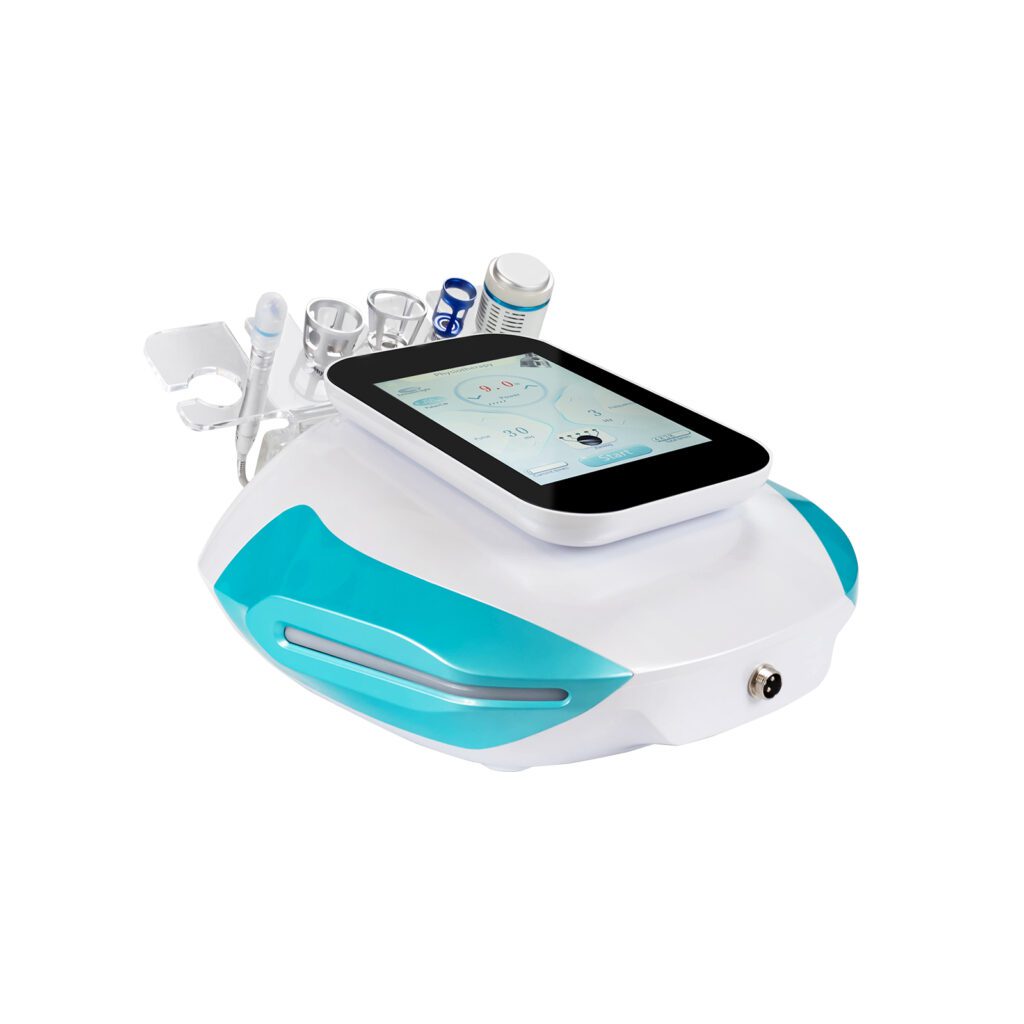
30. After-Sales Parts For Hydro Facial Machines
Hydro facial and small bubble machines usually require stable supply of:
- Suggerimenti
- Filtri
- Tubi
- Bottiglie
- Pompe
- Connettori
- Manipoli
- Valves
- Foche
- Cleaning accessories
These machines are often used frequently, so small parts matter. Distributors should stock common consumables and repair parts locally.
31. After-Sales Parts For RF And EMS Devices
RF and EMS devices may require:
- Manipoli
- Cavi
- Gel conduttivo
- Alimentatori
- Schede di controllo
- Testine di trattamento
- Connettori
- Schermate
For RF devices, output stability and heat control matter. Replacement parts should match the correct model and version.
32. After-Sales Parts For LED Light Therapy Devices
LED devices may require:
- Adattatori di alimentazione
- Schede di controllo
- LED panels or modules
- Protezione degli occhi
- Stands
- Cavi
- Remote controls
- Timers
Distributors should check lamp life, replacement policy, wavelength consistency, and whether LED modules are replaceable.
33. After-Sales Parts For Skin Analyzers
Skin analyzers require both hardware and software support.
Tra gli elementi importanti figurano:
- Cameras
- Lighting modules
- Adattatori di alimentazione
- Tablets or screens
- Software accounts
- Cloud service
- Report templates
- Updates
- Calibration support
- Privacy documentation
If the manufacturer stops software support, the device may lose value even if the hardware still works.
34. After-Sales Parts For Laser And IPL Devices
Laser and IPL devices require stronger parts planning.
Tra gli elementi importanti figurano:
- Manipoli
- Lampade
- Filtri
- Componenti di raffreddamento
- Water pumps
- Flow sensors
- Alimentatori
- Laser modules
- occhiali protettivi
- Cavi
- Consigli per il trattamento
- Supporto software
Because these products may involve higher safety and regulatory risk, parts replacement should follow manufacturer guidance and may require trained technicians.
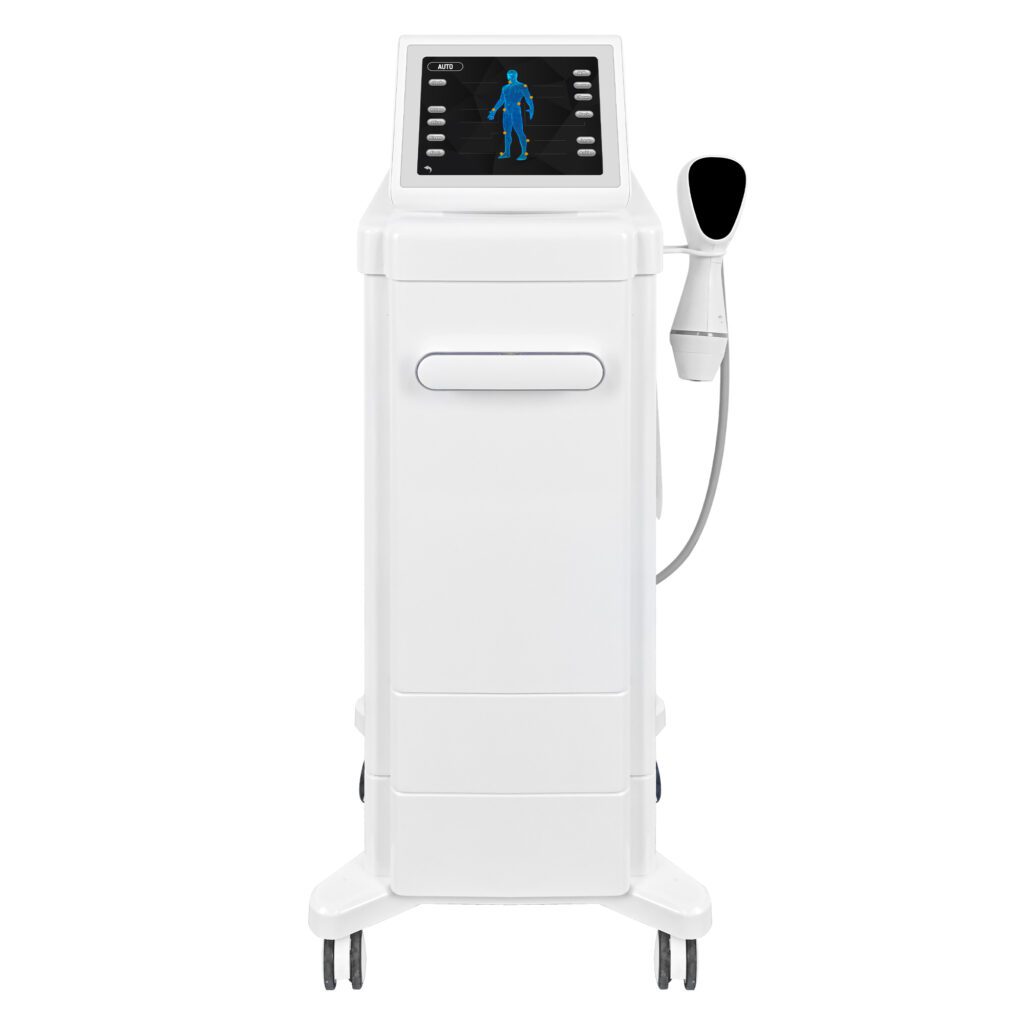
35. After-Sales Parts For Body Contouring Devices
Body contouring devices may require:
- Vacuum cups
- Manipolazioni RF
- Elettrodi EMS
- Belts
- Cavi
- Piastre di raffreddamento
- Pompe
- Filtri
- Gel
- Consumable pads
- Schede di controllo
These machines may be larger and more expensive to ship. Local spare parts are especially useful.
36. How Distributors Should Explain Long-Term Supply To Salons
Distributors should be transparent with salons.
Spiegare:
- Which parts are covered by warranty
- Which parts are consumables
- Which parts are stocked locally
- Which parts require factory order
- Normal replacement lead time
- Consumable reorder price
- Programma di manutenzione
- What misuse is not covered
- How to request service
- How to register warranty
Clear communication reduces disputes later.
37. Use Service Packages To Improve Customer Retention
After-sales parts and consumables can be turned into service packages.
Esempi:
- Pacchetto di manutenzione annuale
- Consumable reorder package
- Handpiece protection package
- Training plus consumables bundle
- Filter replacement plan
- Supporto per l'aggiornamento del software
- Priority repair package
This helps distributors earn beyond the initial machine sale and keeps salons connected.
38. How To Price Spare Parts And Consumables
Pricing should balance profit and customer trust.
Considerare:
- costo di fabbrica
- Costo del trasporto
- dazi di importazione
- Warehousing cost
- Expiry risk
- Riserva di garanzia
- Technician labor
- Market price
- Salon service price
- Prezzi della concorrenza
If parts are too cheap, the distributor may lose money on service. If parts are too expensive, salons may complain or use substitutes.
39. Build A Warranty Reserve
Distributors should set aside a reserve for after-sales.
Warranty reserve can cover:
- Parti di ricambio
- Trasporto
- Tempo del tecnico
- Difetti dei materiali di consumo
- Dead-on-arrival replacements
- Assistenza clienti
- Emergency repair
SBA finance guidance supports the broader principle that businesses should track costs, assets, liabilities, and cash flow. For beauty equipment distributors, after-sales reserve is part of healthy cash flow management.
40. Final Checklist Before Choosing A Product
Before representing a beauty equipment model, confirm:
- Spare parts list is available
- Consumables list is available
- Parts price list is available
- Warranty terms are written
- Parts lead time is realistic
- Consumables have stable supply
- Shelf life is acceptable
- Recommended local stock is known
- Repair videos are available
- Technician support is available
- Serial number tracking exists
- Component change notice is promised
- Discontinued model policy is clear
- Parts supply is included in agreement
- Salons can be told a clear service process
If these points are missing, the product may create long-term after-sales risk.
Conclusione
After-sales parts and consumables can often be supplied long term by beauty equipment manufacturers, but distributors must verify the supply system before building a market around any model.
A reliable manufacturer should provide spare parts lists, consumables lists, price lists, warranty terms, repair guidance, technician support, product life cycle information, discontinued model policy, and stable delivery. A reliable distributor should keep local stock, track serial numbers, monitor failure rates, manage consumable shelf life, and communicate service rules clearly to salons.
Long-term parts and consumable supply is not only a repair issue. It is a channel trust issue, a repeat revenue issue, and a brand reputation issue.
In beauty equipment distribution, the first sale creates revenue. Long-term supply creates the relationship.
Domande frequenti
Do beauty equipment manufacturers usually supply spare parts long term?
Many do, but support levels vary. Distributors should ask for a written spare parts list, parts price list, lead time, warranty terms, and discontinued model policy before placing large orders.
Are consumables usually supplied long term?
Consumables are often supplied continuously if the model is active and has market volume. However, distributors should confirm shelf life, MOQ, lead time, pricing, storage requirements, and whether consumables are proprietary.
Which spare parts should distributors stock locally?
Common local stock may include handpieces, cables, tubes, filters, pumps, connectors, tips, power supplies, screens, and consumables for best-selling models.
Are consumables covered by warranty?
Usually not. Consumables are generally used during treatments and are separate from machine warranty. Defective unopened consumables may have a separate replacement policy depending on the manufacturer.
What should be written into the distributor agreement?
The agreement should include spare parts supply period, consumables supply, warranty scope, parts prices, lead time, MOQ, repair support, discontinued model policy, component change notice, and technical support.
Cosa succede se un modello viene ritirato dal mercato?
The manufacturer should provide advance notice, final spare parts options, a support period, upgrade options, and compatibility information. Distributors should ask for this policy before choosing the model.
Why are after-sales parts and consumables important for distributors?
They affect repair speed, salon project continuity, repeat purchases, customer trust, cash flow, and distributor reputation. A machine without parts support can become difficult to sell or service.