







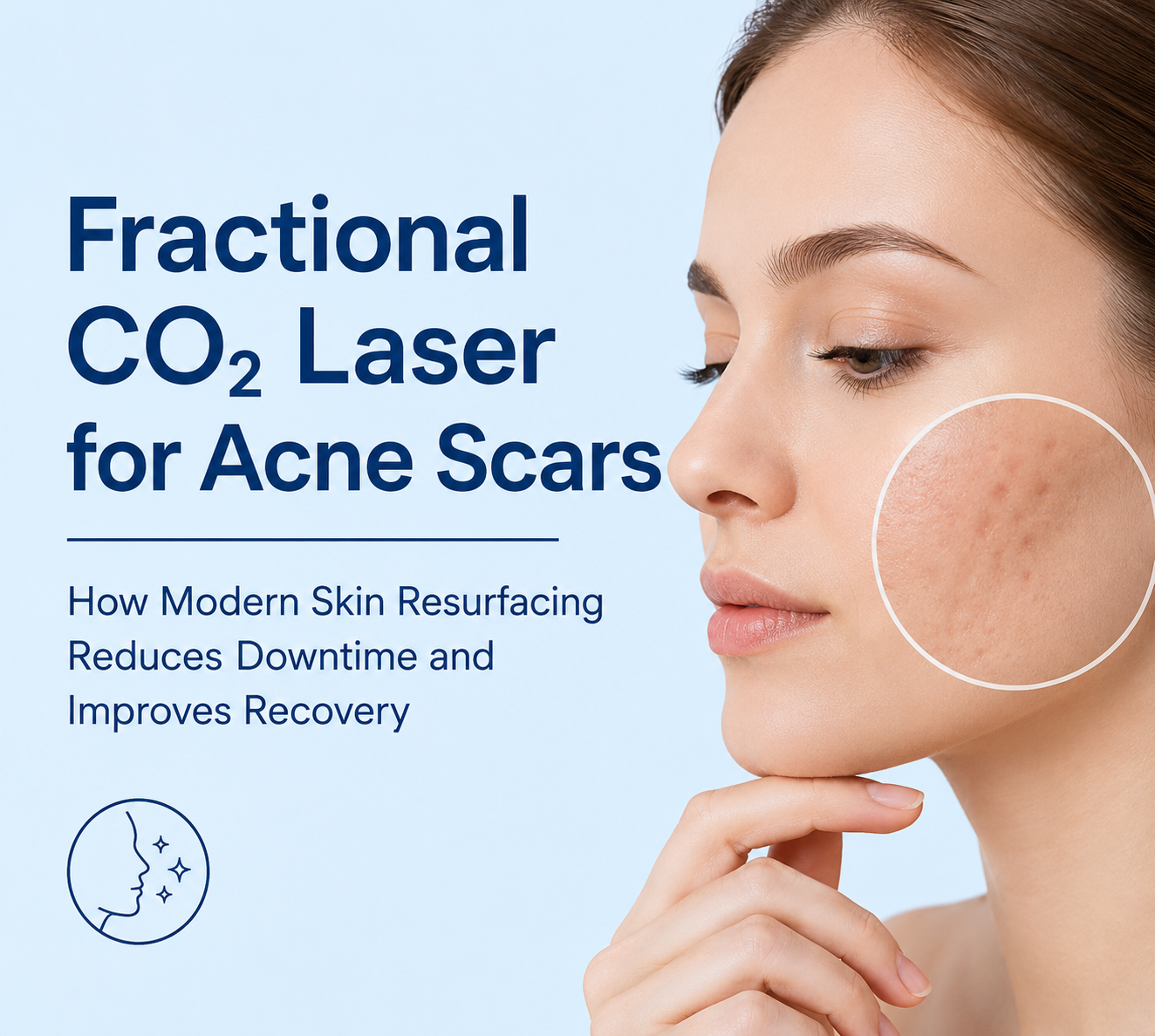
Le cicatrici da acne rimangono uno dei problemi cutanei più difficili da trattare perché spesso interessano più strati della pelle contemporaneamente. Mentre creme e trattamenti superficiali possono migliorare temporaneamente la texture della pelle, le cicatrici da acne più profonde di solito richiedono trattamenti che stimolano il rimodellamento del collagene al di sotto della superficie. Questo è il motivo per cui il resurfacing con laser CO2 frazionato continua ad essere una delle tecnologie più discusse nelle cliniche estetiche. Tuttavia, molte persone sono ancora preoccupate per il dolore, i lunghi tempi di recupero e il rischio di danneggiare la pelle. Sistemi laser CO2 frazionari a 10600 nm stanno cambiando queste preoccupazioni combinando il resurfacing cutaneo controllato con un'erogazione termica più precisa, contribuendo a migliorare le cicatrici da acne riducendo al contempo traumi cutanei e tempi di recupero non necessari.
1. Perché le cicatrici da acne sono difficili da trattare
Le cicatrici da acne si formano quando l'infiammazione danneggia le strutture di collagene all'interno della pelle durante il processo di guarigione. Una volta che la pelle perde il suo sostegno di collagene, possono comparire avvallamenti e una texture irregolare.
Le tipologie più comuni di cicatrici da acne includono:
- Cicatrici da punteruolo di ghiaccio
- Cicatrici da vagone merci
- Cicatrici rotolanti
- Pigmentazione post-infiammatoria
- Texture della pelle non uniforme
Poiché queste cicatrici spesso si estendono al di sotto dell'epidermide, i prodotti per la cura della pelle applicati localmente potrebbero avere effetti limitati sul rimodellamento cutaneo più profondo.
Per questo motivo, le tecnologie di resurfacing cutaneo basate sull'energia sono spesso utilizzate per il trattamento delle cicatrici da acne da moderate a gravi.
2. Come funziona il resurfacing con laser CO2 frazionato
La tecnologia laser CO2 frazionata utilizza energia laser controllata per creare zone di trattamento microscopiche all'interno della pelle, lasciando intatti i tessuti circostanti.
A differenza dei vecchi metodi di resurfacing completamente ablativi che rimuovevano ampie aree continue di pelle, la tecnologia frazionata tratta solo una frazione della superficie cutanea durante ogni seduta.
Questo approccio favorisce una guarigione più rapida, stimolando al contempo un profondo rimodellamento della pelle.
2.1 Cosa accade all'interno della pelle durante il trattamento
I moderni laser CO2 frazionati a 10600 nm creano simultaneamente due importanti effetti terapeutici:
Rifacimento della superficie
Il laser rimuove delicatamente gli strati esterni di pelle danneggiati per contribuire a migliorare:
- trama ruvida
- pori dilatati
- Segni superficiali dell'acne
- Tonalità non uniforme
- Aspetto spento della pelle
Rimodellamento profondo del collagene
Allo stesso tempo, l'energia termica controllata raggiunge gli strati dermici più profondi per stimolare:
- Nuova produzione di collagene
- Rigenerazione cutanea
- Rimodellamento tissutale
- Attenuazione delle cicatrici
- Elasticità migliorata
Questo processo a doppia azione è uno dei motivi per cui il resurfacing frazionato con CO2 rimane ampiamente utilizzato per il trattamento delle cicatrici da acne.
3. Perché la tecnologia frazionata ha ridotto le preoccupazioni relative al recupero
Una delle maggiori preoccupazioni relative al tradizionale rivestimento con CO2 era rappresentata dai lunghi tempi di inattività.
I laser ablativi più vecchi spesso causavano:
- Arrossamento prolungato
- desquamazione significativa
- Aumento del disagio
- Maggiore rischio di problemi di pigmentazione
- Periodi di recupero più lunghi
3.1 Come il trattamento frazionato ha modificato la guarigione della pelle
I sistemi frazionati lasciano zone di pelle non trattate tra i canali laser microscopici.
Queste aree non trattate contribuiscono ad accelerare la guarigione favorendo una più rapida riparazione dei tessuti.
Di conseguenza, molti trattamenti moderni con CO2 frazionata sono associati a:
- Tempi di inattività ridotti
- Ripristino più rapido della pelle
- Riduzione del trauma superficiale
- Minor rischio di complicazioni
- Intensità del trattamento più controllata
Questo miglioramento ha contribuito a rendere il resurfacing laser più accettabile per i clienti che cercano un ringiovanimento cutaneo non chirurgico.
4. Perché la precisione è importante nei trattamenti delle cicatrici da acne
Non tutte le cicatrici da acne richiedono la stessa intensità di trattamento.
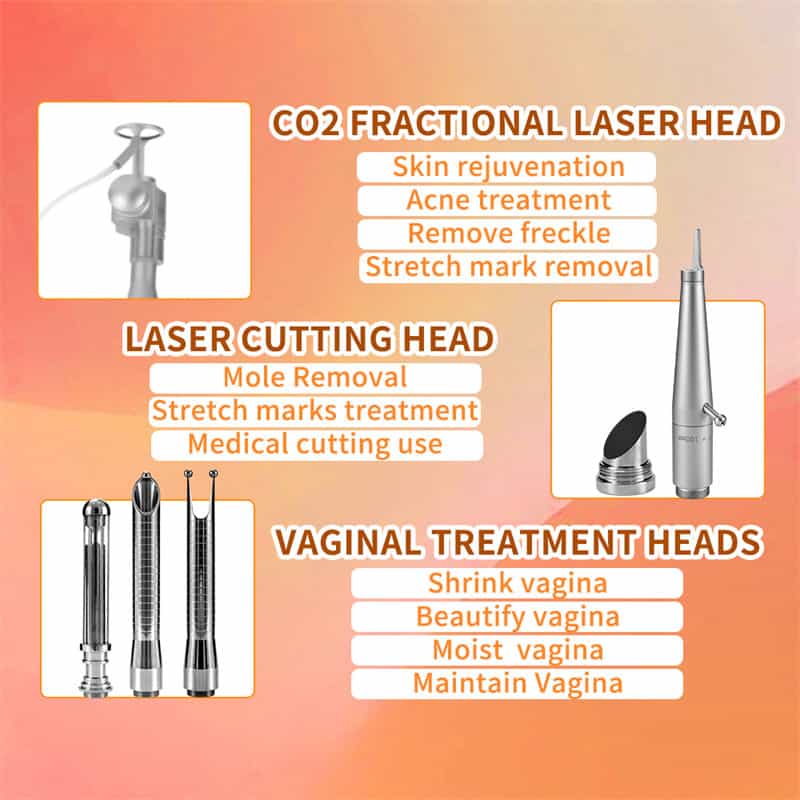
I moderni sistemi di CO2 frazionata si concentrano sempre più su impostazioni regolabili che consentono ai professionisti di personalizzare:
- Produzione di energia
- Modelli di scansione
- Profondità di penetrazione
- dimensione dello spot
- Densità di trattamento
4.1 Perché l'erogazione controllata di energia è importante
Un controllo più preciso dell'energia può aiutare i professionisti a colpire efficacemente il tessuto cicatriziale, riducendo al minimo i danni inutili alla pelle circostante.
Ciò diventa particolarmente importante per:
- Pelle sensibile
- Tonalità della pelle più scure
- zone del viso sottili
- Combinazione di tipi di cicatrici
I sistemi avanzati con molteplici modalità e forme di scansione consentono ai professionisti di adattare i trattamenti in base ai diversi modelli di cicatrici e alle regioni del viso.
5. Perché il rimodellamento del collagene è essenziale per un miglioramento a lungo termine
Molte persone si aspettano un miglioramento immediato delle cicatrici da acne dopo il trattamento. Tuttavia, il rimodellamento del collagene è un processo biologico graduale.
5.1 Cosa succede dopo il trattamento laser
A seguito del trattamento con CO2 frazionata:
- Le zone termiche microscopiche innescano la risposta di guarigione della pelle.
- I fibroblasti si attivano.
- Inizia la formazione di nuovo collagene ed elastina.
- Il tessuto cicatriziale si ammorbidisce e si riorganizza gradualmente.
- La texture della pelle continua a migliorare nel tempo.
Poiché la produzione di collagene si sviluppa gradualmente, i risultati spesso continuano a migliorare per diversi mesi dopo il trattamento.
Questo processo di rimodellamento ritardato è uno dei motivi per cui si raccomandano comunemente più sedute per le cicatrici da acne più profonde.
6. Perché la CO2 frazionata viene utilizzata anche al di là del trattamento delle cicatrici da acne
Sebbene le cicatrici da acne rimangano una delle principali indicazioni per il trattamento, i moderni sistemi di laserterapia frazionata a CO2 vengono sempre più utilizzati per obiettivi di ringiovanimento cutaneo più ampi.
6.1 Applicazioni comuni per il viso
Il resurfacing frazionato può anche contribuire a migliorare:
- Linee sottili
- danni del sole
- Texture della pelle non uniforme
- pori dilatati
- Irregolarità di pigmentazione
- lassità cutanea
6.2 Perché le terapie combinate sono in crescita
Alcune cliniche ora combinano il resurfacing frazionato con CO2 con altri trattamenti per la cura della pelle o procedure basate sull'energia per favorire il rinnovamento cutaneo complessivo.
Gli approcci combinati possono concentrarsi su:
- Correzione del pigmento
- Perfezionamento della texture
- Stimolazione del collagene
- Supporto all'idratazione
- Rimodelamento delle cicatrici
Ciò riflette la crescente tendenza verso una pianificazione del trattamento personalizzata in medicina estetica.

7. Cosa devono sapere i pazienti prima del trattamento
Sebbene il resurfacing frazionato con CO2 sia meno aggressivo rispetto ai metodi completamente ablativi di un tempo, una corretta pianificazione del trattamento rimane fondamentale.
7.1 Aspettative di ripresa
Gli effetti temporanei possono includere:
- Arrossamento
- Calore
- Lieve gonfiore
- Sfaldamento
- Secchezza
I tempi di recupero variano a seconda dell'intensità del trattamento e delle condizioni individuali della pelle.
7.2 Importanza della valutazione professionale
Una valutazione professionale della pelle aiuta a determinare:
- Livelli energetici adeguati
- Profondità della cicatrice
- sensibilità della pelle
- Rischio di pigmentazione
- Frequenza del trattamento
Questo approccio individualizzato è importante per ottenere risultati più sicuri e coerenti.
Conclusione
Il resurfacing laser CO2 frazionato moderno è diventato una delle tecnologie più utilizzate per il trattamento delle cicatrici da acne perché combina il rinnovamento superficiale con un profondo rimodellamento del collagene. Rispetto ai vecchi metodi laser completamente ablativi, la tecnologia frazionata consente un'erogazione del trattamento più controllata, un recupero più rapido e tempi di inattività ridotti, pur mirando al tessuto cicatriziale più profondo. sistemi laser Grazie alla continua evoluzione che offre maggiore precisione, modalità di scansione personalizzabili e un'erogazione di energia più controllata, il resurfacing frazionato con CO2 rimane un'opzione importante per le cliniche che desiderano migliorare la texture della pelle senza ricorrere alla chirurgia e ottenere un ringiovanimento cutaneo a lungo termine.