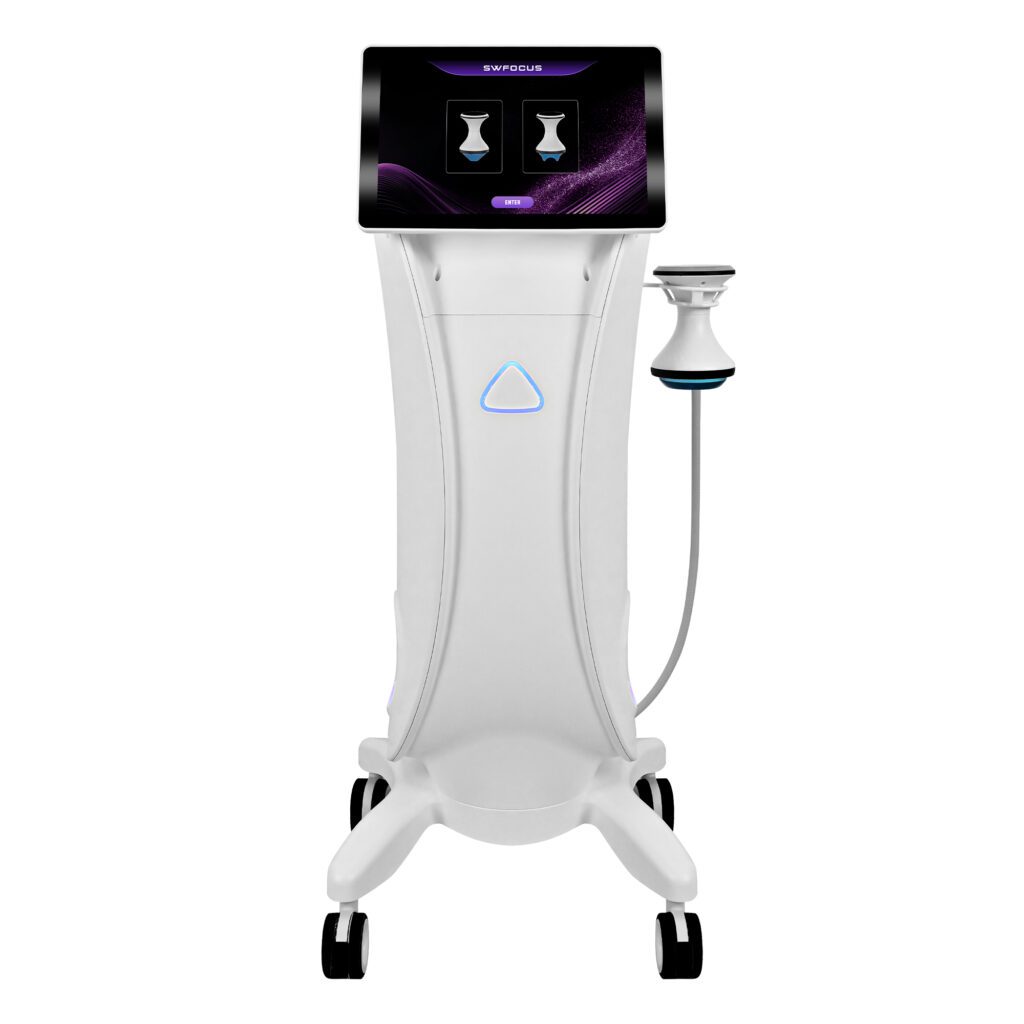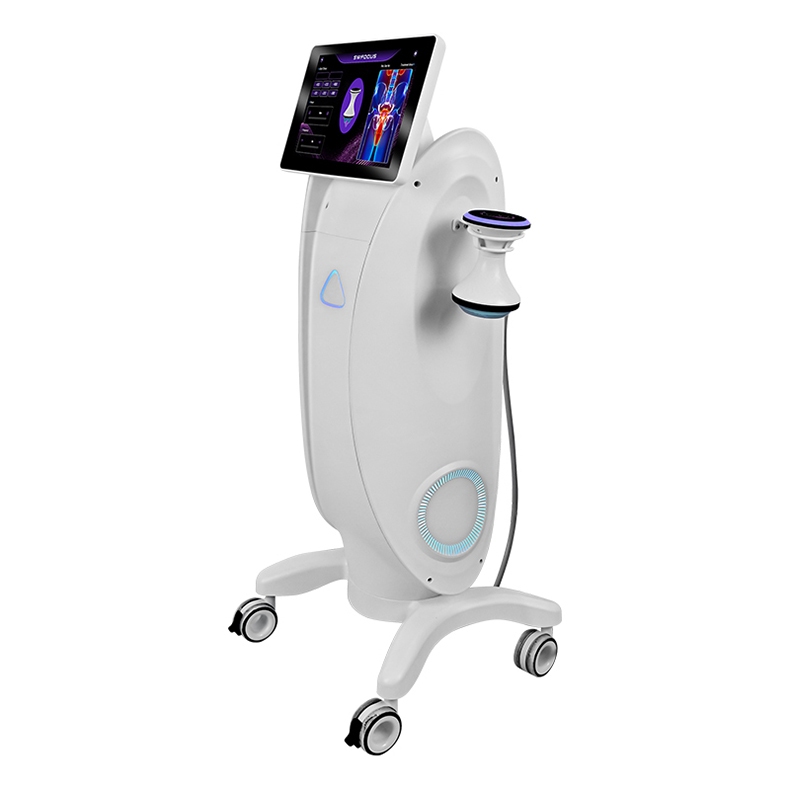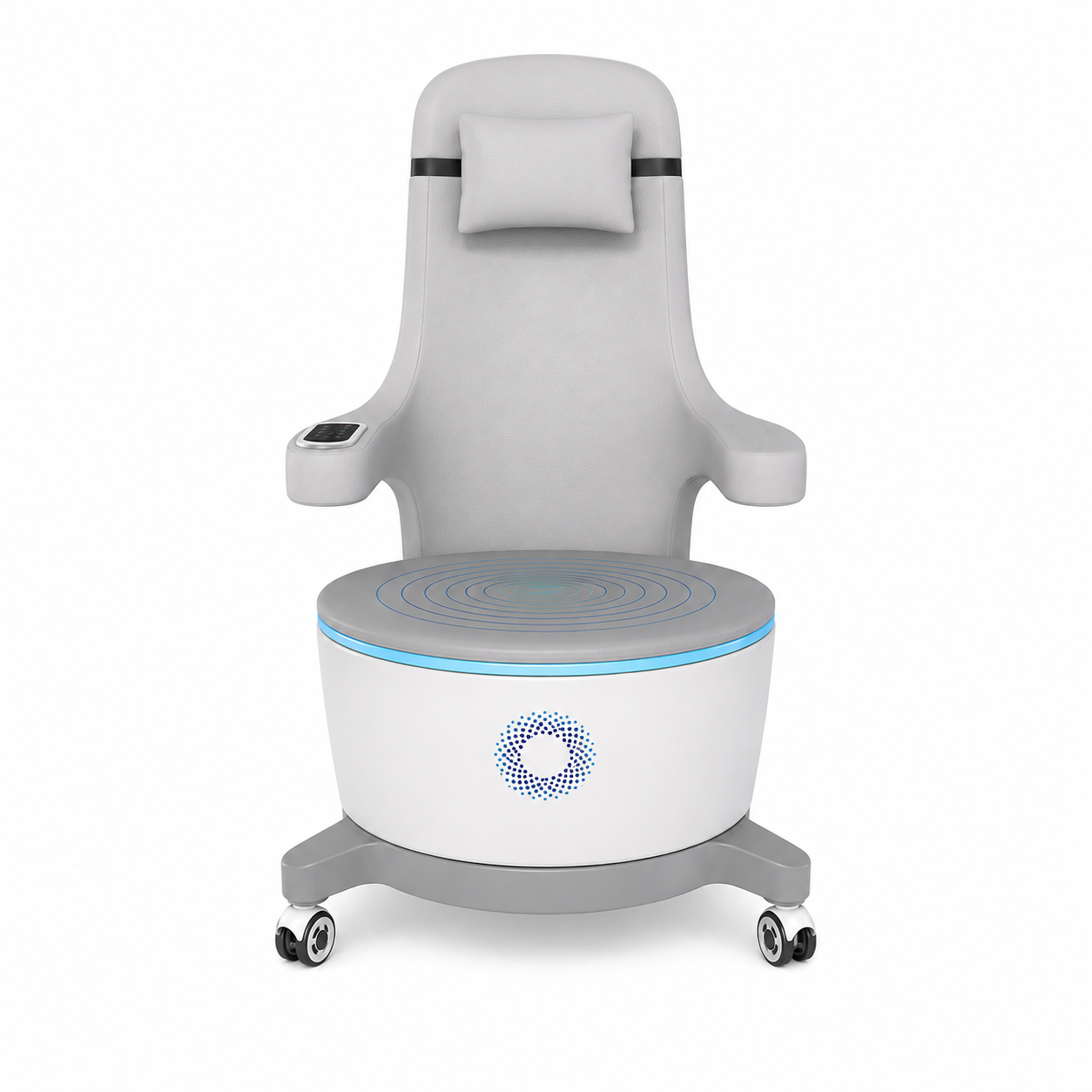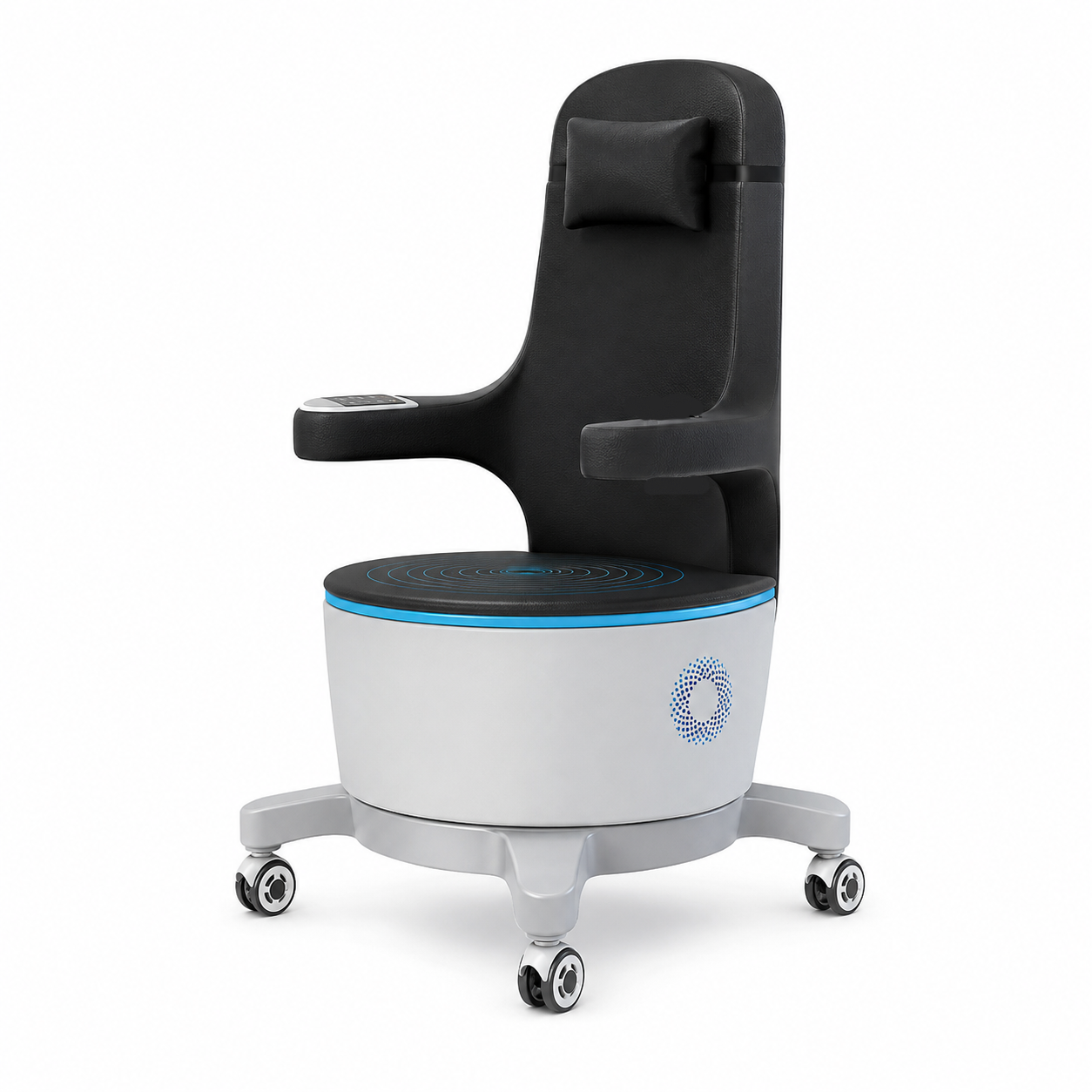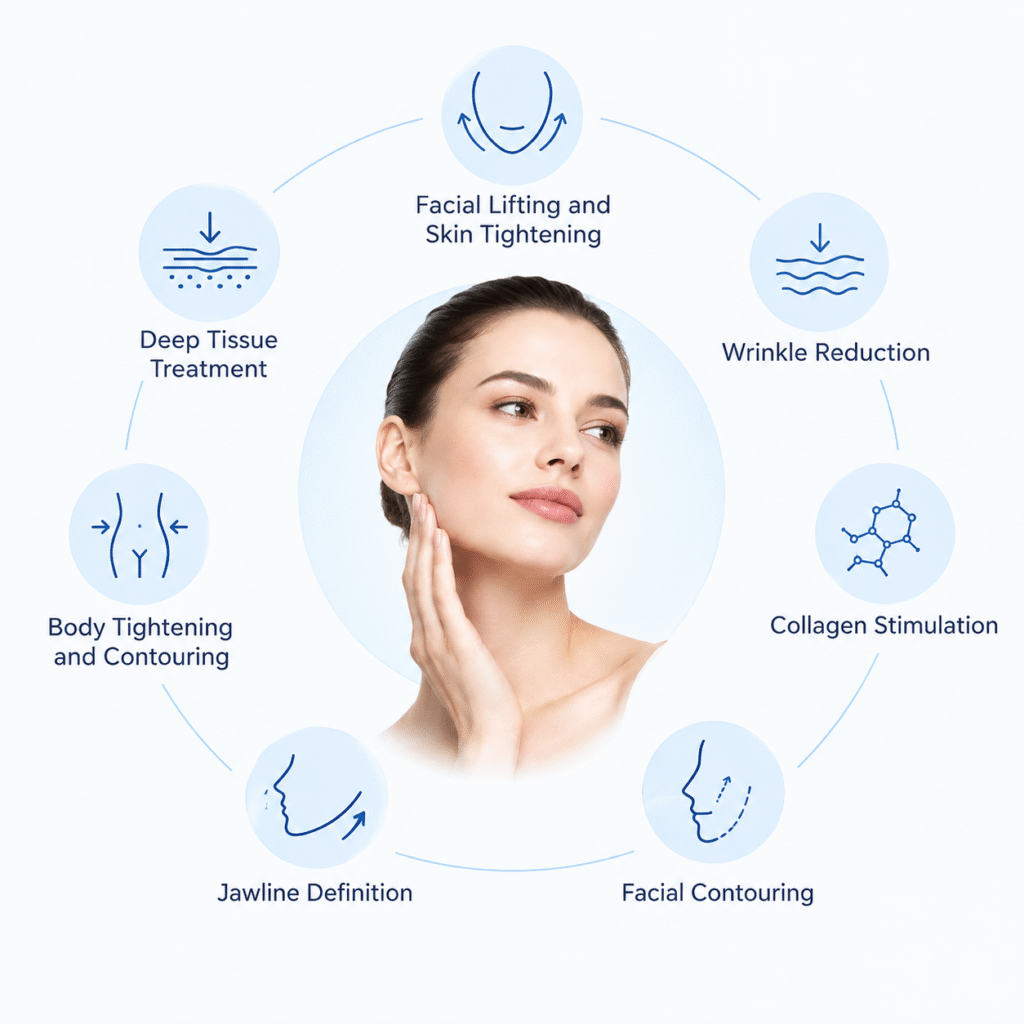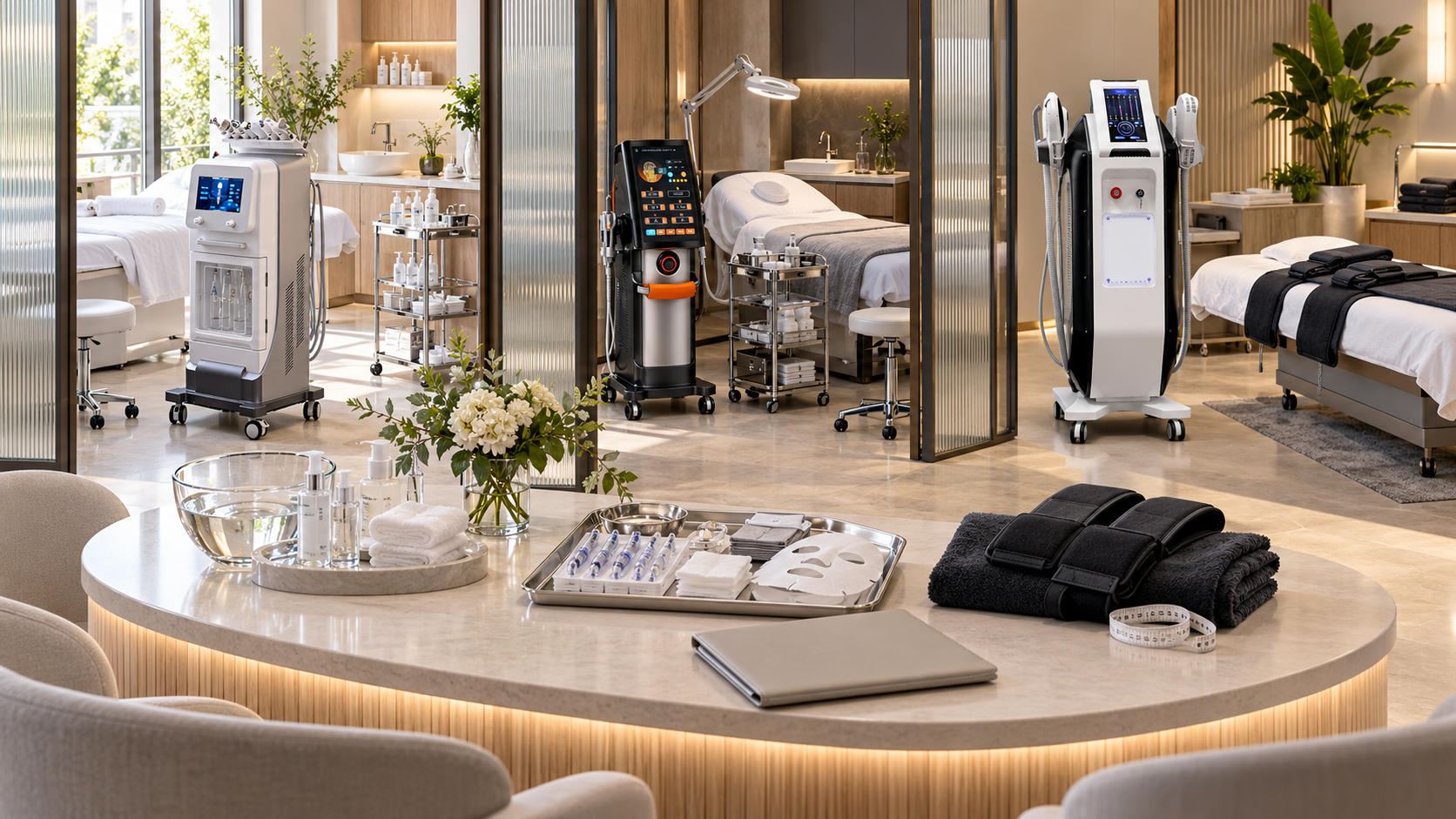
A beauty device menu should begin with the result a client wants to discuss, not with a wall of model names, handpieces, and technical functions. Clients may ask for a cleaner-looking complexion, better hydration, improved facial definition, less unwanted hair, or a body service focused on a particular area. The business must translate that language into a suitable consultation and a clearly controlled service category.
This guide shows salons, med spas, skin clinics, body studios, and multi-service centers how to turn common treatment goals into a practical menu. It connects those goals to selected SHEFMON device categories, explains what clients should see and what staff should keep internally, and provides compact equipment packages for different business models.
Executive Summary
- Collect the phrases clients actually use before creating service names.
- Group similar requests into a small number of goal families, such as cleansing and hydration, facial tone and contour, unwanted-hair reduction, body-focused care, and advanced skin or lifting consultations.
- Treat each goal as a reason to begin an assessment, not as proof that a particular device is suitable.
- Give every device one primary public menu role even when it has several functions.
- Use A0648 hydro microdermabrasion for a clear cleansing and hydration-oriented facial foundation.
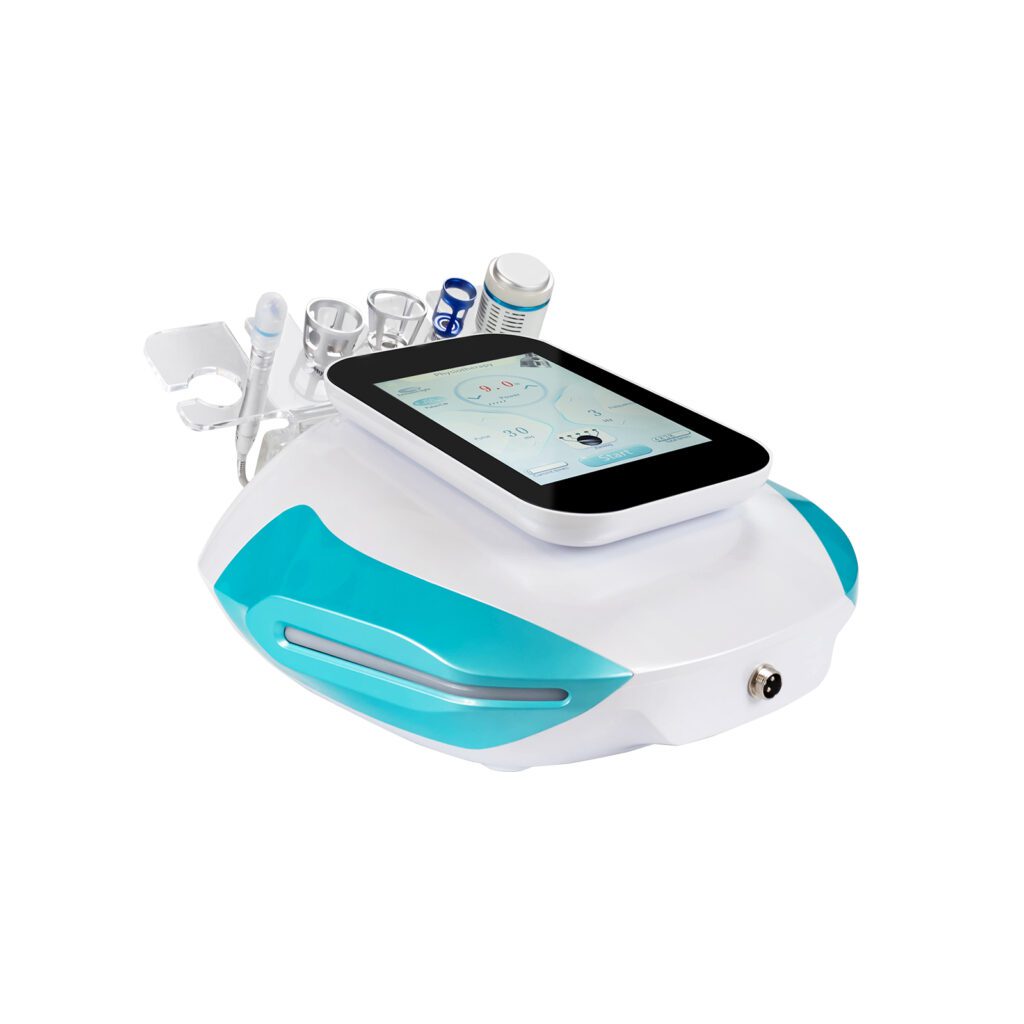
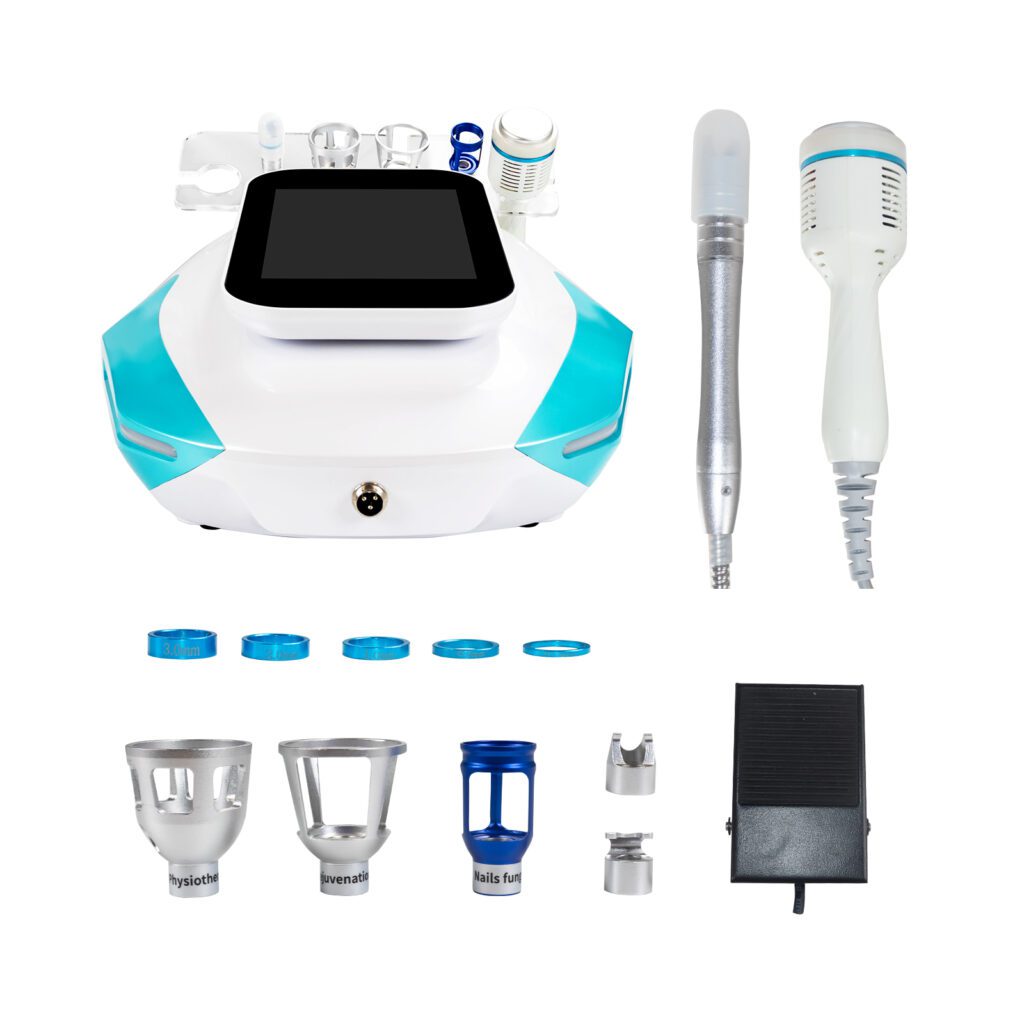
- Position A0272-F facial EMS/RF as a separate tone and contour category rather than an automatic facial upgrade.
- Build an area-based unwanted-hair menu around A0423 or A0426 diode laser after confirming the exact configuration and operating requirements.
- Separate roller and vacuum-oriented body care, muscle-focused services, and localized cooling contouring instead of listing all three as “slimming.”
- Place focused HIFU and RF microneedling behind qualified, category-specific consultation routes.
- Publish concise goal-led descriptions while maintaining a detailed internal map of the device, configuration, operator, room, consumables, records, and booking rules.
- Build packages around the set of goals the business can deliver consistently; do not infer a combined-treatment protocol from an equipment package.
1. Start with the Goal, Then Design the Menu Route
The most useful question is not “Which machine should we advertise?” It is “What is the client trying to change, maintain, or understand?” The answer gives the business a starting point for routing the enquiry.
Common client phrases can be broad:
- “My skin feels dull or congested.”
- “I want a more hydrated facial.”
- “I am interested in facial lifting or definition.”
- “I want to reduce unwanted hair in this area.”
- “I want a body treatment for texture, contour, or muscle focus.”
- “I want help with texture or marks.”
The business should clarify what the phrase means, identify the relevant service family, and decide whether its scope and equipment can address the request. A treatment goal helps route a conversation. It does not diagnose a condition, guarantee an outcome, or replace the required assessment.
2. Consolidate Client Language into Six Goal Families
A long list of concerns can usually be organized into a shorter menu architecture.
| Goal family | Client-language examples | Possible device direction | Menu entry |
|---|---|---|---|
| Cleanse, refresh, and hydrate | Dull appearance, congestion, surface buildup, hydration | A0648 | Core facial consultation or facial service |
| Support facial tone and contour | Facial definition, toning, a technology-led facial | A0272-F | Targeted facial consultation |
| Reduce unwanted hair | Defined face or body area | A0423 or A0426 | Laser hair-reduction consultation |
| Improve the body-service experience | Roller, vacuum, selected RF-related, light, or cavitation goals | B0155 | Multifunction body-care consultation |
| Focus on muscle or localized contouring | Muscle-focused service or a defined cooling-contouring area | A0241 EMS/RF or S9 cooling platform | Separate body-program consultations |
| Explore an advanced skin or lifting procedure | Focused-ultrasound enquiry, texture, resurfacing, or RF microneedling enquiry | A0204 HIFU or A0152 RF microneedling | Qualified advanced consultation |
These rows are routing categories. They do not mean that every client using one of the phrases should receive the associated service.
3. Build a Goal-to-Menu Worksheet Before Buying Devices
Create one worksheet for every goal family. It should connect demand with the complete service operation.
| Worksheet field | Decision to record |
|---|---|
| Client goal | The plain-language outcome clients ask about |
| Clarifying questions | Information needed to understand the request without diagnosing at reception |
| Public category | The simple service family shown on the website or menu |
| Consultation owner | The role authorized to assess that category |
| Representative device | Model and exact configuration under consideration |
| Service boundary | What the category is intended to cover and what it does not cover |
| Booking gate | What must be complete before a service can be scheduled |
| Room and operator | Space, control, privacy, power, and competency requirements |
| Components and stock | Handles, heads, tips, cartridges, solutions, contact materials, protective items, or other stock |
| Records and follow-up | What the clinic documents and how the next decision is made |
| Alternative route | Another category, postponement, referral, or no service |
This worksheet exposes weak menu ideas early. If a business can write a promotional name but cannot define the consultation owner, device configuration, booking gate, or follow-up, the category is not ready to launch.
4. Create a Cleansing and Hydration Menu Around A0648
The vertical A0648 is a nine-function hydro microdermabrasion platform. Its current product page presents hydro and vacuum-based facial care with cleansing, exfoliation, extraction, hydration-oriented, and supporting functions. That makes it a strong anchor for a facial goal family.
Do not publish nine separate services simply because the unit has nine functions. Start with two or three formats that clients can distinguish:
| Client-facing service | Primary goal | Internal distinction |
|---|---|---|
| Essential Cleanse and Hydrate Facial | A clear entry service for cleansing and hydration-oriented care | Approved function set, solutions, tips, duration, operator, cleaning, and records |
| Targeted Hydro Facial | A facial adjusted around one defined, suitable priority | Consultation decision, selected function set, service card, and review |
| Facial Maintenance Plan | Repeat care for a client whose assessment supports a continuing pathway | Frequency decision, change check, previous response, and reassessment point |
The names describe why a client might choose the service. The internal service card controls how the device is used. Avoid claims that a cleansing facial treats medical acne, permanently changes pores, or guarantees a particular appearance.
5. Give A0272-F Its Own Facial Goal
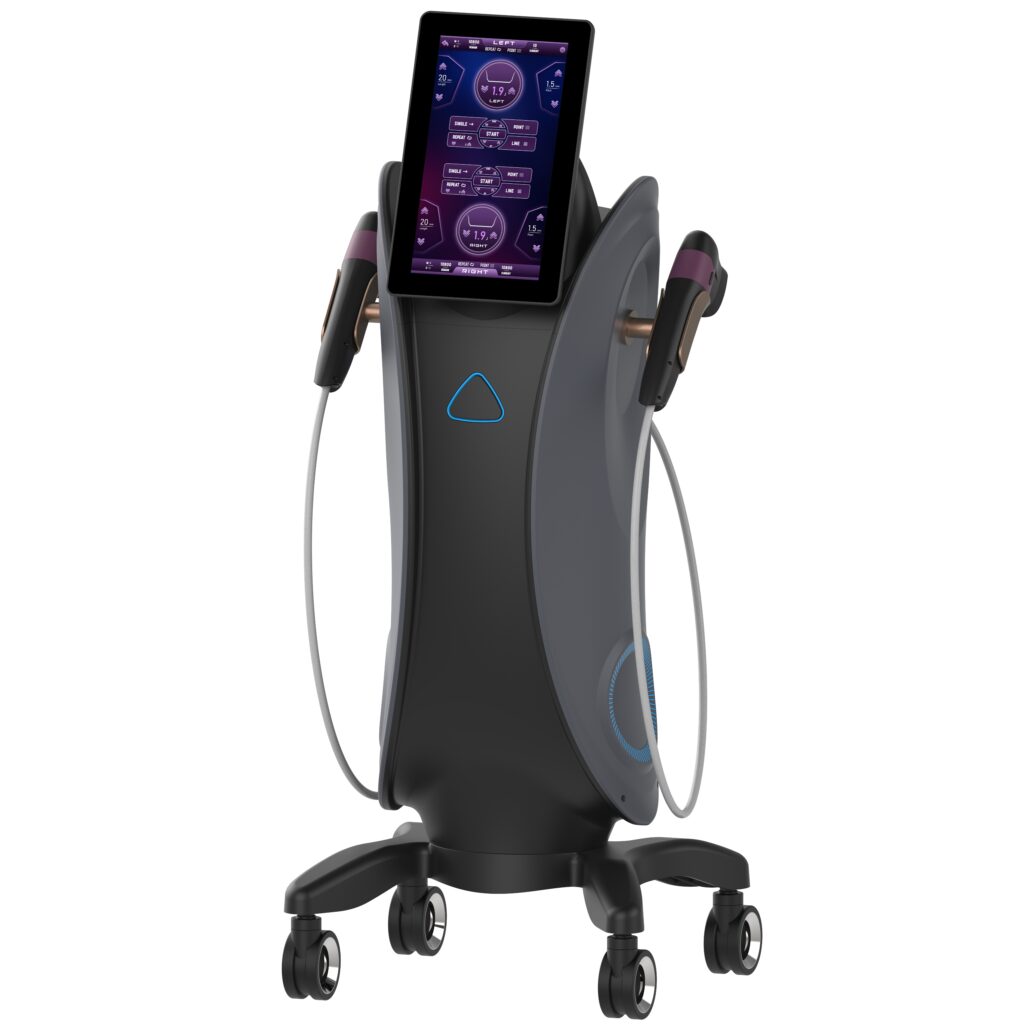
The A0272-F product page describes high-intensity facial electrical stimulation combined with RF. Its menu role should be distinct from A0648 hydro-based care.
A clear category might be Facial Tone and Contour Consultation. The public description can explain that the appointment considers a device-led facial service using electrical stimulation and RF. Internally, the business records the assessment, authorized operator, device and accessories, placement process, contact materials, settings method, response, and review route.
Do not label A0272-F as “Level 2” of every hydro facial. A client interested in tone and contour may enter the A0272-F consultation directly, while a regular A0648 client may continue maintenance without changing categories. The menu should show two different goals rather than an assumed progression toward stronger or more expensive technology.
6. Organize Hair Reduction Around Areas and Consultations
Clients understand unwanted hair by area more easily than by handpiece power or spot size. Use one consultation category and a consistent area map.
An example structure is:
- laser hair-reduction consultation;
- small-area service;
- medium-area service;
- large-area service;
- multi-area service where the clinic has defined booking and assessment rules;
- planned review or active-program visit.
Define every area internally so booking duration and pricing presentation remain consistent. “Small area” should not mean one thing online and another at reception.
The current A0423 and A0426 pages list 600 W and 1200 W handpiece options, 15 × 15, 15 × 20, and 15 × 30 mm spot options, multiple wavelength positioning, and semiconductor, water, and TEC cooling. Those options affect purchasing and workflow, but they do not need to become client-facing service names. Confirm the delivered handpiece, wavelength configuration, spot options, electrical requirements, operating footprint, protective equipment, training information, and service arrangements before publishing the category.
The American Academy of Dermatology laser hair removal FAQ discusses consultation, preparation, repeat sessions, variable outcomes, and possible side effects. The clinic’s menu should lead to a qualified assessment rather than promise permanent removal, universal suitability, or a fixed number of visits.
7. Divide Body Goals Before Choosing a Body Platform
“Slimming” is too broad to function as a useful goal category. It can conceal technologies with different principles, practical requirements, and client expectations. Divide body enquiries into at least three routes.
Roller, vacuum, and multifunction body care
The B0155 product page lists larger and smaller vacuum rollers, rotating handles, RF-related functions, light, and 80K cavitation. Its menu can focus on selected body-care goals and areas, with the precise function controlled by the consultation and service card.
Possible entries include a body-care consultation, a selected-area roller and vacuum service, or an active body-program review. Avoid representing all handles as one simultaneous protocol.
Muscle-focused body services
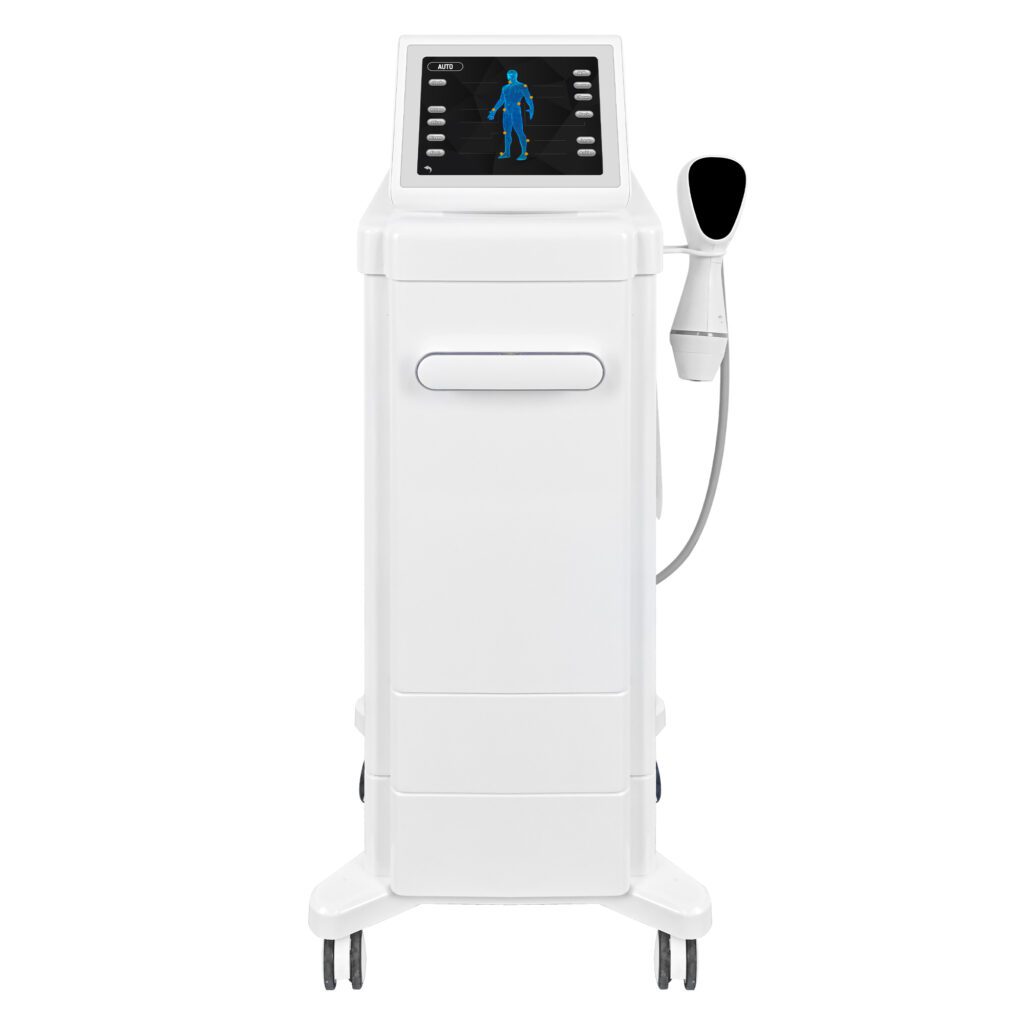
The A0241 is positioned around electromagnetic muscle stimulation and RF. Give it a separate Muscle-Focused Body Program Consultation rather than placing it under the B0155 menu. Before purchase, confirm the exact supplied applicator and handle configuration, operator requirements, room setup, assessment process, documentation, and program-review method.
Localized cooling contouring
The S9 is a vacuum-assisted cooling contouring platform. It belongs in a defined-area consultation pathway with its own applicator inventory, assessment, room process, records, follow-up, and escalation plan. Do not merge it with muscle stimulation or roller-based body care simply because clients may use similar contouring language.
The FDA’s non-invasive body contouring overview distinguishes several technology types and explains that they have different intended effects, limitations, and risks. A business should describe the actual category accurately and avoid positioning device-based contouring as obesity treatment, general weight loss, or guaranteed permanent change.
8. Place Advanced Goals Behind Qualified Consultation Gates
Some goals require a stronger professional and operational pathway than a routine facial menu.
Focused-ultrasound lifting enquiries
The A0204 product page presents a focused-HIFU platform with multiple standard and optional handles, cartridges, and treatment depths. The public menu can offer a Focused-Ultrasound Consultation. Internally, the clinic should control the exact configuration, authorized professional, cartridge inventory, assessment, consent, records, aftercare, follow-up, and escalation route.
Do not place HIFU inside an ordinary “premium facial” drop-down. A premium price or luxury room does not define the level of professional control the category requires.
RF microneedling and texture enquiries
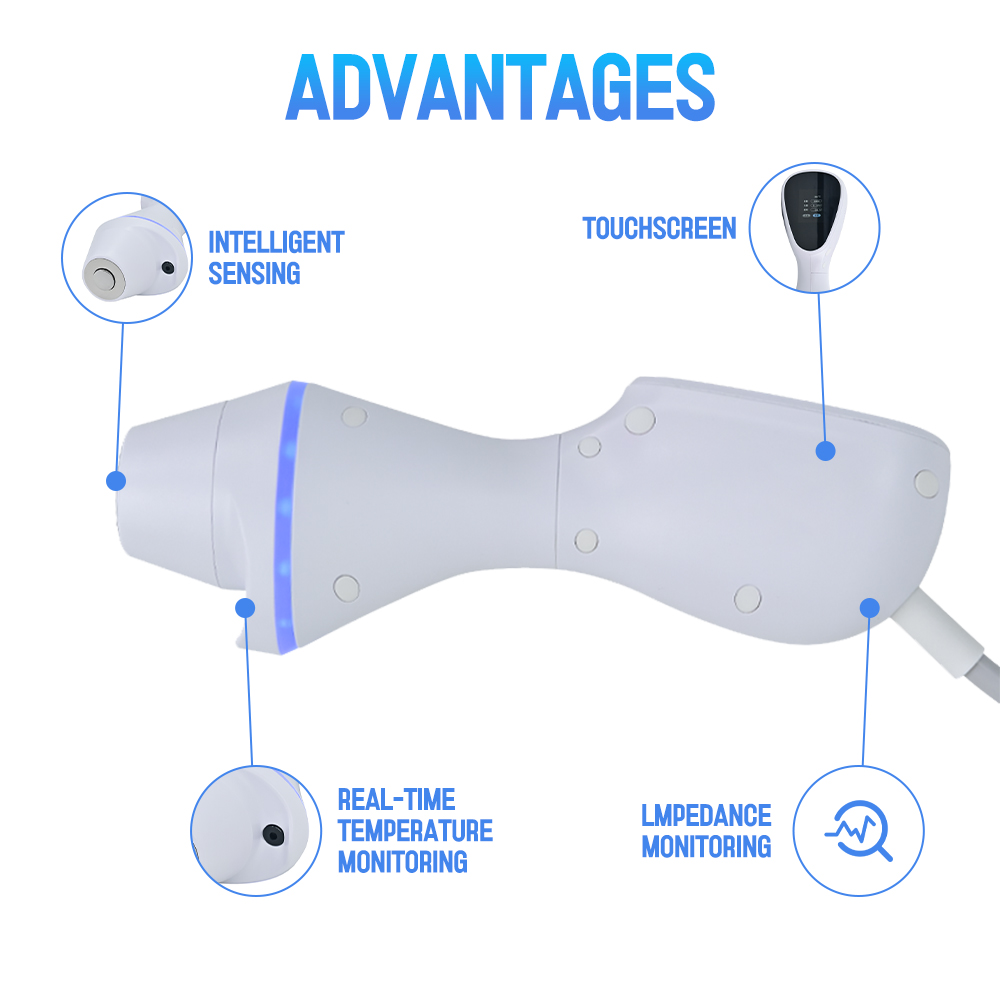
The A0152 product page lists RF microneedling, several needle configurations, and adjustable depths from 0.5 to 7 mm. The menu should present it as an advanced consultation and procedure pathway, not as a routine facial add-on.
The clinic needs suitable professional oversight, procedure hygiene, single-use stock management, sharps handling, consent, detailed records, aftercare, and a complication-response process. The FDA’s RF microneedling safety communication reports serious complications associated with certain uses and advises clients to seek a licensed provider with training and experience. Review current device instructions, local rules, and the clinic’s response capability before launching the service.
9. Assign One Primary Public Role to Each Device
A multifunction device can support several internal service cards, but it still needs a clear primary role on the public menu.
| Model | Primary public role | Information kept behind the menu |
|---|---|---|
| A0648 | Cleansing and hydration-oriented facial care | Function selection, tips, solutions, fluid-path cleaning, and service variants |
| A0272-F | Facial tone and contour consultation | Accessories, placement, contact materials, settings process, and review |
| A0423 or A0426 | Area-based laser hair reduction | Exact laser configuration, controlled-room process, eyewear, settings, cooling, and records |
| B0155 | Multifunction body-care consultation | Selected handle or function, area, contact materials, cleaning, and program review |
| A0241 | Muscle-focused body program | Applicator configuration, placement, settings process, and progress review |
| S9 | Localized cooling-contouring consultation | Applicator set, area, assessment, monitoring, follow-up, and escalation |
| A0204 | Focused-ultrasound consultation | Handle and cartridge selection, depth, authorization, consent, and aftercare |
| A0152 | Advanced RF microneedling consultation | Needle configuration, depth, sterile workflow, sharps, consent, and response plan |
This discipline keeps the menu easy to scan and the operating system detailed enough to control delivery.
10. Separate the Public Menu from the Internal Device Map
The client-facing menu and the staff reference should contain different levels of information.
What clients should see
- the goal the service is designed to discuss;
- the service family and technology in plain language;
- whether consultation is required;
- which areas or broad options are available;
- what the appointment includes at a high level;
- realistic limits and the fact that suitability varies;
- the next step for booking.
What staff should see
- approved service code and service card version;
- device model and exact configuration;
- authorized roles and room type;
- assessment, consent, and reassessment rules;
- approved areas and appointment blocks;
- handles, heads, tips, cartridges, applicators, solutions, and other stock;
- pre-use checks, cleaning, maintenance, and downtime status;
- documentation, aftercare, review, and escalation requirements.
Do not solve an unclear internal process by placing technical detail on the public page. Build the internal map first, then write a concise client explanation from it.
11. Write Every Menu Entry with the Same Six-Part Template
Consistency makes comparison easier. Each service entry should answer:
1. Goal: What type of request does this service consider? 2. Technology: What broad device category is involved? 3. Consultation: Is a separate assessment required before treatment? 4. Experience: What happens during the appointment at a non-technical level? 5. Boundary: What should the client not assume about suitability or results? 6. Next step: Which appointment should the client request?
For example:
> Facial Tone and Contour Consultation considers whether an electrical-stimulation and RF facial service fits your stated goal. A trained team member reviews the relevant information and explains the available pathway. Consultation does not guarantee suitability or a particular result. Book the consultation before selecting a service appointment.
The description is short, but it gives the client a goal, technology category, decision point, boundary, and action.
12. Use Consultation Levels Instead of One Universal Form
The depth of assessment should reflect the service category.
| Consultation level | Suitable menu categories | Operational emphasis |
|---|---|---|
| Core facial assessment | A0648 cleansing and hydration-oriented care | Goal, relevant information, selected functions, products and tips, comfort, cleaning, maintenance plan |
| Targeted device assessment | A0272-F or selected B0155 services | Technology-specific suitability, accessories or handles, placement, contact materials, settings process, response, review |
| Specialist technology assessment | A0423/A0426, A0241, or S9 | Defined area, exact configuration, trained operator, room controls, documentation, aftercare, and follow-up |
| Advanced clinical assessment | A0204 or A0152 | Qualified decision-maker, professional scope, consent, detailed records, procedure stock, aftercare, escalation, and review |
Every consultation can end in approval for a defined service, deferral, referral, decline, or a request for more information. A purchased package or membership should never replace that recorded decision.
13. Handle Clients with More Than One Goal
Many clients arrive with several requests. Do not respond by placing several devices into one session. Use a priority process:
1. ask which goal matters most now; 2. identify whether another goal changes the route or requires a different professional; 3. choose the appropriate first consultation; 4. record secondary goals for later review; 5. decide each device category separately; 6. coordinate timing only through device instructions, professional judgment, current client status, and local requirements.
The menu can offer a Multi-Goal Discovery Consultation for clients who do not know where to start. That appointment should route the client to the correct service owner; it should not promise that all requested services can be combined.
14. Build Packages Around Menu Coverage
An equipment package should cover a deliberate set of client goals. The package describes business capability, not same-day sequencing.
Compact facial menu
Devices: A0648 + A0272-F
This pair covers a core cleansing and hydration goal plus a separate facial tone and contour goal. It suits a facial salon or clinic that wants two understandable categories and can operate distinct assessments and service cards.
Facial and hair menu
Devices: A0648 + A0423 or A0426
This package adds an area-based hair-reduction department to a facial foundation. It requires a controlled laser route, authorized staff, protective equipment, exact configuration records, and suitable space.
Facial and multifunction body menu
Devices: A0648 + B0155
This package fits a studio that wants one facial family and one selected body-care family. Publish separate menus and maintain room turnover, body-area, handle, cleaning, and program-review controls.
Three-goal salon or med-spa menu
Devices: A0648 + A0272-F + either A0423/A0426 or B0155
The third device should respond to demonstrated demand: hair reduction where the business can support laser governance, or body care where it can support body consultations and space. Do not add both simply to make the menu look complete.
Clinic menu with one advanced pathway
Devices: A0648 + A0272-F + either A0204 or A0152
This portfolio separates routine facial care, targeted non-invasive facial technology, and one advanced category. Choose the advanced device only after confirming professional scope, staffing, consent, stock, aftercare, follow-up, maintenance, and escalation.
Body-specialist menu
Devices: Choose from B0155, A0241, and S9 according to the goals the business will actually serve
These models represent different body categories. Start with one clear route, prove demand and operating consistency, then add another only when clients can understand the distinction and staff can support its separate workflow.
15. Adapt the Menu to the Business Type
| Business | Strong opening categories | Category to add only with the required capability |
|---|---|---|
| Boutique facial salon | A0648 core facial; A0272-F targeted facial | Hair, body, or advanced services requiring different rooms and controls |
| Skin clinic | A0648 maintenance; A0272-F targeted facial | A0204 or A0152 under a qualified advanced pathway |
| Med spa | Facial foundation plus one specialist or advanced lane | Additional advanced technologies when governance and follow-up capacity exist |
| Body studio | One clearly defined B0155, A0241, or S9 route | A second body principle after demand and differentiation are established |
| Multi-service center | Separate facial, hair, body, and advanced departments | Cross-department packages only after ownership and timing rules are documented |
| Distributor demonstration portfolio | One model per major goal category | Additional models that solve a verified catalog gap or market-specific need |
The menu should reflect the business’s actual professional capability. Device ownership alone does not turn a salon into a clinic or establish authorization to perform a procedure.
16. Structure Prices and Packages Without Hiding the Goal
This guide does not prescribe prices, because markets, operating costs, configurations, and professional requirements vary. The menu structure can still make price presentation clear:
- price the defined service or area, not a vague promise;
- state whether consultation is separate or credited under the business’s policy;
- define what a package includes and when reassessment occurs;
- keep optional services visible rather than adding them without explanation;
- distinguish a maintenance plan from a procedure series;
- explain expiry, cancellation, transfer, pause, and refund terms as required;
- do not discount clients into an unsuitable category.
A package can simplify repeat bookings, but every visit remains subject to the service’s current checks and professional decision process.
17. Launch the Menu in Three Stages
Stage 1: Build and test internally
Complete service cards, consultation forms, room assignments, stock lists, cleaning processes, booking gates, aftercare, and escalation routes. Ask staff to route sample enquiries using only the draft menu.
Stage 2: Publish a limited menu
Launch the smallest set of categories that the team can deliver consistently. Check whether clients select the correct consultation and whether reception can explain the difference between adjacent services.
Stage 3: Expand from evidence
Review unmet enquiries, waiting time, room use, repeat demand, staff capacity, and lost bookings caused by a true service gap. Add a device category when it solves a repeated goal and the complete workflow can support it.
This sequence keeps the device portfolio connected to client demand rather than to feature count.
18. Measure Whether the Goal-Led Menu Works
Track indicators that show whether clients and staff understand the menu:
- enquiries correctly routed on the first attempt;
- consultation bookings that arrive under the right category;
- frequent client phrases that do not fit any current menu entry;
- consultations that end in approval, deferral, referral, decline, or information pending;
- services repeatedly confused with each other;
- bookings changed because the wrong room, operator, device, or duration was selected;
- return visits with completed reviews and current records;
- device downtime and stock shortages affecting published services;
- secondary goals that consistently justify a new category;
- pages or service descriptions that create unrealistic expectations.
Revise names and routing before purchasing more equipment when confusion is the real problem.
19. Common Goal-Led Menu Mistakes
Copying the product function list into the menu
Clients need an understandable goal and booking route. Keep detailed functions in the internal service map.
Using one goal for unrelated body technologies
B0155, A0241, and S9 do not become interchangeable because they appear under a body department. Explain the service principle and maintain separate assessments.
Calling every stronger service “advanced”
“Advanced” does not explain whether the service uses facial electrical stimulation, focused ultrasound, laser, or RF microneedling. Name the category and consultation route.
Creating too many A0648 facial names
Nine device functions do not require nine public services. A smaller set of goal-led facial formats is easier to book and operate.
Turning packages into treatment protocols
Owning A0648, A0272-F, and A0204 does not establish that they should be used together or on the same day. Decide timing and compatibility separately for each client and category.
Letting reception select the technology
Reception can clarify the goal and book the correct consultation. Technology-specific suitability belongs to the authorized decision-maker.
Promising the result in the service name
Avoid names that guarantee permanent removal, a fixed amount of lifting, weight loss, or a specific clinical outcome. Use accurate goal language and explain that individual suitability and response vary.
20. Final Menu-Building Checklist
Before publication, confirm that:
1. every menu category begins with a recognizable client goal; 2. similar client phrases have been grouped without losing important distinctions; 3. each goal routes to one clear consultation owner; 4. every device has a primary menu role; 5. body technologies and advanced procedures remain distinct; 6. the public description states the technology category and next step; 7. the internal map identifies the exact model and configuration; 8. booking gates control the operator, room, duration, components, and stock; 9. service cards cover records, cleaning, aftercare, review, and escalation; 10. packages describe menu coverage rather than unverified combinations; 11. claims, service names, professional scope, and consent follow local requirements; 12. the next device purchase solves a demonstrated treatment-goal gap.
Frequently Asked Questions
1. What is a goal-led beauty device menu?
It organizes services around the outcomes clients want to discuss, then routes each enquiry to an appropriate device category and assessment. The public menu uses understandable goal language, while the internal system controls the model, configuration, operator, room, components, records, and follow-up.
2. Which device is a good foundation for cleansing and hydration goals?
The A0648 is a practical option for businesses building a hydro-based facial category. Its nine functions can support defined cleansing, exfoliation, extraction, hydration-oriented, and supporting service cards. Publish a small number of clear services instead of turning every function into a separate menu item.
3. Should A0272-F be listed as a premium hydro facial?
No. A0272-F uses facial electrical stimulation and RF, while A0648 centers on hydro and vacuum-based facial care. Present A0272-F as a separate tone and contour consultation so clients and staff understand the different technology route.
4. How should a salon organize laser hair-reduction services?
Start with a laser consultation and define small, medium, large, and multi-area categories internally. Confirm the exact A0423 or A0426 configuration, room controls, trained operator, protective equipment, appointment duration, documentation, aftercare, and follow-up before publishing the services.
5. Can B0155, A0241, and S9 all appear under one body menu?
They may sit within the same body department, but they should have different service categories. B0155 offers selected roller, vacuum, RF-related, light, and cavitation functions; A0241 is positioned around muscle stimulation and RF; S9 is a localized vacuum-assisted cooling platform. Each needs its own explanation and assessment route.
6. How should HIFU appear on a client-facing menu?
List it as a focused-ultrasound consultation or another accurate, locally appropriate category. Do not present it as a routine premium facial. The clinic should control the exact A0204 configuration, authorized professional, cartridges, consent, records, aftercare, review, and escalation process behind that menu entry.
7. Can RF microneedling be an add-on to a facial?
It should be maintained as a controlled clinical procedure pathway. A0152 requires an appropriate assessment, professional scope, infection-control process, single-use stock management, sharps handling, consent, aftercare, and complication response. It should not be activated through a simple add-on checkbox.
8. What if a client has several treatment goals?
Identify the primary goal, note the secondary goals, and choose the correct first consultation. Assess each device category separately. Do not infer that several devices should be used in one appointment simply because the client mentioned several concerns.
9. How many goal categories should a new salon launch?
Launch the smallest number the team can explain, book, deliver, document, and review consistently. A facial business might begin with A0648 alone or A0648 plus A0272-F. Add hair, body, or advanced categories only when demand and operating capability justify them.
10. What information should a buyer send SHEFMON for a goal-led package recommendation?
Provide the business type, country or market, leading client goals, current menu, available rooms, operator roles, expected workload, preferred service families, and shortlisted models. Ask for the exact configuration, included components, operating requirements, training information, consumables, cleaning and maintenance needs, warranty, service process, documentation, and shipping details.
Conclusion
A strong beauty device menu translates client goals into a small set of understandable service families, then supports each family with the correct consultation, device, operator, room, records, and follow-up. A0648 can anchor cleansing and hydration-oriented facial care; A0272-F can support a separate facial tone and contour category; A0423 or A0426 can form an area-based hair-reduction menu; B0155, A0241, and S9 can address different body-service goals; and A0204 or A0152 can sit within qualified advanced pathways.
Explore the current SHEFMON beauty device range and contact SHEFMON with your client-goal worksheet, business type, rooms, staff roles, and planned menu. This information will make it easier to compare a focused device package and confirm the exact configuration for each service category.