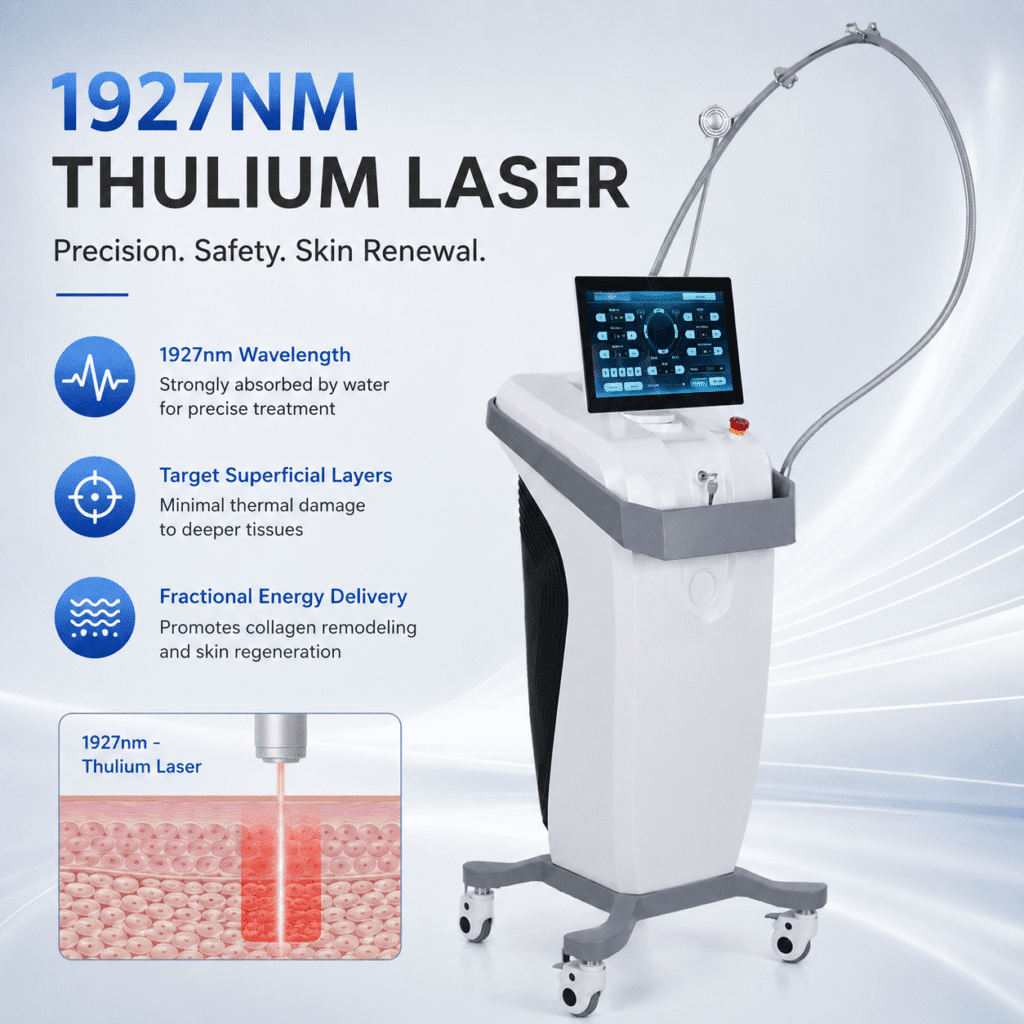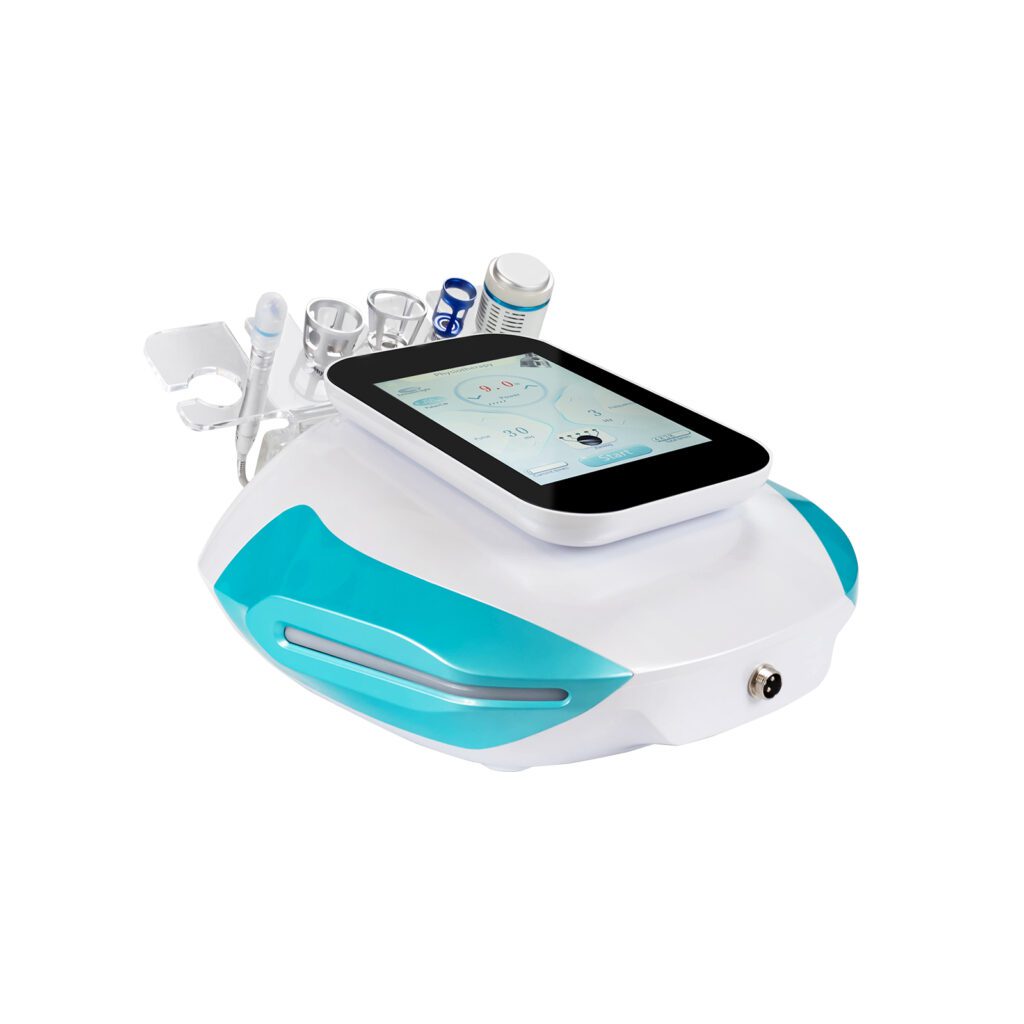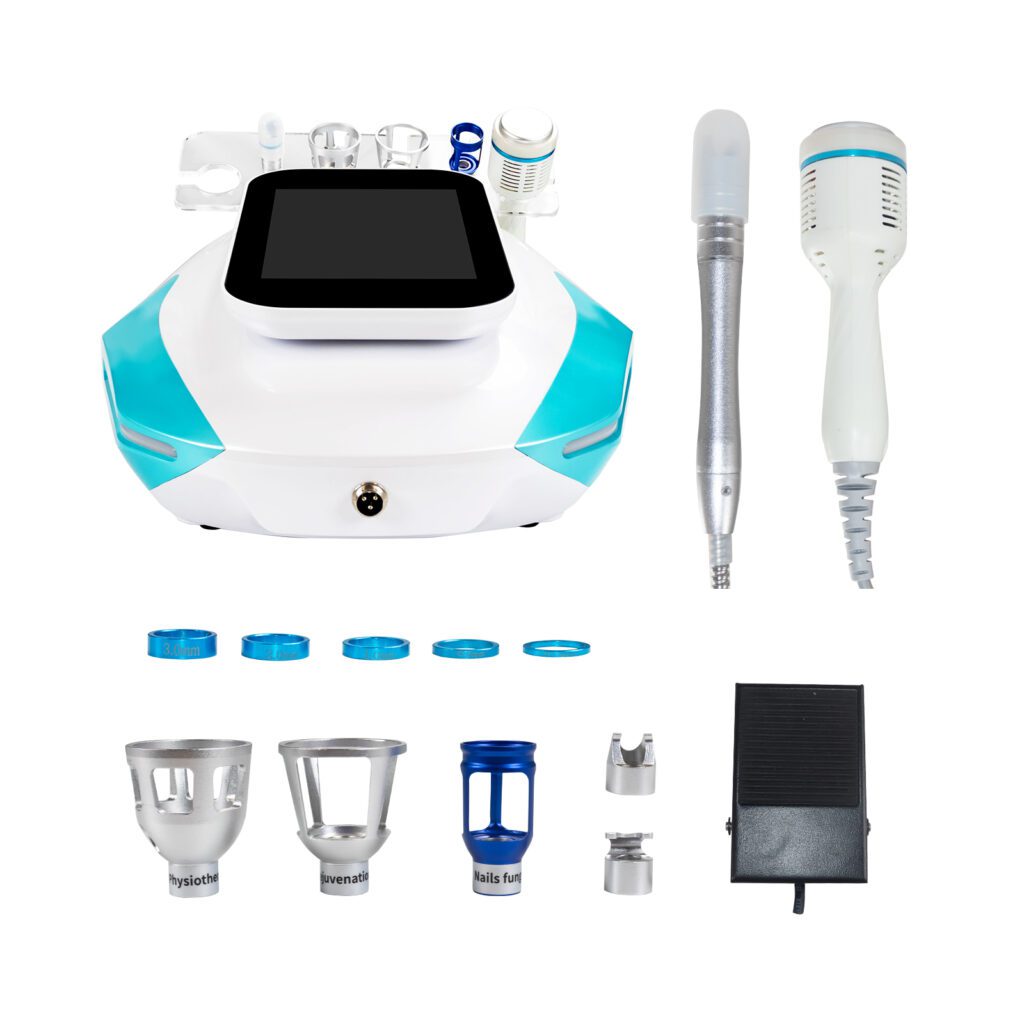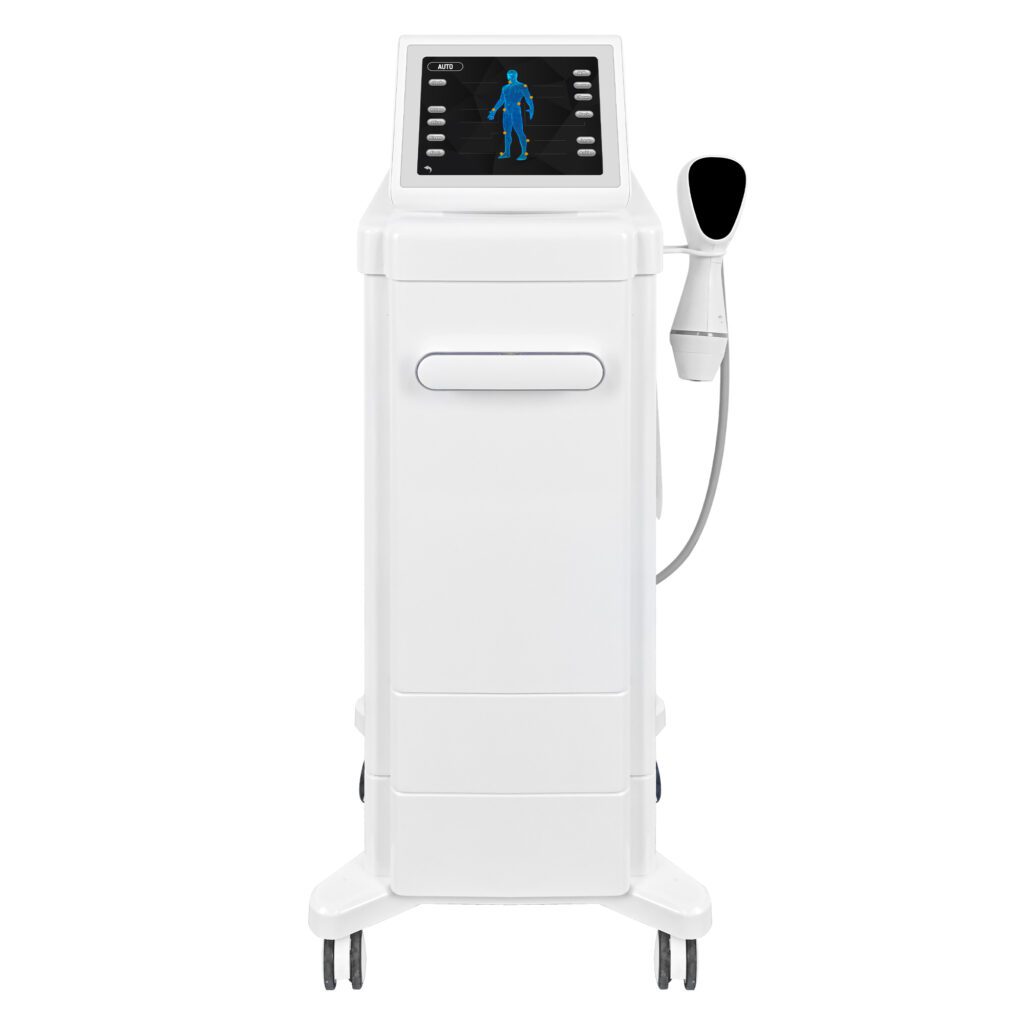










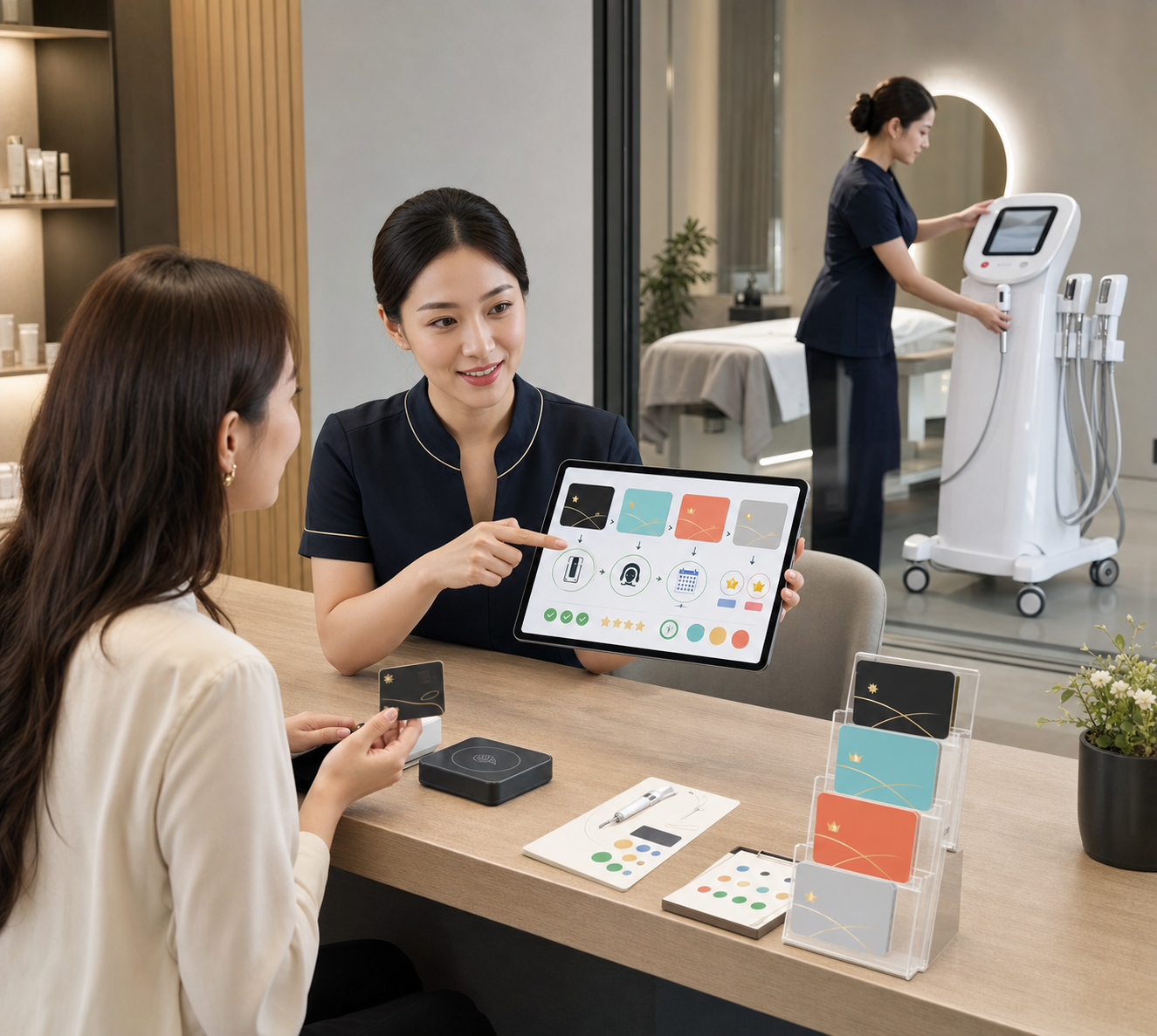
Beauty equipment projects can be sold with salon membership cards, but the best method is not simply adding machine treatments into a discount card. A stronger approach is to design a membership system that connects basic care, equipment upgrades, course packages, customer follow-up, and long-term skin or body management.
For beauty salons, membership cards can increase customer retention, stabilize cash flow, and improve repeat visits. Beauty equipment projects can increase perceived value, average order value, and project differentiation. When these two are combined well, the salon can move customers from one-time trials to structured packages and long-term membership.
The key is to make the membership card feel like a professional management plan, not a prepaid discount trap. Customers should understand why the equipment project is included, how many sessions are needed, what the plan is designed to support, and what benefits they receive as members.
Why Equipment Projects Work Well With Membership Cards
Beauty equipment projects often need repeated sessions, maintenance cycles, and follow-up. This makes them naturally suitable for membership-based sales.
Equipment projects can help membership cards because they:
- Increase the value of the card.
- Create a reason for customers to return regularly.
- Make packages easier to differentiate from basic facial cards.
- Support higher-ticket service tiers.
- Help staff recommend upgrades based on customer concerns.
- Improve customer perception of professional technology.
- Create repeat consumable and accessory demand.
- Give the salon more data for follow-up and repurchase.
Membership cards also help equipment projects because they reduce the pressure of selling one expensive treatment at a time. Instead of asking a customer to pay for one high-price session, the salon can package the project into a course or monthly plan.
The Core Logic: Basic Care Builds Frequency, Equipment Builds Value
A strong membership strategy separates two functions.
Basic care builds visit frequency. Cleansing, hydration, soothing care, massage, LED support, and skin analysis can bring customers back regularly.
Equipment projects build upgrade value. RF, EMS, ultrasound, hydro facial, HIFU, IPL, laser-related services where allowed, body contouring, AI skin analysis, and other instrument projects can raise the package value.
If a salon sells only basic membership cards, the customer may visit often but the average order value stays low. If the salon sells only high-price equipment packages, some customers may hesitate. Combining both creates a smoother path:
First visit -> experience card -> basic membership -> equipment upgrade -> course package -> annual management card.
Do Not Put Every Machine Into One Cheap Card
One common mistake is placing all equipment projects into one low-price membership card. This may look attractive, but it can damage project value and create operational problems.
Risks include:
- Customers choose only the most expensive equipment sessions.
- Staff lose control of scheduling.
- Consumable cost becomes unclear.
- High-value machines are overused without profit.
- Customers compare only the discount instead of the plan.
- Premium projects lose high-end positioning.
- The salon cannot calculate whether the card is profitable.
Instead, equipment projects should be separated by value, cost, treatment time, customer suitability, and course logic. Some projects can be included as member benefits, while others should be sold as upgrades or separate course cards.
Step 1: Segment Customers Before Designing Membership Cards
Membership cards should match customer type. Different customers have different needs and budgets.
New Customers
New customers need trust and a low entry barrier. They may start with a skin analysis, basic cleansing, hydro facial, LED soothing, or a small equipment trial.
Best membership design:
- First-visit experience card.
- Entry-level monthly care card.
- Trial fee deduction toward a membership package.
- Starter equipment upgrade option.
Existing Basic-Care Customers
These customers already buy facial or body care but may not use equipment often.
Best membership design:
- Basic care card plus equipment add-on credits.
- Upgrade coupon for RF, EMS, hydro facial, or skin analyzer review.
- Mixed package: manual care + equipment support.
Anti-Aging Or High-Value Customers
These customers care about firmness, contour, texture, age management, and more structured results.
Best membership design:
- 6 to 10 session RF or HIFU-related course where suitable.
- Annual skin management card.
- VIP card with quarterly analysis and equipment sessions.
- Premium package with follow-up and progress review.
Body Management Customers
These customers need privacy, measurement, repeated sessions, and realistic progress tracking.
Best membership design:
- Body contour course card.
- Monthly body management plan.
- Area-based treatment package.
- Maintenance membership after the first course.
Sensitive Or Cautious Customers
These customers may need gentle introduction and trust building.
Best membership design:
- Skin analysis + LED soothing + barrier care card.
- Gentle equipment add-on instead of high-intensity package.
- Follow-up based on comfort and response.
Customer segmentation prevents the salon from using one card for everyone.
Step 2: Choose The Right Membership Card Type
Different membership card types work for different equipment projects.
Stored-Value Card
A stored-value card lets the customer deposit money and spend it on different services. It is flexible, but it can become unclear if the salon does not manage pricing well.
Best use:
- Existing members.
- Flexible upgrade spending.
- Customers who like choice.
- Multi-project salons.
How to combine equipment:
- Allow equipment projects to use stored value at member price.
- Set clear rules for high-cost consumables.
- Do not discount premium machine projects too deeply.
- Track project profitability separately.
Session Card
A session card sells a fixed number of treatments. It is simple and easy for customers to understand.
Best use:
- Hydro facial.
- LED therapy.
- RF firming.
- EMS microcurrent.
- Ultrasound hydration.
- Basic body contouring.
How to combine equipment:
- Sell 3, 6, or 10 session equipment cards.
- Include one skin analysis or progress review.
- Offer add-on manual care or mask steps.
- Set validity period and booking rules.
Course Card
A course card is more professional than a session card because it is built around a customer goal.
Best use:
- Anti-aging management.
- Body contouring.
- Sensitive skin soothing.
- Pore and hydration management.
- Neck and jawline care.
- Seasonal skin repair.
How to combine equipment:
- Start with assessment.
- Define treatment frequency.
- Include several equipment sessions.
- Include aftercare and progress tracking.
- Review the plan after 2 or 3 sessions.
Monthly Membership
A monthly plan creates regular visits and stable revenue.
Best use:
- Community salons.
- Basic skin management.
- Monthly maintenance.
- Customers who prefer smaller payments.
How to combine equipment:
- Include one basic facial per month.
- Add one equipment upgrade per month.
- Offer member price for extra equipment sessions.
- Include skin analysis every quarter.
Annual Management Card
An annual card positions the salon as a long-term management partner.
Best use:
- High-end skin management centers.
- VIP customers.
- Anti-aging customers.
- Customers with long-term body or skin goals.
How to combine equipment:
- Include quarterly analysis.
- Include monthly maintenance.
- Include selected equipment courses.
- Include birthday or seasonal upgrade.
- Include private follow-up.
- Include priority booking.
Annual cards should be designed carefully because they carry service obligations for a long period.
Step 3: Use Equipment Projects As Upgrade Ladders
Do not ask every customer to buy the most expensive card immediately. Build an upgrade ladder.
Example ladder:
- Entry: skin analysis + hydro facial trial.
- Basic membership: monthly cleansing and hydration.
- Upgrade add-on: RF or LED session at member price.
- Course card: 6-session firming or repair plan.
- Premium membership: annual skin management with quarterly review.
This makes the sale feel natural. The customer is not being pushed from zero to a large package. They are moving from trust to trial to maintenance to upgrade.
Step 4: Package Equipment Around Customer Concerns
Membership cards should not be named only by machine type. Names should focus on customer goals.
Weak card names:
- RF card.
- Small bubble card.
- LED card.
- Machine care card.
Stronger card names:
- Monthly Pore Cleansing And Hydration Card.
- Facial Firming Upgrade Membership.
- Sensitive Skin Soothing Maintenance Card.
- AI Skin Analysis And Customized Care Plan.
- Neck And Jawline Contour Course.
- Body Contour Management Card.
The name should be specific, but not exaggerated. Avoid guaranteed, permanent, medical, or one-session transformation promises unless properly supported and legally allowed.
Step 5: Add Assessment To Make The Card Feel Professional
A membership card becomes easier to sell when it starts with assessment. The customer should understand why the plan is suitable.
Assessment may include:
- AI skin analysis.
- Skin consultation.
- Photo comparison.
- Pore, hydration, texture, redness, or firmness review.
- Body measurement if appropriate.
- Customer concern questionnaire.
- Previous treatment history.
- Suitability and contraindication check.
Assessment changes the sales conversation from buy this card to here is your management plan.
For example:
Your main concern is pore blockage and unstable hydration. I do not suggest only one cleansing session. A monthly plan with hydro facial and LED soothing support will be more suitable for maintenance.
This makes the membership recommendation feel logical.
Step 6: Set A Clear Card Structure
Every membership card should clearly state what is included and what is not included.
Define:
- Number of sessions.
- Treatment items.
- Equipment projects included.
- Add-on discounts.
- Validity period.
- Booking rules.
- Transfer rules.
- Refund or cancellation policy if applicable.
- Consumables included or charged separately.
- Whether unused sessions roll over.
- Whether the card can be upgraded.
- Whether trial fee can be deducted.
- Whether member benefits expire.
Unclear rules can create customer dissatisfaction. A high-conversion membership card should be easy to understand.
Step 7: Price The Card Based On Cost And Value
Membership pricing must include real cost. Do not calculate only treatment time.
Include:
- Equipment depreciation.
- Consumables.
- Staff labor.
- Room cost.
- Cleaning time.
- Maintenance reserve.
- Handpiece and probe wear.
- Marketing cost.
- Follow-up time.
- Expected profit.
A simple pricing formula:
Minimum card price = total treatment cost + consumable cost + maintenance reserve + staff cost + target profit.
If the salon includes high-cost equipment sessions in a low-price card, the card may sell well but lose money. Every machine session should have a cost calculation.
Step 8: Use Member Benefits Instead Of Heavy Discounts
Heavy discounts can damage equipment project value. Member benefits are often better than direct price cuts.
Useful benefits include:
- Priority booking.
- Member-only skin analysis.
- Trial fee deduction.
- Quarterly progress review.
- Birthday month equipment upgrade.
- Free LED soothing add-on after selected treatments.
- Member price for additional equipment sessions.
- Early access to new projects.
- Aftercare card or home care consultation.
- Free consultation before package renewal.
These benefits support customer loyalty without making the project look cheap.
Step 9: Design Several Practical Card Models
Model 1: Basic Skin Management Membership
Suitable for community salons and new customers.
Included:
- Monthly basic cleansing.
- Hydro facial or small bubble upgrade.
- LED soothing support if suitable.
- Quarterly skin analysis.
- Member price for RF or ultrasound upgrade.
Sales angle:
This card helps you maintain skin cleanliness, hydration, and comfort every month.
Model 2: Equipment Upgrade Card
Suitable for existing facial customers.
Included:
- Existing manual facial package.
- 3 to 6 equipment upgrade sessions.
- Optional RF, EMS, LED, or hydro facial add-on.
- Progress review after several sessions.
Sales angle:
Your current care is useful for maintenance. This card adds equipment support for the concern you want to improve further.
Model 3: Anti-Aging Course Membership
Suitable for customers with firmness, contour, fine line, or texture concerns.
Included:
- AI or visual analysis.
- 6 to 10 equipment sessions.
- RF, EMS, ultrasound, LED, or other suitable project.
- Neck or jawline add-on if appropriate.
- Aftercare guidance.
- Progress review.
Sales angle:
This is not one random treatment. It is a course plan for ongoing age management.
Model 4: Body Contour Management Card
Suitable for body management customers.
Included:
- Body consultation.
- Area measurement if appropriate.
- 6 to 10 equipment sessions.
- Maintenance recommendations.
- Monthly review.
- Member price for additional areas.
Sales angle:
Body projects need repeated sessions and realistic tracking. This card gives a structured plan.
Model 5: VIP Annual Management Card
Suitable for high-value members and high-end skin management centers.
Included:
- Annual skin or body management plan.
- Quarterly assessment.
- Monthly care sessions.
- Selected equipment courses.
- Priority booking.
- Private follow-up.
- Seasonal upgrade.
- Birthday benefit.
Sales angle:
This card is for long-term management, not single treatments.
Step 10: Use Experience Cards To Lead Into Membership
Experience cards are useful when they are connected to a membership offer.
Example path:
- Customer buys a first-time equipment experience card.
- Staff performs analysis and consultation.
- Customer experiences one suitable equipment project.
- Staff explains what one session can and cannot do.
- Trial fee can be deducted from membership within a set period.
- Customer chooses starter, standard, or premium plan.
The trial card should not be too cheap. A paid value trial helps screen customers and protect project value.
Step 11: Train Staff To Sell The Plan
Staff should not introduce the card by saying it has a discount. They should explain the plan.
Weak script:
This membership card is cheaper and includes machine treatments.
Better script:
Based on your skin analysis, your main concern is hydration and early firmness. A single treatment can help you feel the direction, but stable management needs repeated care. This membership includes monthly basic care, equipment upgrade sessions, and progress review, so we can manage the concern step by step.
The customer should feel that the card is designed for their goal, not only for store sales.
Step 12: Use Follow-Up To Increase Renewal
Membership sales do not end after the customer pays. Renewal depends on follow-up.
Follow-up should include:
- Aftercare reminder after each treatment.
- Next booking reminder.
- Progress summary.
- Unused session reminder.
- Skin or body status check.
- Upgrade recommendation if suitable.
- Renewal offer before expiration.
- Feedback collection.
If the salon waits until the card expires to sell again, it may be too late. Renewal should be built into the service process.
Step 13: Track Membership Performance
Salons should track numbers instead of relying only on staff feeling.
Track:
- Number of cards sold.
- Average card value.
- Trial-to-card conversion.
- Equipment sessions used per card.
- Consumable cost.
- Repeat visit rate.
- Card renewal rate.
- Customer complaints.
- Unused sessions.
- Staff closing rate.
- Profit by card type.
If a card sells well but has low profit, pricing or included services need adjustment. If a card has high value but low conversion, the consultation or target customer may be wrong.
Step 14: Keep Marketing Claims Truthful
Membership card marketing should be careful. Avoid claims that overpromise results from equipment projects.
Avoid:
- Guaranteed slimming.
- Permanent lifting.
- Medical treatment claims.
- One-session transformation.
- Safe for everyone.
- Same result for every customer.
- Fake before-and-after photos.
Better:
- Designed for ongoing skin management.
- Suitable customers need consultation.
- Results vary by individual condition.
- Course plans are recommended for stable maintenance.
- Aftercare and repeated sessions may affect experience.
Truthful language protects trust. Customers who feel respected are more likely to renew.
Step 15: Make Rules Transparent
Membership cards can create disputes if rules are unclear.
State clearly:
- Validity period.
- Appointment policy.
- Transfer policy.
- Refund or cancellation rules.
- What happens to unused sessions.
- Whether high-cost consumables are included.
- Whether card balance can buy products.
- Whether member discounts apply to promotions.
- Whether equipment sessions require suitability screening.
- Whether some projects are excluded.
Clear rules are part of a premium membership experience.
How Distributors Can Help Salons Sell Membership Cards
Distributors can make equipment easier to sell by giving salons membership card templates.
Useful support includes:
- Card structure examples.
- Project names.
- Tiered package templates.
- Experience card design.
- Consultation forms.
- Staff sales scripts.
- Follow-up message templates.
- Consumable cost calculation sheets.
- Before-and-after photo standards.
- Monthly renewal reminder plan.
- Case studies by salon type.
When salons can sell membership cards more effectively, equipment utilization increases and distributors gain more consumable and accessory repeat orders.
How Manufacturers Can Support Membership Packaging
Manufacturers can support salons by providing:
- Operation training.
- Project protocols.
- Marketing material with careful claims.
- Treatment package examples.
- Consumable life table.
- Spare parts support.
- Software reports if applicable.
- Training videos.
- Project upgrade ideas.
- Distributor training courses.
Equipment manufacturers that help salons build repeatable projects have stronger long-term customer loyalty.
Common Mistakes To Avoid
The first mistake is using the membership card only as a discount tool.
The second mistake is including expensive equipment sessions without calculating consumable and maintenance cost.
The third mistake is selling the same card to every customer.
The fourth mistake is pushing high-ticket memberships before trust is built.
The fifth mistake is ignoring aftercare and follow-up.
The sixth mistake is making exaggerated effect promises.
The seventh mistake is not training staff to explain the plan.
The eighth mistake is not tracking card profitability.
FAQ
Can beauty equipment projects be included in membership cards?
Yes. They can be included as fixed sessions, upgrade benefits, member-price add-ons, course packages, or annual management plans. The structure should match customer needs and project cost.
What type of membership card works best for equipment projects?
Course cards and tiered management cards often work well because many equipment projects need repeated sessions. Stored-value cards can also work if pricing and usage rules are clear.
Should salons discount equipment projects heavily for members?
Not usually. Heavy discounts may reduce perceived value and hurt profit. Member benefits, trial fee deduction, progress review, and package upgrades are often better than deep discounts.
How can staff sell equipment memberships without being pushy?
Staff should start with consultation and analysis, explain the customer’s concern, recommend a suitable plan, and show how the membership supports repeated care instead of focusing only on price.
What should salons track after selling equipment membership cards?
They should track card sales, conversion rate, equipment usage, consumable cost, renewal rate, customer feedback, complaints, unused sessions, and profit by card type.
Conclusion
Beauty equipment projects can work very well with salon membership cards when the card is designed as a service plan, not only a discount package. Salons should segment customers, choose the right card type, add assessment, build equipment upgrade ladders, price based on real cost, offer member benefits, train staff to sell the plan, and follow up for renewal.
For salons, this approach increases repeat visits, average order value, and customer loyalty. For distributors and manufacturers, membership card templates and project packaging support can make equipment easier to sell, easier to use, and more profitable over time.