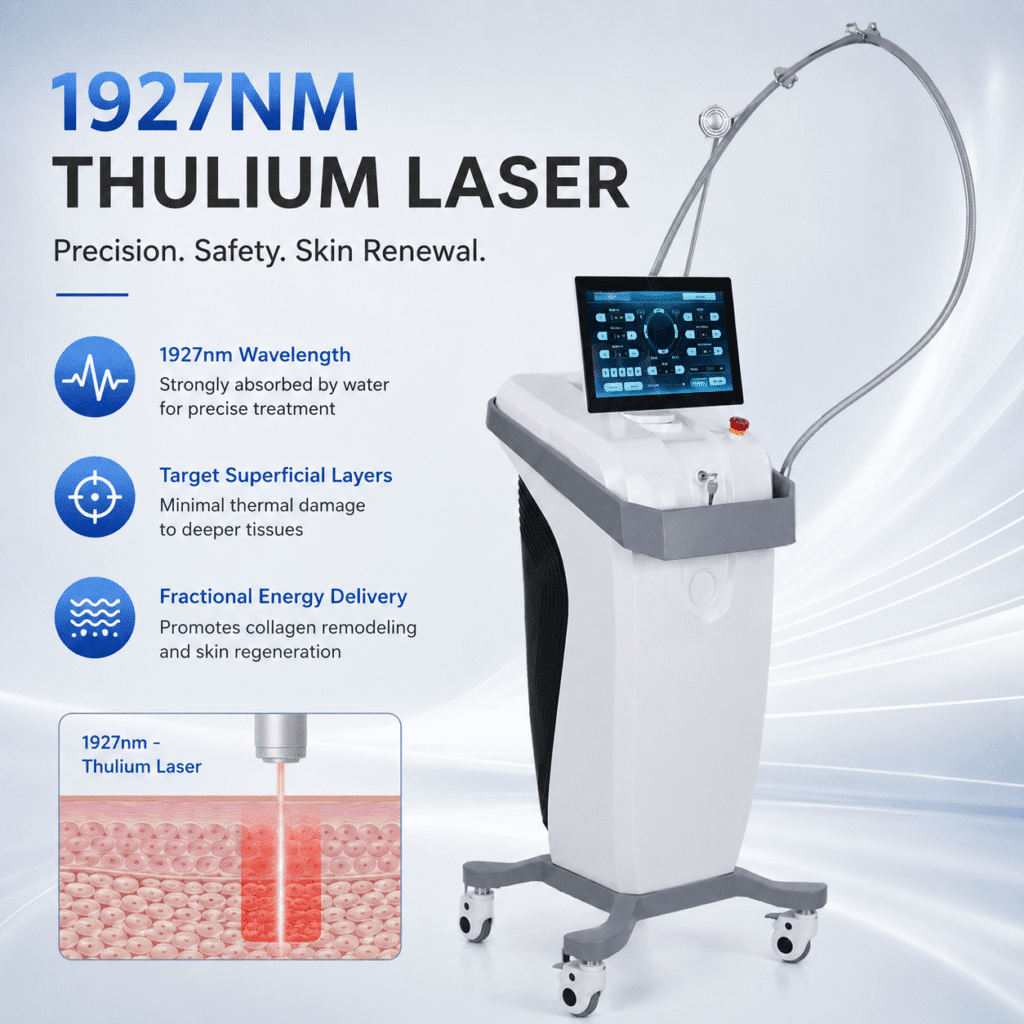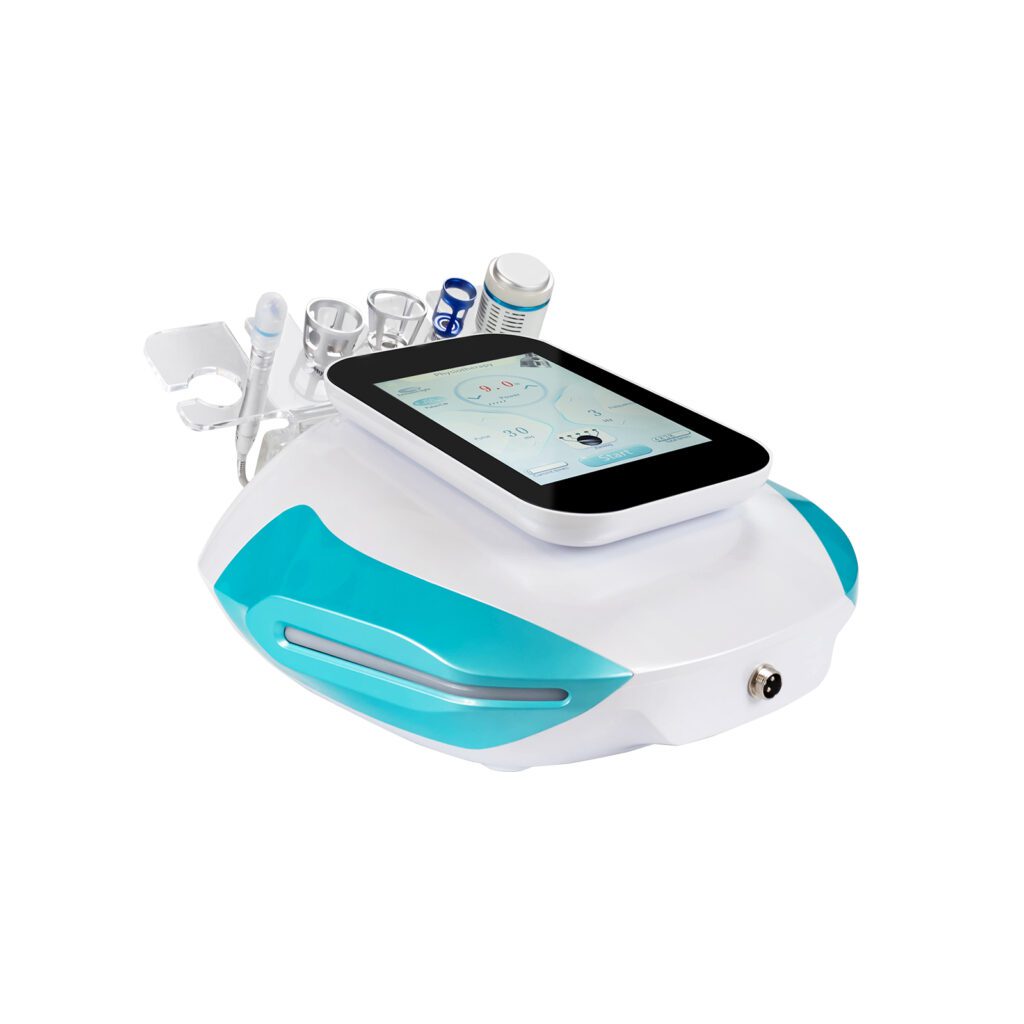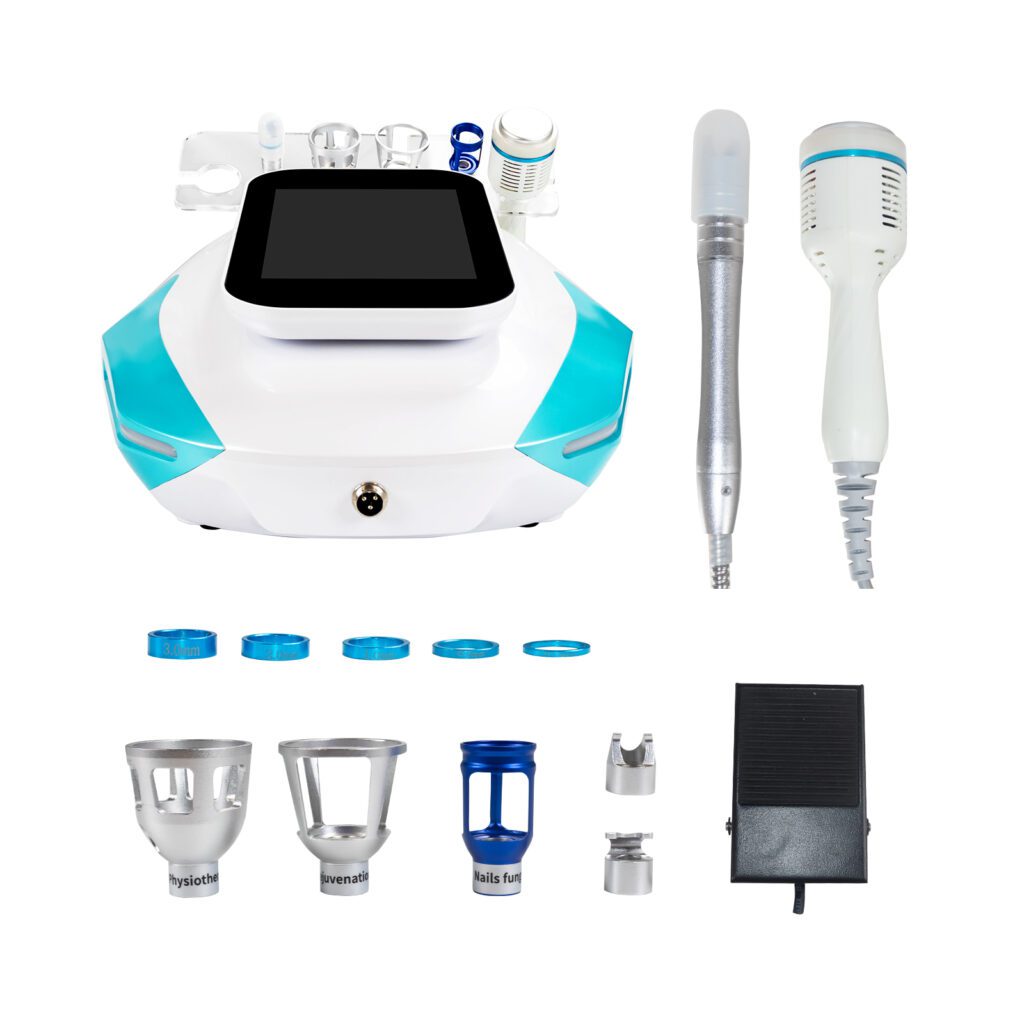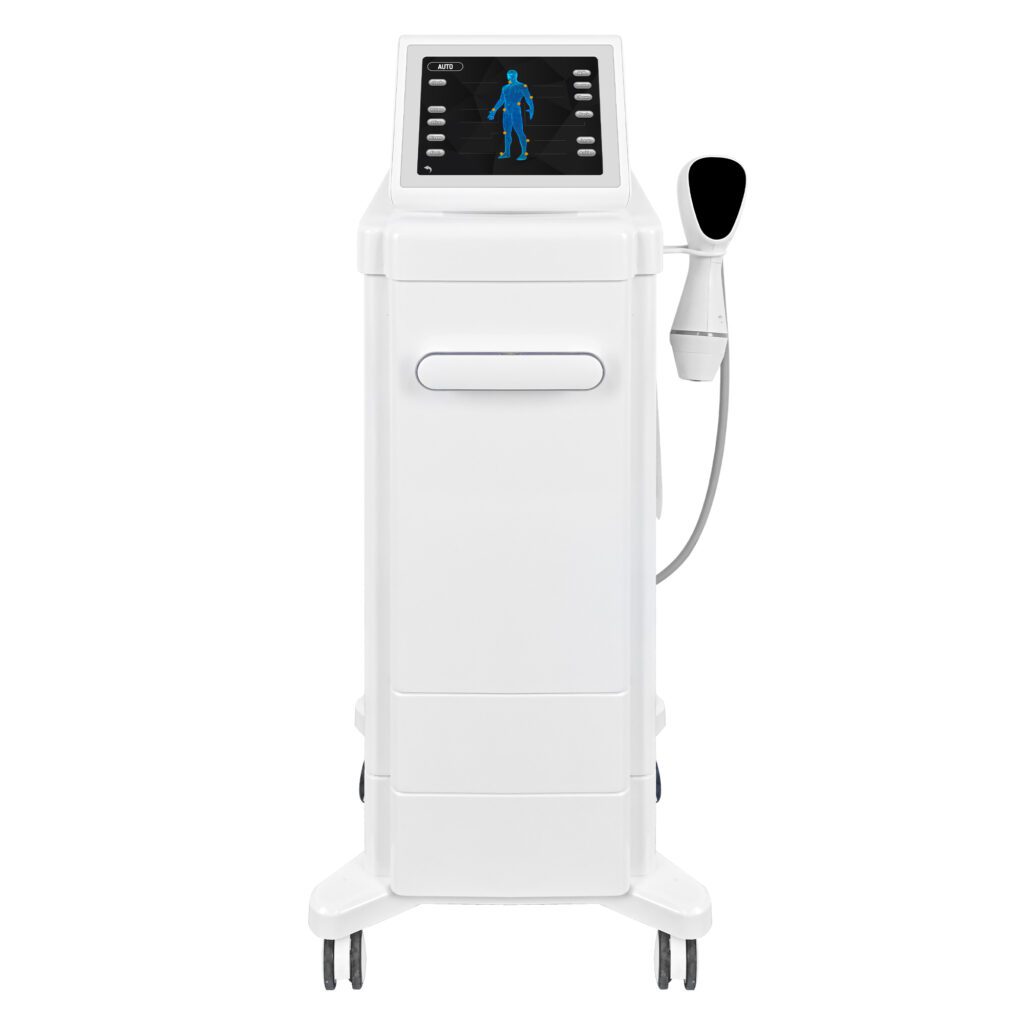









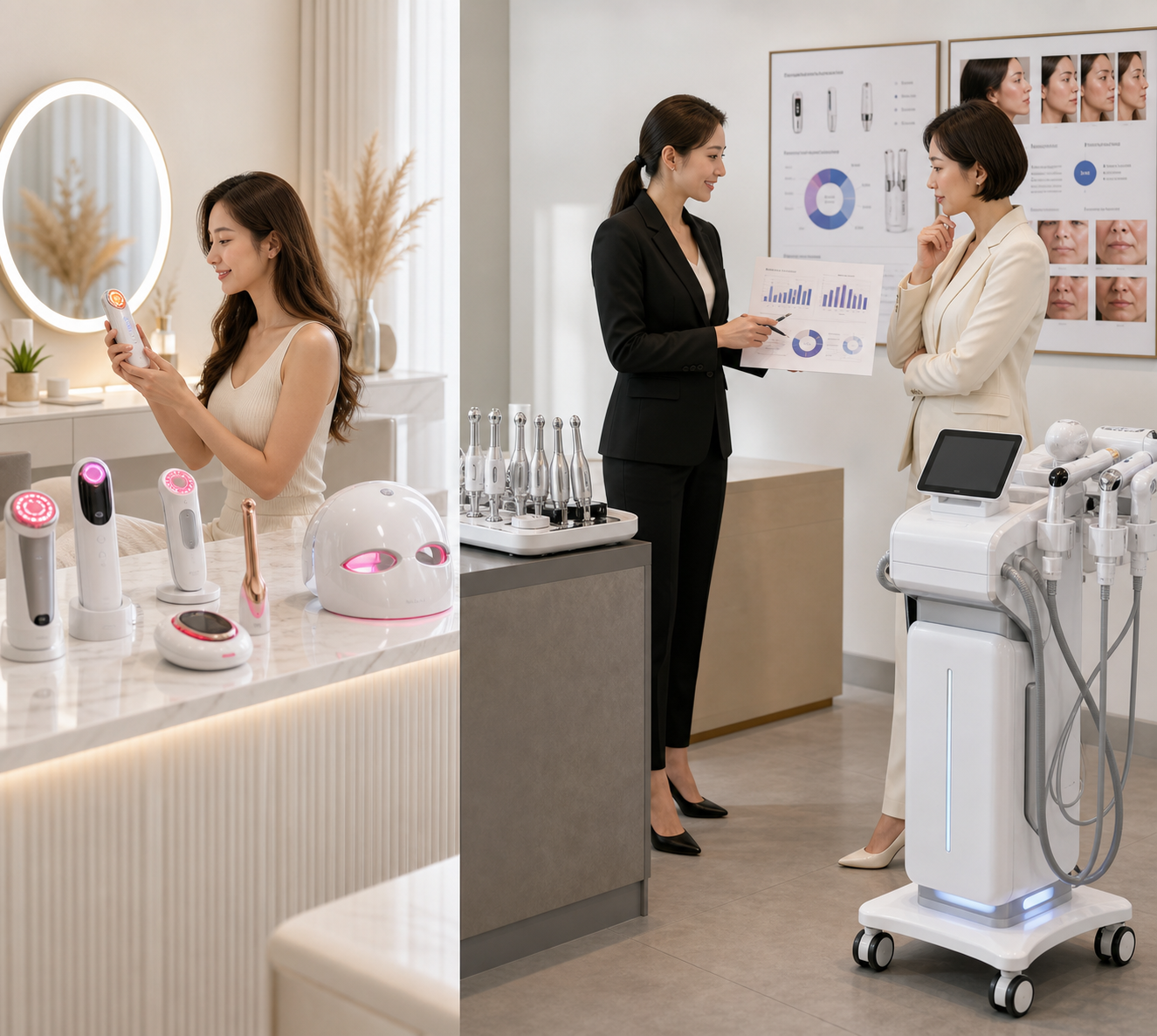
Home-use beauty devices and professional salon beauty equipment are connected markets, but they are not the same market. Both may use similar technology names such as RF, LED, microcurrent, ultrasound, IPL, cleansing, hydration, or skin analysis. However, their customers, price logic, power level, safety design, sales channels, service expectations, and business models are very different.
For manufacturers, distributors, beauty salons, and brand owners, understanding these differences is important. A product that succeeds in the home-use market may not automatically succeed in professional salons. A device that works well in a salon may be unsuitable for direct consumer sales. The two markets can compete in some areas, but they can also educate and strengthen each other.
This report analyzes the key market differences between home-use beauty devices and professional salon beauty equipment, and explains how distributors and salon operators can respond.
Executive Summary
The beauty device market is growing across both consumer and professional channels. Research and Markets estimates the global home-use beauty devices market at USD 14.4 billion in 2026 and projects it to reach USD 21.85 billion by 2030. Grand View Research estimates the broader beauty tech market will grow from USD 87.1 billion in 2026 to USD 172.9 billion by 2030. In the professional side, Grand View Research estimates the energy-based aesthetic devices market will grow from USD 8.1 billion in 2026 to USD 15.7 billion by 2033. Fortune Business Insights projects the global medical aesthetics market to grow from USD 28.49 billion in 2025 to USD 89.59 billion by 2034.
These figures use different market definitions, but they show a clear direction: beauty technology is expanding in both home and professional settings.
Key conclusions:
- Home-use beauty devices are driven by convenience, lower entry price, social media influence, e-commerce, DIY skincare, and daily or weekly self-care routines.
- Professional salon beauty equipment is driven by treatment value, visible results, trained operation, project packaging, higher pricing, ROI, after-sales service, and repeat treatment courses.
- Home-use devices usually emphasize safety limits, ease of use, portability, brand design, and consumer education.
- Salon equipment usually emphasizes stronger performance, adjustable parameters, treatment protocols, operator training, customer consultation, and service monetization.
- Home-use devices can educate consumers and increase awareness of RF, LED, microcurrent, IPL, and skin analysis, but they can also raise customer expectations and price comparisons.
- Salons can defend their value by offering professional diagnosis, stronger protocols, combination treatments, progress tracking, safe operation, and personalized packages.
- Distributors should not sell home-use and salon devices with the same strategy. They need different channels, pricing systems, training models, after-sales support, and claims guidance.
1. Basic Definition: Home-Use Devices Vs Salon Equipment
Home-use beauty devices are products designed for consumers to use by themselves at home. They are usually sold through online platforms, retail stores, beauty brands, social media channels, shopping platforms, or direct-to-consumer websites.
Common home-use devices include:
- LED masks.
- Microcurrent facial toning devices.
- At-home RF devices.
- Facial cleansing brushes.
- Ultrasonic cleansing devices.
- IPL hair removal devices.
- Facial steamers.
- Eye massage devices.
- Scalp massage devices.
- Portable skin analyzers.
- Derma rollers and microneedling-style consumer tools where legally sold.
Professional salon beauty equipment is designed for use by trained operators in beauty salons, skin management centers, spas, med spas, aesthetic clinics, and professional treatment rooms.
Common professional equipment includes:
- Professional RF equipment.
- EMS microcurrent systems.
- LED light therapy panels.
- Hydro facial and hydradermabrasion devices.
- AI skin analysis systems.
- IPL or laser devices where legally permitted.
- Ultrasound beauty devices.
- Body contouring systems.
- Oxygen infusion equipment.
- Multifunction facial machines.
- Cooling and soothing devices.
The core difference is not only size or price. The real difference is business scenario. Home-use devices sell convenience to consumers. Professional salon equipment sells treatment projects through a service system.
2. Customer Groups Are Different
Home-use devices target consumers who want convenient beauty care at home. These buyers often care about:
- Convenience.
- Lower cost than salon visits.
- Social media trends.
- Brand design.
- Easy operation.
- Privacy.
- Daily or weekly self-care.
- Safe use without professional training.
- Visible but moderate improvement.
Professional salon equipment targets businesses. The buyer is usually a salon owner, spa manager, clinic operator, distributor, or procurement team. These buyers care about:
- Treatment profitability.
- Customer acceptance.
- Project pricing.
- Equipment ROI.
- Operator training.
- Safety controls.
- Consumable cost.
- Warranty and repair.
- Spare parts.
- Treatment protocols.
- Compliance documents.
- Supplier reliability.
Consumer buyers ask, “Will this help my skin at home?” Salon buyers ask, “Can this device help my business create profitable services?”
3. Purchase Motivation Is Different
Home-use buyers purchase for personal benefit. Their motivation may include:
- Saving time.
- Reducing salon visit frequency.
- Trying trendy beauty technology.
- Maintaining results between treatments.
- Improving skincare routines.
- Solving a specific concern such as acne-prone skin, fine lines, facial puffiness, or hair removal.
- Feeling more in control of self-care.
Salon buyers purchase for business benefit. Their motivation may include:
- Increasing average transaction value.
- Building new treatment projects.
- Attracting new customers.
- Improving package conversion.
- Differentiating from competitors.
- Supporting anti-aging, skin management, or body projects.
- Increasing membership retention.
- Standardizing service quality.
- Recovering equipment investment through paid treatments.
This difference changes the entire sales message. Home-use marketing sells lifestyle and personal routine. Salon equipment marketing sells revenue, treatment planning, professional service, and customer retention.
4. Price Structure Is Different
Home-use beauty devices usually have consumer retail pricing. The price must fit individual purchasing power and online comparison behavior.
Home-use price logic includes:
- Entry price.
- Brand premium.
- Influencer-driven demand.
- Retail promotions.
- Holiday discounts.
- Bundle sales with skincare products.
- Subscription or app-based features in some products.
Professional salon equipment has business investment pricing. The buyer calculates whether the machine can pay back through services.
Salon equipment price logic includes:
- Machine purchase price.
- Shipping and tax.
- Installation and training.
- Consumables.
- Accessories.
- Maintenance.
- Spare parts.
- Warranty.
- Treatment price.
- Package sales.
- Break-even sessions.
- Payback period.
A consumer may think a USD 300 home-use device is expensive. A salon may think a USD 3,000 to USD 20,000 device is acceptable if it supports enough profitable treatment sessions. Price must always be judged inside the usage scenario.
5. Technology Names May Be Similar, But Performance Logic Is Different
Home-use and salon devices often use the same technology words:
- RF.
- LED.
- Microcurrent.
- IPL.
- Ultrasound.
- Vibration.
- Electroporation.
- Cleansing.
- Heating.
- Cooling.
But similar technology names do not mean identical performance.
Home-use devices usually prioritize:
- Safety limitations.
- Ease of operation.
- Lower power.
- Built-in presets.
- Fewer adjustable parameters.
- Smaller treatment area.
- Portability.
- Simple instructions.
- Lower risk for untrained users.
Professional salon equipment usually prioritizes:
- Stronger output where appropriate.
- Wider parameter adjustment.
- Professional protocols.
- Operator control.
- Larger treatment area.
- More durable components.
- Faster treatment efficiency.
- Treatment-room workflow.
- Integration with consultation and packages.
This is why salons should avoid comparing professional devices only with consumer tools by name. An at-home RF device and a professional RF system may both use RF energy, but they do not serve the same performance and business purpose.
6. Safety Design And Operator Responsibility Are Different
Home-use devices must be designed for consumers who may not understand skin condition, contraindications, treatment intervals, energy settings, or device maintenance. Therefore, home-use devices usually need stronger built-in safety limits.
Home-use safety priorities include:
- Clear instructions.
- Automatic shutoff.
- Skin contact detection.
- Low energy settings.
- Short use cycles.
- Warning labels.
- App reminders.
- Simple contraindication guidance.
- Consumer product safety.
Professional salon equipment depends more on trained operators.
Professional safety priorities include:
- Staff training.
- Client consultation.
- Contraindication screening.
- Parameter selection.
- Treatment records.
- Client consent where appropriate.
- Aftercare instructions.
- Maintenance checks.
- Emergency procedures.
- Compliance with local rules.
The FDA notes that aesthetic devices may be regulated depending on intended use and whether they affect the structure or function of the body. The FTC also requires advertising claims to be truthful, not misleading, and evidence-based. These principles matter in both markets, but professional services often carry higher customer expectation and business liability.
7. Regulation And Intended Use Are Different
Regulatory requirements depend on country, device type, intended use, claims, technology, and target user. A home-use device and a professional device may face different requirements even if they use similar technology.
Key questions include:
- Is the product intended for cosmetic care, wellness, or medical aesthetic use?
- Does it affect the structure or function of the body?
- Is it sold directly to consumers or to professionals?
- Does it use light, heat, electrical current, needles, laser, or strong energy?
- Are claims cosmetic, therapeutic, diagnostic, or medical?
- Does the operator need a license or special training?
- Are import documents required?
- Are product labels and manuals complete?
In consumer channels, claims are often controlled through packaging, advertising, influencer content, and online listings. In professional channels, claims also appear in salon menus, consultation scripts, before-and-after content, and staff explanations.
Both markets need responsible claim management.
8. Sales Channels Are Different
Home-use beauty devices are usually sold through:
- E-commerce platforms.
- Brand websites.
- Social media shops.
- Beauty retailers.
- Department stores.
- Influencer livestreaming.
- Affiliate marketing.
- Consumer electronics retailers.
- Subscription or app-connected channels.
Professional salon equipment is usually sold through:
- Manufacturers.
- Regional distributors.
- Beauty equipment wholesalers.
- Trade shows.
- Salon training schools.
- Local agents.
- B2B websites.
- Demo centers.
- Sales representatives.
- OEM and private-label channels.
Home-use channels focus on traffic, brand awareness, reviews, and consumer conversion. Professional channels focus on trust, demos, training, financing, after-sales service, and long-term relationships.
9. Marketing Messages Are Different
Home-use marketing usually emphasizes:
- Easy daily care.
- Convenience.
- Time saving.
- Beauty routine upgrade.
- Social proof.
- Design and portability.
- Before-and-after stories.
- App features.
- Celebrity or influencer endorsement.
- Lower cost than repeated salon visits.
Professional salon equipment marketing usually emphasizes:
- Treatment profitability.
- Customer demand.
- Higher average transaction value.
- Package sales.
- Treatment protocols.
- Stronger performance.
- Training and safety.
- Warranty and technical support.
- ROI and payback.
- Differentiation from competitors.
This difference matters for manufacturers. A consumer product page cannot simply be reused as a salon distributor pitch. Salon buyers need business evidence, not only lifestyle appeal.
10. Treatment Frequency And Usage Pattern Are Different
Home-use devices are designed for repeated self-care. A consumer may use an LED mask, cleansing brush, microcurrent tool, or RF device several times per week depending on instructions.
Home-use usage pattern:
- Frequent but lower intensity.
- Short sessions.
- Personal routine.
- Easy access.
- Lower treatment cost per use after purchase.
- Results depend on consistency and correct use.
Professional salon equipment is used through appointments.
Salon usage pattern:
- Less frequent per customer.
- Higher service value per session.
- Trained operation.
- Course or package structure.
- Better tracking.
- Higher customer expectation.
- Revenue depends on booking volume and package conversion.
Home-use devices win on convenience. Salon equipment wins on professional service design and stronger treatment experience.
11. Results Expectation Is Different
Consumers may buy home-use devices hoping for visible improvement, but the expected effect should usually be moderate and gradual. Because these devices are used without professional supervision, performance is generally limited for safety and simplicity.
Professional salon treatments can create stronger perceived value when the salon provides:
- Skin analysis.
- Consultation.
- Correct treatment selection.
- Combination protocols.
- Proper parameter control.
- Course planning.
- Progress tracking.
- Aftercare.
- Product support.
This does not mean professional equipment can promise unrealistic results. It means the service system can create a more complete customer experience and clearer treatment logic.
Salons should not attack home-use devices. A better strategy is to explain that home-use tools are useful for maintenance, while professional treatments provide customized protocols and operator-managed care.
12. Business Model Is Different
Home-use beauty devices mainly depend on product sales. Revenue comes from:
- Device sale.
- Accessories.
- Replacement heads.
- Skincare product bundles.
- App subscription.
- Warranty upgrades.
- Repeat product upgrades.
- Cross-selling within a beauty brand ecosystem.
Professional salon equipment depends on service monetization. Revenue comes from:
- Single treatment sessions.
- Course packages.
- Membership plans.
- Add-on upgrades.
- Product sales.
- Consultation fees.
- Maintenance programs.
- Body or anti-aging packages.
For distributors, this creates different revenue models. Home-use distribution is closer to retail and brand sales. Salon equipment distribution is closer to B2B service support and long-term account management.
13. ROI Logic Is Different
Home-use buyers usually think in terms of personal value:
- Does it replace some salon visits?
- Does it fit my skincare routine?
- Is it worth the price?
- Will I use it regularly?
- Do I trust the brand?
- Are reviews good?
Salon buyers think in terms of financial return:
- What is the total investment?
- What is the cost per treatment?
- What price can we charge?
- How many sessions are needed to break even?
- How many packages can staff sell?
- What is the payback period?
- What happens if the machine breaks?
- How much training is needed?
A professional device does not need to be cheap. It needs to create enough treatment profit and customer retention to justify the investment.
14. After-Sales Service Expectations Are Different
Home-use after-sales service usually includes:
- Consumer warranty.
- Replacement or refund policy.
- Online customer service.
- Instruction videos.
- App support.
- Replacement parts or heads.
- Shipping support.
- Product recall response where necessary.
Professional salon equipment after-sales service is more complex:
- Installation.
- Operator training.
- Treatment protocol support.
- Technical troubleshooting.
- Spare parts supply.
- Handpiece replacement.
- Consumables supply.
- Maintenance guidance.
- Repair turnaround time.
- Remote support.
- On-site service where available.
For salon equipment distributors, after-sales service is not optional. If a machine fails, the salon loses appointments, revenue, and customer trust. This is one of the biggest differences between consumer device sales and professional equipment sales.
15. Product Categories That Overlap
Some categories exist in both home-use and professional markets.
RF:
- Home-use RF focuses on accessible anti-aging maintenance.
- Professional RF focuses on firming, tightening, course packages, and stronger protocols.
LED:
- Home-use LED masks are popular for routine skincare.
- Professional LED systems are used in facial protocols, recovery support, and treatment rooms.
Microcurrent:
- Home-use microcurrent tools target facial toning routines.
- Professional microcurrent devices support contour maintenance and salon packages.
IPL:
- Home-use IPL focuses on consumer hair reduction routines.
- Professional IPL or laser systems require more training, power control, and compliance review.
Skin analysis:
- Consumer skin analysis may be app-based or handheld.
- Salon AI skin analysis supports consultation, package conversion, and customer records.
Cleansing and exfoliation:
- Home-use cleansing brushes are routine tools.
- Professional hydro facial and small bubble systems support paid facial services.
Overlapping categories create both competition and education. Consumers who understand these technologies may be easier for salons to convert, but salons must clearly explain the professional difference.
16. How Home-Use Devices Affect Salon Demand
Home-use beauty devices do not simply reduce salon demand. Their effect is mixed.
Positive effects:
- They educate consumers about beauty technology.
- They increase awareness of RF, LED, microcurrent, IPL, and skin analysis.
- They create interest in more advanced treatments.
- They help customers maintain results between salon visits.
- They create new conversation topics in consultation.
Negative effects:
- They may make customers compare prices unfairly.
- They may reduce visits for basic maintenance.
- They may create unrealistic expectations from social media content.
- Incorrect use may cause irritation or disappointment.
- Customers may think all devices with the same technology name are equivalent.
The best salon response is education. Salons should explain that home-use devices are useful for maintenance, while salon projects provide professional consultation, customized treatment, stronger protocols, and progress tracking.
17. How Salons Can Defend Professional Value
Salons can defend professional value by building services that home-use devices cannot easily replace.
Key strategies include:
- Use AI skin analysis or professional consultation.
- Build personalized treatment plans.
- Combine multiple treatment steps.
- Track before-and-after progress.
- Offer course packages.
- Provide trained operator care.
- Use professional products.
- Manage contraindications and aftercare.
- Create a premium treatment environment.
- Provide regular follow-up.
The salon should not sell “machine time.” It should sell a complete service outcome and customer management process.
For example, instead of selling “RF treatment,” a salon can sell “RF firming and facial contour course with skin analysis, hydration support, LED recovery, progress tracking, and home care guidance.”
18. How Home-Use Brands Can Differentiate
Home-use beauty device brands need different differentiation strategies.
Strong home-use differentiation may include:
- Excellent industrial design.
- Clear safety controls.
- Simple user interface.
- Strong app support.
- Evidence-based claim strategy.
- High-quality content education.
- Skincare product ecosystem.
- Replacement accessories.
- Subscription services.
- Influencer credibility.
- Retail presence.
- Community and user challenges.
Home-use brands should avoid making professional or medical-sounding claims unless properly supported. They also need to manage product safety, instructions, consumer reviews, and potential misuse.
19. Distributor Strategy Should Be Different For Each Market
Distributors should not use the same model for home-use and professional devices.
Home-use distributor strategy:
- Focus on retail channel access.
- Build brand awareness.
- Manage e-commerce pricing.
- Support influencer content.
- Handle consumer warranty efficiently.
- Create attractive packaging.
- Offer simple training for retail staff.
- Prepare product comparison materials.
Professional equipment distributor strategy:
- Build local salon relationships.
- Provide product demos.
- Offer operator training.
- Support project packaging.
- Calculate ROI.
- Provide spare parts and repair.
- Protect channel pricing.
- Offer financing or staged purchasing.
- Provide compliance and claim guidance.
Home-use distribution is a consumer brand game. Professional distribution is a service and relationship game.
20. Manufacturer Strategy Should Also Be Different
Manufacturers that produce both home-use and professional devices need separate product development logic.
Home-use product development should prioritize:
- Safety limitations.
- Simple operation.
- Attractive design.
- Compact size.
- Low noise.
- App or smart features.
- Clear instructions.
- Retail packaging.
- Scalable production.
- Consumer warranty.
Professional product development should prioritize:
- Durable components.
- Treatment efficiency.
- Adjustable parameters.
- Operator interface.
- Safety monitoring.
- Handpiece quality.
- Maintenance access.
- Training materials.
- Protocol documentation.
- Spare parts.
- Technical service.
Trying to sell a slightly upgraded consumer device as professional equipment can damage distributor trust. Trying to sell a professional device directly to consumers can create safety, cost, and usability problems.
21. Channel Conflict Risk
When manufacturers sell both home-use and salon devices, channel conflict can occur.
Common problems include:
- Salons complain that consumer devices look too similar to professional devices.
- Consumers question why salon treatment is expensive.
- Distributors lose margin because retail prices are visible online.
- Professional buyers compare machines with low-cost online devices.
- Brand positioning becomes unclear.
- Unauthorized sellers sell professional-looking devices to consumers.
Solutions include:
- Clear product line separation.
- Different branding for home and professional lines.
- Different functions, accessories, and power settings.
- Clear channel pricing.
- Authorized distributor policies.
- Professional training requirements.
- Separate marketing claims.
- Strong education on use scenarios.
The market can support both channels if the product architecture is clear.
22. Safety And Misuse Risk In The Home-Use Market
Home-use beauty devices carry unique risks because consumers may ignore instructions, overuse products, combine treatments incorrectly, or buy low-quality devices online.
Risks include:
- Skin irritation.
- Burns from heating devices.
- Eye risk from light-based devices if instructions are not followed.
- Overuse of exfoliation tools.
- Unsafe microneedling-style use.
- Counterfeit or low-quality products.
- Electrical safety concerns.
- Unsupported claims on social media.
Home-use brands and distributors should provide clear instructions, safety warnings, contraindications, usage limits, and customer support.
Consumer trust depends on safety as much as results.
23. Professional Market Risk
Professional salon equipment has different risks.
Risks include:
- Poor operator training.
- Incorrect parameter selection.
- Exaggerated salon claims.
- Weak after-sales service.
- Device downtime.
- Expensive spare parts.
- Low equipment utilization.
- Price wars among salons.
- Customer complaints from unrealistic expectations.
- Compliance issues if the treatment is outside the salon’s scope.
Professional equipment distributors must help salons manage these risks. Training, protocols, contraindication screening, maintenance, and responsible marketing are essential.
24. Market Difference By Technology Category
RF:
- Home-use RF is strong for anti-aging awareness and daily maintenance.
- Professional RF is stronger for high-ticket anti-aging courses and salon ROI.
LED:
- Home-use LED is strong in beauty routines and influencer marketing.
- Professional LED is stronger as a protocol support tool inside salon treatments.
Microcurrent:
- Home-use microcurrent is a consumer facial fitness product.
- Professional microcurrent is a service upgrade and package tool.
IPL:
- Home-use IPL competes in hair removal convenience.
- Professional IPL or laser systems compete on speed, operator skill, service confidence, and treatment planning.
Skin analysis:
- Home-use analysis creates engagement.
- Professional AI skin analysis supports consultation, customer records, and package conversion.
Hydration and cleansing:
- Home-use cleansing is routine maintenance.
- Professional hydro facial creates service value, product pairing, and repeat visits.
25. Which Market Is Better For New Distributors?
New distributors should choose market direction based on capability.
Home-use devices may be suitable for distributors with:
- E-commerce experience.
- Retail network.
- Social media marketing.
- Influencer partnerships.
- Consumer service systems.
- Brand-building ability.
- Inventory and fulfillment capability.
Professional salon equipment may be suitable for distributors with:
- Salon relationships.
- Technical service ability.
- Training resources.
- Local demo capacity.
- B2B sales team.
- Spare parts supply.
- Ability to support ROI and project packaging.
Neither market is automatically easier. Home-use devices require brand and traffic ability. Professional equipment requires trust, service, and technical support.
26. Opportunities For Beauty Salons
Beauty salons can benefit from the growth of home-use devices if they respond strategically.
Salon opportunities include:
- Sell professional treatments plus home maintenance tools.
- Use home-use awareness to explain professional services.
- Create “in-salon plus at-home care” packages.
- Recommend safe maintenance routines after professional treatments.
- Use skin analysis to show why professional care is needed.
- Offer membership plans with both treatment and home care guidance.
- Educate customers on correct device use.
Instead of seeing home-use devices only as competitors, salons can use them as part of a larger customer journey.
27. Opportunities For Manufacturers
Manufacturers can build two-track product strategies.
Home-use line:
- Consumer-friendly design.
- Lower energy and built-in safety.
- Retail packaging.
- App support.
- Social media content.
- Replacement accessories.
Professional line:
- Higher durability.
- Stronger performance.
- Operator controls.
- Training and protocols.
- Service manuals.
- Spare parts system.
- Distributor support.
The key is clear separation. A professional line should not look like a consumer gadget, and a consumer line should not require professional operation.
28. Future 3 To 5 Year Trends
The market difference between home-use and salon equipment will remain, but the two markets will become more connected.
Trend 1: Home-use devices become smarter.
More devices will include apps, reminders, skin tracking, sensors, and personalized programs.
Trend 2: Professional salons use more digital consultation.
AI skin analysis and digital records will help salons show value beyond home-use tools.
Trend 3: Hybrid care models grow.
Salons will combine professional treatments with at-home maintenance devices and skincare products.
Trend 4: Safety and claims become more important.
As devices become more powerful and more medical-looking, regulators and customers will pay closer attention to claims, instructions, and risks.
Trend 5: Professional equipment becomes more service-driven.
Training, after-sales support, spare parts, protocols, and ROI tools will matter more than machine price.
Trend 6: Home-use brands face stronger competition.
Consumer device brands will need better design, content, safety, brand trust, and ecosystem strategy.
Trend 7: Salons move away from selling machine names.
They will sell diagnosis, programs, progress tracking, and membership care instead.
29. Strategic Recommendations
For salons:
- Do not compete with home-use devices only on price.
- Build professional consultation and treatment plans.
- Use skin analysis and progress tracking.
- Package professional equipment into courses.
- Offer at-home maintenance guidance.
- Train staff to explain the difference clearly.
For distributors:
- Separate home-use and professional product lines.
- Build different channel strategies.
- Support salons with ROI, training, and project packaging.
- Support consumer channels with branding, content, and warranty.
- Avoid unclear claims and channel conflict.
For manufacturers:
- Design home-use products around safety and convenience.
- Design professional products around durability, performance, and service.
- Provide complete manuals, warnings, and intended-use information.
- Build separate pricing and distribution systems.
- Invest in software, smart controls, and support ecosystems.
Conclusion
Home-use beauty devices and professional salon beauty equipment are both growing, but they serve different market needs. Home-use devices focus on convenience, self-care, lower entry cost, e-commerce, and consumer routines. Professional salon equipment focuses on treatment value, trained operation, project packaging, higher pricing, ROI, and after-sales service.
The two markets overlap in technologies such as RF, LED, microcurrent, IPL, cleansing, and skin analysis, but the business logic is different. Home-use devices sell a product. Salon equipment sells a service project.
For salons, the best response is not to fear home-use devices. It is to build professional value that home-use tools cannot fully replace: consultation, customization, combination treatments, progress tracking, safe operation, and long-term skin management.
For distributors and manufacturers, the opportunity is to understand both markets clearly, build separate product and channel strategies, and avoid treating consumer devices and professional equipment as interchangeable.
FAQ
What is the main difference between home-use beauty devices and salon beauty equipment?
Home-use beauty devices are designed for consumers to use at home with simple operation and safety limits. Salon beauty equipment is designed for trained operators and business use, with treatment protocols, stronger service value, and ROI logic.
Do home-use beauty devices compete with beauty salons?
They compete in basic maintenance and consumer attention, but they also educate customers about beauty technology. Salons can use this awareness to sell professional consultation, stronger treatment protocols, and course packages.
Why are professional salon devices more expensive?
Professional devices usually require stronger components, adjustable parameters, training, technical service, spare parts, warranty, treatment protocols, and durability for repeated commercial use.
Can salons sell home-use devices to customers?
Yes. Salons can sell or recommend home-use devices as maintenance tools if the products are safe, clearly positioned, and fit the customer’s treatment plan. They should avoid unsupported claims.
Which market is better for distributors?
It depends on distributor capability. Home-use devices need retail, e-commerce, branding, and consumer service. Professional salon equipment needs B2B relationships, training, technical support, spare parts, and project packaging.