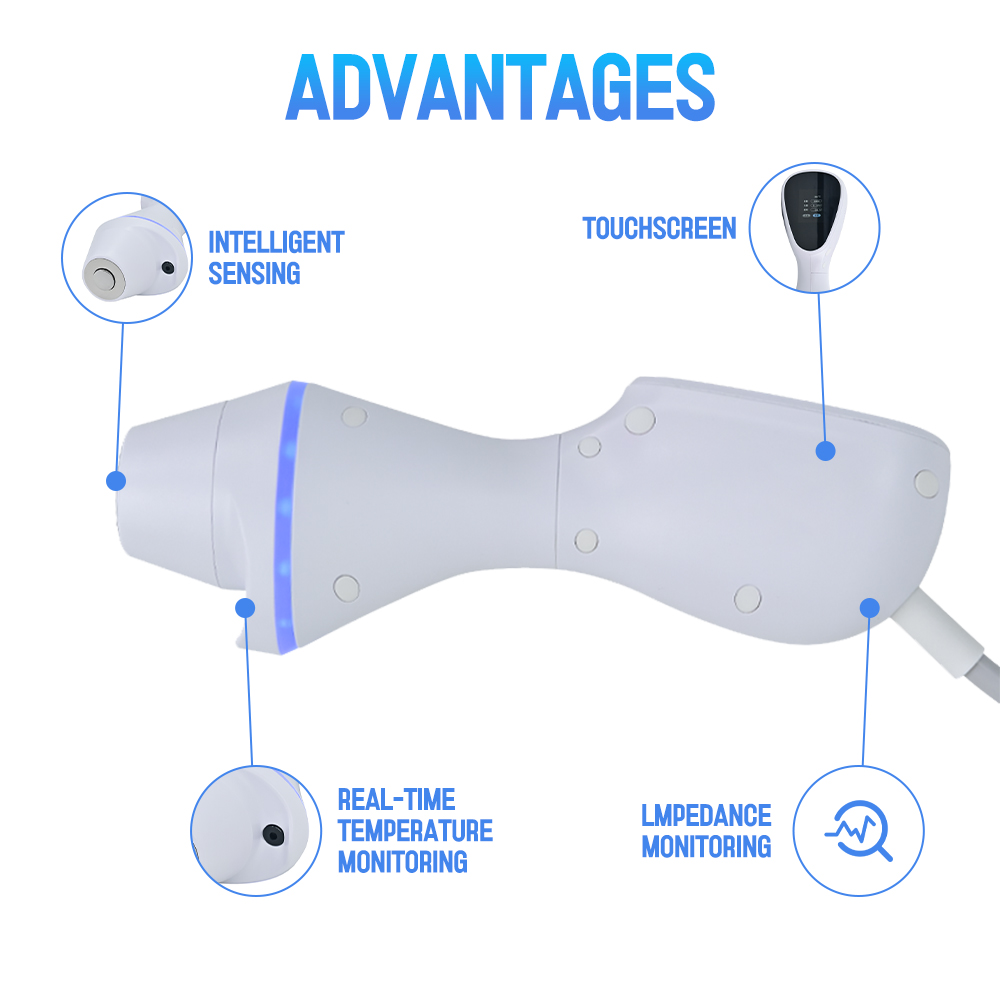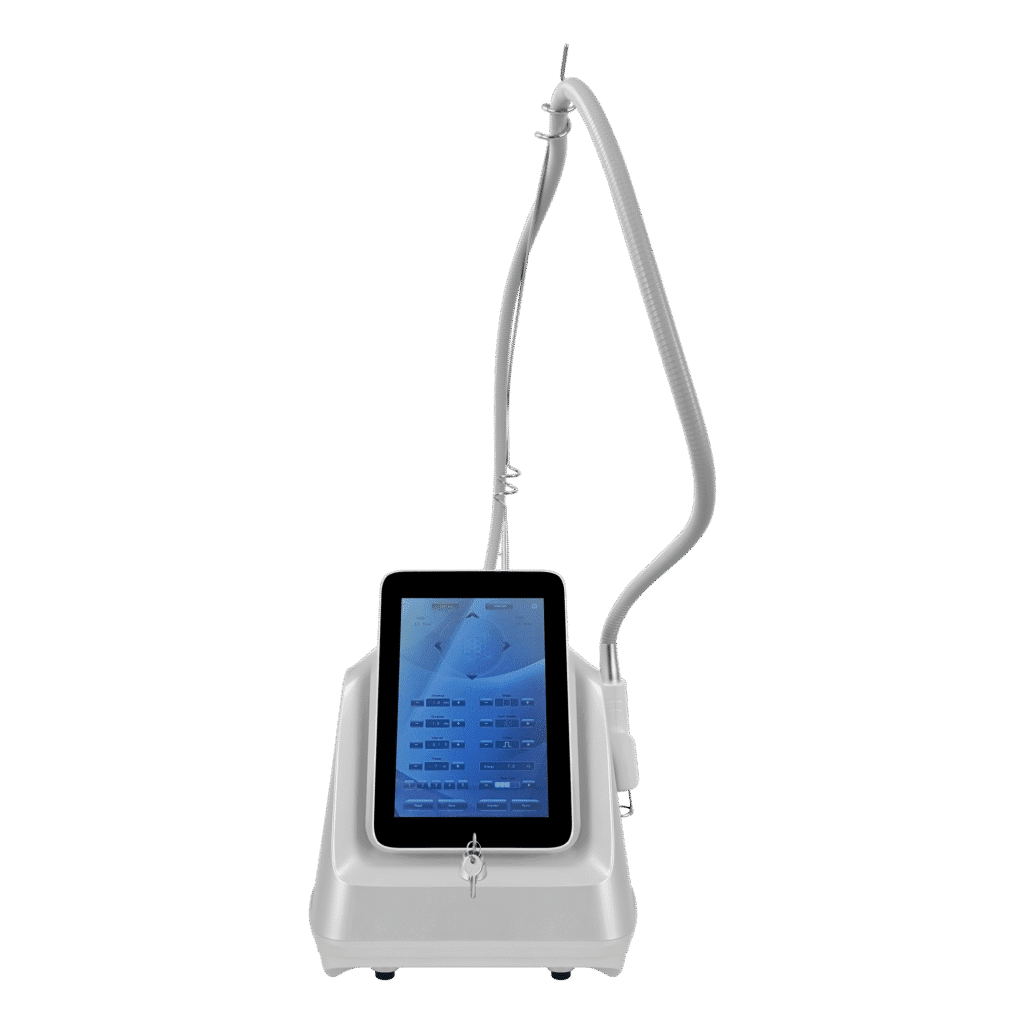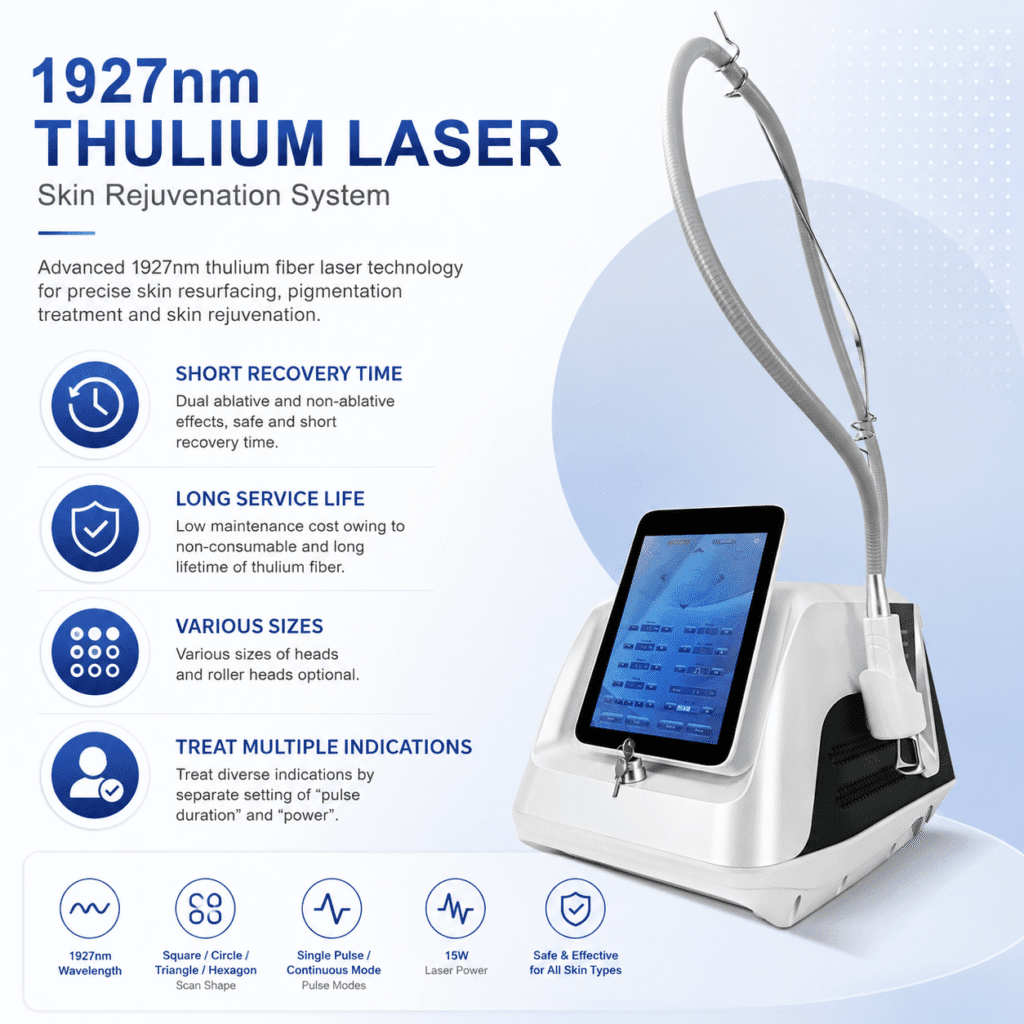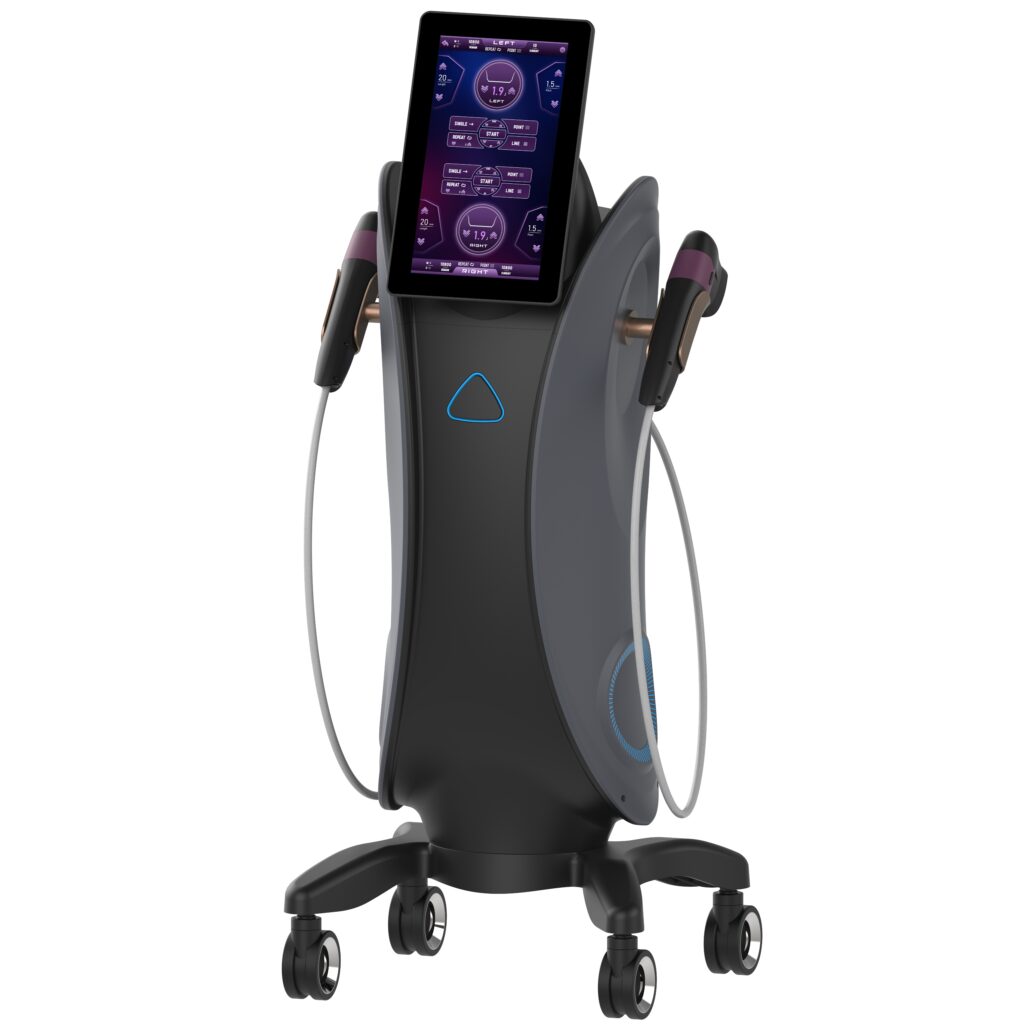










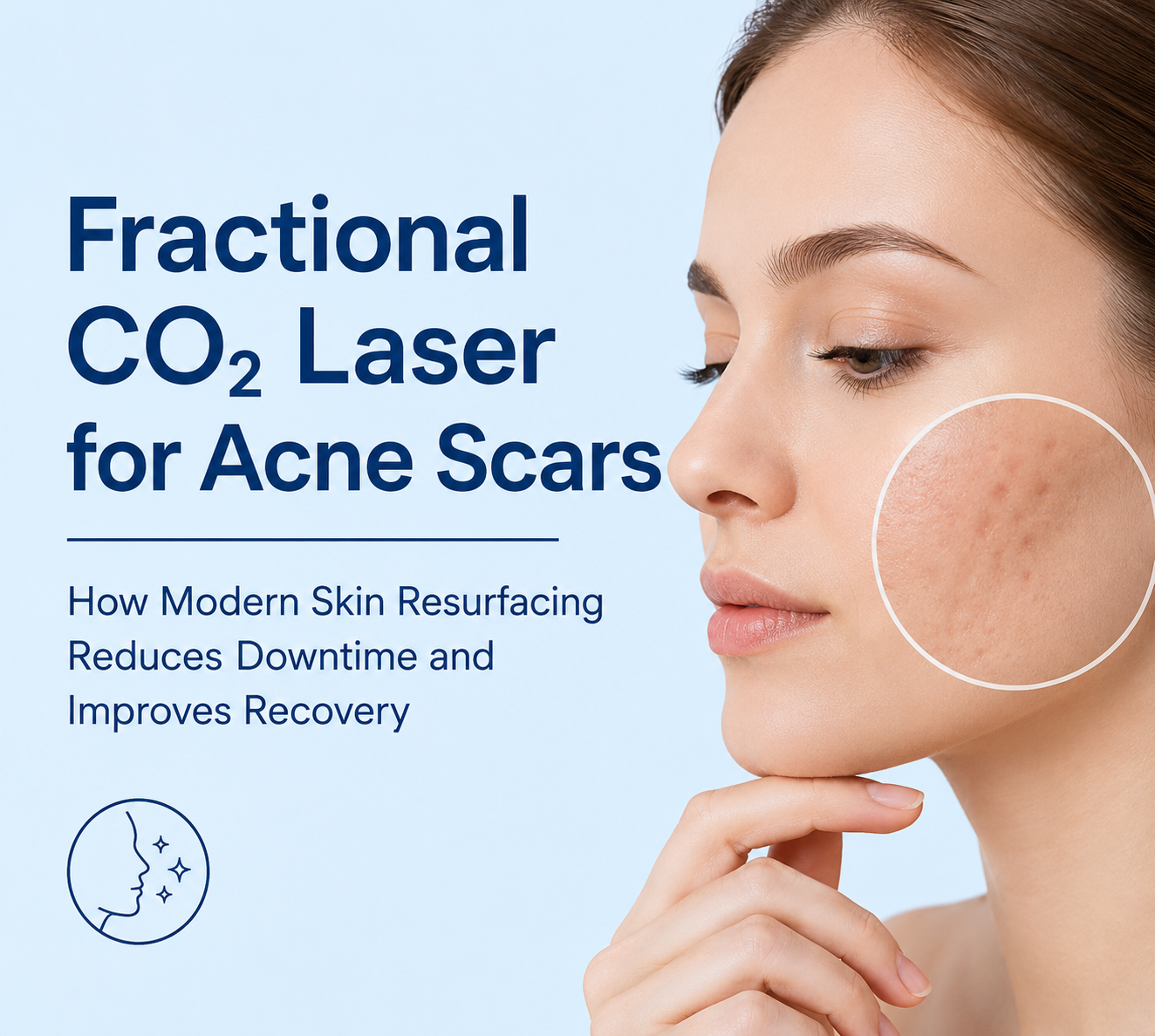
Las cicatrices del acné siguen siendo uno de los problemas cutáneos más difíciles de tratar, ya que a menudo afectan a múltiples capas de la piel simultáneamente. Si bien las cremas y los tratamientos faciales superficiales pueden mejorar temporalmente la textura de la piel, las cicatrices de acné más profundas generalmente requieren tratamientos que estimulen la remodelación del colágeno bajo la superficie. Por ello, el rejuvenecimiento con láser de CO2 fraccionado sigue siendo una de las tecnologías más comentadas en las clínicas de estética. Sin embargo, a muchas personas aún les preocupa el dolor, los largos periodos de recuperación y el riesgo de dañar la piel. Sistemas láser de CO2 fraccionado de 10600 nm Están cambiando estas preocupaciones al combinar el rejuvenecimiento controlado de la piel con una aplicación térmica más precisa, lo que ayuda a mejorar las cicatrices del acné al tiempo que reduce el traumatismo innecesario de la piel y el tiempo de recuperación.
1. ¿Por qué las cicatrices del acné son difíciles de tratar?
Las cicatrices del acné se forman cuando la inflamación daña las estructuras de colágeno de la piel durante el proceso de curación. Una vez que la piel pierde el soporte de colágeno, pueden aparecer depresiones y una textura irregular.
Los tipos más comunes de cicatrices de acné incluyen:
- cicatrices de picahielo
- cicatrices de vagones de carga
- cicatrices ondulantes
- Pigmentación postinflamatoria
- Textura desigual de la piel
Dado que estas cicatrices a menudo se extienden por debajo de la epidermis, los productos tópicos para el cuidado de la piel por sí solos pueden tener efectos limitados en la remodelación de la piel en capas más profundas.
Por este motivo, las tecnologías de rejuvenecimiento cutáneo basadas en energía se utilizan con frecuencia para el tratamiento de las cicatrices de acné de moderadas a graves.
2. Cómo funciona el rejuvenecimiento cutáneo con láser de CO2 fraccionado
La tecnología láser de CO2 fraccionado utiliza energía láser controlada para crear zonas de tratamiento microscópicas dentro de la piel, dejando intacto el tejido circundante.
A diferencia de los métodos de rejuvenecimiento cutáneo totalmente ablativos más antiguos, que eliminaban grandes áreas continuas de piel, la tecnología fraccionada trata solo una fracción de la superficie de la piel durante cada sesión.
Este enfoque favorece una curación más rápida a la vez que estimula la remodelación profunda de la piel.
2.1 Qué sucede dentro de la piel durante el tratamiento
Los modernos láseres fraccionados de CO2 de 10600 nm crean dos efectos de tratamiento importantes simultáneamente:
Reacondicionamiento de superficies
El láser elimina suavemente las capas externas dañadas de la piel para ayudar a mejorar:
- Textura rugosa
- Poros dilatados
- Marcas de acné superficial
- Tono desigual
- Aspecto apagado de la piel
Remodelación profunda del colágeno
Al mismo tiempo, la energía térmica controlada llega a capas dérmicas más profundas para estimular:
- Nueva producción de colágeno
- Regeneración de la piel
- Remodelación de tejidos
- Suavizado de cicatrices
- Elasticidad mejorada
Este proceso de doble acción es una de las razones por las que el rejuvenecimiento con CO2 fraccionado sigue siendo ampliamente utilizado para el tratamiento de las cicatrices del acné.
3. Por qué la tecnología fraccionada redujo las preocupaciones sobre la recuperación
Una de las mayores preocupaciones en torno al reacondicionamiento tradicional con CO2 era el prolongado tiempo de inactividad.
Los láseres totalmente ablativos más antiguos a menudo causaban:
- enrojecimiento prolongado
- Descamación significativa
- Mayor incomodidad
- Mayor riesgo de problemas de pigmentación
- Períodos de recuperación más prolongados
3.1 Cómo el tratamiento fraccionado cambió la recuperación de la piel
Los sistemas fraccionados dejan piel sin tratar entre los canales microscópicos del láser.
Estas zonas intactas ayudan a acelerar la curación al favorecer una reparación tisular más rápida.
Como resultado, muchos tratamientos modernos de CO2 fraccionado están asociados con:
- Menor tiempo de inactividad
- Recuperación cutánea más rápida
- Reducción del traumatismo superficial
- Menor riesgo de complicaciones
- Intensidad de tratamiento más controlada
Esta mejora contribuyó a que el rejuvenecimiento cutáneo con láser fuera más aceptable para los clientes que buscaban un rejuvenecimiento de la piel sin cirugía.
4. Por qué la precisión es importante en los tratamientos para las cicatrices del acné
No todas las cicatrices de acné requieren la misma intensidad de tratamiento.
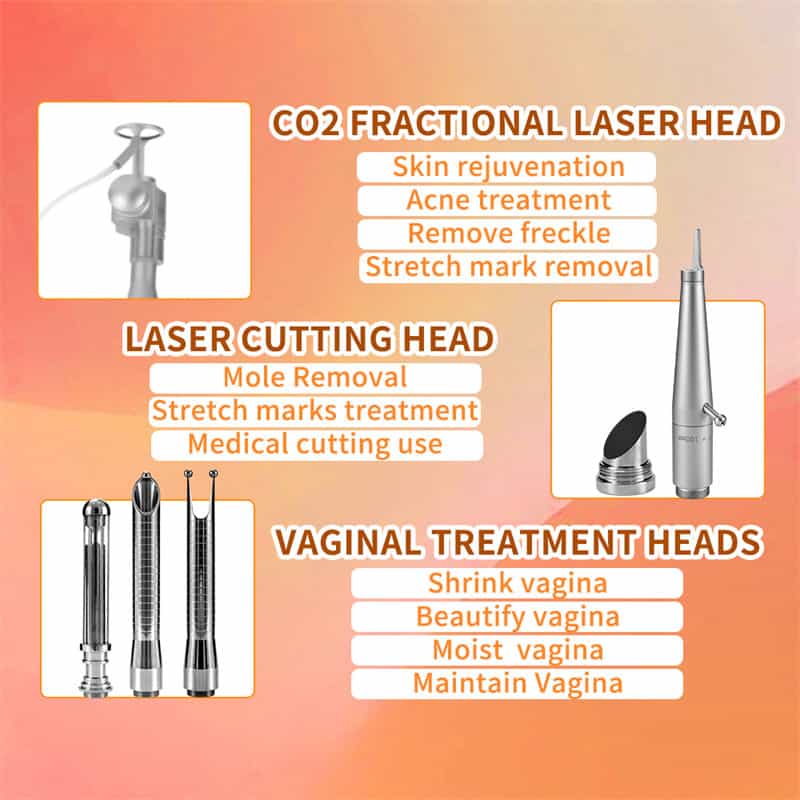
Los sistemas modernos de CO2 fraccionado se centran cada vez más en ajustes regulables que permiten a los profesionales personalizarlos:
- Producción de energía
- Patrones de escaneo
- Profundidad de penetración
- Tamaño del punto
- Densidad de tratamiento
4.1 Por qué es importante el suministro controlado de energía
Un control energético más preciso puede ayudar a los profesionales a tratar el tejido cicatricial de forma eficaz, minimizando al mismo tiempo las lesiones innecesarias en la piel circundante.
Esto cobra especial importancia para:
- Piel sensible
- tonos de piel más oscuros
- Zonas faciales delgadas
- Tipos de cicatrices combinadas
Los sistemas avanzados con múltiples modos y formas de escaneo permiten a los profesionales ajustar los tratamientos según los diferentes patrones de cicatrices y regiones faciales.
5. Por qué la remodelación del colágeno es esencial para una mejora a largo plazo.
Muchas personas esperan que las cicatrices del acné mejoren inmediatamente después del tratamiento. Sin embargo, la remodelación del colágeno es un proceso biológico gradual.
5.1 ¿Qué sucede después del tratamiento láser?
Tras el tratamiento fraccionado con CO2:
- Las zonas térmicas microscópicas desencadenan la respuesta curativa de la piel.
- Los fibroblastos se activan.
- Comienza la formación de nuevo colágeno y elastina.
- El tejido cicatricial se ablanda y se reorganiza gradualmente.
- La textura de la piel continúa mejorando con el tiempo.
Debido a que la producción de colágeno se desarrolla gradualmente, los resultados suelen seguir mejorando durante varios meses después del tratamiento.
Este proceso de remodelación retardada es una de las razones por las que se suelen recomendar varias sesiones para las cicatrices de acné más profundas.
6. ¿Por qué el CO2 fraccionado se utiliza también para otros fines además del tratamiento de las cicatrices del acné?
Si bien las cicatrices del acné siguen siendo una indicación importante, los sistemas modernos de CO2 fraccionado se utilizan cada vez más para lograr objetivos más amplios de rejuvenecimiento de la piel.
6.1 Aplicaciones faciales comunes
El rejuvenecimiento fraccionado también puede ayudar a mejorar:
- líneas finas
- daños solares
- Textura desigual de la piel
- Poros dilatados
- Irregularidades en la pigmentación
- Flacidez de la piel
6.2 ¿Por qué están creciendo los tratamientos combinados?
Algunas clínicas ahora combinan el rejuvenecimiento cutáneo con CO2 fraccionado con tratamientos adicionales para el cuidado de la piel o procedimientos basados en energía para favorecer la renovación general de la piel.
Los enfoques combinados pueden centrarse en:
- Corrección de pigmentación
- Refinamiento de textura
- Estimulación del colágeno
- Soporte de hidratación
- Remodelación de cicatrices
Esto refleja la creciente tendencia hacia la planificación de tratamientos personalizados en medicina estética.

7. Lo que los pacientes deben saber antes del tratamiento
Si bien el rejuvenecimiento fraccionado con CO2 es menos agresivo que los métodos ablativos completos más antiguos, una planificación adecuada del tratamiento sigue siendo importante.
7.1 Expectativas de recuperación
Los efectos temporales pueden incluir:
- Enrojecimiento
- Calor
- Hinchazón leve
- Descamación
- Sequedad
El tiempo de recuperación varía según la intensidad del tratamiento y el estado de la piel de cada persona.
7.2 Importancia de la evaluación profesional
La evaluación profesional de la piel ayuda a determinar:
- Niveles de energía adecuados
- Profundidad de la cicatriz
- Sensibilidad de la piel
- Riesgo de pigmentación
- Frecuencia de tratamiento
Este enfoque individualizado es importante para lograr resultados más seguros y consistentes.
Conclusión
El rejuvenecimiento cutáneo con láser de CO2 fraccionado moderno se ha convertido en una de las tecnologías más utilizadas para el tratamiento de las cicatrices del acné porque combina la renovación de la superficie con la remodelación profunda del colágeno. En comparación con los métodos láser ablativos más antiguos, la tecnología fraccionada permite una administración del tratamiento más controlada, una recuperación más rápida y un menor tiempo de inactividad, al tiempo que sigue actuando sobre el tejido cicatricial más profundo. sistemas láser Gracias a su continua evolución, que incluye una mayor precisión, modos de escaneo personalizables y una salida de energía más controlada, el rejuvenecimiento cutáneo fraccionado con CO2 sigue siendo una opción importante para las clínicas que buscan mejorar la textura de la piel sin cirugía y lograr un rejuvenecimiento cutáneo a largo plazo.