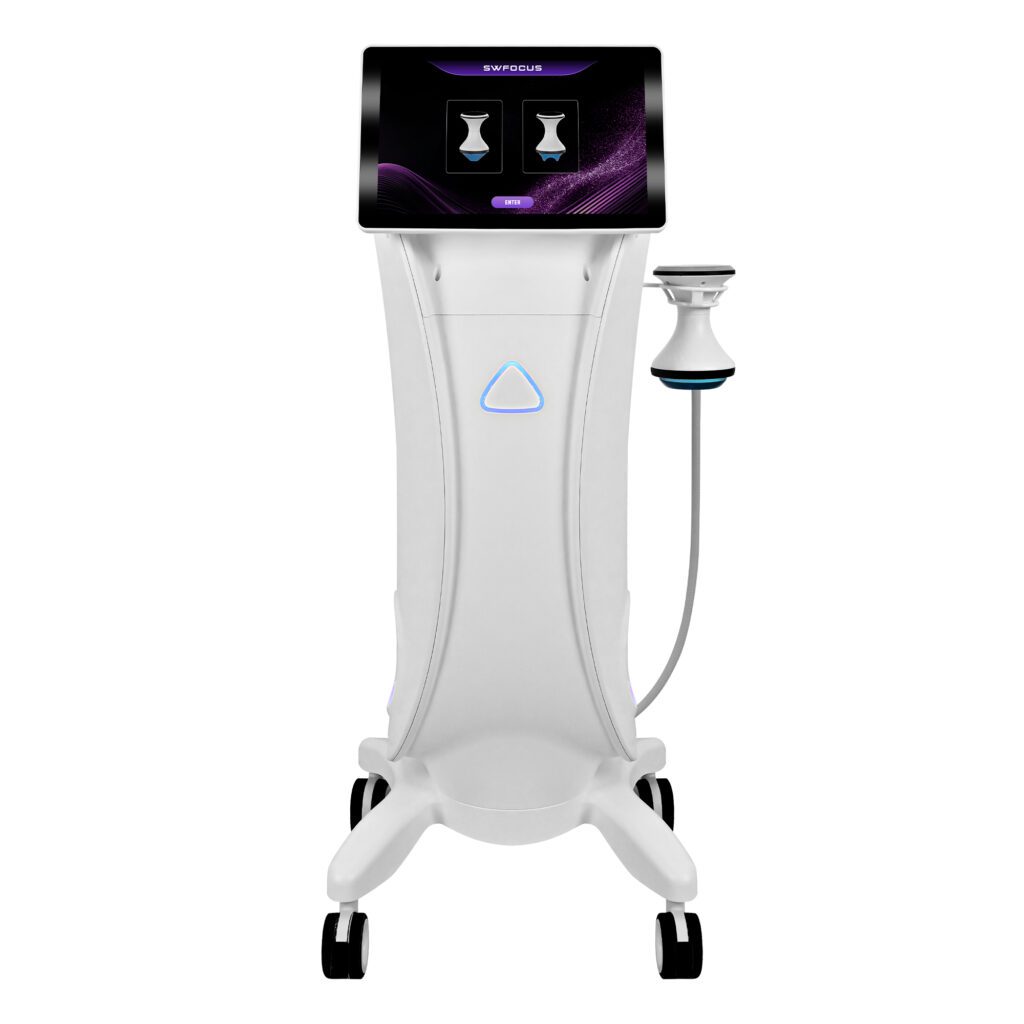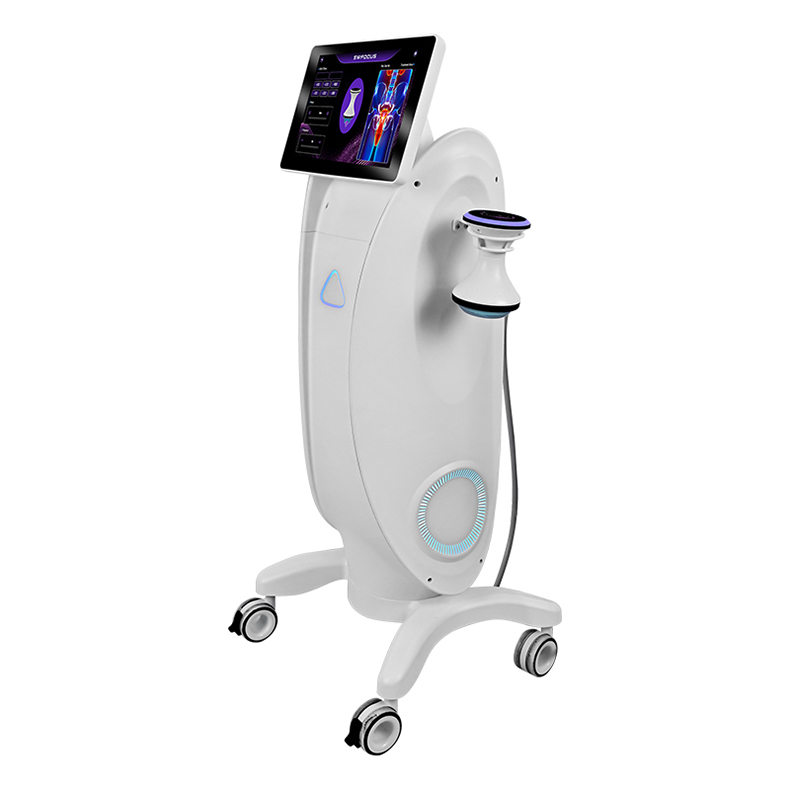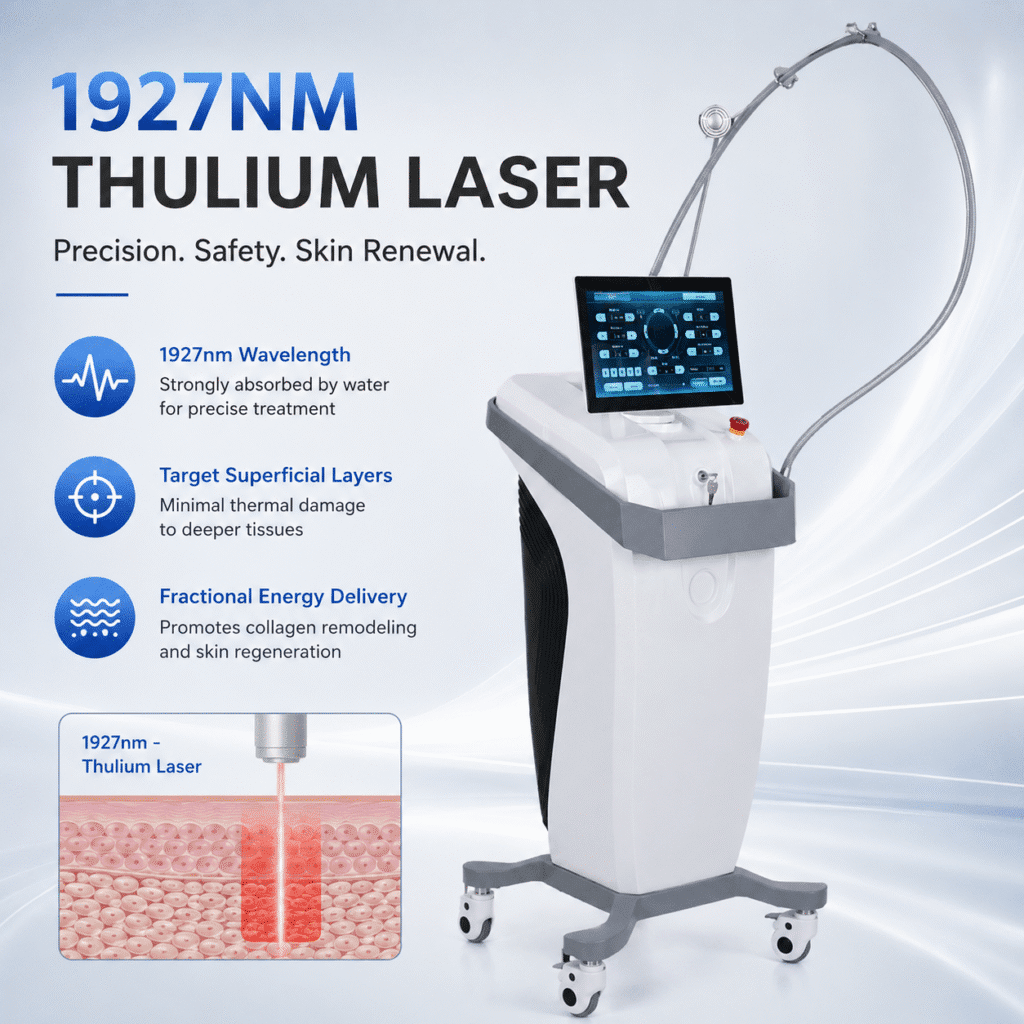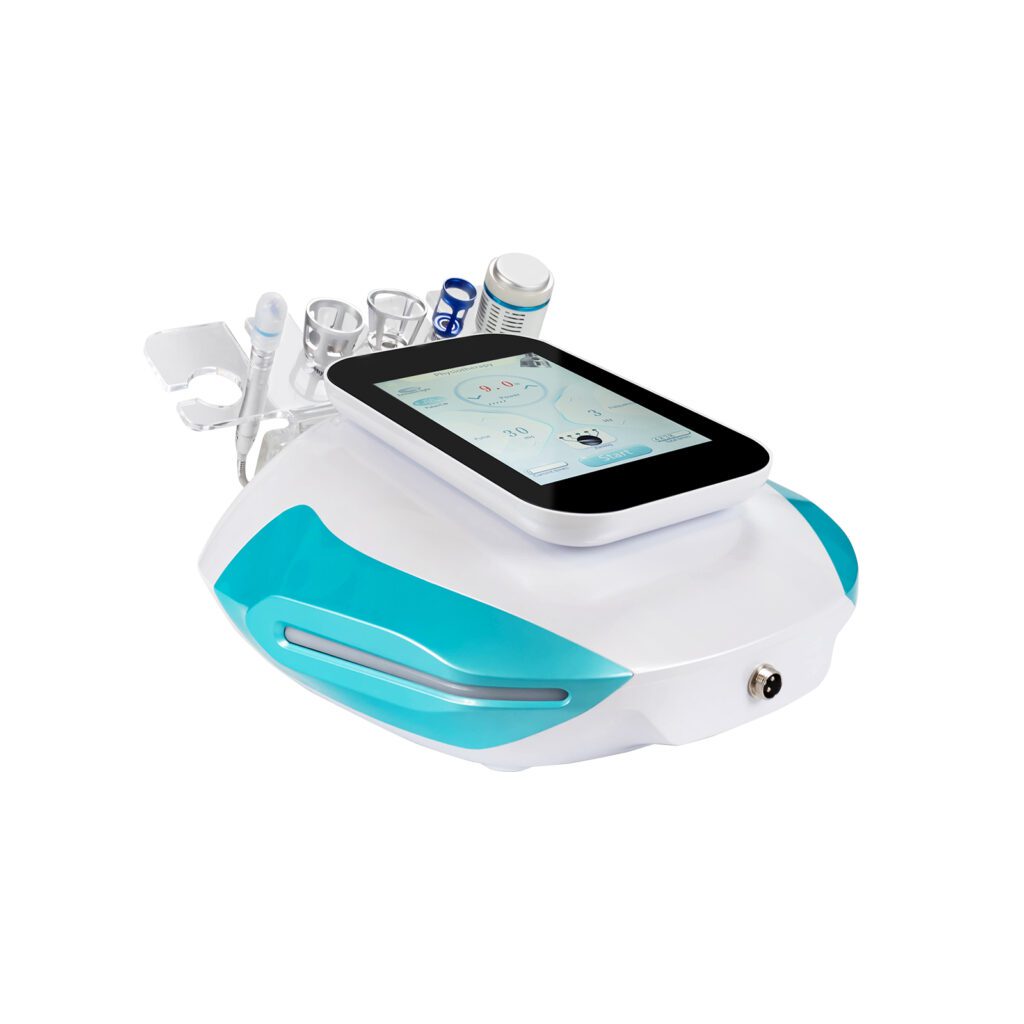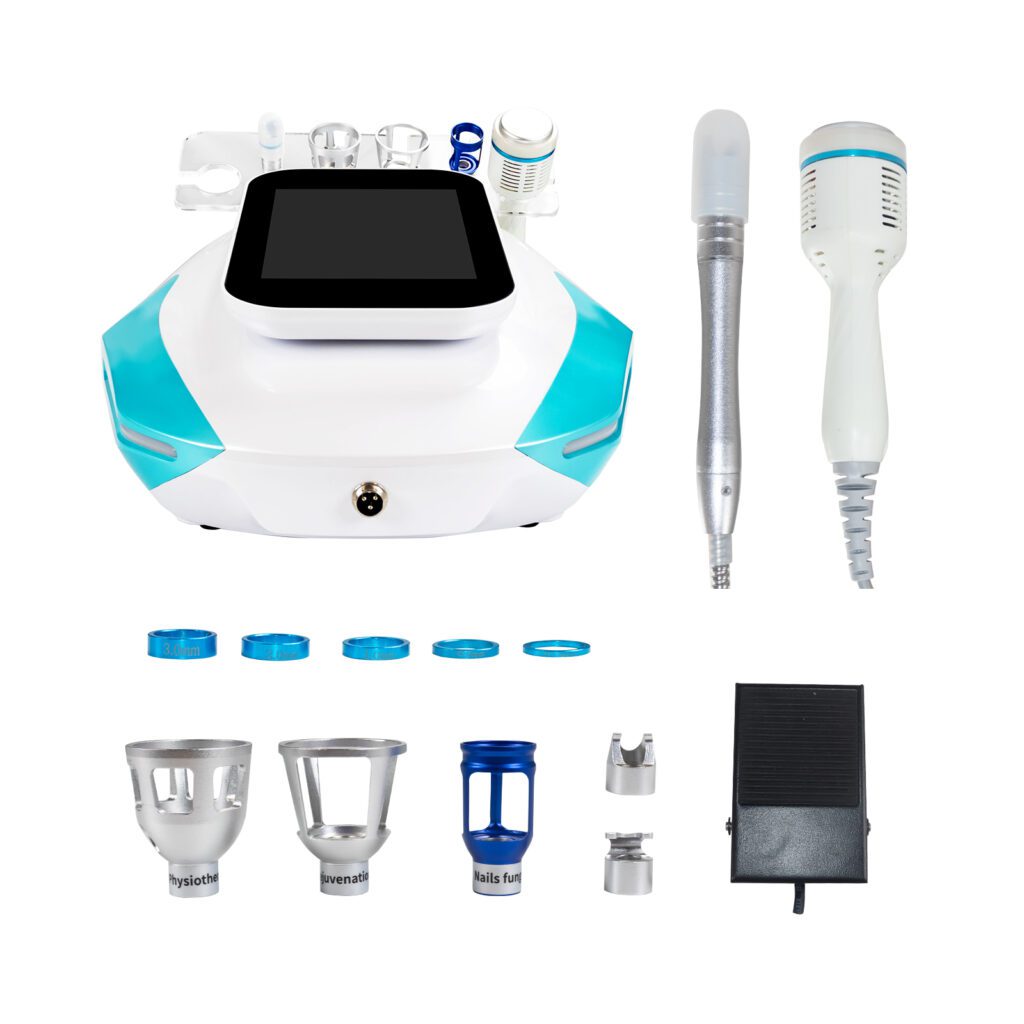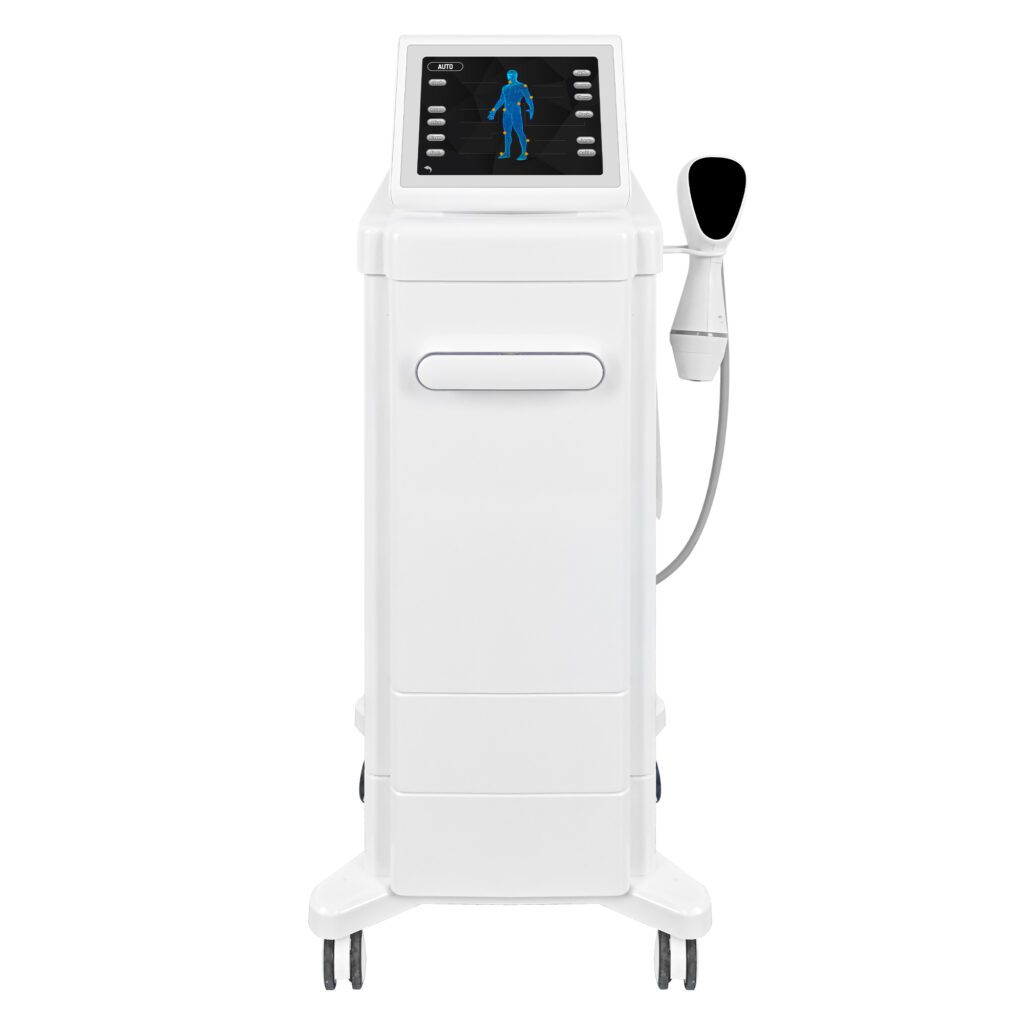
A beauty device can be correctly delivered and registered as a customer asset while its warranty record remains incomplete. The serial may be known, but the team may not know which agreement controls coverage, when the term begins, whether handles follow the main unit, who pays freight, or which documents are required when a claim is opened. If these questions are answered only when a fault occurs, the distributor and buyer may rely on different expectations.
Warranty registration should create a source-based entitlement record for each delivered unit and applicable component. This guide explains which data distributor teams should capture for SHEFMON facial, hair-removal, HIFU, RF-microneedling, and body-care devices without turning a general support description into an unsupported promise.
Resumen ejecutivo
- Keep the customer asset record, warranty policy, unit-level entitlement, component-level entitlement, and claim record separate but linked.
- Register warranty data from the governing order, contract, warranty statement, or approved support document.
- Do not create coverage, duration, exclusions, or cost responsibilities from memory or a copied record.
- Link each entitlement to the exact customer asset, serial, model, configuration, buyer, site, and order.
- Record the event that starts coverage and preserve the evidence date instead of calculating from an assumed delivery or installation date.
- Separate main-unit, handle, applicator, cartridge, accessory, software, consumable, labor, freight, travel, and diagnostic terms where the source does.
- Store covered scope, exclusions, required maintenance, claim steps, evidence, response channel, and decision authority.
- Reconcile warranty effects when a unit or component is replaced, relocated, transferred, returned, upgraded, or reconfigured.
- Show staff a clear current status while preserving the original policy and registration history.
- Use a claim to test the registered entitlement; do not rewrite the entitlement to match the desired claim result.
1. What Is Beauty Device Warranty Registration?
Warranty registration is the controlled creation of a unit-level record that states which warranty terms apply to a delivered beauty device and why.
The record should answer:
- Which physical unit or component is being registered?
- Which customer, order, and site does it belong to?
- Which policy or contractual warranty statement controls it?
- Which event starts the warranty term?
- What duration or end rule applies?
- Which parts, services, and costs are included or excluded?
- What customer duties and evidence are required?
- Who reviews and decides a claim?
- How do replacements, transfers, and configuration changes affect the record?
- What is the current entitlement status?
Registration documents the applicable promise. It does not expand the promise beyond the governing terms.
2. Separate Five Connected Records
| Registro | Objetivo | Ejemplo |
|---|---|---|
| Customer asset | Identifies the physical device and current location | A0648 asset with serial, site, and configuration |
| Política de garantía | Defines reusable terms approved for a product, component, market, or commercial program | Main-unit and accessory coverage rules |
| Warranty entitlement | Applies the policy or contract to one unit or component | Coverage registered for one named serial |
| Support case | Records a request for diagnosis or assistance | Buyer reports an equipment issue |
| Warranty claim | Records a request for remedy under the entitlement | Parts or repair request reviewed against terms |
A support case may exist without a warranty claim. A claim may be denied while technical assistance continues. Keep those outcomes distinct.
3. Warranty Registration Is Not Asset Registration
Customer asset registration establishes unit identity, ownership or responsibility, site, configuration, components, and lifecycle status. Warranty registration adds the commercial support entitlement attached to that asset.
An asset can exist when:
- warranty documents are still being reconciled;
- coverage has expired;
- the unit is a demonstration or loan asset;
- a transfer is under review;
- a warranty claim is disputed;
- only paid support remains.
Do not place all warranty terms inside the asset notes field. Use linked structured records.
4. Build a Source Hierarchy
Define which source prevails when documents differ. A distributor’s hierarchy may include:
- signed contract or accepted order terms;
- product- or project-specific warranty schedule;
- approved quotation conditions;
- authorized regional policy;
- current general support statement;
- approved written clarification linked to the order.
The hierarchy must follow the distributor’s actual agreements and applicable requirements. Do not assume this example overrides a contract.
For each value, store the source document ID, version or date, section, effective date, and approver.
5. Create a Pending Warranty Queue
Use a controlled queue when registration cannot be completed. Reasons can include:
- customer asset not active;
- serial not verified;
- order or invoice reference missing;
- governing terms not identified;
- start event unclear;
- main-unit and accessory terms conflict;
- replacement-unit treatment unresolved;
- transfer eligibility pending;
- required customer information missing;
- duplicate entitlement under review;
- policy version not approved for the market.
Give each item an owner, due date, blocking reason, and next action. Do not activate the entitlement with guessed values to clear the queue.
6. Define the Registration Trigger
Begin warranty registration when:
- the physical unit has been delivered or otherwise entered the customer’s custody;
- the asset and serial have been verified;
- the controlling order is known;
- the customer and site are identified;
- the governing warranty source is available;
- the start-event evidence can be collected;
- any material delivery discrepancy is visible.
Registration timing and warranty start timing are different. A record may be created today for a term that began under an earlier contractually defined event.
7. Build the Minimum Entitlement Record
| Data group | Campos obligatorios |
|---|---|
| Entitlement identity | Warranty entitlement ID, status, owner, registration date |
| Customer asset | Asset ID, serial, model, configuration revision |
| Customer and site | Account, legal or responsible entity, site, destination market |
| Commercial source | Order, accepted quote, invoice, contract, distributor program |
| Policy source | Policy ID, version, source document, controlling section |
| Start rule | Trigger event, event date, evidence, reviewer |
| End rule | Duration or calculation method, end date if applicable, review date |
| Coverage objects | Main unit, handles, applicators, accessories, software, labor, or other items |
| Exclusiones | Items, events, costs, or conditions outside coverage |
| Customer duties | Maintenance, records, notification, return, or access requirements stated in the source |
| Cost responsibility | Parts, labor, freight, travel, diagnosis, tax, or other responsibility |
| Claim process | Contact channel, required evidence, decision owner, return route |
| Change history | Replacement, transfer, upgrade, policy amendment, or correction |
Keep free-text explanations, but do not hide controlling dates or scope inside them.
8. Use Stable IDs
Recommended identifiers include:
- warranty entitlement ID;
- policy ID and version;
- customer account ID;
- site ID;
- installed-asset ID;
- permanent unit serial;
- model and configuration code;
- component ID or serial where applicable;
- order and invoice references;
- support-case ID;
- warranty-claim ID;
- replacement-event ID.
One serial may have several historical entitlements, but only the applicable current record should drive a new claim.
9. Confirm Customer and Site Scope
Registro:
- customer legal or responsible entity;
- operating business name;
- original buyer;
- current custodian;
- installation or operating site;
- billing and delivery entities where relevant;
- distributor or reseller relationship;
- mercado de destino;
- transfer restrictions or eligibility stated in the warranty source.
If the unit moves or ownership changes, do not assume coverage transfers automatically. Create a review event and follow the governing terms.
10. Link the Exact Serial, Model and Configuration
The entitlement should link to:
- verified main-unit serial;
- serial-label evidence;
- número de modelo oficial;
- código de configuración y revisión;
- original accepted configuration;
- destination electrical and language profile;
- later component additions or substitutions;
- replacement history;
- discrepancies that may affect registration.
Do not register coverage under a product-family name when the contract identifies a specific model or serial.
11. Record the Warranty Start Rule
Possible source-defined triggers may include:
- shipment date;
- delivery date;
- delivery acceptance date;
- installation or commissioning date;
- invoice date;
- another event explicitly stated in the agreement.
Store both the rule and the evidence. A date field without its trigger definition cannot be audited.
If sources conflict, keep the entitlement pending or disputed until an authorized reviewer resolves the controlling basis.
12. Calculate Dates Transparently
When a source defines a fixed duration, store:
- start event and date;
- stated duration;
- calculation rule;
- calculated end date;
- time zone or local-date basis where relevant;
- policy version;
- manual adjustment reason and approver;
- review date before expiry.
Do not type an end date without retaining how it was produced. Recalculate only through a controlled correction or policy event.
13. Separate Main-Unit and Component Entitlements
Warranty terms may differ among:
- main console or platform;
- handle or handpiece;
- applicator;
- cartridge or treatment head;
- cable or connector;
- screen or control element;
- pump, cooling, or internal assembly;
- accessory;
- battery where applicable;
- software or subscription service;
- disposable or consumable item.
Create child entitlement lines when terms differ. Do not apply the main-unit end date automatically to every supplied item.
14. Separate Coverage from Compatibility and Availability
A component can be:
- compatible but not covered;
- covered but unavailable temporarily;
- replaceable under a paid support route;
- excluded because it is a consumable;
- subject to a different claim process;
- under review because identity is unclear.
Warranty registration should state entitlement. Product and supply records should state compatibility and availability.
15. Record Covered Remedies Precisely
Depending on the governing document, a remedy may involve:
- remote diagnosis;
- repair guidance;
- replacement part;
- repaired component;
- componente de repuesto;
- depot repair;
- unit exchange;
- credit or another commercial resolution;
- paid assistance outside coverage.
Do not present every possible support action as guaranteed. Store only the remedies and decision process supported by the applicable source.
16. Separate Parts, Labor, Freight and Travel
| Cost area | Registration question |
|---|---|
| Parts | Which covered parts may be provided and under what decision? |
| Mano de obra | Is remote, local, depot, or on-site labor included? |
| Transporte | Who pays outbound, return, and replacement shipping? |
| Duties and tax | Does the governing term assign these costs? |
| Travel | Are on-site travel expenses included or separate? |
| Diagnosis | Is inspection or diagnostic time covered? |
| Embalaje | Who provides suitable return packaging? |
| Falta del tiempo | Does the agreement provide any remedy for business interruption? |
If a source is silent, record “not stated” and request clarification rather than assuming no cost or full cost.
17. Record Exclusions and Customer Duties
Capture source-based exclusions and duties as structured entries. They may address:
- consumables or normal wear;
- accidental or transport damage after acceptance;
- misuse or operation outside instructions;
- unauthorized modification or repair;
- incorrect electrical connection;
- cleaning or maintenance requirements;
- unsuitable environment or storage;
- notification deadlines;
- evidence and diagnostic cooperation;
- return authorization;
- data or software responsibilities;
- excluded freight, labor, or travel.
Do not add common industry exclusions unless they appear in the governing record.
18. Link Delivery and Acceptance Evidence
Entre las pruebas útiles se incluyen:
- accepted order and configuration;
- invoice or commercial record;
- Lista de embalaje;
- verified serial-label image;
- delivery date and receiver;
- acceptance status;
- visible-condition record;
- open delivery discrepancy;
- installation or commissioning record where relevant to the start rule;
- customer acknowledgment;
- corrective-delivery history.
The registration owner should see unresolved delivery damage or model discrepancies before activating coverage.
19. Link Maintenance and Operating Records Carefully
If the warranty terms require maintenance, cleaning, inspection, specified supplies, or operating records, link the applicable evidence without copying all operational detail into the entitlement.
Registro:
- requirement source;
- applicable task or interval;
- responsible party;
- evidence location;
- last relevant record;
- gap or exception status;
- reviewer decision when a claim uses the evidence.
Missing evidence should not be interpreted automatically. Follow the actual review and decision process.
20. Use Clear Entitlement Statuses
| Estado | Significado |
|---|---|
| Pending registration | Required identity or terms are incomplete |
| Activo | Current terms are registered and within their applicable period |
| Active with open data item | Noncritical data requires follow-up |
| Review required | Transfer, replacement, change, or conflict needs a decision |
| Disputed | Parties or documents conflict on applicability |
| Expired | Registered coverage period ended |
| Sustituido | A newer entitlement record controls |
| Cancelled or withdrawn | Coverage record ended under an authorized source |
| Historical only | Preserved for audit but not used for new claims |
Status should describe the record, not predict whether a specific claim will be approved.
21. Use SHEFMON Support Information as a Source, Not the Whole Record
La corriente SHEFMON after-sales support overview describes warranty and support for main equipment and accessories as separate areas. Distributor teams should preserve the exact terms governing the specific order because product, component, project, market, or commercial documents may define the applicable scope.
Link the relevant support page or statement to the policy record, then record the accepted quotation, order, and any approved clarification that controls the unit-level entitlement.
22. Register A0648 Warranty Data by Unit and Facial Tool Set
Para el SHEFMON A0648 9-in-1 hydro microdermabrasion system, register:
- A0648 main-unit serial and asset ID;
- accepted facial-tool configuration;
- durable handles or tools listed separately where terms differ;
- tips, solutions, filters, tubing, bottles, or other operating items classified by the governing warranty source;
- delivery and acceptance evidence;
- cleaning and maintenance duties stated in the applicable documents;
- claim evidence route;
- replacement-tool history.
Do not infer coverage from the “9-in-1” description. Use the itemized delivered configuration and warranty source.
23. Register A0423 and A0426 Warranty Data Separately
Maintain separate entitlements for the Sistema láser de diodo SHEFMON A0423 y Sistema láser de diodo SHEFMON A0426.
Captura:
- exact model, asset ID, and serial;
- selected wavelength configuration;
- delivered handle power and spot-size choice;
- handle or handpiece entitlement line where terms differ;
- cooling-related components only as defined by the applicable record;
- destination electrical profile;
- installation or acceptance date if relevant to the start rule;
- model-specific support documents;
- replacement or repair history.
Do not transfer an A0423 entitlement to A0426 during a substitution. Register the physical replacement and its applicable terms.
24. Register A0204 Warranty Data by Handle and Cartridge Matrix
El SHEFMON A0204 9D/7D focused HIFU system page presents several handles and cartridge choices.
Registro:
- A0204 main-unit serial;
- each accepted handle;
- cartridge types and depths tied to the handle;
- standard or selected-option status;
- component identity and supplied quantity;
- any shot or usage information relevant to the controlled item record;
- whether each item is durable, usage-limited, consumable, or otherwise classified by the governing warranty source;
- separate dates or terms where applicable;
- replacement history.
Do not assign one universal coverage line to the entire matrix without source evidence.
25. Register A0152 Warranty Data by Handle and Head Format
Product information for the Sistema de microagujas por radiofrecuencia de sobremesa SHEFMON A0152 presents more than one working-handle arrangement together with 12-pin, 24-pin, 40-pin, and nano formats.
Register:
- A0152 main-unit serial;
- one- or two-handle configuration;
- cooling-hammer selection where supplied;
- head formats linked as operating components or consumables according to the controlling records;
- opening quantities outside the permanent entitlement where they are inventory data;
- component-specific terms and exclusions;
- claim evidence for a handle versus a head;
- replacement-handle or configuration-change events.
The unit warranty, handle warranty, and single-use item treatment should not be mixed in one text field.
26. Register B0155 Warranty Data by Actual Handle Set
El Sistema de cuidado corporal de sobremesa SHEFMON B0155 product information describes several handle functions for body zones and smaller areas.
Registro:
- B0155 main-unit serial;
- exact delivered handle set;
- handle identifiers or part references where available;
- component-level terms where they differ from the console;
- cables, connectors, accessories, and consumables according to the source classification;
- cleaning and maintenance obligations stated in applicable documents;
- claim and replacement history by handle;
- current parent-unit assignment.
Do not register every handle shown publicly if the buyer’s accepted configuration included only a defined subset.
27. Register Multi-Device Packages Line by Line
A package name should not control warranty data. Create:
- one entitlement per main-unit asset;
- child lines for components with different terms;
- one link to the package and accepted quotation;
- distinct serial, start event, and end calculation for each unit;
- site allocation;
- shared commercial source where applicable;
- package-level clarification only when supported by the contract.
If five main units arrive in one package, they may have five different start-event evidence records or component structures even when the high-level warranty policy is the same.
28. Handle Multi-Location Customers
For each site, preserve:
- customer account and responsible entity;
- site ID and destination;
- serial-to-site assignment;
- delivery and acceptance dates;
- installation dates where relevant;
- policy or regional overlay;
- local support contact;
- transfer events;
- claim route;
- current entitlement status.
A group contract may provide common terms, but unit-level evidence still belongs to each serial and site.
29. Handle Replacement Units
When a main unit is replaced:
- preserve the original asset and entitlement;
- record the claim, exception, or commercial decision that caused replacement;
- create a new asset for the new serial;
- link old and new units through a replacement event;
- determine the new entitlement from the governing terms;
- record whether the original end date continues, resets, or follows another rule;
- preserve the authoritative source for that decision;
- assign transferred or new components correctly;
- close or supersede the earlier active status;
- communicate the registered result to the customer.
Never assume that replacement automatically restarts or preserves the term.
30. Handle Replacement Components
For a replaced handle, applicator, board, cable, or other item, record:
- original component ID;
- replacement component identity;
- parent asset;
- claim or service-case reference;
- replacement date;
- return or disposition of the earlier item;
- coverage decision;
- warranty treatment of the replacement;
- source document or authorization;
- current configuration update.
Do not overwrite the original component line. Preserve the sequence.
31. Handle Ownership and Site Transfers
Before transferring warranty data, review:
- whether the governing terms allow transfer;
- original and new customer entities;
- asset and serial identity;
- current unit condition and configuration;
- maintenance and support history;
- market and destination differences;
- documents required from both parties;
- fecha de entrada en vigor;
- approved decision;
- claim route after transfer.
Update the entitlement only after an authorized decision. The physical asset can move before the warranty transfer question is resolved, so keep those statuses separate.
32. Connect Claims to Registered Entitlements
A claim should reference:
- entitlement ID;
- asset and serial;
- affected component;
- issue description;
- date discovered and reported;
- equipment status;
- supporting photos, logs, or video;
- maintenance and operating evidence where required;
- diagnostic steps;
- coverage decision and reason;
- parts, labor, freight, or other responsibility;
- remedy and completion date;
- resulting replacement or configuration event.
Do not change the entitlement dates or scope merely to make a claim fit. Record disputes and corrections separately.
33. Preserve Buyer-Facing Confirmation
After registration, provide a concise confirmation containing:
- customer and site;
- device model and serial;
- governing order or warranty reference;
- registered start basis and dates;
- covered object categories;
- important exclusions and customer duties;
- claim contact and evidence route;
- correction process for inaccurate data.
Avoid copying sensitive internal approval notes. The confirmation should help the buyer understand the recorded terms without replacing the governing agreement.
34. Protect Customer and Commercial Data
Warranty records may contain customer contacts, addresses, serials, contracts, prices, support decisions, fault evidence, and internal technical notes. Use role-based access.
Separate views for:
- sales and account teams;
- warranty administrators;
- technical support;
- supply and logistics;
- finance;
- regional management;
- customer-facing confirmation;
- audit and compliance roles.
Limit edits to dates, policy links, coverage scope, and decision fields. Preserve change history.
35. Validate the Data Before Activation
Validation should detect:
- serial not found in the customer asset record;
- duplicate active entitlement for the same scope;
- model and policy mismatch;
- policy version not active for the order date or market;
- missing start-event evidence;
- end date inconsistent with the registered rule;
- accessory terms copied from the main unit;
- transferred asset without transfer review;
- replacement unit without linked original asset;
- expired entitlement shown as active;
- claim opened against a different serial;
- component assigned to the wrong parent unit.
Return errors to an owner instead of allowing silent overrides.
36. Audit Warranty Registrations
Sample active and recently expired entitlements. Confirm:
- serial matches the asset and label evidence;
- customer and site are correct;
- policy and contract sources are accessible;
- start rule and evidence agree;
- end date can be reproduced;
- component lines reflect actual terms;
- exclusions and duties come from sources;
- replacement and transfer events preserve history;
- claims reference the correct entitlement;
- buyer-facing confirmation matches the record;
- sensitive data is appropriately restricted;
- historical versions remain readable.
Audit evidence and calculations, not merely field completion.
37. Measure Registration Quality
Entre las métricas útiles se incluyen:
- delivered assets with an active or pending entitlement record;
- average time from asset activation to warranty registration;
- pending records by reason;
- entitlements missing start-event evidence;
- date corrections after activation;
- duplicate or overlapping entitlements;
- components without appropriate entitlement classification;
- claims delayed by incomplete registration;
- claims submitted against the wrong serial or component;
- replacement units awaiting warranty decisions;
- transfers awaiting eligibility review;
- customer corrections after confirmation.
High registration volume is useful only when the source data is accurate.
38. Warranty Registration Checklist
Before activating a beauty device warranty record, confirm that:
- the customer asset and serial are verified;
- the exact model and configuration are recorded;
- the customer, responsible entity, and site are identified;
- the controlling order, contract, or warranty source is linked;
- the policy ID and version are correct;
- the start event and evidence are recorded;
- the end date can be reproduced from the stated rule;
- main-unit and component terms are separated where necessary;
- parts, labor, freight, travel, and diagnosis responsibilities are explicit or marked not stated;
- exclusions and customer duties come from authoritative sources;
- delivery discrepancies remain visible;
- replacement and transfer rules are not assumed;
- the claim contact and required evidence are recorded;
- duplicate and overlap checks are complete;
- buyer-facing confirmation matches the registered data;
- record ownership and access are assigned;
- changes will preserve the original entitlement history.
Preguntas frecuentes
1. Is warranty registration the same as customer asset registration?
No. Asset registration identifies the physical unit, customer, site, and configuration. Warranty registration records the commercial support entitlement that applies to that asset.
2. Does registering a device create warranty coverage?
Registration documents coverage supported by the governing agreement. It does not create broader duration, scope, remedies, or cost responsibilities than those terms provide.
3. Which date should start the warranty?
Use the event defined in the controlling order, contract, or warranty statement. Record the trigger, date, evidence, and source rather than assuming shipment, delivery, or installation.
4. Should handles use the main-unit warranty dates?
Only when the governing terms say so. Create component-level lines when handles, applicators, accessories, or other items follow different periods or conditions.
5. Are consumables included in warranty registration?
Record how the governing source classifies them. Do not assume inclusion or exclusion merely because an item is used repeatedly or has a limited life.
6. What happens when a main unit is replaced?
Create a new asset and entitlement decision for the replacement serial, link it to the original unit, and record whether the governing terms continue, reset, or apply another rule.
7. Can warranty coverage transfer to a new owner or site?
Follow the applicable agreement. Record the transfer request, evidence, authorized decision, effective date, and any changed claim route.
8. Is a support case automatically a warranty claim?
No. A support case requests assistance or diagnosis. A warranty claim requests a remedy under a registered entitlement and requires a coverage decision.
9. What if the website and order documents show different warranty information?
Use the distributor’s approved source hierarchy, preserve both sources, and obtain an authorized clarification. Do not select a value silently.
10. When should SHEFMON be contacted during warranty registration?
Contact SHEFMON when the applicable policy, model or component scope, start rule, replacement treatment, document version, or claim route cannot be resolved from the approved order and support records.
Conclusión
Warranty registration gives distributor teams a reliable link between commercial support terms and the physical beauty device installed at a customer site. A strong record identifies the serial, model, configuration, customer, policy source, start rule, duration, covered objects, exclusions, cost responsibilities, claim route, and change history. It also preserves uncertainty instead of converting missing information into a promise.
Revisar el Gama de dispositivos de belleza SHEFMON when confirming product identities for warranty registration. For help clarifying the applicable model, component, order, replacement, or support record, Contacta con SHEFMON with the asset and serial evidence, accepted configuration, destination, governing order, and specific registration question.