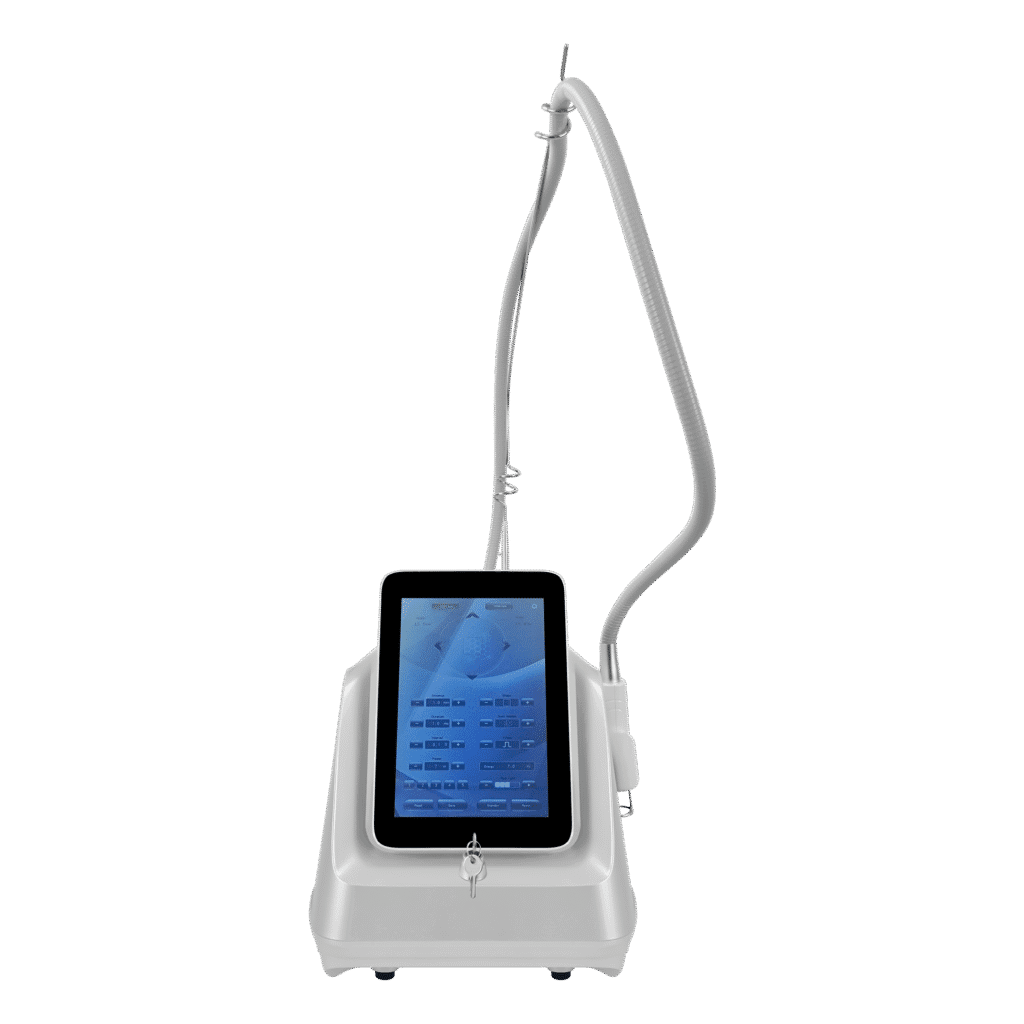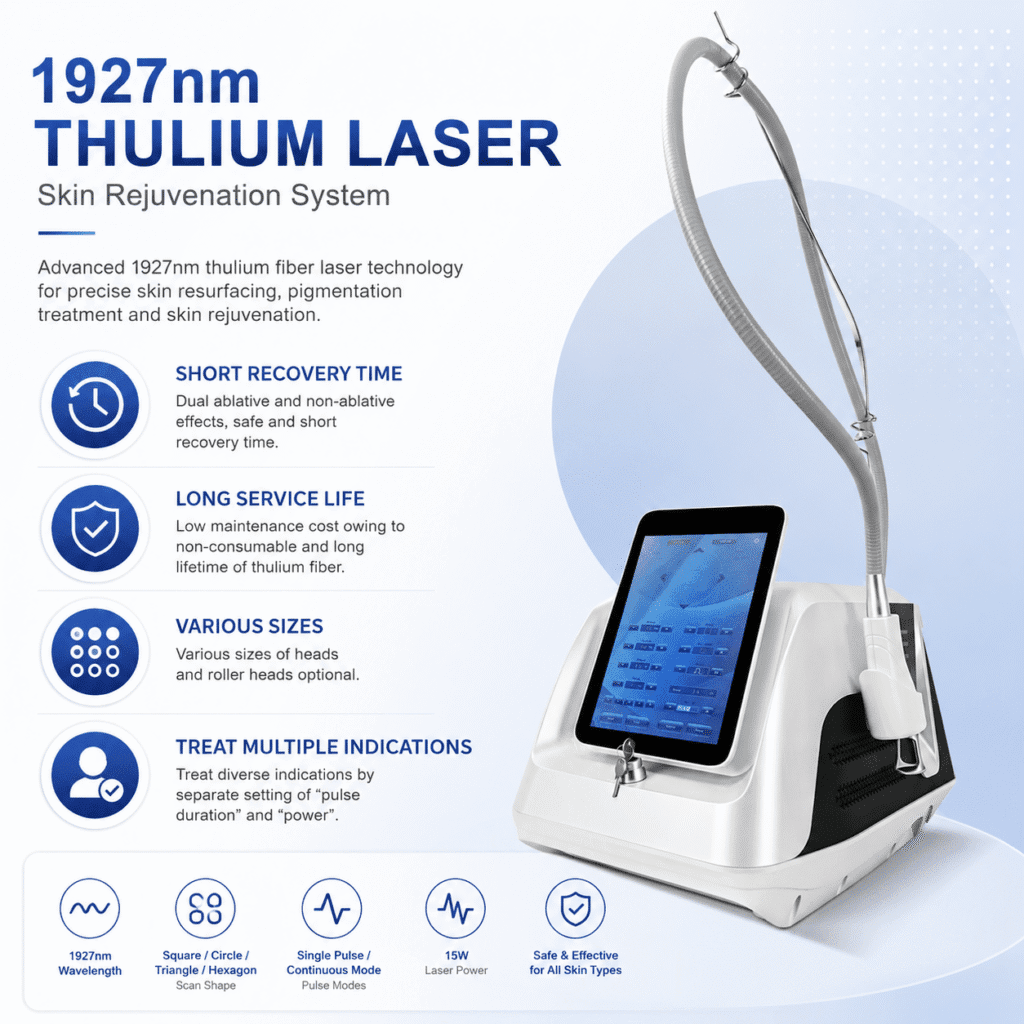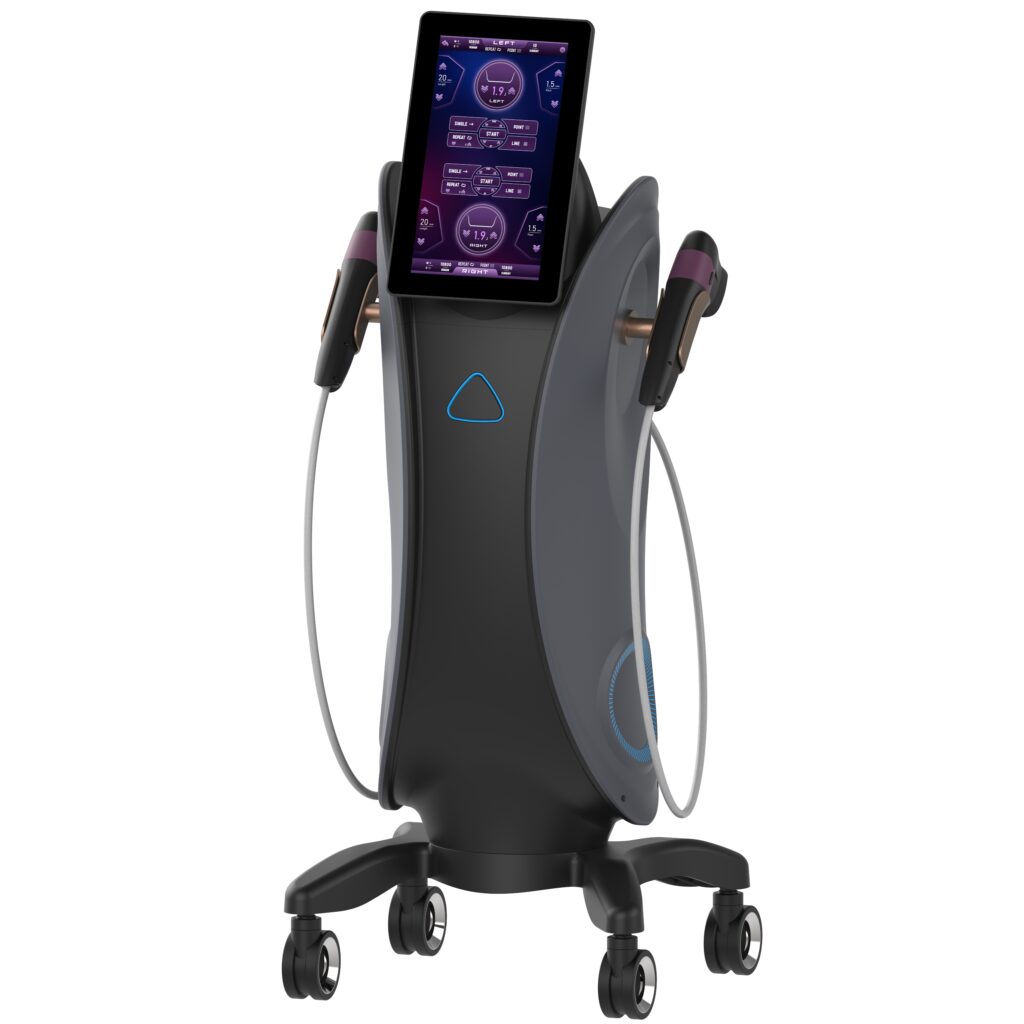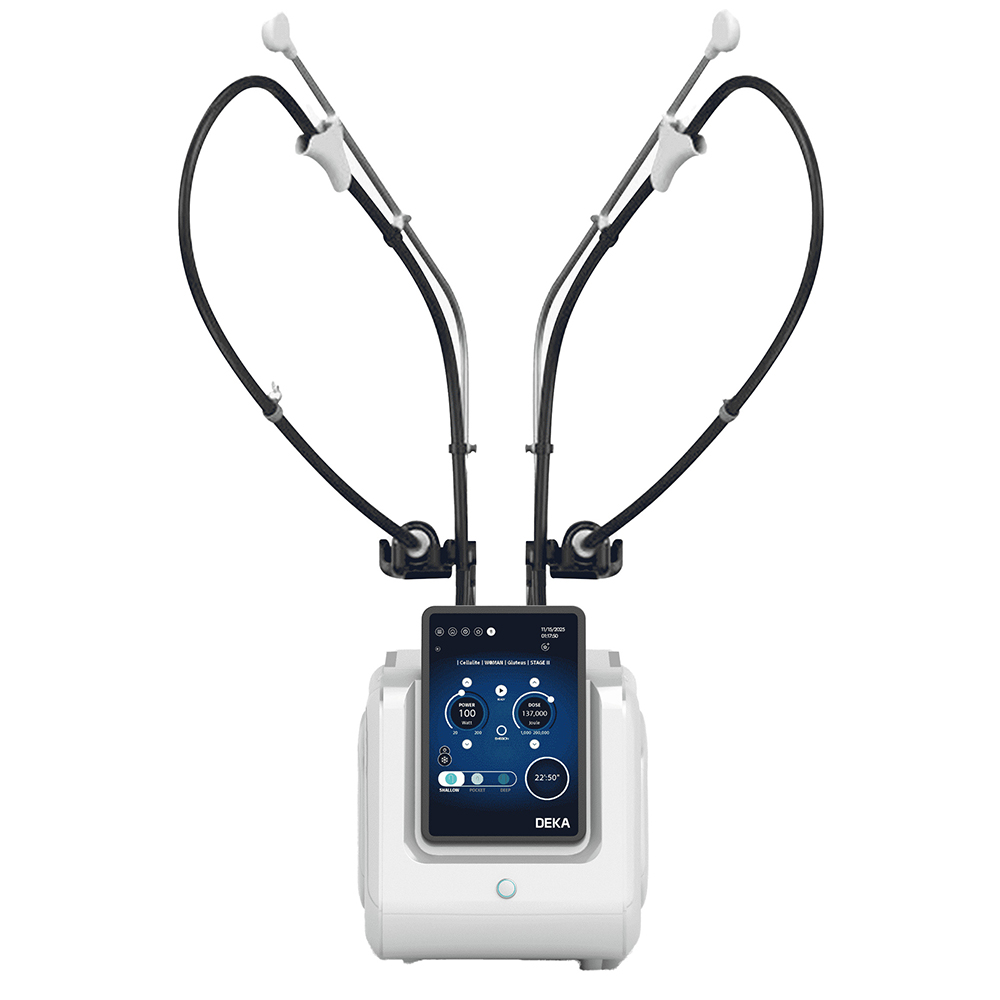
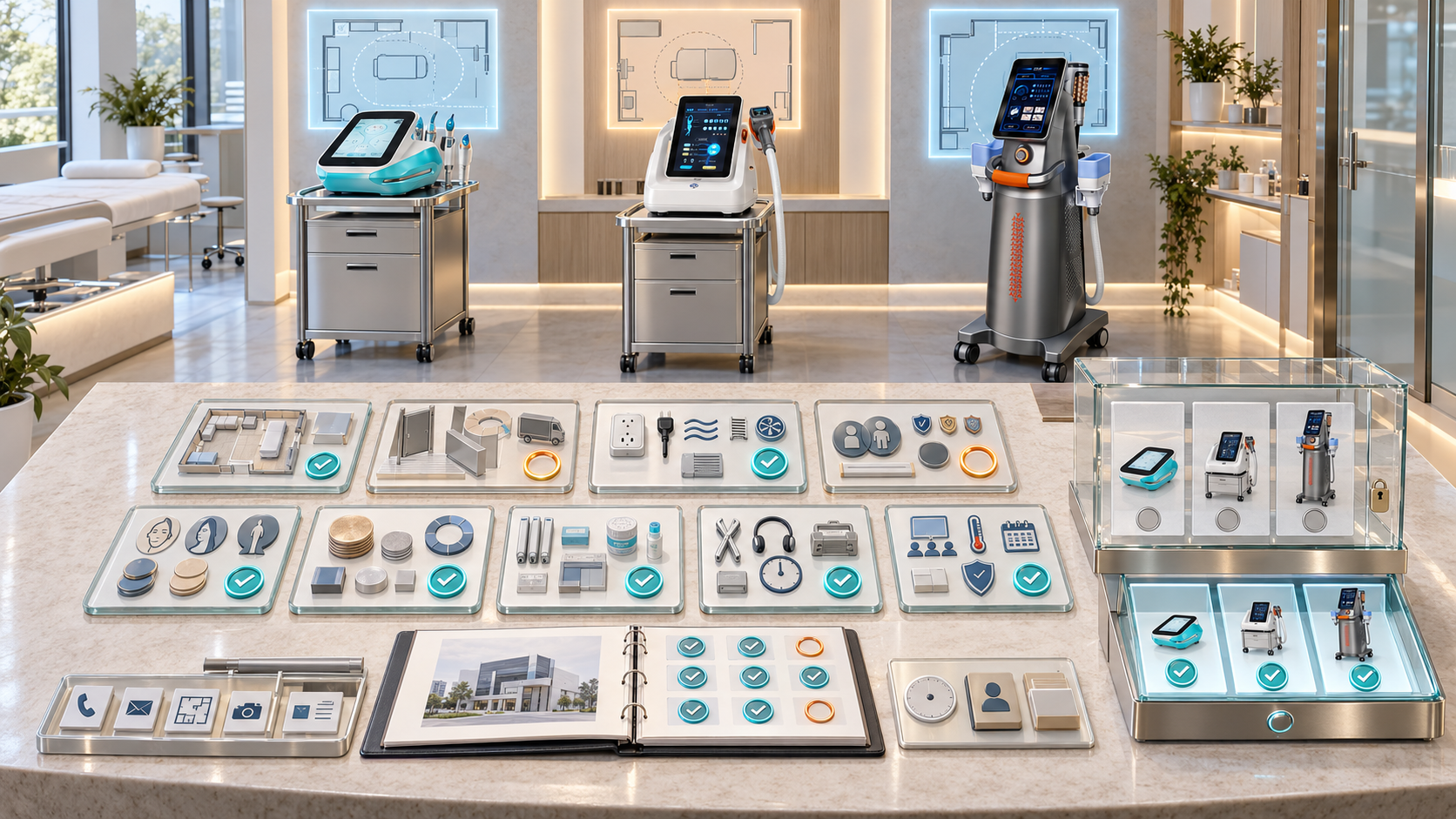
A buyer may ask for a high-performance laser, a multifunction facial system, or a complete facial-and-body package. The requested category can sound clear until the distributor asks about treatment-room size, electrical supply, operator qualifications, cleaning workflow, consumable access, launch timing, or the services the business is actually prepared to add. These constraints can change the shortlist more than a long feature comparison.
Documenting constraints before recommending equipment protects both the buyer and the sales team. It prevents attractive but unsuitable options from moving into demonstrations and quotations, makes tradeoffs visible, and records why one SHEFMON category or configuration fits better than another. This guide provides a practical constraint-recording method for facial salons, med spas, skin clinics, hair-removal centers, body studios, multi-location groups, and distributors.
Zusammenfassung
- Record buyer constraints before selecting a final device category, model, or bundle.
- Separate hard constraints, negotiable constraints, preferences, assumptions, and future requirements.
- Capture the source, owner, verification date, affected decision, and status for every material constraint.
- Cover business, service-menu, room, utilities, operator, workflow, consumable, market, commercial, timing, and support limits.
- Use category-specific constraint modules for facial, laser, HIFU, RF-microneedling, and body-care devices.
- Apply hard constraints as pass/fail gates before comparing desirable features.
- Show the buyer which valid alternatives remain and which requirement creates each tradeoff.
- Recheck constraints before a demonstration, configuration request, quotation, and order confirmation.
- Use site-specific overlays when a multi-location buyer has different rooms, teams, or electrical profiles.
- Preserve the final constraint record with the recommendation rationale and accepted configuration.
1. What Is a Buyer Constraint?
A buyer constraint is a condition that limits which device category, model, configuration, package, or purchase path can work for the project. It may come from the business, treatment room, team, market, timing, budget, or operating process.
Beispiele hierfür sind:
- only one small treatment room is available;
- the intended operator does not currently support an advanced device category;
- the salon cannot add a new consumable supply process;
- the buyer needs one electrical profile for several locations;
- the opening package must fit a fixed budget;
- the service must launch before a stated date;
- the distributor cannot stock every option locally;
- the business wants body services without duplicating its existing equipment.
A constraint does not automatically mean “no.” It defines the boundary inside which the recommendation must work.
2. Distinguish Constraints from Preferences
Sales consultations often mix mandatory limits with desirable features. Use separate classes.
| Requirement class | Bedeutung | Decision treatment |
|---|---|---|
| Hard constraint | Cannot be violated for the current project | Candidate fails if it cannot comply |
| Negotiable constraint | Can change only after an explicit buyer decision | Show tradeoff, owner, cost, and consequence |
| Strong preference | Materially improves buyer fit | Use after hard constraints pass |
| Optional preference | Helpful but not decision-critical | Use as a tie-breaker or quoted option |
| Assumption | Temporary statement used until verified | Do not present as confirmed fact |
| Future requirement | Relevant to a later phase | Assess upgrade path without overloading the first purchase |
| Out of scope | Deliberately excluded | Keep outside the active recommendation |
If every preference is labeled mandatory, no product may fit. If every hard limit is treated as flexible, the recommendation becomes unreliable.
3. Create a Controlled Constraint Record
Each material constraint should have structured fields.
| Feld | Zweck |
|---|---|
| Constraint ID | Gives the issue a stable reference |
| Buyer statement | Preserves what the buyer actually said |
| Normalized constraint | Converts the statement into a clear decision rule |
| Kategorie | Business, service, room, operator, market, commercial, timing, support, or other |
| Classification | Hard, negotiable, preference, assumption, future, or out of scope |
| Scope | Entire project, one site, one category, one model, or one configuration |
| Source | Buyer, site record, product record, market reviewer, or commercial record |
| Evidence and date | Shows the basis and freshness of the information |
| Decision impact | Identifies which categories, models, options, or packages are affected |
| Owner and due date | Makes unresolved work actionable |
| Status | Open, verified, changed, resolved, waived, failed, or archived |
Free-text notes can explain context, but the key decision fields should use controlled values.
4. Begin with Business Constraints
Business constraints define what the equipment must contribute.
Aufzeichnen:
- buyer type and positioning;
- current service categories;
- client concerns the business intends to address;
- existing devices and duplicate functions;
- opening, replacement, expansion, or upgrade objective;
- number of rooms and locations;
- expected service tier: entry, maintenance, targeted, advanced, or premium;
- target launch sequence;
- decision-makers and purchasing authority;
- local stock, demo, or support expectations for distributor buyers.
A small facial salon and a multi-room med spa can ask for the same model while facing completely different operational constraints.
5. Define the Service-Menu Boundary
Before choosing equipment, state what the buyer plans to sell.
- Which service category is missing today?
- Which existing service should the device replace or strengthen?
- Is the device expected to support one focused service or several menu tiers?
- Does the business want frequent maintenance appointments or a separate advanced pathway?
- Which client concerns and treatment areas are in scope?
- Which services are intentionally excluded?
- Is the business prepared to create consultation, records, and aftercare for the category?
- Would a proposed device duplicate an existing function without adding a clear business role?
The service-menu boundary prevents broad terms such as “anti-aging,” “lifting,” or “body shaping” from leading to unrelated product recommendations.
6. Document Room and Site Constraints
Room constraints should be measured, not described as “small” or “large.” Capture:
- usable floor area and access path;
- doorway, elevator, corridor, and delivery restrictions;
- device footprint and operator clearance;
- bed or chair arrangement;
- handle, cartridge, tip, or consumable storage;
- cleaning area and waste handling;
- sink, water, drainage, ventilation, cooling, or other relevant utilities;
- noise and privacy considerations;
- secure storage and access control for advanced devices;
- movement between rooms;
- installation and delivery access.
Use verified product dimensions and package data for the selected model. Do not assume that “desktop” automatically means the complete working setup fits a crowded room.
7. Document Electrical and Market Constraints
Aufzeichnen:
- destination country or region;
- final operating location;
- voltage and frequency;
- plug and cable requirements;
- available circuit and outlet position;
- interface language;
- manual and training language;
- required product and commercial documents;
- locally approved terminology and claims;
- professional-setting or operator conditions requiring review;
- regional service and support route.
The electrical and market profile should follow the destination, not the location of the salesperson or regional office.
8. Document Operator and Team Constraints
The device must fit the people who will operate, schedule, clean, and support it.
- intended operator role;
- current training and experience;
- internal authorization level;
- local professional requirements;
- availability for onboarding;
- number of trained operators needed for coverage;
- staff turnover or handover risk;
- reception and consultation responsibilities;
- cleaning and opening or closing responsibilities;
- technical contact for routine checks;
- language needs;
- capacity to maintain records and aftercare follow-up.
Do not recommend an advanced category merely because the buyer likes its marketing position. The operating team and professional setting must be part of the decision.
9. Document Workflow and Capacity Constraints
Capture the intended operating pattern:
- appointment length and turnover target;
- expected daily or weekly volume;
- Beratungszeit;
- setup and cleaning time;
- whether rooms or devices are shared;
- booking windows and peak demand;
- time needed to change handles or components;
- opening and closing tasks;
- follow-up and aftercare workload;
- downtime tolerance;
- backup or rescheduling plan.
Avoid turning an early volume estimate into a performance promise. Use the information to judge workflow fit and supplies, then revise it as the service launches.
10. Document Consumable and Component Constraints
Some buyers want a simple opening package; others need local access to consumables or replacement items. Record:
- consumable types required by the selected category;
- preferred opening quantities;
- storage conditions and available space;
- reorder frequency planning;
- local stock expectations;
- compatibility and version requirements;
- buyer tolerance for several consumable families;
- replacement-handle or cartridge strategy;
- person responsible for inventory;
- acceptable lead-time basis for replenishment.
If the buyer cannot manage a new consumable process, that can be a real constraint on the device category or package design.
11. Document Commercial and Timing Constraints
Commercial constraints should describe the complete offer, not only the console price.
Capture:
- budget range and whether it includes accessories, consumables, freight, or training;
- currency and payment requirements;
- quantity and rollout stages;
- target quotation, decision, payment, delivery, installation, and launch dates;
- freight or delivery preference;
- stock or supply conditions;
- quote-validity needs;
- approval thresholds;
- preference for one opening package versus phased purchases;
- cost of necessary room or workflow changes.
Do not force a model under the budget by removing required components without showing the change. That creates a different configuration.
12. Translate Vague Buyer Statements into Decision Rules
| Buyer statement | Constraint question | Normalized rule example |
|---|---|---|
| “The room is very small” | What is the usable space and required operator clearance? | Device and working accessories must fit the measured layout |
| “It must be easy to use” | Which staff, training time, workflow, and task complexity are acceptable? | Two named operators must complete the approved onboarding plan before launch |
| “We do not want expensive consumables” | Which items, opening quantity, reorder unit, and budget basis matter? | Opening and planned reorder package must be identified before selection |
| “We want the most complete machine” | Which service categories and functions have a real menu role? | Every included function needs a defined launch or future-phase purpose |
| “We need it quickly” | Which date is fixed and which steps must occur before launch? | Configuration, market profile, delivery basis, and onboarding timing must be confirmed by the decision date |
| “We need a machine for all locations” | Which site conditions differ? | Candidate must pass each site’s room, electrical, operator, and menu overlay |
The normalized rule should be specific enough to test against a category or configuration.
13. Map Constraints to the Device Category
Verwenden Sie die SHEFMON beauty device catalog only after the main boundaries are clear.
| Constraint pattern | Category implication | Follow-up needed |
|---|---|---|
| Basic facial menu, frequent appointments, multifunction preference, manageable cleaning process | Hydro and multifunction facial care | Tool set, supplies, room workflow, opening inventory |
| Dedicated hair-removal service, suitable operator, room and electrical readiness | Diodenlaser | Exact model, handle, wavelength, spot size, cooling, market profile |
| Advanced lifting pathway with appropriate setting and consultation process | HIFU | Handle, cartridge, service scope, operator, records, reorders |
| Advanced skin-texture pathway with hygienic and consumable controls | RF-Mikronadelung | Handle setup, head types, opening quantities, aftercare, operator |
| Body-service expansion with sufficient room, handle storage, and booking time | Multifunktionale Körperpflege | Handle roles, room movement, cleaning, overlap with current equipment |
A category remains a candidate only if it satisfies the hard constraints.
14. Apply A0648 Constraints to Facial-Salon Recommendations
Der SHEFMON A0648 9-in-1 Hydro-Mikrodermabrasionsgerät can fit buyers seeking a multifunction facial platform. Document constraints around the complete working setup.
Relevant buyer constraints
- room space for a vertical platform and operator access;
- cleaning, flushing, container, tubing, and waste workflow;
- storage for tools, tips, solutions, and replaceable items;
- staff time between appointments;
- opening and reorder supply plan;
- number of facial functions the salon can actually turn into clear services;
- electrical and language profile;
- preference for one broad platform versus simpler focused devices.
Recommendation effect
If the salon lacks a workable cleaning process or will not manage required supplies, resolve those constraints before recommending the platform. If it wants a core cleansing and hydration-oriented menu with several well-defined tools, A0648 can remain in the shortlist and move to configuration review.
15. Apply A0423 and A0426 Constraints to Laser Recommendations
Die jetzige A0423 diode-laser page Und A0426 diode-laser page list several overlapping technical choices. Keep the models separate and test each proposed configuration.
Relevant buyer constraints
- approved professional setting and operator plan;
- dedicated or shared room layout;
- destination voltage, frequency, and plug;
- expected appointment volume and working pattern;
- wavelength-profile requirement;
- handle-power and spot-size preference;
- cooling and routine-check workflow;
- device movement and logistics limits;
- local document, language, and claim conditions;
- target launch and training schedule.
Recommendation effect
Room, operator, market, and electrical constraints are hard gates. Handle power, spot size, and console format may be strong preferences after the candidate passes. Do not recommend “A0423/A0426” as an unresolved choice or assume every listed option is included.
16. Apply A0204 Constraints to HIFU Recommendations
Der SHEFMON A0204 multifunction HIFU system can involve multiple handles, modules, cartridges, and depths.
Relevant buyer constraints
- professional setting and operator requirements;
- defined consultation and client-selection pathway;
- intended face, neck, or body service scope;
- cartridge depths needed for that reviewed scope;
- opening cartridge quantities and future reorder plan;
- preference for core versus broader module configuration;
- room access, storage, records, and aftercare;
- budget for the actual selected handle-and-cartridge set;
- launch sequence for advanced services.
Recommendation effect
Build the proposed configuration only from handles and cartridges with a defined service role. If the buyer cannot yet support a broader module, record it as a future requirement instead of placing every available option in the first package.
17. Apply A0152 Constraints to RF-Microneedling Recommendations
Der SHEFMON A0152 desktop RF microneedling system page lists handle arrangements and 12-pin, 24-pin, 40-pin, and nano head types.
Relevant buyer constraints
- intended operator and authorization process;
- hygienic handling, storage, and disposal capability;
- consultation, records, and aftercare workflow;
- facial or body service scope;
- preferred handle arrangement;
- head types required for the reviewed plan;
- opening and monthly consumable needs;
- reorder access and inventory owner;
- voltage, room, and language profile;
- training time and launch readiness.
Recommendation effect
A compact console does not remove the need for controlled consumables and professional workflow. If the buyer has not defined these processes, keep the recommendation conditional rather than presenting A0152 as ready for immediate launch.
18. Apply B0155 Constraints to Body-Care Recommendations
Der SHEFMON B0155 desktop body-care system page describes body and smaller-area handles with different function combinations.
Relevant buyer constraints
- body-only or facial-and-body service scope;
- room space for console, treatment bed, handles, and movement;
- storage and cleaning for the selected handle set;
- appointment length and turnover;
- existing body devices and overlapping functions;
- target areas and package tiers;
- operator availability;
- preference for a focused versus broad handle package;
- electrical and language profile;
- planned launch order for new body services.
Recommendation effect
A compact device may fit the room while a broad handle package creates storage or menu complexity. Select the handle set that fits the actual operating constraints instead of maximizing the function count.
19. Use Hard Constraints as Elimination Gates
A candidate should normally leave the shortlist when it fails a confirmed hard constraint such as:
- wrong service category;
- unsuitable operating setting;
- unresolved operator requirement;
- room or delivery access does not fit;
- electrical profile cannot be confirmed;
- required component is incompatible or unavailable;
- cleaning or consumable process cannot be supported;
- destination condition is not met;
- mandatory launch date cannot be supported on the stated basis;
- complete required package exceeds the fixed boundary and no approved phased plan exists.
Record the exact failed constraint. Do not lower an internal score and keep the candidate alive when the failure is disqualifying.
20. Show Tradeoffs for Negotiable Constraints
Some constraints can change if the buyer accepts a consequence.
| Negotiable constraint | Possible tradeoff | Required decision record |
|---|---|---|
| Limited room | Select a more compact category or change the room layout | New layout, affected workflow, buyer approval |
| Opening budget | Reduce optional items or phase categories | Exact deferred items and later plan |
| Launch deadline | Start with a standard configuration | What customization or option is deferred |
| Limited staff coverage | Train additional operators or restrict booking times | Owner, schedule, and service effect |
| Limited consumable storage | Use smaller reorder batches | Reorder frequency, responsibility, and lead-time basis |
| Multi-location variation | Use site overlays or separate configurations | Sites, differences, and rollout decision |
The salesperson should present the consequence, not quietly change the recommendation.
21. Handle Conflicting Stakeholder Constraints
A business owner may prioritize broad menu coverage, an operator may prioritize workflow simplicity, purchasing may prioritize opening cost, and a regional manager may prioritize standardization.
Create a stakeholder table containing:
- stakeholder and decision role;
- stated constraint;
- classification and priority;
- area of conflict;
- decision authority;
- resolution or accepted tradeoff;
- date and evidence.
Do not average conflicting hard constraints into a compromise score. Escalate the decision to the person authorized to change the boundary.
22. Use Site Overlays for Multi-Location Buyers
Create a group-level record for shared service, brand, package, and commercial requirements. Then add one overlay per location for:
- room and access;
- electrical profile;
- operator availability;
- current devices;
- local service demand;
- consumable storage;
- launch timing;
- language or document needs;
- delivery route;
- readiness status.
A model may pass the group strategy and still fail one site’s implementation constraints. The rollout plan should show which locations are ready, conditional, or deferred.
23. Recheck Constraints Before Each Sales Stage
Before the shortlist
Verify business, service, room, operator, market, and commercial hard constraints.
Before the demonstration
Confirm the demo model and configuration do not conflict with eliminated choices. Define which tradeoffs the session should test.
Before the quotation
Resolve model, configuration, components, market profile, opening consumables, and material assumptions.
Before order confirmation
Confirm the buyer’s room, destination, operator, quantity, timing, and accepted configuration have not changed.
A constraint record is active project data, not a one-time form.
24. Document the Recommendation Rationale
The recommendation should state:
- buyer and project;
- primary service goal;
- hard constraints applied;
- category selected;
- shortlisted models and configurations;
- eliminated candidates and failed constraints;
- tradeoffs accepted;
- future requirements deferred;
- selected recommendation;
- open confirmations;
- source and decision date.
Another salesperson should be able to understand the recommendation without replaying the entire conversation.
25. Transfer Constraints into the Quotation Brief
Not every internal note belongs in the buyer quotation, but material boundaries should transfer.
Enthalten:
- genaues Modell und Konfiguration;
- Markt- und Elektroprofil;
- included components and opening supplies;
- selected options;
- exclusions created by accepted tradeoffs;
- buyer-supplied room or utility conditions;
- operator, training, or professional-setting conditions where relevant;
- timing or supply qualifications;
- items deferred to a future phase;
- unresolved material items that block final release.
The quotation team should not infer missing selections from the buyer’s original broad request.
26. Review and Revise the Constraint Record
Create a new revision when a material constraint changes. Record:
- prior and new value;
- source of change;
- date and editor;
- Grund;
- affected category, candidate, configuration, demonstration, or quote;
- reviews reopened;
- buyer decision or approval;
- current status.
Preserve earlier versions. They explain why the recommendation or quotation changed.
27. Buyer Constraint Documentation Checklist
- Buyer type, locations, current services, and project objective are recorded.
- The intended service-menu role and out-of-scope services are explicit.
- Room dimensions, access, utilities, storage, and cleaning workflow are verified.
- Destination, electrical, language, and document requirements are recorded.
- Operator, authorization, training, record, and aftercare constraints are addressed.
- Appointment, cleaning, capacity, and downtime boundaries are visible.
- Consumable, component, storage, reorder, and support constraints are recorded.
- Budget, quantity, timing, freight, payment, and rollout constraints use the complete offer basis.
- Hard constraints, negotiable constraints, preferences, assumptions, and future needs are separate.
- Vague buyer statements have been converted into testable rules.
- Category-specific constraints have been applied.
- Failed candidates show the exact disqualifying constraint.
- Tradeoffs have a buyer decision and consequence record.
- Multi-location differences use site overlays.
- The record has owners, dates, sources, statuses, and revisions.
Häufig gestellte Fragen
1. When should buyer constraints be documented?
Begin during the first detailed consultation, before a final category or model recommendation. Recheck them before demonstration, quotation, and order confirmation because room, operator, budget, or timing information may change.
2. What is the difference between a constraint and a preference?
A constraint limits what can work. A hard constraint eliminates candidates that cannot meet it. A preference helps compare candidates that already pass. Negotiable constraints can change only after the buyer accepts the consequence.
3. Should budget be treated as a hard constraint?
Only when the buyer defines a firm complete-package limit. Clarify whether the figure includes components, consumables, freight, training, and room changes. A console-only comparison can hide the actual purchasing requirement.
4. How should a distributor handle an unknown room size?
Mark the room constraint unverified, request measurements or a site layout, and avoid finalizing candidates whose format or utilities depend on that information. Do not replace the missing measurement with “probably fits.”
5. Which constraints matter most for diode-laser recommendations?
Professional setting, operator plan, room, electrical profile, working pattern, cooling, handle and spot-size configuration, destination requirements, training, and launch timing all affect the recommendation.
6. Why do consumable constraints matter for A0152?
The selected handle and needle-head types create opening stock, reorder, storage, hygienic handling, and compatibility needs. A compact device can still introduce a substantial operating process.
7. How should future requirements be recorded?
Mark them as future-phase needs with a target condition or review date. Assess an approved upgrade path, but do not add unnecessary components to the opening configuration solely because the buyer may want them later.
8. Can one constraint record cover several locations?
Use one group record for shared business requirements and one site overlay for each location’s room, electrical, operator, device, storage, delivery, and timing conditions.
9. What if stakeholders disagree about a constraint?
Record each position and decision role, identify the conflict, and obtain a decision from the person authorized to change the boundary. Do not hide the conflict inside an average score.
10. What happens when a constraint changes after quotation?
Revise the constraint record, assess the effect on model, configuration, market profile, supply, price, and timing, then issue a controlled quotation revision if the offer changes.
Abschluss
Documented buyer constraints give beauty device recommendations a clear operating boundary. The distributor can eliminate unsuitable categories early, show the consequences of negotiable limits, and recommend a configuration that fits the buyer’s service menu, room, team, supplies, market, budget, and timing. The resulting demonstration and quotation reflect confirmed conditions instead of assumptions.
Review the SHEFMON Schönheitsgeräte-Kategorien after the buyer’s main constraints are defined. To confirm a model, handle, cartridge, needle head, accessory, consumable relationship, or market-specific configuration before making a recommendation, Kontaktieren Sie SHEFMON with the buyer’s constraint record and intended service scope.