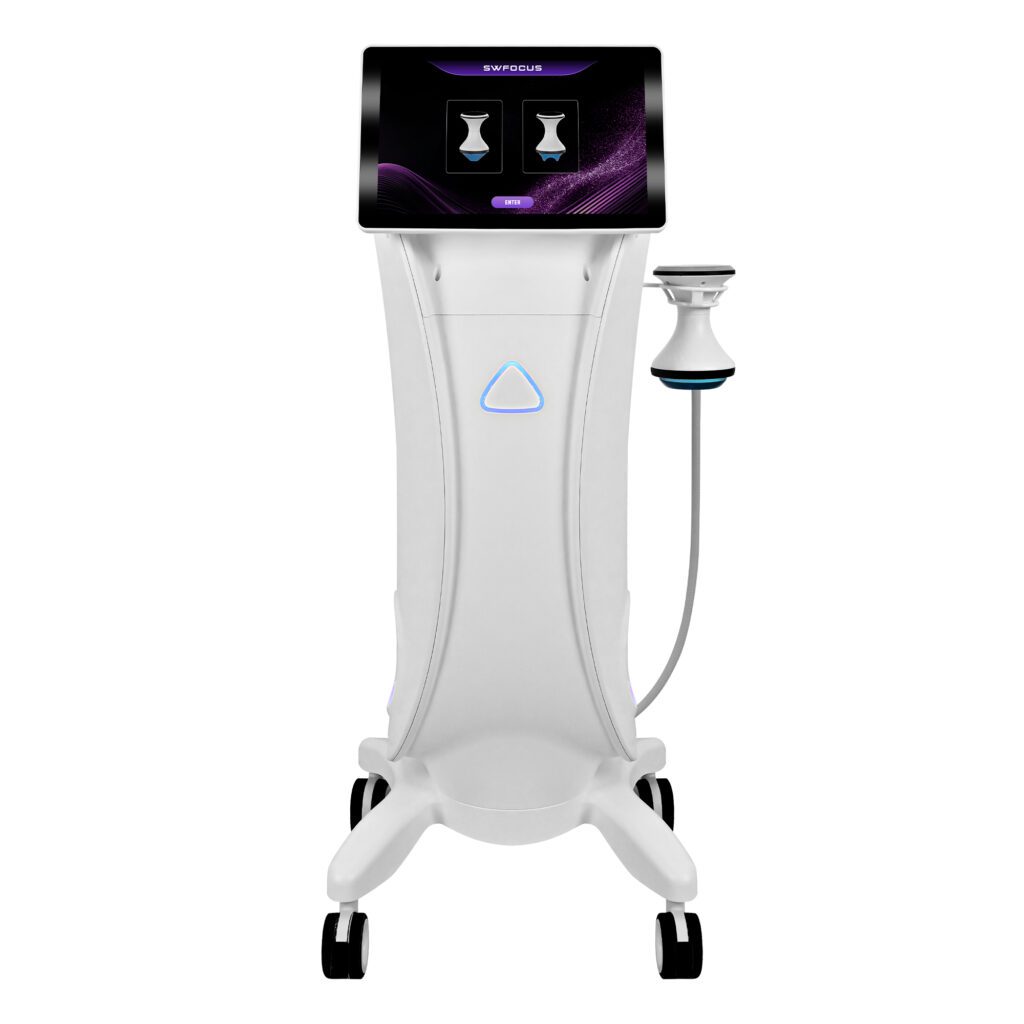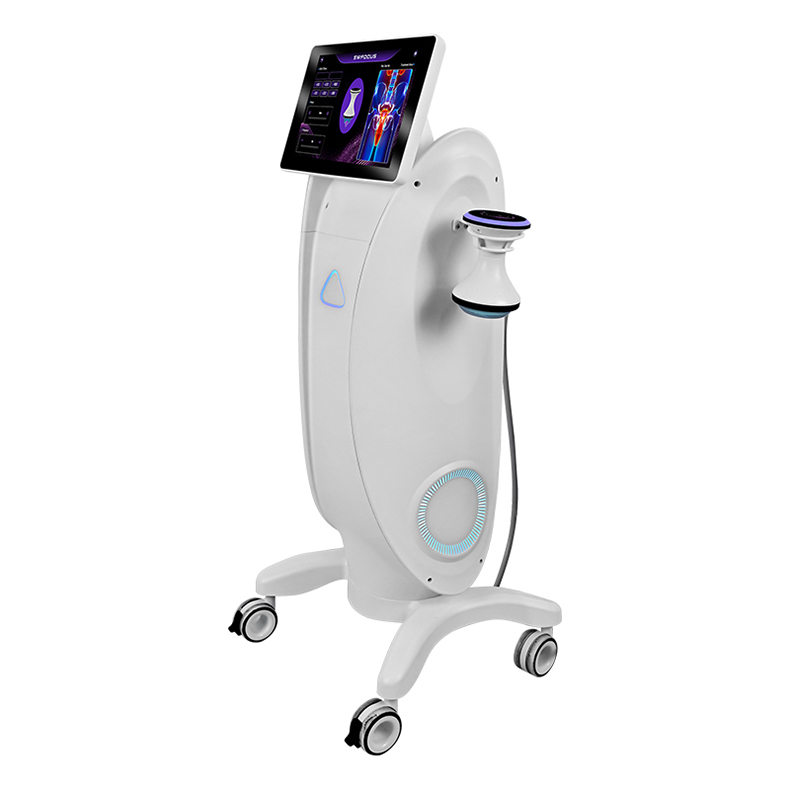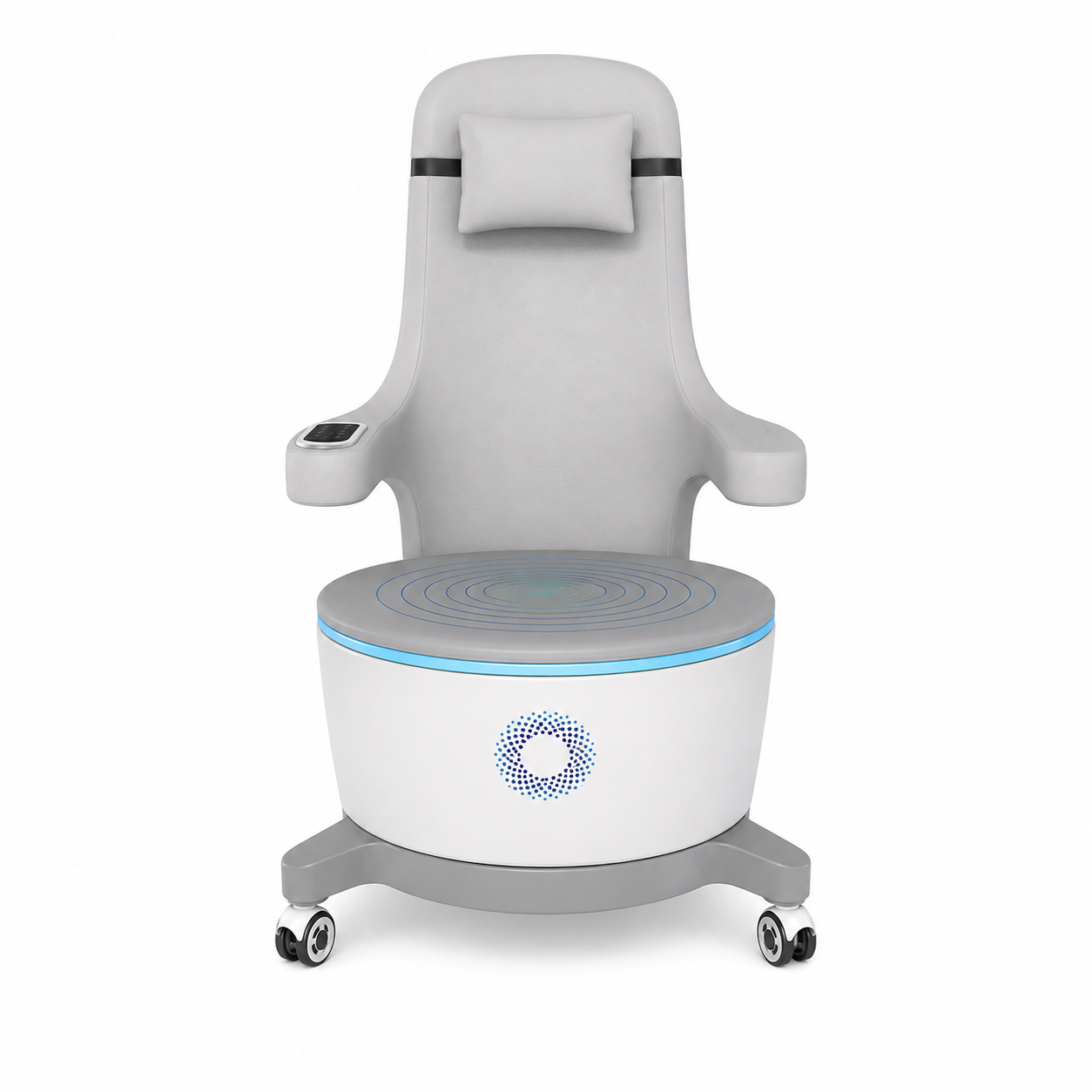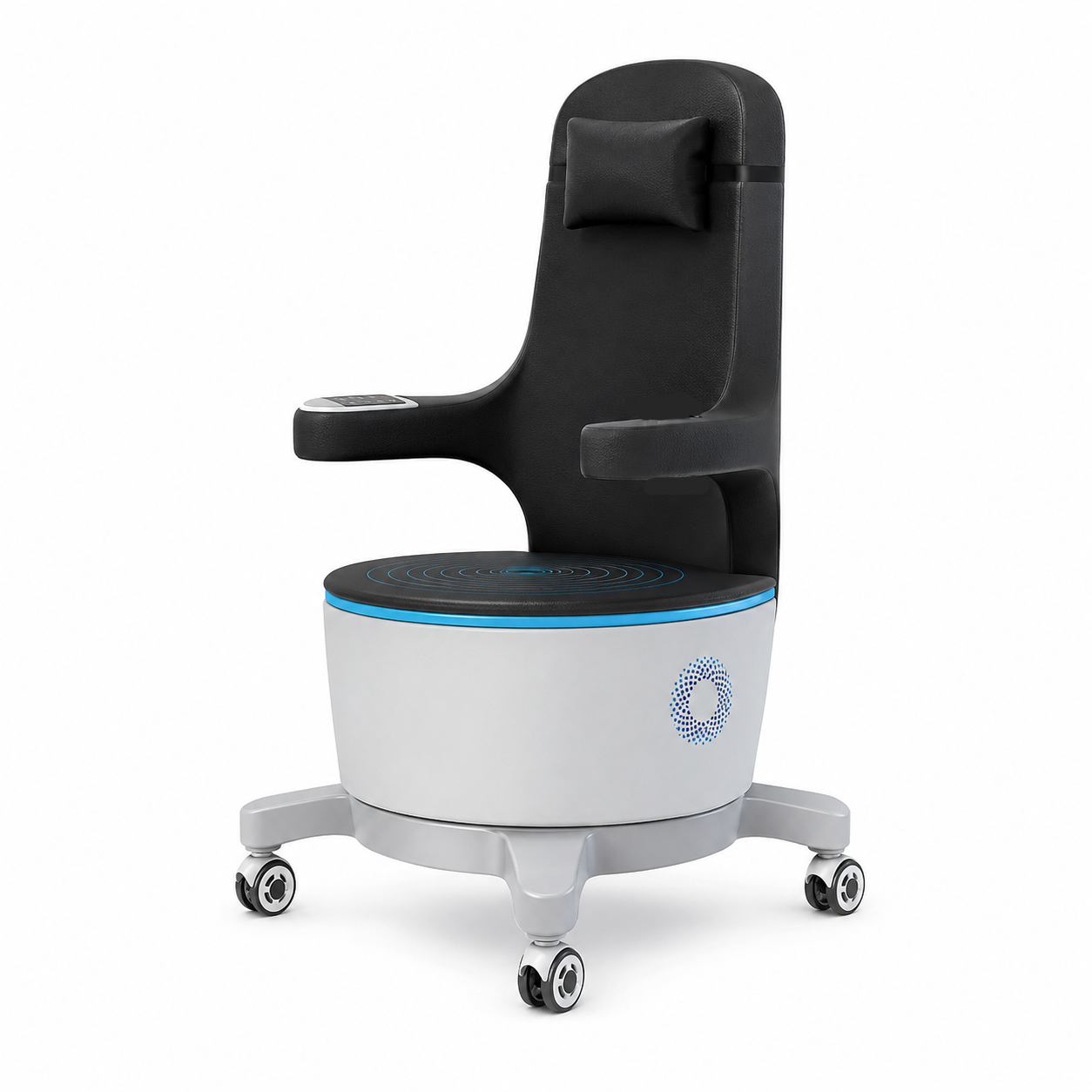

Beauty device distributors receive many kinds of inquiries. A salon owner may ask for a “complete facial machine,” a clinic may request advanced skin equipment without defining the intended configuration, and a reseller may ask for a full catalog before identifying its customer base or target market. Each inquiry may become valuable, but they are not equally ready for product selection, demonstration, or quotation.
Opportunity qualification turns an initial lead into a documented sales decision. It confirms whether the buyer has a real service need, a suitable business and operating context, a reachable decision process, and enough information to evaluate the right device category. This guide explains how to qualify salon, clinic, and distributor leads for relevant SHEFMON facial, diode-laser, HIFU, RF-microneedling, and body-care equipment.
Zusammenfassung
- Separate a contact, an inquiry, a qualified lead, and a quote-ready opportunity.
- Qualify the buyer’s business, service need, operating fit, project readiness, decision process, market, and commercial context.
- Confirm the device category before comparing models or promising a package.
- Apply hard qualification gates before assigning an opportunity score.
- Use different qualification questions for salons, clinics, multi-location groups, and distributors.
- Add category-specific checks for facial tools, laser rooms and handles, HIFU cartridges, RF-microneedling consumables, and body-care applicators.
- Route early interest into a nurture path instead of forcing an immediate quotation.
- Make demonstration and quote readiness separate milestones.
- Record disqualification and delay reasons so sales teams can learn from demand patterns.
- Requalify the opportunity when the buyer’s service plan, room, operator, timing, market, or decision team changes.
1. What Is Beauty Device Opportunity Qualification?
Opportunity qualification is the process of deciding whether a buyer project is sufficiently real, relevant, and prepared to justify the next sales action.
It should answer:
- Is the buyer identifiable and reachable?
- Does the buyer have a clear business or service problem?
- Does a professional beauty device category fit that problem?
- Can the buyer support the room, operator, workflow, supplies, and market conditions?
- Is there a decision process, timeframe, and commercial path?
- Which information must be collected before a model can be recommended?
- Should the next action be discovery, education, demonstration, configuration, quotation, nurture, or closure?
Qualification is not a judgment about whether the buyer is important. It determines which action is appropriate now.
2. Separate Lead Stages Clearly
| Bühne | Bedeutung | Appropriate next action |
|---|---|---|
| Kontakt | A person or company appears in the database | Verify identity, role, and communication route |
| Anfrage | The contact has asked about a product, category, price, or application | Capture the request and initial business context |
| Qualified lead | Business type, need, category relevance, market, and follow-up path are credible | Run structured discovery |
| Qualified opportunity | Project need, buyer constraints, stakeholders, timing, and next decision are defined | Build shortlist or demonstration plan |
| Configuration-ready | Exact model family, required options, market profile, and open questions are visible | Request technical configuration review |
| Quote-ready | Configuration, quantity, buyer entity, destination, and commercial inputs are sufficiently complete | Prepare controlled quotation |
| Nurture | Interest exists, but readiness or fit is incomplete | Deliver relevant education and set a review trigger |
| Disqualified or closed | No current fit, project, authority, or reachable next step | Record reason and close or archive |
Do not label every price request a quote-ready opportunity. A buyer may still be comparing categories or gathering general market information.
3. Build a Seven-Part Qualification Framework
Use the same core dimensions across buyer types.
| Qualification dimension | Core question | Evidence to capture |
|---|---|---|
| Buyer identity | Who is the organization and contact? | Company, role, location, current business, communication details |
| Geschäftlicher Bedarf | What problem or service gap exists? | Current menu, client demand, existing devices, expansion objective |
| Category fit | Which product category can address the need? | Service role, relevant device family, unsuitable alternatives |
| Operating fit | Can the buyer support the device? | Room, utilities, operator, cleaning, consumables, records |
| Project readiness | How developed is the project? | Opening or expansion date, site status, team, shortlist, demo need |
| Decision path | Who decides and what steps remain? | Users, decision-makers, approvers, evaluation criteria, next milestone |
| Commercial and market path | Can a valid offer be prepared? | Buyer entity, destination, quantity, budget context, payment and timing needs |
The framework creates a common sales language without treating every buyer the same.
4. Verify Buyer Identity and Role
Aufzeichnen:
- company and trading name;
- website, social presence, or other available business reference;
- country, region, and operating locations;
- buyer type;
- contact name and role;
- whether the contact is an owner, operator, product manager, purchaser, reseller, consultant, or researcher;
- current services or product categories;
- decision influence and authority;
- preferred language and communication route;
- source of the inquiry;
- consent or communication status according to the distributor’s process.
The purpose is to understand context, not to demand unnecessary documents at the first message. Increase verification as the opportunity moves toward technical commitments, commercial terms, and order confirmation.
5. Qualify the Business Need
A credible opportunity has a defined reason for considering equipment. Ask:
- Is the buyer opening a new business, replacing a device, expanding a category, or adding capacity?
- Which current service or product-line gap is being addressed?
- Which client group or buyer type is expected to use the category?
- Which existing equipment already covers similar functions?
- What problem does the buyer want the new device to solve?
- Is the need immediate, phased, exploratory, or dependent on another decision?
- What would happen if the buyer did not purchase the device?
- What result will the buyer use to judge whether the category was the right business choice?
Avoid converting a feature request into a need. “We want 9-in-1” describes a preferred product label; “we need one platform for several core facial services in a small team” describes the business problem.
6. Qualify the Device Category Before the Model
Verwenden Sie die SHEFMON Schönheitsgeräte-Kategorien to map the business need.
| Need pattern | Category to explore | Qualification boundary |
|---|---|---|
| Core facial cleansing and hydration-oriented services | Hydro and multifunction facial care | Tool set, cleaning, supplies, room, appointment workflow |
| Dedicated professional hair-removal service | Diodenlaser | Operator, room, electrical profile, handle, cooling, local review |
| Advanced lifting and tightening pathway | HIFU | Suitable setting, operator, consultation, handles, cartridges, records |
| Advanced texture, scar, or rejuvenation pathway | RF-Mikronadelung | Operator, hygienic workflow, heads, consumables, aftercare |
| Body-care category expansion | Multifunction body equipment | Target areas, handles, room, cleaning, booking, current overlap |
If the buyer cannot yet choose the service category, qualify the project for category education rather than model quotation.
7. Use Hard Gates Before Scoring the Opportunity
A lead should not enter a model-specific sales path when a fundamental condition is missing.
Possible gates include:
- no identifiable buyer or company context;
- no defined service or customer need;
- requested category does not match the stated goal;
- professional setting or operator requirement cannot be addressed;
- room or electrical constraints clearly conflict with the category;
- destination market is unknown;
- buyer refuses to clarify material configuration needs;
- no decision process or next action exists;
- request concerns an unavailable or incompatible combination;
- timeline is impossible under the confirmed supply basis;
- inquiry is only collecting unrestricted catalog or price data with no project context.
A failed gate may produce nurture, education, or closure rather than permanent rejection.
8. Score Readiness After the Gates Pass
Use a score to prioritize valid opportunities, not to override failed conditions.
| Scoring area | Example question | Suggested evidence |
|---|---|---|
| Need clarity | Is the service gap specific? | Written objective and current-menu context |
| Category fit | Is one product family clearly relevant? | Category decision and eliminated alternatives |
| Operating readiness | Are room, operator, workflow, and supplies understood? | Site and team information |
| Decision readiness | Are stakeholders and criteria known? | Decision map and next milestone |
| Commercial readiness | Are entity, quantity, destination, timing, and budget context usable? | Buyer and project data |
| Engagement | Does the buyer complete agreed next steps? | Meeting, information, demo, or review actions |
Document the reason behind the score. A high score with no evidence is only optimism.
9. Qualify Salon Leads
For a salon, capture:
- current facial, hair-removal, body, or advanced service menu;
- owner and operator roles;
- number of rooms and staff;
- main client concerns;
- current device limitations;
- opening budget versus phased-growth preference;
- room, cleaning, storage, and utility readiness;
- appetite for new consumables;
- appointment and membership structure;
- staff training capacity;
- launch timing;
- preference for a focused device or multifunction platform.
Strong salon opportunities usually have a defined menu gap and an operator plan. A broad request for “the newest machine” needs discovery before recommendation.
10. Qualify Clinic and Med Spa Leads
For a clinic or med spa, add:
- professional setting and intended operator;
- current consultation and client-selection process;
- advanced service categories already offered;
- documentation, consent, record, and aftercare systems;
- room controls and utilities;
- required technical configuration detail;
- consumable traceability and reorder process;
- decision between maintenance and advanced pathways;
- local review requirements;
- clinical or management stakeholders;
- training and authorization sequence;
- replacement or upgrade objective.
A clinic may be commercially ready but technically unready for a particular configuration. Keep business readiness and operating readiness as separate fields.
11. Qualify Distributor and Reseller Leads
A distributor lead needs a market and operating model, not only an interest in wholesale pricing.
Capture:
- countries or regions served;
- target buyer types;
- active beauty device categories;
- existing product-line gaps;
- sales channels and team size;
- demonstration and showroom capacity;
- stock versus supply-to-order strategy;
- product-data and catalog capabilities;
- technical training and support model;
- consumable and replacement supply plan;
- expected first category, model range, or quantity;
- regional electrical, language, and document profiles;
- decision-makers and commercial process;
- launch and market-development timing.
A reseller asking for every category may be less qualified than one with a clear facial, hair-removal, or body-care entry strategy.
12. Qualify Multi-Location Opportunities
Separate group intent from site readiness.
Group-level qualification
- brand and service standard;
- target categories and package tiers;
- centralized decision process;
- preferred configuration standardization;
- rollout sequence;
- training and support model;
- centralized consumable purchasing;
- commercial approval process.
Site-level qualification
- room and access;
- electrical profile;
- existing equipment;
- operator availability;
- local client demand;
- storage and cleaning;
- launch timing;
- delivery and installation constraints.
An opportunity can be qualified at group level while only some sites are ready for the first rollout.
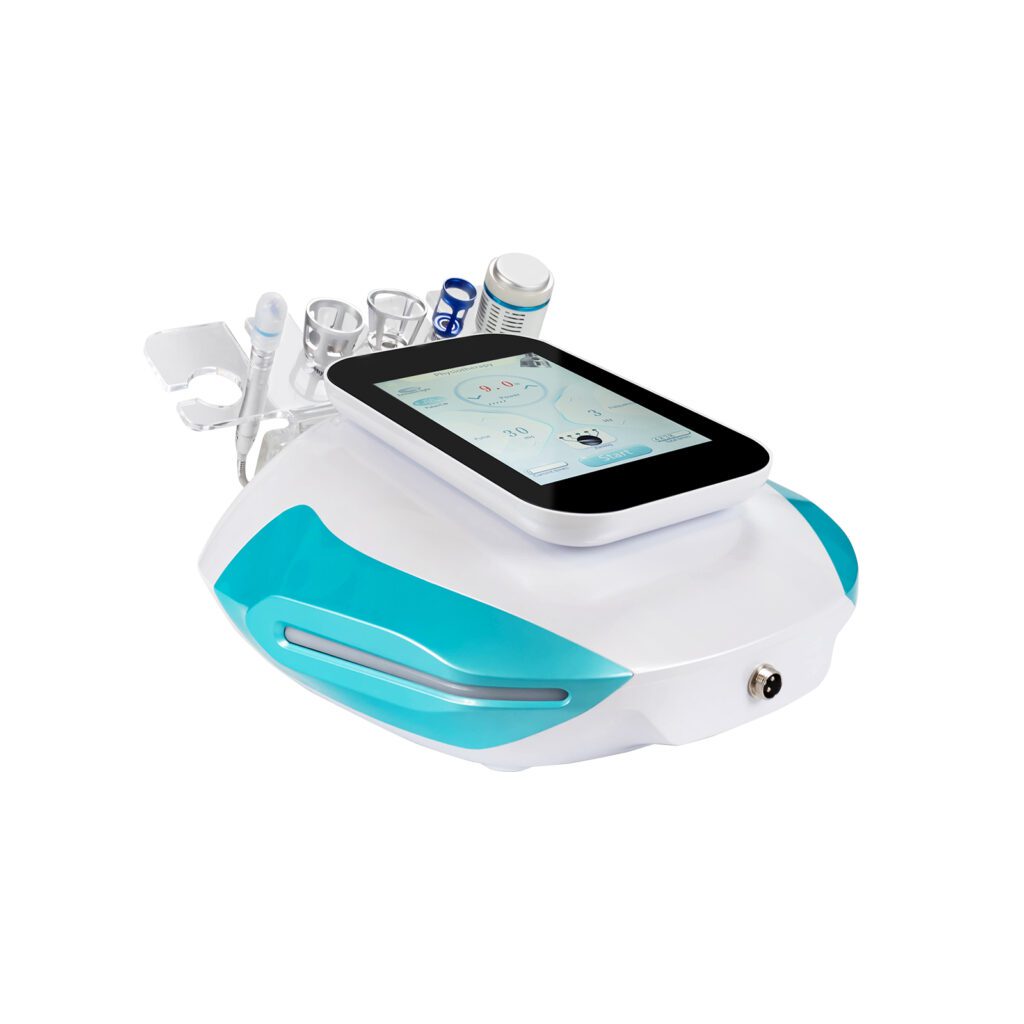
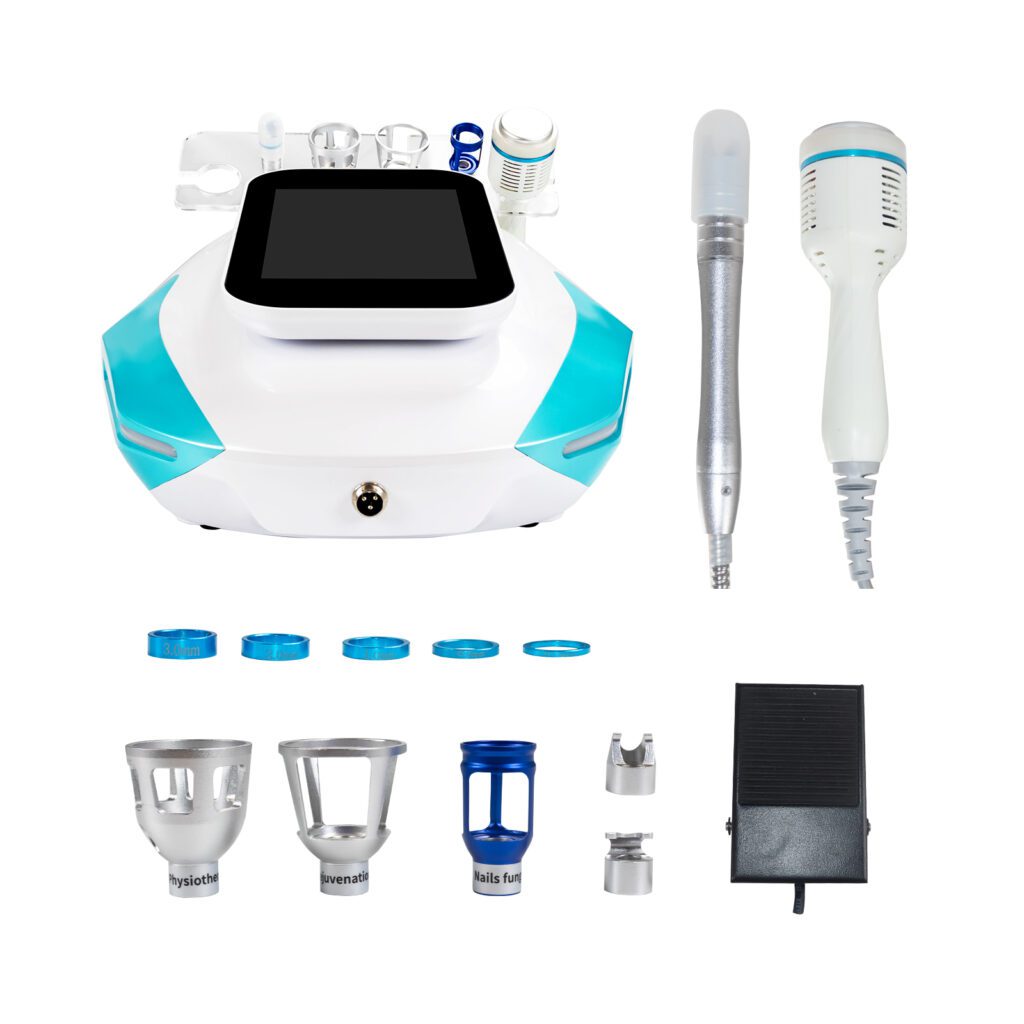
13. Qualify A0648 Facial-System Opportunities
Der SHEFMON A0648 9-in-1 Hydro-Mikrodermabrasionsgerät may fit a salon or distributor seeking a multifunction facial platform.
Positive qualification signals
- the buyer has a defined core facial-care menu or opening plan;
- several installed tools have clear service roles;
- room, cleaning, container, tubing, and waste workflow are considered;
- staff can manage tips, liquids, and replaceable items;
- opening consumables and reorder access are part of the purchase discussion;
- the buyer wants one broad platform rather than unrelated functions for marketing alone.
Information required before recommendation
- named functions needed;
- supplied-tool expectations;
- appointment structure;
- daily volume estimate;
- cleaning and storage plan;
- consumable responsibility;
- electrical and language profile;
- desired opening package.
The inquiry is not quote-ready when “9-in-1” is the only requirement.
14. Qualify A0423 and A0426 Laser Opportunities
Die jetzige A0423 diode-laser page Und A0426 diode-laser page show several overlapping technical choices. Opportunity qualification should establish the category and operating context before comparing the models.
Positive qualification signals
- buyer is building or expanding a professional hair-removal category;
- suitable room and electrical information are available;
- intended operator and professional setting are known;
- appointment and treatment-area mix is described;
- buyer can discuss handle power, wavelength profile, spot size, and cooling needs;
- destination and local review path are known;
- training and launch timing are realistic.
Information required before quotation
- one exact model;
- selected wavelength profile;
- handle power and quantity;
- spot size or supplied set;
- cooling configuration;
- voltage, frequency, plug, language, and documents;
- accessories and room conditions;
- quantity, destination, and commercial basis.
Do not qualify “A0423/A0426, whichever is cheaper” as a resolved technical request.
15. Qualify A0204 HIFU Opportunities
Der SHEFMON A0204 multifunction HIFU system involves choices among handles, modules, cartridges, depths, and included or optional items.
Positive qualification signals
- the buyer has a defined advanced lifting or tightening pathway;
- operating setting and operator plan are appropriate for review;
- consultation, records, and aftercare processes exist or are planned;
- intended face, neck, or body scope is stated;
- the buyer can prioritize handles and cartridge families;
- opening cartridge and reorder planning are acknowledged;
- a core or phased configuration is acceptable.
Hold conditions
- request is based only on wanting every available cartridge;
- professional or operator context is unknown;
- no advanced-service pathway exists;
- configuration and consumable responsibility are unclear;
- buyer expects a general product list to serve as the included-item schedule.
Keep broad future modules in a later-phase plan until the buyer has a real service role for them.
16. Qualify A0152 RF-Microneedling Opportunities
Der SHEFMON A0152 desktop RF microneedling system page lists several handle arrangements and 12-pin, 24-pin, 40-pin, and nano head types.
Positive qualification signals
- intended service pathway and treatment areas are defined;
- suitable operator and professional setting are identified;
- hygienic handling, storage, and disposal can be controlled;
- consultation, records, and aftercare are planned;
- handle arrangement and head requirements can be discussed;
- opening stock and reorder ownership are visible;
- buyer understands that consumables are part of operating readiness.
Information required before quotation
- exact handle arrangement;
- selected head types and opening quantities;
- compatible reorder references;
- voltage and destination profile;
- included accessories;
- training and handover scope;
- documented operating conditions.
A compact format can fit a small room, but room size alone does not qualify the opportunity.
17. Qualify B0155 Body-Care Opportunities
Verwenden Sie die SHEFMON B0155 desktop body-care system as a qualification reference when a buyer needs body and smaller-area handle options within one category.
Positive qualification signals
- buyer has a defined body-care or broader area-service gap;
- existing equipment and overlapping functions are known;
- target areas and package tiers are described;
- room space supports treatment, device movement, and handle storage;
- appointment and cleaning workflows are planned;
- operator availability is known;
- the buyer can choose between focused and broader handle packages.
Information required before recommendation
- included handle roles;
- desired vacuum, RF, roller, light, rotation, or cavitation functions;
- body-only or facial-and-body scope;
- standard and optional handle expectations;
- room, storage, cleaning, and electrical information;
- launch and training plan.
Function count should not replace a clear body-service business case.
18. Distinguish Education, Demo, and Quote Readiness
| Readiness milestone | Required evidence | Appropriate action |
|---|---|---|
| Education-ready | Credible buyer, broad need, relevant category interest | Share category guidance and discovery questions |
| Shortlist-ready | Buyer requirements and hard constraints are documented | Compare a small set of models or configurations |
| Demo-ready | Decision questions, attendees, exact demo asset, and expected outcome are defined | Schedule a focused demonstration |
| Configuration-ready | Model family, required options, market profile, and material open questions are visible | Request technical configuration |
| Quote-ready | Exact model/configuration, quantity, buyer entity, destination, and commercial inputs are confirmed | Prepare and approve quotation |
Skipping milestones creates long quotes that still do not answer the buyer’s real question.
19. Identify Opportunity Warning Signs
Warning signs do not always require closure, but they require a different next action.
- buyer requests all models without identifying a market or customer type;
- only price is discussed while configuration remains undefined;
- buyer changes categories in every message;
- room, operator, or destination details are repeatedly unavailable;
- contact cannot identify decision-makers or evaluation process;
- requested claims exceed approved product information;
- buyer assumes every pictured component is included;
- timeline ignores configuration, market, delivery, or onboarding steps;
- distributor lead has no product-line or customer-segment plan;
- promised next steps are repeatedly missed;
- quote revisions are requested without resolving the underlying requirement.
Use reason codes and facts rather than subjective labels such as “bad lead.”
20. Create Nurture Paths for Early Leads
Not every incomplete lead should be discarded. Match content to the missing qualification area.
| Missing element | Nurture content or action | Requalification trigger |
|---|---|---|
| Category clarity | Category guide and service-role comparison | Buyer selects a service problem to explore |
| Room information | Site-measurement checklist | Buyer supplies room and utilities data |
| Operator plan | Training and role questions | Buyer identifies intended operator and setting |
| Configuration clarity | Option and component worksheet | Buyer prioritizes required functions and components |
| Commercial timing | Phased purchase or planning guide | Decision or launch date becomes defined |
| Distributor market plan | Buyer-type and assortment worksheet | Target market and first category are selected |
Give each nurture opportunity a next review date or event. “Follow up later” is not a plan.
21. Use Controlled Disqualification Reasons
Recommended reasons include:
- unable to verify buyer identity;
- no current project;
- no defined service or market need;
- category mismatch;
- operating context unsuitable or unresolved;
- requested configuration unavailable or incompatible;
- destination or market outside active scope;
- no decision access;
- timing no longer active;
- buyer selected another category or provider;
- commercial requirements outside the available offer;
- duplicate opportunity;
- unresponsive after agreed follow-ups;
- project postponed;
- nurture rather than closed.
Record the evidence and date. One disqualification reason can later become a requalification trigger.
22. Build a Qualification Record in the CRM
Empfohlene Felder umfassen:
- lead and account ID;
- contact and role;
- buyer type;
- market and locations;
- current services or product line;
- stated business need;
- candidate device category;
- hard constraints;
- project stage;
- operator and room status;
- model or configuration interest;
- quantity and timing;
- stakeholders and decision path;
- commercial context;
- readiness milestone;
- qualification score and evidence;
- open questions;
- next action, owner, and due date;
- nurture or disqualification reason;
- last verification date.
Keep detailed model and configuration data in controlled product records and reference them from the opportunity.
23. Define the Next Best Action
Every qualified record needs one clear next action.
- verify buyer identity;
- complete discovery;
- collect site information;
- compare categories;
- build the buyer requirement matrix;
- confirm operator or market conditions;
- create a shortlist;
- schedule a demonstration;
- resolve configuration questions;
- request a quote;
- review a quotation;
- move to nurture;
- close with reason.
The next action should have an owner and due date. Multiple vague tasks make opportunity stages unreliable.
24. Requalify When the Project Changes
Requalification is required when the buyer changes:
- service category;
- business location or delivery market;
- room or utilities;
- operator plan;
- model or configuration preference;
- quantity or number of sites;
- budget or payment structure;
- launch date;
- decision-makers;
- package scope;
- consumable or support expectations.
Update the affected readiness milestone. A quote-ready laser project can return to discovery if the buyer changes to an advanced skin category.
25. Measure Qualification Quality
Schiene:
- inquiries converted to qualified leads;
- qualified leads converted to opportunities;
- time from inquiry to category decision;
- demonstration requests that meet demo-readiness criteria;
- quotations returned because discovery was incomplete;
- quote-to-order rate by category and qualification score;
- opportunities requalified after material changes;
- nurture conversion by reason;
- disqualification reasons by buyer type and market;
- salesperson consistency for the same scenario;
- lost deals caused by category, configuration, timing, or commercial mismatch.
Use the data to improve category education, discovery questions, demo allocation, and product assortment.
26. Opportunity Qualification Checklist
- Buyer organization, contact, role, region, and business type are identified.
- Current services, equipment, or product line are recorded.
- A real business or service gap is defined.
- Relevant device category is identified before model comparison.
- Hard qualification gates have passed.
- Room, utilities, operator, workflow, supplies, and market context are addressed.
- Project stage and target timing are credible.
- Decision-makers, users, influencers, and commercial approvers are mapped.
- Quantity, destination, and commercial context are sufficient for the current stage.
- Category-specific questions are complete.
- Demonstration readiness and quote readiness are separate.
- Score includes evidence and does not override failed gates.
- Open questions have owners and dates.
- Nurture or disqualification uses a controlled reason.
- One next action is assigned.
Häufig gestellte Fragen
1. What is the difference between a lead and a qualified opportunity?
A lead is a potentially relevant contact or inquiry. A qualified opportunity has a documented business need, category fit, operating context, decision path, readiness level, and next action that justify continued sales work.
2. Should every buyer who asks for a price receive a quotation?
No. First identify the category, exact model or configuration need, buyer entity, destination, quantity, and commercial context. An early price request may be better served by discovery or a clearly limited budget discussion.
3. How should distributors qualify a new salon?
Confirm its opening or expansion plan, target clients, first service categories, rooms, staff, budget context, timing, training capacity, supplies, and decision process. Then recommend a focused opening category rather than a large undifferentiated package.
4. What makes a distributor lead credible?
A credible distributor lead can describe its market, target buyers, active categories, product-line gap, sales channels, stock or order model, demo and support capacity, regional requirements, decision team, and launch plan.
5. When is a lead ready for a demonstration?
The buyer should have a defined decision question, relevant category, documented constraints, suitable attendees, and an exact demo asset or comparison plan. A demo should advance a decision rather than replace discovery.
6. When is a lead ready for a beauty device quotation?
The exact model or configuration, quantity, buyer entity, destination, market profile, included-item expectations, and commercial inputs should be sufficiently clear. Material technical questions should be resolved or formally pending.
7. How should A0423 and A0426 leads be qualified?
First confirm a professional hair-removal need, room, operator, electrical and market context. Then compare the models through explicit wavelength, handle-power, spot-size, cooling, logistics, accessory, and training requirements.
8. Can a low-readiness lead become valuable later?
Yes. Place it in a nurture path with relevant content, a defined missing condition, and a requalification trigger. Do not keep it in an active quote stage without evidence of progress.
9. Should qualification rely on one total score?
No. Apply mandatory gates first. Use a score only to prioritize opportunities that pass. Preserve the evidence behind the score and the buyer-specific context.
10. When should an opportunity be requalified?
Requalify after a change in category, location, room, operator, quantity, configuration, market, budget, timing, decision team, or package scope. Move the stage backward when the new information makes earlier readiness invalid.
Abschluss
Beauty device opportunity qualification helps distributor teams give each inquiry the right next step. It confirms the buyer, business need, category fit, operating context, decision path, and project readiness before the team commits to demonstrations, configuration work, or quotations. Salons, clinics, and distributors receive recommendations suited to their actual stage instead of a generic product list.
Verwenden Sie die SHEFMON Schönheitsgeräte-Kategorien when a qualified lead is ready for category selection. To confirm a model, handle, cartridge, needle head, accessory, consumable relationship, or market configuration before advancing the opportunity, Kontaktieren Sie SHEFMON with the buyer profile and qualification record.