







في قطاع الطب التجميلي سريع النمو، يُعد اختيار الشريك المناسب في مجال المعدات أحد أهم القرارات بالنسبة للعيادات والموزعين والعلامات التجارية الجديدة في مجال التجميل. فوجود شركة مصنعة موثوقة لأجهزة الطب التجميلي يؤثر بشكل مباشر على سلامة المنتج، ونتائج العلاج، والامتثال للوائح، وربحية الأعمال على المدى الطويل. ومع ذلك، مع وجود العديد من الشركات المصنعة، تصنيع المعدات الأصلية/تصنيع التصميم الشخصي في ظل وجود موردين في السوق، وخاصة في مناطق مثل الصين وكوريا وأوروبا، قد يكون من الصعب تحديد شريك موثوق. يشرح هذا الدليل كيفية تقييم واختيار مصنّع موثوق خطوة بخطوة.
1. فهم نماذج التصنيع الأصلية (OEM) ونماذج التصميم والتصنيع الأصلية (ODM)
1.1 مُصنِّع المعدات الأصلية (OEM)
يشير مصطلح OEM إلى نموذج يقوم فيه المشتري بتوفير تصميم المنتج ومواصفاته الفنية وعلامته التجارية، بينما يتولى المصنّع مسؤولية الإنتاج. هذا الخيار مناسب للشركات الراسخة التي تتمتع بقدرات بحث وتطوير قوية ورؤية واضحة لتطوير منتجاتها.
في الأجهزة التجميلية مثل أجهزة الموجات فوق الصوتية المركزة عالية الكثافة (HIFU)،, أنظمة الليزر, تتيح تقنية تصنيع المعدات الأصلية (OEM) للعلامات التجارية التحكم الكامل في معايير الأداء والبنية وواجهة المستخدم، سواءً لأجهزة الترددات اللاسلكية أو غيرها. ومع ذلك، فهي تتطلب مشاركة تقنية أعمق وإشرافًا أكثر صرامة على الجودة.
1.2 ODM (الشركة المصنعة للتصميم الأصلي)
توفر شركات تصنيع المعدات الأصلية تصاميم جاهزة يمكن إعادة تسميتها أو تعديلها بشكل طفيف. يُستخدم هذا النموذج على نطاق واسع في الأجهزة الطبية التجميلية لأنه يقلل من وقت التطوير وتكلفته، مع السماح بدخول أسرع إلى السوق.
يقدم العديد من الموردين المعاصرين خدمات التخصيص من قبل المصممين الأصليين مثل العلامات التجارية، وتغييرات لغة الواجهة، وتعديلات تصميم الهيكل، وتعديلات البرامج، مما يجعلها مثالية للشركات الناشئة أو شركات المنتجعات الصحية التي تتطلع إلى دخول السوق بسرعة.
2. تقييم خبرة الشركة المصنعة وقدرتها التقنية
2.1 الخبرة في المجال والسجل الحافل
ينبغي أن يتمتع المصنّع الموثوق بسنوات من الخبرة في إنتاج أجهزة طبية تجميلية مثل أجهزة الموجات فوق الصوتية المركزة عالية الكثافة (HIFU)، وأجهزة تجميد الدهون، وأجهزة الليزر الثنائي، وأنظمة الترطيب المائي للوجه، وأجهزة الوخز بالإبر الدقيقة بترددات الراديو. ويشير التواجد طويل الأمد في السوق عادةً إلى قدرة هندسية مستقرة وأداء منتج ثابت.
ينبغي عليك أيضاً التحقق مما إذا كان المصنّع قد عمل مع عملاء دوليين، وخاصة العيادات أو الموزعين في الأسواق الخاضعة للتنظيم مثل الاتحاد الأوروبي أو الولايات المتحدة.
2.2 قوة البحث والتطوير والهندسة
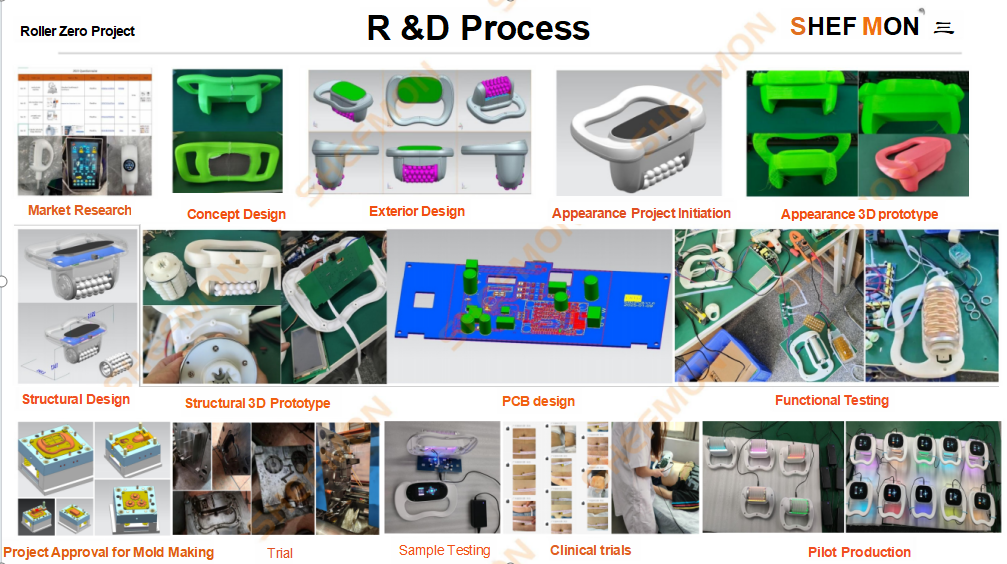
تستثمر الشركات المصنعة الرائدة عادةً في البحث والتطوير، بما في ذلك الهندسة البصرية، ومعايرة الطاقة، وتحسين أنظمة التبريد. كما توفر المصانع المتقدمة ترقيات تقنية مثل وحدات طاقة أعلى، وتحسين استقرار الطاقة، وأنظمة أمان معززة، وهي أمور ضرورية لمعدات التجميل الطبية الاحترافية.
3. التحقق من الشهادات والامتثال التنظيمي
3.1 الشهادات الأساسية
تُعدّ التحقق من الشهادات من أهم الخطوات في اختيار مُصنِّع موثوق. وفي مجال التجميل الطبي، تُعتبر الأمور التالية أساسية:
- ISO 13485 (نظام إدارة جودة الأجهزة الطبية)
- ISO 9001 (نظام إدارة الجودة)
- شهادة المطابقة الأوروبية (CE)
- موافقة إدارة الغذاء والدواء الأمريكية (موافقة السوق الأمريكية عند الاقتضاء)
تضمن هذه الشهادات أن الشركة المصنعة تتبع معايير إنتاج صارمة وأنظمة مراقبة جودة دقيقة.
3.2 الامتثال وشفافية التوثيق
ينبغي أن يكون المصنّع الموثوق به قادراً على تقديم وثائق كاملة، بما في ذلك تقارير الاختبار، وتقييمات السلامة، ومواصفات المكونات. ويُعدّ انعدام الشفافية مؤشراً خطيراً في كثير من الأحيان، لا سيما بالنسبة للأجهزة عالية الطاقة مثل الليزر أو أنظمة الموجات فوق الصوتية المركزة عالية الكثافة (HIFU).
4. تقييم جودة الإنتاج وعملية التصنيع
4.1 أنظمة مراقبة الجودة
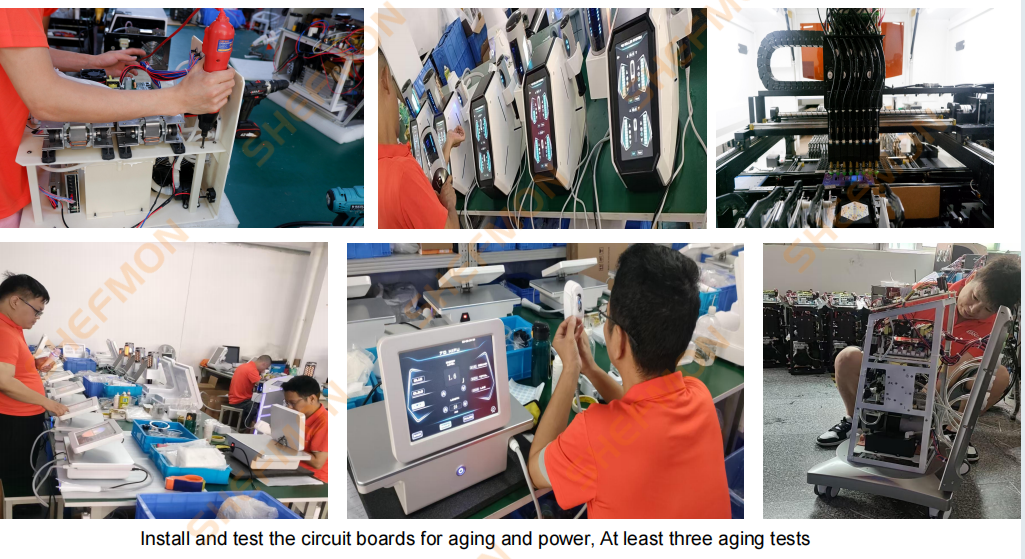
يطبق المصنعون ذوو الجودة العالية أنظمة فحص متعددة المراحل، بما في ذلك:
- فحص المواد الواردة
- مراقبة الجودة أثناء العملية
- اختبار المنتج النهائي قبل الشحن
يؤدي ذلك إلى تقليل معدلات العيوب ويضمن الاتساق عبر دفعات الإنتاج الكبيرة.
4.2 جودة المكونات واستقرارها
يجب الحصول على المكونات الرئيسية، مثل وحدات الليزر ومولدات الترددات اللاسلكية وأنظمة التبريد ومصادر الطاقة، من موردين موثوقين. فالمكونات الداخلية رديئة الجودة قد تؤدي إلى عدم استقرار الطاقة الناتجة، ومخاطر تتعلق بالسلامة، وتعطل الجهاز.
5. تقييم التخصيص ودعم ما بعد البيع
5.1 قدرة التخصيص من قبل مصنعي المعدات الأصلية/مصممي التصميم الأصلي
ينبغي على الشركة المصنعة القوية أن تقدم خيارات تخصيص مرنة، بما في ذلك:
- تصميم مظهر الجهاز وهيكله
- تخصيص واجهة البرنامج
- دعم أنظمة متعددة اللغات
- تصميم العلامة التجارية والتغليف
يُعد هذا الأمر بالغ الأهمية للشركات التي تبني علامات تجارية جمالية خاصة تحتاج إلى التميز في سوق تنافسية.
5.2 التدريب والدعم الفني
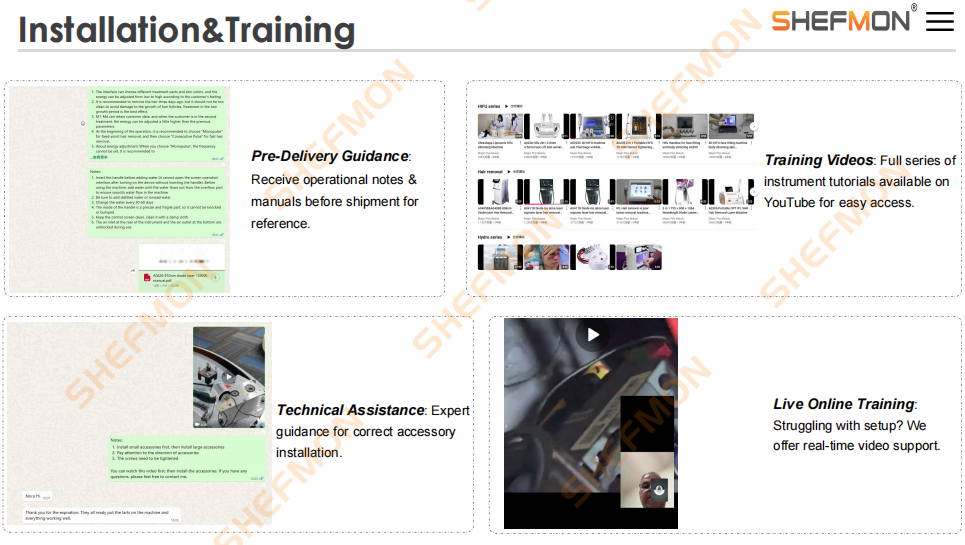
لا يقتصر ما يقدمه المصنعون الموثوقون على الآلات فحسب، بل يشمل أيضاً:
- التدريب التشغيلي للعيادات أو الموزعين
- كتيبات فنية وأدلة فيديو
- دعم استكشاف الأخطاء وإصلاحها عن بُعد
- خدمات توريد قطع الغيار والصيانة
بدون دعم قوي لما بعد البيع، حتى الآلات عالية الجودة قد يصبح تشغيلها وصيانتها أمراً صعباً.
6. تجنب العلامات التحذيرية الشائعة عند اختيار المورد
يخسر العديد من المشترين أموالهم ليس بسبب مشاكل تقنية، بل بسبب سوء اختيار الموردين. ومن بين العلامات التحذيرية ما يلي:
- أسعار أقل بكثير من متوسط السوق
- عدم وجود شهادات أو وثائق غير قابلة للتحقق
- التواصل بطيء أو غير واضح
- لا يوجد ضمان أو سياسة خدمة ما بعد البيع ضعيفة
- عدم القدرة على توفير عينات أو آلات تجريبية
كما تُظهر تجربة الصناعة، فإن المعدات الرخيصة للغاية غالباً ما تستخدم مكونات منخفضة الجودة وتفتقر إلى التحقق الهندسي المناسب، مما قد يؤدي إلى أداء غير مستقر ومخاطر تتعلق بالسلامة.
7. إجراء عمليات أخذ العينات، وعمليات التدقيق في المصانع، والطلبات التجريبية
7.1 اختبار العينات
قبل تقديم طلب شراء بالجملة، اطلب دائمًا جهازًا تجريبيًا لاختباره. قيّم ثباته، وأداء معالجته، وواجهة المستخدم، وجودة تصنيعه.
7.2 تقييم المصنع
إن أمكن، قم بزيارة المصنع أو اطلب فحصاً مباشراً عبر الفيديو. يجب أن يمتلك المصنع الحقيقي ما يلي:
- خطوط إنتاج منظمة
- محطات مراقبة الجودة المناسبة
- طاقم فني ماهر
- عمليات الإنتاج الموثقة
7.3 تشغيل الإنتاج التجريبي
بالنسبة للاستثمارات الأكبر، تساعد دفعة تجريبية صغيرة في التحقق من الاتساق وموثوقية التصنيع قبل التوسع.
خاتمة
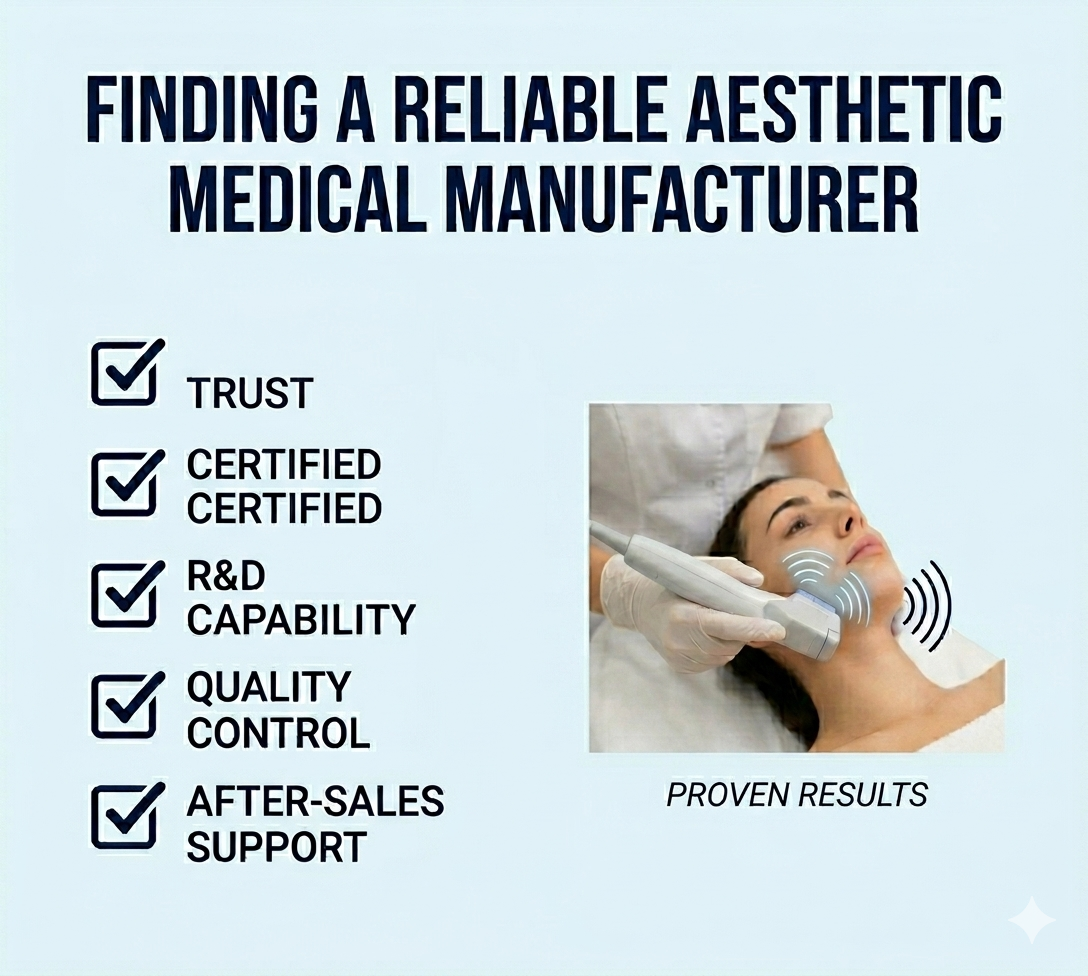
إيجاد شخص موثوق جهاز طبي تجميلي لا يقتصر اختيار الشركة المصنعة على مقارنة الأسعار فحسب، بل يشمل تقييم القدرات التقنية، والشهادات، وإمكانيات التخصيص، وجودة الإنتاج، وخدمات ما بعد البيع. أفضل الشركاء هم من يجمعون بين الخبرة الهندسية ومراقبة الجودة الصارمة والتواصل الشفاف. الشركات التي تستثمر الوقت في التدقيق المناسب ستُقلل المخاطر بشكل كبير، وستبني علامة تجارية جمالية أقوى وأكثر تنافسية في السوق العالمية.