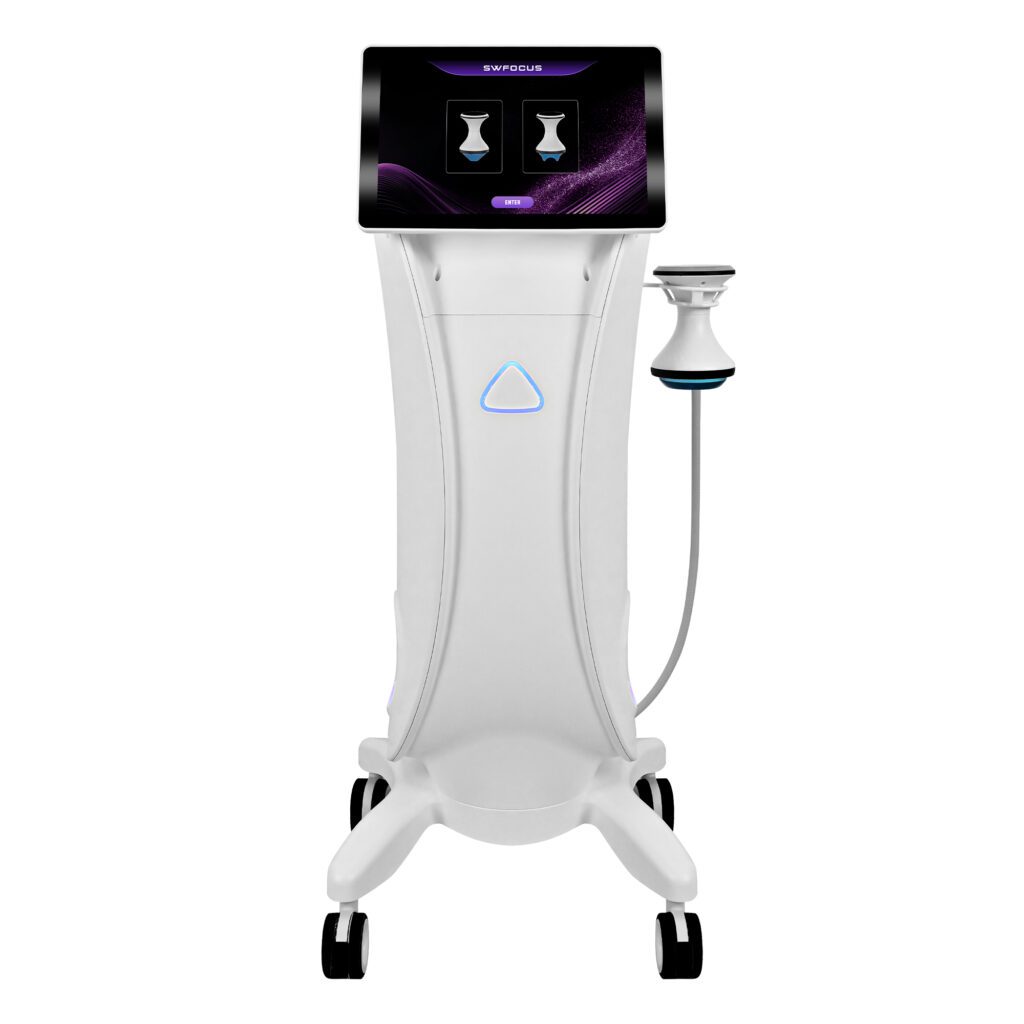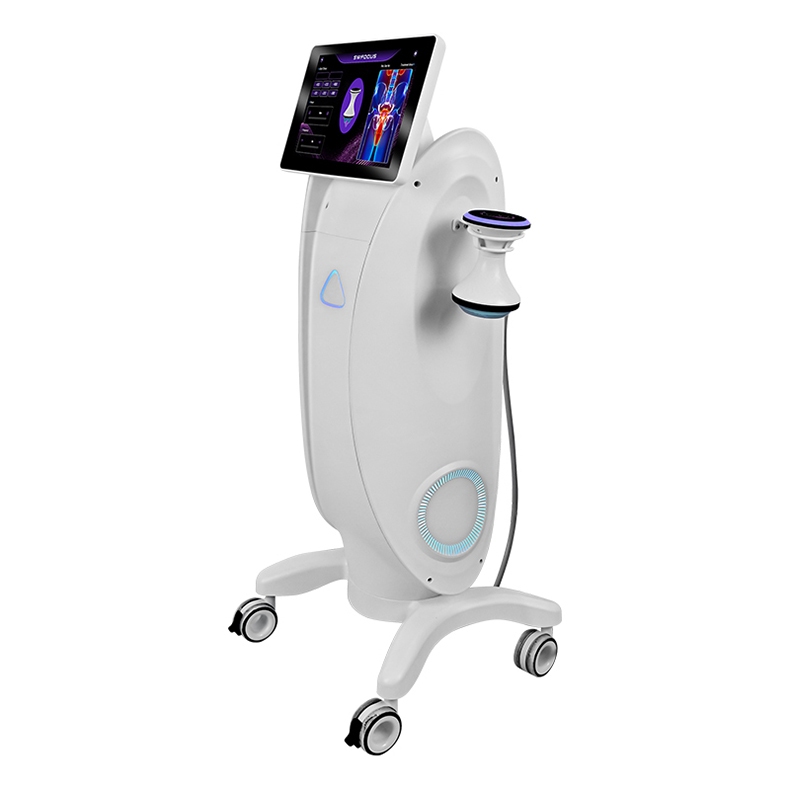




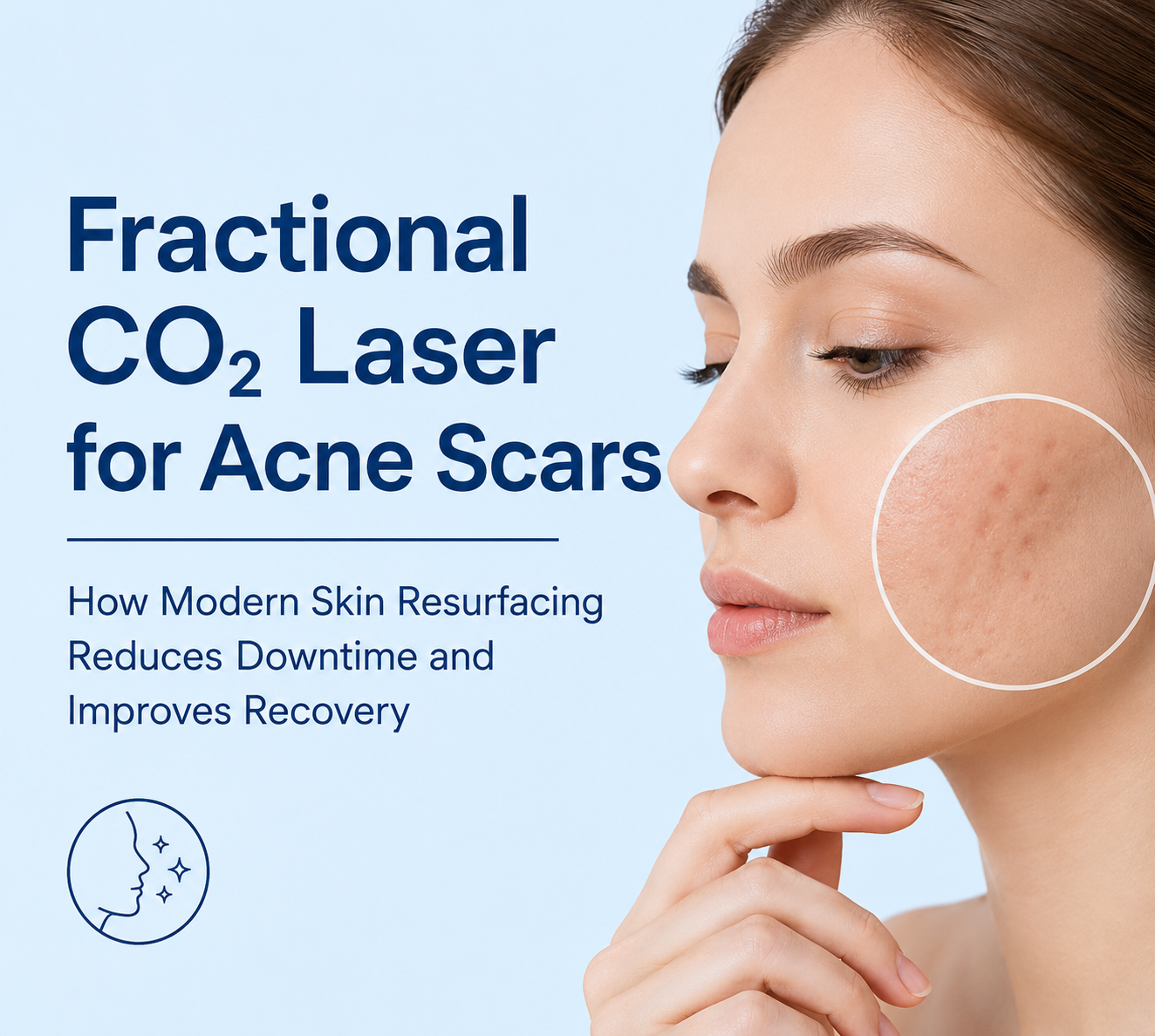
لا تزال ندبات حب الشباب من أصعب مشاكل البشرة علاجًا، لأنها غالبًا ما تصيب طبقات متعددة من الجلد في آن واحد. ورغم أن الكريمات وجلسات تنظيف البشرة السطحية قد تُحسّن ملمس البشرة مؤقتًا، إلا أن ندبات حب الشباب العميقة تتطلب عادةً علاجات تُحفّز إعادة بناء الكولاجين تحت سطح الجلد. ولهذا السبب، لا يزال تقشير البشرة بالليزر الجزئي بثاني أكسيد الكربون من أكثر التقنيات شيوعًا في عيادات التجميل. ومع ذلك، لا يزال الكثيرون قلقين بشأن الألم، وفترات النقاهة الطويلة، وخطر تلف الجلد. أنظمة ليزر ثاني أكسيد الكربون الجزئي بطول موجي 10600 نانومتر يتم تغيير هذه المخاوف من خلال الجمع بين إعادة تسطيح الجلد المتحكم بها والتوصيل الحراري الأكثر دقة، مما يساعد على تحسين ندبات حب الشباب مع تقليل الصدمات الجلدية غير الضرورية وفترة النقاهة.
1. لماذا يصعب علاج ندبات حب الشباب
تتشكل ندبات حب الشباب عندما يُلحق الالتهاب الضرر ببنية الكولاجين داخل الجلد أثناء عملية الشفاء. وبمجرد أن يفقد الجلد دعم الكولاجين الناعم، قد تظهر انخفاضات وملمس غير متجانس.
تشمل الأنواع الشائعة لندبات حب الشباب ما يلي:
- ندوب معول الجليد
- ندوب عربة القطار
- ندوب متدحرجة
- التصبغ التالي للالتهاب
- ملمس الجلد غير المتساوي
لأن هذه الندوب غالباً ما تمتد تحت طبقة البشرة، فإن منتجات العناية بالبشرة الموضعية وحدها قد يكون لها تأثيرات محدودة على إعادة تشكيل الجلد العميق.
ولهذا السبب تُستخدم تقنيات تجديد سطح الجلد القائمة على الطاقة بشكل متكرر لعلاج ندبات حب الشباب المتوسطة إلى الشديدة.
2. كيف يعمل تجديد سطح الجلد بالليزر الجزئي ثاني أكسيد الكربون
تستخدم تقنية ليزر ثاني أكسيد الكربون الجزئي طاقة ليزر مضبوطة لإنشاء مناطق علاج مجهرية داخل الجلد مع الحفاظ على سلامة الأنسجة المحيطة.
بخلاف طرق إعادة تسطيح الجلد القديمة التي تعتمد على الاستئصال الكامل والتي كانت تزيل مساحات كبيرة متصلة من الجلد، فإن تقنية التجزئة تعالج جزءًا صغيرًا فقط من سطح الجلد خلال كل جلسة.
يدعم هذا النهج الشفاء بشكل أسرع مع الاستمرار في تحفيز إعادة بناء الجلد العميق.
2.1 ما يحدث داخل الجلد أثناء العلاج
تُحدث أشعة الليزر الجزئية الحديثة التي تعمل بتردد 10600 نانومتر تأثيرين علاجيين رئيسيين في وقت واحد:
إعادة تسطيح السطح
يقوم الليزر بإزالة طبقات الجلد الخارجية التالفة بلطف للمساعدة في تحسين:
- ملمس خشن
- المسامات الواسعة
- علامات حب الشباب السطحية
- نبرة غير متساوية
- مظهر البشرة الباهت
إعادة بناء الكولاجين العميق
وفي الوقت نفسه، تصل الطاقة الحرارية المتحكم بها إلى طبقات الجلد العميقة لتحفيز ما يلي:
- إنتاج الكولاجين الجديد
- تجديد البشرة
- إعادة تشكيل الأنسجة
- تنعيم الندبات
- مرونة محسّنة
تُعد هذه العملية ذات التأثير المزدوج أحد الأسباب التي تجعل تقنية إعادة تسطيح البشرة الجزئية بثاني أكسيد الكربون لا تزال تُستخدم على نطاق واسع في علاج ندبات حب الشباب.
3. لماذا قللت تقنية التجزئة من مخاوف الاسترداد
كان أحد أكبر المخاوف المحيطة بعملية إعادة التسطيح التقليدية باستخدام ثاني أكسيد الكربون هو طول فترة التوقف عن العمل.
غالباً ما كانت أجهزة الليزر القديمة التي تعتمد على الاستئصال الكامل تتسبب في:
- احمرار مطول
- تقشير ملحوظ
- زيادة الشعور بعدم الراحة
- زيادة خطر الإصابة بمشاكل التصبغ
- فترات تعافي أطول
3.1 كيف أثر العلاج الجزئي على تعافي الجلد
تترك أنظمة الليزر الجزئي الجلد غير المعالج بين قنوات الليزر المجهرية.
تساعد هذه المناطق غير المتضررة على تسريع عملية الشفاء من خلال دعم إصلاح الأنسجة بشكل أسرع.
ونتيجة لذلك، ترتبط العديد من علاجات ثاني أكسيد الكربون الجزئية الحديثة بما يلي:
- تقليل وقت التوقف
- تعافي أسرع للبشرة
- تقليل الصدمات السطحية
- انخفاض خطر حدوث مضاعفات
- شدة علاج أكثر تحكمًا
ساهم هذا التحسن في جعل عملية إعادة تسطيح البشرة بالليزر أكثر قبولاً لدى العملاء الذين يسعون إلى تجديد شباب البشرة بدون جراحة.
4. لماذا تُعدّ الدقة مهمة في علاج ندبات حب الشباب
لا تتطلب جميع ندبات حب الشباب نفس شدة العلاج.
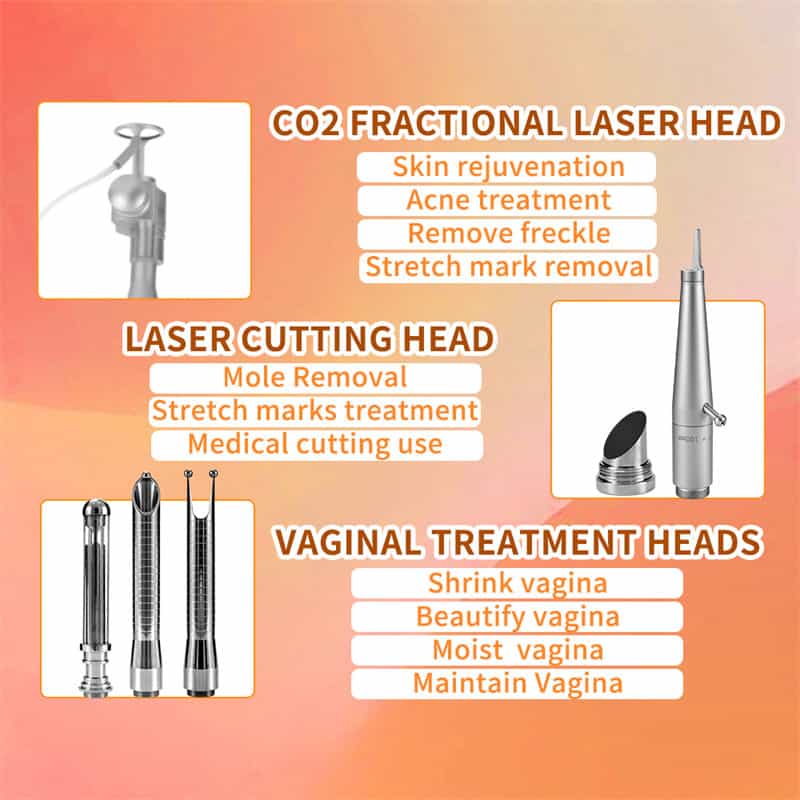
تركز أنظمة ثاني أكسيد الكربون الجزئية الحديثة بشكل متزايد على الإعدادات القابلة للتعديل التي تسمح للممارسين بتخصيص ما يلي:
- إنتاج الطاقة
- أنماط المسح
- عمق الاختراق
- حجم البقعة
- كثافة المعالجة
4.1 لماذا يُعدّ التحكم في توصيل الطاقة أمرًا مهمًا
قد يساعد التحكم الأكثر دقة في الطاقة الممارسين على استهداف النسيج الندبي بشكل فعال مع تقليل الإصابة غير الضرورية للجلد المحيط.
يصبح هذا الأمر بالغ الأهمية بشكل خاص بالنسبة لما يلي:
- البشرة الحساسة
- درجات البشرة الداكنة
- مناطق الوجه الرقيقة
- أنواع الندبات المختلطة
تتيح الأنظمة المتقدمة المزودة بأوضاع مسح متعددة وأشكال مسح متنوعة للممارسين تعديل العلاجات وفقًا لأنماط الندبات المختلفة ومناطق الوجه.
5. لماذا يُعدّ تجديد الكولاجين ضروريًا للتحسين على المدى الطويل؟
يتوقع الكثيرون تحسناً فورياً في ندبات حب الشباب بعد العلاج. مع ذلك، فإن إعادة بناء الكولاجين عملية بيولوجية تدريجية.
5.1 ما يحدث بعد العلاج بالليزر
بعد المعالجة الجزئية بثاني أكسيد الكربون:
- تعمل المناطق الحرارية المجهرية على تحفيز استجابة الجلد للشفاء.
- تنشط الخلايا الليفية.
- يبدأ الكولاجين والإيلاستين الجديدان في التكوّن.
- تلين أنسجة الندبة تدريجياً وتعيد تنظيم نفسها.
- يستمر ملمس الجلد في التحسن مع مرور الوقت.
نظراً لأن إنتاج الكولاجين يتطور تدريجياً، فإن النتائج غالباً ما تستمر في التحسن لعدة أشهر بعد العلاج.
تُعد عملية إعادة التشكيل المتأخرة هذه أحد الأسباب التي تجعل الجلسات المتعددة موصى بها عادةً لعلاج ندبات حب الشباب العميقة.
6. لماذا يُستخدم ثاني أكسيد الكربون الجزئي أيضاً لأغراض أخرى غير علاج ندبات حب الشباب؟
على الرغم من أن ندبات حب الشباب لا تزال مؤشراً رئيسياً، إلا أن أنظمة ثاني أكسيد الكربون الجزئية الحديثة تُستخدم بشكل متزايد لتحقيق أهداف أوسع لتجديد البشرة.
6.1 الاستخدامات الشائعة للوجه
قد يساعد تجديد السطح الجزئي أيضًا في تحسين ما يلي:
- الخطوط الدقيقة
- أضرار الشمس
- ملمس الجلد غير المتساوي
- المسامات الواسعة
- اضطرابات التصبغ
- ترهل الجلد
6.2 لماذا تتزايد العلاجات المركبة؟
تقوم بعض العيادات الآن بدمج تقنية تجديد سطح الجلد الجزئي بثاني أكسيد الكربون مع إجراءات إضافية للعناية بالبشرة أو إجراءات تعتمد على الطاقة لدعم تجديد البشرة بشكل عام.
قد تركز الأساليب المركبة على ما يلي:
- تصحيح التصبغ
- تحسين الملمس
- تحفيز الكولاجين
- دعم الترطيب
- إعادة تشكيل الندبات
ويعكس هذا الاتجاه المتزايد نحو التخطيط العلاجي الشخصي في طب التجميل.

7. ما يجب على المرضى معرفته قبل العلاج
على الرغم من أن إعادة تسطيح الأسنان الجزئي بثاني أكسيد الكربون أقل عدوانية من الطرق الاستئصالية الكاملة القديمة، إلا أن التخطيط السليم للعلاج يظل أمراً مهماً.
7.1 توقعات التعافي
قد تشمل الآثار المؤقتة ما يلي:
- احمرار
- الدفء
- تورم خفيف
- التقشر
- جفاف
تختلف فترة التعافي تبعاً لشدة العلاج وحالة الجلد الفردية.
7.2 أهمية التقييم المهني
يساعد التقييم الاحترافي للبشرة في تحديد ما يلي:
- مستويات الطاقة المناسبة
- عمق الندبة
- حساسية الجلد
- خطر التصبغ
- تردد العلاج
يُعد هذا النهج الفردي مهماً لتحقيق نتائج أكثر أماناً واتساقاً.
خاتمة
أصبح تجديد سطح الجلد باستخدام ليزر ثاني أكسيد الكربون الجزئي الحديث من أكثر التقنيات استخدامًا لعلاج ندبات حب الشباب، لأنه يجمع بين تجديد سطح الجلد وإعادة بناء الكولاجين في الطبقات العميقة. وبالمقارنة مع طرق الليزر القديمة التي تعتمد على الاستئصال الكامل، تتيح تقنية الليزر الجزئي تحكمًا أكبر في توصيل العلاج، وتعافيًا أسرع، وفترة نقاهة أقصر، مع استهداف أنسجة الندبات العميقة. أنظمة الليزر مع استمرار تطورها بفضل تحسين الدقة، وأنماط المسح القابلة للتخصيص، وإنتاج الطاقة الأكثر تحكمًا، تظل عملية إعادة تسطيح البشرة الجزئية بثاني أكسيد الكربون خيارًا مهمًا للعيادات التي تسعى إلى تحسين ملمس الجلد غير الجراحي وتجديد البشرة على المدى الطويل.