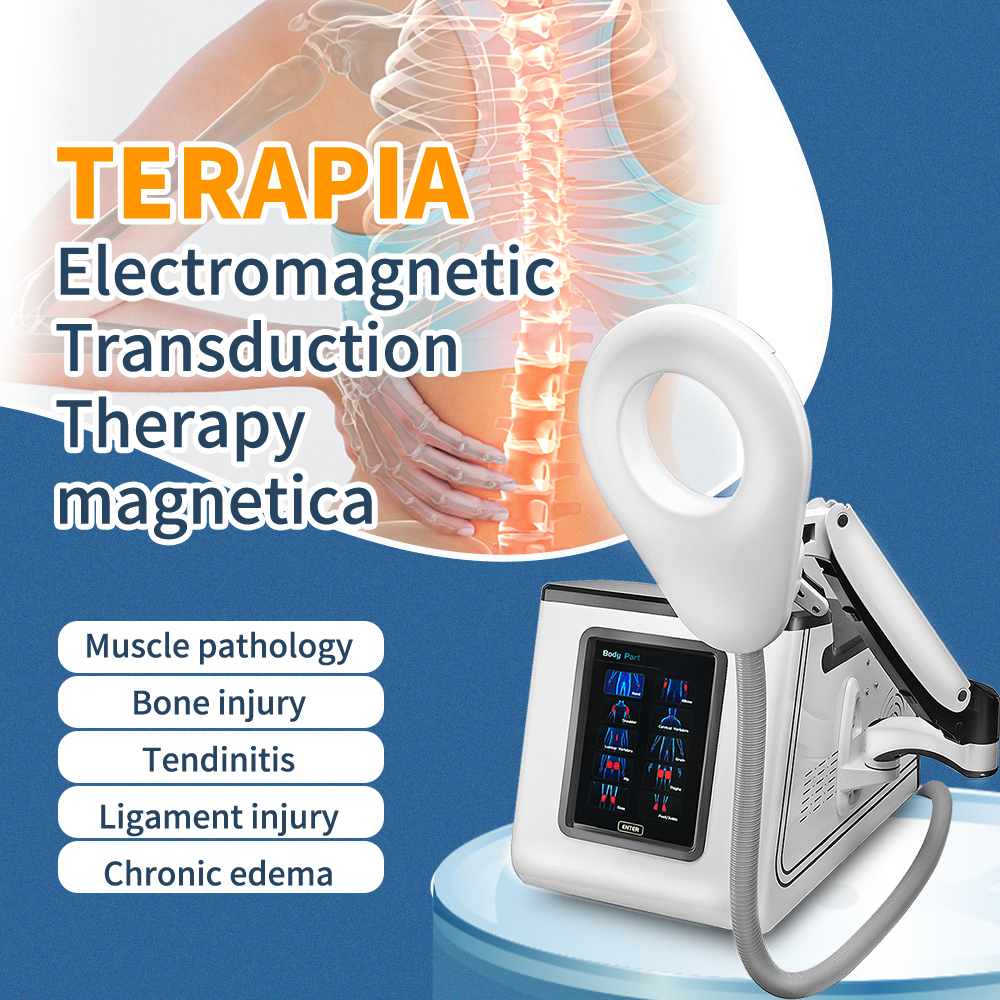
Physical pain can quietly take over someone’s life. It starts with a stiff shoulder after work, a sore lower back after lifting weights, or lingering knee pain from years of movement. Before long, even simple activities like climbing stairs or sleeping comfortably can feel exhausting. That is exactly why clinics, physiotherapy centers, and sports rehabilitation facilities are rapidly investing in advanced physical pain treatment devices that go beyond traditional massage, medication, or temporary solutions.
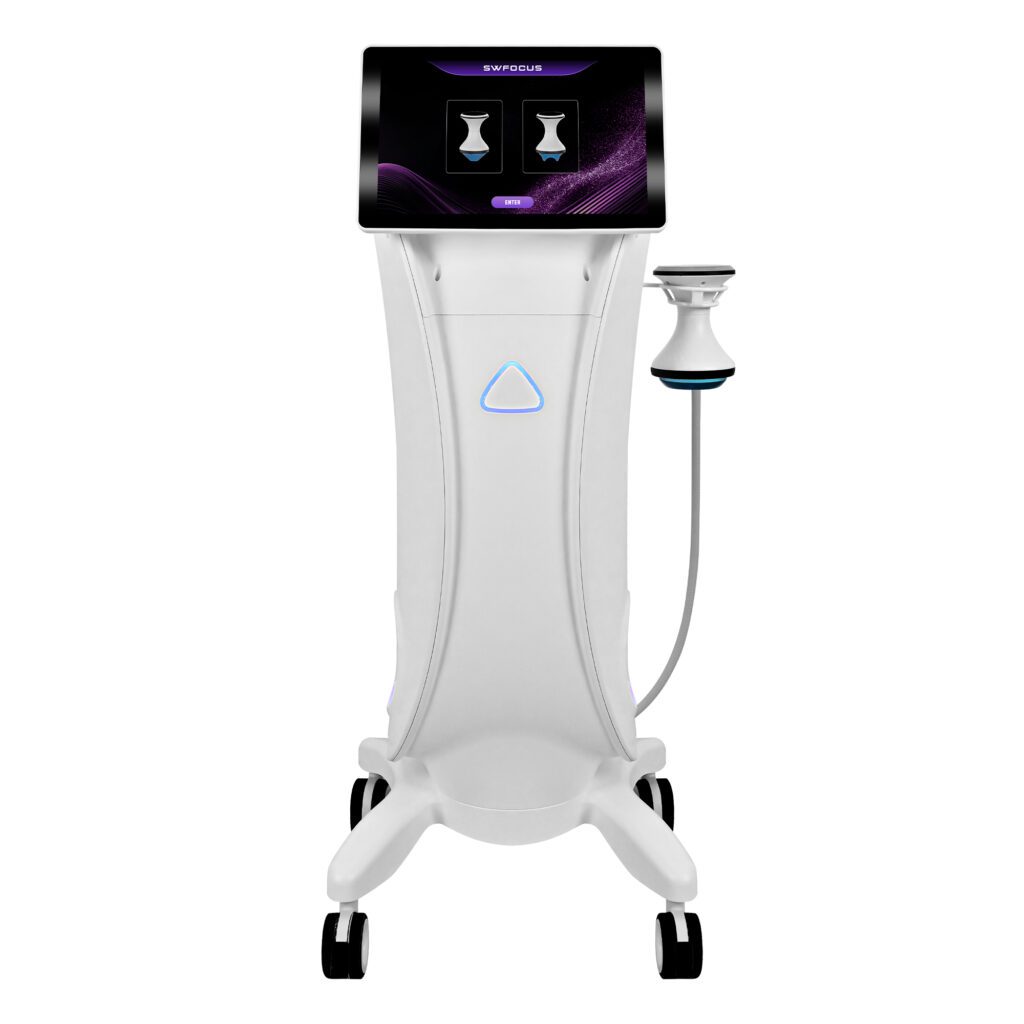
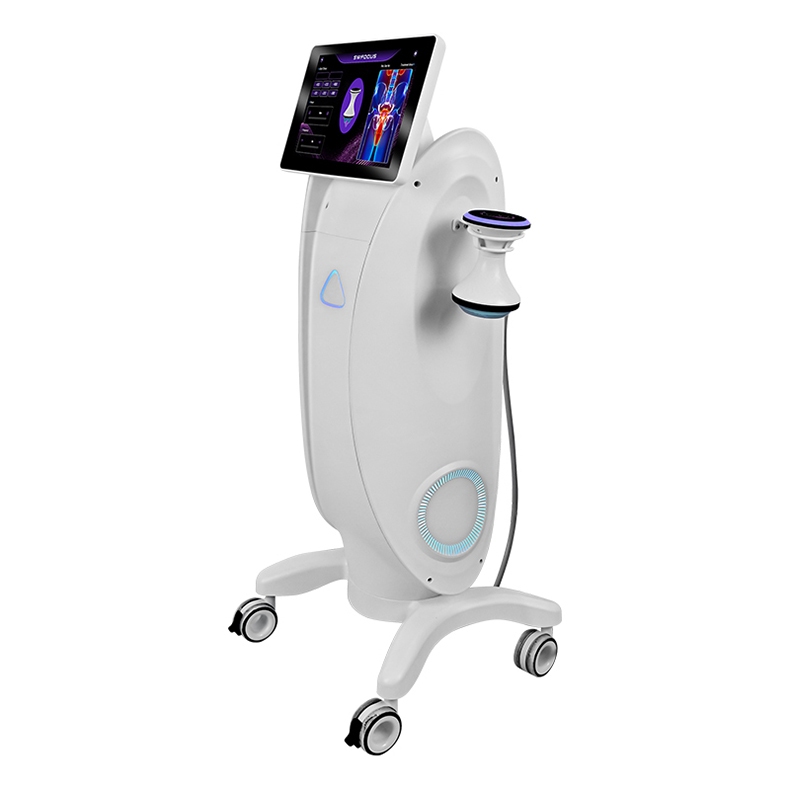
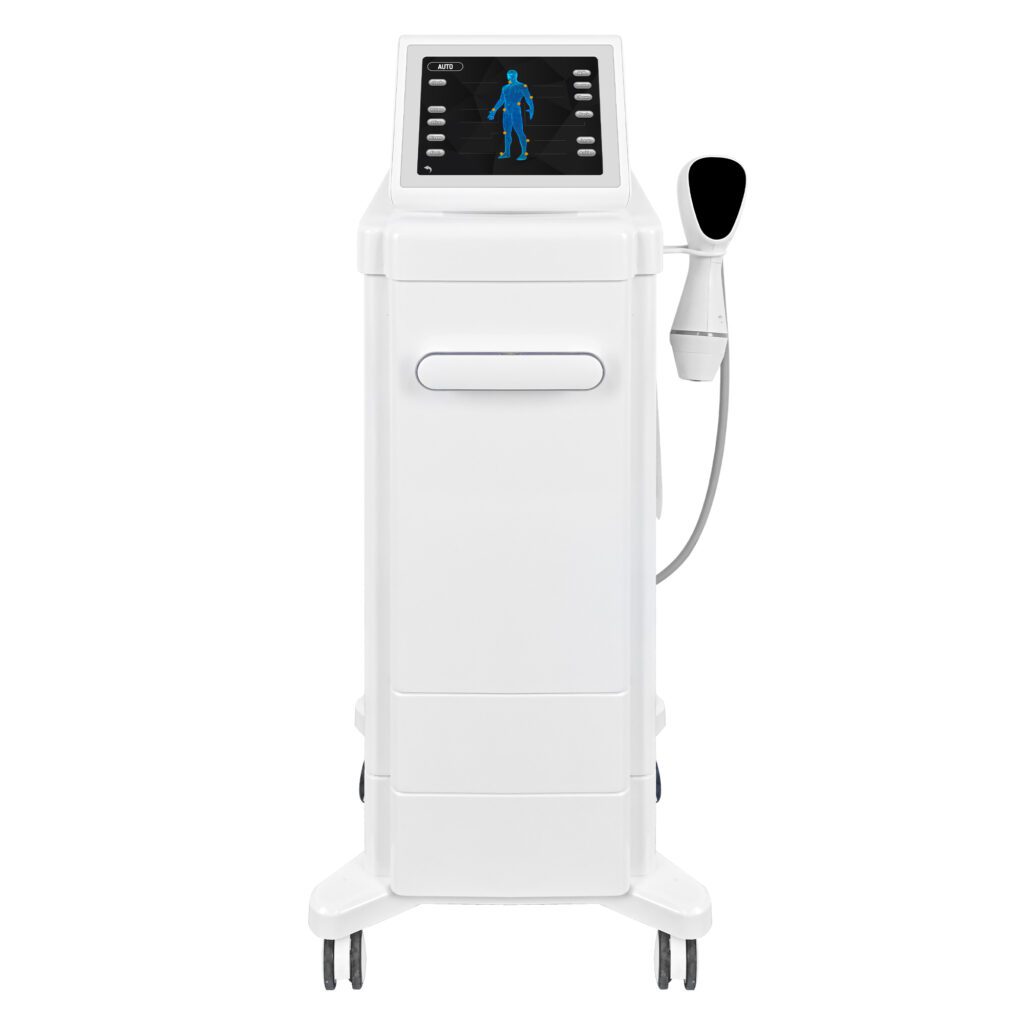
One of the technologies gaining significant attention is the PMST Neo Physio Magneto Therapy Machine developed by SHEFMON. This device uses high-intensity pulsed magnetic stimulation therapy to target pain, inflammation, tissue recovery, and rehabilitation without surgery or invasive procedures. According to SHEFMON’s published specifications, the machine operates with up to 4 Tesla magnetic field strength and frequencies ranging from 100KHz to 300KHz, making it suitable for deep tissue rehabilitation and pain management.
Before diving deeper into how this technology works, here is the complete article outline.
Understanding the Rising Demand for Non-Invasive Pain Therapy
The healthcare industry has changed dramatically during the last decade. Patients are no longer satisfied with treatments that simply mask symptoms temporarily. People want therapies that help the body recover naturally, reduce downtime, and avoid dependency on medication. This growing demand is one of the biggest reasons why non-invasive physical pain treatment devices have become increasingly popular across physiotherapy clinics, wellness centers, and sports rehabilitation facilities worldwide.
Traditional pain management often relies heavily on painkillers, anti-inflammatory drugs, injections, or even surgery. While these approaches may provide short-term relief, they can also introduce new complications. Medication dependency, recovery downtime, and inconsistent results have pushed both patients and practitioners to search for alternatives. Modern rehabilitation technologies now focus on stimulating the body’s own healing systems rather than simply covering up discomfort.
Electromagnetic rehabilitation technologies like PMST (Pulsed Magnetic Stimulation Therapy) have entered the spotlight because they combine comfort, convenience, and deep tissue therapeutic potential. Instead of physically penetrating the body, magnetic pulses move through tissue layers non-invasively, targeting muscles, joints, tendons, and connective tissues. Think of it like rebooting a frozen computer system. The body already has repair mechanisms built in, but sometimes injured tissues need additional stimulation to function efficiently again.
Industry trends also show a massive rise in demand for advanced rehabilitation devices. SHEFMON reports that clinics increasingly prefer multifunctional technologies that provide pain relief, rehabilitation support, circulation enhancement, and recovery acceleration in one platform. Online communities discussing PEMF and PMST therapies frequently mention reduced inflammation, better mobility, and faster muscle recovery after regular sessions.
What Is a Physical Pain Treatment Device?
A physical pain treatment device is specialized equipment designed to reduce pain, improve mobility, support tissue healing, and accelerate physical rehabilitation. These devices are commonly used in physiotherapy centers, orthopedic clinics, sports medicine facilities, chiropractic practices, and wellness clinics. Depending on the technology involved, they may use electrical stimulation, ultrasound, laser therapy, shockwave therapy, or electromagnetic fields to influence the body’s healing processes.
Modern rehabilitation devices are far more advanced than simple massage tools or heating pads. Today’s systems are engineered to penetrate deeper into tissues, stimulate cellular activity, and improve blood circulation in ways that manual therapies alone often cannot achieve. The goal is not merely to create temporary comfort but to encourage actual recovery of muscles, tendons, ligaments, and joints.
Among these technologies, PMST magnetotherapy has become one of the most talked-about innovations. PMST devices use high-intensity pulsed electromagnetic fields that interact with cellular electrical activity. The therapy is designed to improve metabolism, circulation, oxygen delivery, and tissue repair. According to SHEFMON’s published data, PMST therapy can support rehabilitation, reduce swelling, improve mobility, and help manage musculoskeletal conditions without direct skin contact or invasive procedures.
What makes this especially interesting is how versatile these machines have become. A single PMST device can potentially support sports injury recovery, arthritis treatment programs, muscle rehabilitation, post-surgical recovery, and chronic pain management. It is similar to having a multifunctional recovery toolkit instead of relying on separate machines for each therapy type.
Many rehabilitation specialists now combine PMST technology with traditional physiotherapy programs for better results. Reddit discussions from PEMF users often describe the technology as useful for chronic pain, inflammation reduction, recovery enhancement, and muscle relaxation, although experiences vary depending on treatment consistency and device intensity.
Introduction to the SHEFMON PMST Neo Device
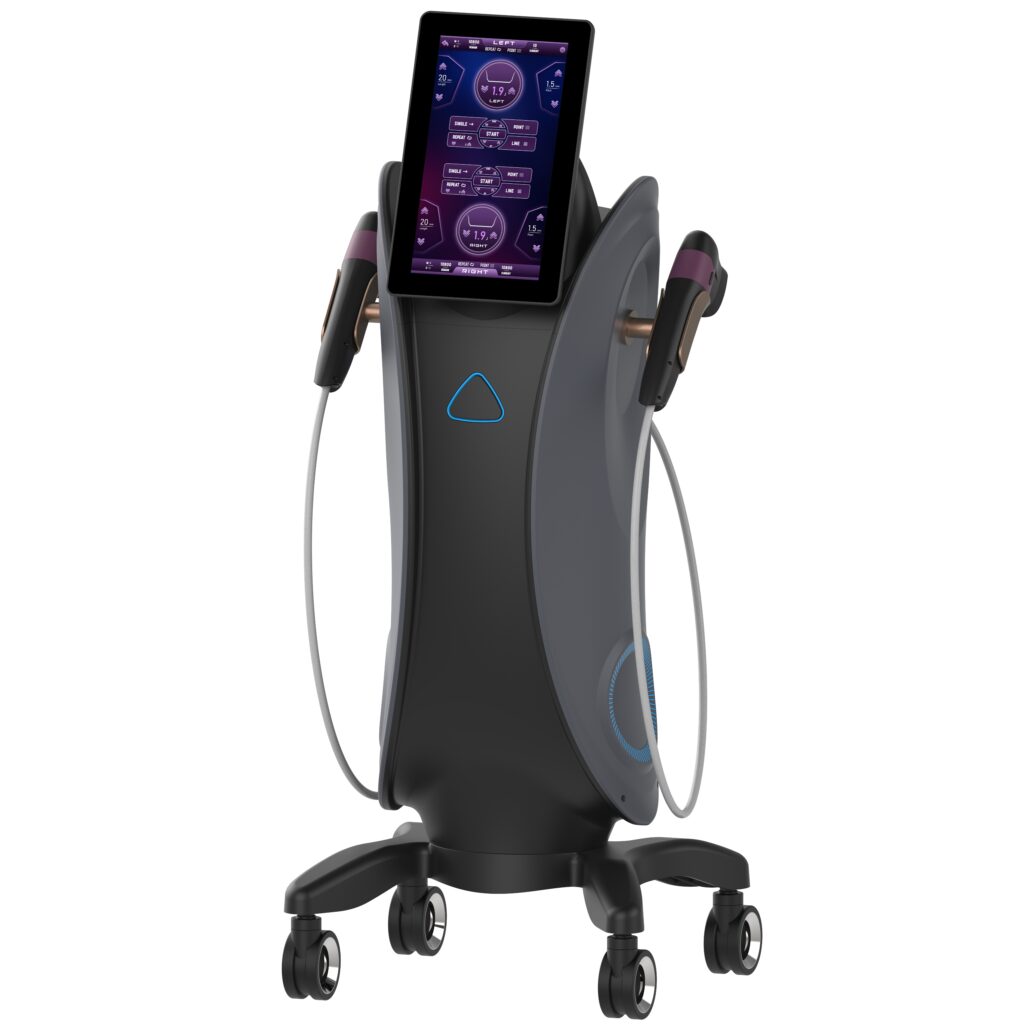
The SHEFMON PMST Neo Physio Magneto Therapy Machine is designed as a professional-grade rehabilitation and pain management system for clinics seeking modern, non-invasive therapy solutions. Unlike traditional therapy equipment that often focuses on surface-level stimulation, the PMST Neo delivers high-intensity magnetic pulses capable of penetrating deep into tissues and joints.
One of the strongest selling points of the A0247E PMST Neo is its impressive technical configuration. According to SHEFMON, the system operates with a magnetic field strength of up to 4 Tesla at the coil and 0.4 Tesla at 4 cm depth. It also supports frequencies between 100KHz and 300KHz while using an air-cooling system for continuous operation in clinical environments.
Here is a quick overview of the specifications:
| Feature | Specification |
|---|---|
| Product Name | Physio Magneto Therapy Machine |
| Power | 1500W |
| Frequency Range | 100KHz–300KHz |
| Magnetic Field Strength | 4 Tesla |
| Cooling System | Air Cooling |
| Optional Features | Dual Handle + Laser |
| Application Areas | Pain Relief, Rehabilitation, Sports Recovery |
The machine is specifically designed for:
- Sports rehabilitation clinics
- Orthopedic centers
- Physiotherapy facilities
- Wellness clinics
- Post-surgery recovery programs
What separates PMST Neo from older therapy technologies is the combination of deep penetration, non-contact treatment, and comfortable patient experience. The patient does not necessarily need to undress, no conductive gels are required, and the treatment remains painless for most users.
SHEFMON also emphasizes OEM and ODM customization services, allowing clinics and distributors to customize branding, interfaces, software, and machine configurations. For growing rehabilitation businesses, this flexibility makes the PMST Neo not just a therapy machine but a long-term business investment.
How PMST Magnetotherapy Actually Works
At first glance, PMST therapy can sound almost futuristic. Magnetic energy entering the body to stimulate recovery sounds like something from a science-fiction movie. In reality, the science behind Pulsed Magnetic Stimulation Therapy is rooted in cellular electrical activity and electromagnetic field interaction.
Every cell in the body functions using electrical signals. Injured or inflamed tissues often experience disruptions in this electrical balance. PMST therapy attempts to restore and stimulate cellular activity using high-intensity magnetic pulses. The pulses pass through clothing, skin, muscles, and even bone structures without requiring direct physical penetration.
The core concept is relatively simple. The machine generates pulsed electromagnetic fields that interact with tissues at the cellular level. These magnetic pulses may help improve ion exchange across cell membranes, support oxygen delivery, enhance circulation, and stimulate tissue metabolism. Imagine trying to revive a weak battery by giving it controlled bursts of energy. PMST works in a similar way by encouraging cells to regain functional activity.
Deep Tissue Penetration Explained
One major advantage of PMST therapy is its ability to reach tissues located deeper beneath the skin surface. Traditional massage or surface electrical stimulation therapies often struggle to affect deeper muscles or joint structures effectively. High-intensity magnetic stimulation, however, can penetrate several centimeters into tissues without direct contact.
This deeper penetration is especially valuable for treating:
- Lower back pain
- Knee pain
- Shoulder injuries
- Muscle spasms
- Tendon inflammation
- Sports rehabilitation cases
Online discussions about PEMF therapy frequently describe the sensation as subtle pulsing or warmth rather than pain. Users often report reduced stiffness, improved mobility, and better muscle relaxation after repeated sessions.
Major Benefits of PMST Neo for Pain Relief
One reason why PMST devices are becoming popular so quickly is because they target several rehabilitation goals simultaneously. Instead of focusing on only one aspect of recovery, these machines attempt to improve circulation, reduce inflammation, stimulate tissue repair, and relieve pain at the same time.
Drug-Free Pain Management
Many patients today actively seek alternatives to medication-based pain management. PMST therapy provides a non-invasive and drug-free approach that may reduce discomfort without introducing pharmaceutical side effects. This is especially important for individuals dealing with chronic pain conditions where long-term medication use becomes a concern.
Faster Recovery and Reduced Inflammation
Inflammation is one of the body’s natural healing responses, but excessive inflammation can delay recovery and worsen pain. PMST technology may help improve circulation and oxygen delivery, potentially supporting faster tissue recovery and swelling reduction. SHEFMON states that oxygen absorption may increase significantly during treatment, contributing to improved regeneration.
Improved Mobility and Muscle Function
Pain often creates a vicious cycle. When movement becomes painful, muscles tighten, circulation decreases, and recovery slows down. PMST therapy aims to interrupt this cycle by encouraging muscle relaxation and improving mobility. Patients with chronic stiffness or post-injury limitations may benefit from increased flexibility and reduced tension after repeated sessions.
Community discussions online frequently mention benefits such as:
- Reduced joint discomfort
- Faster workout recovery
- Better muscle relaxation
- Improved daily mobility
- Less post-treatment downtime
Conditions Commonly Treated With PMST Devices
One of the biggest strengths of PMST technology is versatility. Clinics can use the same device across a wide range of rehabilitation programs, making it highly practical for modern treatment environments.
Sports Injuries and Muscle Strain
Athletes constantly push their bodies to physical limits. Muscle strains, tendon injuries, ligament stress, and post-workout soreness are common in competitive sports. PMST therapy is increasingly used in sports medicine because it supports deep tissue recovery while remaining non-invasive.
Joint Pain and Arthritis
Joint degeneration and arthritis can severely impact quality of life. PMST devices are often used to support mobility programs for knees, shoulders, hips, and spinal discomfort. By targeting deeper tissues, magnetic stimulation may help reduce stiffness and support movement restoration.
Post-Surgery Rehabilitation
Recovery after surgery often involves swelling, reduced mobility, and muscular weakness. PMST therapy may assist rehabilitation programs by improving circulation and supporting tissue regeneration during the recovery phase. According to SHEFMON, the therapy is commonly used for post-operative rehabilitation and orthopedic recovery support.
PMST Neo vs Traditional Therapy Methods
The rehabilitation industry offers many different technologies, so understanding how PMST compares to older methods is important.
| Therapy Type | Main Function | Depth of Treatment | Pain Level | Direct Contact Needed |
|---|---|---|---|---|
| PMST Therapy | Cellular stimulation & rehabilitation | Deep tissue | Painless | No |
| TENS Therapy | Temporary nerve blocking | Surface level | Mild tingling | Yes |
| Ultrasound Therapy | Heat & vibration therapy | Moderate | Usually painless | Yes |
| Shockwave Therapy | Mechanical stimulation | Deep tissue | Can be uncomfortable | Yes |
PMST therapy differs from TENS units because it focuses more on cellular stimulation rather than simply blocking pain signals temporarily. Reddit users discussing PEMF often describe it as targeting recovery itself rather than only masking discomfort.
Compared with shockwave therapy, PMST treatments are generally considered more comfortable because they do not rely on acoustic impact pulses. Patients often appreciate the non-contact nature of PMST sessions, especially when treating sensitive or inflamed areas.
Why Clinics and Rehabilitation Centers Are Investing in PMST Technology
Modern clinics are under constant pressure to provide effective, technology-driven treatments while maintaining operational efficiency. Multifunctional devices like PMST Neo help clinics save space, improve workflow, and expand treatment capabilities simultaneously.
The PMST Neo is particularly attractive because:
- It supports multiple treatment categories
- Sessions are relatively short
- Patients can return to activities immediately
- No consumables are required
- Maintenance needs remain low
- Treatment setup is simple
SHEFMON also positions the device as a strong ROI opportunity for rehabilitation businesses because non-invasive therapies continue gaining popularity globally.
The Growing Role of PMST in Sports Medicine
Sports medicine has become one of the fastest-growing markets for PMST technologies. Professional athletes, trainers, and rehabilitation specialists constantly search for methods that reduce recovery time without invasive procedures.
High-intensity magnetic therapy is now commonly discussed in relation to:
- Muscle recovery
- Tendon rehabilitation
- Joint mobility
- Training fatigue reduction
- Post-exercise soreness
Athletes often compare recovery technologies like PMST to giving the body a “reset button” after intense physical stress. While individual experiences vary, the growing interest in PEMF and PMST systems demonstrates how rapidly this field is expanding worldwide.
Safety, Comfort, and Treatment Experience
One major reason patients are attracted to PMST therapy is comfort. Unlike invasive treatments or painful rehabilitation methods, PMST sessions are generally described as relaxing and easy to tolerate.
According to SHEFMON and other PMST manufacturers:
- Treatments are non-invasive
- Sessions typically last 10–20 minutes
- Patients usually remain fully clothed
- No downtime is required
- No gel or direct skin contact is needed
Patients may feel pulsing sensations or mild muscle activation during sessions, but serious discomfort is uncommon when treatments are performed correctly. Some online discussions emphasize the importance of proper intensity settings, especially for high-intensity systems.
Future Trends in Physical Pain Treatment Devices
The future of rehabilitation is clearly moving toward technology-driven, non-invasive recovery solutions. Clinics increasingly prefer multifunctional devices capable of addressing multiple treatment goals without relying heavily on surgery or medication.
Emerging trends include:
- AI-assisted rehabilitation systems
- Integrated PMST + laser technologies
- Multifunction rehabilitation platforms
- Portable PEMF systems
- Sports performance recovery integration
SHEFMON’s newer 3-in-1 PMST systems already combine magnetic therapy, shockwave therapy, and additional recovery technologies into single machines. This reflects a broader shift in rehabilitation philosophy: instead of isolated treatment methods, clinics now prefer comprehensive recovery ecosystems.
The growing interest in PMST and PEMF technologies suggests that electromagnetic rehabilitation devices will likely become even more mainstream in physiotherapy, sports medicine, and wellness industries during the next several years.
Conclusion
The modern physical pain treatment device is no longer just about temporary relief. Today’s rehabilitation technologies aim to improve mobility, stimulate tissue repair, reduce inflammation, and help patients recover naturally with minimal downtime. Among these innovations, the SHEFMON PMST Neo Physio Magneto Therapy Machine stands out as a powerful non-invasive solution for clinics, rehabilitation centers, sports facilities, and wellness businesses.
By combining high-intensity magnetic stimulation, deep tissue penetration, and comfortable treatment experiences, PMST technology represents a major evolution in rehabilitation therapy. Patients increasingly want safer alternatives to medication and surgery, while clinics seek smarter equipment capable of delivering versatile results efficiently.
As the rehabilitation industry continues moving toward advanced, technology-driven recovery solutions, PMST therapy is positioned to play an even bigger role in the future of pain management and physical rehabilitation.
FAQs
1. What is a PMST physical pain treatment device?
A PMST device uses pulsed magnetic stimulation therapy to support pain relief, rehabilitation, tissue recovery, and mobility improvement through non-invasive electromagnetic stimulation.
2. Is PMST therapy painful?
Most patients describe PMST therapy as painless and comfortable. Some people may notice light pulsing sensations or mild muscle activation during treatment sessions.
3. What conditions can PMST therapy help with?
PMST therapy is commonly used for sports injuries, arthritis, muscle strain, tendonitis, chronic pain, joint stiffness, and post-surgical rehabilitation programs.
4. How long does a PMST therapy session last?
Most sessions last between 10 and 20 minutes depending on the treatment area and rehabilitation protocol.
5. Why are clinics investing in PMST technology?
Clinics value PMST systems because they provide non-invasive treatment, require minimal setup, improve patient comfort, and support multiple rehabilitation applications in one device.