









Can Saggy Skin Be Tightened Without Surgery?
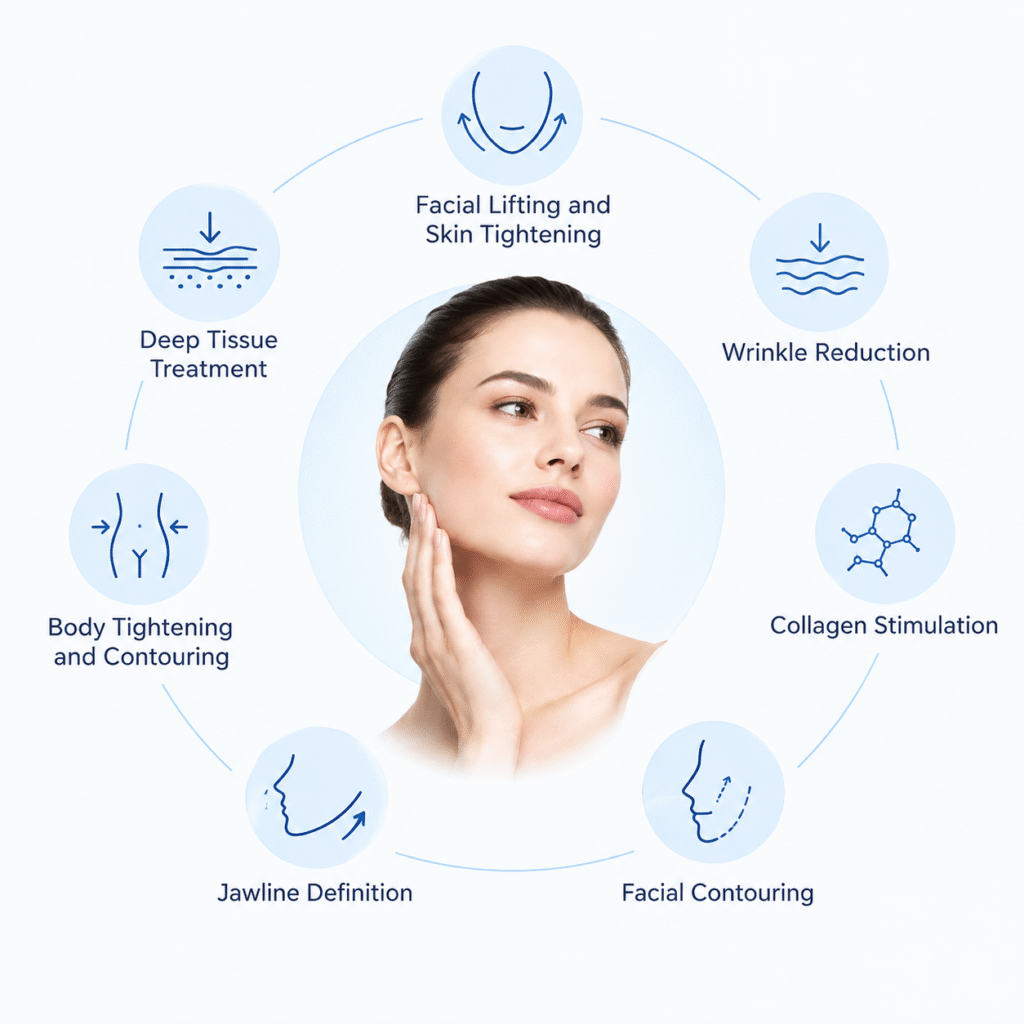
Sagging skin sneaks up on almost everyone eventually. One day your jawline looks sharp and firm, and the next you start noticing loose skin around your cheeks, neck, stomach, or arms. It can happen because of aging, major weight loss, pregnancy, sun damage, or simply genetics. The good news is that modern aesthetic technology has changed dramatically over the past few years. You no longer need a traditional facelift to see visible tightening and rejuvenation. Non-surgical skin tightening treatments have become one of the fastest-growing categories in aesthetic medicine, with radiofrequency and laser-based procedures leading the market globally.
The real question is not whether non-surgical tightening works. The better question is how much improvement you can realistically expect and which technology delivers the best results for your skin condition. Some treatments focus on stimulating collagen production deep inside the dermis. Others resurface damaged skin layers while simultaneously tightening loose tissue. A few combine muscle stimulation with fat reduction to improve body contouring and skin firmness at the same time. That combination approach is why today’s results look far more natural and effective than older cosmetic procedures from a decade ago.
Many people are turning to advanced devices because they want visible improvement without long downtime, surgical scars, or anesthesia. According to recent clinical reviews, radiofrequency, ultrasound, and fractional laser treatments are among the most evidence-supported non-invasive technologies for mild to moderate skin laxity. What makes these treatments especially attractive is the gradual collagen remodeling process. Instead of looking suddenly “different,” patients often appear refreshed and healthier over several months as the skin naturally rebuilds itself.
The reality is simple: non-surgical treatments cannot fully replace surgery for severe sagging. But for mild to moderate laxity, they can create impressive tightening, smoother texture, better elasticity, and more youthful contours. For many people, that level of improvement is more than enough.
Why Skin Starts Sagging With Age
Collagen and Elastin Loss Explained
Your skin behaves a lot like a mattress. When it is new, it feels firm, elastic, and supportive. Over time, the internal structure weakens. Collagen acts as the mattress springs, while elastin functions like the flexible cushioning that allows skin to snap back into place. As we age, both begin to deteriorate naturally. Research shows collagen production decreases by roughly 1% every year after the mid-20s. That gradual decline may sound small, but after decades the cumulative effect becomes very visible.
Once collagen fibers weaken, gravity starts pulling the skin downward. Fat pads shift, connective tissue loosens, and facial contours soften. This is why the jawline becomes less defined and why cheeks may begin to droop. Elastin loss compounds the issue because skin no longer rebounds efficiently after stretching or movement. Think of an old rubber band that has lost its snap. The same process happens inside aging skin.
Sun exposure speeds everything up dramatically. Ultraviolet radiation damages collagen fibers and increases enzymes called matrix metalloproteinases, which break down skin structure even faster. Smoking, stress, poor sleep, dehydration, and processed diets can also accelerate skin aging. Weight fluctuations create another challenge because skin stretched for long periods may not fully retract after fat loss. That is why many people notice sagging after rapid weight reduction.
Hormonal changes also play a major role. Estrogen supports collagen maintenance, so menopause often triggers accelerated skin thinning and laxity. This explains why many women suddenly notice looser skin during their late 40s and 50s. The combination of reduced collagen, fat redistribution, and decreased elasticity creates the perfect storm for sagging skin development.
Lifestyle Factors That Accelerate Loose Skin
Lifestyle choices can either protect your skin or quietly sabotage it for years. Sun exposure remains the single biggest external factor. Many people think wrinkles are the main sign of sun damage, but UV radiation also destroys deeper structural proteins responsible for firmness. Repeated tanning acts almost like slowly melting the support beams beneath your skin.
Poor nutrition is another overlooked factor. Skin needs amino acids, antioxidants, vitamins, and healthy fats to repair itself effectively. Diets loaded with sugar and processed foods increase glycation, a process where collagen fibers become stiff and damaged. Imagine pouring sticky syrup over elastic fabric. That is essentially what chronic high sugar intake does internally to your skin’s support system.
Sleep deprivation also matters more than most people realize. During deep sleep, the body performs most of its repair and regeneration work. Chronic stress elevates cortisol, which can weaken collagen and increase inflammation. Smoking constricts blood vessels and reduces oxygen delivery to skin tissue, dramatically accelerating aging. Heavy alcohol consumption contributes to dehydration and inflammation that eventually affect skin quality.
Rapid weight loss deserves special attention because it can leave behind excess skin that struggles to retract naturally. Younger skin has better elasticity, but older skin often lacks enough collagen reserves to bounce back after major body changes. This is why non-surgical tightening treatments have become increasingly popular among people who achieved significant weight loss but want additional skin improvement without surgery.
Do Non-Surgical Skin Tightening Treatments Really Work?
What Science Says About Collagen Remodeling
The science behind non-surgical tightening revolves around controlled thermal injury. That phrase sounds intimidating, but the principle is surprisingly simple. Devices deliver heat into targeted skin layers, creating microscopic stimulation zones that trigger the body’s healing response. In response, fibroblast cells begin producing fresh collagen and elastin over the following weeks and months.
Modern radiofrequency devices are especially popular because they can safely heat deeper dermal layers without damaging the skin surface significantly. A 2025 study published in Lasers in Medical Science confirmed measurable histological changes after radiofrequency microneedling treatments for skin rejuvenation. Another recent review reported that RF microneedling increased collagen by approximately 37% and improved skin elasticity by 28% after multiple sessions. Those are substantial improvements considering the procedures are minimally invasive.
Fractional CO2 lasers work slightly differently. Instead of only heating tissue, they create controlled micro-injuries that resurface damaged skin while stimulating collagen renewal. This dual action makes CO2 technology particularly effective for wrinkles, acne scars, texture irregularities, and moderate laxity. Many patients report noticeable tightening along the jawline and lower face after aggressive CO2 treatments.
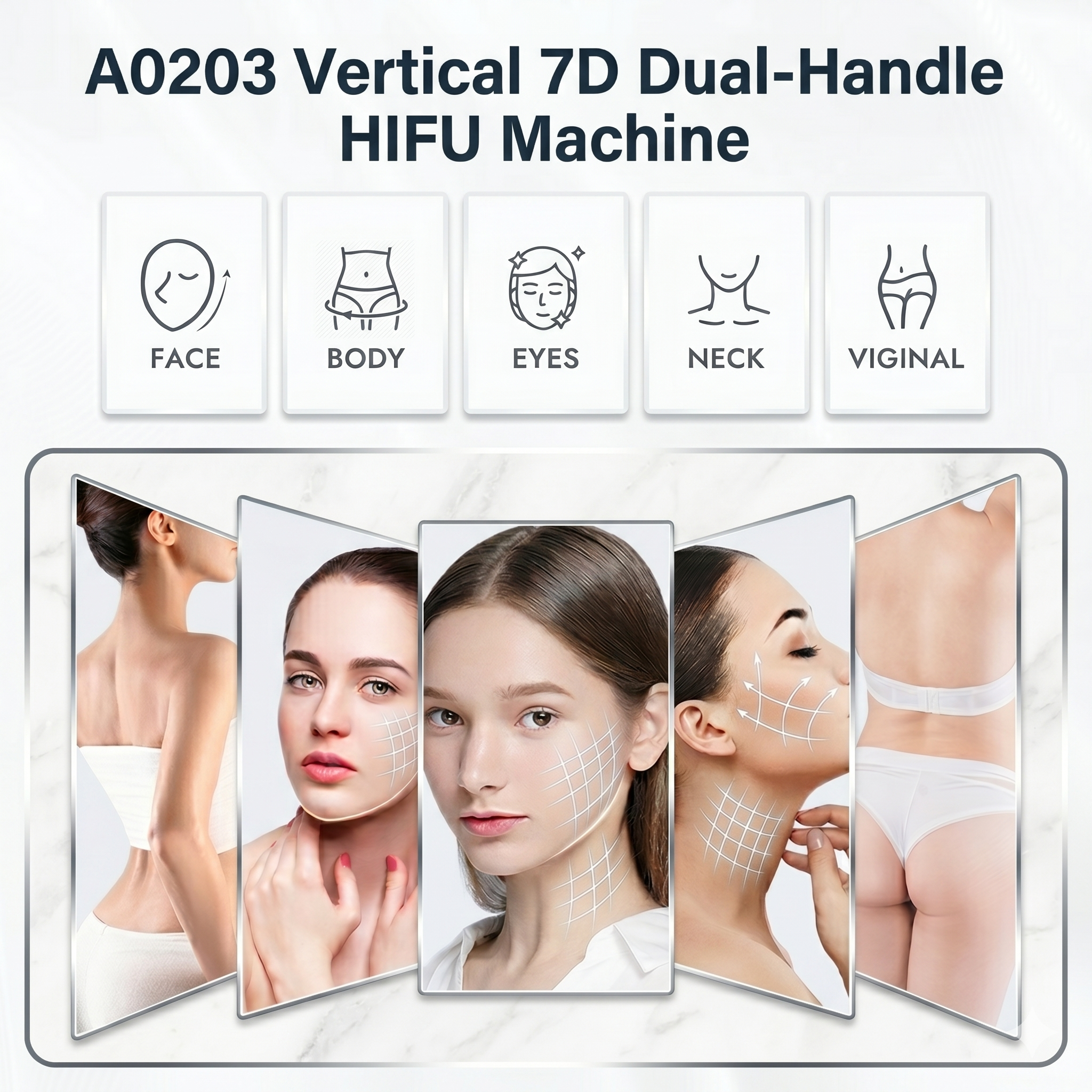
Ultrasound technologies such as HIFU target deeper structural layers called the SMAS, the same layer addressed during surgical facelifts. Studies referenced in aesthetic journals have shown measurable lifting after a single treatment session in many patients. While results are usually subtler than surgery, they can still provide meaningful contour improvement for suitable candidates.
Realistic Expectations vs Surgical Results
This is where honesty matters. Non-surgical tightening can improve mild to moderate sagging, but it cannot duplicate a surgical facelift for severe laxity. Devices can stimulate collagen, tighten tissue slightly, and improve skin quality, but they cannot physically remove large amounts of excess skin.
Patients in their 30s to early 50s with early skin laxity often see the best results. These individuals still have enough collagen-building capacity for treatments to work effectively. People with mild jowling, crepey neck skin, or moderate facial laxity are usually ideal candidates. On the other hand, individuals with extensive sagging after massive weight loss or advanced aging may eventually require surgery for dramatic lifting.
The advantage of non-surgical procedures lies in their lower risk profile and shorter recovery time. Many RF treatments involve little to no downtime, while fractional CO2 lasers may require a week or two of recovery depending on intensity. Compared to surgical procedures involving anesthesia, stitches, and months of healing, many patients find the trade-off worthwhile.
Another important point is that results build gradually. Collagen remodeling is slow biology, not instant magic. Full improvement often appears between three and six months after treatment. Some Reddit users discussing RF microneedling described noticeable tightening and smoother skin several months after completing treatment series. Patience is part of the process.
Best Non-Surgical Treatments for Sagging Skin
Fractional CO2 Laser Technology
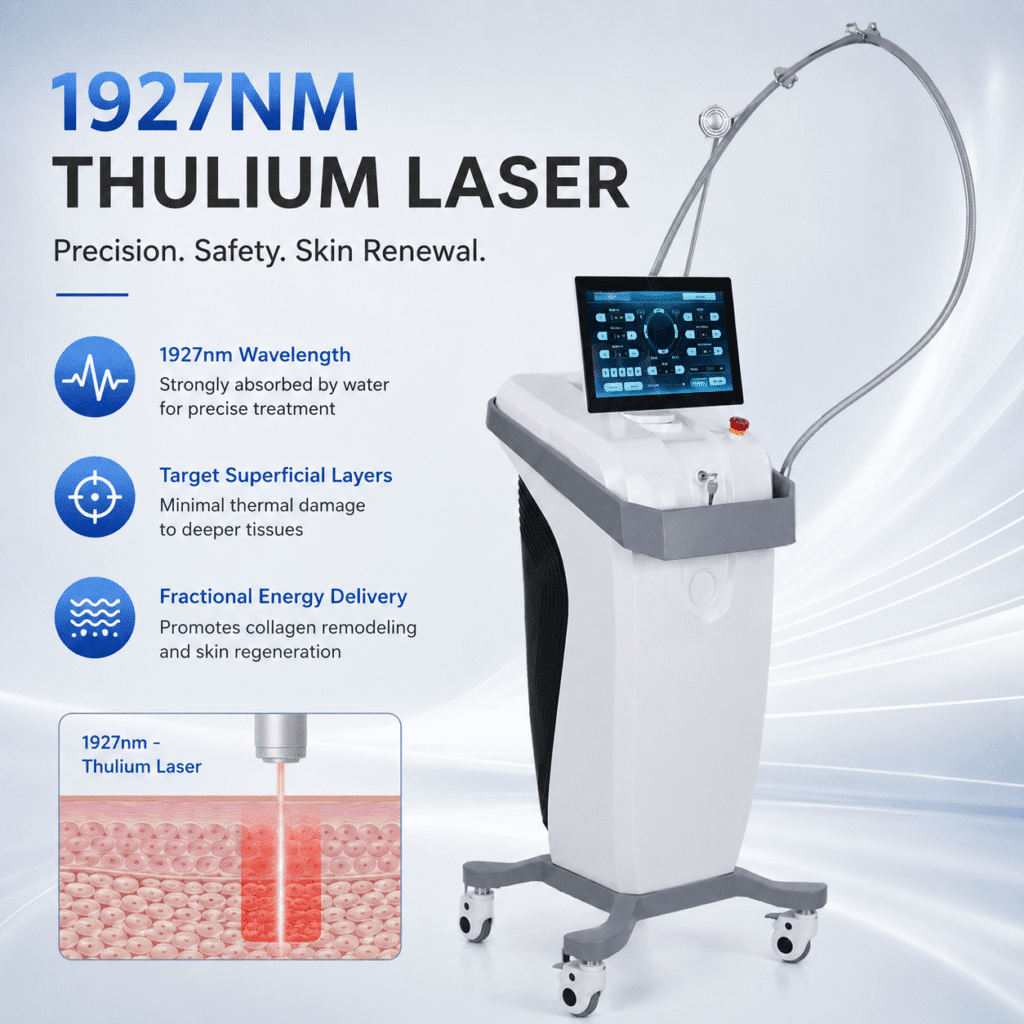
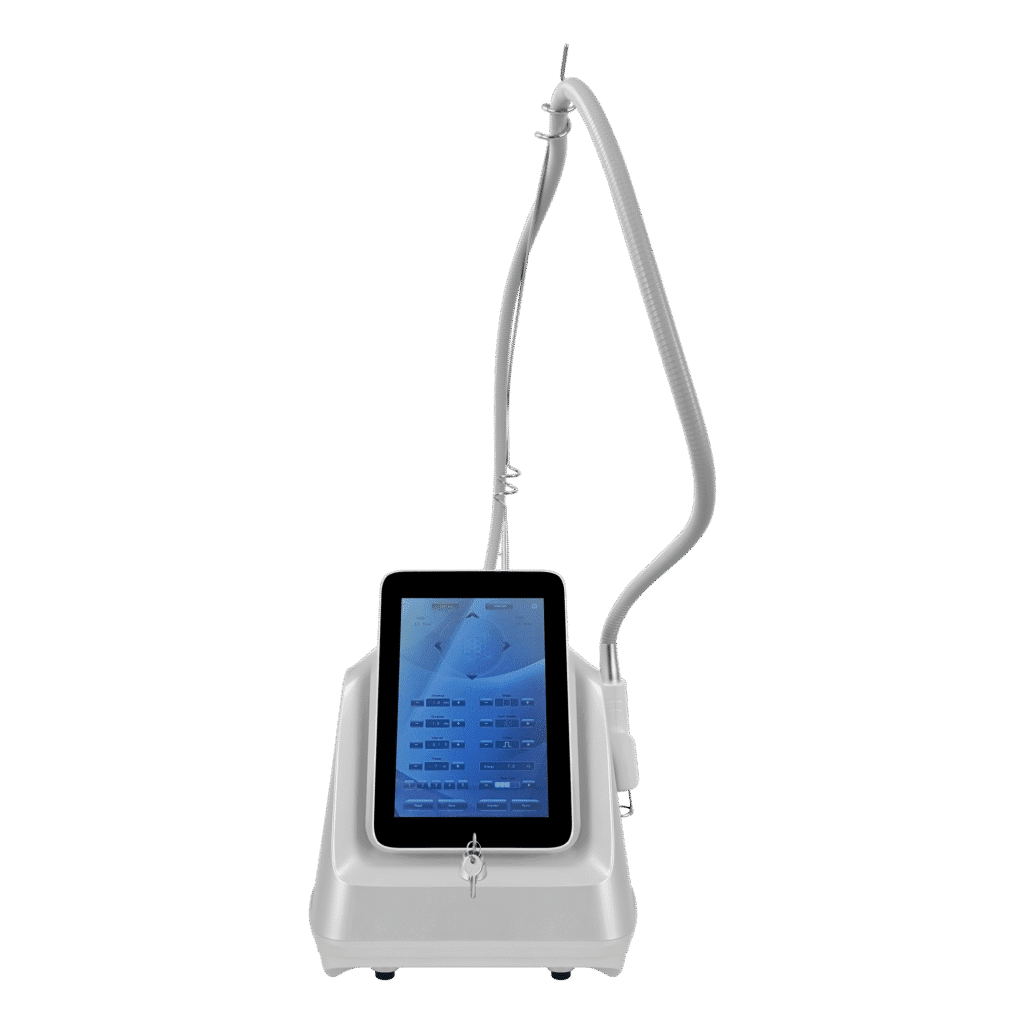
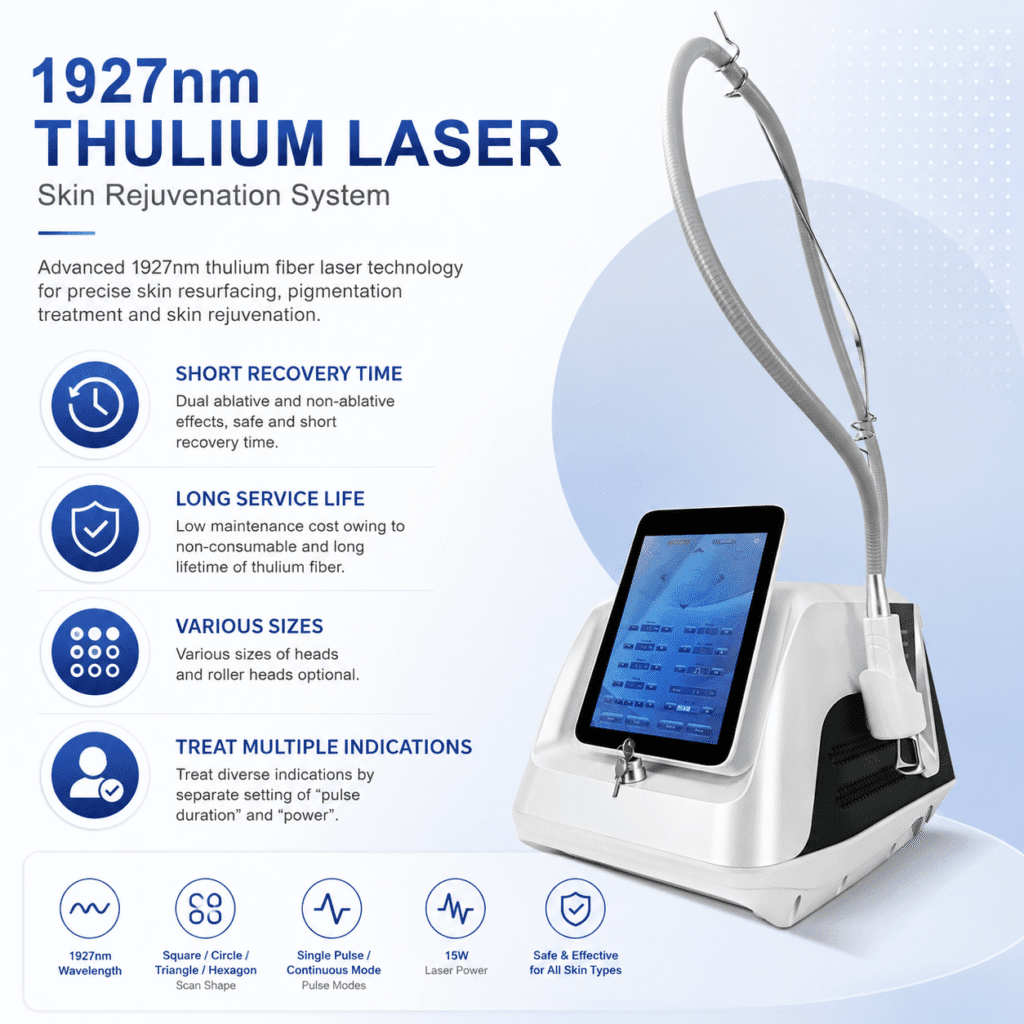
Fractional CO2 laser technology remains one of the gold standards for non-surgical rejuvenation because it treats multiple concerns simultaneously. It improves wrinkles, pigmentation, scars, texture, and skin laxity in one procedure. The treatment works by creating thousands of microscopic treatment columns in the skin, leaving surrounding tissue intact to speed healing.
Advanced systems like the Shefmon 2910nm Fiber Fractional CO2 Ultra Laser are designed to maximize collagen stimulation while reducing unnecessary trauma. Fiber fractional technology allows more precise energy delivery, which helps clinics customize treatments for different skin conditions and recovery preferences. Patients often see tighter pores, firmer skin, and smoother texture after a treatment series.
How Fiber Fractional CO2 Lasers Stimulate Tightening
When fractional CO2 energy penetrates the skin, it vaporizes microscopic columns of damaged tissue while heating surrounding collagen fibers. This immediate thermal effect causes some instant contraction, but the more important process happens afterward. Fibroblasts begin rebuilding collagen networks over several months, gradually improving firmness and elasticity.
CO2 lasers are particularly effective for acne scars and sun-damaged skin because they combine resurfacing with tightening. Devices like the Professional Acne Scar Removal 10600nm CO2 Fractional Laser Equipment are commonly used in aesthetic clinics to treat both scarring and skin laxity simultaneously. Patients with textured or aging skin often benefit significantly from this dual-action approach.
Aggressive CO2 treatments do involve downtime, which can range from several days to two weeks depending on settings. Redness may persist for weeks afterward, but many patients feel the longer recovery is justified by stronger results. Community discussions online frequently describe noticeable jawline tightening after higher-intensity CO2 sessions.
RF Skin Tightening Treatments
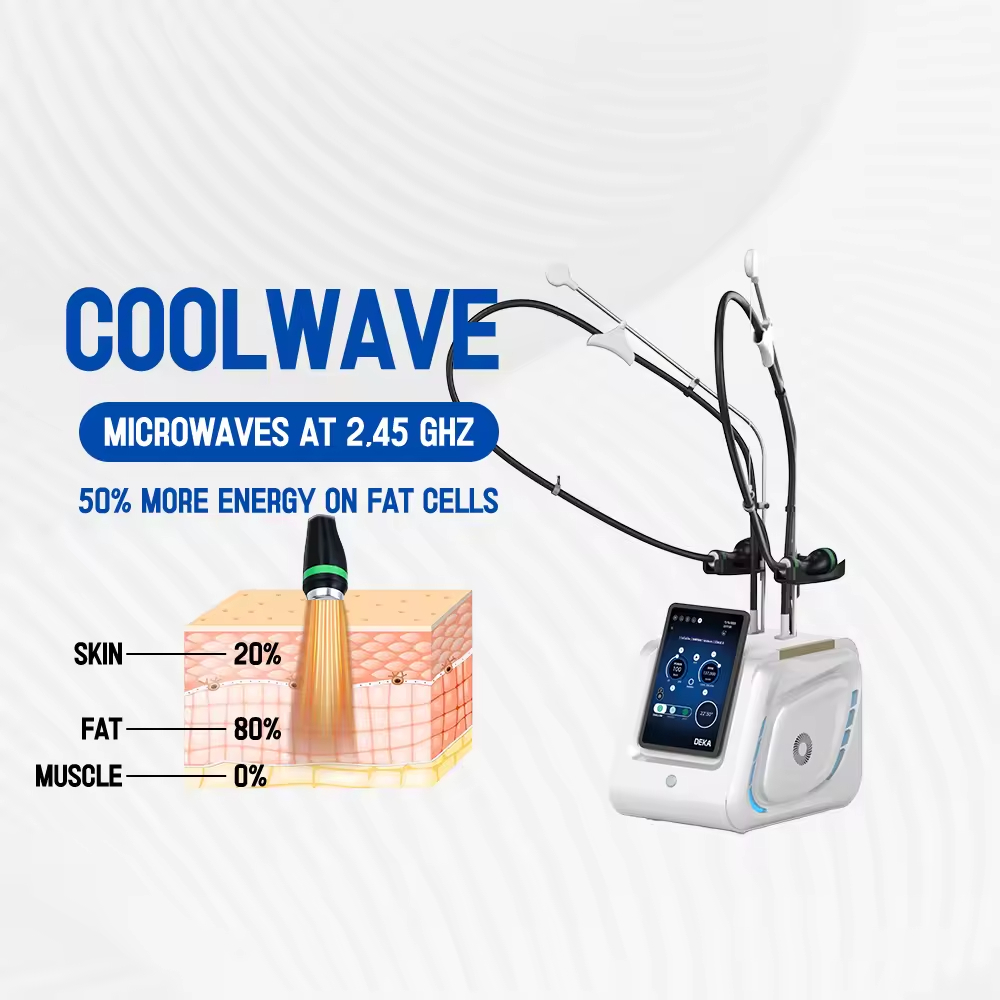
Radiofrequency technology has exploded in popularity because it offers effective tightening with far less downtime than ablative lasers. RF devices heat the dermis and subcutaneous tissue without significantly injuring the outer skin layer. That means less peeling, faster recovery, and broader suitability for different skin tones.
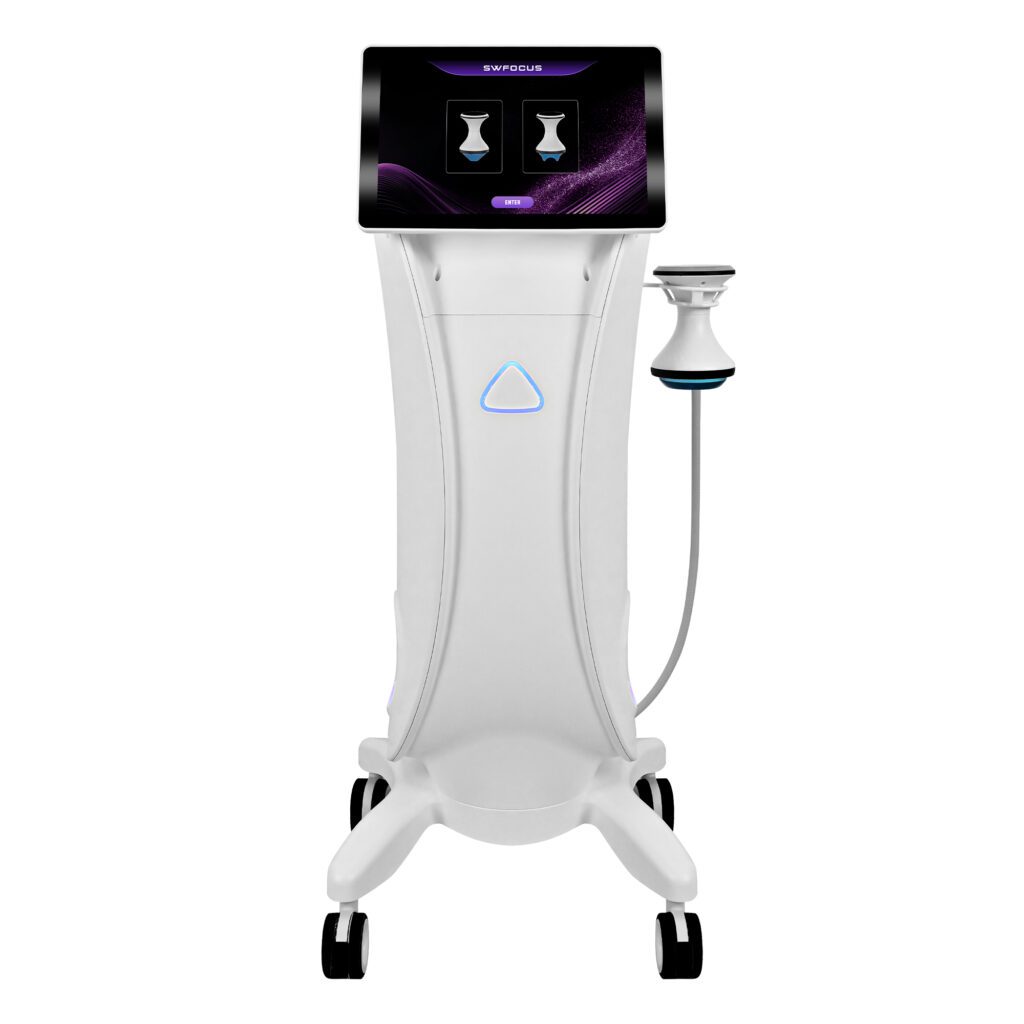
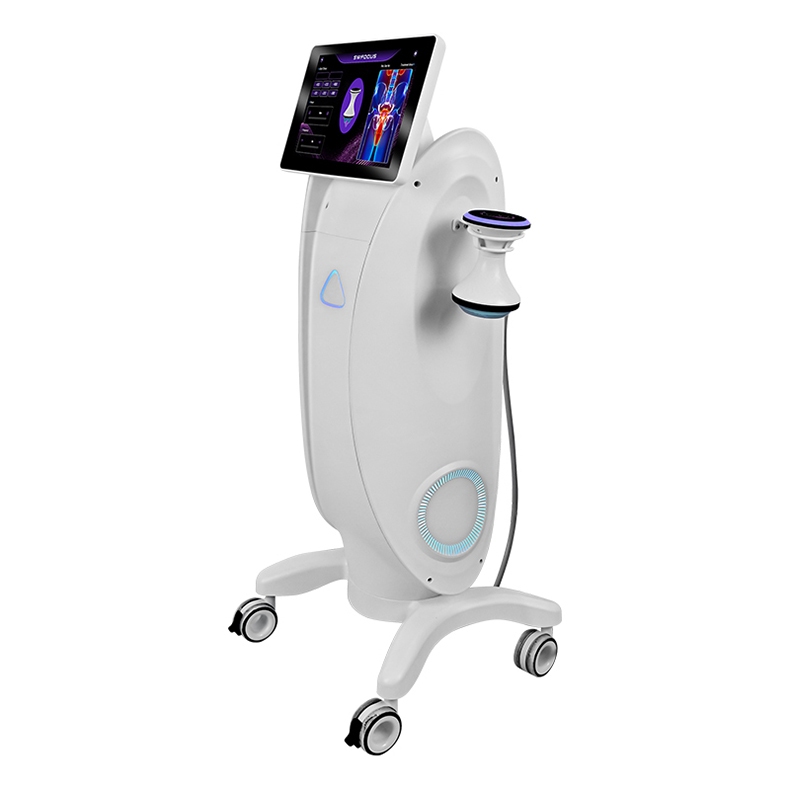
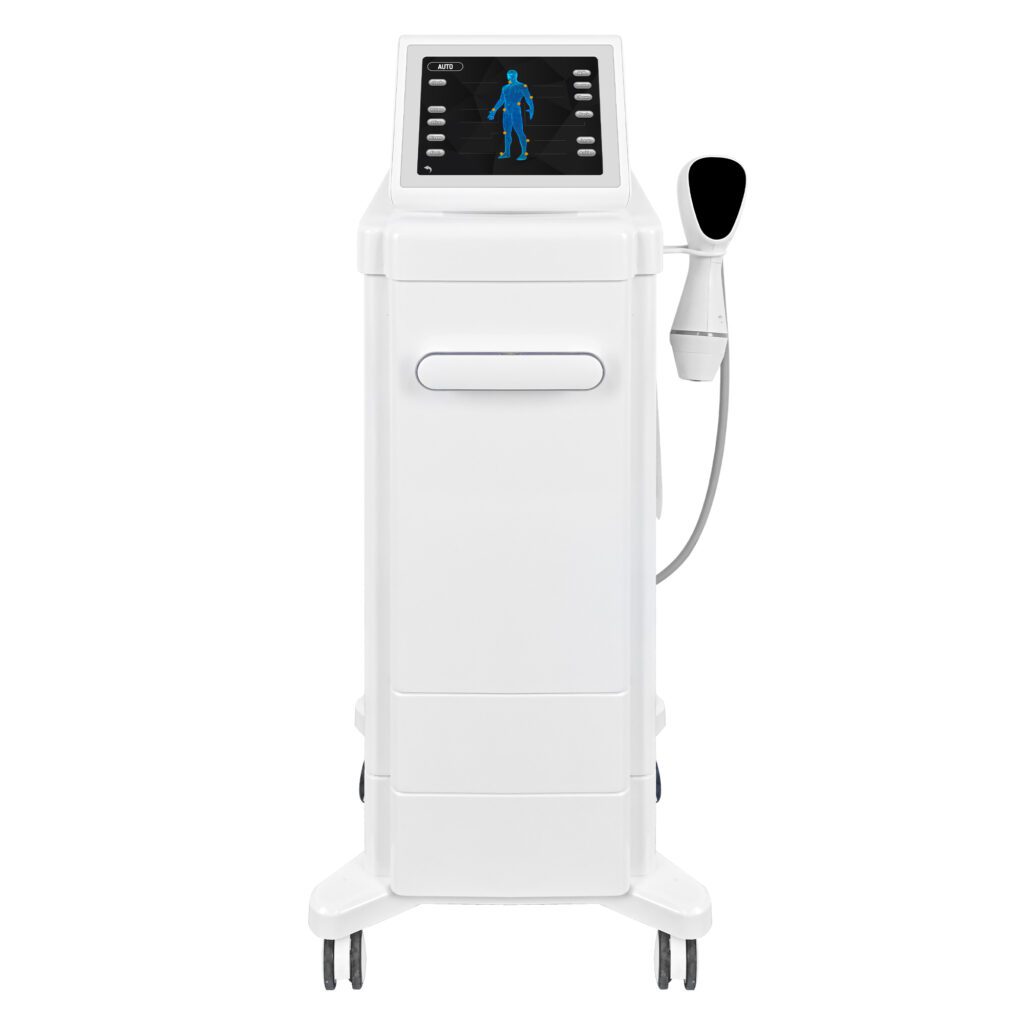
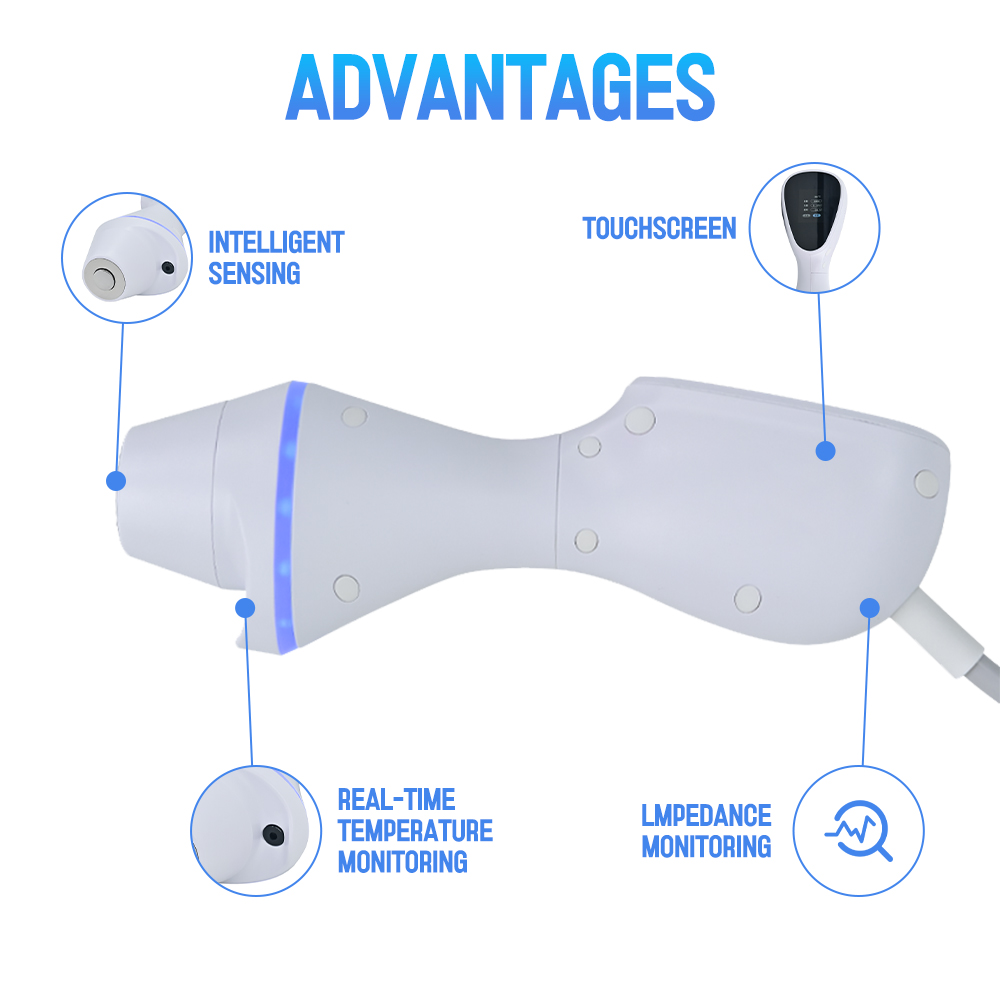
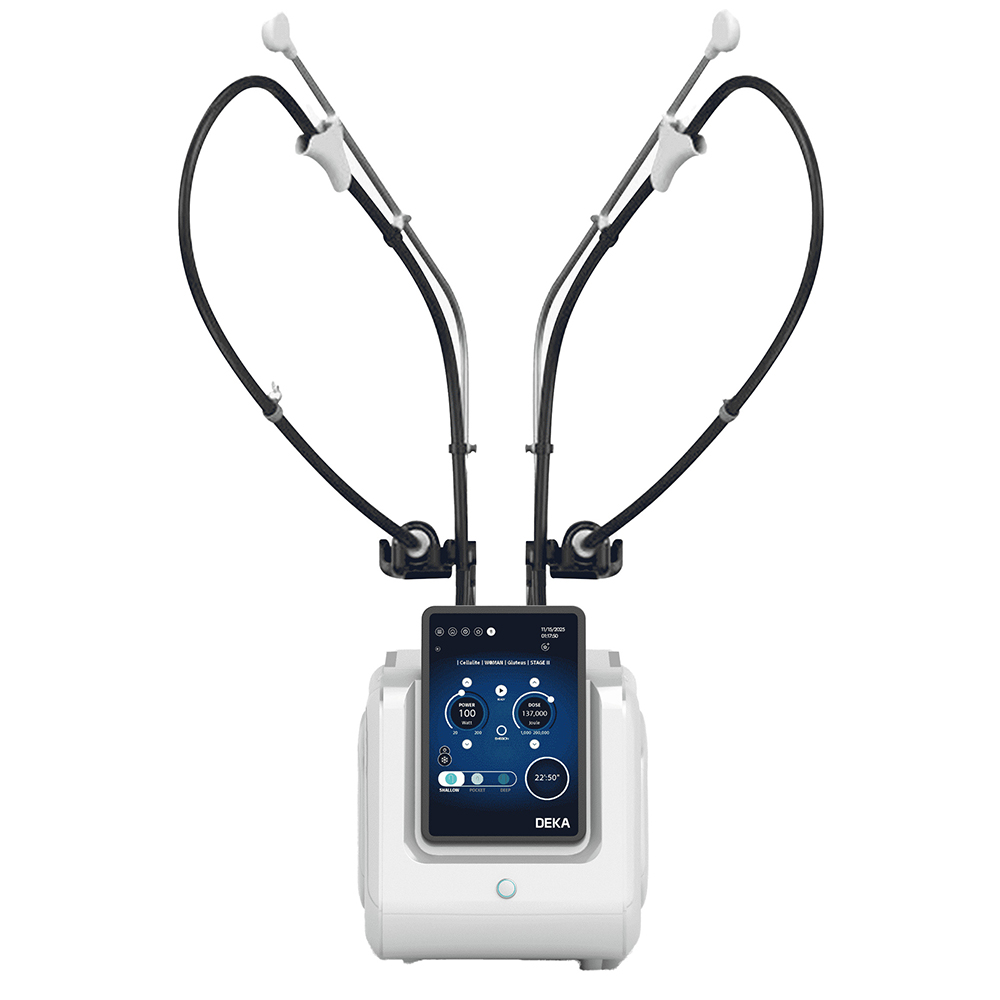
The 448K Tecar Vertical Monopolar RF Lifting Machine represents the new generation of monopolar RF systems designed for deep tissue heating and collagen remodeling. Monopolar RF can penetrate deeper than some bipolar systems, making it useful for facial contouring, body tightening, and cellulite improvement.
Monopolar RF and Deep Tissue Heating
Monopolar RF works by generating electromagnetic energy that heats water molecules within tissue. Controlled heating stimulates fibroblasts and tightens existing collagen fibers. Patients usually describe the sensation as warm and tolerable rather than painful. Results develop gradually over several months as collagen remodeling continues.
Clinical reviews in 2025 highlighted RF technologies as leading solutions for mild to moderate skin laxity. Treatments are commonly performed on the jawline, neck, abdomen, thighs, and arms. One reason RF devices are so popular is their versatility. They can treat delicate facial areas while also addressing body concerns after pregnancy or weight loss.
Unlike surgery, RF treatments usually require maintenance sessions. Many practitioners recommend yearly touch-ups to preserve collagen stimulation. Still, for patients who want improvement without scars or long downtime, RF remains one of the most practical options available today.
Picosecond Laser Treatments
Picosecond lasers are best known for tattoo removal and pigmentation correction, but newer systems also contribute to skin rejuvenation and collagen stimulation. Ultra-short pulse durations create photomechanical effects that trigger skin remodeling while minimizing thermal damage.
Devices like the 1064nm 532nm Q-Switched Super Picosecond Picosure YAG Laser Tattoo Removal Machine are increasingly used for multiple applications beyond tattoo removal. Clinics often combine picosecond treatments with other modalities to improve pigmentation, fine lines, and overall skin quality.
Although picosecond lasers are not typically the strongest option for major tightening, they complement broader rejuvenation plans very effectively. Patients who want brighter, smoother, healthier-looking skin alongside subtle tightening often benefit from combination protocols involving RF or CO2 lasers.
Body Sculpting and Muscle-Toning Technologies
Skin tightening is not limited to the face. Body contouring technologies now combine muscle stimulation, fat reduction, and tissue tightening into single treatment platforms. These devices are especially popular after weight loss or pregnancy when loose skin and weakened muscle tone coexist.
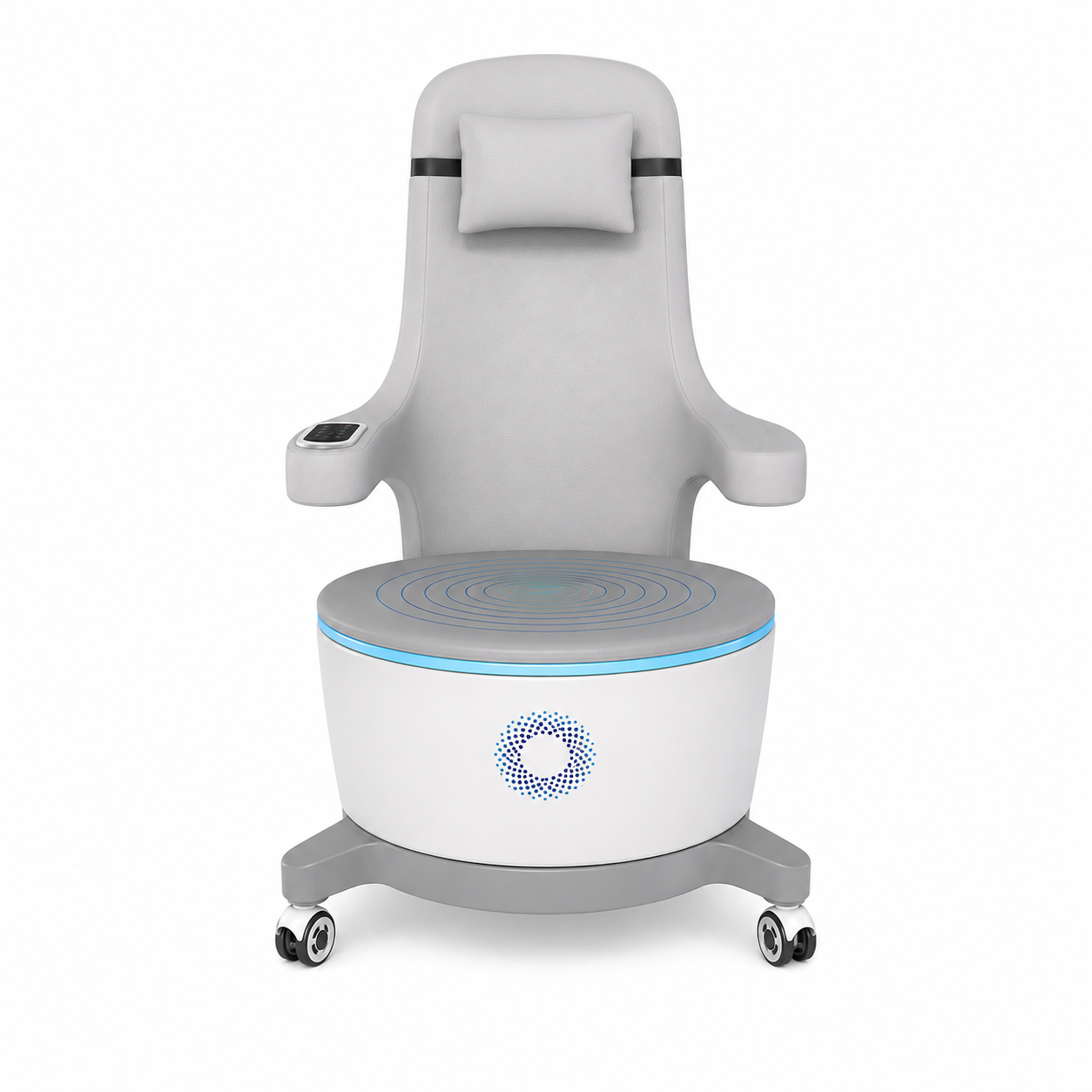
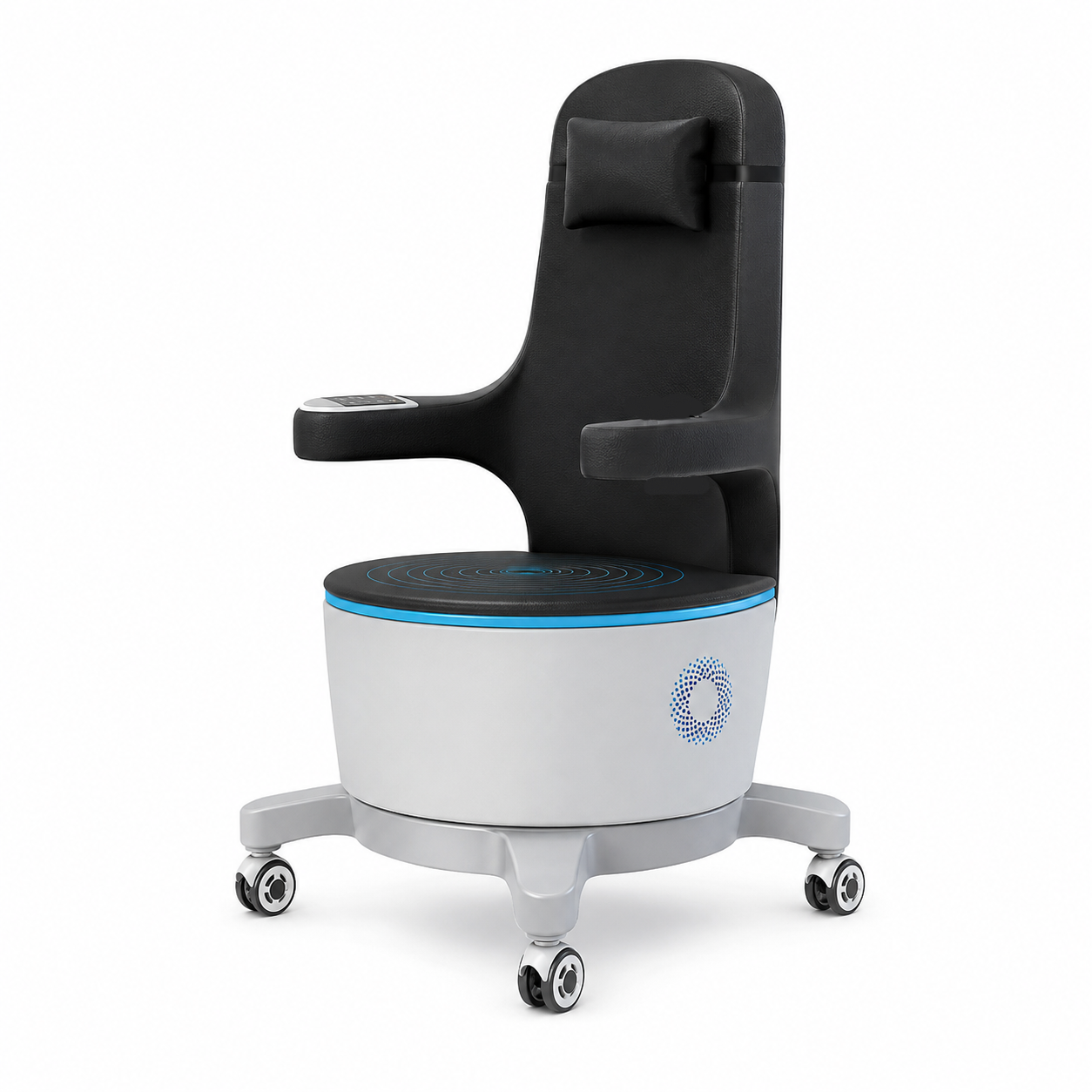
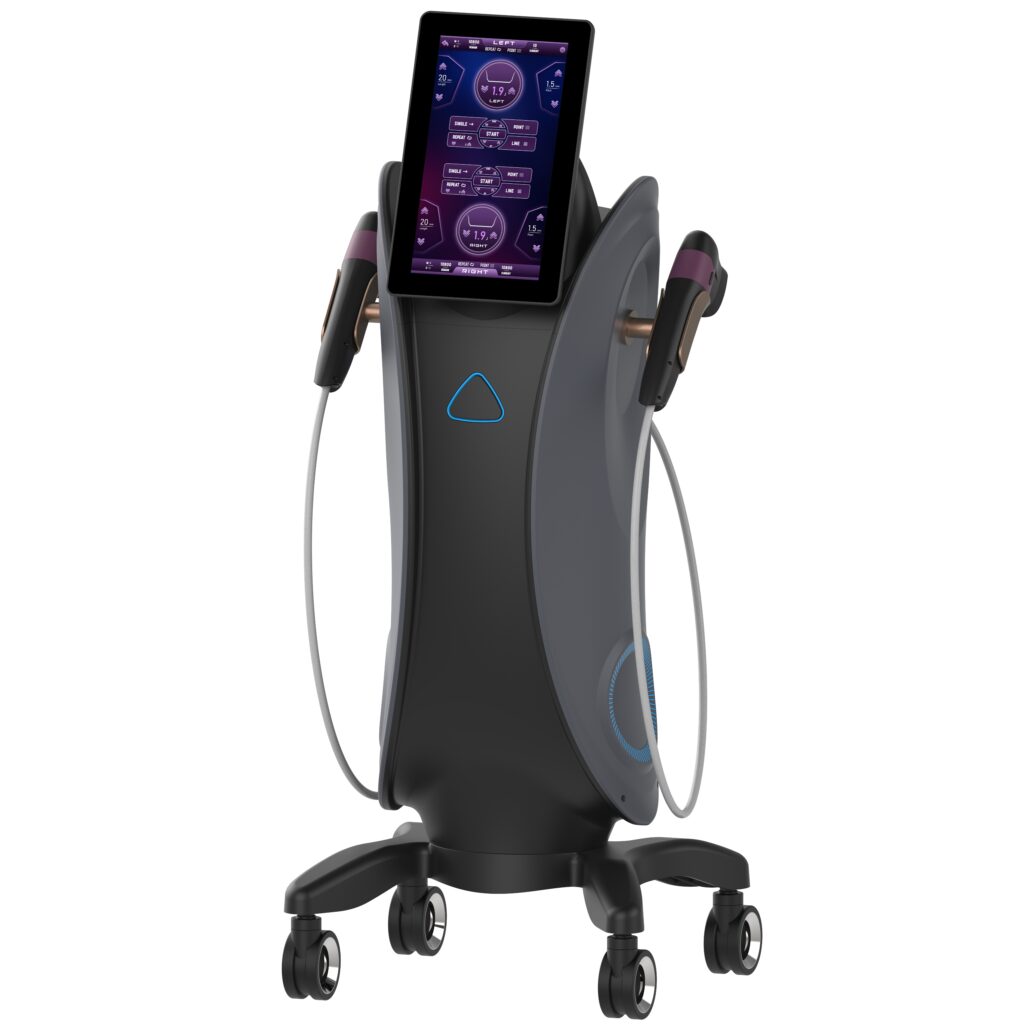
The 5-in-1 Emsculpt Neo RF Emslim Slimming Machine combines RF energy with electromagnetic muscle stimulation to target both fat and muscle layers simultaneously. By building muscle while improving tissue firmness, these systems can create more sculpted body contours without surgery.
This combination approach matters because skin appearance depends heavily on underlying support structures. Stronger muscles create better contour foundations beneath the skin. Patients often notice improved abdominal firmness, tighter thighs, and enhanced buttock lifting after completing body sculpting protocols.
Comparing Popular Skin Tightening Technologies
| Technology | Best For | Downtime | Tightening Strength | Added Benefits |
|---|---|---|---|---|
| Fractional CO2 Laser | Wrinkles, scars, texture, laxity | Moderate to high | Strong | Resurfacing and scar reduction |
| RF Skin Tightening | Mild to moderate laxity | Minimal | Moderate | Safe for many skin tones |
| HIFU/Ultrasound | Jawline and neck lifting | Minimal | Moderate | Deep SMAS targeting |
| Picosecond Laser | Pigmentation and texture | Low | Mild | Brightening and tattoo removal |
| RF Body Sculpting | Body contouring and tightening | Minimal | Moderate | Muscle toning and fat reduction |
Laser vs RF: Which Is Better?
Choosing between laser and RF treatments depends on the skin issue being treated. Fractional CO2 lasers are often stronger for resurfacing and moderate tightening because they physically remodel damaged tissue. They are excellent for wrinkles, acne scars, sun damage, and rough texture. The downside is increased downtime and higher recovery demands.
RF treatments are gentler and more convenient for patients who cannot afford weeks of recovery. They work particularly well for early laxity and maintenance treatments. Many clinics now combine RF with microneedling because the combination creates deeper collagen stimulation while preserving faster healing.
Some experts argue combination therapy produces the best results overall. By layering technologies strategically, clinics can target multiple aging mechanisms simultaneously instead of relying on one modality alone.
Which Treatment Works Best for Different Areas?
Different body areas respond differently to treatment technologies. Jawline and neck laxity often respond well to RF and ultrasound because these regions benefit from deeper heating. Acne scars and textured cheeks usually improve more dramatically with fractional CO2 lasers. Body areas like the abdomen or thighs may respond best to RF combined with muscle stimulation.
Skin thickness also matters. Delicate eyelid skin requires lower energy settings, while thicker abdominal skin tolerates more aggressive treatment. This is why experienced practitioners customize protocols instead of using identical settings for every patient.
How Long Do Non-Surgical Results Last?
Results vary depending on age, skin quality, treatment type, and lifestyle habits. Most RF treatments provide improvement lasting six months to two years with maintenance. CO2 laser results may last longer because they create more extensive remodeling. However, aging never stops completely. Treatments slow the process rather than freeze time permanently.
Sun protection is critical after any tightening procedure. UV damage can quickly degrade newly formed collagen. Consistent skincare containing retinoids, antioxidants, peptides, and sunscreen helps prolong results significantly. Patients who maintain healthy lifestyles generally preserve results better than those who continue smoking, tanning, or neglecting skincare.
Maintenance sessions are usually recommended because collagen naturally declines with age. Think of non-surgical treatments like fitness training. One workout helps temporarily, but consistent maintenance creates long-term improvement.
Are These Treatments Safe?
Common Side Effects and Recovery
Most non-surgical tightening treatments are considered safe when performed properly. Common side effects include redness, swelling, temporary sensitivity, and mild discomfort. CO2 lasers involve the most downtime because they intentionally resurface the skin. RF treatments usually cause only mild redness or warmth for a few days.
Hyperpigmentation risks are higher in darker skin tones after aggressive laser procedures, which is why treatment selection matters. Experienced providers carefully adjust settings based on skin type and medical history.
Who Should Avoid Certain Procedures?
Pregnant women, individuals with active infections, uncontrolled autoimmune conditions, or certain implanted medical devices may not qualify for some procedures. People prone to abnormal scarring should discuss risks carefully before aggressive resurfacing treatments.
Patients also need realistic expectations. Mild to moderate laxity responds best. Severe sagging may ultimately require surgery for dramatic lifting. Several Reddit users discussing RF and microneedling emphasized the importance of understanding limitations before investing heavily in treatments.
Best Devices for Clinics and Aesthetic Practices
The demand for non-invasive rejuvenation continues growing rapidly worldwide. Clinics investing in versatile, evidence-supported technologies are seeing strong patient interest because consumers increasingly prefer low-downtime procedures.
Advanced devices like the Shefmon Fiber Fractional CO2 Ultra Laser and 448K Tecar Vertical Monopolar RF Lifting Machine allow clinics to treat a broad range of aesthetic concerns from wrinkles and scars to body tightening and facial rejuvenation. Multi-functional platforms also improve profitability because clinics can offer combination therapies using fewer devices.
Aesthetic practices increasingly prefer technologies that deliver visible results while minimizing downtime. Patients today want treatments that fit busy lifestyles rather than month-long recoveries. That shift is driving continued innovation across laser, RF, ultrasound, and body contouring categories.
Conclusion
Saggy skin can absolutely be tightened without surgery, especially when treated early with the right technology and realistic expectations. Modern non-surgical treatments stimulate collagen, improve elasticity, enhance texture, and create firmer contours without scalpels or stitches. Fractional CO2 lasers remain among the strongest options for resurfacing and tightening, while RF technologies dominate the market for convenient low-downtime lifting and contouring. Combination approaches often produce the most balanced and natural-looking improvements.
The key is understanding that non-surgical treatments work gradually. They are not instant transformations. They rely on your body rebuilding collagen over time, much like renovating a house room by room rather than tearing it down completely. Patients with mild to moderate laxity often achieve impressive improvement, especially when treatments are combined with consistent skincare and healthy lifestyle habits.
For clinics and aesthetic professionals, investing in advanced technologies like CO2 lasers, monopolar RF systems, and body sculpting platforms creates opportunities to meet the growing demand for minimally invasive rejuvenation. As technology continues evolving, the gap between surgical and non-surgical results keeps getting smaller.
FAQs
1. Can loose skin tighten naturally without treatment?
Mild loose skin may improve naturally over time, especially in younger individuals with strong collagen production. Hydration, exercise, strength training, and skincare can help slightly, but significant laxity often requires professional treatment for noticeable improvement.
2. Which non-surgical treatment tightens skin the most?
Fractional CO2 lasers and RF microneedling are often considered among the strongest non-surgical tightening options. CO2 lasers provide more aggressive resurfacing and tightening, while RF treatments offer moderate improvement with less downtime.
3. How many sessions are needed for visible skin tightening?
Most RF treatments require three to six sessions for optimal results, while aggressive CO2 lasers may achieve substantial improvement after one or two treatments. Maintenance sessions are usually recommended annually.
4. Is non-surgical skin tightening painful?
Most treatments involve mild to moderate discomfort rather than severe pain. Numbing cream is commonly used for lasers and RF microneedling. Patients often describe the sensation as heat, tingling, or brief snapping sensations.
5. Can body skin be tightened without surgery after weight loss?
Yes, mild to moderate body laxity can improve with RF treatments, muscle stimulation devices, collagen remodeling therapies, and strength training. Severe excess skin after major weight loss may still require surgical removal for dramatic results.