









The aesthetic treatment industry has experienced rapid growth in recent years, and laser tattoo removal has become one of the most in-demand services in clinics and medical spas. As tattoo culture expands worldwide, many people eventually seek professional removal due to lifestyle changes, career requirements, or evolving personal preferences. Because of this rising demand, starting a business with a tattoo removal laser device can be a profitable opportunity for entrepreneurs entering the aesthetic market. This guide explains how the tattoo removal industry works, the equipment required, and the key steps to successfully launch a tattoo removal service.

1. Why the Tattoo Removal Business Is Growing
1.1 Increasing Demand for Tattoo Removal
Tattoos have become extremely popular over the past two decades, but not everyone wants them permanently. As people change jobs, lifestyles, or personal identities, many choose to remove or modify their tattoos.
Statistics show that the tattoo removal industry has grown rapidly worldwide, with the number of procedures increasing significantly over time. In fact, laser tattoo removal procedures in the United States increased by more than 4,000% between 2004 and 2016, reflecting strong demand for this service.
The market for tattoo removal devices and services continues to expand globally, supported by technological advancements and growing interest in non-invasive cosmetic procedures.
1.2 Strong Profit Potential
Tattoo removal businesses can generate stable revenue because most treatments require multiple sessions. A typical laser tattoo removal session may cost $200 to $500, and clients often need several treatments to achieve complete removal.
This recurring treatment structure allows clinics to build long-term client relationships and consistent income streams.
2. Understanding Tattoo Removal Laser Technology
2.1 How Laser Tattoo Removal Works
Laser tattoo removal works by delivering concentrated pulses of energy into the skin. The laser energy targets tattoo pigments and breaks them into microscopic particles. Once fragmented, the body’s natural immune system gradually removes these particles through the lymphatic system.
Modern tattoo removal devices commonly use Q-switched or picosecond laser technology, which produces extremely short energy pulses capable of breaking down ink particles efficiently.
2.2 Why Nd:YAG Lasers Are Commonly Used
Among the different laser technologies available, Q-switched Nd:YAG lasers are widely used in tattoo removal because they can treat multiple ink colors and penetrate different skin depths safely.
Key advantages include:
• Effective pigment targeting
• Minimal damage to surrounding skin tissue
• Suitable for various skin types
• Proven safety and reliability in clinical practice
These benefits make Nd:YAG laser devices one of the most popular choices for tattoo removal clinics.
3. Choosing the Right Tattoo Removal Laser Device
3.1 Key Features to Look For
When starting a tattoo removal business, selecting the right laser device is one of the most important decisions. A professional system should provide reliable performance, multiple wavelengths, and advanced pulse technology.
Important features include:
• Dual wavelengths for treating different ink colors
• Adjustable energy levels for different skin types
• Advanced cooling or safety systems
• User-friendly touchscreen interface
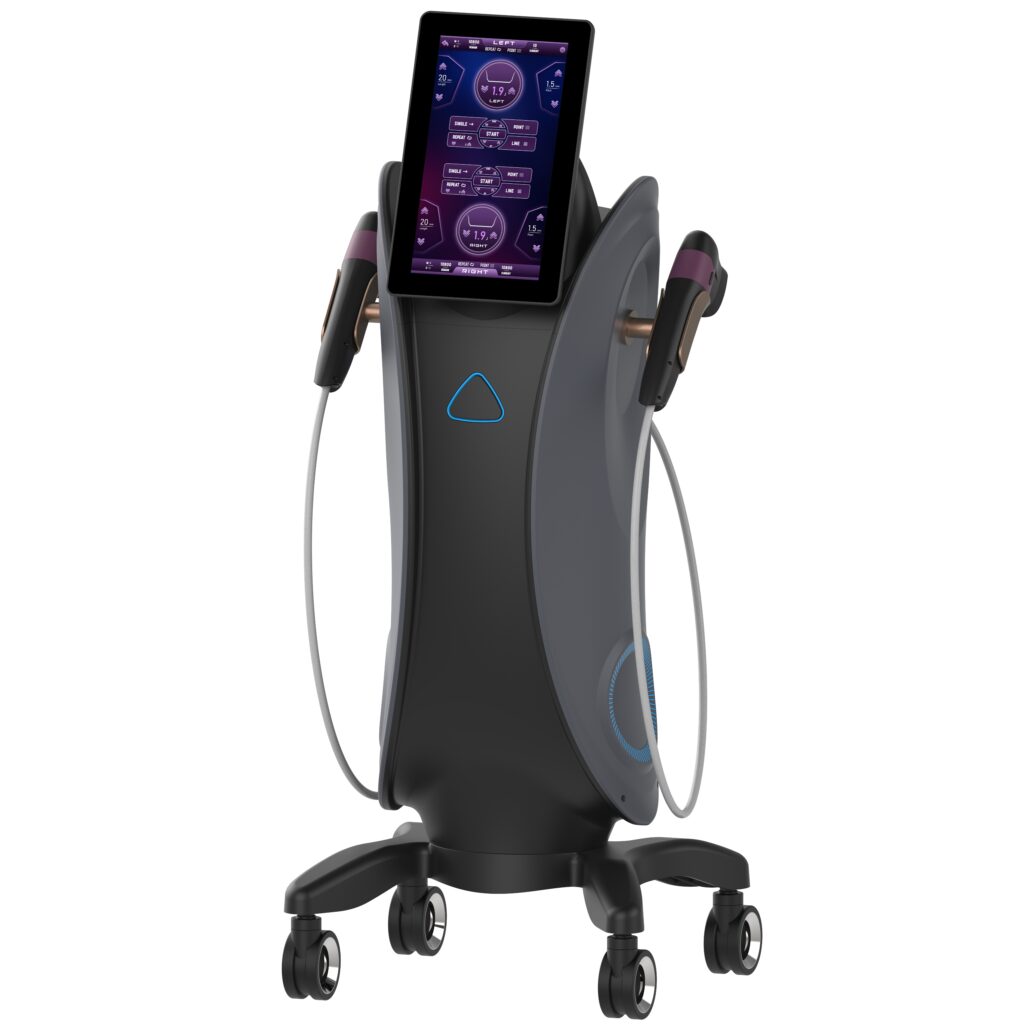
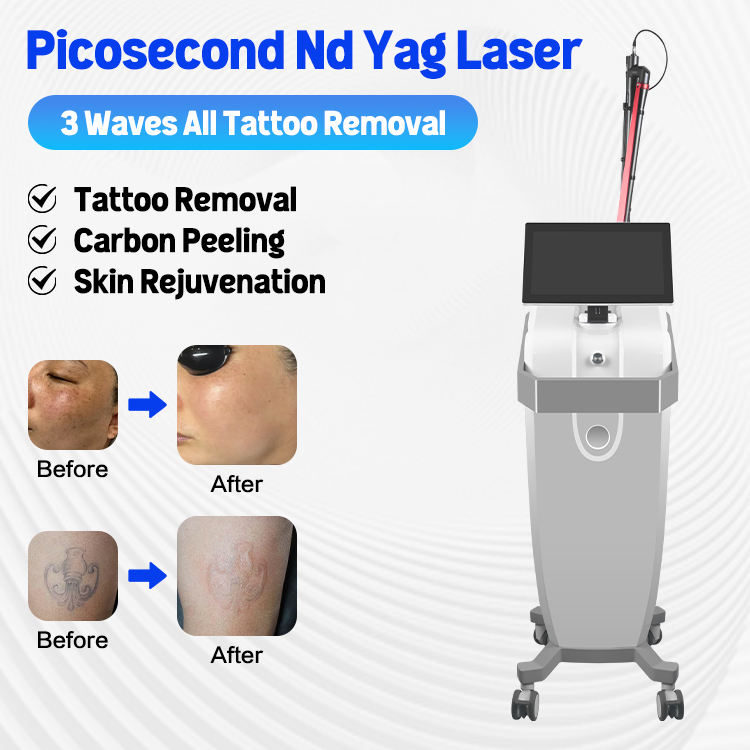
A professional picosecond Nd:YAG laser device designed for tattoo removal and pigmentation treatments can be explored here:
https://shefmon.com/product/a0507-1064nm-532nm-q-switched-super-picosecond-picosure-yag-laser-tattoo-removal/
3.2 Multi-Function Benefits
Many modern tattoo removal devices can also perform additional aesthetic treatments such as:
• Pigmentation removal
• Skin rejuvenation
• Laser toning
• Freckle or sunspot treatments
Offering multiple services allows clinics to maximize equipment usage and increase overall profitability.
4. Steps to Start a Tattoo Removal Business
4.1 Research Local Regulations
Before launching a tattoo removal service, it is essential to understand the legal requirements in your region. Regulations for laser treatments vary by country and sometimes even by state or province.
Requirements may include:
• Professional training certification
• Medical supervision
• Safety compliance standards
• Licensing for laser equipment
Conducting proper regulatory research ensures the business operates legally and safely.
4.2 Invest in Professional Training
Even though tattoo removal is non-surgical, operators must understand laser physics, skin anatomy, and treatment protocols. Proper training helps reduce risks and improves treatment results.
Training typically covers:
• Laser safety procedures
• Skin type assessment
• Tattoo color evaluation
• Treatment planning and aftercare
Well-trained practitioners are more likely to deliver safe and effective treatments.
4.3 Create a Suitable Treatment Space
A tattoo removal business does not necessarily require a large clinic. Many successful operators start with a small treatment room equipped with the necessary safety features.
Important setup elements include:
• Protective eyewear for operators and clients
• Proper ventilation
• Medical treatment bed
• Sterilization and hygiene equipment
A professional and clean environment helps build trust with clients.
5. Marketing Your Tattoo Removal Services
5.1 Building Online Visibility
Digital marketing plays a major role in attracting tattoo removal clients. Many people searching for tattoo removal services start their research online.
Effective marketing strategies include:
• Creating SEO-optimized blog content
• Building a professional clinic website
• Sharing before-and-after results
• Running targeted social media advertisements
Educational content explaining tattoo removal treatments can also help attract potential clients.
5.2 Partnering with Tattoo Studios
Many tattoo artists collaborate with tattoo removal clinics. Clients sometimes want to fade existing tattoos before covering them with new designs.
By partnering with local tattoo studios, removal businesses can gain a steady referral stream.
6. Managing Treatment Expectations
6.1 Explaining the Treatment Process
Tattoo removal is not an instant procedure. Depending on tattoo size, color, and depth, most tattoos require multiple sessions spaced several weeks apart.
Clients should understand that the removal process is gradual, allowing the body time to eliminate fragmented pigment particles.
6.2 Providing Proper Aftercare
After each treatment session, clients should follow appropriate aftercare guidelines to protect the treated skin.
Common aftercare recommendations include:
• Keeping the treated area clean
• Avoiding sun exposure
• Applying recommended healing creams
• Avoiding irritation or friction
Proper aftercare supports healing and helps achieve better results.
Conclusion
Starting a business with a tattoo removal laser device can be a promising opportunity in the rapidly growing aesthetic industry. As tattoo popularity increases, so does the demand for safe and effective removal treatments. With the right equipment, proper training, and a strong marketing strategy, entrepreneurs can build a successful tattoo removal service that attracts a steady flow of clients. By offering professional laser treatments and maintaining high safety standards, clinics can position themselves in a growing market and provide valuable solutions for individuals seeking to remove unwanted tattoos.