









Does Hyperpigmentation Come Back After Laser?
Hyperpigmentation can feel like that uninvited guest who just won’t leave. You finally invest in laser treatment, your skin clears up, looks bright, smooth, and even-toned—and then the big question hits: Will it come back?
The short answer? It can—but it doesn’t have to.
The long answer? Well, that’s what we’re diving into today.
Let’s break it all down in a simple, human way—no confusing jargon, no empty promises, just real talk.
Understanding Hyperpigmentation
What Is Hyperpigmentation?
Hyperpigmentation happens when your skin produces too much melanin. Think of melanin as your skin’s natural ink. When your body overprints, dark patches appear. These patches can show up anywhere—face, neck, hands, even areas you don’t expect.
Common Types of Hyperpigmentation
Melasma
Often triggered by hormones, pregnancy, or sun exposure. This type is stubborn and loves to come back if not managed properly.
Post-Inflammatory Hyperpigmentation (PIH)
This shows up after acne, burns, or aggressive treatments. The skin remembers trauma and leaves a “mark.”
Sun Spots and Age Spots
Years of UV exposure finally show up as dark freckles or patches—your skin’s version of a timeline.
How Laser Treatments Work for Hyperpigmentation
The Science Behind Laser Pigment Removal
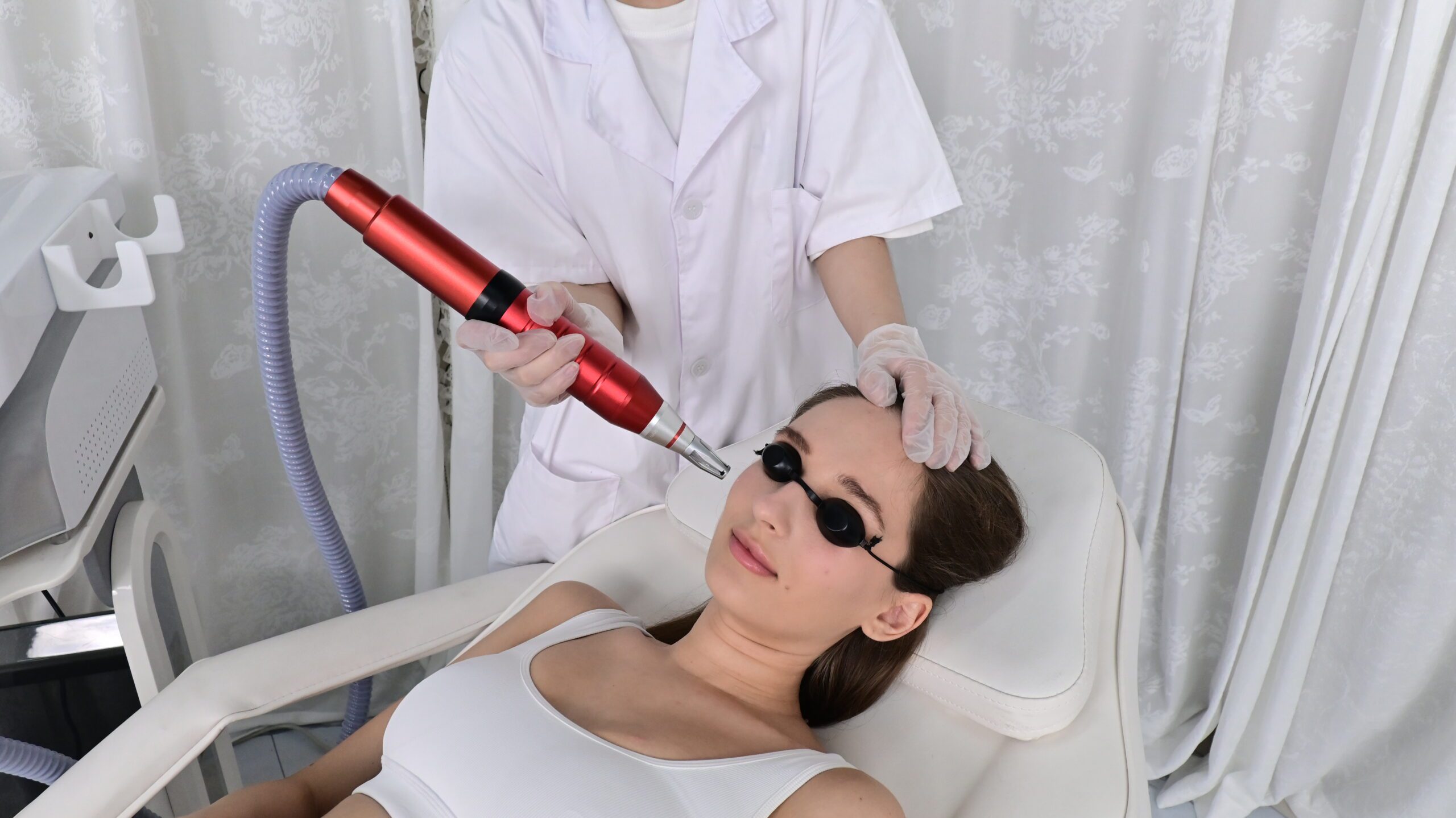
Laser treatments work like smart missiles. They target pigment without damaging surrounding skin. The laser energy breaks melanin into tiny particles, which your body naturally flushes out over time.
Why Lasers Are Effective for Dark Spots
Unlike creams that sit on the surface, lasers go deep. They correct the problem at its root, not just the symptom. That’s why lasers are often the go-to solution for clinics worldwide.
Does Hyperpigmentation Come Back After Laser Treatment?
Short Answer vs. Long Answer
Short answer: Yes, it can come back.
Long answer: It depends on you, your skin, and what you do after treatment.
Laser treatment removes existing pigment, but it doesn’t stop your skin from producing melanin in the future. That’s where lifestyle, skincare, and technology matter.
Factors That Influence Recurrence
Skin Type and Genetics
Darker skin tones naturally produce more melanin, which means a higher chance of recurrence if not managed properly.
Sun Exposure
Skipping sunscreen after laser treatment is like washing your car in the rain. UV rays are the #1 trigger for pigment returning.
Hormonal Changes
Pregnancy, birth control, or hormonal imbalances can reactivate melasma—even after successful laser sessions.
Post-Treatment Skincare
Laser treatment is only half the job. Maintenance is everything.
Different Laser Technologies and Their Impact on Recurrence
Fractional CO₂ Lasers
Fractional CO₂ lasers resurface the skin while stimulating collagen. They’re powerful, effective, and ideal for deep pigmentation and texture issues.
Picosecond & Q-Switched Lasers
These lasers shatter pigment at lightning speed, minimizing heat damage and reducing recurrence risk—especially for melasma and tattoo-related pigmentation.
Diode Lasers and Skin Health
While primarily used for hair removal, diode lasers contribute to overall skin clarity and reduce inflammation that can trigger PIH.
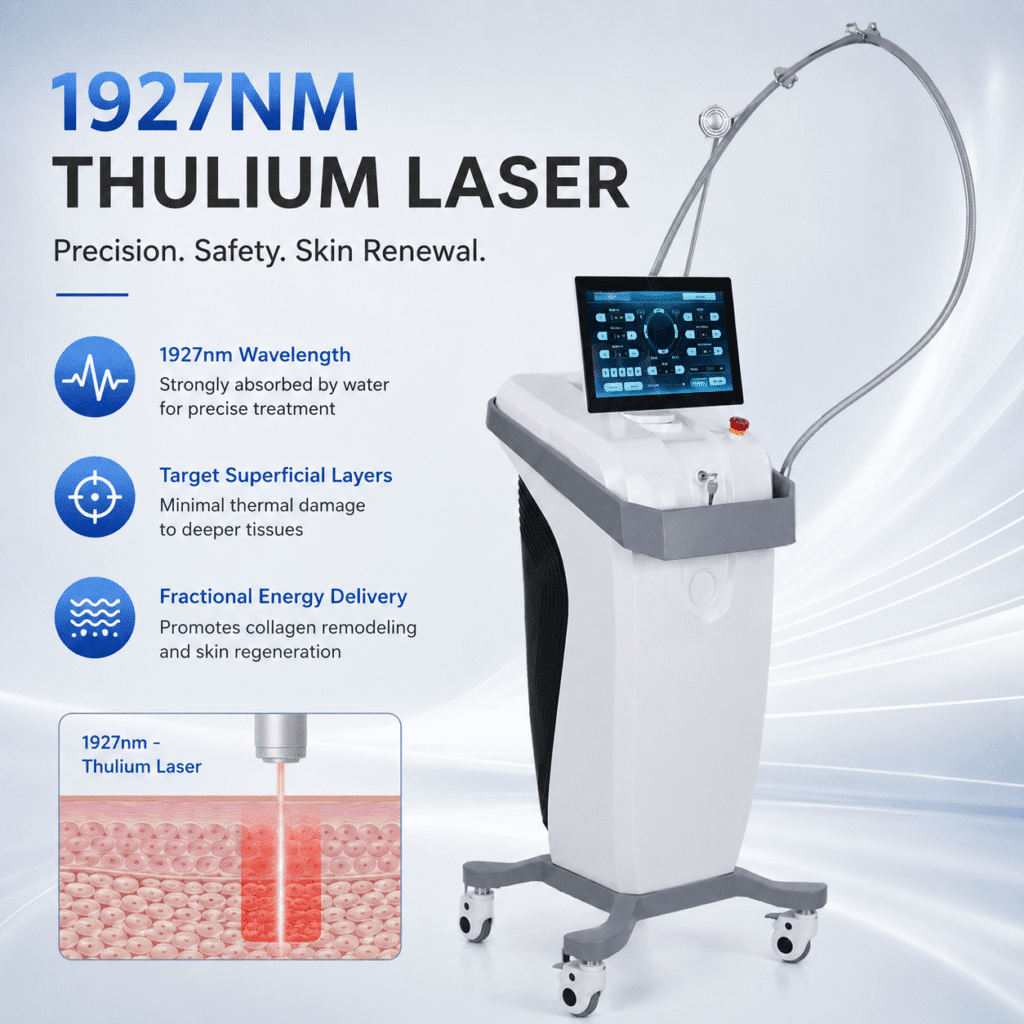
SHEFMON Laser Solutions for Hyperpigmentation
If you’re serious about long-term results, technology matters. Here’s where SHEFMON stands out.
2910nm Fiber Fractional CO₂ Ultra Laser
👉 https://shefmon.com/product/shefmon-2910nm-fiber-fractional-co2-ultra-laser/
This advanced system targets pigmentation while improving skin texture and collagen regeneration. Ideal for clinics treating stubborn dark spots and aging skin.
1064nm & 532nm Picosecond YAG Laser
Perfect for melasma, freckles, and PIH. Ultra-short pulses mean less heat, safer treatments, and lower recurrence rates.
10600nm CO₂ Fractional Laser for Acne Scars
Treats acne scars while preventing post-inflammatory pigmentation—a two-in-one solution clinics love.
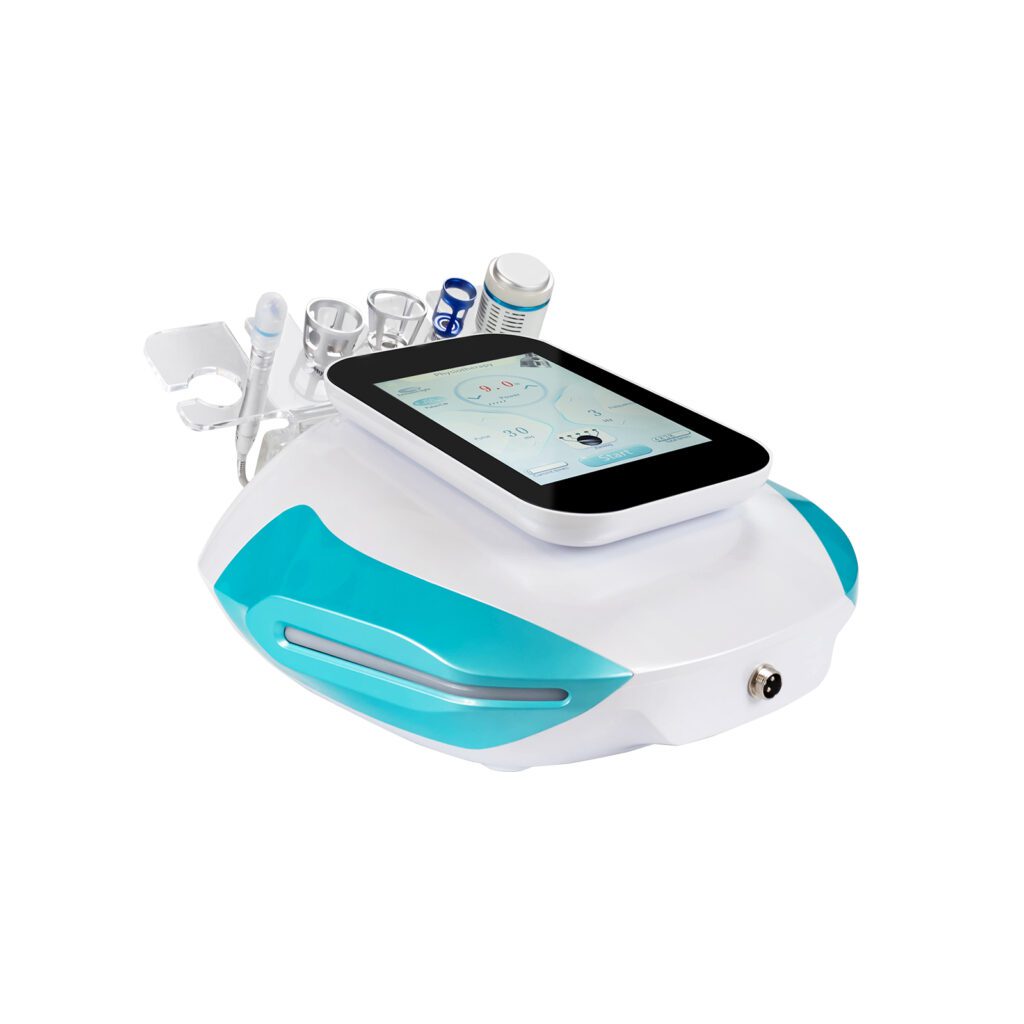
Multi-Wavelength Diode Laser Systems
👉 https://shefmon.com/product/a0426-755-1064-810-940nm-diode-laser-hair-removal-beauty-machine/
Reduces hair-related inflammation and improves skin tone consistency—great for long-term pigment control.
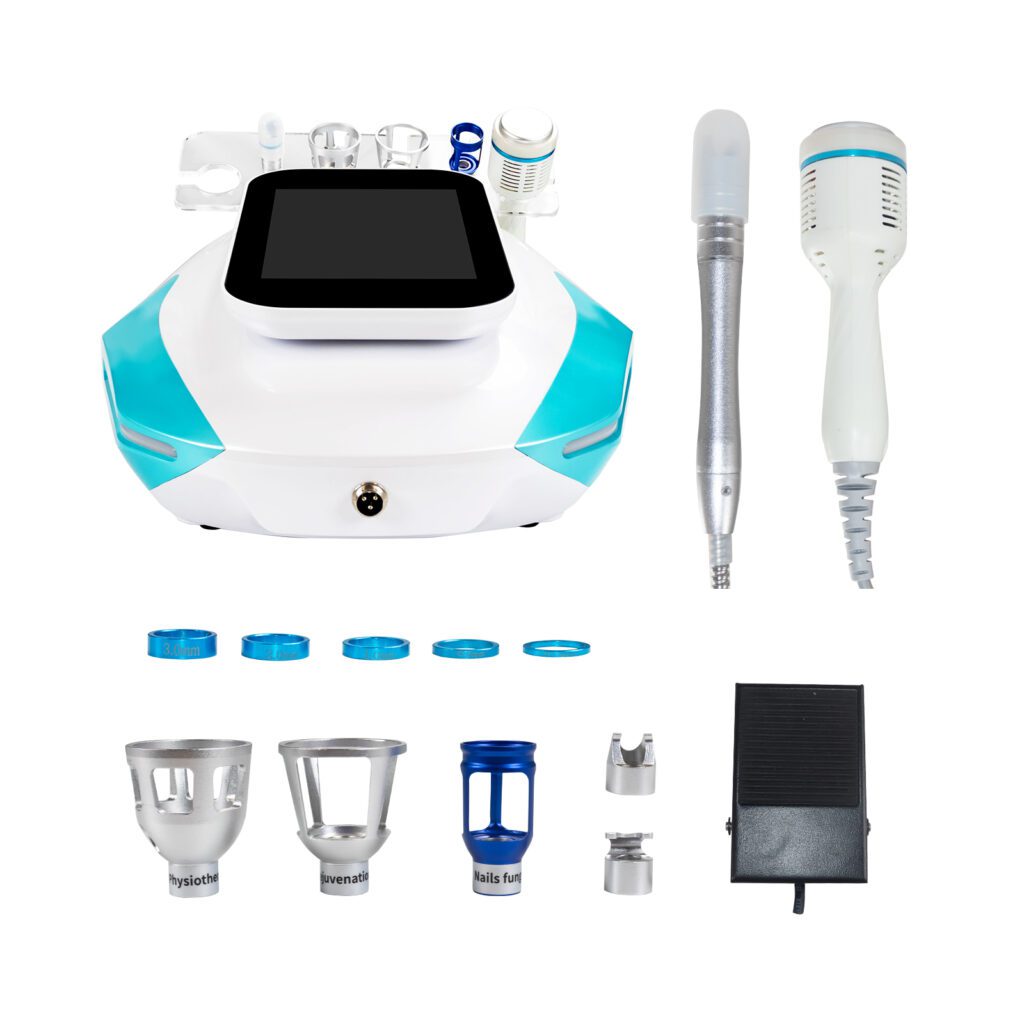
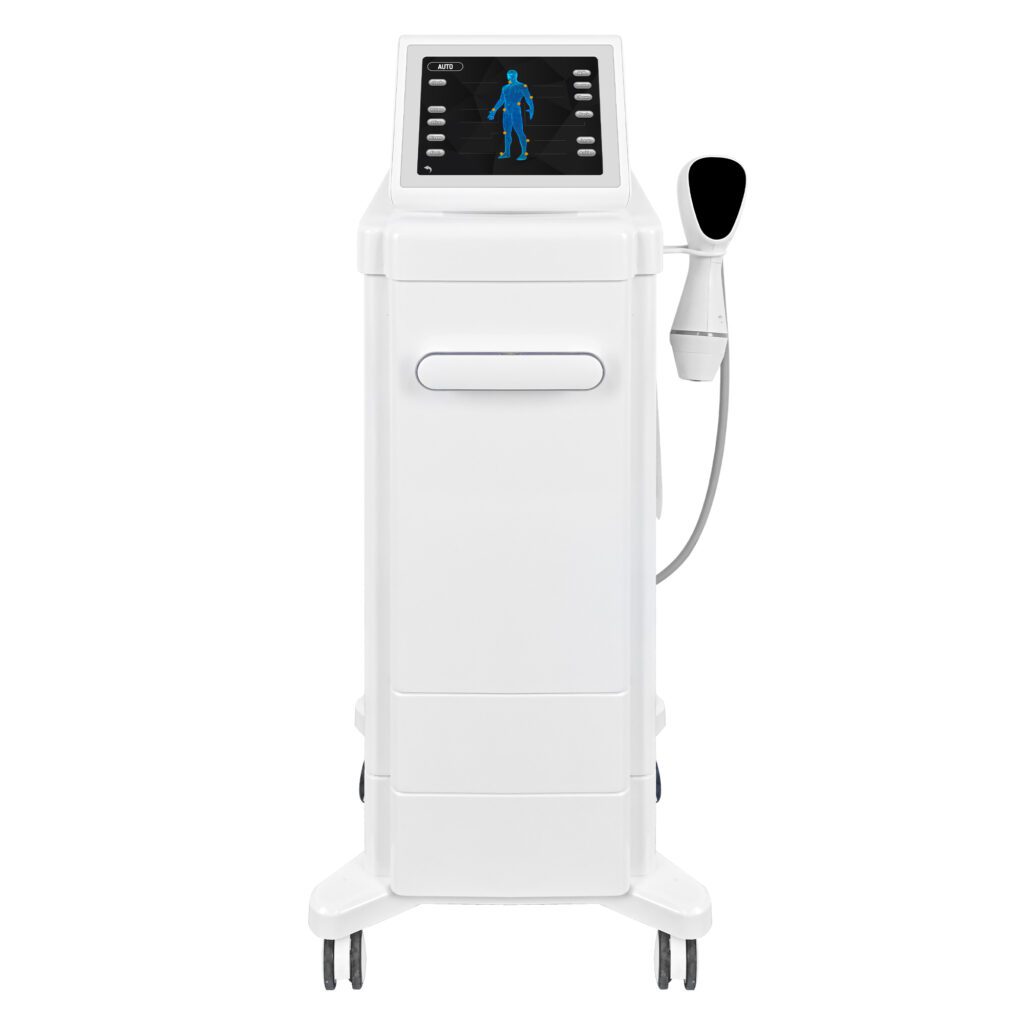
Advanced Professional Laser Platforms
👉 https://shefmon.com/product/a0423-laser/
Customizable laser platforms for professional aesthetic clinics looking for versatility and performance.
How to Prevent Hyperpigmentation from Coming Back
Pre-Treatment Preparation
Avoid sun exposure
Stop harsh skincare products
Strengthen the skin barrier
Post-Laser Care That Actually Works
Daily SPF (non-negotiable)
Gentle cleansers
Medical-grade brightening serums
Avoid heat and friction
Long-Term Skin Maintenance
Laser is a reset button, not a shield. Maintenance treatments, professional skincare, and lifestyle habits keep pigment away.
Is Laser Treatment Worth It for Hyperpigmentation?
Expected Results vs. Reality
Laser treatments deliver dramatic improvement—but perfection requires commitment. Think of it like going to the gym. One session helps, consistency transforms.
Who Is the Best Candidate?
Patients with realistic expectations
Those willing to follow aftercare
Clinics using advanced technology like SHEFMON systems
Conclusion
So, does hyperpigmentation come back after laser?
It can—but with the right laser technology, professional protocols, and proper aftercare, recurrence can be significantly reduced.
Laser treatment isn’t magic—it’s science paired with discipline. And when clinics choose reliable systems like SHEFMON, the results speak for themselves.
Clear skin isn’t a one-time event. It’s a journey—and laser is one of the strongest tools on that path.
FAQs
1. Can laser completely remove hyperpigmentation forever?
Laser removes existing pigment, but future prevention depends on skincare and sun protection.
2. How many laser sessions are needed for pigmentation?
Typically 3–6 sessions, depending on depth and skin type.
3. Is laser safe for dark skin tones?
Yes, especially with picosecond and Q-switched lasers when performed correctly.
4. Can melasma return after laser treatment?
Yes, melasma is hormonal and can recur without maintenance.
5. Which laser is best for pigmentation treatment?
Picosecond and fractional CO₂ lasers offer the best balance of safety and effectiveness.