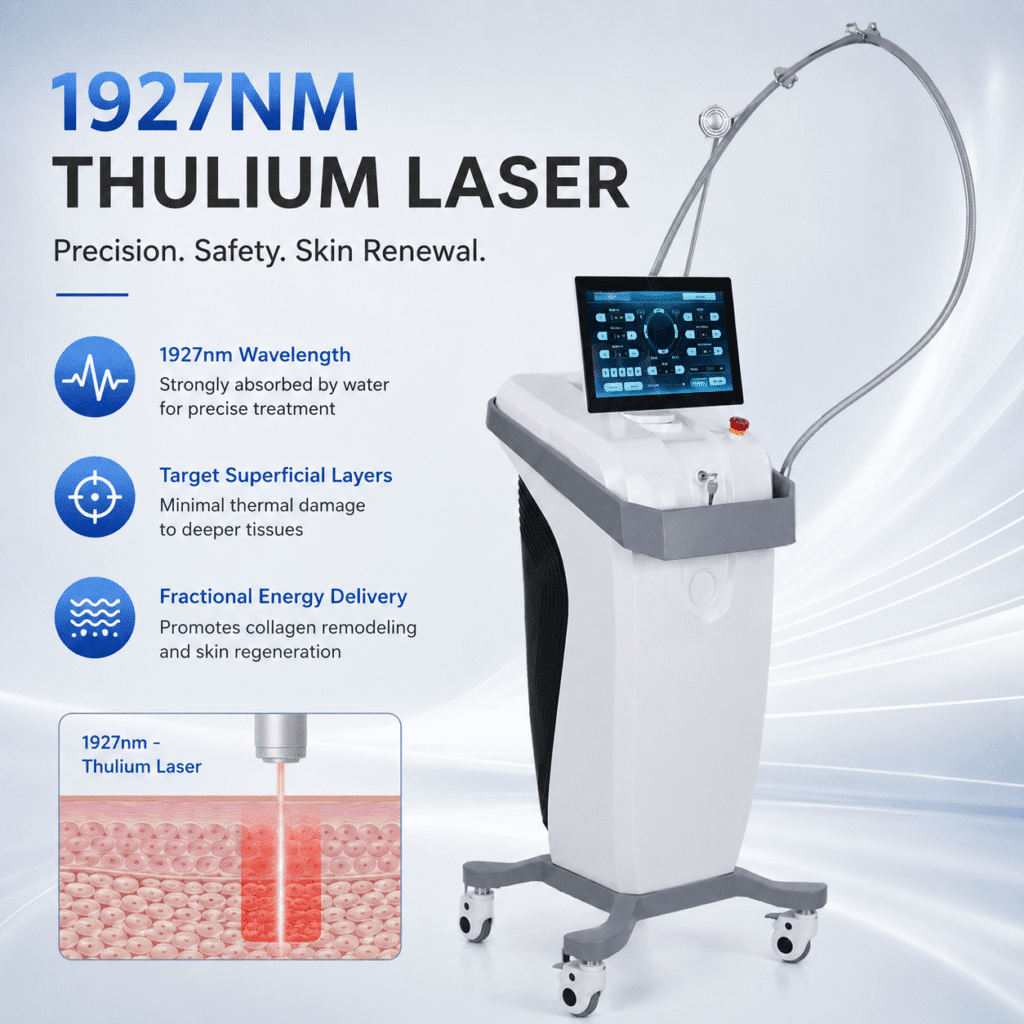
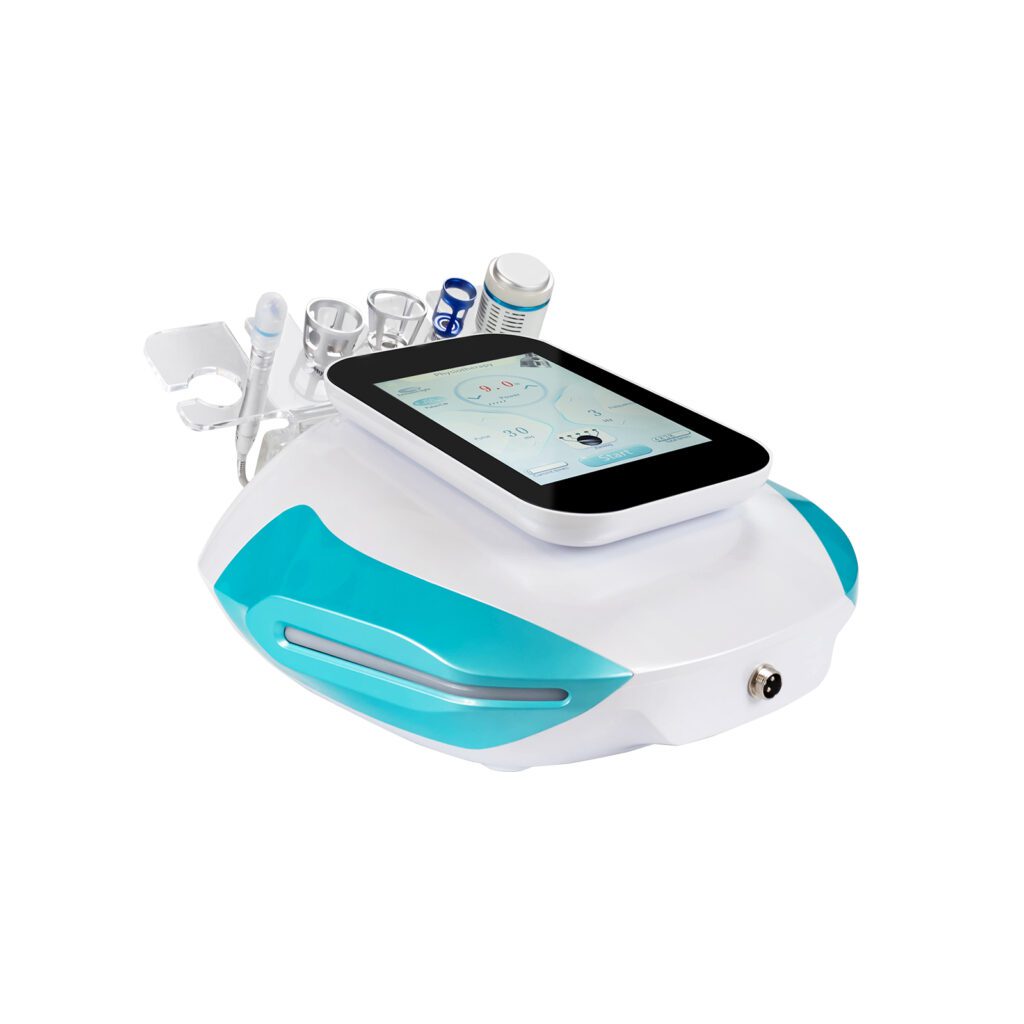
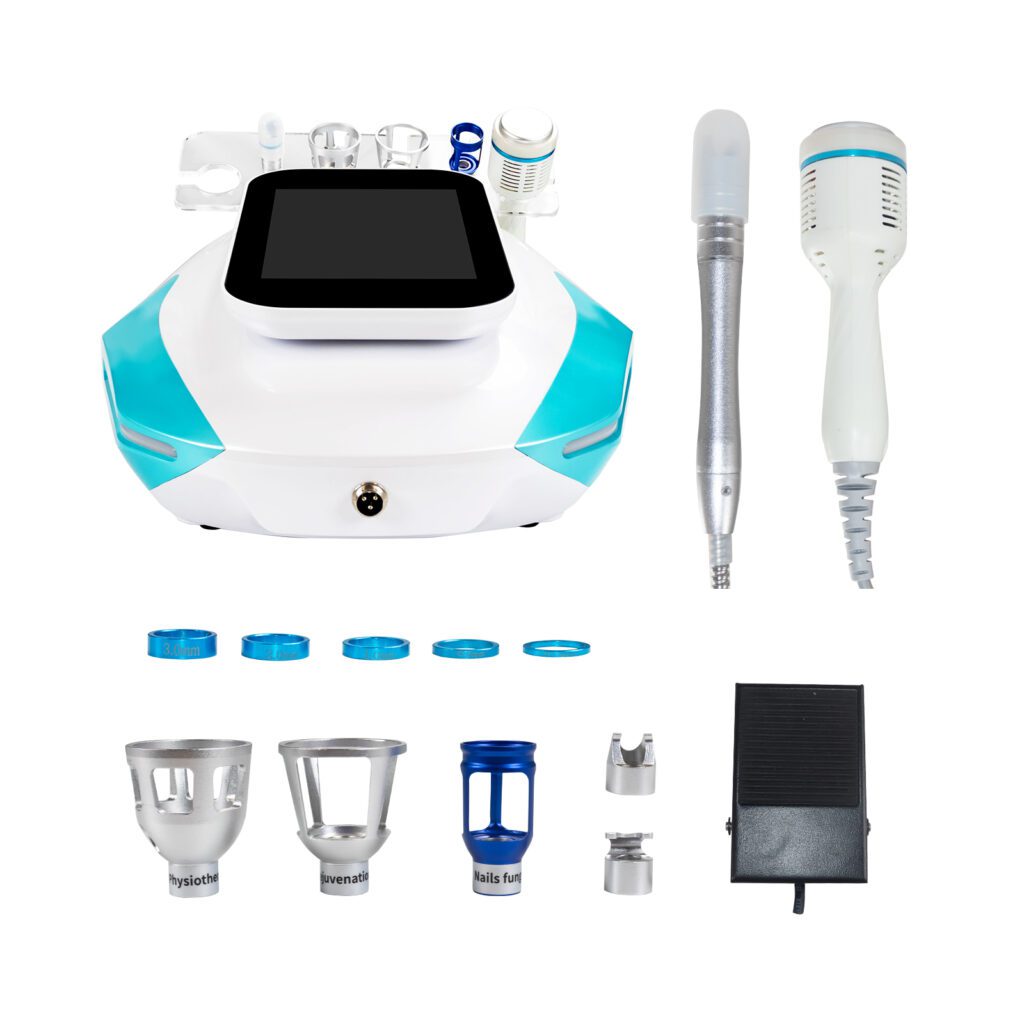
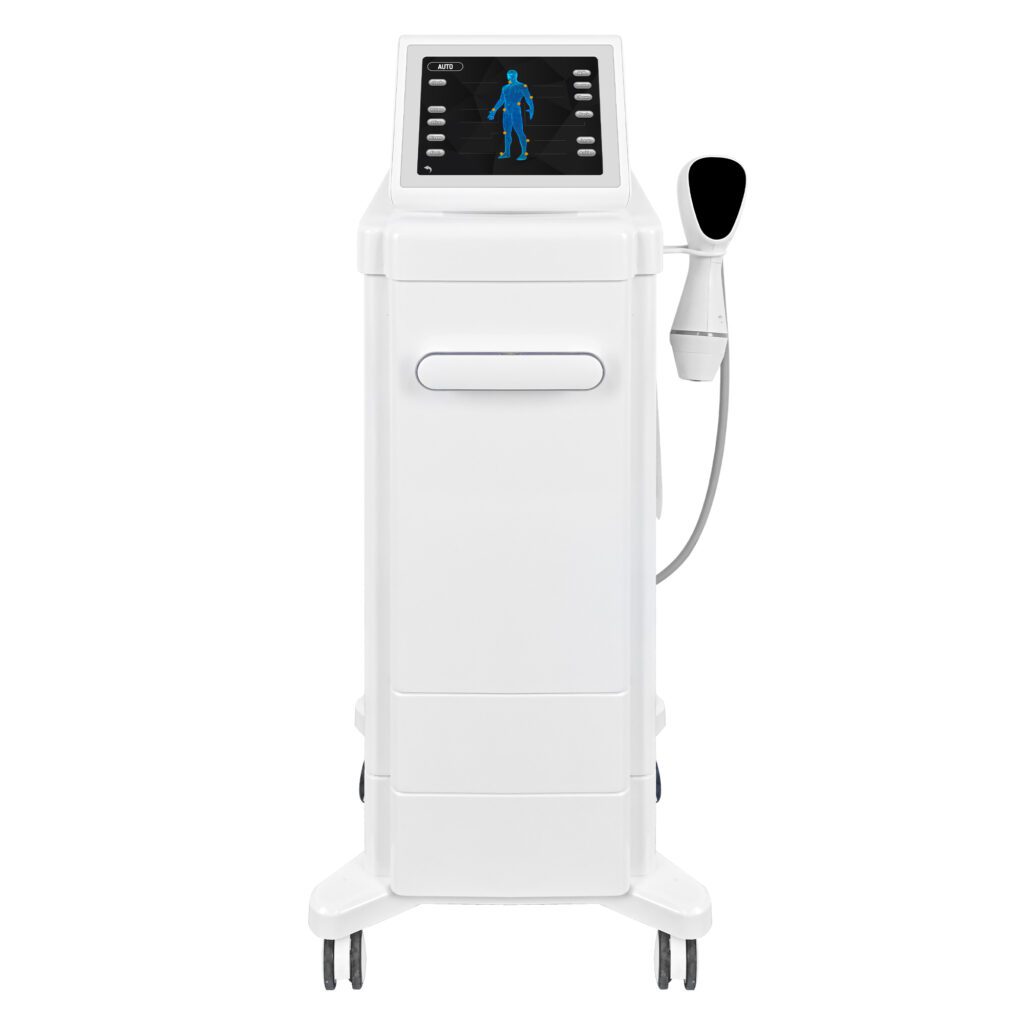
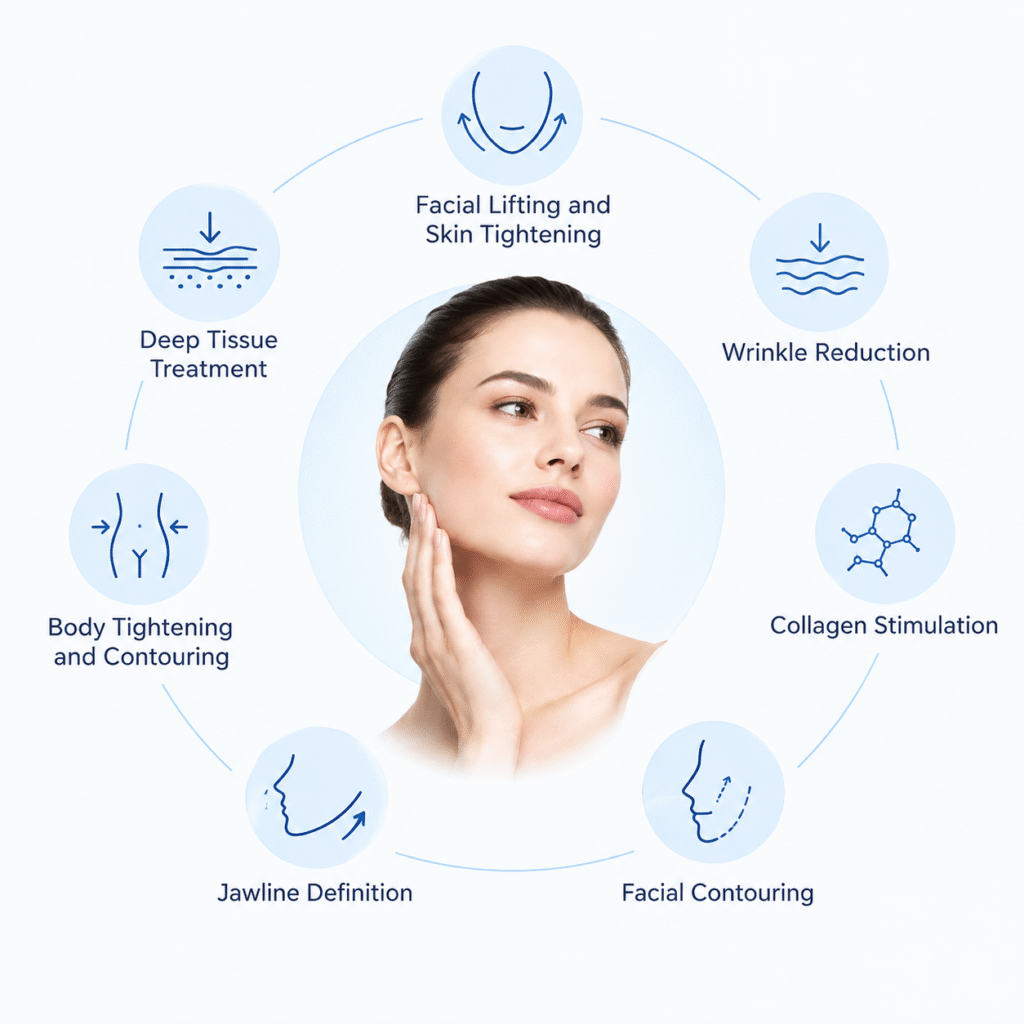
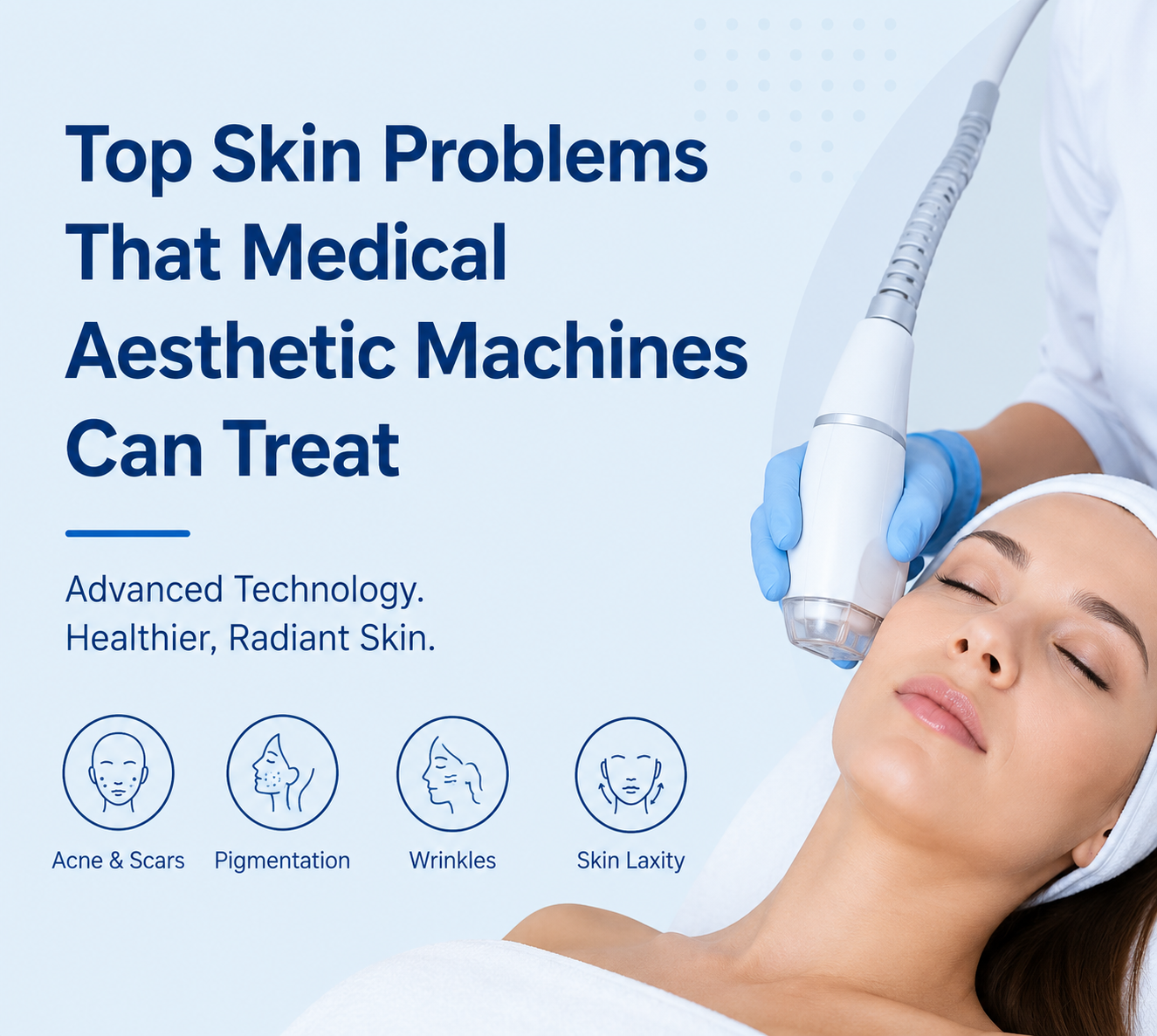
Medical aesthetic machines have transformed modern dermatology and cosmetic skincare by offering non-invasive or minimally invasive solutions to a wide range of skin concerns. These advanced devices—such as laser systems, radiofrequency (RF) tools, intense pulsed light (IPL), and microneedling platforms—work by stimulating collagen, resurfacing damaged skin, or targeting pigmentation and vascular issues. As a result, they are now widely used in clinics to treat common and complex skin problems effectively and safely when operated by trained professionals. Below are the most common skin problems that medical aesthetic machines can address, along with how these technologies work and why they are so effective.
1. Acne and Active Breakouts
1.1 How Acne Develops
Acne occurs when pores become clogged with oil, dead skin cells, and bacteria, leading to inflammation and breakouts. While topical products and medication can help, persistent or cystic acne often requires deeper intervention.
1.2 How Aesthetic Machines Help
Several energy-based devices are used to manage acne at its root:
- Laser treatments target bacteria and reduce sebaceous gland activity
- Blue light or IPL therapy helps destroy acne-causing bacteria and calm inflammation
- Radiofrequency (RF) machines reduce oil production and improve skin healing
Non-ablative laser systems can also stimulate collagen remodeling, helping the skin recover from repeated inflammation and reducing future breakouts.
1.3 Results and Benefits
Patients often experience fewer active lesions, reduced redness, and improved skin texture after a series of treatments. These technologies are especially useful for individuals who do not respond well to traditional acne medication.
2. Acne Scars and Skin Texture Damage
2.1 The Challenge of Acne Scarring
Once acne heals, it can leave behind pitted scars, uneven texture, or dark marks. These changes occur due to collagen loss or overproduction during the healing process.
2.2 Effective Machine-Based Treatments
Modern aesthetic devices are highly effective for resurfacing and rebuilding skin structure:
- Fractional CO₂ lasers remove damaged skin layers and stimulate deep collagen regeneration
- Erbium lasers offer more controlled resurfacing with reduced downtime
- RF microneedling systems combine micro-injuries with heat energy to remodel collagen from within
- Non-ablative lasers gradually improve texture without damaging the surface layer
Fractional technologies work by creating micro-zones of controlled injury, allowing healthy skin to regenerate more efficiently around treated areas.
2.3 Clinical Outcomes
With multiple sessions, patients can achieve smoother skin, softened scar depth, and improved overall facial uniformity.

microneedling rf machine
3. Hyperpigmentation and Uneven Skin Tone
3.1 What Causes Pigmentation Issues
Hyperpigmentation includes sun spots, melasma, and post-inflammatory dark marks. It is caused by excess melanin production triggered by sun exposure, hormones, or inflammation.
3.2 Technologies Used for Pigmentation Correction
Aesthetic machines offer precise targeting of pigment clusters:
- Q-switched lasers and picosecond lasers break down excess melanin particles
- IPL photofacial treatments reduce sun spots, redness, and uneven tone
- Fractional lasers improve deeper pigmentation irregularities
- Nd:YAG lasers target deeper dermal pigmentation safely across different skin types
These devices deliver controlled energy that selectively destroys pigment without harming surrounding tissue.
3.3 Visible Improvements
After treatment, skin appears brighter, more even-toned, and healthier. Long-term maintenance often includes sun protection to prevent recurrence.

4. Fine Lines and Wrinkles
4.1 Aging Skin Changes
Wrinkles form due to decreased collagen, repeated facial expressions, and environmental damage such as UV exposure. Over time, skin loses elasticity and firmness.
4.2 Anti-Aging Machine Treatments
Medical aesthetic devices are highly effective in stimulating collagen renewal:
- Ablative lasers (CO₂ or Erbium) remove aged skin layers and trigger regeneration
- Non-ablative lasers heat deeper layers to stimulate collagen without surface damage
- Radiofrequency (RF) treatments tighten skin by heating deeper tissues and promoting collagen contraction and renewal
- Light-based therapies like LED red light can improve skin texture and elasticity gradually
RF-based devices are particularly popular because they offer noticeable tightening with minimal downtime.
4.3 Results Over Time
Patients often notice immediate tightening effects followed by progressive improvement over several months as new collagen forms.
5. Skin Laxity and Loss of Firmness
5.1 Why Skin Sags
Skin laxity is caused by aging, weight loss, and reduced production of collagen and elastin. It commonly affects the cheeks, jawline, neck, and eyelids.
5.2 Tightening Technologies
Several advanced systems are designed to lift and firm the skin:
- Monopolar and bipolar RF devices deliver heat deep into tissue layers
- RF microneedling combines collagen stimulation with tightening effects
- Ultrasound-based devices (HIFU) target deep structural layers for lifting
- Combination systems integrate multiple technologies for enhanced results
These treatments work by contracting existing collagen fibers and stimulating new collagen growth, gradually improving skin firmness over time.
5.3 Advantages
Non-surgical skin tightening offers a safer alternative to facelifts for individuals with mild to moderate sagging.

6. Redness, Rosacea, and Vascular Conditions
6.1 Understanding Vascular Skin Issues
Conditions like rosacea, broken capillaries, and facial redness occur when blood vessels become enlarged or unstable.
6.2 How Devices Treat Vascular Problems
Medical aesthetic machines target blood vessels without damaging surrounding tissue:
- Pulsed dye lasers heat and collapse visible capillaries
- IPL systems reduce redness and even skin tone
- Vascular-specific lasers treat spider veins and persistent facial flushing
These treatments work by selectively absorbing light energy in hemoglobin, effectively shrinking visible vessels.
6.3 Treatment Outcomes
Patients typically experience reduced redness, fewer visible veins, and a more balanced complexion after a few sessions.
Conclusion
Medical aesthetic machines offer powerful, science-driven solutions for a wide range of skin problems, from acne and scarring to pigmentation, wrinkles, and redness. By using technologies such as lasers, RF energy, IPL, and microneedling, these systems target skin concerns at their source rather than just treating surface symptoms. As technology continues to evolve, these treatments are becoming safer, more precise, and more customizable—making professional skin rejuvenation more accessible and effective than ever before.