









Управляющее резюме
Большинство надежных производителей косметологического оборудования предоставляют определенную форму послепродажного обслуживания после покупки аппарата салоном, но объем услуг не одинаков для каждого поставщика, каждой модели, каждой страны или каждого заказа. Некоторые производители включают гарантийный ремонт, удаленную диагностику неисправностей, замену деталей, руководство по эксплуатации и инструкции по техническому обслуживанию. Другие предоставляют только ограниченную гарантийную поддержку и взимают отдельную плату за выезд специалиста, запасные части, наконечники, расходные материалы, доставку или повторное обучение.
Практический ответ таков:
- Да, многие производители предоставляют послепродажное обслуживание.
- Однако “послепродажное обслуживание” не всегда означает бесплатный ремонт в течение всей жизни.
- Перед покупкой салон должен уточнить гарантийный срок, перечень покрываемых и не покрываемых гарантийных деталей, время реагирования, способ ремонта, стоимость доставки, стоимость выездного обслуживания, наличие запасных частей, обновления программного обеспечения, график технического обслуживания и ответственность дистрибьютора.
В стандартное послепродажное обслуживание могут входить следующие виды работ:
- Гарантийный ремонт в течение гарантийного периода.
- Удалённая диагностика и устранение неполадок видео.
- Техническая поддержка через чат, телефон или видеозвонок.
- Запасные части для устранения неисправностей, на которые распространяется гарантия.
- Оплаченные запасные части после истечения гарантийного срока.
- Ремонт или замена наконечника
- Поддержка программного обеспечения или микропрограмм, где это применимо.
- Инструкции по техническому обслуживанию
- Повышение квалификации
- Расходные материалы
- Ремонт на месте для дорогостоящих или местных заказов.
- Ремонт с возвратом на завод для решения сложных проблем.
- Сервисная поддержка дистрибьюторов или региональных агентов.
Салонам красоты следует рассматривать послепродажное обслуживание как условие покупки, а не как второстепенный вопрос. Более дешевое оборудование со слабой поддержкой может оказаться дороже, чем более дорогое оборудование со надежными компонентами, четкой гарантией и быстрым обслуживанием.
Основной принцип прост:
Не стоит спрашивать только “Предоставляете ли вы послепродажное обслуживание?”. Уточните, что именно входит в стоимость, что не входит, как быстро реагирует служба поддержки, кто оплачивает каждую статью расходов и как долго будут доступны запчасти.
1. Почему послепродажное обслуживание имеет значение
Салон красоты – это не одноразовое украшение. Это работающий инструмент. Если оборудование выйдет из строя, салон может потерять клиентов, вернуть им деньги, отложить курсы, снизить уверенность персонала и подорвать доверие клиентов.
Послепродажное обслуживание влияет на:
- Время безотказной работы оборудования
- стабильность встреч с клиентами
- Качество лечения
- Уверенность персонала
- Доходы проекта
- Срок окупаемости
- Успешное рассмотрение гарантийной заявки
- Безопасность и комфорт
- Долгосрочная доступность запчастей
- Репутация дистрибьютора
- решения салона о повторных покупках
Аппарат может выглядеть привлекательно перед покупкой, но настоящая проверка начинается после того, как салон начинает использовать его ежедневно.
Для многих владельцев салонов послепродажное обслуживание так же важно, как цена, эффект от процедуры и внешний вид продукта.
2. Краткий ответ
Предоставляют ли производители послепродажное обслуживание после того, как салон красоты приобретет оборудование?
Многие так делают, но салонам красоты никогда не следует предполагать такой масштаб деятельности.
Производители могут предоставить:
- Бесплатный гарантийный ремонт дефектов, на которые распространяется гарантия.
- Бесплатная удаленная диагностика и устранение неполадок
- Бесплатная замена запчастей в течение гарантийного срока при возникновении неисправностей, на которые распространяется гарантия.
- Оплаченные запчасти после истечения гарантийного срока.
- Платное обслуживание на месте.
- Платный ремонт наконечника
- Доставка возвращенных машин оплачивается отдельно.
- Оплаченные расходные материалы и изнашиваемые детали
- Местное обслуживание через дистрибьюторов.
- Заводской ремонт для решения сложных проблем
Салон должен подтвердить все это в письменной форме до внесения предоплаты.
3. Послепродажное обслуживание — это не то же самое, что гарантия.
Многие покупатели путают гарантию и послепродажное обслуживание.
Гарантия означает, что поставщик обязуется отремонтировать или заменить неисправности, на которые распространяется гарантия, в течение определенного периода времени и при определенных условиях.
Послепродажное обслуживание — это более широкий спектр услуг. Оно может включать в себя:
- Ежедневные инструкции по эксплуатации
- Поиск неисправностей
- Профилактическое техническое обслуживание
- Рекомендации по уборке
- Поддержка программного обеспечения
- Замена наконечника
- Расходные материалы
- Переподготовка персонала
- Руководство по эксплуатации проекта
- Ремонт вне гарантийного срока
- Технические обновления
- Координация местных служб
Поставщик может предлагать годовую гарантию, но при этом взимать плату за выездное обслуживание, доставку, расходные материалы или изнашиваемые детали. Это может быть нормой, если это четко объяснено.
Проблема не в том, что всё бесплатно. Проблема в том, насколько прозрачна эта политика.
4. Что обычно включает в себя техническое обслуживание и поддержка
Практичный пакет послепродажного обслуживания может включать в себя:
- Руководство пользователя
- Инструкция по установке
- Оперативная подготовка
- Удалённая техническая поддержка
- Руководство по устранению неполадок
- Гарантийный ремонт
- Замена покрываемых деталей
- график технического обслуживания
- Инструкция по чистке
- Инструкции по использованию расходных материалов
- Запрос цены на запасные части
- Поддержка программного обеспечения
- записи о ремонте
- Контактная информация службы поддержки
- Поддержка видео
- Процесс ремонта с возвратом на завод.
Для более дорогостоящих машин это также может включать в себя:
- Монтаж на месте
- Обучение персонала на месте
- Выезд специалиста по техническому обслуживанию на место.
- Профилактический осмотр
- Калибровка или проверка выходного сигнала (где это применимо).
- Поддержка инженера местного дистрибьютора
- План действий в чрезвычайных ситуациях
Чем сложнее машина, тем важнее становится система обслуживания.
5. Что обычно исключается
В стоимость послепродажного обслуживания часто не включаются некоторые позиции.
К числу распространенных исключений могут относиться:
- Расходные материалы
- Одноразовые принадлежности
- Фильтры
- Советы
- Бутылки
- Картриджи
- Зонды или наконечники, поврежденные в результате неправильного использования.
- Повреждения из-за неправильного напряжения
- Повреждение водой
- Повреждения от падения или удара
- Несанкционированная разборка
- Несанкционированный ремонт третьей стороной
- Детали, подверженные нормальному износу
- Косметические повреждения
- Стоимость доставки
- Стоимость поездки
- Повреждения, вызванные неправильной чисткой.
- Ущерб, причиненный несертифицированной продукцией.
- Проблемы, вызванные нестабильным электроснабжением
Точные исключения зависят от поставщика. Салонам следует запрашивать условия гарантии, а не просто устное обещание.
6. Удалённое устранение неполадок
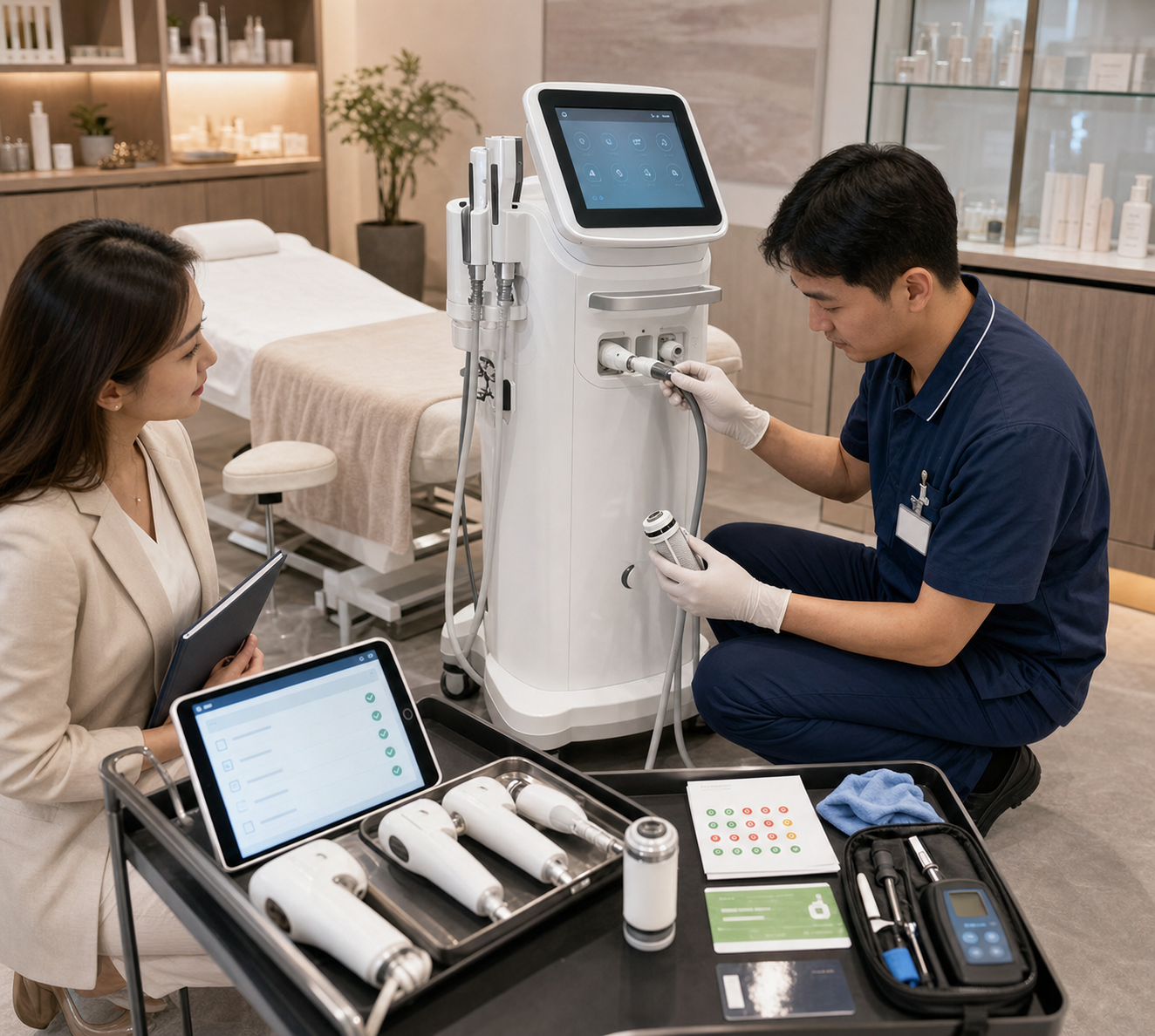
Удалённая диагностика и устранение неполадок — наиболее распространённый метод послепродажного обслуживания.
Это может включать в себя:
- Поддержка в чате
- Телефонная поддержка
- Видеозвонок
- Диагностика по фото- или видеоматериалам
- Проверка кода ошибки
- обзор настроек программного обеспечения
- Исправление операции
- Инструкция по техническому обслуживанию
- Простые инструкции по замене деталей
Удалённая поддержка полезна в следующих случаях:
- Операционные ошибки
- Ослабленные кабели
- Настройки программного обеспечения
- Замена фильтра
- соединение бутылки
- Распознавание наконечника
- Тревожные сообщения
- Основные проблемы при запуске
- Вопросы по обучению персонала
Удалённая поддержка может быстро решить многие распространённые проблемы. Однако её недостаточно для устранения каждой неполадки.
7. Техническое обслуживание на месте
Выездное техническое обслуживание означает, что техник или инструктор посещает салон для осмотра, ремонта, установки или обучения.
Оказание технической поддержки на месте более вероятно в следующих случаях:
- Салон находится недалеко от поставщика.
- Сумма заказа высока.
- Машина сложная.
- Для работы машины требуется установка.
- У поставщика есть местные инженеры.
- Покупателем является дистрибьютор или сеть салонов красоты.
- Договор включает в себя обслуживание на месте.
Выездная техническая поддержка может быть бесплатной или платной.
Возможные затраты:
- плата за услуги техника
- Стоимость поездки
- Стоимость проживания в отеле
- Местный транспорт
- Запасные части
- Дополнительные часы обучения
- плата за экстренное обслуживание
Перед покупкой салонам следует задать следующие вопросы:
- Доступно ли выездное обслуживание в моем городе?
- Это бесплатно в течение гарантийного срока?
- Кто оплачивает транспортные расходы?
- Как быстро может приехать техник?
- Что, если станок нужно будет вернуть на завод?
8. Ремонт с возвратом на завод.
Некоторые аппараты невозможно отремонтировать в салоне. Возможно, их придется отправить обратно поставщику или на завод.
В следующих случаях может потребоваться ремонт на заводе-изготовителе:
- Сбой материнской платы
- Сбой электропитания
- Внутренняя утечка
- Проблема с модулем вывода
- Неисправность лазера или системы IPL.
- Неисправность системы охлаждения
- Проблема с программным обеспечением или платой управления.
- Серьезная поломка наконечника.
- Калибровка или заводские испытания.
Салонам красоты следует спрашивать:
- Кто оплачивает доставку в течение гарантийного периода?
- Кто оплачивает доставку после истечения гарантийного срока?
- Сколько времени обычно занимает заводской ремонт?
- Есть ли возможность взять оборудование напрокат?
- Как осуществляется безопасная упаковка оборудования?
- Что произойдет, если товар будет поврежден при транспортировке?
- Будет ли предоставлен акт о проведенном ремонте?
Следует учитывать затраты, связанные с простоем оборудования. Ремонт машины, занимающий два месяца, может подорвать доверие клиентов и негативно сказаться на качестве предоставляемых услуг.
9. Поставка запасных частей
Запасные части — один из важнейших вопросов послепродажного обслуживания.
Салонам красоты следует уточнить, может ли производитель поставить:
- Наконечники
- Зонды
- Советы
- Фильтры
- Бутылки
- Трубки
- Экраны
- Кабели
- Педали
- адаптеры питания
- Охлаждающие детали
- Лампы
- Картриджи
- Материнские платы
- Датчики
- Программные ключи или лицензии (при необходимости)
Им также следует спросить:
- Как долго будут доступны запчасти?
- Какие детали есть в наличии?
- Какие детали чаще всего заменяются?
- Какова цена каждой детали?
- Как быстро можно доставить запчасти?
- Совместимы ли детали между моделями?
- Может ли салон самостоятельно заменить простые детали?
Оборудование без долгосрочной поддержки запасными частями может стать непригодным для использования после небольшой поломки.
10. Расходные материалы и изнашиваемые детали
Расходные материалы не всегда покрываются гарантией, но они крайне важны для работы оборудования.
К распространенным расходным материалам относятся:
- Сыворотки
- Гели
- Маски
- Советы
- Фильтры
- Бутылки
- Трубки
- Картриджи
- Защитные очки
- Одноразовые простыни
- средства по уходу после процедуры
- Защитные колпачки для наконечников
Салонам красоты следует спрашивать:
- Доступ к расходным материалам зависит только от производителя?
- Какова стоимость одной процедуры?
- На какой срок гарантируется поставка?
- Существует ли минимальный объем заказа?
- Входят ли в комплект стартовые расходные материалы?
- Расходные материалы доставляются быстро?
- Есть ли поблизости склады?
Послепродажное обслуживание включает в себя не только ремонт. Оно также предусматривает обеспечение бесперебойной работы объекта и его снабжение.
11. Профилактическое техническое обслуживание
Профилактическое техническое обслуживание подразумевает проверку и уход за оборудованием до того, как оно выйдет из строя.
Примеры:
- Очистка фильтров
- Замена бутылок с водой или раствором.
- Проверка кабелей наконечника
- Проверка системы охлаждения
- Проверка всасывающих линий
- Проверка блока питания
- Очистительные зонды
- Обновление программного обеспечения
- Проверка стабильности выходного сигнала там, где это применимо.
- Ошибки записи
- Проверка изнашиваемых деталей
Профилактическое техническое обслуживание позволяет сократить время простоя и продлить срок службы оборудования.
Производители должны предоставить график технического обслуживания. Салоны красоты должны назначить персонал для его соблюдения.
12. Поддержка программного обеспечения и микропрограмм.
В состав косметического оборудования входят программное обеспечение, сенсорные системы, платформы для анализа состояния кожи, системы обработки данных о клиентах, облачные инструменты или функции анализа на основе искусственного интеллекта.
Послепродажная поддержка может включать в себя:
- Обновления программного обеспечения
- Обновления прошивки
- Исправлены ошибки
- Поддержка входа в систему
- Поддержка шаблонов отчетов
- Рекомендации по резервному копированию данных
- Поддержка облачных учетных записей
- Поддержка калибровки камеры
- Обновления языковых пакетов
- Продление подписки
Салонам красоты следует спрашивать:
- Программное обеспечение предоставляется навсегда или по подписке?
- Обновления бесплатны?
- Данные клиентов хранятся локально или в интернете?
- Что произойдет, если срок действия лицензии на программное обеспечение истечет?
- Может ли устройство по-прежнему работать в автономном режиме?
- Кто занимается резервным копированием данных?
Для анализаторов кожи на основе искусственного интеллекта программная поддержка может быть столь же важна, как и ремонт оборудования.
13. Гарантийный период
Сроки гарантии на косметическое оборудование могут различаться.
Общие структуры:
- Основной станок: 1 год
- Наконечники: от 3 до 12 месяцев
- Расходные материалы: гарантия после использования не предоставляется.
- Изнашиваемые детали: ограниченная гарантия
- Аккумулятор или адаптер: ограниченная гарантия
- Лазерные или IPL-лампы: ограниченный срок службы или отдельная гарантия.
- Расширенная гарантия: платная опция.
Некоторые поставщики предлагают более длительные гарантии, чтобы привлечь покупателей, но важны следующие детали:
- Что включено в стоимость?
- Что исключено?
- Кто оплачивает доставку?
- Распространяется ли страховое покрытие на оплату труда?
- Входят ли в комплект наконечники?
- Включен ли ремонт на месте?
- Действует ли гарантия после ремонта в сторонней организации?
- Какие доказательства требуются?
Длительная гарантия со множеством исключений может оказаться менее полезной, чем более короткая, но более понятная гарантия.
14. Время отклика
В рамках послепродажного обслуживания следует установить стандарт времени реагирования.
Просить:
- Как быстро вы отвечаете на запросы в службу поддержки?
- Доступна ли поддержка в выходные дни?
- Есть ли горячая линия или только чат?
- Насколько быстро может быть проведена дистанционная диагностика?
- Как быстро можно доставить запасные части?
- Сколько времени занимает заводской ремонт?
- Каков порядок действий в чрезвычайных ситуациях?
Предлагаемые категории ответов:
- Первый ответ в течение 24 часов.
- Дистанционная диагностика в течение 1-3 рабочих дней.
- Отправка запасных частей осуществляется в течение 3-7 рабочих дней при наличии на складе.
- Время выезда на место зависит от города и условий контракта.
- Время ремонта на заводе зависит от типа неисправности.
Это лишь примеры. Фактический уровень обслуживания должен быть подтвержден поставщиком.
15. Ответственность производителя и дистрибьютора
Многие салоны закупают продукцию у дистрибьюторов, а не на заводах.
Ответственность за обслуживание может быть разделена:
Производитель может обрабатывать:
- Основной технический ремонт
- Поставка оригинальных запчастей
- Политика заводской гарантии
- Обновление программного обеспечения
- Обучение дистрибьютора
- Диагностика основных неисправностей
Дистрибьютор может заниматься следующим:
- Локальная установка
- Местное обучение
- Быстрая связь
- Базовая диагностика неисправностей
- Выездное обслуживание
- Замена деталей
- Последующее взаимодействие с клиентами
- Поддержка местных языков
В салоне следует спросить:
- К кому мне обратиться в первую очередь?
- Кто решает, распространяется ли гарантия?
- Кто оплачивает запчасти?
- Кто оплачивает доставку?
- Кто оказывает услуги на месте?
- Что произойдет, если дистрибьютор прекратит свою деятельность?
- Может ли производитель оказать мне прямую поддержку в случае необходимости?
Чёткое распределение ответственности предотвращает споры.
16. Покупатели внутри страны против покупателей за рубежом
Послепродажное обслуживание обычно проще для покупателей внутри страны, чем для покупателей из-за рубежа, поскольку это упрощает доставку, учитывает языковой барьер, часовой пояс и необходимость поездок технических специалистов.
Иностранным покупателям следует обратить особое внимание на следующее:
- Международные условия гарантии
- Ответственность за грузоперевозки
- Таможенные вопросы, связанные с возвратом и ремонтом.
- Совместимость с местным напряжением
- Стандарт вилки
- Язык руководств
- Дистанционное обучение
- Поддержка местного дистрибьютора
- Сроки доставки запасных частей
- Расходные материалы
- Устранение неполадок видео
- Возможна ли выездная сервисная служба?
Для зарубежных салонов наилучшей моделью поддержки часто является:
- Полные видеоинструкции по эксплуатации
- Дистанционная диагностика
- Обучение местных дистрибьюторов или технических специалистов
- Запасные части доставляются быстро.
- Модульные запасные части
- Чёткая политика возврата и ремонта
Международным покупателям не следует полагаться на расплывчатые обещания “глобального послепродажного обслуживания” без каких-либо подробностей.
17. Техническое обслуживание основных аппаратов для ухода за лицом
Для работы базовых косметологических аппаратов обычно требуется:
- Рекомендации по очистке и дезинфекции
- Замена фильтра
- чистка бутылок
- Промывка трубки
- Замена наконечника
- Техническое обслуживание всасывающей линии
- Проверка блока питания
- Базовая поддержка наконечника
Распространенные проблемы:
- Слабое всасывание
- Засоренная трубка
- Протекающая бутылка
- Плохое соединение
- Засорение форсунки
- Проблема с адаптером питания
- Ошибка в работе персонала
Удалённая диагностика может решить многие из этих проблем, но для этого необходимо наличие запасных частей и расходных материалов.
18. Техническое обслуживание радиочастотных, электромагнитных и микротоковых устройств.
Для работы с радиочастотными, электромагнитными и микротоковыми устройствами может потребоваться:
- Осмотр зондом
- осмотр кабеля
- Направление проводящего геля
- Проверка выходных данных, где это применимо.
- Замена наконечника
- Поддержка программного обеспечения или режима
- Чистка и уход за контактными поверхностями
- Противопоказания и правила проведения процедур.
Распространенные проблемы:
- Никаких ощущений
- Неравномерный нагрев
- Зонд не распознан
- Кабель ослаблен
- Проблема с гелем или контактными линзами.
- Недовольство клиента
- Ошибка при настройке оператора
Поставщик должен помочь салону отличить поломку оборудования от проблем с использованием продукта или от ошибок в технике работы оператора.
19. Техническое обслуживание IPL-аппаратов, лазерных эпиляторов и устройств для удаления волос.
Системы для удаления волос, IPL-эпиляции и лазерные системы обычно требуют более тщательного технического обслуживания.
Техническое обслуживание может включать в себя:
- отслеживание количества ламп или выстрелов
- Проверка охлаждения наконечника
- Техническое обслуживание систем водяного или воздушного охлаждения
- Чистка фильтров и объективов
- Рекомендации по использованию защитных очков
- Калибровка или проверка выходного сигнала (при необходимости).
- Поддержка кодов ошибок
- Повторное обучение по типам кожи и протоколам лечения.
- Сменные наконечники или лампы
К использованию этих устройств могут также предъявляться местные нормативные или профессиональные требования. Салону следует уточнить, кому разрешено эксплуатировать и обслуживать данное устройство на его территории.
Период восстановления после удаления волос может нарушить действие многосеансовых программ, поэтому скорость реагирования имеет значение.
20. Техническое обслуживание устройств для коррекции контуров тела
К устройствам для коррекции контуров тела могут относиться системы радиочастотного воздействия на тело, вакуумные системы, системы кавитации, криолиполиза, системы электромиостимуляции (ЭМС), вибрационные системы и другие.
Техническое обслуживание может включать в себя:
- Проверка рукоятки
- Проверка вакуумной линии
- Проверка системы охлаждения или отопления.
- Замена подушечки или электрода
- Замена ремешка и аксессуаров
- Поддержка программного обеспечения
- Диагностика кодов ошибок
- Рекомендации по чистке и хранению
- Повторение протокола лечения
Поскольку в процедурах по уходу за телом часто используются пакеты услуг, простои оборудования могут затронуть многих клиентов, оплативших услуги заранее. Салонам следует уточнять время ремонта и наличие резервных решений перед покупкой.
21. Техническое обслуживание анализаторов кожи
Для работы анализаторов кожи необходима как аппаратная, так и программная поддержка.
Техническое обслуживание может включать в себя:
- Поддержка камеры
- Поддержка системы освещения
- Руководство по калибровке
- Обновления программного обеспечения
- Поддержка шаблонов отчетов
- Поддержка учетных записей
- Поддержка облачных сервисов
- Рекомендации по резервному копированию данных
- Поддержка экранов и компьютеров
- Обновление анализа ИИ (где это применимо)
Вопросы, которые следует задать:
- Включена ли подписка на программное обеспечение?
- Обновления бесплатны?
- Можно ли экспортировать отчеты?
- Что произойдет, если сервер будет недоступен?
- Защищены ли данные клиентов?
- Может ли устройство работать в автономном режиме?
Для анализаторов послепродажное обслуживание — это не только ремонт. Это также обеспечение непрерывности работы программного обеспечения.
22. Обучение по уборке и техническому обслуживанию
Производители должны предоставлять инструкции по очистке и техническому обслуживанию.
Обучение должно включать в себя:
- Ежедневная проверка при запуске
- Процесс завершения работы
- Уборка после каждого клиента.
- Метод дезинфекции
- Совместимые чистящие средства
- Замена фильтра
- чистка бутылок
- Промывка трубки
- хранение наконечника
- Уход за кабелями
- Обработка кодов ошибок
- Когда следует прекратить использование машины
- Когда обращаться в службу поддержки
Многие проблемы с оборудованием возникают из-за плохой очистки или неправильного ежедневного ухода. Качественное обучение персонала по техническому обслуживанию снижает частоту ремонтов.
23. Служебные записи
Салоны красоты должны вести учет оказанных услуг.
В записи могут быть включены следующие данные:
- Дата покупки
- Серийный номер
- Гарантийный период
- Контакты поставщика
- Дата обучения
- график технического обслуживания
- Журналы уборки
- История кодов ошибок
- Запросы на ремонт
- Замененные детали
- Фотографии или видео, отправленные поставщику
- время отклика службы
- Стоимость ремонта
- Изменения коснулись назначенных клиенту встреч.
Документация помогает в рассмотрении гарантийных претензий и принятии управленческих решений.
Если салон впоследствии приобретет дополнительное оборудование, история обслуживания также поможет оценить надежность поставщика.
24. Контрольный список контракта
Перед совершением покупки в договоре или счете-фактуре должно быть указано следующее:
- Гарантийный период
- Покрытые части
- Исключенные части
- Гарантия на наконечник
- Политика в отношении расходных материалов
- Срок поставки запасных частей
- Метод удаленной поддержки
- Время отклика
- Доступность услуг на месте
- Стоимость выездного обслуживания
- Ответственность за грузоперевозки
- Процесс заводского ремонта
- Политика обновления программного обеспечения
- В программу обучения входили:
- график технического обслуживания
- Контактная информация службы поддержки
- Ответственность дистрибьютора
- Вариант расширенной гарантии
- Правила возврата средств или замены в случае серьезного дефекта
Если поставщик отказывается четко сформулировать условия предоставления услуг, салону следует проявить осторожность.
25. Вопросы, которые салоны должны задать перед покупкой
Обратитесь к производителю или дистрибьютору:
- Какие виды послепродажного обслуживания вы предоставляете?
- Поддержка предоставляется производителем, дистрибьютором или обоими?
- Какой гарантийный срок?
- Какие части включены?
- Входит ли это в страховое покрытие для наконечников?
- Распространяется ли гарантия на расходные материалы?
- Распространяется ли гарантия на изнашиваемые детали?
- Кто оплачивает доставку?
- Вы предоставляете услуги на месте?
- Выездное обслуживание бесплатное или платное?
- Как быстро вы отвечаете?
- Сколько времени обычно занимает ремонт?
- Вы храните запасные части на складе?
- Как долго будут доступны запчасти?
- Могу ли я приобрести запчасти после окончания гарантийного срока?
- Вы предоставляете видеоролики по техническому обслуживанию?
- Вы предоставляете обновления программного обеспечения?
- Вы проводите курсы повышения квалификации?
- Что произойдет, если оборудование выйдет из строя во время прохождения клиентом курса обучения?
Эти вопросы следует задать перед оплатой.
26. Тревожные сигналы
Будьте осторожны, если поставщик:
- Утверждается, что сложная машина не требует технического обслуживания.
- Условия гарантии не предоставляются.
- Не могу объяснить, какие именно части включены.
- Процесс ремонта отсутствует.
- Список запасных частей отсутствует.
- Не могу предоставить инструкции.
- Невозможно предоставить видеоинструкции по эксплуатации.
- Невозможно обеспечить поставку расходных материалов на длительный срок.
- Отказывается объяснить стоимость доставки.
- Обещает пожизненный бесплатный ремонт без подробностей.
- Отсутствует местная поддержка для зарубежных покупателей.
- Не отвечает быстро перед покупкой
- Способствует несанкционированному ремонту
- Не могу объяснить, что делать, если машина выдает ошибку или возникают проблемы с выводом сигнала.
Предпродажная коммуникация поставщика часто позволяет предсказать его поведение после продажи.
27. Бесплатное техническое обслуживание против платного технического обслуживания
Не следует ожидать, что все работы по техническому обслуживанию будут бесплатными.
Бесплатная поддержка обычно включает в себя:
- Базовая удаленная поддержка
- Руководство по эксплуатации
- Гарантийный ремонт дефектов, на которые распространяется гарантия.
- Простая диагностика неисправностей
- Учебные материалы
Платная поддержка может включать в себя:
- Ремонт вне гарантийного срока
- Расходные материалы
- Изнашиваемые детали
- Повреждение в результате неправильного использования
- Стоимость поездки
- Выездное обслуживание
- Замена наконечников после истечения гарантийного срока.
- Подписка на программное обеспечение
- Расширенная гарантия
Салон не должен требовать, чтобы все было бесплатно всегда. Но поставщик услуг должен четко объяснять стоимость.
Прозрачная система платного обслуживания лучше, чем расплывчатые обещания бесплатного обслуживания.
28. Почему у дешевых машин могут быть высокие затраты на послепродажное обслуживание
Низкая цена покупки может показаться привлекательной, но общая стоимость может оказаться высокой, если послепродажная поддержка слабая.
К скрытым расходам могут относиться:
- Длительный простой
- Дорогие наконечники
- Ремонт на месте невозможен.
- Высокая стоимость доставки
- Запасных частей нет.
- Расходные материалы заморожены по высоким ценам
- Обучение не требуется
- Обновления программного обеспечения отсутствуют.
- Низкое время отклика
- Потерянные записи клиентов
- Возврат средств за незавершенные курсы
Перед покупкой салонам следует рассчитать общую стоимость владения, а не только цену оборудования.
29. Как дистрибьюторы могут улучшить послепродажное обслуживание
Дистрибьюторы могут создать значительное конкурентное преимущество за счет послепродажного обслуживания.
Полезная поддержка дистрибьюторов включает в себя:
- Местный склад запчастей
- Обучение местных техников
- Библиотека устранения неполадок видео
- Четкий процесс подачи гарантийных претензий
- Напоминания о регулярном техническом обслуживании
- Система подписки на расходные материалы
- Повышение квалификации персонала
- Сценарии обработки жалоб клиентов
- План экстренной замены
- система учета обслуживания
Для дистрибьюторов послепродажное обслуживание может повысить доверие к салонам, увеличить количество повторных заказов и улучшить репутацию в регионе.
30. Что делать, если машина вышла из строя?
В случае поломки оборудования салонам следует:
1. Прекратите использование, если возникнут опасения по поводу безопасности.
2. Запишите проблему.
3. Сделайте фотографии или видеозаписи.
4. Обратите внимание на коды ошибок.
5. Для получения информации о базовых методах устранения неполадок обратитесь к руководству пользователя.
6. Свяжитесь со службой поддержки поставщика.
7. Не разбирайте без разрешения.
8. Запросите письменные инструкции по ремонту.
9. Честно информируйте пострадавших клиентов.
10. Зафиксируйте сроки и стоимость ремонта.
Если проблема связана с возможными травмами, ожогами, неисправностями электропроводки, задымлением, аномальным нагревом или серьезной неисправностью, немедленно прекратите использование оборудования и обратитесь за соответствующей технической или нормативной помощью.
31. Окончательный практический ответ
Предоставляют ли производители салонного оборудования послепродажное техническое обслуживание после приобретения оборудования салонами?
Многие надёжные производители предоставляют такую услугу, но её объём варьируется. Салоны красоты могут рассчитывать как минимум на базовую гарантию, удалённую диагностику неисправностей, руководство по эксплуатации, инструкции по техническому обслуживанию и доступ к запасным частям. Для дорогостоящего или сложного оборудования также могут быть доступны установка на месте, обучение на месте, поддержка наконечников, обновления программного обеспечения и профилактическое обслуживание.
Однако салонам не следует полагать, что все бесплатно. Выезд на место, доставка, расходные материалы, изнашиваемые детали, повреждения, возникшие в результате неправильного использования, ремонт вне гарантии и подписки на программное обеспечение могут оплачиваться отдельно.
Наилучший подход — это подтвердить наличие послепродажного обслуживания в письменной форме до покупки.
Заключение
Послепродажное обслуживание — один из важнейших факторов при покупке косметического оборудования. Салон покупает не просто аппарат. Он покупает возможность поддерживать его в рабочем состоянии, обеспечивать безопасность, чистоту, своевременное обновление, ремонт и поставку необходимого оборудования в течение длительного времени.
Хорошие производители и дистрибьюторы предоставляют четкие условия гарантии, удаленную поддержку, запасные части, расходные материалы, рекомендации по техническому обслуживанию, обучение и процедуры ремонта. Надежные поставщики объясняют, что предоставляется бесплатно, за что взимается плата, как быстро они реагируют и что происходит в случае поломки оборудования.
Салоны красоты должны оценивать послепродажное обслуживание с той же серьезностью, что и цену и эффективность процедуры. Аппарат со слабой поддержкой может срывать записи клиентов, замедлять окупаемость, подрывать доверие клиентов и создавать скрытые издержки.
Перед покупкой запросите письменные условия обслуживания. После покупки ведите учет проведенного технического обслуживания. Именно так салон защищает свои инвестиции в оборудование.
Часто задаваемые вопросы
Предоставляют ли производители косметического оборудования послепродажное техническое обслуживание?
Многие производители предоставляют послепродажное обслуживание, включая гарантийную поддержку, удаленную диагностику неисправностей, инструкции по эксплуатации, запасные части, ремонт и техническое обслуживание. Точный объем услуг зависит от поставщика и условий договора.
Предоставляется ли бесплатное техническое обслуживание косметического оборудования после покупки?
Не всегда. Гарантийный ремонт дефектов, на которые распространяется гарантия, может быть бесплатным, но расходные материалы, изнашиваемые детали, транспортные расходы, выезд специалиста, повреждения, возникшие в результате неправильного использования, ремонт вне гарантии и подписка на программное обеспечение могут оплачиваться отдельно.
Что должно включать послепродажное обслуживание?
В него должны входить условия гарантии, удаленная поддержка, устранение неполадок, процесс ремонта, поставка запасных частей, расходных материалов, график технического обслуживания, рекомендации по очистке, поддержка программного обеспечения и время реагирования сервисной службы.
Предоставляют ли производители услуги по ремонту на месте?
Некоторые компании предоставляют такую услугу, особенно для дорогостоящего оборудования, местных покупателей, сетевых салонов красоты или заказов дистрибьюторов. Другие же предлагают удаленную поддержку или заводской ремонт. Выездное обслуживание может быть бесплатным или платным.
Кто отвечает за техническое обслуживание: производитель или дистрибьютор?
Это зависит от канала сбыта. Производители часто берут на себя основную техническую поддержку и поставку запчастей. Дистрибьюторы могут заниматься местным обучением, выездным обслуживанием и общением с клиентами.
Какие вопросы следует задать салонам перед покупкой?
Салонам следует уточнить информацию о гарантийном сроке, покрываемых деталях, гарантии на наконечник, наличии запасных частей, времени реагирования, стоимости выездного обслуживания, ответственности за доставку, обновлениях программного обеспечения, расходных материалах и процессе ремонта.
В чём заключается наибольший риск послепродажного обслуживания?
Наибольшие риски связаны с нечеткими условиями гарантии, отсутствием запасных частей, медленной реакцией, высокими затратами на доставку, отсутствием местных специалистов, дорогостоящими наконечниками, нестабильными поставками расходных материалов и расплывчатыми обещаниями по обслуживанию.