
A compact RF microneedling machine may save floor space, but it does not reduce the need for professional room design, infection prevention, sharps control, consumable traceability and operator training.
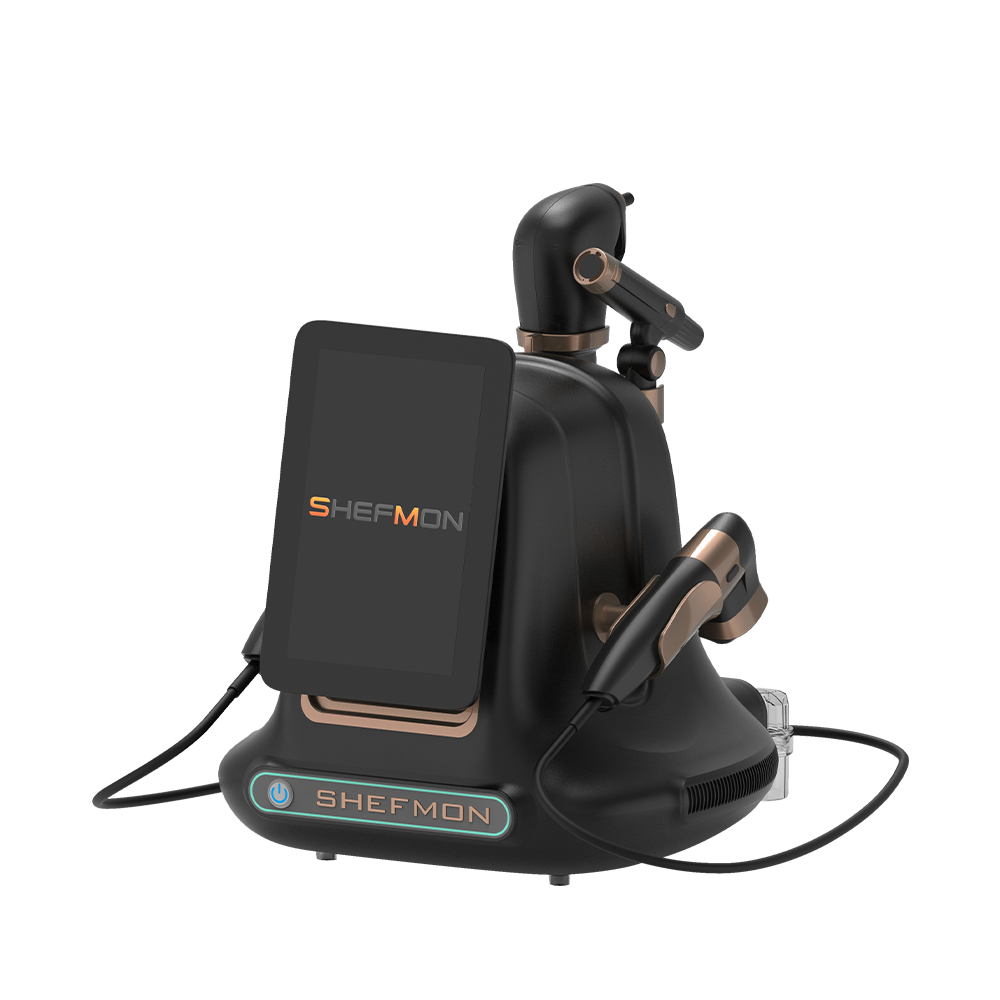
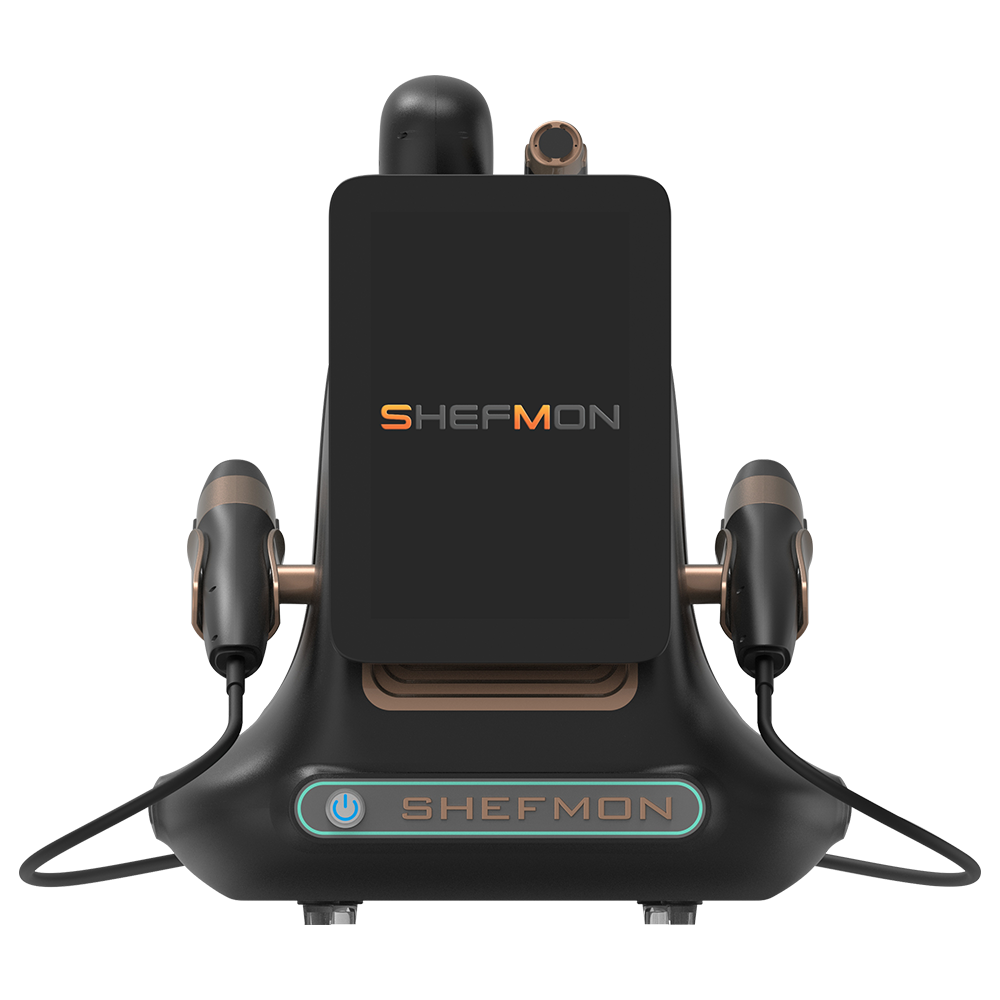
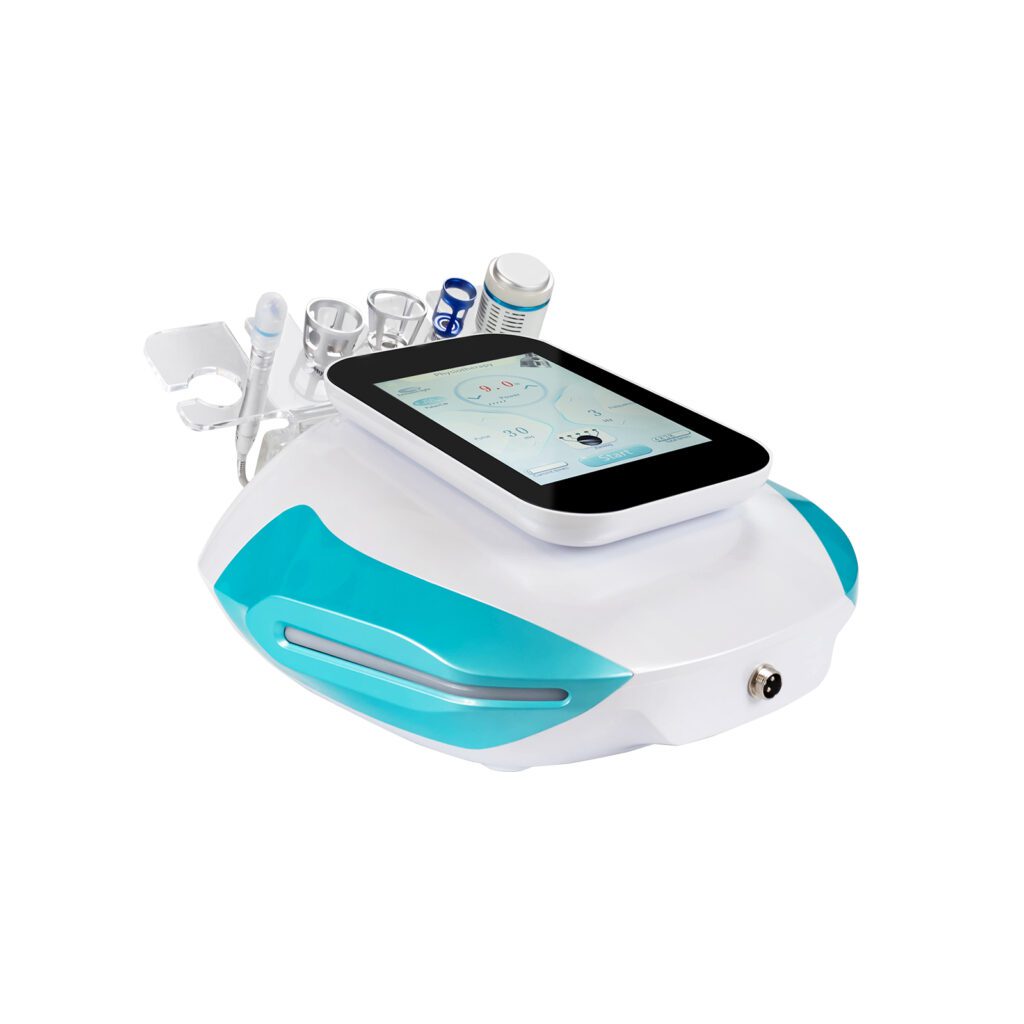
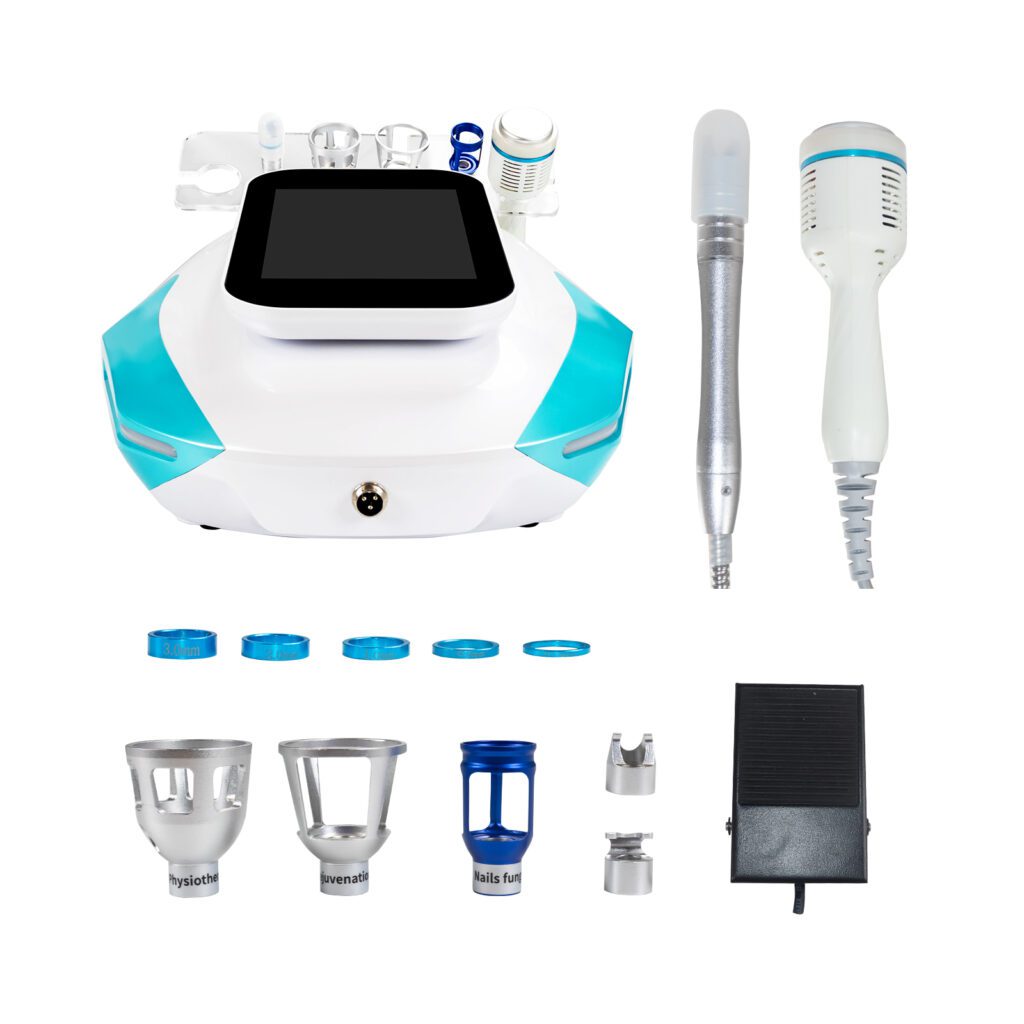
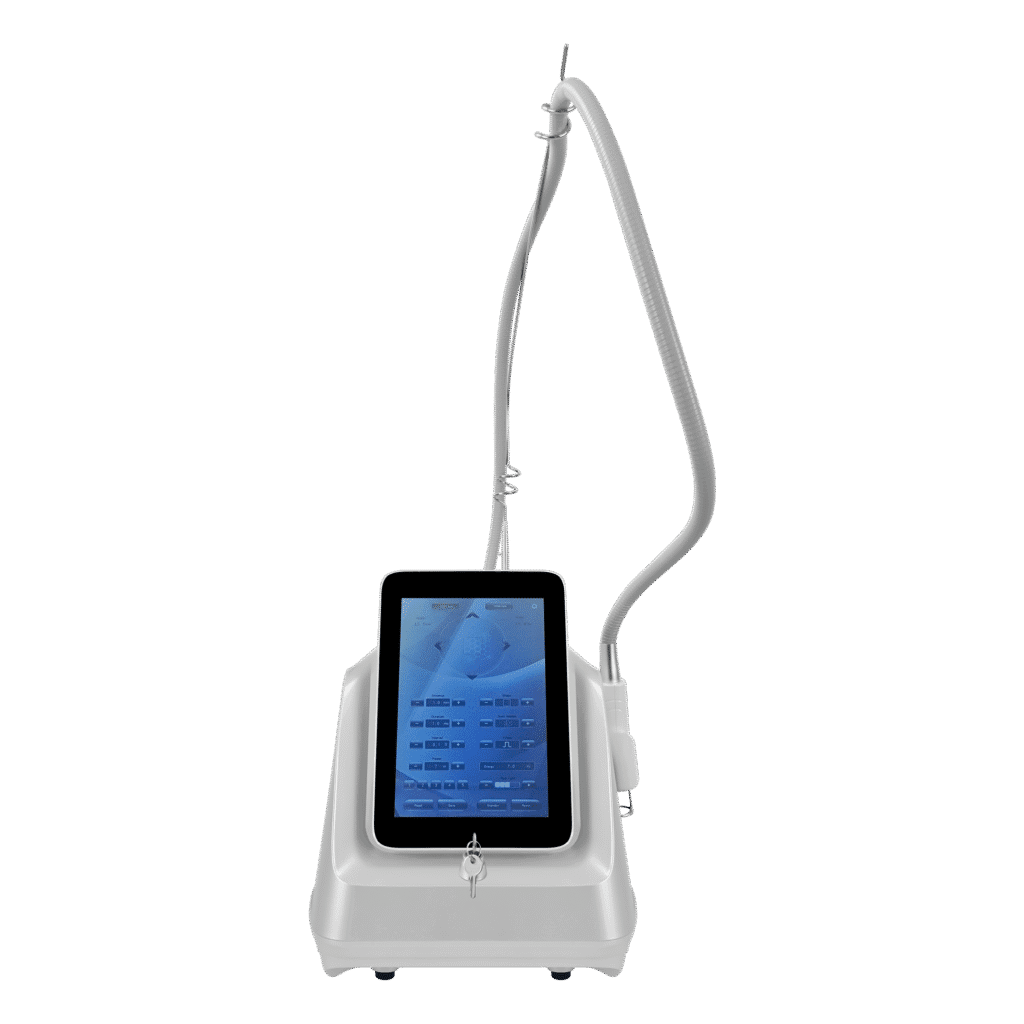
The SHEFMON A0152 Настольный MNRF Глубина 8 is designed as a desktop microneedling radiofrequency platform. Its current product page lists 12-pin, 24-pin, 40-pin and nano configurations, computerized treatment-depth control, a 1–7 mm depth profile, an additional 1 mm heat profile, 300 W maximum RF power and selectable handle configurations.
Those specifications belong inside a controlled professional workflow. This guide shows aesthetic clinics and appropriately qualified providers how to plan the room, organize consumables, prepare the device, manage single-use cartridges, document each procedure and close the room safely. It does not provide universal treatment settings or replace the current A0152 instructions for use, local regulations or qualified clinical training.
Управляющее резюме
- A0152 combines microneedle penetration with radiofrequency energy. The needles create controlled entry points while RF energy produces localized heating at selected depths.
- Treat the A0152 room as a minor procedure environment, not as a general facial room with a machine placed on the counter.
- Separate clean storage and preparation from the active procedure area and used-material disposal area.
- Use a new, compatible cartridge for every client and every session. Never clean and reuse a single-use needle cartridge.
- Keep a sharps container within immediate reach of the operator so the cartridge can be discarded at the point of use.
- Track cartridge type, lot or batch, expiry, treatment area, device settings, operator, client response, aftercare and follow-up.
- Do not assume that a cosmetic serum, topical medicine, anesthetic or blood product may be delivered through microneedling channels. Any such use requires specific legal, professional and product authorization.
- RF microneedling can cause serious complications when incorrectly selected or performed. The operator needs formal training, a complication-response plan and a clear referral pathway.
1. Product Introduction: What Is the A0152 Desktop MNRF Machine?
A0152 is the compact desktop model within SHEFMON’s MNRF Microneedling equipment category. The machine body is listed at 45 x 39 x 55 cm with a gross weight of 11.5 kg, making it easier to position in smaller professional rooms than a full-height platform.
The current product page lists:
- a 1–7 mm depth profile;
- an additional 1 mm heat-profile description;
- 12P, 24P, 40P and nano head options;
- computerized depth control;
- a 15-inch touchscreen;
- 300 W maximum RF power;
- 110 V/60 Hz and 220 V/50 Hz versions;
- selectable one-handle, two-handle and cooling-hammer configurations.
These are catalog specifications, not a prescription for every treatment area. The clinic must confirm the exact ordered configuration, approved needle cartridges, handle compatibility, voltage, software version and operating manual before building its room or stocking consumables.
A0152 is best positioned for a clinic that wants a compact RF microneedling platform and can support professional consultation, aseptic technique, controlled settings, aftercare and complication management. It is not a basic hydro facial device and should not be sold as a casual add-on for untrained salon staff.
2. Functional Principle: How MNRF Delivers Microneedling and RF Energy
RF microneedling combines two actions. First, an array of small needles or needle electrodes enters the skin to a selected depth. Second, the system delivers radiofrequency energy through the electrode structure, producing localized tissue heating.
The mechanical and thermal components must be planned together. Needle configuration, insertion depth, RF output, pulse behavior, number of passes, overlap, treatment area and tissue response all affect the delivered procedure. A deeper setting or higher energy is not automatically a better choice.
The A0152 page lists an isolated 0.5 mm conductive-tip design. In an insulated-needle concept, insulation limits energy delivery along part of the needle while the conductive portion concentrates RF near the exposed tip. The exact energy pattern and approved operating method must still be confirmed in the current technical documentation.
| Component | Function in the workflow | What the operator must control |
|---|---|---|
| Needle cartridge | Creates the planned microneedle pattern | Compatibility, sterility, tip type, integrity and single use |
| Depth setting | Controls how far the needle system is intended to enter | Treatment area, tissue thickness, indication, training and approved protocol |
| RF setting | Controls the radiofrequency energy delivered | Device mode, tissue response, risk of excessive heating and manual limits |
| Placement and overlap | Determines coverage consistency | Contact, spacing, pattern and avoidance of unnecessary repeated exposure |
| Cooling option | May provide a separate comfort or post-procedure function when included | Handle compatibility, cleaning and approved timing |
RF microneedling should not be described as ordinary needling with heat added. It is an energy-based procedure with risks that include burns, scarring, pigment change, infection, fat loss, nerve injury and unsatisfactory outcomes. That is why room setup and operator workflow are part of the technology, not administrative details added afterward.
3. Confirm Scope, Device Status and Clinical Governance First
Before furnishing the room, confirm whether the exact A0152 configuration can be supplied and used for the intended purpose in the destination market. Requirements may involve device registration, professional licensing, medical oversight, facility standards, advertising language and adverse-event reporting.
The clinic should designate a clinical or professional lead who is responsible for:
- approving the treatment policy and operator scope;
- verifying the current manual and training materials;
- approving contraindication and consent forms;
- defining cleaning, disinfection and sharps procedures;
- setting documentation and photography rules;
- reviewing incidents, complications and device faults;
- maintaining a referral and emergency escalation pathway;
- authorizing changes to parameters or protocols.
Do not treat a general training certificate as automatic permission to perform RF microneedling in every market. Equipment purchase, operator competence and legal scope are three separate checks.
4. Divide the Room Into Functional Zones
A small room can still have a logical one-way workflow. The goal is to prevent clean supplies from crossing paths with used cartridges, blood-contaminated materials or dirty reusable components.
Zone 1: Clean storage
Store sealed cartridges, sterile or clean supplies, PPE and approved aftercare materials in closed cabinets away from the sink, floor, direct sunlight and treatment splashes. Use first-expiry-first-out stock rotation. Do not store clean consumables under plumbing where leakage could occur.
Zone 2: Preparation area
Use a disinfected work surface or clean tray for the items needed for one client. Only bring out the cartridge type, gauze, PPE, skin-preparation materials and documentation supplies required for that procedure.
Do not place phones, handbags, food, drinks, open product testers or unrelated salon tools on the preparation surface.
Zone 3: Procedure area
This includes the treatment bed, adjustable light, A0152 handpiece and operator working space. The operator should be able to reach the device controls, clean tray and sharps container without crossing cables or leaving the client unattended.
Zone 4: Used-material and sharps area
Mount or place a closable, puncture-resistant, leak-resistant sharps container within immediate reach at the point of use. The operator should be able to eject or place the used cartridge directly into the container without carrying it across the room.
Provide separate containers for general waste and locally regulated clinical or biohazard waste. Do not place used cartridges on the trolley “temporarily” while cleaning other items.
Zone 5: Documentation and aftercare
Keep the computer or paper record area away from the contaminated field. If the operator must touch a keyboard or camera during the procedure, use an approved barrier or perform hand hygiene and change gloves according to the clinic’s protocol.
| Зона комнаты | Essential items | Keep out |
|---|---|---|
| Clean storage | Sealed cartridges, PPE, gauze, approved supplies | Used tools, open waste and cleaning chemicals above supplies |
| Подготовка | Disinfected tray and one-client consumables | Phones, drinks and bulk open stock |
| Процедура | Treatment bed, light, device, handpiece and controls | Trip hazards and unrelated equipment |
| Disposal | Sharps container and correct waste stream | Clean stock and client belongings |
| Документация | Protected device record and aftercare materials | Contaminated gloves and used cartridges |
5. Position the A0152 Desktop System Correctly
Place A0152 on a stable, level, cleanable trolley or counter that can support the machine and prevent vibration or accidental movement. Leave the ventilation clearance required by the current manual. Do not block vents with towels, barrier film or product boxes.
The setup should include:
- the correct electrical supply and grounded outlet;
- no extension arrangement unless approved by a qualified electrical professional and the manufacturer;
- cable routing that does not cross the walking path;
- handpiece holders that prevent tips from contacting surfaces;
- enough trolley space to separate clean cartridge handling from device controls;
- lighting that lets the operator inspect skin contact and tissue response;
- an adjustable bed and operator stool for controlled posture;
- immediate access to hand hygiene;
- room ventilation and temperature within the device specifications;
- a documented emergency shutoff and device fault procedure.
Confirm whether the ordered unit includes one RF handle, two RF handles, a cooling hammer or another configuration. Each reusable handle needs its own manufacturer-approved cleaning and inspection instructions.
6. Build an A0152 Consumables List by Risk Level
Consumables should be divided into procedure-critical, infection-control, cleaning and documentation groups. This makes stock audits easier and prevents the clinic from discovering a missing sharps container or expired cartridge after the client arrives.
Device-specific procedure consumables
- compatible A0152 12P cartridges;
- compatible A0152 24P cartridges;
- compatible A0152 40P cartridges;
- compatible nano heads when approved for the selected service;
- any manufacturer-approved handpiece barriers or protective covers;
- approved cooling-hammer accessories when included in the configuration.
Do not assume that cartridges from A0157 or another RF microneedling platform are interchangeable. Match the cartridge code, connector, software and approved handle.
Infection-control supplies
- examination or procedure gloves appropriate to the task;
- masks and eye or face protection based on exposure risk and local policy;
- hand-hygiene supplies;
- sterile or appropriately specified gauze and applicators;
- approved skin-preparation materials;
- clean bed coverings and drapes;
- puncture-resistant sharps containers;
- regulated waste bags or containers where required.
Cleaning and disinfection supplies
- detergent or cleaner approved for the device surface;
- compatible healthcare-grade disinfectant;
- wipes or cloths assigned to the room procedure;
- spill-response supplies;
- handpiece cleaning tools only when specified by the manufacturer;
- cleaning log and product safety information.
Cleaning removes visible soil and organic material. Disinfection follows cleaning and requires the correct product, dilution, wet contact time and material compatibility. A quick wipe with an unverified product is not a complete reprocessing procedure.
Documentation and aftercare supplies
- consent and screening form;
- treatment map;
- parameter record;
- cartridge lot and expiry record;
- standardized photography consent and setup, if used;
- written aftercare approved by the clinic lead;
- complication and referral instructions;
- adverse-event and device-fault form.
7. Control Cartridges as Single-Use Sharps
The cartridge workflow should be written and audited.
- Check the sealed package before the client enters the active procedure stage.
- Confirm the cartridge type matches the treatment plan and handpiece.
- Record the lot or batch and expiry when available.
- Inspect the package for damage, moisture or broken seals.
- Open the package at the clean preparation point.
- Attach the cartridge without touching the needle field.
- Use it for one client and one session only.
- Remove it according to the device instructions without recapping, bending or hand manipulation.
- Place it immediately into the sharps container.
- Record disposal and any cartridge or firing problem.
Never clean, disinfect or sterilize a single-use cartridge for reuse. Never reuse it for the same client at a later visit. The infection-control risk remains even if the cartridge appears visually clean.
Stock management should record quantity received, supplier, cartridge code, lot, expiry, quantity issued and quantity discarded. Quarantine damaged, expired or questionable packages rather than returning them to usable stock.
8. Be Careful With Anesthetics, Serums and Combination Products
RF microneedling rooms often accumulate topical products because operators want to improve comfort or add perceived value. This creates a significant governance problem if products are used without an approved protocol.
Topical anesthetics are medicines in many markets. Their selection, dose, application area, exposure time, removal and monitoring must be controlled by appropriately authorized professionals under local rules. The beauty equipment supplier should not replace the clinic’s medication policy.
Do not assume that microneedling may be used to deliver serums, vitamins, exosomes, platelet-rich plasma, drugs or cosmetics into the skin. The clinic must verify the authorization of the exact device, product and combination. Product marketing or social media use is not sufficient evidence.
Keep medication preparation separate from the device trolley and contaminated area. Label products, follow storage conditions, track opening and expiry, and prevent multi-client contamination.
9. Operator Workflow Before the Client Arrives
Start-of-day checks
- inspect the A0152 body, cable, handles and connectors;
- confirm the emergency stop and startup sequence;
- check ventilation openings and device status messages;
- verify that cleaning from the previous session was documented;
- confirm cartridge and PPE stock;
- check sharps-container fill level and correct placement;
- verify disinfectant expiry and contact-time instructions;
- prepare the room without opening a cartridge;
- confirm that referral contacts and incident forms are available.
Do not operate a handpiece with a damaged cable, loose connector, cracked housing, unexplained heating or repeated error message. Tag the equipment out of use and follow the technical support pathway.
10. Consultation and Procedure Planning Workflow
The operator should not choose depth and RF settings only from a service-menu name. Planning begins with a qualified consultation.
Записывать:
- client concern and expected outcome;
- medical and skin history;
- previous aesthetic procedures and current products or medicines;
- tendency to pigment change, poor healing or abnormal scarring;
- active infection, rash, open lesion or suspicious skin finding;
- bleeding risk, immune status and relevant health conditions;
- implanted devices or other contraindications listed in the current manual;
- pregnancy or breastfeeding status where relevant to the device and local guidance;
- treatment area assessment and baseline photographs, if consented;
- alternatives, expected recovery, limitations and risks;
- the reason for the selected cartridge, depth and RF plan.
If suitability is uncertain, postpone and refer. A paid booking does not create an obligation to perform the procedure.
Consent should explain that RF microneedling involves skin penetration and thermal energy. It should address expected short-term responses, possible complications, aftercare, follow-up and the client’s right to stop.
11. Step-by-Step A0152 Operator Workflow
Step 1: Reconfirm suitability
Ask about changes since consultation, including new illness, skin symptoms, medication, sun exposure, procedures or pregnancy status. Inspect the treatment area within the operator’s scope.
Step 2: Prepare the client and room
Position the client, protect hair and clothing, perform hand hygiene and use PPE according to the clinic’s exposure assessment. Prepare the skin only with products and methods approved by the clinic protocol.
Step 3: Confirm the treatment plan
Verify the treatment area, cartridge, depth, RF parameters, pattern, maximum passes, stop criteria and aftercare. Complete a verbal pause before opening the cartridge.
Step 4: Open and attach the cartridge
Check package integrity, lot and expiry. Open it in the clean area and attach it without contaminating the needle field. Do not place the open cartridge on the trolley.
Step 5: Perform the procedure under continuous observation
Maintain controlled contact and pattern according to training and the current manual. Watch tissue response and ask about pain, heat, unexpected sensation or distress. Avoid unplanned overlap and do not increase settings simply because the client tolerates the previous level.
Stop and assess when the response is outside the approved endpoint, the client requests a stop, the device behaves unexpectedly or a complication is suspected.
Step 6: Remove and discard the cartridge
At the end of use, remove the cartridge by the approved method and place it immediately into the sharps container. Do this before touching records, cameras, aftercare products or room surfaces.
Step 7: Complete immediate post-procedure care
Follow the clinic’s approved protocol and use only compatible products. Explain written aftercare, expected response, warning signs, contact route and planned review. Do not improvise product application through freshly created channels.
Step 8: Clean and disinfect
Remove barriers carefully, discard waste, clean visible soil and then disinfect reusable surfaces and equipment according to the manufacturer instructions. Observe the disinfectant contact time. Do not spray liquid directly into vents, connectors or the touchscreen unless the manual specifically permits it.
Step 9: Complete the record
Document the exact device, handle, cartridge, lot, expiry, settings, treatment map, passes, client response, products used, aftercare, operator and follow-up. Record any deviation, device fault, sharps incident or unexpected event immediately.
12. Create a Standard A0152 Procedure Record
| Раздел записей | Required details |
|---|---|
| Client and consent | Identity, date, indication, assessment, consent version and photographs if authorized |
| Идентификатор устройства | A0152 serial number, software or configuration version and handle used |
| Картридж | 12P/24P/40P/nano, product code, lot or batch, expiry and package integrity |
| Treatment plan | Area map, depth, RF settings, pulse mode, pattern, passes and approved endpoint |
| Продукты | Skin preparation, authorized anesthetic, post-procedure product and batch where required |
| Response | Tolerance, immediate skin response, stop reason and unexpected symptoms |
| Disposal and cleaning | Cartridge discarded, room cleaned, handpiece reprocessed and checklist completed |
| Следовать за | Written advice, contact route, review date, reported concerns and escalation |
The record should be detailed enough for another authorized clinician to understand what happened without guessing. “RF facial completed” is not an adequate treatment note.
13. Follow-Up and Complication Response
The clinic should define when and how follow-up occurs. A routine check should review healing, discomfort, pigment change, crusting, infection signs and whether the response remains within the expected pathway.
Provide clear escalation instructions for increasing pain, spreading redness, blistering, discharge, unexpected weakness or altered sensation, marked swelling, persistent pigment change or any other concerning response. The clinic must know who can assess the client and when urgent medical care is required.
Keep an incident log separate from the routine treatment note when local policy requires it. Record the device serial number, cartridge lot, parameters, timeline, photographs with consent, actions taken, referrals and notifications to the supplier or regulator.
Do not hide complications inside customer-service messages. Reviewing events is part of quality control and operator training.
14. Cleaning, Maintenance and End-of-Day Closure
At the end of the day:
- confirm that all used cartridges were discarded;
- close or replace the sharps container before it exceeds its fill line;
- clean and disinfect the machine, handpiece holders, trolley, bed, light and high-touch surfaces;
- inspect reusable handles and cables;
- restock sealed supplies without placing them in the contaminated zone;
- record low-stock, expired or quarantined consumables;
- back up treatment and incident records according to privacy policy;
- shut down and store the device according to the manual;
- document faults and prevent use until cleared.
Follow the manufacturer’s maintenance schedule for the machine and handles. Routine surface cleaning is not a substitute for preventive maintenance or electrical inspection.
15. Operator Training and Competency Checklist
An operator should be signed off for both technical operation and clinical workflow.
Competency should include:
- explaining the difference between microneedling and RF microneedling;
- identifying the ordered A0152 configuration and compatible cartridges;
- screening within professional scope and recognizing referral needs;
- selecting settings only under approved protocols;
- preparing a clean field and handling cartridges without contamination;
- disposing of sharps immediately;
- cleaning and disinfecting all reusable surfaces correctly;
- recognizing burns, infection, pigment change, abnormal scarring and neurological concerns;
- documenting every setting, product and cartridge lot;
- responding to device faults, exposure incidents and client complications;
- staying within local licensing and supervision requirements.
Reassess competency when the device software, handle, cartridge, protocol, disinfectant or regulatory requirements change. Annual training alone is not enough if the clinic introduces a new configuration between reviews.
16. A0152 vs A0157 for Room Planning
The A0157 MNRF Глубина 8 is the related vertical-format model. The core infection-control and sharps principles remain similar, but room planning differs.
| фактор планирования | A0152 desktop | A0157 vertical |
|---|---|---|
| Placement | Requires a stable trolley or counter | Uses its own vertical machine body |
| Floor space | Compact machine body but trolley footprint still matters | Dedicated floor position |
| Mobility | Depends on the selected trolley and cable management | Depends on the platform wheels and room layout |
| Хранилище | External closed storage is still needed for cartridges and PPE | Machine format does not replace clean storage |
| Лучший вариант | Smaller professional room with controlled desktop setup | Clinic wanting a larger vertical platform presence |
Choose by room design, workflow, configuration and service volume, not only by machine dimensions. Both formats require the same discipline around single-use cartridges, sharps, documentation and qualified operation.
Clinics developing a wider skin-service plan can also review the SHEFMON Skin Care and Facial Rejuvenation category, while keeping basic cleansing services separate from RF microneedling procedure protocols.
17. Buyer Checklist Before Ordering A0152
Ask SHEFMON to confirm:
- exact A0152 hardware and software configuration;
- one-handle, two-handle and cooling-hammer options;
- compatible 12P, 24P, 40P and nano cartridge codes;
- whether cartridges are supplied sterile and how sterility is documented;
- package labeling, lot, expiry and storage conditions;
- standard quantity of consumables;
- voltage and plug type;
- Инструкции по очистке и дезинфекции;
- current contraindications and warnings;
- operator manual and training materials;
- maintenance, spare parts, warranty and technical support;
- destination-market documents and approved claims.
Distributors discussing branded packaging or regional supply can review Поддержка OEM/ODM от SHEFMON. Any private-label consumable must preserve compatibility, traceability, sterility information and required regulatory labeling.
Часто задаваемые вопросы
1. Is A0152 suitable for a small treatment room?
Its listed 45 x 39 x 55 cm desktop body can fit a smaller room, but the clinic still needs a stable trolley, clean storage, a procedure bed, hand-hygiene access, sharps disposal, waste separation and enough operator movement space.
2. What consumables does an A0152 room need?
The core list includes compatible single-use cartridges, PPE, skin-preparation materials, gauze, approved barriers, cleaning and disinfection products, sharps containers, regulated waste supplies, records and written aftercare. Exact products must match the manual and clinic policy.
3. Can an A0152 needle cartridge be reused for the same client?
No. A single-use microneedling cartridge should be discarded after one client and one session. Cleaning it does not make reuse acceptable.
4. Where should the sharps container be placed?
Place it within immediate reach at the point of use. The operator should be able to discard the cartridge directly without carrying it through the room or placing it on another surface.
5. Are A0152 and A0157 cartridges interchangeable?
Do not assume they are. Confirm the exact cartridge code, handle connector, software compatibility and approved model with SHEFMON before ordering or use.
6. Can a salon add serums or PRP during A0152 microneedling?
Not automatically. The clinic must verify whether the exact device and product combination is authorized, whether the operator is permitted to use it and whether a validated protocol exists. Marketing examples do not replace authorization.
7. Does every A0152 procedure use the deepest setting?
No. The listed depth range describes machine capability, not a universal target. Settings depend on treatment area, assessment, approved indication, cartridge, training, tissue response and the current operating protocol.
8. What should the operator record after a procedure?
Record device and handle identity, cartridge type and lot, expiry, treatment map, depth, RF parameters, passes, products, client response, aftercare, disposal, cleaning and follow-up plan.
9. What is the main room-planning difference between A0152 and A0157?
A0152 is a desktop machine that needs a stable trolley or counter, while A0157 is a vertical platform with its own floor position. Both still require clean storage, sharps control and a one-way workflow.
10. Who should operate A0152 RF microneedling equipment?
Only a professional whose training, experience, supervision and legal scope cover the exact RF microneedling procedure. Requirements differ by market, so the buyer must verify local rules before offering the service.
Заключение
A0152 can make RF microneedling equipment easier to place in a compact professional room, but the real setup extends far beyond the desktop machine. A safe workflow needs clean and contaminated zones, controlled cartridge stock, immediate sharps disposal, compatible cleaning products, detailed records, trained operators and a reliable complication pathway.
Build the room around one-way movement: sealed supply, clean preparation, controlled procedure, immediate disposal, cleaning, documentation and follow-up. That structure protects clients, operators and the clinic’s ability to review every procedure accurately.
Buyers can review the A0152 Desktop MNRF Depth 8 product page, compare the wider Ассортимент продукции SHEFMON MNRF для микронидлинга and contact SHEFMON to confirm the latest configuration, cartridge supply, operating manual, training and destination-market documentation.