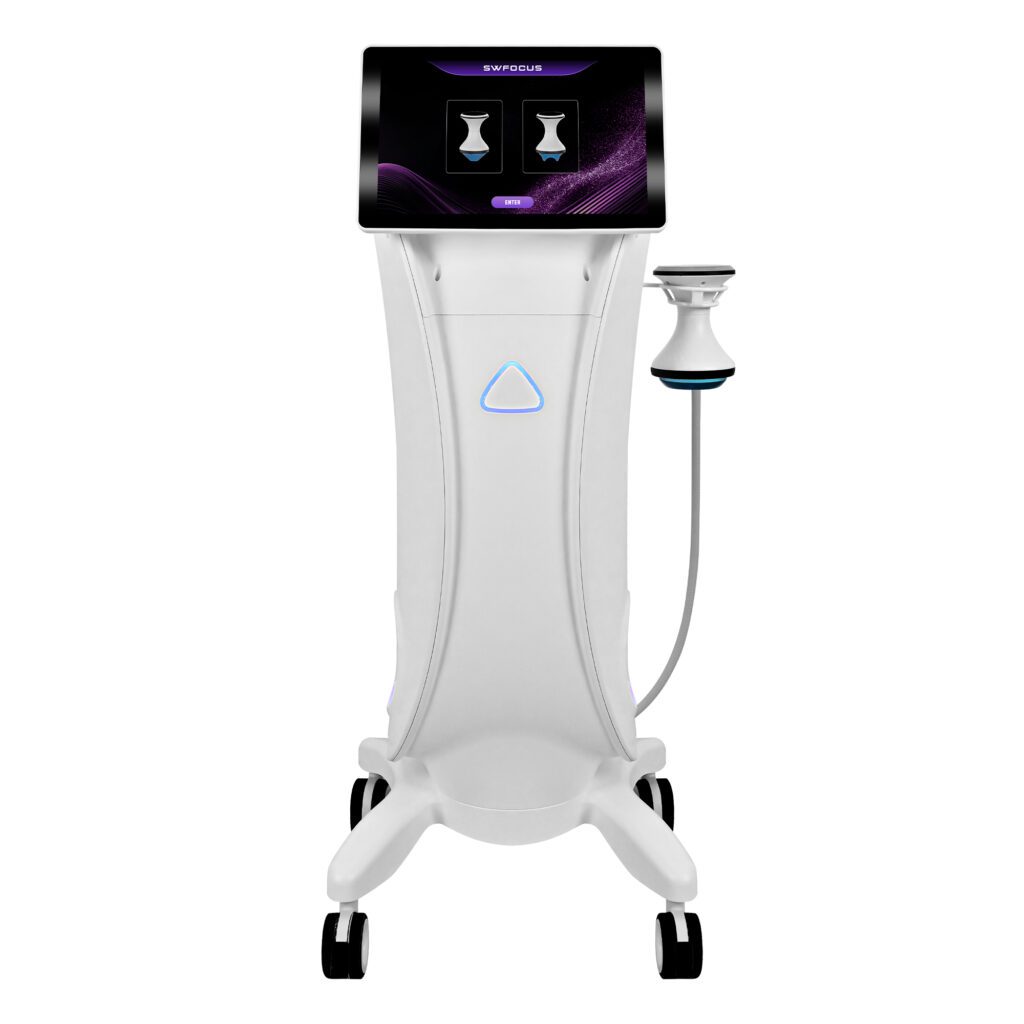
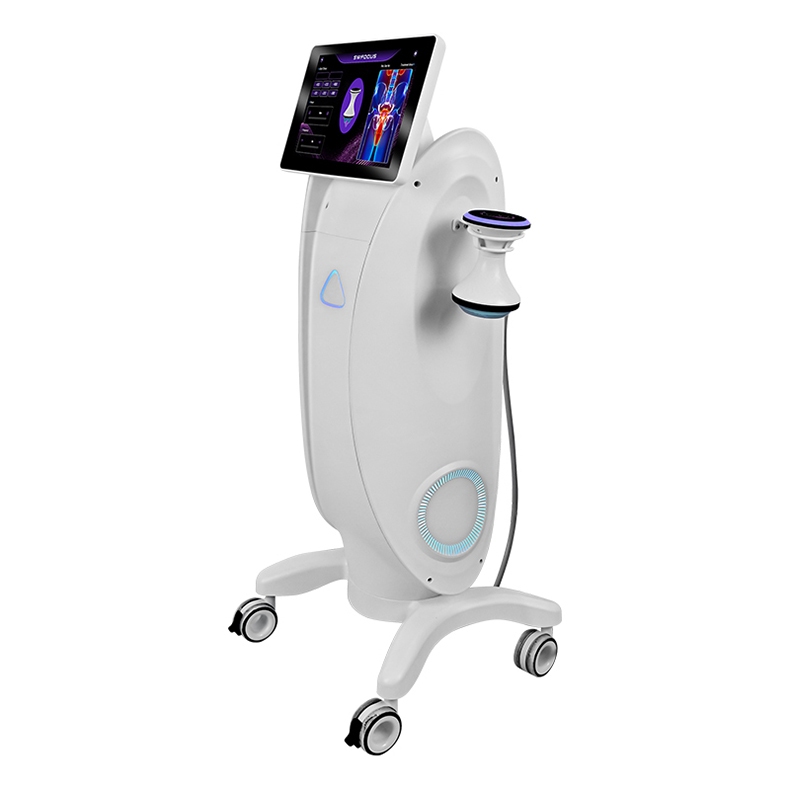
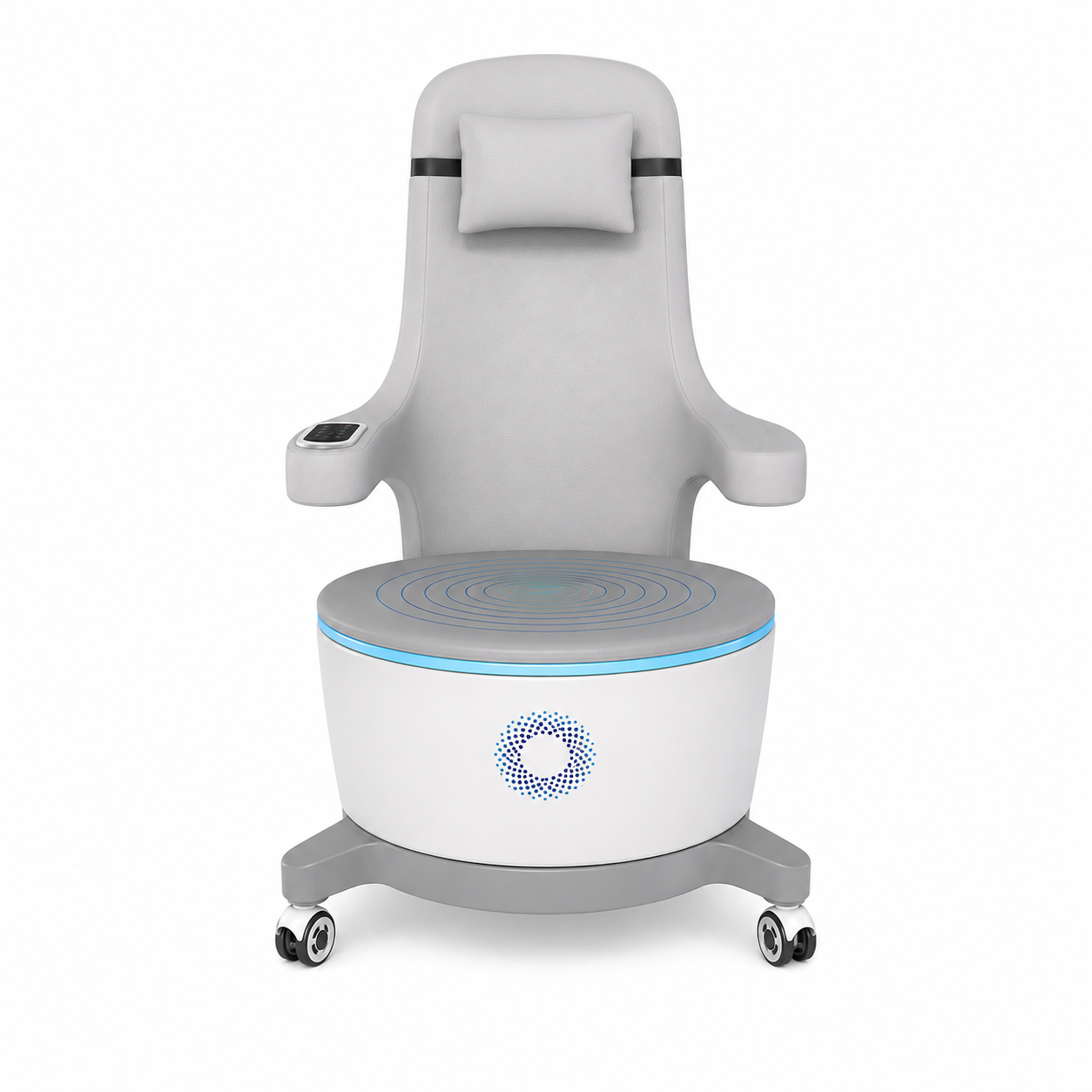
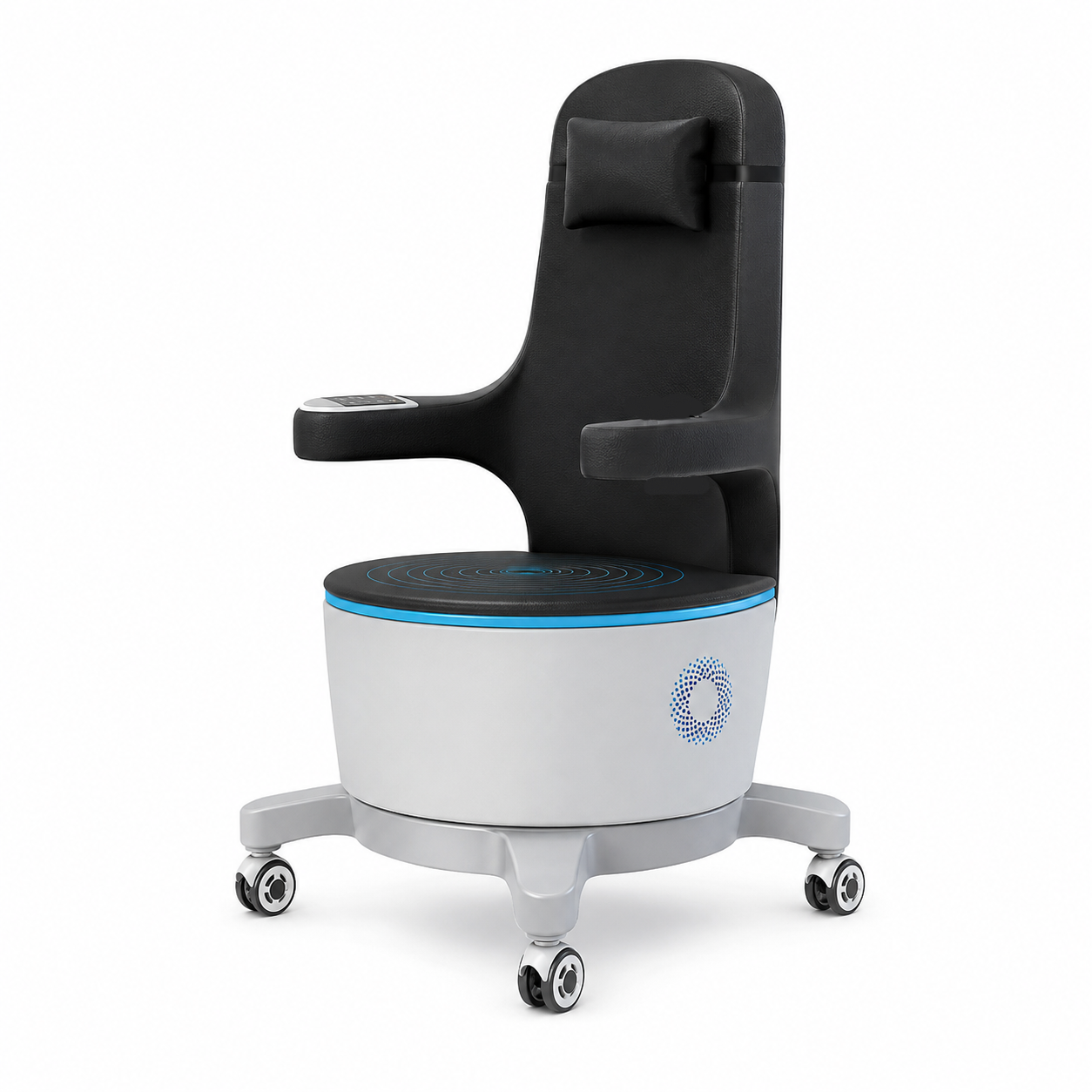
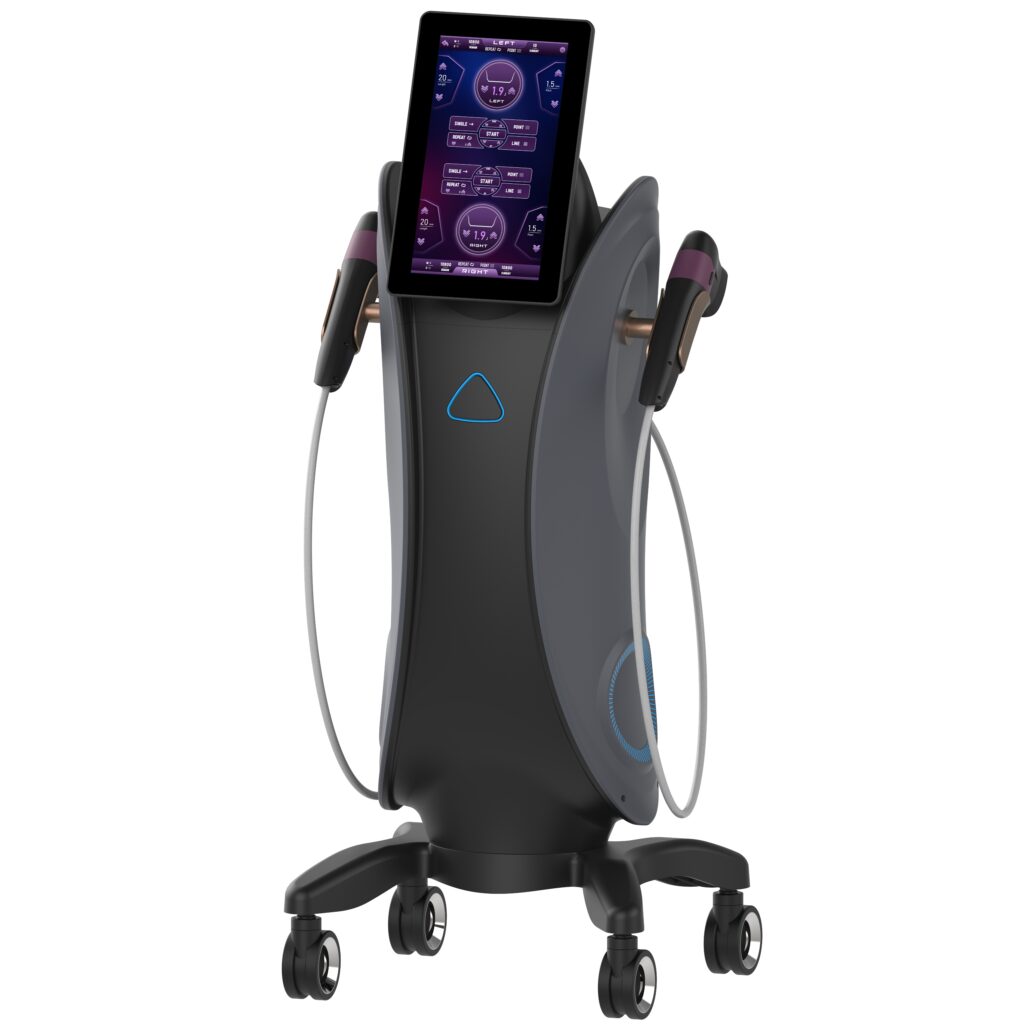
Pelvic floor health in men is often overlooked until symptoms begin to affect daily life, such as urinary leakage, weak bladder control, or reduced core stability. In recent years, non-invasive electromagnetic muscle stimulation technologies—often used in EMS chair systems—have been developed as supportive tools to strengthen deep pelvic muscles. These systems are designed to activate the pelvic floor through focused electromagnetic pulses that stimulate involuntary muscle contractions, offering a training intensity that cannot easily be achieved through voluntary exercise alone.
1. Understanding Male Pelvic Floor Function and Weakness
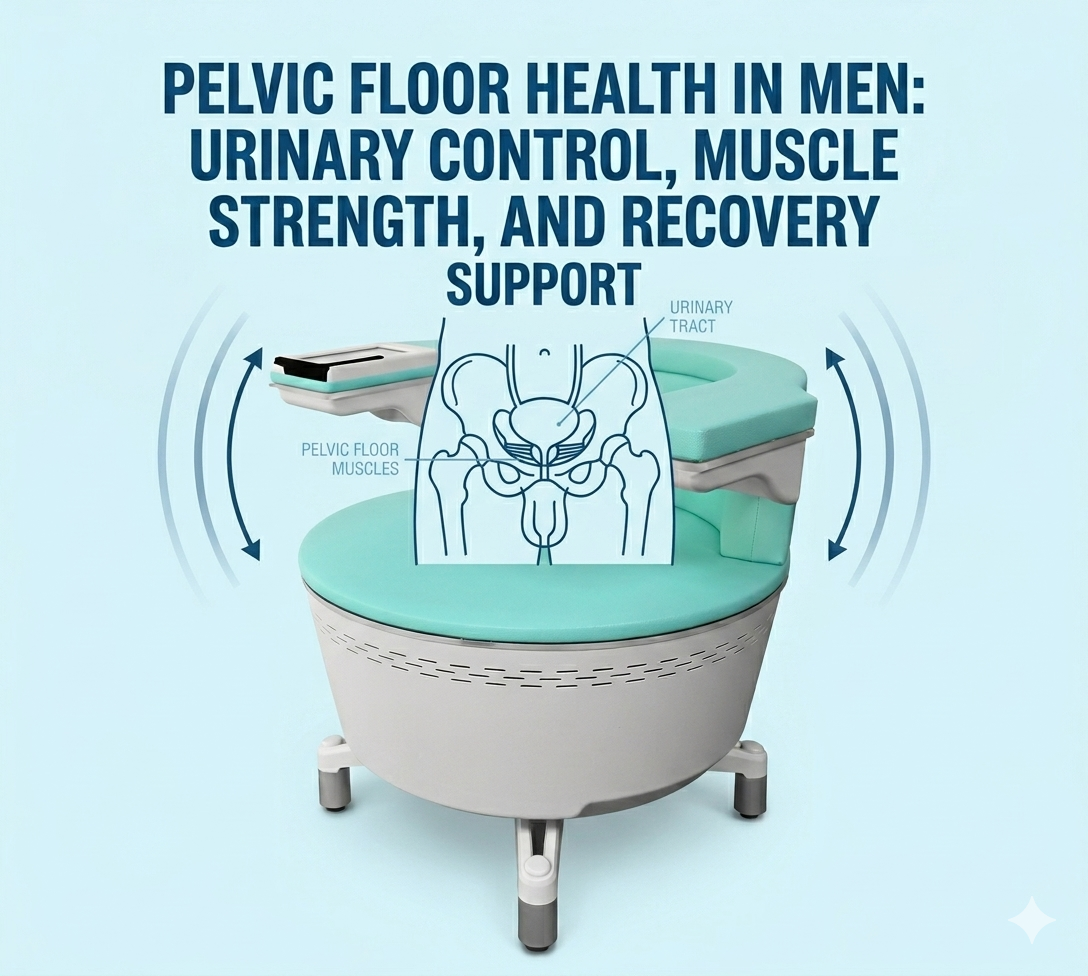
The pelvic floor in men is a group of deep muscles that support the bladder, bowel control, and sexual function. One of the most important muscles in this system is the pubococcygeus (PC) muscle, which plays a key role in controlling urinary flow and maintaining pelvic stability.
1.1 What Happens When Pelvic Floor Muscles Weaken
When these muscles lose strength due to aging, inactivity, surgery, or lifestyle factors, several functional issues may appear:
- Increased urinary frequency
- Stress-related urine leakage (coughing, sneezing, or physical activity)
- Reduced bladder control
- Lower core stability and posture support
These symptoms are not only physical but can also affect confidence and quality of life.
1.2 Why Traditional Exercises Are Not Always Enough
Kegel exercises are commonly recommended for pelvic floor strengthening, but many men struggle with:
- Correct muscle activation
- Consistency over time
- Isolating deep pelvic muscles
- Achieving sufficient training intensity
This is where electromagnetic muscle stimulation systems are used as a supplementary approach.
2. How Electromagnetic Muscle Stimulation Works
EMS pelvic floor technology uses focused electromagnetic energy to stimulate deep muscle layers in the pelvic region. Instead of relying on voluntary contraction, the system triggers involuntary supramaximal contractions.
2.1 Deep Muscle Activation Process
During treatment, electromagnetic pulses penetrate through tissues and directly activate pelvic floor muscles. This results in rapid, repeated contractions that engage the entire pelvic region, including muscles that are difficult to train manually.
A single session may produce thousands of contractions, providing a high-intensity muscle training effect in a short period of time.
2.2 Non-Invasive and Controlled Stimulation
The treatment is performed externally, meaning there are no needles, surgery, or internal procedures. The energy level is controlled and adjusted to ensure safety and comfort while maintaining effective muscle activation.
3. Benefits for Urinary Control and Bladder Function
One of the primary applications of pelvic floor stimulation in men is improving urinary control. Stronger pelvic muscles help regulate bladder function more effectively.
3.1 Improved Bladder Stability
Strengthening the pelvic floor may help:
- Reduce urgency and frequent urination
- Improve control during physical pressure (coughing or lifting)
- Support more stable bladder function throughout the day
3.2 Support for Age-Related Changes
As men age, natural muscle weakening can lead to reduced urinary control. Electromagnetic stimulation provides a way to reactivate and strengthen these muscles, supporting better long-term bladder function.
4. Muscle Strength and Core Stability Benefits
The pelvic floor is an essential part of the core muscle system, working together with abdominal and lower back muscles.
4.1 Core Support and Posture Stability
Stronger pelvic floor muscles contribute to:
- Better lower back support
- Improved posture stability
- Enhanced core strength coordination
This is especially relevant for men with sedentary lifestyles or weakened abdominal muscle engagement.
4.2 Deep Muscle Conditioning
Unlike surface-level fitness training, electromagnetic stimulation targets deep muscle layers that are difficult to isolate. This allows for more complete pelvic conditioning, especially in individuals who are unable to perform effective voluntary training.
5. Sexual Function and Circulation Support
Pelvic floor health is closely linked to sexual function in men. These muscles influence blood flow, nerve sensitivity, and muscular control.
5.1 Blood Flow and Tissue Activation
Electromagnetic stimulation may help increase local circulation in the pelvic region. Improved blood flow supports oxygen delivery to tissues, which is important for overall function and responsiveness.
5.2 Muscle Control and Sensitivity
Stronger pelvic muscles may contribute to better control and coordination during sexual activity. Some users report improved sensation due to enhanced muscle activation and neuromuscular response.
6. Recovery and Rehabilitation Applications
Pelvic floor stimulation is also used in recovery settings, especially for men experiencing muscle weakness after medical procedures or long-term inactivity.
6.1 Post-Surgical or Age-Related Recovery Support
After prostate-related procedures or prolonged muscle inactivity, pelvic floor muscles may become significantly weakened. Electromagnetic stimulation helps re-engage these muscles in a controlled and gradual way.
6.2 Functional Rehabilitation Benefits
This type of therapy may support:
- Gradual muscle reconditioning
- Improved urinary control recovery
- Restoration of pelvic muscle coordination

7. Treatment Experience and Sensation
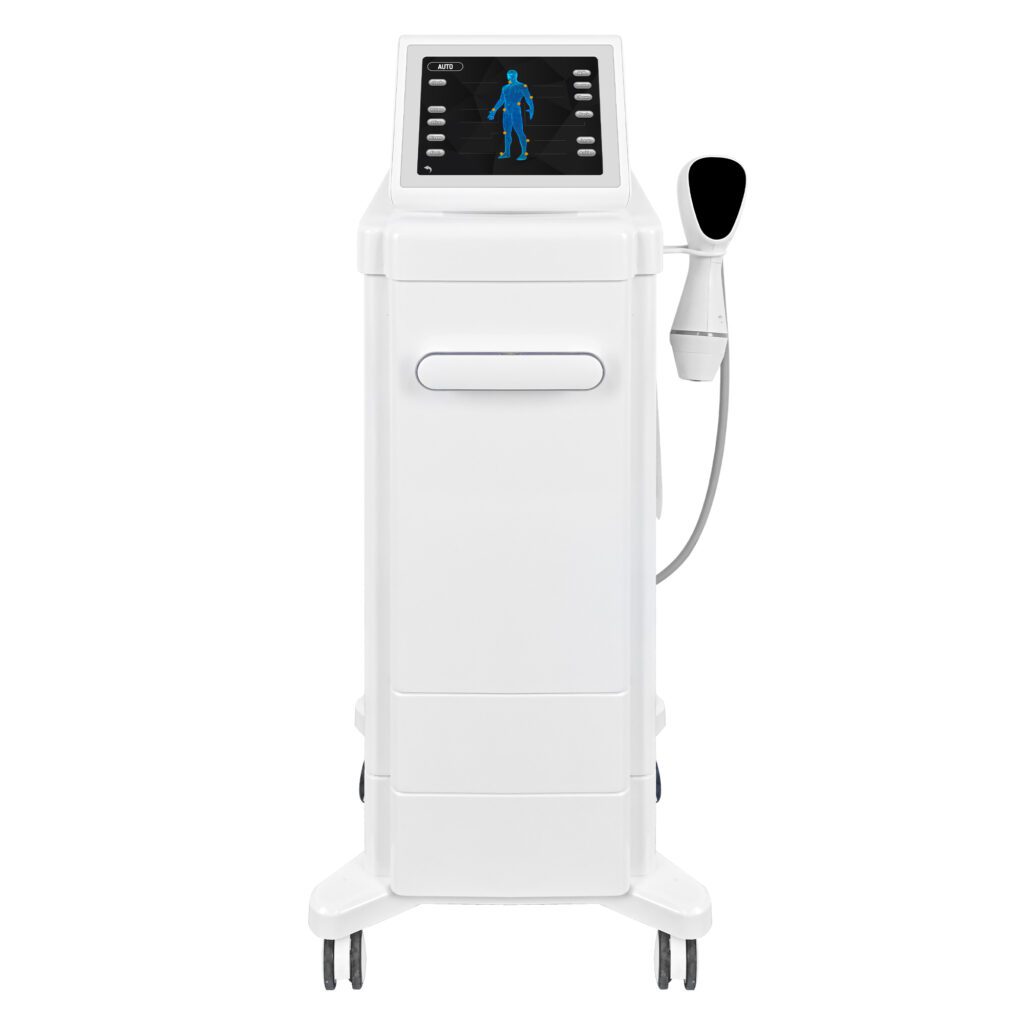
Pelvic floor electromagnetic stimulation is typically performed while sitting fully clothed on a specialized chair system. No physical effort is required during the session.
7.1 What Users Feel During Treatment
- Deep rhythmic muscle contractions
- Pulsing or tightening sensations in the pelvic area
- Mild tingling or pressure sensation
- No invasive discomfort in most cases
7.2 Session Duration and Convenience
Treatment sessions usually last around 20–30 minutes. There is no downtime, and users can resume normal activities immediately afterward.
8. Safety and Usage Considerations
When used correctly, electromagnetic pelvic floor stimulation is generally considered non-invasive and safe for wellness applications.
8.1 Possible Temporary Effects
- Mild muscle soreness after treatment
- Temporary pelvic fatigue
- Slight sensitivity in treated muscles
8.2 Important Precautions
- Not suitable for individuals with implanted electronic devices such as pacemakers
- Should be used with caution in serious medical conditions
- Professional guidance is recommended for post-surgical users
Conclusion
Pelvic floor health plays an important role in urinary control, core stability, and overall male functional wellness. Electromagnetic muscle stimulation technology provides a non-invasive method to activate and strengthen deep pelvic muscles through high-intensity contractions that are difficult to achieve with traditional exercise alone. While it is not a medical treatment or cure, it can serve as a supportive approach for men experiencing weakened pelvic muscles, helping improve bladder control, muscle strength, and recovery outcomes when used consistently and appropriately.