








최적화된 솔루션, 전문적인 밸브 지식 및 업계 뉴스를 공유하세요
원하시는 관련 용어나 키워드를 입력하시면 검색 결과에 관련 기사가 표시됩니다. 원하시는 답변을 찾지 못하시면 언제든지 문의해 주세요. 기꺼이 도와드리겠습니다. 또는 beauty@shefmon.com으로 직접 이메일을 보내주셔도 됩니다.
Anti-Aging Beauty Devices for Clinics: The Complete Guide to Modern Skin Rejuvenation Technology
- 관리자
Anti-Aging Beauty Devices for Clinics
Introduction to Clinical Anti-Aging Technology
Anti-aging treatments in modern clinics are no longer limited to creams, facials, or surgical facelifts. Today’s aesthetic industry is powered by advanced energy-based beauty devices that deliver visible results without scalpels or long recovery periods. Clinics around the world are investing heavily in these technologies because clients increasingly want treatments that are fast, effective, and minimally invasive.
The biggest shift in the aesthetics world is the move away from surgical procedures toward non-invasive skin rejuvenation systems. Devices using ultrasound, radiofrequency, lasers, and light-based technologies are now the backbone of most medspas and dermatology clinics. Even complex concerns like wrinkles, sagging skin, and acne scars are now treated with precision-controlled energy instead of surgery.
This transformation is not just about convenience—it’s about results. Modern devices are designed to stimulate the skin’s natural repair systems, especially collagen and elastin production, which are the real foundations of youthful skin.
How Anti-Aging Beauty Devices Work
At the core of all anti-aging beauty devices is a simple biological principle: 조절된 피부 손상은 재생을 유도한다. When the skin is exposed to precise heat, ultrasound, or light energy, it responds by activating healing mechanisms that rebuild collagen networks.
Collagen is like the scaffolding of the skin. As we age, this structure weakens, leading to wrinkles, sagging, and loss of firmness. Clinical devices aim to rebuild this support system from within.
Most professional machines work by targeting different layers of the skin:
- 그만큼 표피 (surface layer) for pigmentation and texture
- 그만큼 진피 for collagen production and elasticity
- 그만큼 SMAS층 (deep tissue) for lifting and tightening
Devices like HIFU can reach deep structural layers, while RF and lasers focus more on dermal remodeling. The combination of these technologies is what makes modern anti-aging treatments so effective in clinical environments.
고강도 집속 초음파(HIFU)
HIFU is one of the most powerful non-invasive lifting technologies used in clinics today. It uses focused ultrasound energy to heat targeted layers beneath the skin without damaging the surface.
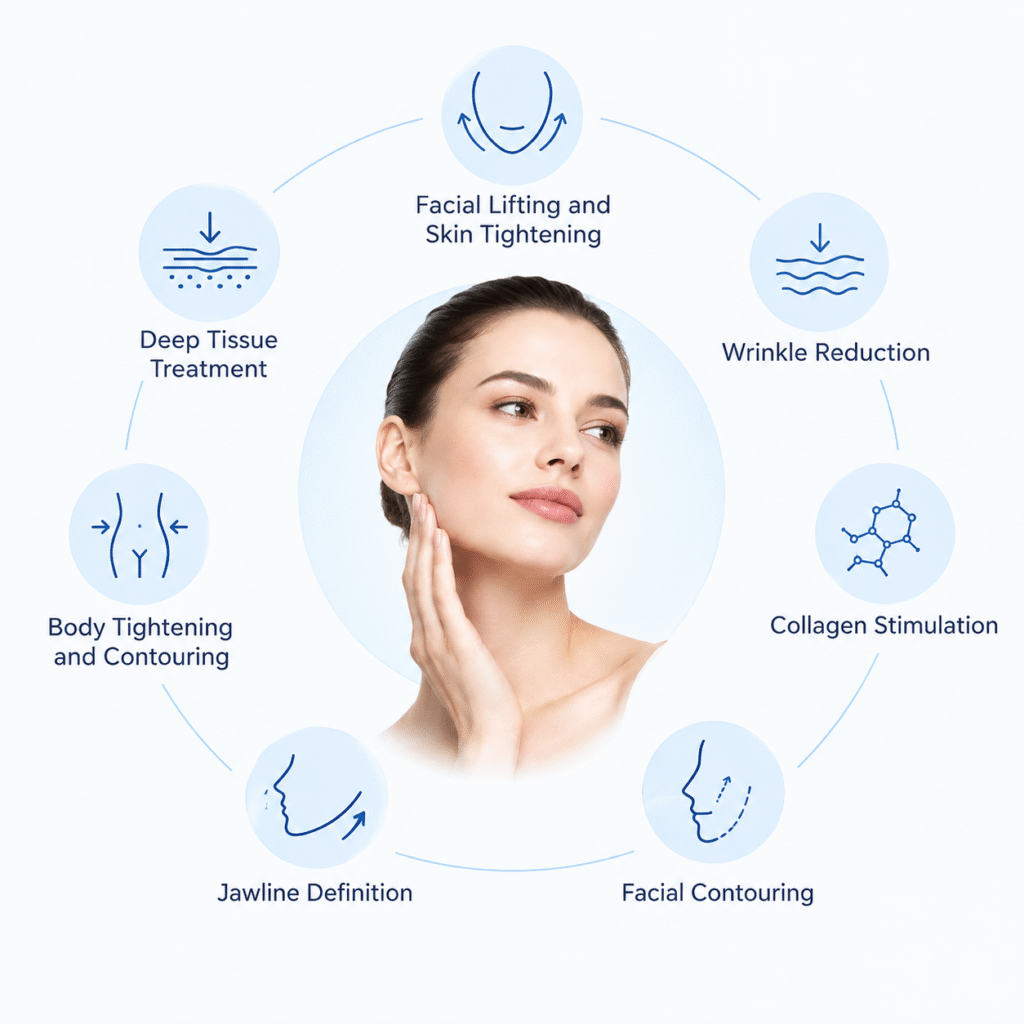
This controlled energy causes immediate tissue contraction and triggers long-term collagen regeneration. Over time, patients experience tighter skin, improved jawline definition, and reduced sagging.
HIFU targets deep dermal layers to stimulate collagen remodeling and tissue tightening\text{HIFU targets deep dermal layers to stimulate collagen remodeling and tissue tightening}HIFU targets deep dermal layers to stimulate collagen remodeling and tissue tightening
Popular Clinical Applications
HIFU는 다음과 같은 용도로 널리 사용됩니다:
- 얼굴 리프팅 및 컨투어링
- Jawline and double chin tightening
- 목 탄력 강화
- Non-surgical brow lifting
Modern devices even combine HIFU with RF or EMS technologies, creating multi-layered treatment systems that address both fat reduction and skin tightening simultaneously. Some advanced machines integrate multiple probes and depth settings for customized treatment plans tailored to each patient’s facial structure.
Radiofrequency (RF) Skin Tightening Devices
Radiofrequency technology is another cornerstone of anti-aging clinics. Unlike ultrasound, RF uses electrical energy to generate controlled heat in the dermis. This heat tightens existing collagen fibers while stimulating new collagen production over time.
RF treatments are known for being comfortable, versatile, and suitable for a wide range of skin types.
Monopolar vs Bipolar RF Systems
- Monopolar RF: Penetrates deeper layers, ideal for skin tightening and body contouring
- 양극성 RF: Works at shallower depths, better for surface rejuvenation and texture improvement
Clinics often use both types depending on treatment goals.
RF energy induces dermal heating leading to collagen denaturation and neocollagenesis\text{RF energy induces dermal heating leading to collagen denaturation and neocollagenesis}RF energy induces dermal heating leading to collagen denaturation and neocollagenesis
Safety and Treatment Depth
RF devices are generally considered safe when used correctly, but recent clinical discussions emphasize the importance of trained operators. Improper use can lead to burns or uneven results, which is why professional certification is essential in medical aesthetics environments.
RF Microneedling Technology
RF microneedling combines two powerful techniques: mechanical micro-injuries and radiofrequency heat energy. Tiny needles penetrate the skin while delivering RF energy directly into deeper dermal layers.
This dual action dramatically enhances collagen remodeling, making it one of the most effective treatments for acne scars, wrinkles, and skin laxity.
How Microneedles Enhance Collagen Production
The controlled micro-injuries trigger the skin’s natural repair process, while RF heat amplifies tissue contraction and regeneration. This combination leads to faster and more visible results compared to traditional microneedling.
RF Microneedling=Mechanical micro-injury+Radiofrequency thermal stimulation\text{RF Microneedling} = \text{Mechanical micro-injury} + \text{Radiofrequency thermal stimulation}RF Microneedling=Mechanical micro-injury+Radiofrequency thermal stimulation
Risks and Benefits in Clinical Use
While highly effective, RF microneedling must be performed carefully. Reports in the aesthetic industry highlight risks such as burns or fat loss if improperly applied. However, when performed by trained professionals, it remains one of the most reliable anti-aging treatments in clinics.
Laser-Based Anti-Aging Systems
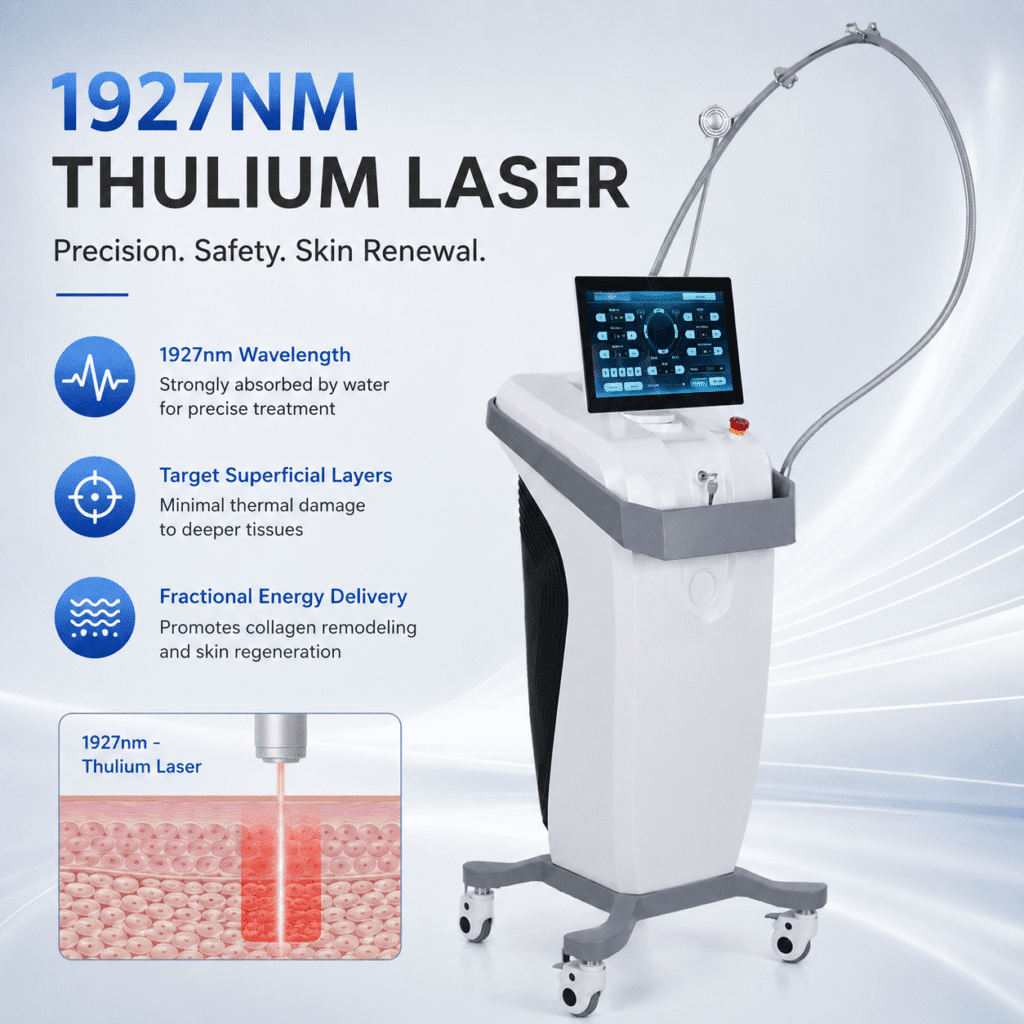
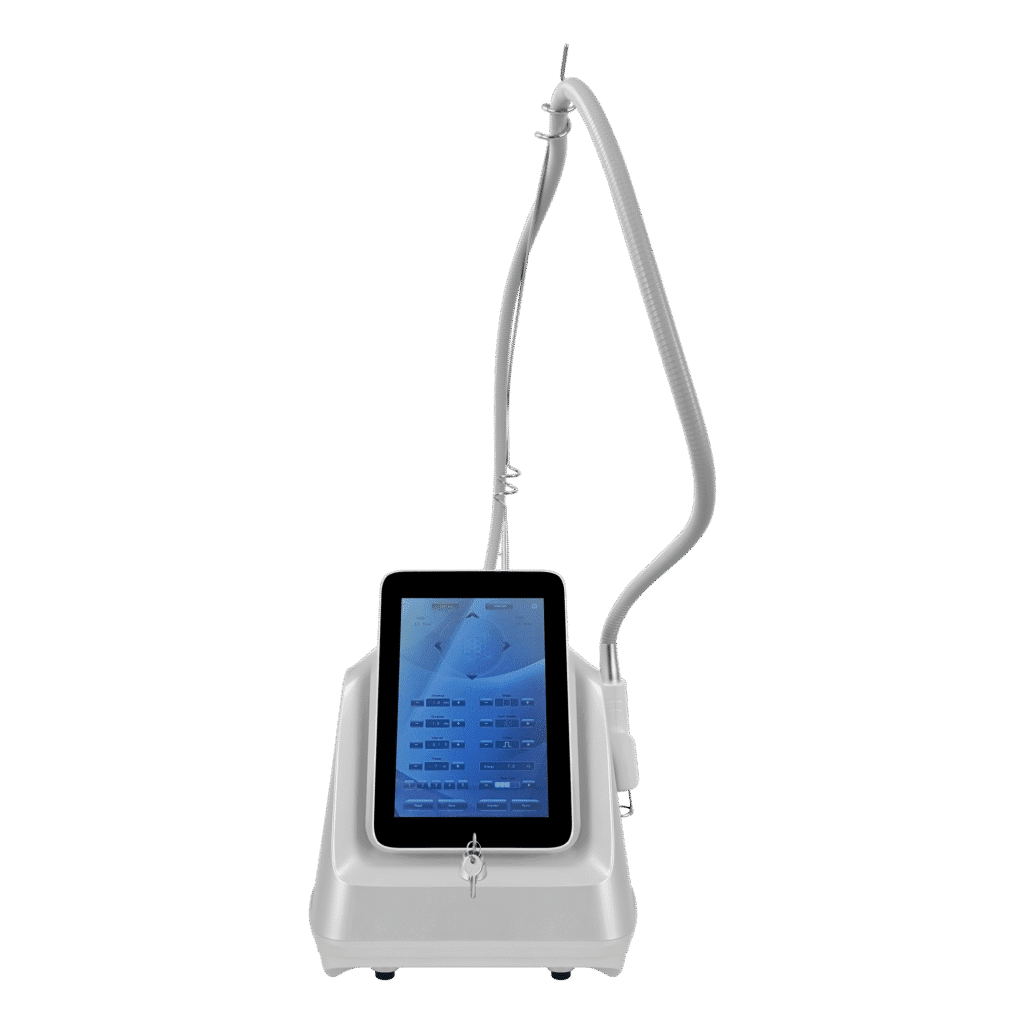
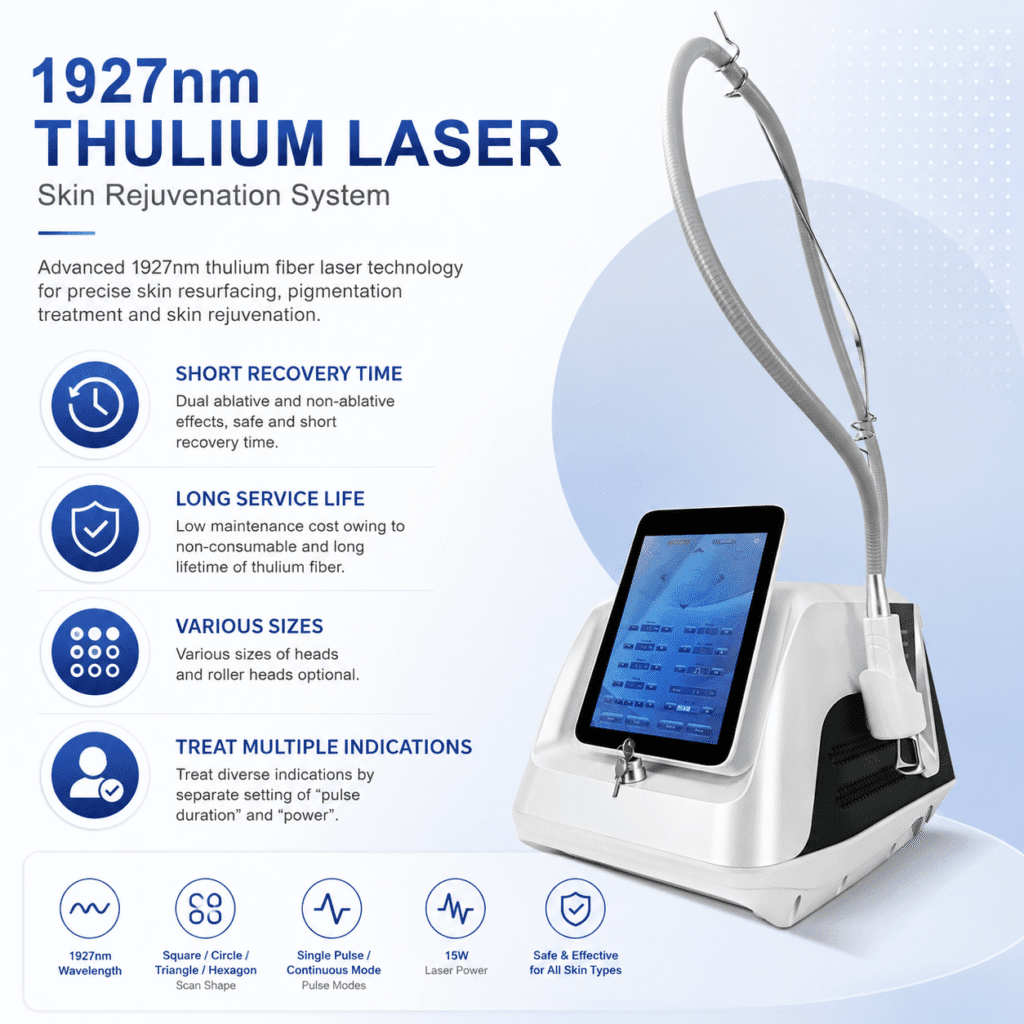
Laser devices are widely used in dermatology clinics for skin resurfacing and rejuvenation. Fractional lasers create micro-injuries in the skin, prompting rapid healing and collagen remodeling.
These systems are particularly effective for:
- 미세한 주름과 잔주름
- 여드름 흉터
- Sun damage and pigmentation
Recovery time varies depending on the intensity of the laser. Some treatments allow patients to return to daily activities within a few days, while more aggressive resurfacing lasers require a longer healing period.
Recent clinical reports highlight that advanced lasers like fractional systems can deliver significant skin texture improvement after just one session, though full results develop over several weeks as collagen rebuilds.
IPL(강력 펄스 광) 장치
IPL technology is different from lasers because it uses broad-spectrum light rather than a single wavelength. This makes it highly versatile for treating pigmentation, redness, and early signs of aging.
Clinics use IPL for:
- Sunspots and pigmentation correction
- Redness and vascular issues
- Overall skin brightening
Although IPL is less aggressive than lasers, it is often used as a maintenance treatment to keep skin looking youthful and even-toned.
Multi-Functional Combination Devices
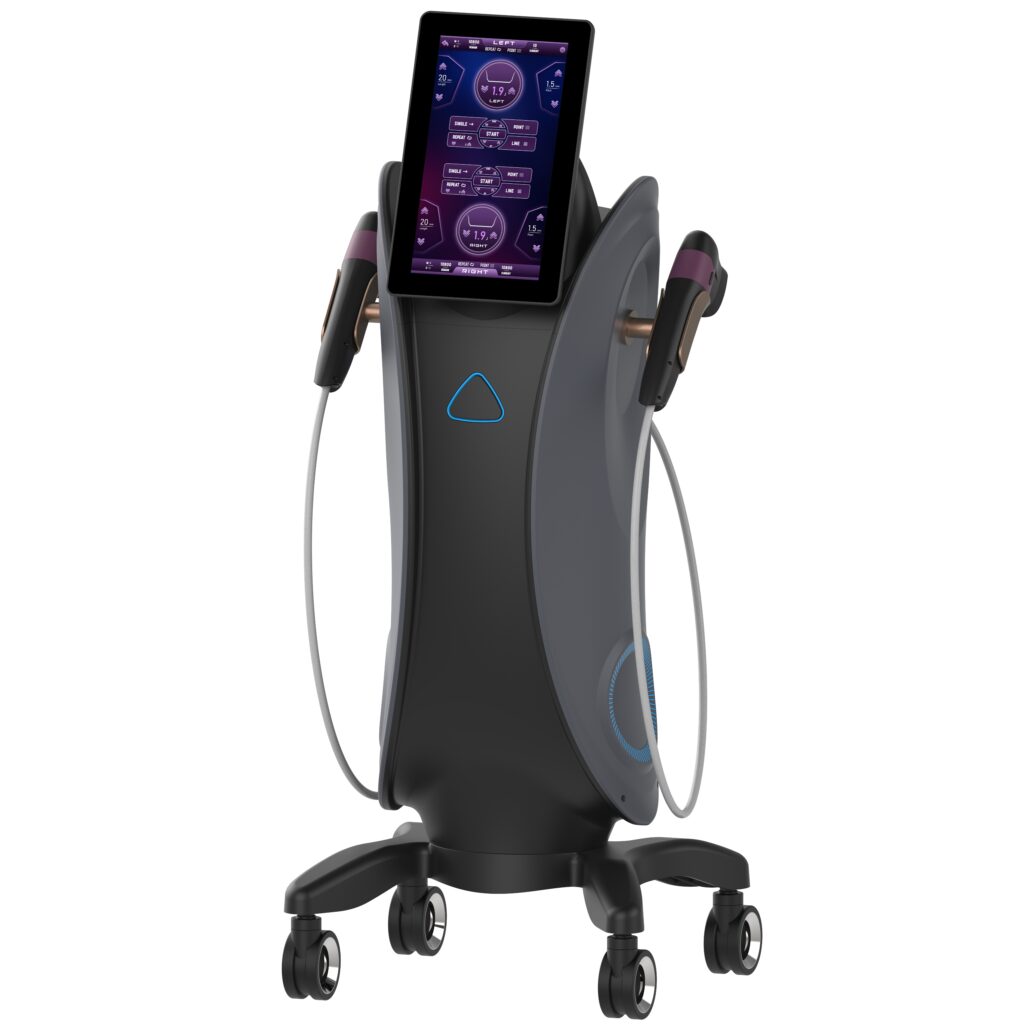
One of the strongest trends in aesthetic clinics is the rise of 다중 기술 플랫폼. These devices combine HIFU, RF, microneedling, and cooling systems into a single machine.
Modern systems like multi-platform aesthetic devices can deliver full-face rejuvenation in one treatment session, targeting multiple skin layers simultaneously.
Morpheus8 Pro Max 4-in-1 Multi-Technology Beauty Device is an example of how clinics are adopting integrated systems for efficiency and broader treatment capability.
Why Clinics Prefer Multi-Technology Systems
- Reduced equipment costs
- Wider treatment offerings
- 환자 만족도 향상
- Faster ROI for clinic owners
These systems are particularly popular in medspas aiming to scale services without investing in multiple standalone machines.
Safety Considerations in Clinical Devices
Safety is one of the most important aspects of using anti-aging devices in clinics. While these technologies are highly effective, they require proper training and clinical expertise.
Key safety considerations include:
- Operator certification
- Device calibration and maintenance
- Patient skin type assessment
- Proper energy level selection
Recent clinical discussions emphasize that improper use—especially with RF microneedling—can lead to complications such as burns or tissue damage. This makes professional training essential for all aesthetic practitioners.
Choosing the Right Device for a Clinic
Selecting the right anti-aging device depends on clinic size, budget, and target clientele. High-end clinics often invest in multi-functional platforms, while smaller practices may focus on one or two core technologies like RF or HIFU.
Key decision factors include:
- Treatment demand in your area
- Device versatility
- ROI potential
- Maintenance and consumable costs
Clinics that offer a combination of lifting, tightening, and resurfacing treatments typically see higher client retention and repeat bookings.
Market Trends in Aesthetic Technology
The aesthetic device market is evolving rapidly. One of the biggest trends is the integration of AI-powered skin analysis systems that help customize treatments based on real-time skin data.
Another emerging trend is the development of hybrid systems combining ultrasound, RF, and cooling technologies for more comfortable and efficient treatments.
As demand for non-invasive procedures grows, clinics that invest in advanced, multi-layer technologies are positioned to lead the market.
결론
Anti-aging beauty devices have transformed clinical aesthetics into a technology-driven industry. From HIFU and RF to lasers and IPL systems, each device plays a unique role in skin rejuvenation. Clinics today rely on these technologies not just for cosmetic enhancement but for building long-term client trust and satisfaction. As innovation continues, the future of anti-aging treatments will become even more precise, personalized, and efficient.
자주 묻는 질문
1. What is the most effective anti-aging device for clinics?
It depends on treatment goals, but RF microneedling and HIFU are among the most effective for skin tightening and lifting.
2. Are anti-aging beauty devices safe?
Yes, when used by trained professionals following proper protocols and safety guidelines.
3. How long do results from clinic devices last?
Results can last from several months to over a year depending on the treatment type and patient lifestyle.
4. Do clinics need multiple devices?
Many clinics prefer multi-functional systems to offer a wider range of treatments efficiently.
5. What is the difference between laser and RF treatments?
Lasers target pigmentation and resurfacing, while RF focuses on tightening and collagen stimulation.