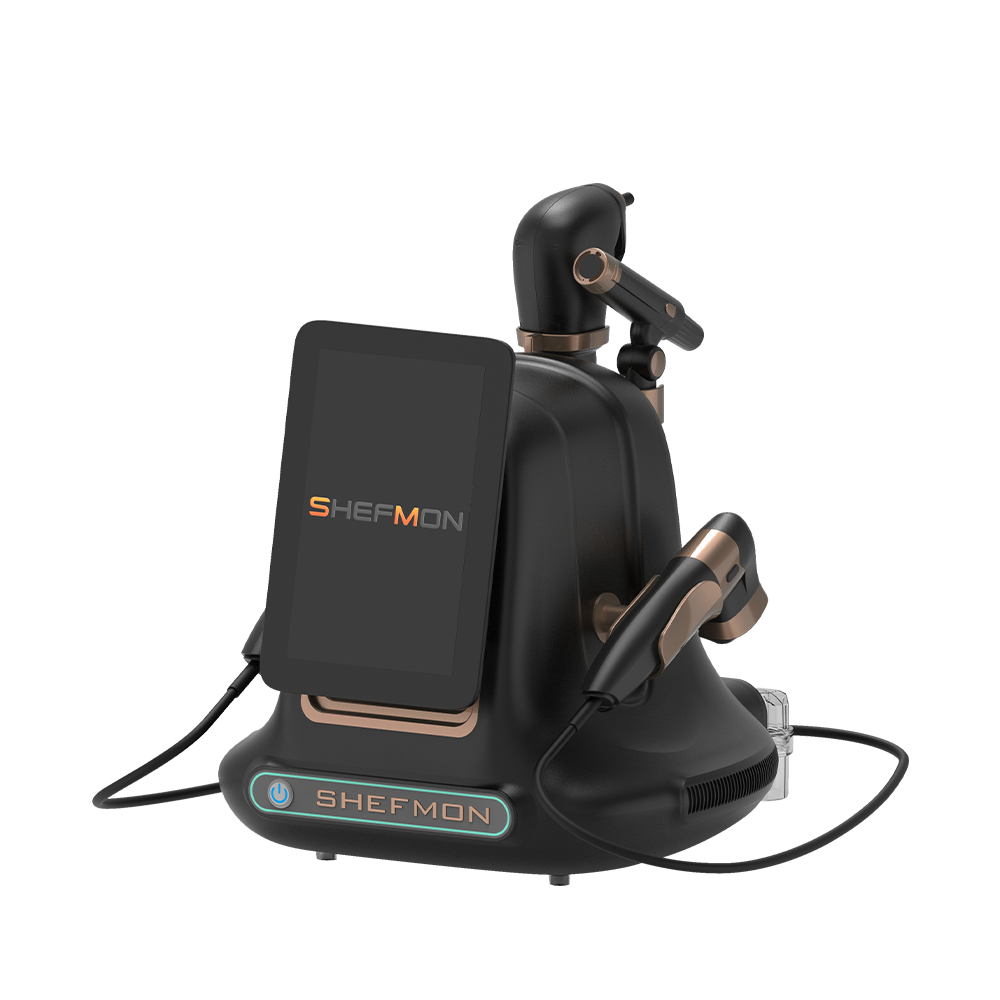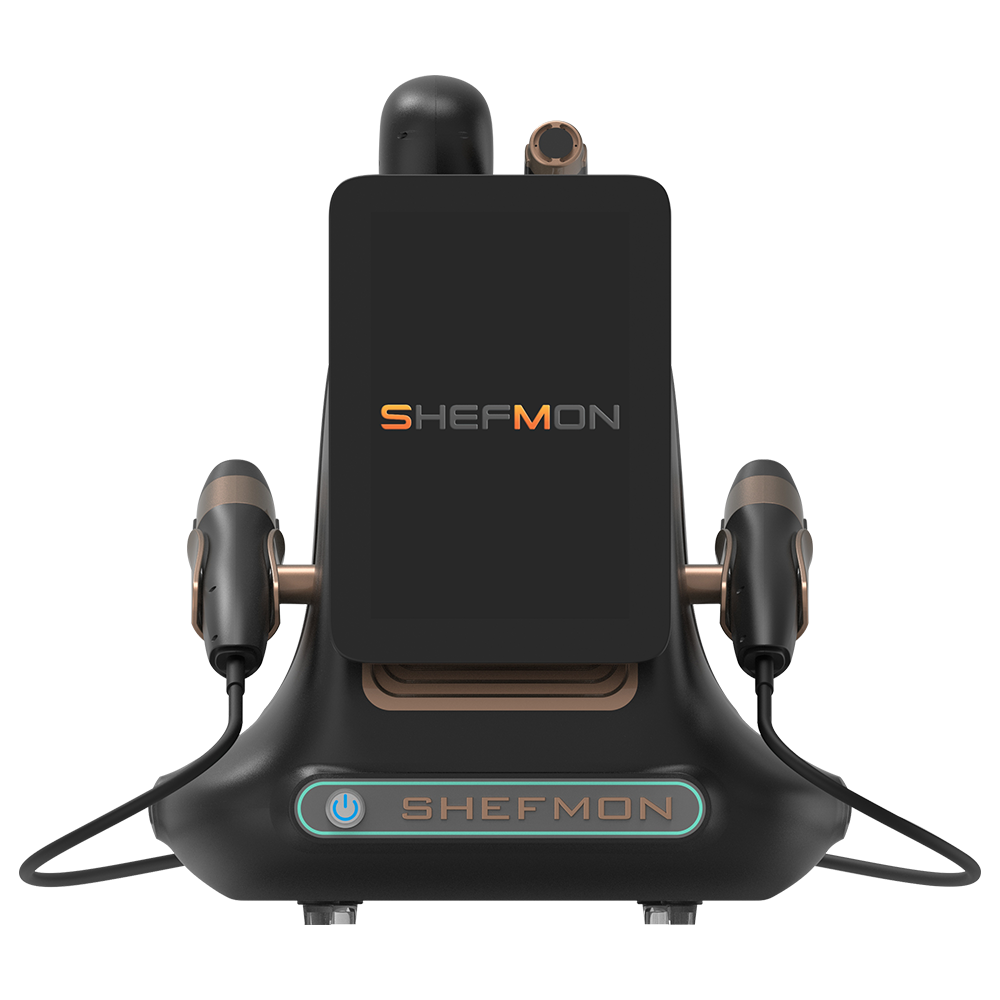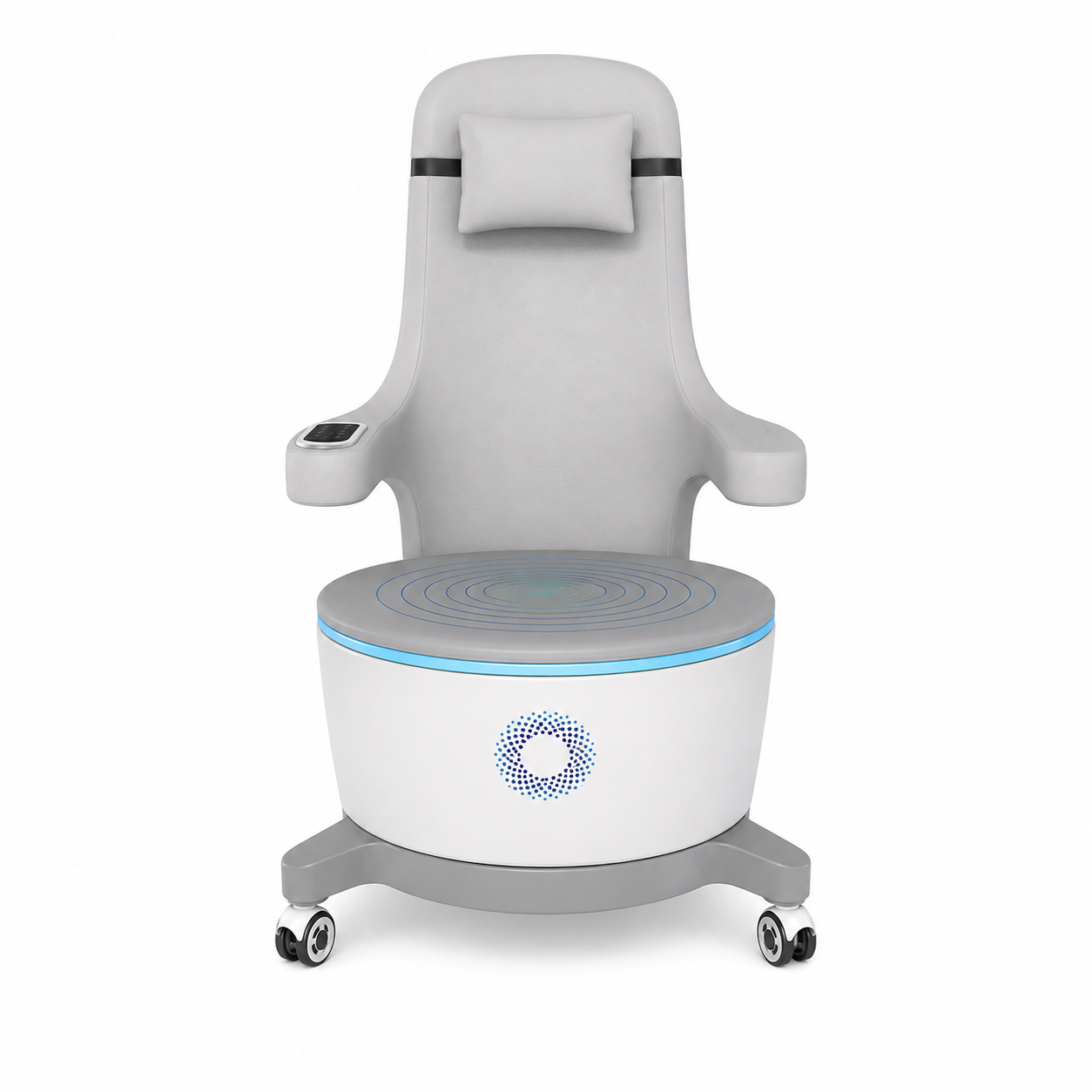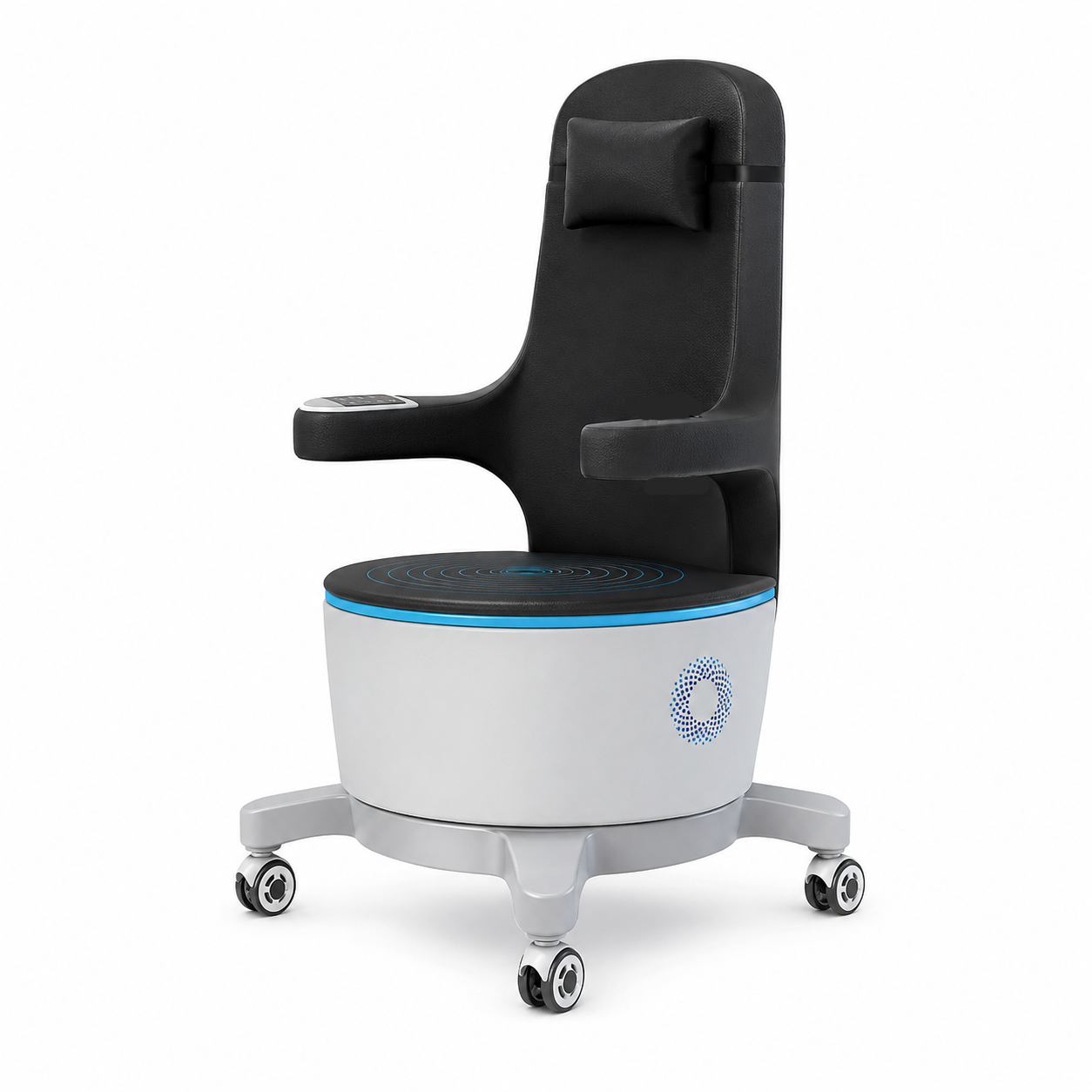










An EMS pelvic floor chair is designed to stimulate pelvic floor muscles through electromagnetic energy, offering a seated approach to muscle conditioning. Its potential benefits have attracted attention from women’s wellness centers, postpartum care providers, rehabilitation-related clinics, and professional beauty equipment distributors. For businesses considering this equipment, the important questions are what benefits the technology may support, how it fits into existing services, and which machine configuration is appropriate. This guide explores seven key aspects of EMS pelvic floor chair benefits and introduces three SHEFMON models for professional buyers.
1. Supports Pelvic Floor Muscle Conditioning
One of the main potential benefits of an EMS pelvic floor chair is its ability to trigger repeated pelvic floor muscle contractions.
The pelvic floor is a group of muscles that supports the bladder, bowel, and pelvic organs. These muscles also contribute to urinary control and pelvic stability. Pregnancy, childbirth, aging, and other factors may affect their strength and coordination.
An electromagnetic pelvic floor chair generates pulses that stimulate the targeted muscles, producing involuntary contractions during a treatment session. This provides a structured muscle-stimulation approach for people who need support with pelvic floor conditioning.
For professional businesses, this creates an equipment option focused specifically on pelvic floor muscle activation rather than general body massage or surface-level relaxation services.
However, muscle contractions during treatment should not automatically be interpreted as improved long-term muscle function. Outcomes depend on individual circumstances, treatment protocols, and the condition being addressed.
2. Offers a Seated, Hands-Free Treatment Format
Another practical advantage is the chair-based treatment design.
Unlike pelvic floor exercises that require clients to actively perform repeated contractions, an EMS pelvic floor chair delivers electromagnetic stimulation while the client remains seated.
This format offers several operational characteristics:
- Clients can remain seated throughout the programmed session.
- The machine delivers stimulation according to the selected treatment settings.
- Operators can monitor the session and adjust intensity when appropriate.
- The treatment does not require the operator to manually perform repeated muscle stimulation.
The seated format may also make it easier for wellness centers to establish a dedicated treatment area.
For businesses, this provides a relatively straightforward service format. Nevertheless, operators still need to understand client screening, correct positioning, treatment parameters, and the manufacturer’s safety instructions.
3. May Support Postpartum Pelvic Floor Programs
Pregnancy and childbirth can place considerable demands on the pelvic floor. Some women experience reduced pelvic muscle strength or urinary leakage after delivery.
This is one reason postpartum pelvic floor support is an important application area for professional muscle-stimulation equipment.
Research has investigated electromagnetic stimulation for postpartum women with stress urinary incontinence. A randomized clinical trial published in 2025 compared electromagnetic stimulation with Kegel exercises in postpartum women. Both groups improved, while the stimulation group showed a greater increase in measured pelvic floor muscle strength. However, differences in urinary symptoms and some other outcomes were not significant between groups.
The study can be reviewed here: Improving pelvic floor muscle strength in women with postpartum stress urinary incontinence using electromagnetic stimulation therapy.
For professional buyers, this research provides a useful reference when evaluating postpartum-related applications. It does not establish that every commercial EMS chair produces the same results or that treatment is appropriate for every woman after childbirth.
Postpartum treatment should take place only when the client is medically suitable and recovery has progressed appropriately. The timing and treatment plan should be guided by qualified healthcare professionals.
4. Provides an Additional Option for Women’s Wellness Services
Pelvic floor health is relevant beyond the postpartum period. Muscle function may change with age, menopause, physical activity, and other life circumstances.
An EMS pelvic floor chair may therefore be considered by businesses developing services around:
- Women’s pelvic floor wellness
- Pelvic muscle conditioning
- Postpartum support programs
- Selected pelvic rehabilitation-related services
- General muscle stimulation programs, where supported by the machine
For women’s wellness centers and rehabilitation-related clinics, a dedicated chair can provide an additional treatment option for clients interested in pelvic floor muscle support.
The clinical evidence should still be communicated carefully. A 2025 systematic review examined chair-based magnetic pelvic floor stimulation in women with urinary incontinence. It reported encouraging findings for continence and sexual-function outcomes, but the review included only five studies and rated the certainty of evidence as low or very low for several outcomes. The authors also highlighted the need for larger, standardized studies.
Read the review: Chair-Based Magnetic Pelvic Floor Stimulation and Female Sexual Function in Women with Urinary Incontinence.
This distinction matters when developing marketing materials. Potential benefits should not be presented as guaranteed clinical outcomes.
5. Can Be Integrated into Structured Pelvic Floor Training Programs
An EMS pelvic floor chair can also serve as one component of a broader pelvic floor conditioning program.
Pelvic floor health is not determined by muscle contractions alone. Muscle coordination, the ability to contract and relax correctly, individual symptoms, and daily habits can all influence pelvic floor function.
For this reason, electromagnetic stimulation may be considered alongside professionally supervised pelvic floor training when appropriate.
For example, a clinic may organize its service around:
- Initial client assessment and suitability screening.
- A treatment plan established according to professional recommendations.
- Electromagnetic stimulation sessions using the manufacturer’s protocol.
- Follow-up assessment of symptoms and muscle function.
- Adjustments to the program according to individual progress.
This approach places the machine within a more comprehensive service rather than presenting it as a standalone solution for every pelvic floor concern.
It is also important to distinguish commercial wellness services from regulated medical rehabilitation. Businesses should follow local requirements concerning professional qualifications, treatment claims, and device intended use.
6. Different Chair Configurations Can Support Different Service Needs
Not every EMS pelvic floor chair is designed for exactly the same purpose. Some models focus primarily on women’s postpartum-related applications, while others are positioned around pelvic floor rehabilitation or additional muscle-training functions.
SHEFMON offers three models that give buyers different options.
6.1 E0435: Postpartum-Oriented Pelvic Floor Support
その SHEFMON E0435 Women’s Postpartum Repair EMS Chair is positioned around women’s postpartum support and pelvic floor muscle stimulation.
Its main application focus includes:
- 骨盤底筋刺激
- Women’s pelvic floor conditioning
- Postpartum-related support programs
- Seated electromagnetic treatment
For businesses whose main customer group includes women interested in postpartum pelvic floor services, E0435 provides a dedicated equipment option.
When evaluating this model, buyers should confirm its treatment programs, technical specifications, intended user group, and postpartum-related contraindications.
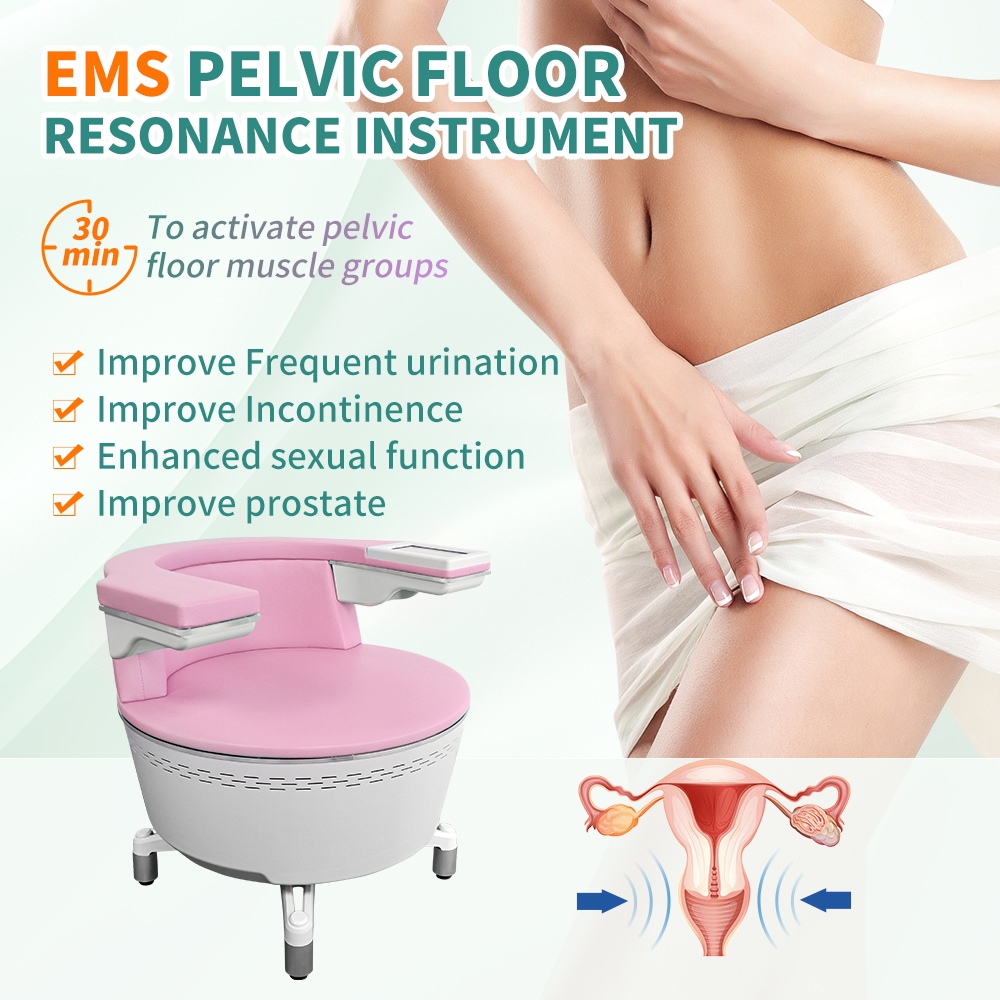
6.2 E0436: Dedicated Pelvic Floor Muscle Stimulation
その SHEFMON E0436 Electromagnetic Pelvic Floor Muscle Rehabilitation EMS Chair is positioned around electromagnetic pelvic floor muscle stimulation and rehabilitation-related applications.
Its product information describes:
- Electromagnetic stimulation for pelvic floor muscles
- Repeated muscle contractions during treatment
- A seated treatment format
- A session duration of approximately 30 minutes
E0436 may suit buyers looking for a dedicated pelvic floor stimulation chair for wellness or rehabilitation-related environments.
For distributors, its focused application makes it easier to position within a product range centered on pelvic floor muscle conditioning.

ボディスカルプト前後のエムスカルプトマシン販売中(2024年)
6.3 E0437: Pelvic Floor and Back Muscle Training
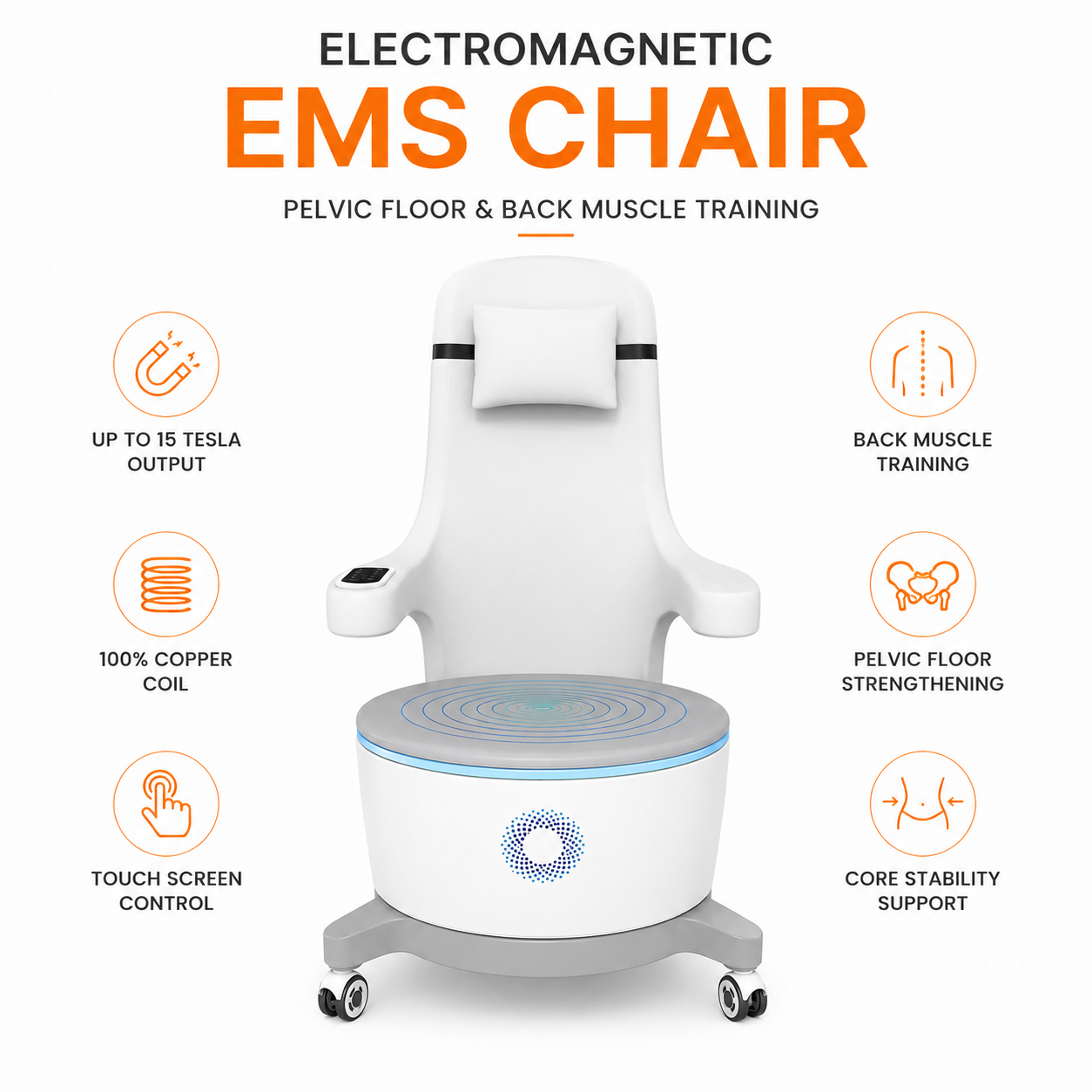
その SHEFMON E0437 電磁式EMSチェア offers a broader application focus by combining pelvic floor strengthening with back muscle training.
Its published features include:
- 最大15テスラの出力
- 100%銅コイル技術
- Intelligent touchscreen control
- 人間工学に基づいた椅子のデザイン
- Pelvic floor muscle training
- Back muscle activation and training
The additional back muscle training function is its main distinction from the more pelvic-focused E0435 and E0436.
This configuration may interest wellness centers and distributors looking to offer equipment for more than one muscle-training application. Buyers should request the complete technical documentation to verify the output specifications, available programs, and delivered configuration.
7. What Should Buyers Consider When Evaluating These Benefits?
For equipment distributors and professional businesses, the advertised benefits should always be considered alongside the machine’s actual capabilities.
7.1 Verify the electromagnetic specifications
Request details about output intensity, frequency range, power, and adjustable treatment settings. If a supplier advertises a Tesla value, confirm the measurement method and supporting technical documentation.
A higher advertised output does not automatically mean better clinical results.
7.2 Check client comfort and chair construction
The chair should provide stable positioning throughout the session. Consider seat dimensions, material quality, overall construction, and ease of cleaning.
7.3 Review safety instructions
Ask for the manufacturer’s contraindication list, user manual, and client-screening recommendations. Certain implanted electronic devices, metal implants, and medical conditions may affect treatment suitability.
7.4 Confirm training and technical support
Professional buyers should also review operator training, warranty coverage, maintenance instructions, replacement parts, and troubleshooting support.
These details are particularly important for international distributors supplying equipment to clinics and wellness centers.
結論
The potential benefits of an EMS pelvic floor chair include targeted pelvic floor muscle stimulation, a convenient seated treatment format, and an additional option for structured women’s wellness and postpartum support programs. However, clinical outcomes vary, and the available research does not establish that every commercial chair delivers the same results. SHEFMON E0435 focuses on postpartum-related pelvic floor applications, E0436 is positioned around dedicated pelvic floor muscle stimulation, and E0437 adds back muscle training. By evaluating the intended applications, technical specifications, safety documentation, and equipment configuration, professional buyers can select a model that better matches their business requirements.