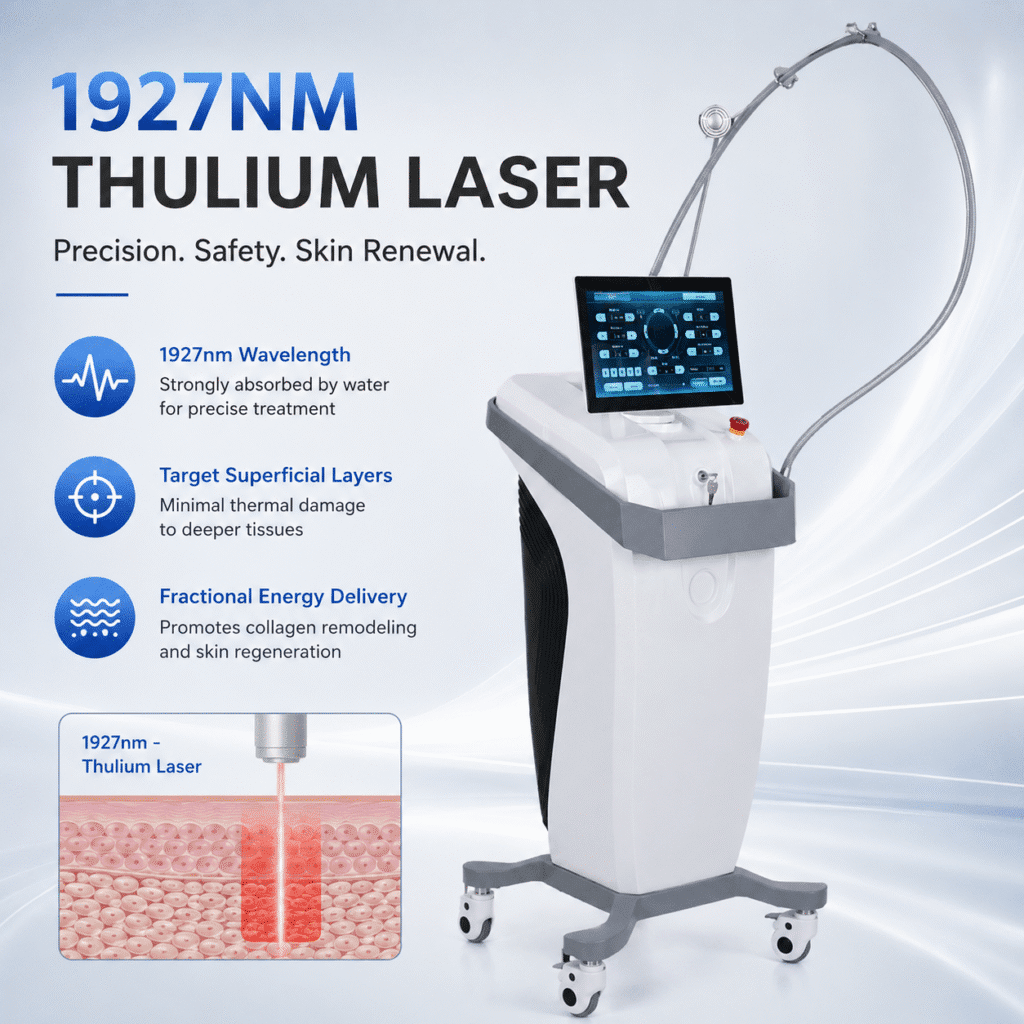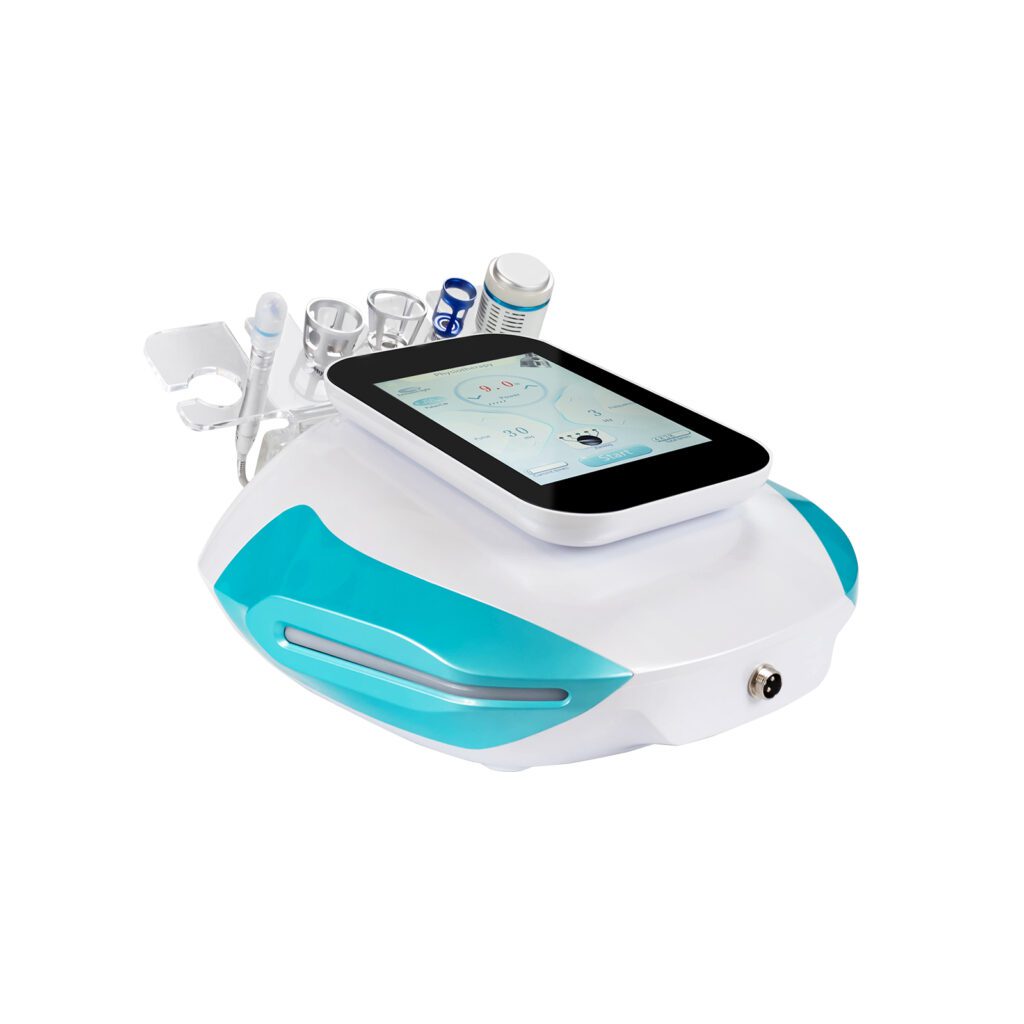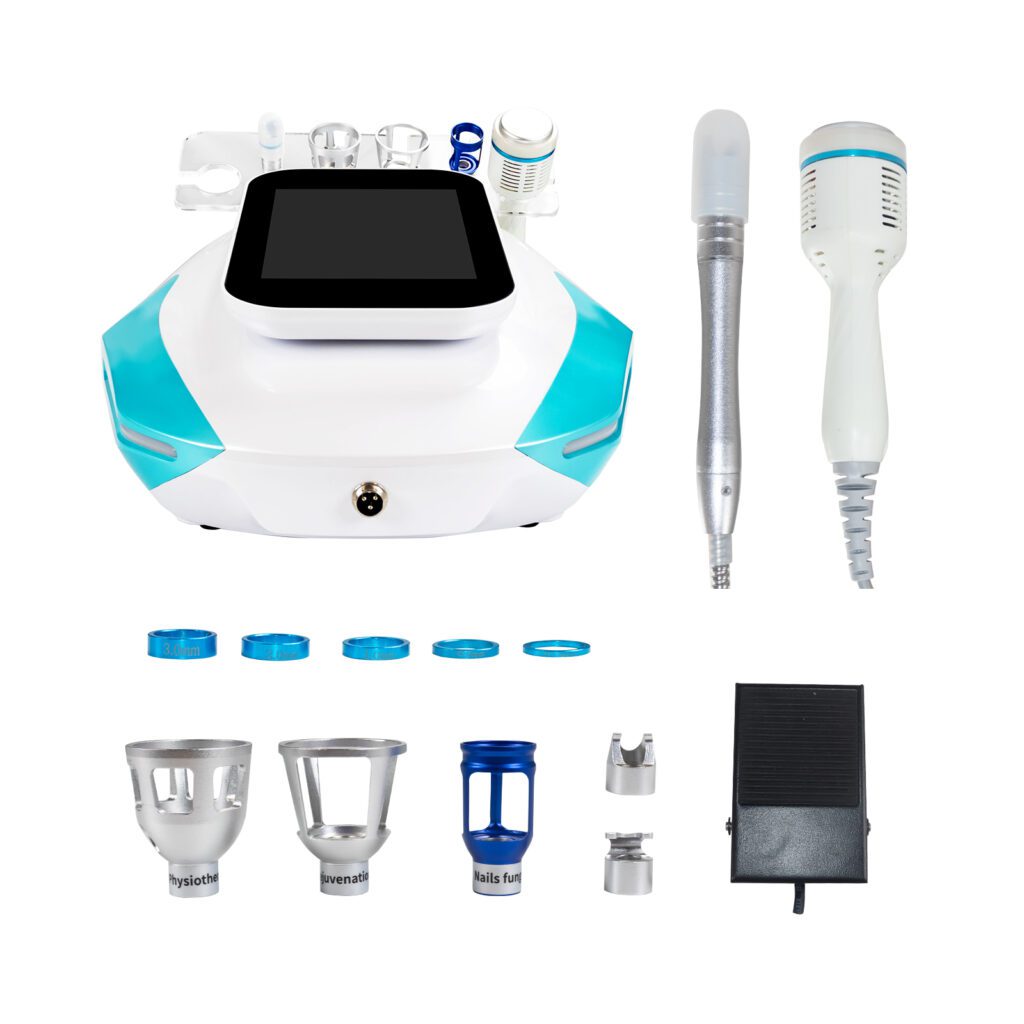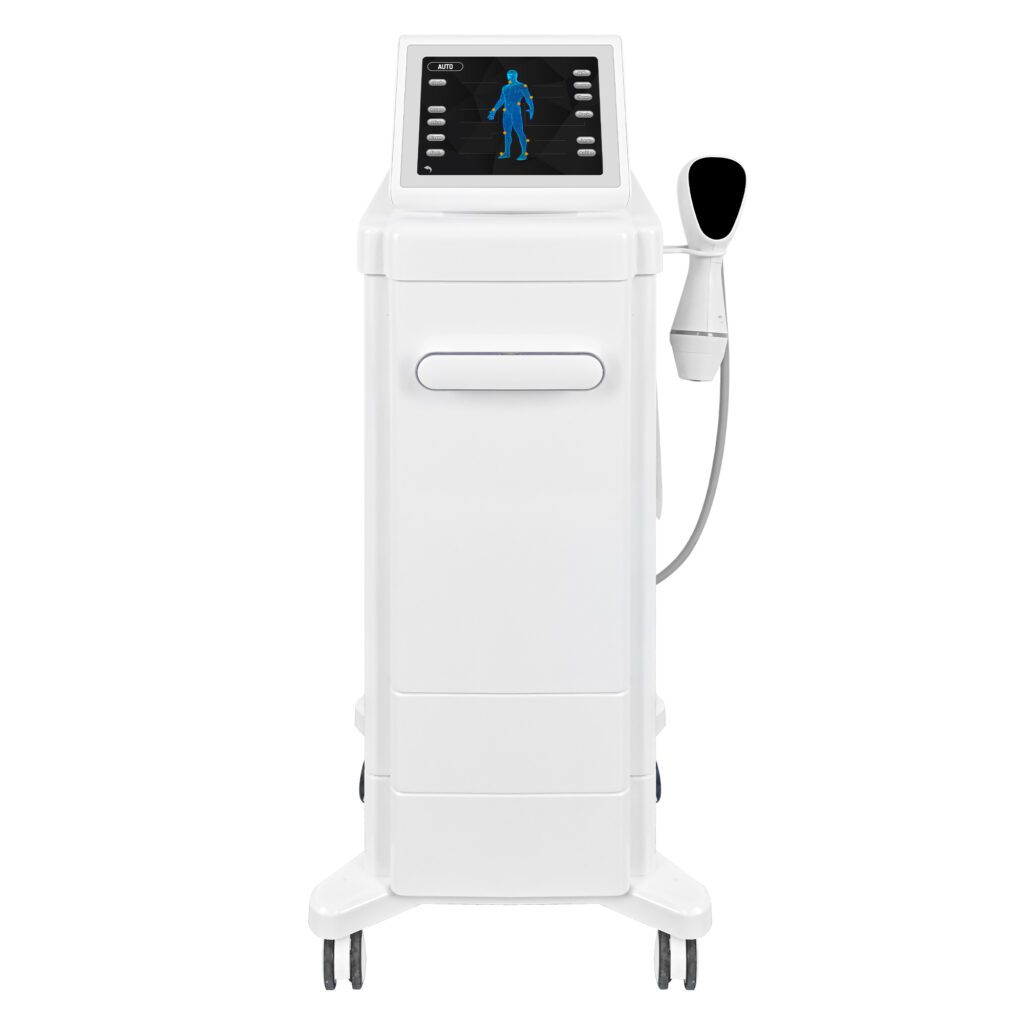











A single-service beauty business is easy for clients to understand, but it can become restrictive when the same audience begins requesting additional facial, hair, body, or advanced aesthetic goals. Expanding successfully requires more than placing several device names on the menu. The business must preserve the service that built its client base while creating clear new categories with separate purposes and operating systems.
This guide explains how salons, med spas, skin clinics, laser practices, and body studios can move from one service lane to a balanced multi-category device portfolio. It compares relevant SHEFMON devices, shows how to select the first and second expansion categories, and outlines the menu, consultation, staffing, room, and record changes needed for a controlled transition.
エグゼクティブサマリー
- Keep the proven single-service category as the portfolio anchor unless evidence shows that it should be retired or redefined.
- Add the first new category for adjacency: it should meet a repeated goal among clients the business already understands.
- Add the next category for coverage: it should fill a different facial, hair, body, or qualified advanced-treatment gap.
- 使用 A0648 ハイドロマイクロダーマブレーション as a clear cleansing and hydration-focused facial anchor.
- 使用 A0272-F フェイシャルEMS/RF when a facial-only business needs a separate tone-and-contour category.
- 比較する A0423ダイオードレーザー そして A0426 多波長ダイオードレーザー when a business is ready to operate hair reduction as its own department.
- 使用 B0155 多機能ボディケア for broad body-category coverage; select A0241 筋肉に特化したトレーニング機器 または S9局所冷却輪郭形成 only when the portfolio needs that distinct specialist role.
- 追加 A0204 集束型HIFU または A0152 RFマイクロニードリング as one qualified advanced pathway, after professional and clinical controls are complete.
- Organize the public menu by client goal and category. Keep models, configurations, settings, components, and operator authorization in an internal device map.
- Transition one category at a time and define stabilization evidence before adding another.
- Portfolio order describes business development. It does not prescribe a client treatment sequence or confirm same-day device compatibility.
1. Understand Why a Single-Service Menu Stops Working
A focused menu is valuable when a business is new or specializes deeply. It becomes limiting when evidence repeatedly shows that suitable clients leave the business for another goal, the current device is stretched into services it cannot clearly support, or one category cannot create a coherent client journey.
Typical signs include:
- existing clients request a different facial, hair, or body goal;
- staff use several names for nearly the same service to make the menu appear larger;
- clients cannot continue with the business when their goal changes;
- reception tries to force unrelated enquiries into the anchor service;
- one device is expected to represent cleansing, lifting, hair removal, and body care;
- referrals or lost bookings consistently point to the same missing category;
- the business has capacity to operate another department.
These signs support a portfolio review. They do not prove that several machines should be purchased together.
2. Protect the Anchor Before Expanding
The anchor is the service category the business already delivers reliably. It has a known audience, trained staff, a working room, stable records, and established demand.
Document the anchor before changing the menu:
| Anchor question | 収集すべき証拠 |
|---|---|
| What goal does the service own? | One clear client-facing statement |
| Who books it? | New, active, returning, and lapsed client mix |
| Why do clients return? | Consultation and follow-up records |
| What limits capacity? | Room, staff, device, stock, or appointment data |
| Which menu names overlap? | Booking and reception errors |
| What must remain stable? | Quality, records, maintenance, client access, and staff competency |
Expansion should not make the anchor harder to book or understand. Protect its room time, staff coverage, stock, maintenance, and menu position while the new category is being introduced.
3. Turn One Long Menu into Clear Categories
A multi-category menu needs visible boundaries. Begin with category names and then place a small number of services beneath each one.
実用的な構造は次のとおりです。
1. 洗顔と保湿 2. 顔のトーンと輪郭 3. 脱毛 4. ボディケア 5. 身体の専門化 6. Advanced skin procedures, when professionally appropriate
Not every business needs all six. A compact portfolio may contain two or three categories. The purpose of the framework is to stop one service name from covering unrelated goals.
Each category should have:
- one primary goal;
- a defined consultation level;
- a named staff owner;
- approved devices and configurations;
- a room and booking pattern;
- category-specific records;
- 術後ケアとフォローアップ。;
- maintenance and support ownership.
4. Choose the First New Category by Adjacency
The first expansion should usually be close to the current audience and operating strengths. Score potential categories against:
- repeated demand from existing clients;
- a clearly different goal from the anchor;
- staff knowledge that can be extended responsibly;
- room and appointment fit;
- manageable consultation and record changes;
- reliable consumables, maintenance, and technical support;
- a realistic continuity pathway.
Adjacency is not the same as similarity. The new category should be close enough to launch, but different enough to deserve a separate menu heading.
For example, a hydro-facial business may add a facial tone-and-contour category before opening a body department. A laser-only practice may add an accessible facial-care category because its client base already expects consultation-led device services. A body studio may add facial care to broaden reach without duplicating its body anchor.
5. Choose the Second New Category by Coverage
After the first expansion is stable, the next category should fill a meaningful portfolio gap. Ask what the business still cannot serve:
- Is facial care complete but hair-reduction demand is being referred?
- Does a facial and hair business lack a body department?
- Does broad body care need one verified specialization?
- Does a clinic have core facial care but no qualified advanced pathway?
- Does the business need capacity rather than another category?
Coverage prevents a portfolio from becoming three versions of the same service. It also gives clients a simple reason for each department to exist.
6. Build a Facial Anchor with A0648
シェフモン A0648 is a vertical nine-function hydro microdermabrasion platform. Its portfolio role is a clear facial category centered on cleansing, exfoliation, extraction, and hydration-oriented care.
A0648 can serve as:
- the original anchor for a facial salon;
- the first facial category for a body studio;
- an accessible facial lane for a laser-focused business;
- the core facial department in a multi-service center;
- a maintenance-oriented facial option in a clinic.
Keep the client menu concise. A basic, standard, and maintenance format may be easier to understand than separate services for every handpiece. Internal protocols should define which functions, tips, solutions, cleaning steps, and records apply.
7. Add a Separate Facial Category with A0272-F
SHEFMON A0272-F combines high-intensity facial electrical stimulation and RF-related positioning. It belongs in a facial tone-and-contour category rather than the cleansing and hydration category served by A0648.
Add this role when:
- the facial anchor is stable;
- clients repeatedly request a distinct tone or contour goal;
- staff can explain the category difference clearly;
- the new service has its own assessment and records;
- room and appointment capacity are available.
Do not market A0272-F as a compulsory progression from A0648. The devices give the business two facial lanes; assessment determines which lane is relevant to a client.
8. Add Hair Reduction as a Full Department
シェフモン A0423 そして シェフモン A0426 are diode-laser options. The A0426 page lists multi-wavelength positioning, 600 W or 1200 W options, several spot-size options, and semiconductor, water, and TEC cooling. Confirm the exact configuration supplied before comparing models.
Hair reduction should appear as its own category because it requires:
- laser-specific consultation and suitability decisions;
- area-based service names and records;
- 訓練を受け、適切な認可を受けたオペレーター。;
- 防護具の着用と入室制限。;
- 必要に応じて試験手順を実施する。;
- 設定、観察結果、およびフォローアップの記録。;
- 術後ケアおよび有害事象のエスカレーション;;
- compliance with local professional, licensing, insurance, and facility rules.
その 米国皮膚科学会によるレーザー脱毛ガイドライン emphasizes provider experience and consultation about suitability and risks. A facial or body business entering this category should build the laser pathway before opening bookings.
9. Add Broad Body Coverage with B0155
シェモン B0155 combines larger and smaller vacuum-roller functions, rotating handles, RF-related functions, light, and 80K cavitation. Its most useful portfolio role is a broad body-care category.
B0155 can serve as:
- the first body category for a facial salon;
- the body anchor in a compact face-and-body studio;
- a broader platform for a business that currently offers one narrow body service;
- the foundation before a body studio adds a specialist device.
The menu should group related body services by goal and area. It should not convert every function into a separate claim. Prepare privacy, positioning, appointment time, handle cleaning, modality-specific records, aftercare, and maintenance.
10. Add a Muscle-Focused Specialist Role with A0241
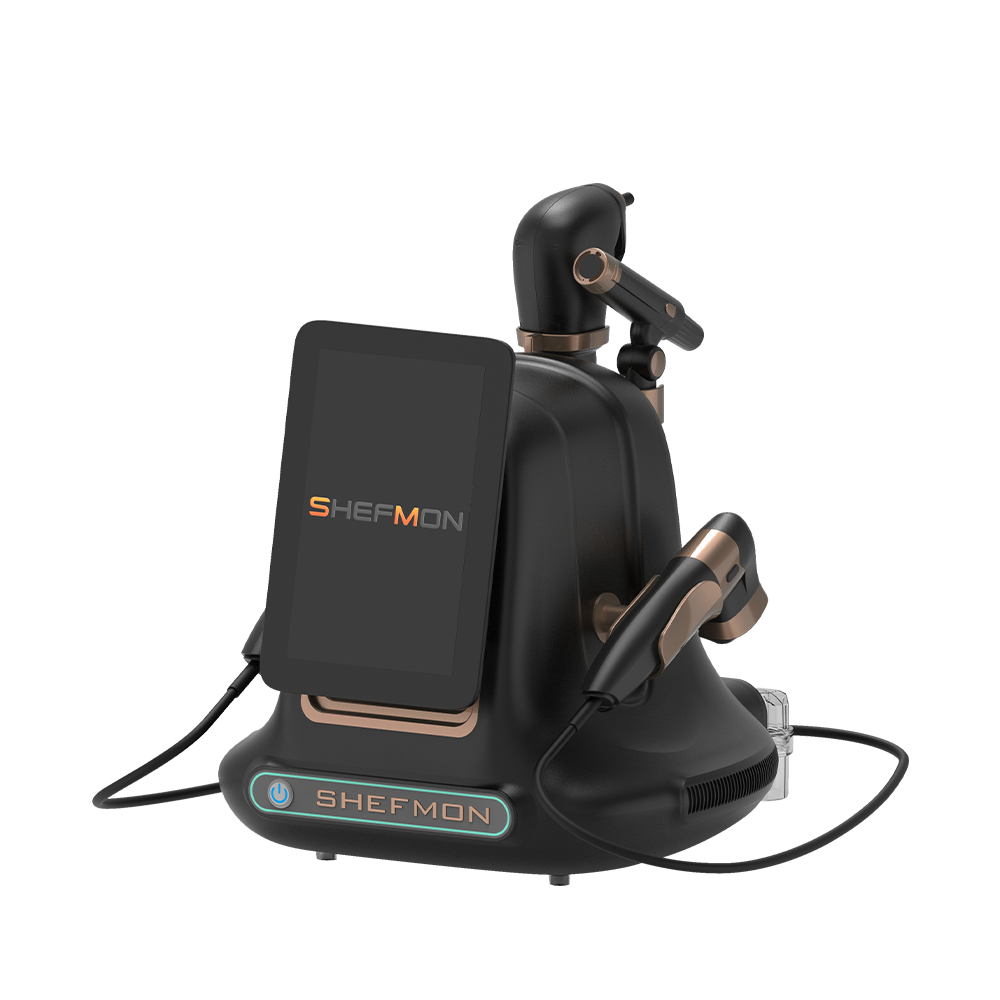
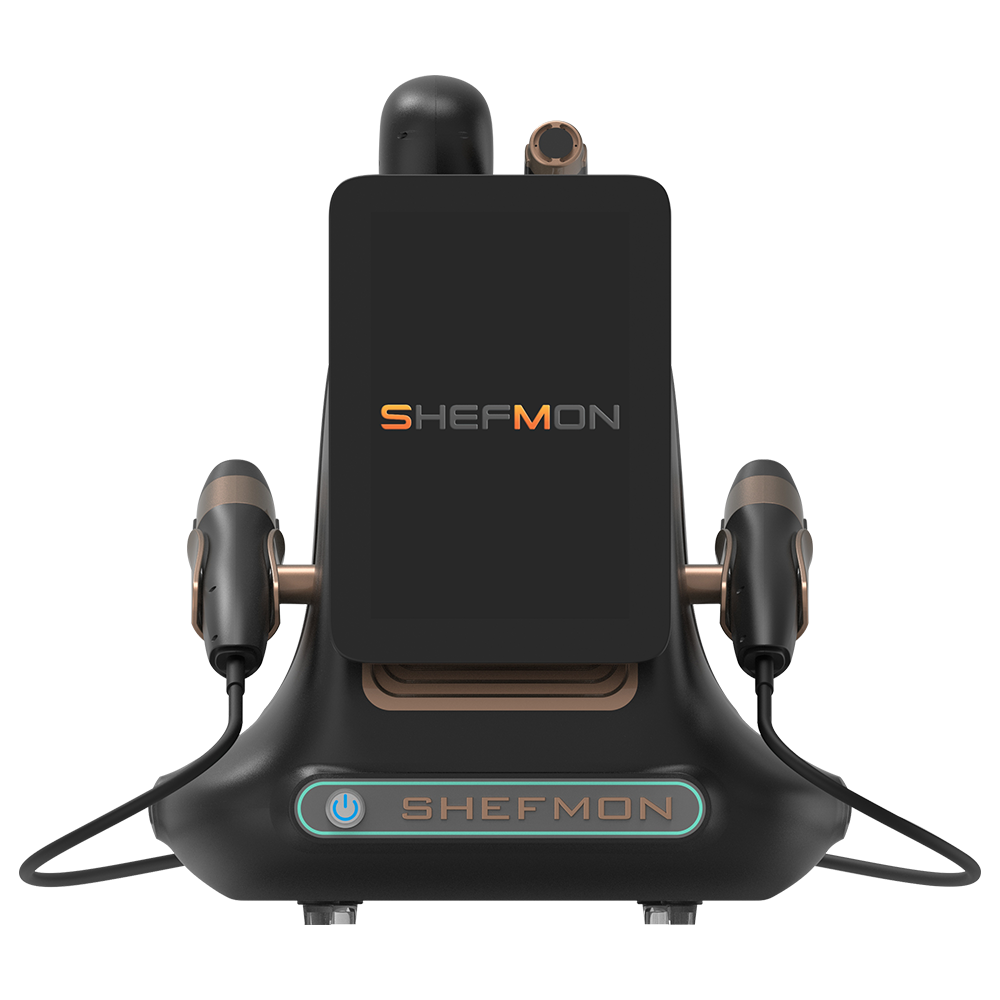
シェフモン A0241 is positioned around electromagnetic muscle stimulation with RF-related functions. It should fill a muscle-focused gap, not act as a more expensive name for general body care.
Add this category when broad body services are stable and consultations show sustained demand for a muscle-focused program. Confirm the exact handle and applicator configuration, area assessment, positioning, monitoring, appointment design, records, review points, and maintenance requirements.
For a facial-only business entering body services for the first time, B0155 may offer broader coverage. For a mature body studio with the correct demand, A0241 may provide clearer differentiation.
11. Add Localized Cooling Contouring with S9
シェフモンS9 is a vacuum-assisted cooling-contouring platform. Its portfolio role is localized contouring through a cooling-based pathway.
This specialist category needs:
- assessment of the intended area;
- realistic expectations and consent;
- documented applicator selection and placement;
- monitoring during the appointment;
- 事後ケア、フォローアップ、およびエスカレーション。;
- verified applicators, consumables, maintenance, and destination-market documentation.
その FDAによる非侵襲的ボディコンタリングの概要 explains that these technologies are not intended to treat obesity or improve health and describes risks that differ by technology. That boundary should remain clear in the service menu and consultation.
12. Add One Qualified Advanced Pathway
A clinic or appropriately qualified med spa may add one advanced category after its core and targeted services are stable. Choosing one pathway first makes training, governance, records, and follow-up easier to control.
A0204 集束型HIFU
シェフモン A0204 is a modular focused-HIFU platform whose product page lists standard and optional handles and cartridges with different treatment depths. Its category requires appropriate professional scope, device-specific training, exact handle and cartridge control, assessment, consent, settings and area records, aftercare, follow-up, maintenance, and escalation.
A0152 RFマイクロニードリング
シェフモン A0152 lists multiple needle configurations and a 0.5–7 mm depth range. Its category needs clinical oversight, infection-control and sterile processes, single-use needle traceability, sharps handling, detailed records, consent, aftercare, follow-up, and complication response.
その FDAによるRFマイクロニードリングの安全性に関する情報 describes reports of serious complications associated with certain uses and states that the procedure should be performed by a licensed health-care provider with appropriate training.
13. Select a Portfolio Shape from the Starting Service
| Starting single category | First adjacent category | Later coverage option | Main risk to manage |
|---|---|---|---|
| Hydro facial care | A0272-F facial tone and contour | A0423/A0426 hair or B0155 body | Too many overlapping facial names |
| Facial tone/contour | A0648 cleansing and hydration | ヘアケアまたはボディケア用品売り場 | Presenting one facial lane as a universal upgrade |
| 脱毛 | A0648 フェイシャルケア | B0155 ボディケア | Using laser workflows for unrelated categories |
| 全身ケア | A0241 muscle focus or S9 localized cooling | A0648 フェイシャルケア | Grouping all body technologies under one promise |
| 筋肉に特化したボディサービス | B0155 broad body care | A0648 フェイシャルケア | Making one specialist device carry the full body menu |
| 局所冷却輪郭形成 | B0155 broad body care | A0648 フェイシャルケア | Blurring cooling contouring with wellness or weight-loss claims |
| Core skin clinic service | A0648 or A0272-F complementary facial lane | One qualified A0204 or A0152 pathway | Adding advanced equipment before governance is ready |
This matrix guides business portfolio design. It does not determine individual treatment suitability.
14. Use an Anchor–Adjacent–Specialist Portfolio Model
A simple three-role model prevents uncontrolled menu growth.
Anchor
The anchor is the proven category that introduces the business and supports repeat demand. Examples include A0648 facial care, A0423/A0426 hair reduction, or B0155 body care.
Adjacent category
The adjacent category serves a different goal among a familiar audience. Examples include A0272-F beside A0648 or A0648 beside an established laser department.
Specialist category
The specialist category answers a narrower verified need. A0241, S9, A0204, or A0152 may fill this role when the business can support the specific pathway.
Not every portfolio needs all three roles immediately. A two-category portfolio can be complete when both categories are clear and stable.
15. Rewrite the Menu Around Client Decisions
Device names alone do not help clients choose a department. The public menu should answer four questions:
1. What goal does this category address? 2. Which areas or appointment types are available? 3. Is a consultation required? 4. What is the next step?
An example top-level menu could be:
- フェイシャルケア — cleansing and hydration-focused appointments using A0648;
- 顔のトーンと輪郭 — assessment-led A0272-F services;
- 脱毛 — area-based A0423 or A0426 consultations and appointments;
- ボディケア — B0155 services organized by relevant goal and area;
- Body Specialization — either A0241 muscle-focused or S9 localized cooling services;
- Advanced Skin Procedures — qualified A0204 or A0152 pathways in an appropriate clinical setting.
Keep technical configuration, settings, components, and operator permissions out of the public menu and inside the operating documents.
16. Build an Internal Device-to-Category Map
The internal map keeps a multi-category portfolio controlled.
| 分野 | What the team should document |
|---|---|
| カテゴリ | Approved client-facing department |
| デバイス | Exact model, serial record, and supplied configuration |
| 主な役割 | The one menu gap the device fills |
| 除外事項 | Claims, areas, or uses outside the approved service |
| オペレーター | Trained and authorized staff |
| 部屋 | Approved location and setup requirements |
| コンポーネント | Handles, tips, cartridges, needles, or applicators |
| 記録 | Consultation, settings, areas, observations, and follow-up |
| 業務 | Cleaning, stock, maintenance, fault, and escalation procedures |
This map stops staff from using an available machine to improvise an unapproved service.
17. Create a Consultation Routing System
A single-service business often has one consultation form. A multi-category business needs a routing step followed by category-specific assessment.
The initial route should identify:
- the client’s own goal;
- facial, hair, body, or advanced-procedure interest;
- 対象地域;
- whether the client is new or returning;
- whether professional review is required before booking;
- which category-specific consultation should follow.
Each specialist form then captures the information relevant to that device category. Reception can explain categories and direct the enquiry. Suitability decisions belong to the appropriately trained and authorized person.
18. Allocate Rooms and Appointment Capacity
Adding categories changes the whole diary. Map the complete appointment, including consultation, preparation, device use, cleaning, records, and room reset.
チェック:
- privacy and changing needs;
- device footprint and safe movement;
- 電気的要件および環境要件。;
- protective equipment and controlled access;
- clean and used component separation;
- consumable storage;
- clinical waste or sharps where relevant;
- noise and impact on adjacent rooms;
- maintenance access and device downtime;
- whether the anchor keeps enough room time.
A portfolio is not balanced when new categories repeatedly displace the service that supports the existing client base.
19. Assign Category Ownership
Every category needs one accountable owner, even when several practitioners deliver it. The owner should oversee:
- exact configuration and operating documents;
- training, authorization, and competency records;
- consultation and consent materials;
- room opening and closing checks;
- stock and traceability;
- cleaning and maintenance logs;
- booking rules and staff scripts;
- 術後ケアとフォローアップ。;
- concern, incident, and escalation review;
- periodic category performance checks.
For multi-location businesses, pair a central standard owner with a named owner at each site.
20. Migrate the Menu in Controlled Stages
Stage 1: Clarify the anchor
Consolidate duplicate service names, confirm the anchor’s role, and protect its capacity.
Stage 2: Build the first new category
Complete device selection, room, staff, forms, records, stock, maintenance, aftercare, and client explanation before launch.
Stage 3: Launch a limited menu
Open a small number of services, areas, or appointment formats with named staff and close review.
Stage 4: Stabilize operations
Confirm that consultations, bookings, records, cleaning, maintenance, follow-up, and client understanding are reliable.
Stage 5: Add coverage
Choose the next category from documented demand and the remaining portfolio gap. Do not add it simply because the first launch attracted attention.
21. Build Practical Multi-Category Portfolios
Compact two-category facial portfolio
A0648 + A0272-F
Separates cleansing and hydration-focused facial care from facial tone and contour.
Facial and hair portfolio
A0648 + A0423またはA0426のいずれか
Creates an accessible facial category and a separately operated hair-reduction department.
Facial and body portfolio
A0648 + B0155
Supports clear face and body categories for a compact studio or salon.
Three-category aesthetic center
A0648 + A0423またはA0426のいずれか + B0155
Creates facial, hair, and body coverage before adding a specialist technology.
Body portfolio with one specialization
B0155 + A0241またはS9のいずれか
Uses broad body care as the anchor and adds one muscle-focused or localized cooling category.
Clinic portfolio with one advanced lane
A0648 + A0272-F + A0204またはA0152のいずれか
コアとなる顔面カテゴリーとターゲットとなる顔面カテゴリーを組み合わせ、高度な資格取得のための1つの経路を提供します。.
The plus signs show business portfolio structure. They do not establish same-day use, sequencing, or suitability for a client.
22. Retire or Rename Overlapping Services
Expansion is a good time to remove menu confusion. For every old service name, decide whether to:
- keep it as the anchor;
- move it under a clearer category;
- rename it in goal-based language;
- combine it with a duplicate service;
- restrict it to a specific area or appointment format;
- retire it because the role is unclear or unsupported.
Publish a simple explanation for existing clients when familiar names change. Preserve relevant records and avoid implying that a new device makes previous services ineffective.
23. Measure Portfolio Balance
Track category performance separately and as one business system.
有効な対策としては、以下のようなものがあります。
- suitable enquiries and consultation outcomes by category;
- new versus existing client use;
- booking and routing errors;
- cross-category confusion or overlap;
- full appointment and room utilization;
- staff authorization and record completeness;
- stock interruptions and consumable traceability;
- cleaning, maintenance, faults, and downtime;
- アフターケアに関する質問、フォローアップ、および懸念事項。;
- referrals, deferrals, and declined cases;
- continued availability and quality of the anchor;
- whether the newest category has reached its stabilization criteria.
Portfolio growth is successful when each category remains understandable and supportable, not when the service list is longest.
24. Know When to Pause the Transition
Pause when:
- the anchor has unresolved quality, access, or maintenance problems;
- the new category duplicates an existing role;
- demand is weak, short-lived, or poorly documented;
- no category owner or authorized operator is available;
- the room cannot support the complete appointment;
- exact configurations or included components remain unclear;
- consumables, maintenance, warranty, or technical service are unconfirmed;
- category-specific consultations and records are incomplete;
- local professional, licensing, insurance, or facility requirements are unresolved;
- the business is attempting to open several categories together.
Stabilizing one transition is more useful than keeping several incomplete launches active.
25. Common Multi-Category Portfolio Mistakes
Replacing the anchor too quickly
The proven service still needs capacity, staff, stock, and menu visibility during expansion.
Organizing the menu by machine name
Clients need goal-based categories and clear booking routes.
Adding several versions of the same category
Three facial machines do not automatically create a balanced facial, hair, and body portfolio.
Treating every body technology as interchangeable
B0155, A0241, and S9 occupy broad body-care, muscle-focused, and localized cooling roles.
Using one consultation form for every category
Hair reduction, body contouring, HIFU, and RF microneedling require different information and operating decisions.
Opening advanced services before governance is ready
The A0204 and A0152 pathways need qualified professional and clinical controls.
Forgetting to remove old menu overlap
Adding new headings without consolidating old names makes navigation harder.
Turning portfolio paths into treatment protocols
The sequence of business purchases does not determine device combinations for clients.
26. Final Portfolio-Transition Checklist
Before replacing the single-service menu, confirm that:
1. the anchor category and its client goal are documented; 2. anchor capacity and service quality will be protected; 3. the first new category answers verified adjacent demand; 4. the later category fills a different portfolio gap; 5. every device has one primary public role; 6. the exact configurations and included components are confirmed; 7. the public menu is organized by client goal; 8. the internal device-to-category map is complete; 9. consultation routing leads to category-specific assessment; 10. staff owners and authorized operators are named; 11. rooms support the complete appointment workload; 12. stock, cleaning, maintenance, warranty, and support are planned; 13. records, aftercare, follow-up, and escalation are ready; 14. overlapping old services have been kept, renamed, merged, or retired deliberately; 15. one category will stabilize before another launches; 16. portfolio design remains separate from individual treatment planning.
よくある質問
1. How many categories should replace a single-service menu?
Start with the existing anchor and one well-defined adjacent category. Add another category only after the new one has stable consultations, staff performance, records, room use, maintenance, and client understanding.
2. Should a business remove its original service when adding new devices?
Usually no. Preserve the proven anchor unless evidence supports retirement or repositioning. Protect its availability and explain any name changes clearly to existing clients.
3. What is a practical second category for a hydro-facial salon?
A0272-F can add facial tone and contour, A0423 or A0426 can open hair reduction, and B0155 can open body care. Choose according to repeated demand, room and staff readiness, and the desired portfolio gap.
4. How can a laser-only business become multi-category?
It can add A0648 as an accessible facial-care lane or B0155 as a broad body category when the relevant demand and operating system exist. Keep laser consultation, room controls, and area records separate.
5. Which SHEFMON models suit a compact face-and-body studio?
A0648 can anchor cleansing and hydration-focused facial care, while B0155 can establish broad body services. Add A0272-F, A0241, or S9 later only when a distinct demand gap is documented.
6. Should a body studio buy A0241 and S9 together?
Not simply to create more menu options. Choose A0241 for a verified muscle-focused gap or S9 for a qualified localized cooling-contouring gap. Stabilize one specialist category before considering another.
7. When can a clinic add A0204 or A0152?
Add one only after appropriate professional scope, training, assessment, consent, configuration controls, records, aftercare, follow-up, maintenance, and escalation are complete. RF microneedling also requires infection control, needle traceability, and sharps handling.
8. Should the menu show device model numbers?
Model numbers may support transparency, but the top-level menu should lead with client goals and categories. Keep detailed configurations, components, settings, and operator authorization in the internal device map.
9. Can multiple portfolio devices be used during one appointment?
Do not infer compatibility from portfolio membership. Combined use requires device instructions, individual assessment, professional judgment, supported sequencing and timing, complete records, aftercare, and local requirements.
10. What information should a buyer send SHEFMON for a portfolio recommendation?
Send the business type, market, current anchor service and device, client-demand evidence, intended categories, rooms, staff roles, expected workload, and shortlisted models. Request exact configurations, included components, operating requirements, training information, consumables, maintenance, warranty, technical documents, service process, and shipping details.
結論
Replacing a single-service menu with a multi-category portfolio should preserve the service that already works while giving each new device a distinct business role. A0648 can anchor facial cleansing and hydration care, A0272-F can add facial tone and contour, A0423 or A0426 can establish hair reduction, and B0155 can provide broad body coverage. A0241 and S9 belong in specialist body categories, while A0204 and A0152 require qualified advanced pathways.
探検する SHEFMON 美容機器カテゴリー そして シェフモンに連絡してください with your current single-service menu, client-demand evidence, rooms, staff, target categories, and shortlisted models. This information will help compare a balanced device portfolio and confirm the relevant configurations for each department.