最適化されたソリューション、専門的なバルブの知識、業界ニュースを共有する

ご希望の用語やキーワードを入力すると、検索結果に関連記事が表示されます。お探しの回答が見つからない場合は、お気軽にお問い合わせください。喜んでお手伝いいたします。または、beauty@shefmon.comまで直接メールでお問い合わせください。

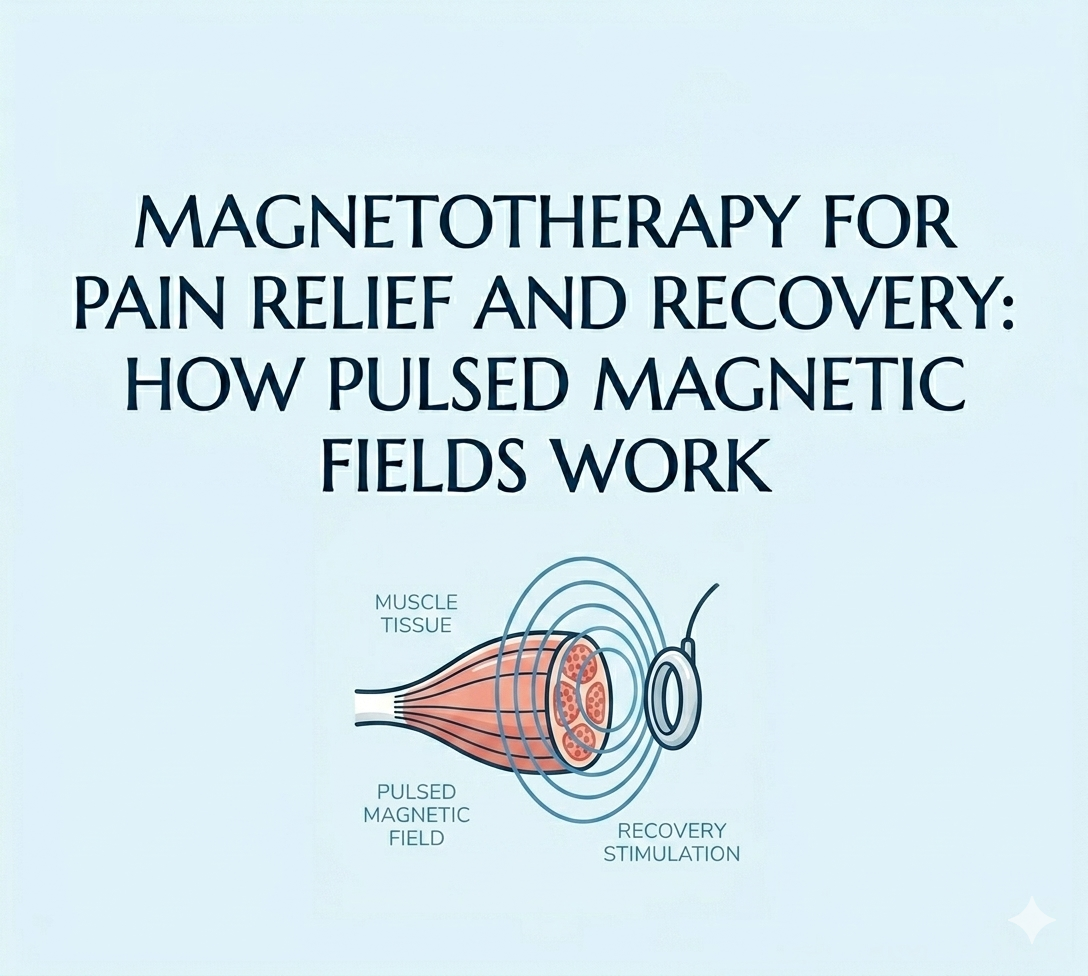
痛みの緩和と回復のための磁気療法:パルス磁場の仕組み

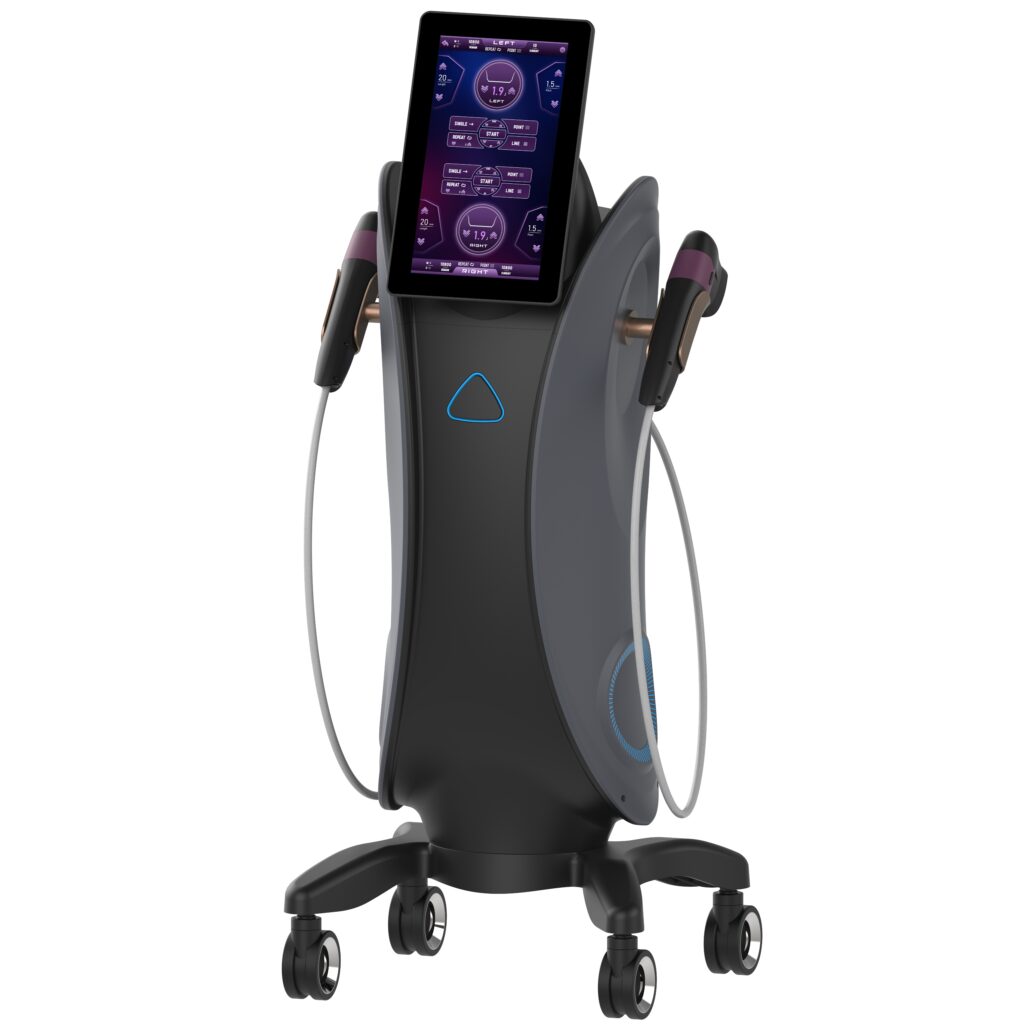
Magnetotherapy, also known as pulsed electromagnetic field (PEMF) therapy, is a non-invasive treatment method that uses controlled magnetic pulses to support pain relief, tissue recovery, and improved circulation. It is widely used in rehabilitation clinics, sports recovery programs, and wellness centers for people dealing with muscle pain, joint stiffness, or injury-related inflammation. While it is not a medical cure, many users report noticeable improvements in comfort, mobility, and recovery speed when used consistently as part of a broader treatment plan.

Magnetotherapy for Pain Relief and Recovery How Pulsed Magnetic Fields Work - shefmon

1. What Is Magnetotherapy and How Does It Work?

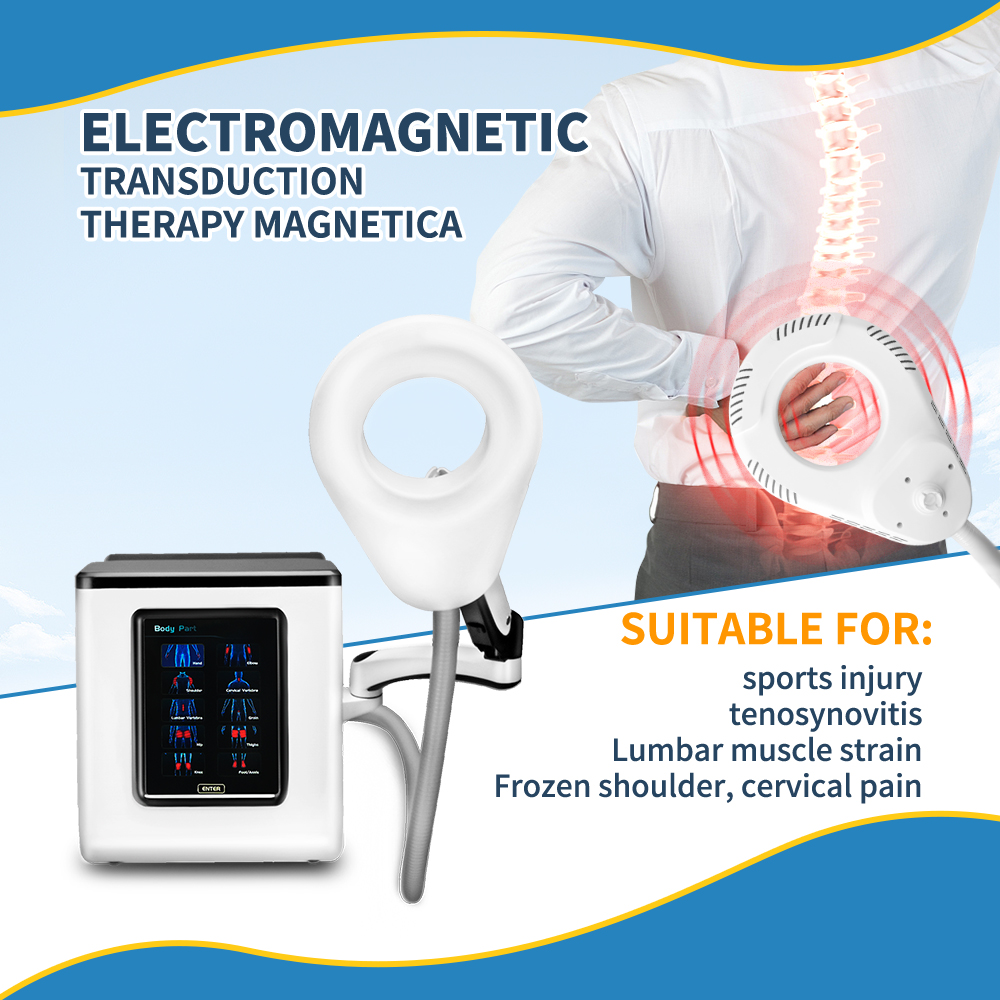
Magnetotherapy uses pulsed electromagnetic fields to stimulate biological tissues at a cellular level. Devices typically generate low-frequency magnetic pulses that penetrate deeply into muscles, joints, and connective tissues without being invasive or painful.

1.1 Cellular Energy Stimulation

The basic concept behind PEMF therapy is that human cells rely on electrical balance to function properly. When tissues are damaged or inflamed, cellular activity can become disrupted. Magnetic pulses are believed to help restore this balance by influencing the electrical charge of cells, which may support improved cellular metabolism and energy production.

1.2 深部組織への浸透

Unlike surface-level treatments such as creams or heat packs, magnetic fields can reach deep layers of tissue. This allows the therapy to target muscles, ligaments, and joints more effectively, making it especially relevant for chronic pain and musculoskeletal conditions.

2. Pain Relief and Inflammation Reduction

One of the main reasons people use magnetotherapy is to reduce pain and inflammation. This effect is often linked to improved blood flow and reduced pressure in inflamed tissues.

2.1 Pain Modulation Mechanisms

Magnetic stimulation may support pain relief through several pathways:

  • Improving local circulation in affected areas
  • Reducing inflammation in soft tissues and joints
  • Helping relax tight or overactive muscles
  • Supporting nerve signal regulation

These combined effects may reduce discomfort caused by injury, overuse, or chronic musculoskeletal conditions.

2.2 Swelling and Tissue Pressure Reduction

Inflammation often leads to fluid buildup in tissues, which increases pressure and pain. Magnetotherapy may help stimulate microcirculation and lymphatic movement, assisting the body in naturally reducing swelling and promoting a more balanced recovery process.

3. Circulation, Oxygen Delivery and Healing Support

Healthy circulation is essential for tissue repair because oxygen and nutrients are required for healing processes. Magnetotherapy is often promoted as a method to enhance blood flow in both superficial and deep tissues.

3.1 Blood Flow and Microcirculation

Magnetic pulses may support improved microcirculation, which helps deliver oxygen-rich blood to damaged tissues more efficiently. This can be particularly beneficial for areas with reduced blood flow due to injury or stiffness.

3.2 Oxygen Utilization and Waste Removal

Better circulation also supports the removal of metabolic waste products such as lactic acid. This may help reduce muscle fatigue and improve overall recovery after physical activity or injury.

Magnetotherapy for Pain Relief and Recovery How Pulsed Magnetic Fields Work - shefmon

4. Muscle Recovery and Rehabilitation Applications

Magnetotherapy is commonly used in sports recovery and physical rehabilitation settings. It is often integrated into recovery routines to help reduce downtime and improve functional movement.

4.1 Muscle Relaxation and Recovery

Magnetic stimulation may help:

  • Reduce muscle tension after exercise
  • Support faster recovery from soreness
  • Improve muscle relaxation and flexibility
  • Decrease post-workout fatigue

4.2 Joint Mobility and Functional Support

For individuals with joint stiffness or reduced mobility, magnetotherapy may help improve range of motion by reducing inflammation and supporting tissue flexibility. This makes it useful for rehabilitation after sprains, strains, or overuse injuries.

5. Common Uses of Magnetotherapy

Magnetotherapy is used in a variety of physical conditions and wellness applications.

5.1 Musculoskeletal Conditions

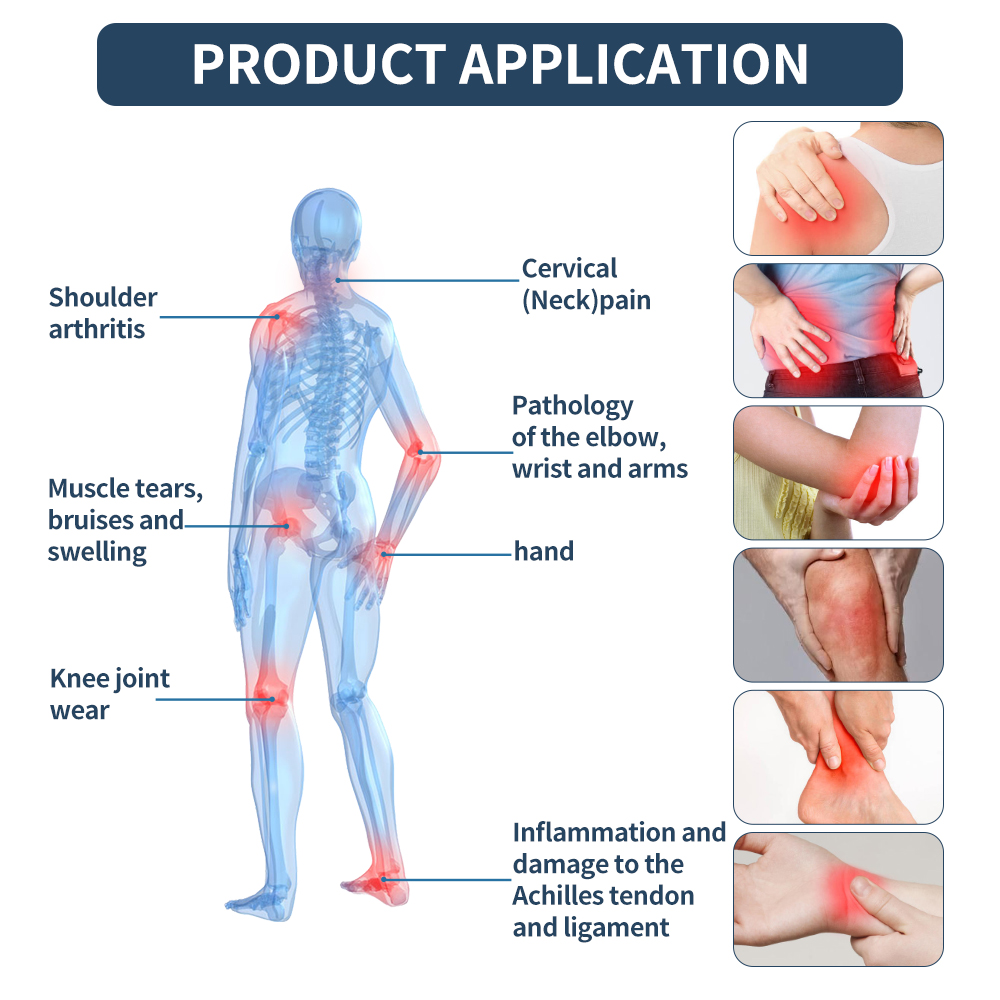
  • Back pain and lower back tension
  • 首のこわばり
  • Shoulder and joint discomfort
  • Muscle strain and overuse injuries

5.2 Sports and Fitness Recovery

  • Post-training muscle soreness
  • スポーツ関連の怪我
  • Recovery between workouts

5.3 Circulation and Chronic Discomfort

  • Poor local blood circulation
  • Long-term stiffness
  • Slow tissue recovery

6. Does Magnetotherapy Deliver Real Results?

The effectiveness of magnetotherapy varies depending on the individual and the condition being treated. Many users report improvements in pain levels and mobility, but results are typically gradual rather than immediate.

6.1 Reported Benefits

  • Reduced pain and discomfort
  • Improved flexibility and movement
  • Faster recovery after physical stress
  • Better circulation and reduced swelling

6.2 Important Limitations

  • Not a replacement for medical treatment
  • Not a quick fix for severe injuries
  • Works best as a supportive therapy
  • Results depend on consistency and individual response

Magnetotherapy for Pain Relief and Recovery How Pulsed Magnetic Fields Work - shefmon

7. Safety, Comfort and Possible Side Effects

Magnetotherapy is generally considered non-invasive and well tolerated. Most users experience no pain during treatment, and sessions are often described as relaxing.

7.1 Typical Sensations

  • Gentle pulsing or vibration feeling
  • Mild warmth in the treated area
  • Relaxation in muscles during or after use

7.2 起こりうる副作用

Side effects are rare but may include:

  • Temporary fatigue
  • Mild headache in sensitive users
  • Slight discomfort if intensity is too high

Individuals with pacemakers, implanted electronic devices, or certain medical conditions should avoid magnetotherapy unless approved by a healthcare professional.

結論

磁気療法 (PEMF) uses pulsed electromagnetic fields to support pain relief, circulation improvement, and tissue recovery. While it is not a standalone medical treatment, it may provide meaningful support for individuals dealing with muscle pain, joint stiffness, or sports-related injuries. When used consistently and combined with proper rehabilitation or healthy lifestyle habits, it can be a useful non-invasive option for enhancing recovery, improving comfort, and supporting overall musculoskeletal health.

人気商品