









最適化されたソリューション、専門的なバルブの知識、業界ニュースを共有する
ご希望の用語やキーワードを入力すると、検索結果に関連記事が表示されます。お探しの回答が見つからない場合は、お気軽にお問い合わせください。喜んでお手伝いいたします。または、beauty@shefmon.comまで直接メールでお問い合わせください。
膣引き締め方法:最新のソリューション、安全性、技術に関する完全ガイド
- 管理者
Methods of Vaginal Tightening: Complete Guide
Understanding Vaginal Laxity
What Causes Vaginal Looseness
Let’s be real—this is one of those topics people think about but rarely talk about openly. Vaginal laxity, or looseness, is incredibly common, and it’s not something mysterious or abnormal. The main culprits are 出産, aging、 そして hormonal changes. During vaginal delivery, tissues stretch significantly, and while the body does recover, it doesn’t always return to its original tightness. Over time, collagen and elastin—the proteins responsible for firmness—naturally decrease, much like what happens to your skin.
Hormonal shifts, especially during menopause, can also weaken the vaginal walls and surrounding tissues. According to clinical observations, these changes can impact not only physical sensation but also overall pelvic floor strength.
Here’s the thing: your body isn’t “failing”—it’s evolving. But that doesn’t mean you have to live with discomfort or dissatisfaction if solutions exist. Think of it like muscle tone anywhere else in the body—without maintenance or intervention, things can change.
Common Symptoms and Concerns
Women experiencing vaginal laxity often report decreased sensation during intimacy, reduced sexual satisfaction, and even mild urinary incontinence. These aren’t just physical issues—they can impact confidence, relationships, and mental well-being.
In some studies, women also described a “loose” feeling that affected their quality of life. This highlights an important point: vaginal tightening isn’t purely cosmetic—it can have real functional benefits.
Why Women Seek Vaginal Tightening
Physical vs Emotional Reasons
The motivation behind vaginal tightening varies widely. Some women are focused on improving physical sensations or addressing postpartum changes. Others are driven by emotional factors—confidence, intimacy, or even reclaiming control over their bodies.
It’s not unlike going to the gym or investing in skincare. You’re not “fixing” yourself—you’re enhancing how you feel.
Medical vs Cosmetic Needs
There’s also a key distinction between medical necessity そして cosmetic enhancement. For example:
- Medical: urinary leakage, pelvic floor weakness
- Cosmetic: improved tightness or sexual satisfaction
Understanding this difference helps determine which treatment path makes the most sense.
Non-Surgical Vaginal Tightening Methods
骨盤底筋体操(ケーゲル体操)
Let’s start with the simplest, most accessible method: ケーゲル体操. These target the pelvic floor muscles—the same ones you use to stop urination midstream.
Done consistently, Kegels can significantly improve muscle tone, leading to better control and tighter sensation. The beauty of this method? It’s completely free and risk-free.
But here’s the catch—consistency matters. Doing them once in a while won’t cut it. Think of it like going to the gym once a month and expecting abs.
膣コーンとウェイト
If you want to level up your pelvic training, vaginal weights or cones add resistance, helping strengthen muscles faster. These devices act like dumbbells—but for your pelvic floor.
They’re particularly useful for women who struggle to identify or engage the correct muscles during Kegels.
Energy-Based Vaginal Tightening Technologies
高周波(RF)治療
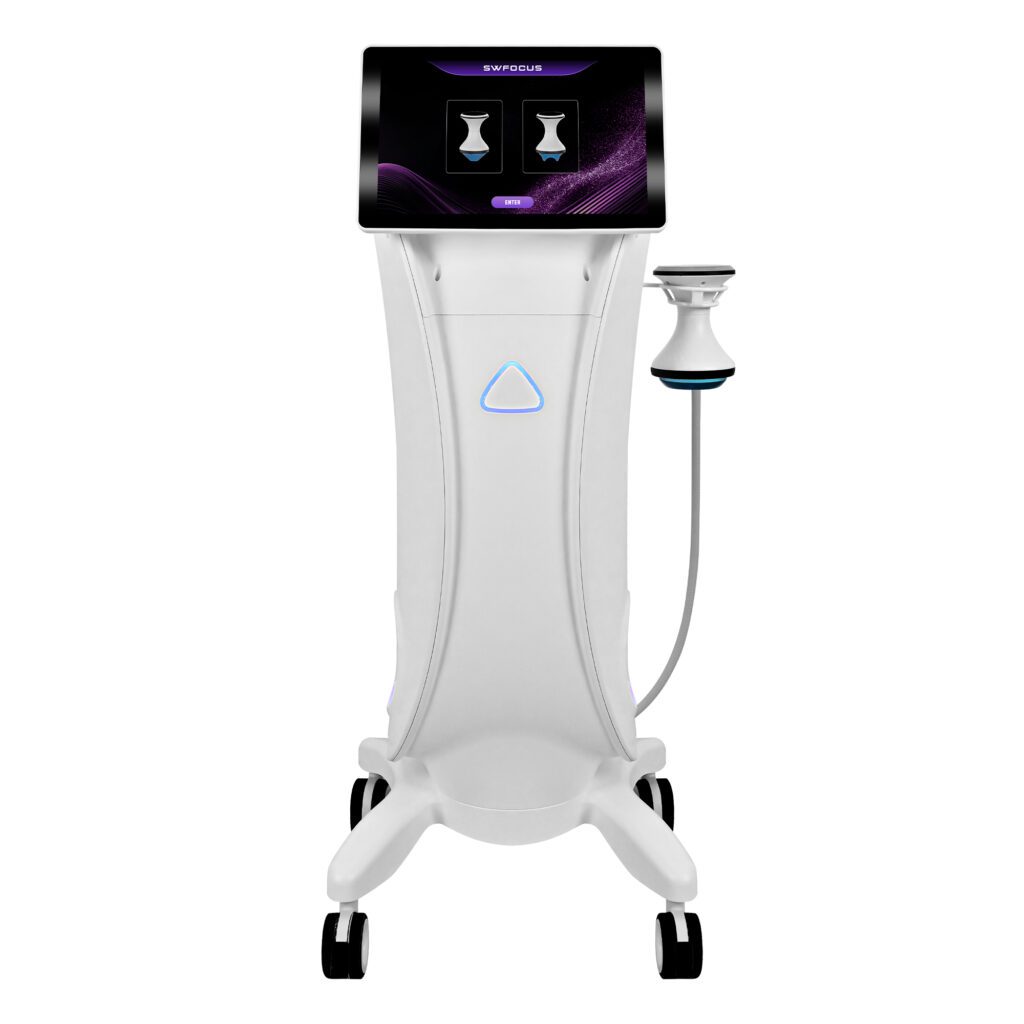
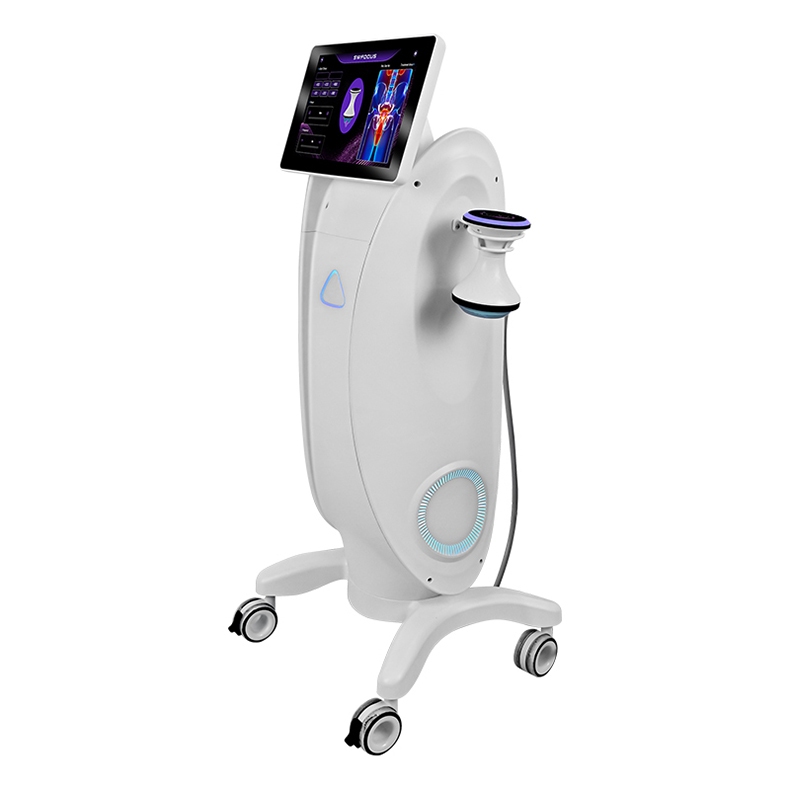
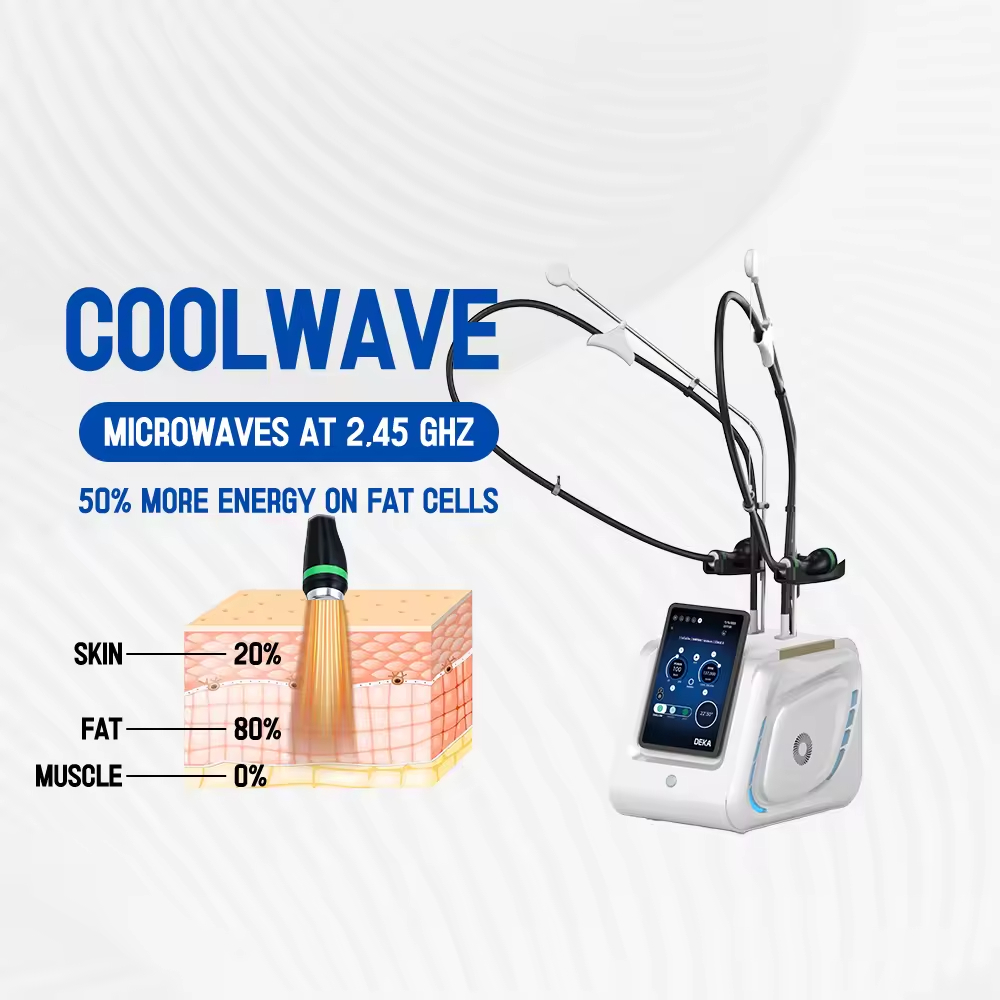
Radiofrequency (RF) treatments are among the most popular non-surgical options today. These devices deliver controlled heat to vaginal tissues, stimulating collagen production and tightening the area.
臨床効果と結果
Clinical studies show promising outcomes. In one study, 67% of women reported improvement after one month, increasing to 87% after six months. That’s a significant jump, suggesting cumulative benefits over time.
Another study involving over 100 patients found improvements in sexual function, satisfaction, and overall vaginal tightness after RF treatments.
It works like this: heat triggers collagen remodeling—similar to how skin-tightening treatments work on the face.
CO2 Fractional Laser Treatments
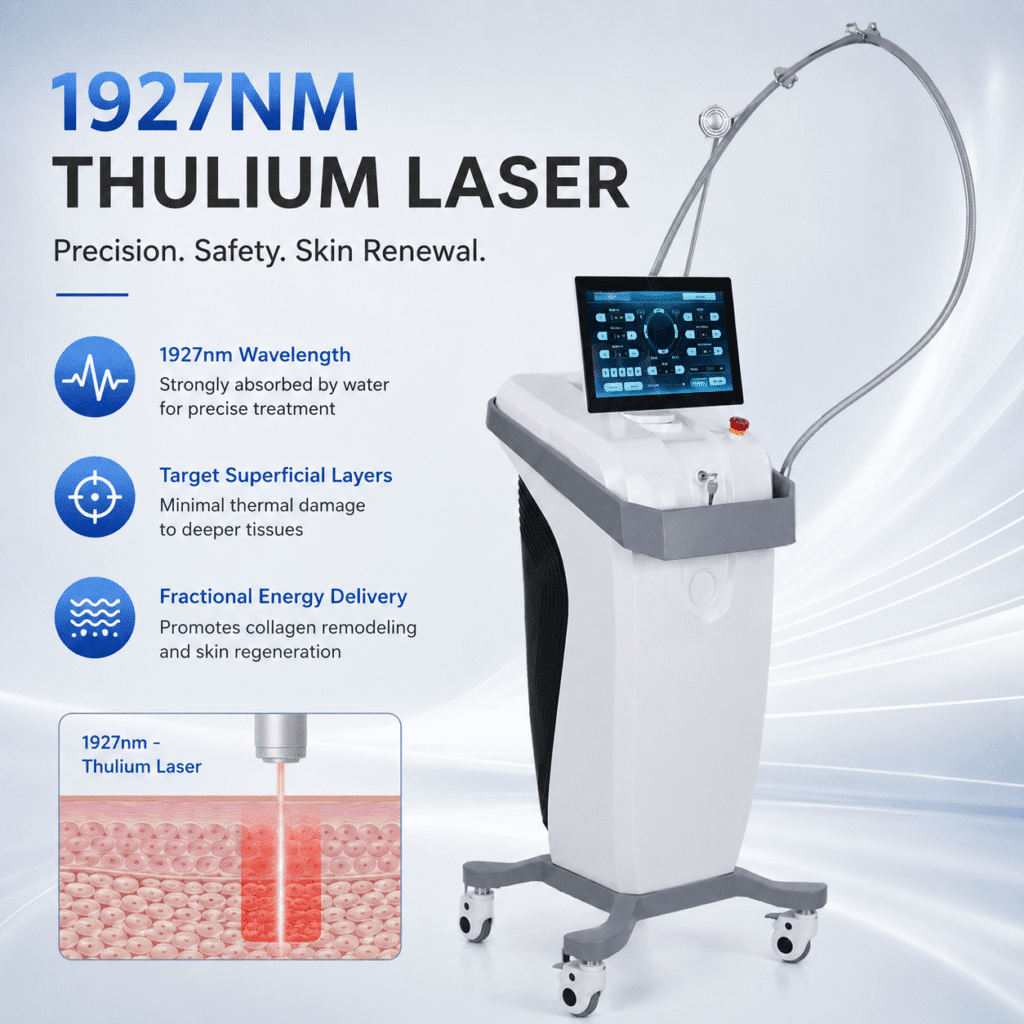
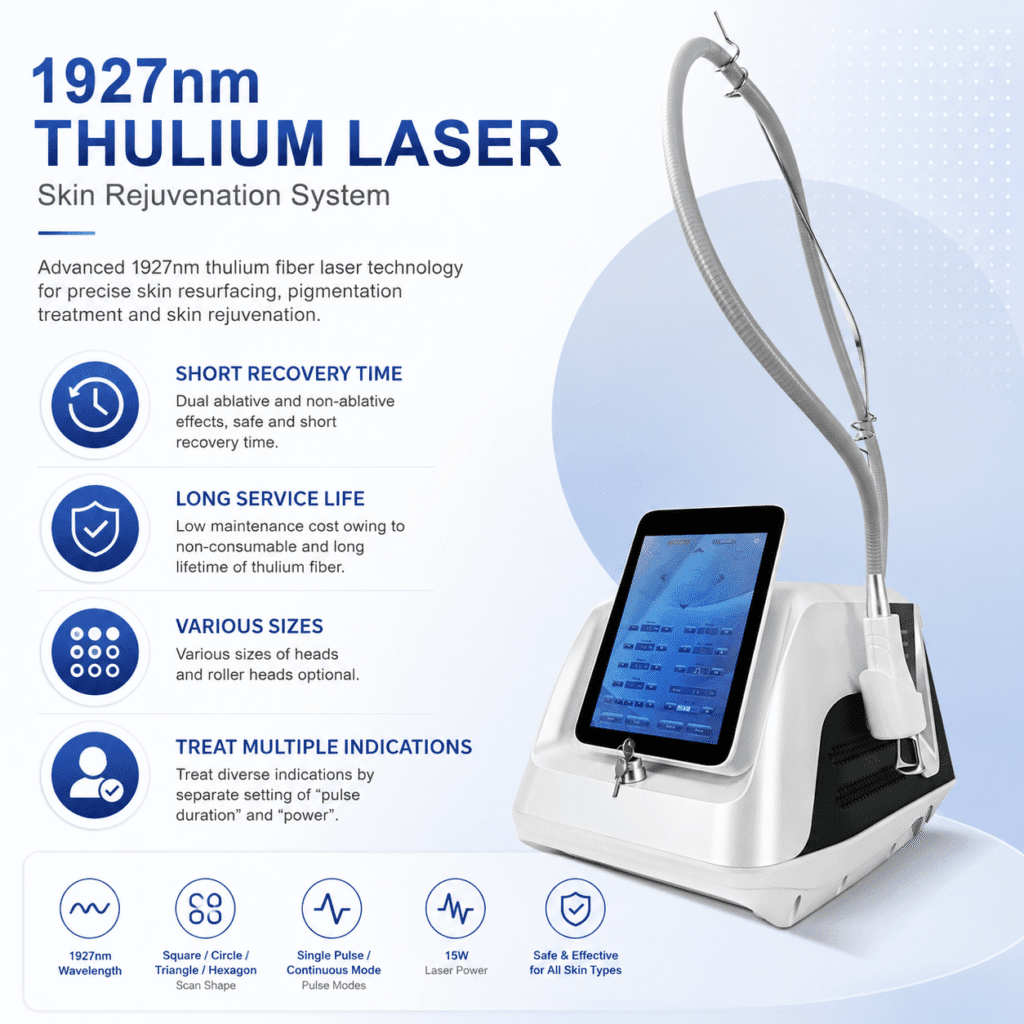
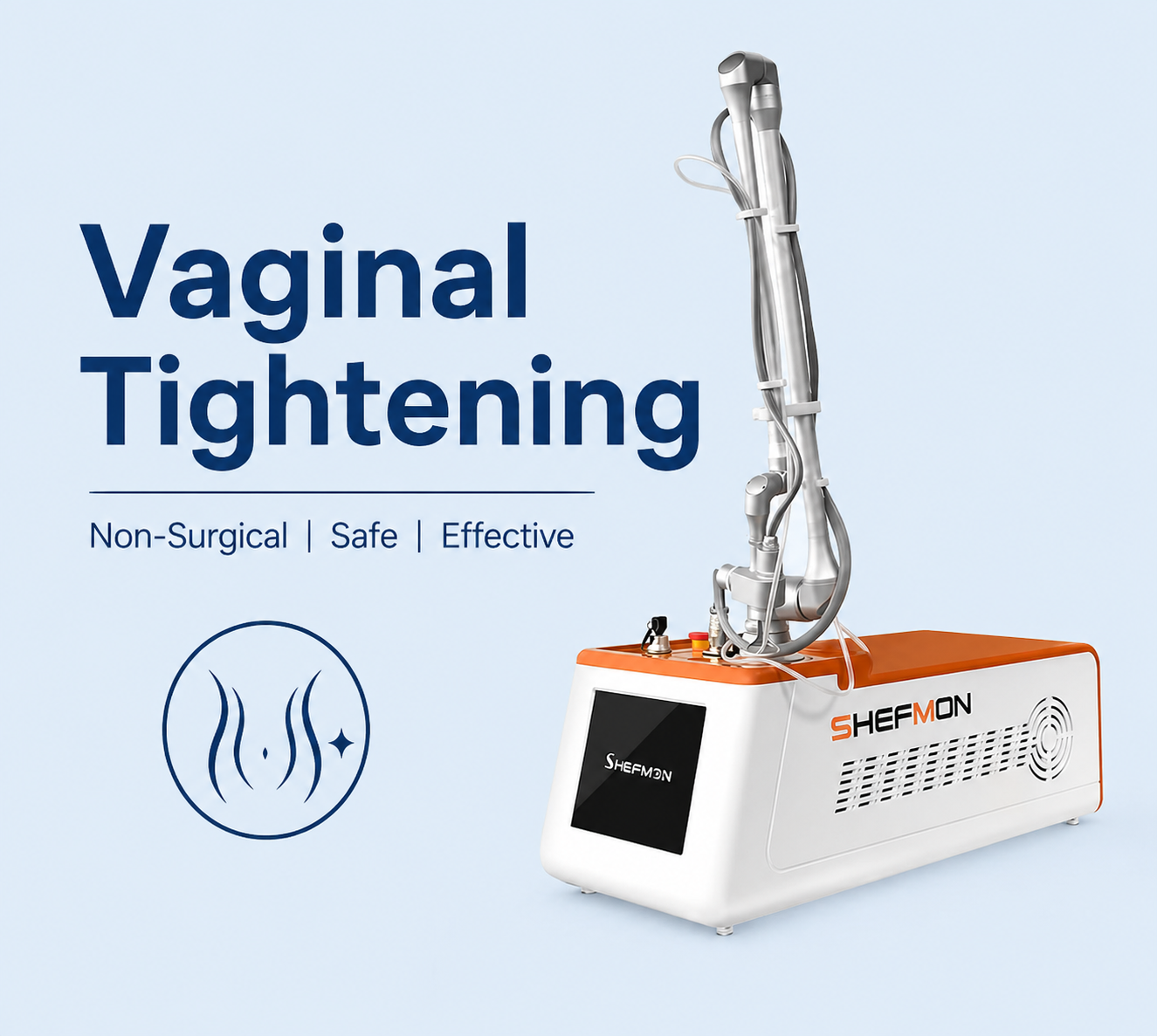
CO2 fractional lasers, like the one featured in your product link, are another advanced option. These devices create micro-injuries in the tissue, stimulating natural healing and collagen production.
Mechanism and Benefits
Laser treatments penetrate deeper layers, promoting tissue regeneration and improved elasticity. A review of 59 studies involving over 3,600 women found that laser and RF devices can improve symptoms related to vaginal laxity and atrophy.
However, results can vary depending on the device, practitioner skill, and patient condition.
Surgical Vaginal Tightening Options
Vaginoplasty Explained
For those seeking more dramatic and long-lasting results, surgery is an option. Vaginoplasty involves tightening the vaginal canal by removing excess tissue and stitching muscles closer together.
Unlike non-invasive methods, this directly alters structure—not just collagen.
Recovery and Risks
Surgery comes with downtime, usually several weeks, and potential risks like infection or scarring. But it also offers the most noticeable and permanent results.
It’s a trade-off: invasiveness vs effectiveness.
Comparing All Methods
Effectiveness Comparison Table
| 方法 | 侵襲性 | 結果の期間 | 料金 | リスクレベル |
|---|---|---|---|---|
| ケーゲル体操 | なし | 継続中 | 無料 | 非常に低い |
| Vaginal Weights | 低い | 適度 | 低い | 低い |
| RF治療 | 非侵襲的 | 6~12ヶ月 | 中くらい | 低い |
| CO2レーザー | 非侵襲的 | 6~12ヶ月 | Medium-High | 中くらい |
| 手術 | 高い | 長期的 | 高い | 高い |
コストと結果
Energy-based treatments can cost around $3,000 per session, depending on location and provider. Surgery is more expensive upfront but may eliminate the need for repeated sessions.
Safety, Risks, and FDA Warnings
What Experts Say
Here’s where things get interesting—and a bit controversial. The FDA has issued warnings about energy-based vaginal treatments, stating that their safety and effectiveness are not fully established.
Experts emphasize that while some studies show benefits, more large-scale clinical trials are needed.
潜在的な副作用
Possible risks include:
- バーンズ
- 傷跡
- Pain during intercourse
- Chronic discomfort
These risks are rare but important to consider.
Choosing the Right Method
考慮すべき要素
Choosing the right method depends on:
- Age and health condition
- 緩みの程度
- 予算
- Desired results
There’s no one-size-fits-all solution.
Consultation and Expectations
Always consult a qualified gynecologist or specialist. Unrealistic expectations often lead to disappointment—so clarity is key.
Future Trends in Vaginal Rejuvenation
Advanced Laser Technologies
The future is leaning toward safer, more precise energy-based devices with better temperature control and deeper tissue targeting. Innovations aim to reduce risks while improving outcomes.
結論
膣の引き締め isn’t just about aesthetics—it’s about comfort, confidence, and quality of life. From simple exercises to advanced laser technologies, the options today are more diverse than ever.
Each method comes with its own pros and cons, and the best choice depends on individual needs. While non-surgical treatments are gaining popularity, it’s essential to approach them with informed caution, especially given ongoing debates about safety and effectiveness.
よくある質問
1. Do vaginal tightening treatments really work?
Some methods like Kegels and RF treatments show measurable improvements, but results vary by individual and technique.
2. Is laser vaginal tightening safe?
It can be safe when performed by qualified professionals, but regulatory agencies warn that long-term safety data is limited.
3. 効果はどのくらい持続しますか?
Non-surgical methods typically last 6–12 months, while surgery offers longer-lasting results.
4. Are there natural ways to tighten the vagina?
Yes—Kegel exercises and pelvic floor training are effective natural methods.
5. Which method is best after childbirth?
Non-invasive options like Kegels or RF treatments are often recommended initially, depending on severity.