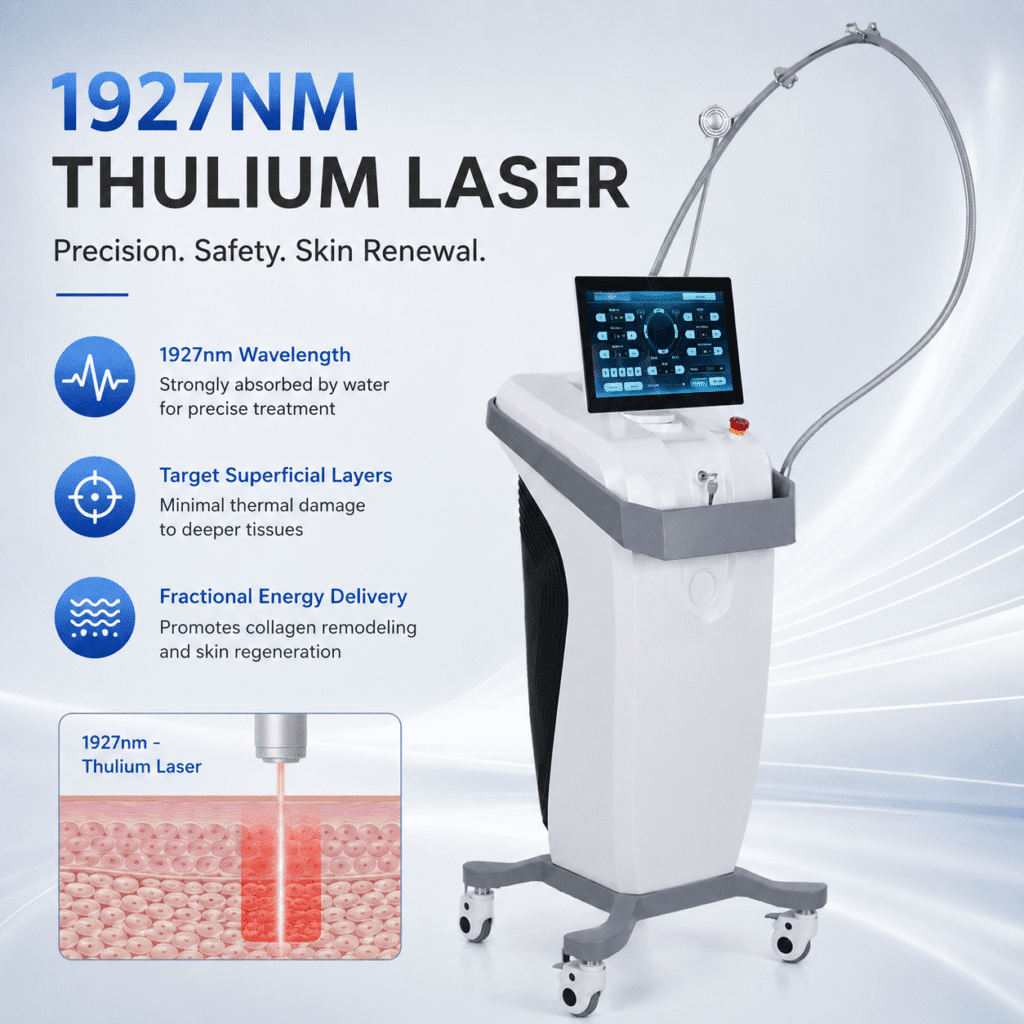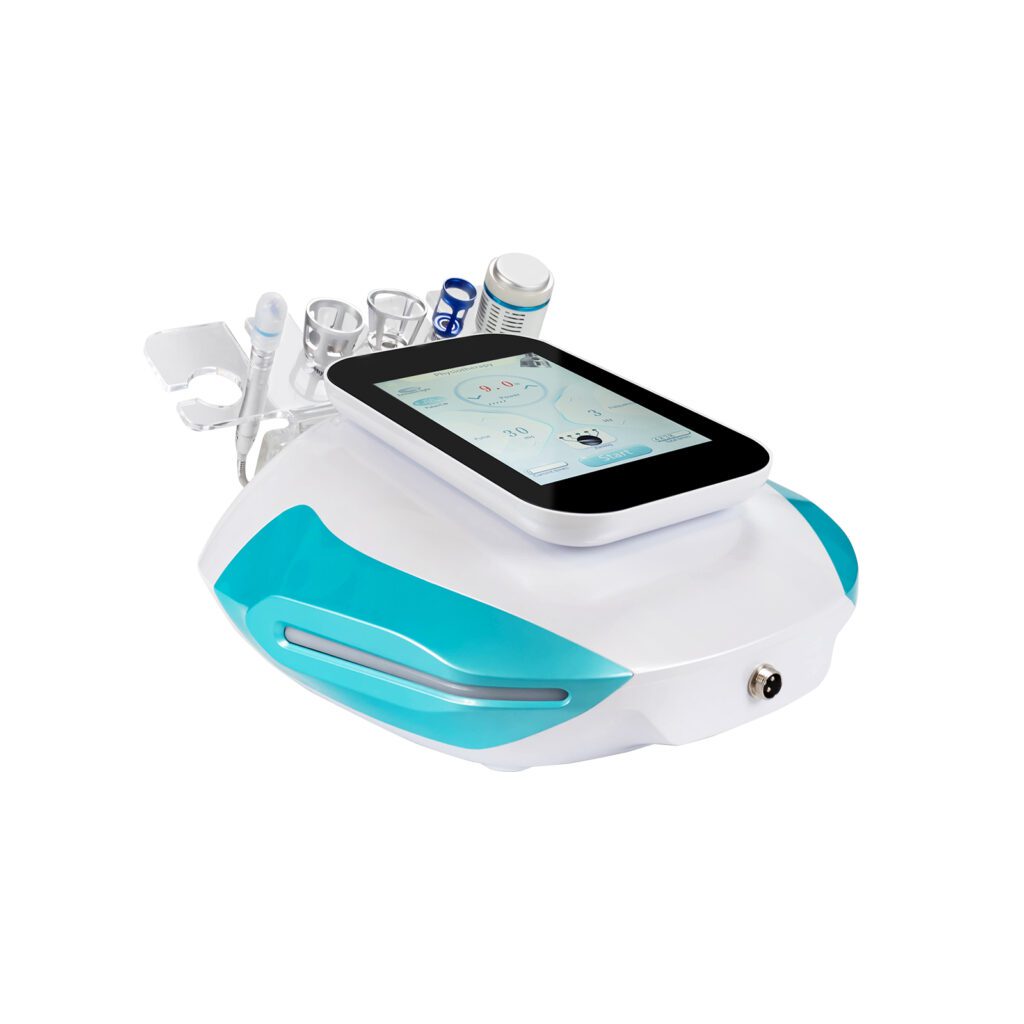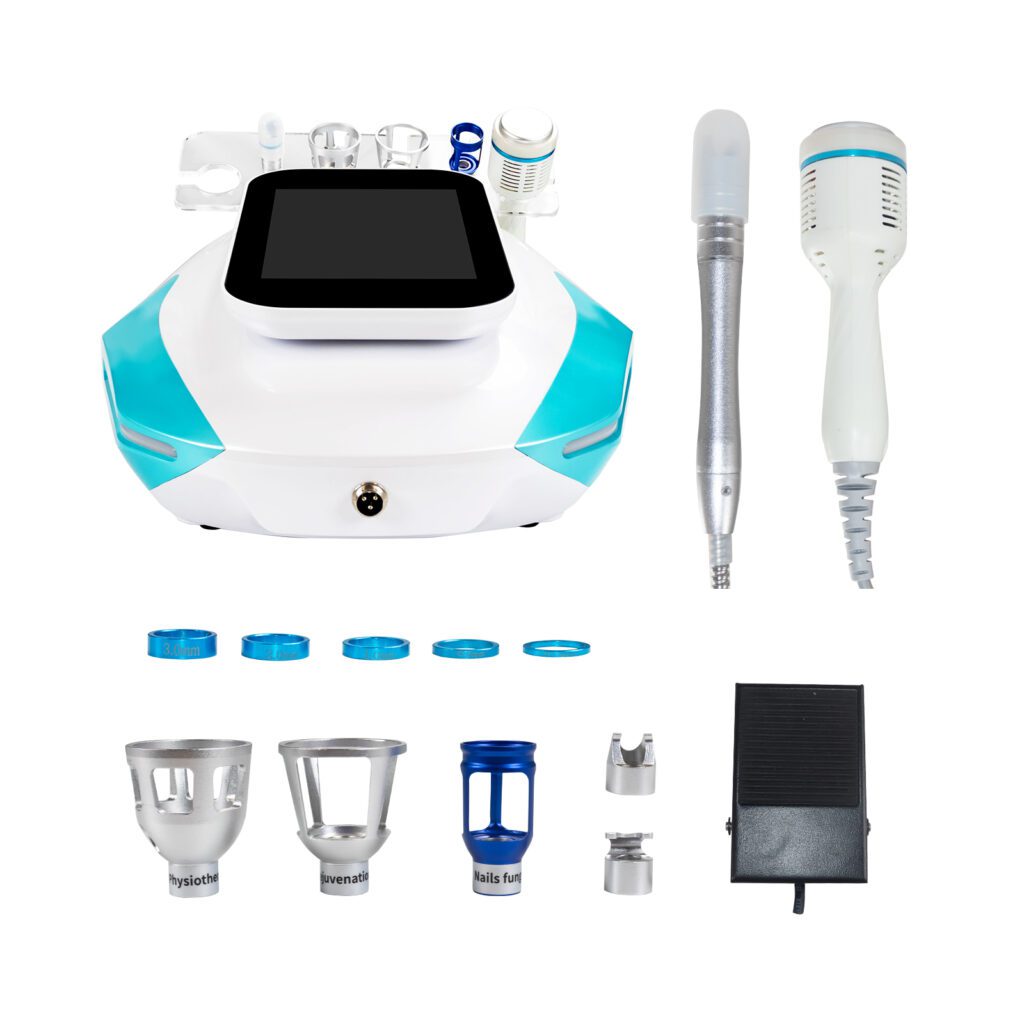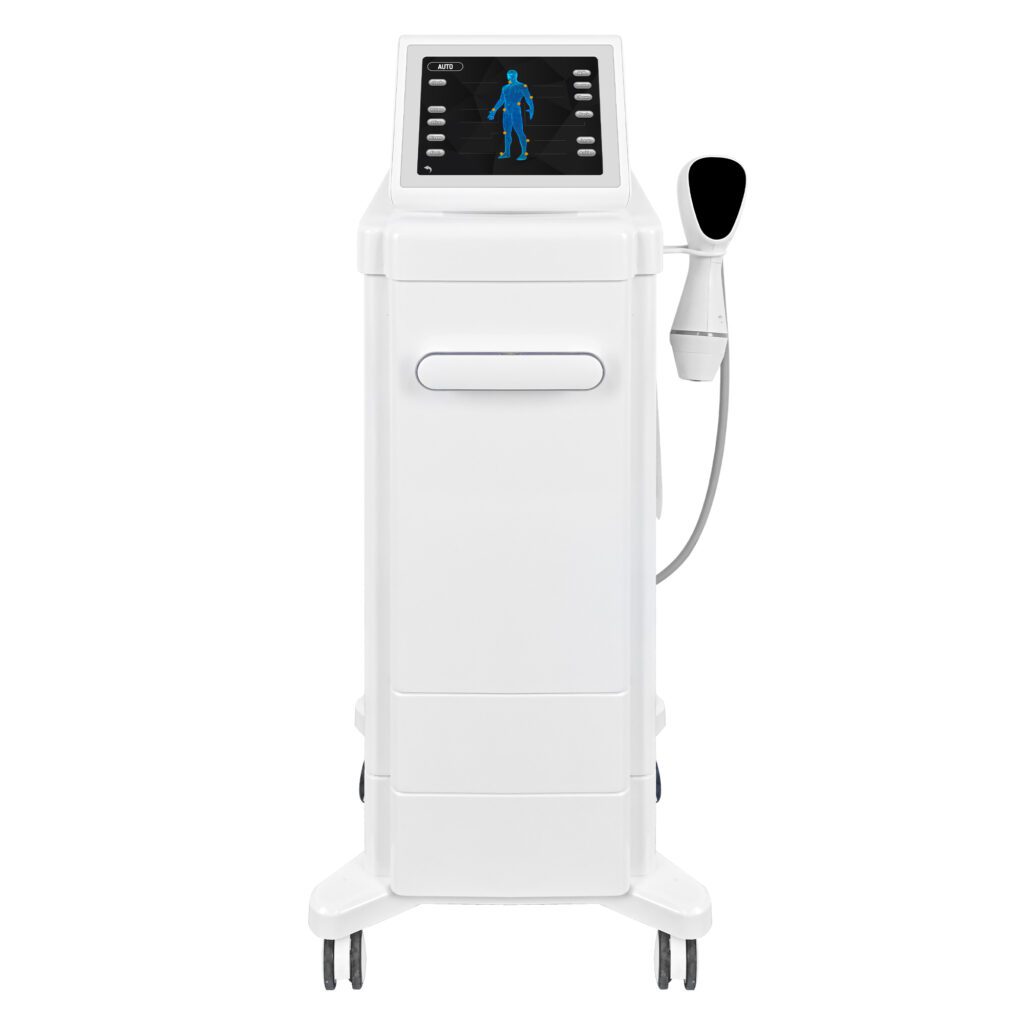










The right time to add a beauty device category is not simply when the current machine is busy or a competing salon launches a new service. Expansion is justified when a repeated client goal remains unmet, the proposed technology creates a clearly different menu role, and the business can support the complete consultation, room, staff, stock, documentation, maintenance, and follow-up pathway.
This guide helps salons, med spas, skin clinics, body centers, and distributors decide whether to deepen an existing category, add a new department, duplicate current capacity, or postpone the purchase. It also maps common growth gaps to selected SHEFMON beauty devices without turning growth into a race to own more machines.
Sintesi
- Add a category only when demand, differentiation, readiness, and ongoing support are all present.
- Separate three decisions: improve the current service, add capacity within the current category, or add a genuinely new technology category.
- Use consultation records and declined or referred enquiries to identify unmet goals; do not rely on one client request or competitor activity.
- Strengthen the facial foundation with A0648 idromicrodermoabrasione when cleansing and hydration-oriented services are still unclear or inconsistent.
- Aggiungere A0272-F elettrostimolatore/radiofrequenza facciale EMS/RF when clients repeatedly request a distinct facial tone and contour pathway that A0648 does not cover.
- Aggiungere A0423 O A0426 only when the business is ready to create a specialist hair-reduction department.
- Aggiungere B0155 for broad selected body care, A0241 for a muscle-focused gap, or S9 for a localized cooling-contouring gap.
- Considerare A0204 HIFU focalizzato O A0152 Microneedling a radiofrequenza only when the qualified advanced pathway is ready before the equipment arrives.
- Measure the full appointment cycle, not device-active minutes, when checking capacity.
- Launch one new category at a time through definition, readiness, controlled launch, and stabilization gates.
- Postpone the purchase when the real problem is weak menu clarity, poor booking control, insufficient staff, or unresolved maintenance.
1. First Decide What Kind of Growth You Need
“We need another device” can describe three different problems.
| Growth need | Appropriate response | Esempio |
|---|---|---|
| Improve the current category | Rewrite service cards, retrain staff, fix consultation, stock, cleaning, or menu clarity | A0648 is underused because clients cannot distinguish the published facials |
| Add capacity | Add room, staff, schedule, or possibly another unit in the same category | A proven A0648 service has sustained waiting time and the full workflow is at capacity |
| Add a new category | Buy a technology that addresses a repeated, currently unserved goal | Facial clients repeatedly request a separate tone-and-contour service, supporting consideration of A0272-F |
A new category will not fix a poorly defined service. Diagnose the constraint before comparing models.
2. Use Four Conditions for the Purchase Decision
A strong expansion case requires all four conditions.
Condition 1: Repeated demand
The business has documented enquiries, referrals, lost bookings, or consultations showing a recurring client goal that the current menu does not serve.
Condition 2: Clear differentiation
The proposed category has a one-sentence role that does not overlap confusingly with current services.
Condition 3: Operational readiness
The business has or can secure the appropriate staff, room, booking controls, components, consumables, cleaning, records, aftercare, follow-up, and escalation.
Condition 4: Supportable continuity
The business can maintain the device, replace stock and components, handle downtime, keep staff competent, and serve active client plans after launch.
If one condition is missing, continue preparation or choose a lower-burden expansion.
3. Collect Evidence for the Unmet Goal
Track demand by goal rather than by requested machine name. Clients may ask for a popular technology without understanding which category fits their concern.
Le prove utili includono:
- enquiries that current services cannot address;
- consultations ending in referral because the category is absent;
- current clients asking for a clearly different service goal;
- repeated secondary goals recorded during reviews;
- website or booking searches for an unavailable service family;
- distributor enquiries from a defined buyer segment;
- waiting lists caused by a missing category rather than poor scheduling;
- staff observations supported by records rather than memory.
Record the goal, area, business source, consultation outcome, and whether the enquiry could have been served by clearer positioning of an existing device.
4. Distinguish a Real Gap from a False Gap
A false gap appears when the business owns suitable equipment but has not translated it into a clear service.
| Segnale | Possible real issue | Best first action |
|---|---|---|
| Clients ask for “deep cleansing” | Existing hydro service is poorly named or explained | Review A0648 service cards and public copy |
| Facial menu has many similar options but weak bookings | Service overlap and decision fatigue | Merge, reposition, or retire overlapping entries |
| Current device is fully booked on one day only | Schedule concentration rather than equipment shortage | Reallocate staff and booking availability |
| Clients request a different body outcome | Existing modality may not match the goal | Clarify B0155, A0241, and S9 technology roles |
| Staff cannot launch the current advanced device consistently | Governance and competency gap | Stabilize the existing pathway before adding another |
| Competitor advertises a new technology | No evidence of local demand or readiness | Record enquiries and assess fit before purchasing |
The cheapest expansion is often a clearer menu and a better consultation route.
5. Know When to Add Capacity Instead of a Category
Duplicate or expand current capacity when:
- the current category has a clear, differentiated menu role;
- demand is sustained across an appropriate observation period;
- full appointment blocks, not device-active minutes, are consistently occupied;
- trained staff and room availability are the only remaining constraints;
- cleaning, stock, documentation, and follow-up remain reliable at current volume;
- downtime materially disrupts active plans;
- another unit would solve access without creating menu confusion.
Do not add a different device simply because the current one is busy. If clients want the same service goal, additional capacity may be the cleaner investment.
6. Stabilize the Facial Foundation Before Expanding
SHEFMON presents A0648 as a vertical nine-function hydro microdermabrasion system supporting hydro and vacuum-led cleansing, exfoliation, extraction, hydration-oriented care, and related facial functions.
Before adding another facial category, confirm that the A0648 pathway has:
- an understandable consultation and core menu;
- a small number of non-overlapping service cards;
- consistent tips, solutions, function selection, and stock;
- measured appointment and cleaning times;
- trained operators and current records;
- a maintenance and reassessment process;
- reliable device upkeep and fluid-path procedures;
- evidence of goals the platform does not cover.
If these basics are unstable, another device can multiply confusion instead of expanding the menu.
7. Add A0272-F When the Facial Goal Is Truly Different
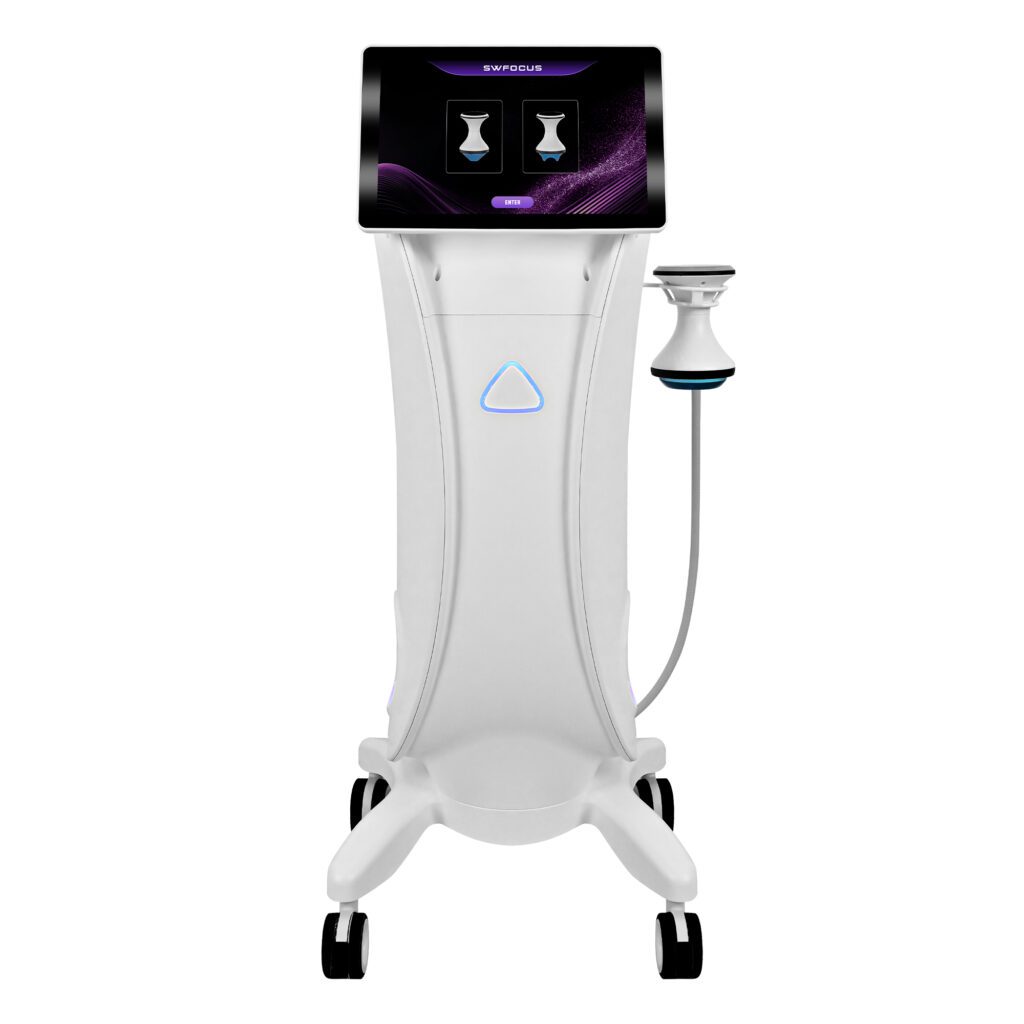
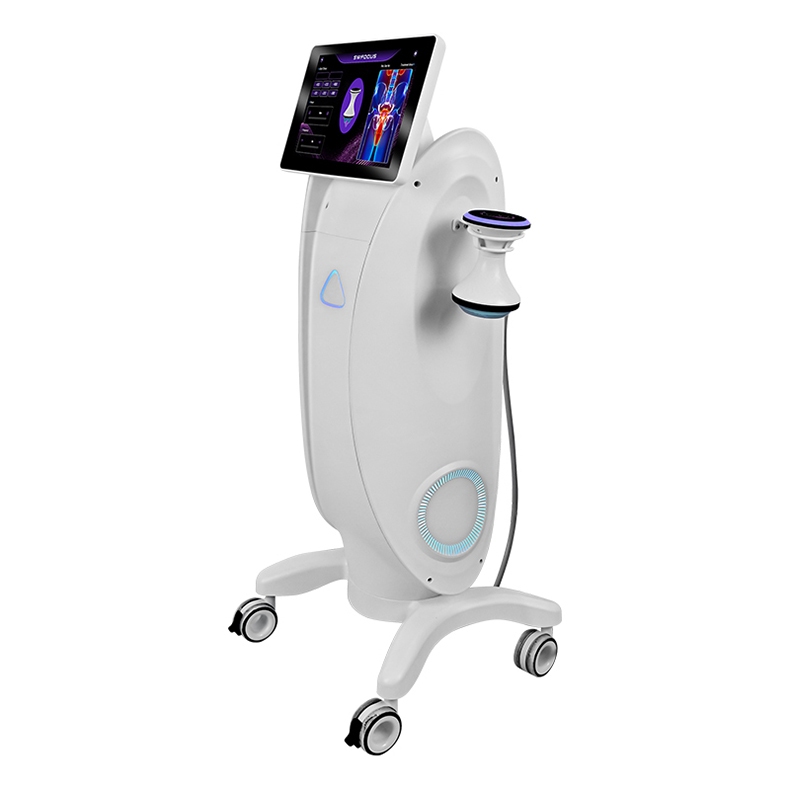
The A0272-F product page describes high-intensity facial electrical stimulation combined with RF. It creates a separate facial tone-and-contour category rather than another cleansing facial.
Consider this addition when:
- tone and contour enquiries recur in consultation records;
- A0648 clients and new clients can understand the difference between the two technologies;
- the business can create a separate A0272-F assessment and service card;
- staff can support accessories, placement, contact materials, settings process, records, and review;
- room and appointment capacity exist without weakening the core facial service;
- the business will not market A0272-F as an automatic upgrade for every A0648 client.
This is a depth expansion within facial services: the business keeps its facial audience while adding a different technology goal.
8. Add Hair Reduction Only as a New Department
The current A0423 and A0426 pages list 600 W and 1200 W handpiece options, 15 × 15, 15 × 20, and 15 × 30 mm spot options, multiple wavelength positioning, and semiconductor, water, and TEC cooling.
Hair reduction is a breadth expansion. Consider it when the business can support:
- recurring enquiries for defined face or body areas;
- laser-specific consultation and current suitability checks;
- exact area definitions and appointment blocks;
- an authorized operator and controlled room;
- protective equipment and access rules;
- the exact delivered handpiece and wavelength configuration;
- settings, cooling, response, and aftercare records;
- planned returns, reviews, and concern-led follow-up;
- maintenance, service access, and downtime planning.
IL American Academy of Dermatology laser hair removal FAQ discusses professional consultation, preparation, repeated sessions, variable outcomes, and possible side effects. Do not add laser as a normal premium facial add-on.
9. Add B0155 for a Broad Body-Care Gap
The B0155 product page lists larger and smaller vacuum rollers, rotating handles, RF-related functions, light, and 80K cavitation. It can help a facial business open a selected body-care department or help a body studio consolidate several related service directions.
The category is ready when:
- body-care enquiries are consistent rather than seasonal anecdotes;
- the business has private space and appropriate positioning capability;
- staff can consult by goal and area;
- each public service maps to an approved function or handle set;
- contact materials, cleaning, records, and review are defined;
- the menu avoids broad weight-loss or guaranteed contouring claims;
- facial capacity will not be compromised by body-room turnover.
Start with a small body menu. The number of device functions should not determine the number of launch services.
10. Add A0241 for a Muscle-Focused Gap
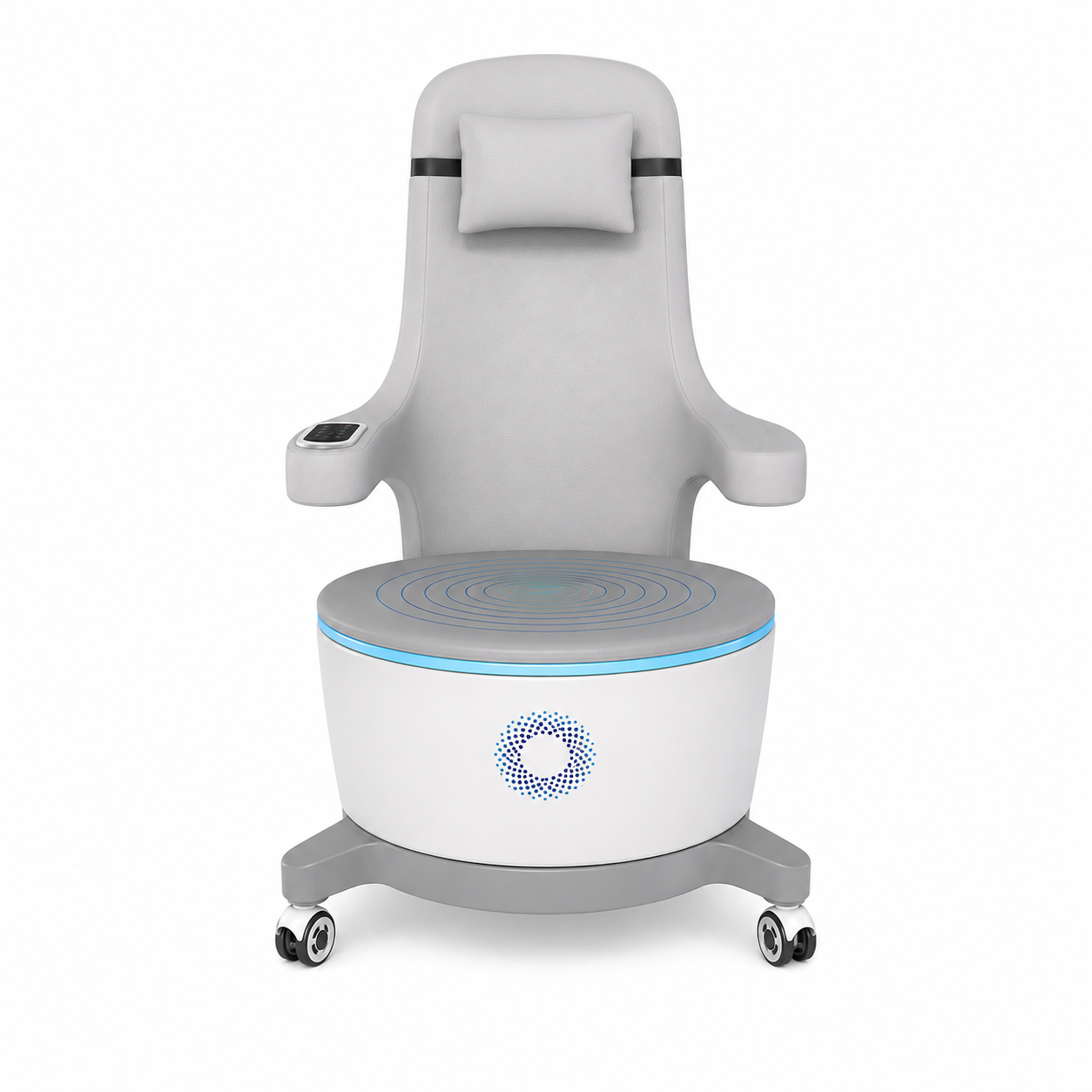
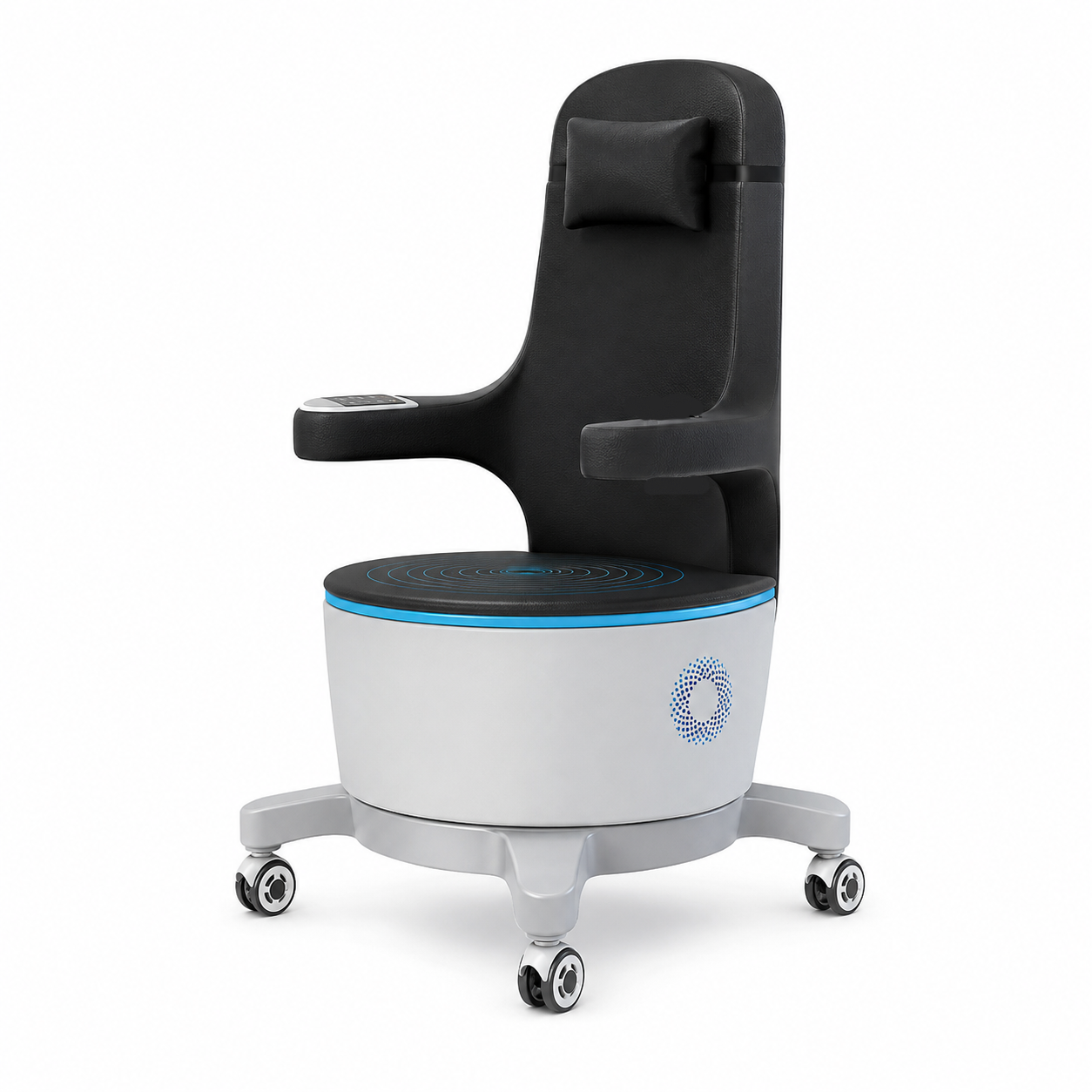
A0241 is positioned around electromagnetic muscle stimulation and RF. It should be considered when recorded demand is specifically muscle-focused and cannot be met by the B0155 body-care role.
Readiness includes:
- a distinct Muscle-Focused Body Consultation;
- confirmation of the supplied applicator and handle configuration;
- trained staff and a documented placement process;
- defined areas and appointment capacity;
- technology-specific records and program reviews;
- realistic communication without exercise-equivalent or guaranteed-measurement claims;
- maintenance and service support.
A0241 is not a premium version of B0155. If the business cannot explain their different purposes in one sentence each, the second body category is premature.
11. Add S9 for a Localized Cooling Gap
S9 is presented as a vacuum-assisted cooling-contouring platform. It belongs in a separate defined-area consultation route.
Add this category only when the business can manage:
- clear demand for localized cooling contouring;
- confirmation of included applicators and technical documentation;
- area assessment and applicator planning;
- client monitoring, records, aftercare, and follow-up;
- a concern and escalation route;
- room, power, maintenance, and downtime requirements;
- destination-market and professional requirements;
- accurate claims that do not present the service as obesity care or general weight loss.
The FDA’s non-invasive body contouring overview emphasizes that different technologies have distinct intended effects, limitations, and risks.
12. Add A0204 Only When the HIFU Pathway Exists First
The A0204 page presents a modular focused-HIFU platform with multiple standard and optional handles, cartridges, and treatment depths. Buying the console before defining professional governance can create an expensive inactive or poorly controlled category.
The pathway is ready when the business has:
- an appropriately qualified decision-maker and operator;
- a dedicated Focused-Ultrasound Consultation;
- confirmation of standard and optional handles and cartridges;
- consent, procedure records, aftercare, and follow-up;
- cartridge inventory and replacement controls;
- room, scheduling, maintenance, and escalation processes;
- enough evidenced demand for focused ultrasound rather than generic “anti-aging” interest.
HIFU should not be the default next purchase after A0648 or A0272-F. It is appropriate when the service gap and operating system both justify it.
13. Add A0152 Only When Clinical Governance Is Complete
A0152 is listed with several needle configurations and adjustable depths from 0.5 to 7 mm. It creates a clinical RF microneedling pathway with higher requirements for professional oversight, procedure hygiene, single-use stock, sharps handling, consent, documentation, aftercare, follow-up, and complication response.
The FDA’s 2025 Comunicazione sulla sicurezza del microneedling a radiofrequenza identifies RF microneedling as a medical procedure and notes reports of serious complications associated with certain uses.
Do not buy A0152 merely to fill the “advanced” position in a menu. Add it when the clinic has the qualified team, procedure room, infection-control system, stock traceability, sharps process, aftercare, response capability, and suitable demand.
14. Score the Next Category
Use a weighted decision matrix before requesting a final quotation.
| Criterio | Suggested weight | Prove da esaminare |
|---|---|---|
| Repeated unmet client goal | 20% | Consultation, referral, enquiry, and lost-booking records |
| Menu differentiation | 15% | One-sentence role and overlap audit |
| Professional and staff readiness | 15% | Scope, authorization, training, and coverage |
| Room and workflow readiness | 10% | Full appointment block, privacy, power, cleaning, reset, and access |
| Stock and component readiness | 10% | Included configuration, consumables, storage, replacement, and traceability |
| Documentation and follow-up | 10% | Forms, consent, records, aftercare, review, and escalation |
| Manutenzione e supporto | 10% | Warranty, preventive maintenance, spare parts, service process, and downtime plan |
| Financial capacity and risk tolerance | 10% | Total operating commitment under the business’s own analysis |
Do not use a universal pass score. Require every high-control category to pass the professional, room, documentation, and escalation criteria regardless of the total.
15. Compare Adjacency with Business Readiness
An adjacent category serves a familiar audience and may be easier to explain. A non-adjacent category creates a new department and a larger operating change.
| Current strength | Adjacent next category | Broader expansion | Advanced option when ready |
|---|---|---|---|
| A0648 facial care | A0272-F targeted facial technology | A0423/A0426 hair or B0155 body | A0204 or A0152 under qualified governance |
| Hair-reduction practice | Additional capacity or area coverage within the laser pathway | A0648 facial department | Advanced skin category only with separate clinical capability |
| B0155 body care | A0241 muscle-focused or S9 cooling based on demand | A0648 facial department | Advanced facial procedure only with a new qualified pathway |
| Skin clinic maintenance | A0272-F | Hair or body department | One of A0204 or A0152 |
Adjacency can reduce marketing friction, but it does not remove technology-specific assessment and training.
16. Calculate the Full Capacity Impact
The new device affects more than its operating time. Calculate:
- consultation and reassessment slots;
- room preparation and device checks;
- client positioning and privacy;
- erogazione del servizio;
- documentation and aftercare;
- cleaning, disinfection, fluid-path processing, sterile handling, or waste as applicable;
- room reset and stock replacement;
- follow-up and concern-led appointments;
- training and competency maintenance;
- device maintenance and downtime;
- administrative work for packages, consent, reminders, and records.
If the existing team cannot absorb the full workflow, the business may need staff or room capacity before another device category.
17. Prepare the Service Before the Device Arrives
Complete these items before installation:
1. final service role and client goal; 2. exact model and written configuration; 3. standard and optional components; 4. consultation and decision form; 5. service card and booking code; 6. operator authorization and training plan; 7. room, electrical, protective, privacy, and cleaning requirements; 8. stock, consumables, storage, replacement, and waste process; 9. records, aftercare, follow-up, and escalation; 10. maintenance, warranty, fault, and downtime workflow; 11. client-facing page and reception explanation; 12. controlled launch capacity.
If these cannot be completed, the business is not ready to market the category even if the unit is available.
18. Launch Through Four Gates
Porta 1: Definizione
Confirm the client goal, technology role, business fit, and non-overlap with current services.
Porta 2: Prontezza
Verify staff, room, configuration, documentation, stock, cleaning, aftercare, maintenance, and local requirements.
Porta 3: Lancio controllato
Open limited consultation and service capacity. Review routing errors, appointment timing, incomplete records, stock issues, client questions, and follow-up.
Porta 4: Stabilizzazione
Expand availability only when the service is delivered consistently, the pathway is supportable, and the demand signal remains valid.
Do not begin planning the next category while the current launch is still operationally unstable.
19. Choose One of Six Growth Packages
Package A: Facial foundation
Device: A0648
Choose this when the business lacks a clear cleansing and hydration-oriented anchor.
Package B: Facial depth
Dispositivi: A0648 + A0272-F
Choose this when demand supports a separate facial tone-and-contour route.
Package C: Facial plus hair breadth
Dispositivi: A0648 + A0423 or A0426
Choose this when the business is ready for an independent specialist laser department.
Package D: Facial plus body breadth
Dispositivi: A0648 + B0155
Choose this when body-care demand, space, positioning, cleaning, and staff justify a new department.
Package E: Body specialization
Dispositivi: B0155 + either A0241 or S9
Choose muscle-focused or cooling contouring based on the documented goal gap. Do not add both automatically.
Package F: Three-lane clinic
Dispositivi: A0648 + A0272-F + either A0204 or A0152
Choose one advanced category only after its qualified pathway is ready.
20. Know When to Postpone the Purchase
Postpone when:
- demand is based on one enquiry, a trend, or competitor activity;
- the current menu has unresolved overlap;
- existing equipment is underused because staff or clients do not understand it;
- no authorized operator or qualified decision-maker is available;
- the required room or cleaning process is incomplete;
- exact configuration and included components are unclear;
- consumables, cartridges, needles, applicators, or service support are uncertain;
- forms, consent, aftercare, follow-up, and escalation are not ready;
- active client plans would exceed future capacity;
- the business expects the new device to solve cash-flow or positioning problems without a service plan.
Postponement is a growth decision when it protects the current service and makes the later launch more reliable.
21. Measure the New Category After Launch
Review the category using operational evidence:
- enquiry-to-consultation routing accuracy;
- consultation outcomes, including deferral and referral;
- approved bookings and cancellations;
- full appointment-block utilization;
- room, operator, component, and stock availability;
- completed records and follow-up tasks;
- client questions caused by unclear positioning;
- downtime and maintenance response;
- overlap or cannibalization of current services;
- whether the original unmet goal is now served appropriately.
Avoid inventing revenue or return-on-investment claims. Use the business’s actual costs, capacity, pricing, and records for financial analysis.
22. Common Expansion Mistakes
Buying because the current device is busy
The business may need more capacity in the same category rather than a different technology.
Copying a competitor’s service list
Their staff, rooms, market, configuration, and professional scope may differ.
Adding several categories at once
Multiple launches make training, records, stock, and demand analysis harder to control.
Choosing by function count
The next device should solve one clear menu gap. More functions can create more overlap.
Treating every new category as an upsell
Clients should enter the appropriate consultation based on goals, not progress automatically to higher-priced technology.
Ignoring maintenance and follow-up
The purchase creates recurring obligations for the life of the device and every active client pathway.
23. Final Next-Category Checklist
Before purchasing, confirm that:
1. the unmet goal is supported by repeated evidence; 2. the problem is not menu confusion or capacity within the current category; 3. the new technology has a one-sentence role; 4. the business has the appropriate decision-maker and operator; 5. rooms and full appointment blocks are available; 6. the exact configuration and components are confirmed; 7. stock, cleaning, maintenance, and downtime processes are ready; 8. forms, consent, records, aftercare, review, and escalation are complete; 9. current services will remain stable during launch; 10. the category can be tested through limited capacity; 11. success measures are defined before promotion; 12. the next purchase will wait until this category stabilizes.
Domande frequenti
1. What is the strongest sign that a beauty business needs another device category?
The strongest signal is a repeated, documented client goal that the current menu cannot appropriately serve, combined with a clearly differentiated technology and complete operational readiness.
2. Does high utilization mean it is time to buy a different device?
Not necessarily. If clients want the same service goal, the business may need another room, more trained staff, schedule changes, or another unit in the same category. Diagnose the capacity constraint first.
3. What is a practical next device after A0648?
A0272-F is a logical facial-depth option when there is repeated demand for a distinct tone-and-contour service. A0423/A0426 or B0155 may be better when the business wants a new hair or body department. Choose according to the verified gap and readiness.
4. When should a facial business add laser hair reduction?
Add it when demand supports a separate specialist department and the business can provide laser-specific consultation, area definitions, an authorized operator, controlled room, protective equipment, records, aftercare, reviews, maintenance, and support.
5. Should a body studio add A0241 or S9 after B0155?
Choose A0241 for a demonstrated muscle-focused gap or S9 for a localized cooling-contouring gap. Compare client goals, professional requirements, exact configurations, applicators, rooms, records, aftercare, and support. Neither is an automatic upgrade from B0155.
6. When is a business ready to add A0204 HIFU?
It is ready when a qualified focused-ultrasound pathway already exists on paper: decision authority, exact handles and cartridges, consent, room, operator, records, aftercare, follow-up, escalation, maintenance, and evidenced demand.
7. When should a clinic add A0152 RF microneedling?
Only when it has appropriate professional oversight, a procedure room, infection-control and sharps systems, single-use stock traceability, consent, detailed records, aftercare, follow-up, complication response, and suitable demand.
8. How many new categories should launch at once?
One is the safest default. Stabilize its consultation, booking, delivery, cleaning, documentation, follow-up, maintenance, and demand before starting another launch.
9. Should distributors recommend the same next category to every buyer?
No. The recommendation should reflect the buyer’s current menu, client goals, country or market, staff, rooms, professional scope, configurations, support capacity, and the difference the new category will add.
10. What should a buyer send SHEFMON when considering the next category?
Share the business type, country or market, current devices and services, repeated unmet goals, consultation records if available, staff roles, rooms, expected workload, preferred expansion direction, and shortlisted models. Ask for exact configurations, included and optional components, operating requirements, training information, consumables, maintenance, warranty, technical documentation, service process, and shipping details.
Conclusione
A beauty business should add its next device category when the new technology solves a repeated goal, creates a clear menu role, and can be supported throughout consultation, booking, delivery, cleaning, documentation, maintenance, follow-up, and escalation. Sometimes the correct next investment is A0272-F, A0423 or A0426, B0155, A0241, S9, A0204, or A0152. Sometimes it is another room, another trained operator, clearer services, or no new device yet.
Esplorare SHEFMON beauty-device categories E contattare SHEFMON with your current portfolio, unmet goals, staff, rooms, and expansion scorecard. This information will help compare a suitable next category and confirm the exact model configuration.