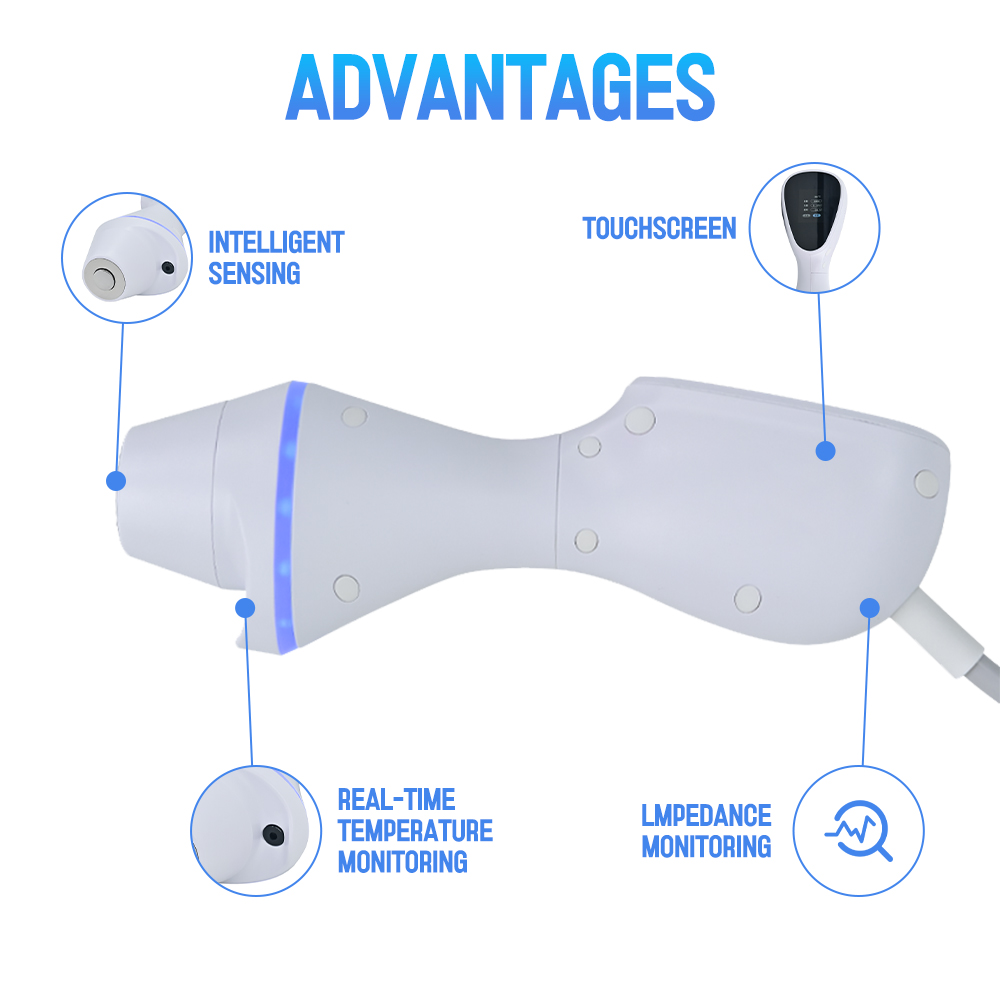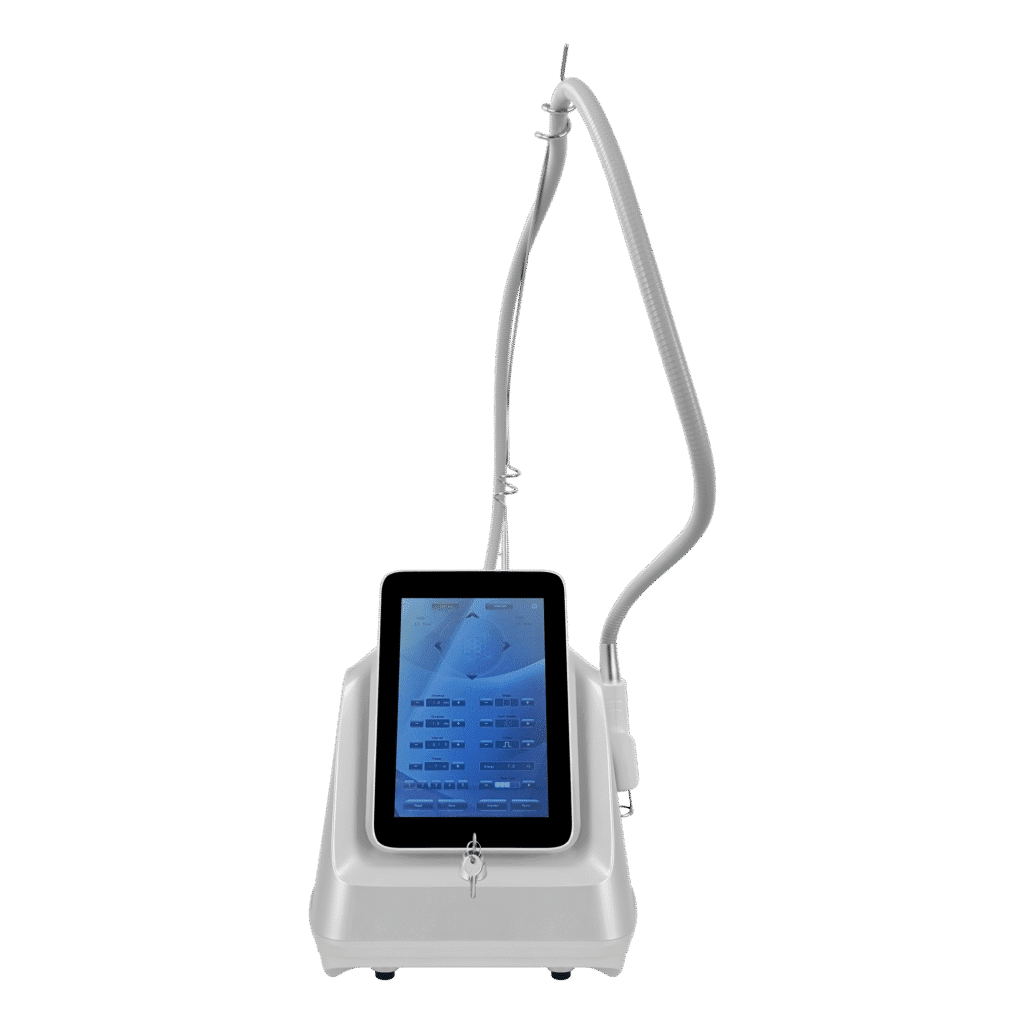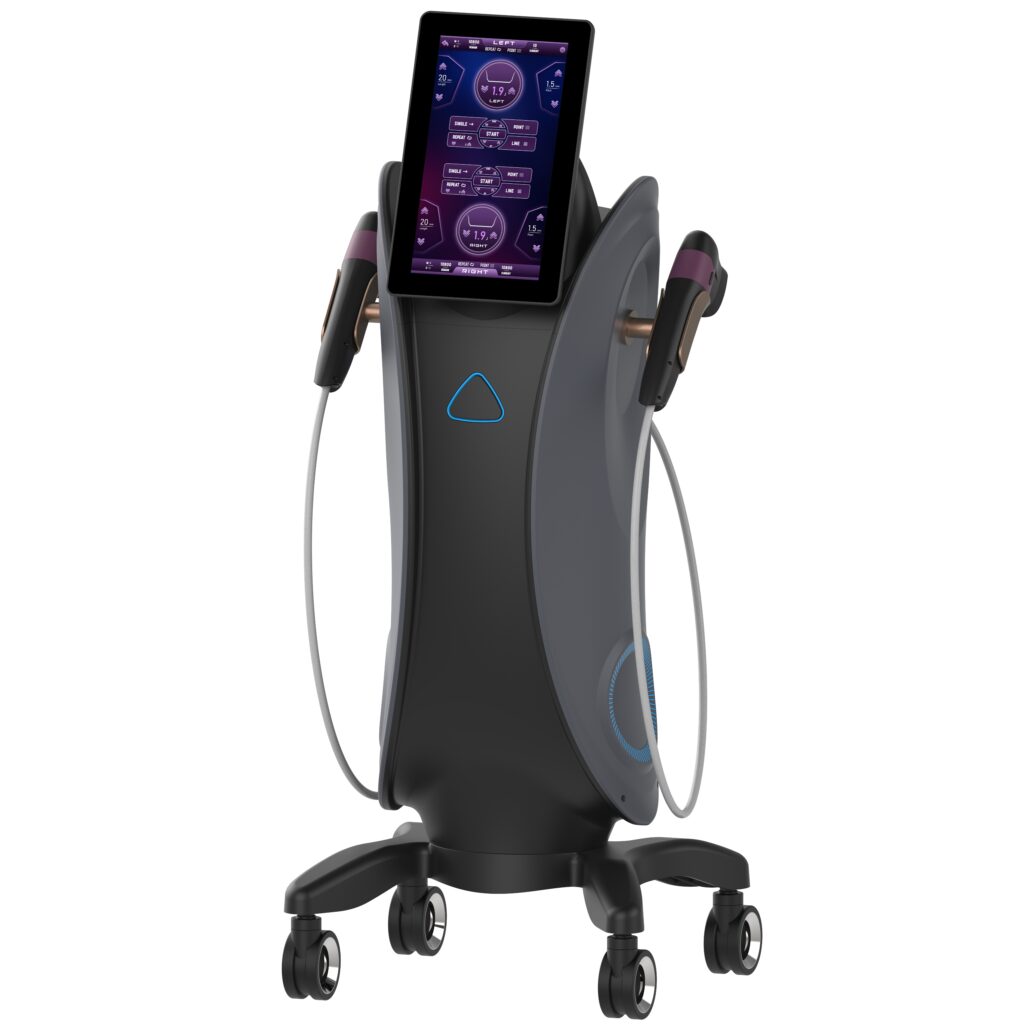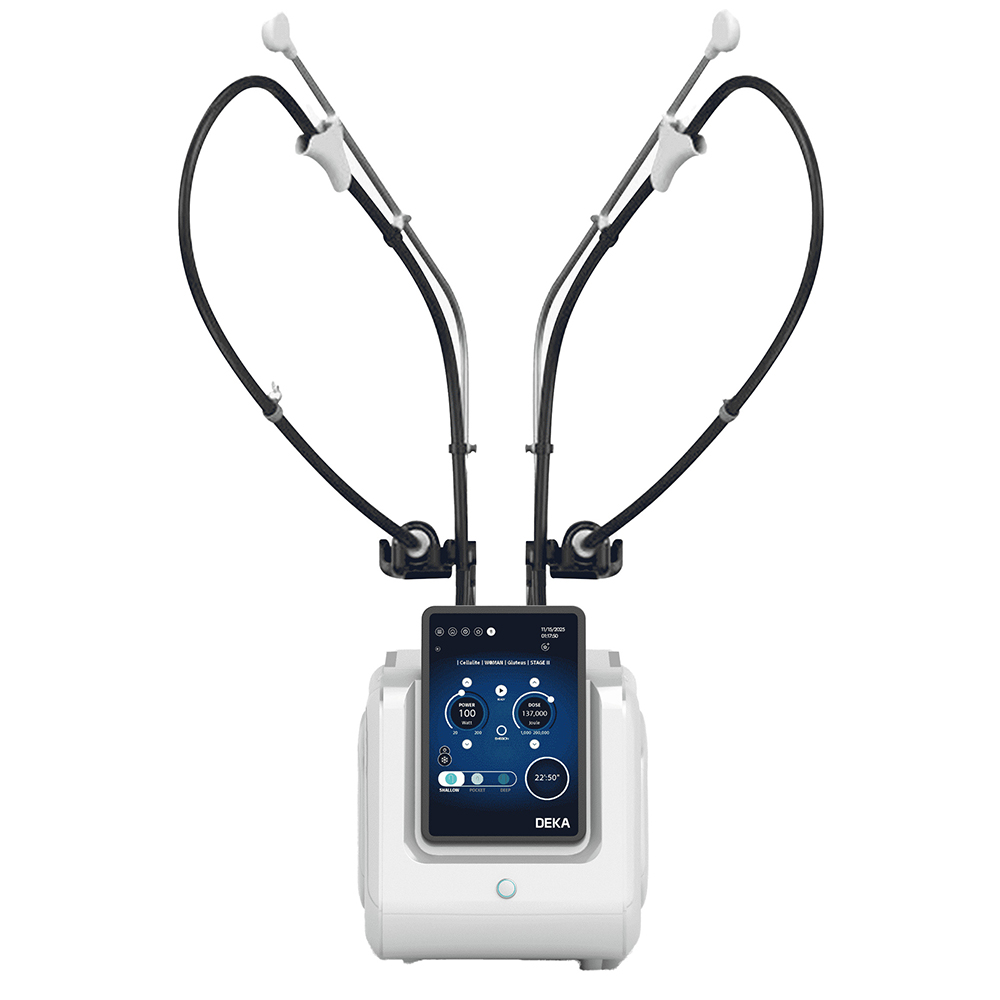










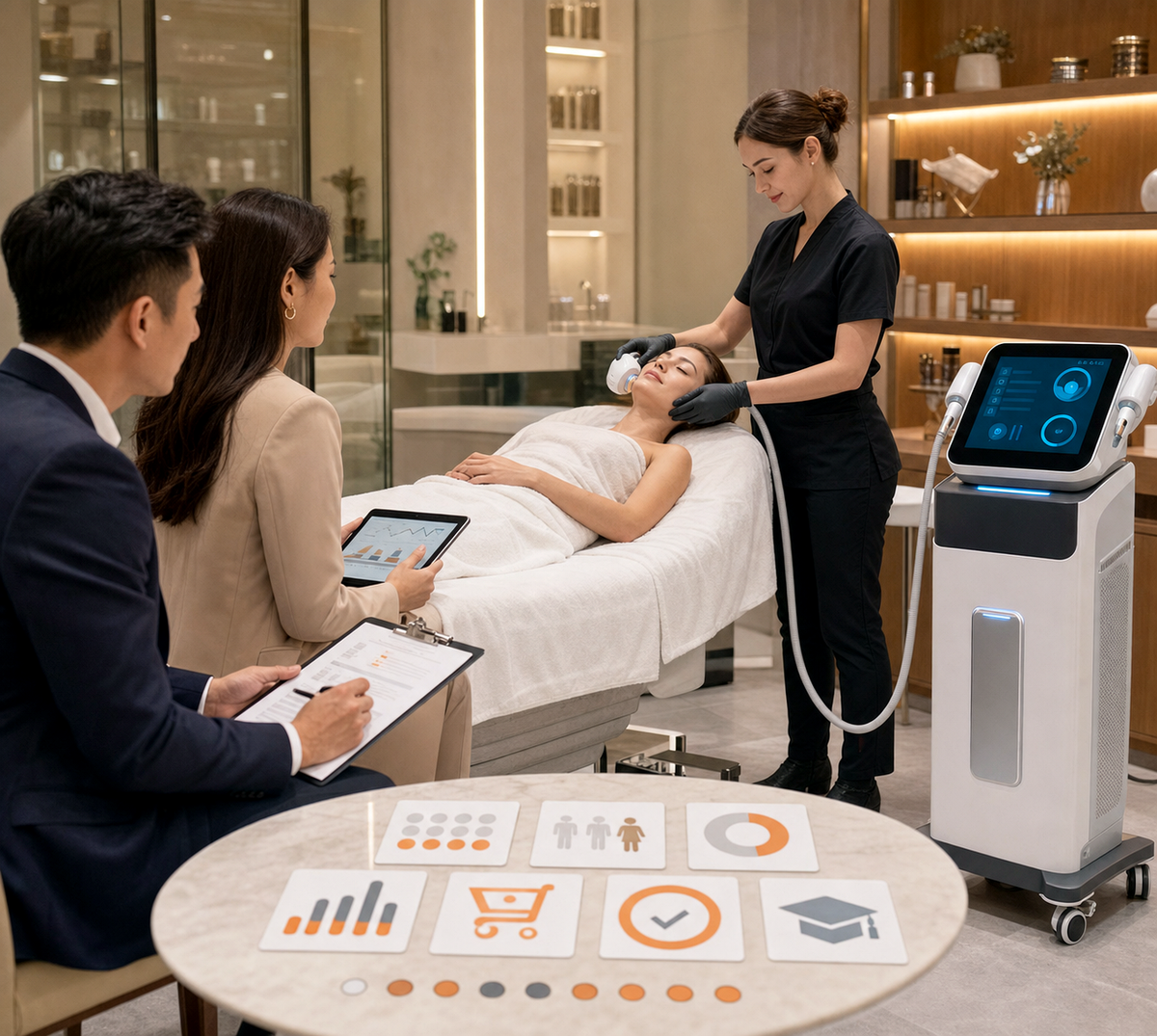
I distributori di apparecchiature per la bellezza dovrebbero completare una validazione di mercato prima di rappresentare un nuovo prodotto. Una nuova macchina può apparire attraente nello showroom di una fabbrica, ma ciò non significa che i saloni locali la acquisteranno, che il personale sarà in grado di utilizzarla, che i clienti pagheranno per il trattamento o che l'assistenza post-vendita sarà gestibile. La validazione di mercato riduce il rischio prima che il distributore investa in scorte, commissioni di agenzia, campagne di marketing, unità dimostrative o promozione regionale.
Nel settore delle apparecchiature per la bellezza, la validazione è particolarmente importante perché i distributori non vendono solo hardware. Vendono potenziale di guadagno per i saloni, formazione, sicurezza, affidabilità dell'assistenza, pezzi di ricambio e pacchetti di progetto. Un prodotto che non ha successo sul mercato può causare giacenze di magazzino insufficienti, controversie sulla garanzia, danni ai rapporti con i saloni e pressioni sul flusso di cassa.
L'obiettivo della validazione è semplice: dimostrare che il dispositivo ha una reale domanda locale, un chiaro ritorno sull'investimento (ROI) per il salone, un prezzo accettabile, un rischio di servizio gestibile e un piano di lancio sul mercato pratico prima di procedere alla scalabilità.
Perché la validazione del mercato è importante prima di lanciare un nuovo prodotto
Molti distributori falliscono con i nuovi prodotti perché confondono la novità del prodotto con la domanda di mercato. Un nuovo dispositivo per la bellezza può avere un bellissimo schermo, molte funzioni, promesse allettanti o un prezzo di fabbrica basso. Ma i saloni continueranno a porre domande pratiche:
- Posso vendere questo trattamento ai miei clienti?
- Quante sessioni posso vendere al mese?
- Qual è il periodo di ammortamento?
- È difficile formare il personale?
- E se la macchina si rompesse?
- I clienti hanno già richiesto questo progetto?
- È legale e conforme alle normative del mio mercato?
- Il trattamento proposto si differenzia da quelli già offerti dalla concorrenza?
Se il distributore non è in grado di rispondere a queste domande, il prodotto non è pronto per una promozione su larga scala.
La Small Business Administration statunitense definisce le ricerche di mercato come un metodo per comprendere i clienti, identificare i concorrenti, trovare opportunità e ridurre i rischi. Questa logica si applica direttamente alla distribuzione di apparecchiature per la bellezza. Prima di proporre un nuovo macchinario, i distributori dovrebbero verificare le esigenze del mercato anziché affidarsi esclusivamente alle promesse del produttore.
Fase 1: Definire l'ipotesi del prodotto
Prima di testare il mercato, i distributori dovrebbero mettere per iscritto l'ipotesi di prodotto. Questo evita di prendere decisioni vaghe.
L'ipotesi dovrebbe rispondere a:
- Quale problema risolve questo dispositivo?
- Qual è la tipologia di salone a cui si rivolge il cliente tipo?
- Quale cliente finale pagherà per il trattamento?
- Quale pacchetto di servizi offrirà il salone?
- Che prezzo può chiedere il salone?
- Quante sedute sono necessarie?
- Perché questo dispositivo è migliore delle opzioni esistenti?
- Quale supporto dovrà fornire il distributore?
Esempio:
“"Questo dispositivo per il corpo a radiofrequenza ed elettrostimolazione (RF ed EMS) può essere venduto a centri estetici di medie dimensioni come soluzione per la gestione del girovita e il rassodamento del corpo nel periodo post-parto. I centri locali possono applicare una tariffa da 80 a 150 dollari a seduta, vendere pacchetti da 6 sedute e recuperare l'investimento nel macchinario entro sei-nove mesi, effettuando 40 sedute al mese."”
Questa ipotesi può quindi essere verificata in saloni reali.
Fase 2: Verificare la domanda di mercato generale
I distributori dovrebbero iniziare analizzando la domanda generale della categoria. Questo aiuta a stabilire se il prodotto appartiene a una categoria in crescita, stabile, matura o in declino.
Tra le fonti utili si annoverano:
- Rapporti di ricerche di mercato
- rapporti delle associazioni di settore
- Report sulle tendenze in ambito bellezza e benessere
- Tendenze di ricerca
- Dati relativi alle fiere commerciali
- Lanci di prodotti della concorrenza
- tendenze del menù dei servizi di salone
Ad esempio, Grand View Research riporta che il mercato globale dei dispositivi estetici a base di energia valeva 7,5 miliardi di dollari nel 2025 e si prevede che crescerà da 8,1 miliardi di dollari nel 2026 a 15,7 miliardi di dollari entro il 2033. Anche la ricerca di McKinsey sul settore della bellezza del 2026 prevede una crescita del mercato globale della bellezza di circa il 5% annuo fino al 2030. Questi segnali dimostrano che il mercato nel suo complesso è attivo.
Tuttavia, una crescita generalizzata non dimostra che un dispositivo avrà successo a livello locale. Fornisce solo un contesto. I prossimi passi dovranno convalidare il comportamento degli acquirenti locali.
Fase 3: Testare la ricerca locale e la domanda social
I dati di ricerca locale aiutano i distributori a capire se i consumatori e i saloni conoscono già il trattamento. Se la domanda di ricerca locale è elevata, la formazione dei saloni potrebbe essere più semplice. Se la domanda di ricerca è bassa, il distributore potrebbe aver bisogno di più contenuti, dimostrazioni e formazione per i clienti.
Controllo:
- Google Trends
- Pianificatore di parole chiave
- Motori di ricerca locali
- Attività di ricerca su TikTok o Instagram
- Video di YouTube
- volume di ricerca del marketplace
- Forum di bellezza
- Pagine dei servizi del sito web del salone
- Annunci locali
Tra le ricerche utili si possono includere:
- Rassodamento della pelle tramite radiofrequenza
- depilazione laser
- Trattamento viso idratante
- rimodellamento del corpo
- Lifting HIFU
- Trattamento dell'acne con LED
- Analisi della pelle tramite intelligenza artificiale
- recupero post-partum
- Scultura EMS
- dispositivo per la cura intima
I distributori dovrebbero leggere anche i commenti e le domande. Il volume di ricerca indica interesse, ma i commenti rivelano confusione, obiezioni e aspettative dei clienti.
Fase 4: Intervistare i proprietari dei saloni locali
Le interviste presso i saloni di bellezza rappresentano uno degli strumenti di validazione più preziosi. I distributori dovrebbero parlare con acquirenti reali prima di impegnarsi ad acquistare prodotti.
Intervistare almeno da 20 a 50 saloni di diversi livelli:
- Piccoli saloni di quartiere
- Studi di cura della pelle
- Saloni di bellezza di lusso
- centri termali medici
- Centri di body contouring
- Centri di epilazione
- Centri post-partum
- Centri benessere
- Saloni di catena
Chiedere:
- I clienti hanno richiesto questo trattamento?
- Offrite già un progetto simile?
- Che attrezzatura utilizzi attualmente?
- Quali problemi riscontrate con le macchine attuali?
- Quanto saresti disposto a pagare per questo dispositivo?
- Quale prezzo potresti applicare ai clienti per questo servizio?
- Quante sessioni potresti vendere al mese?
- Quale formazione sarebbe necessaria al vostro personale?
- Cosa ti impedirebbe di acquistare questa macchina?
- Saresti disposto a versare un acconto dopo una dimostrazione?
La domanda più importante non è "Ti piace?". Molti proprietari di saloni risponderanno educatamente di sì. La domanda più incisiva è: "Saresti disposto a versare un acconto entro 30 giorni?".“
Passaggio 5: Convalidare il potere d'acquisto del salone
Un prodotto può essere richiesto, ma fallire comunque se i saloni locali non se lo possono permettere. I distributori dovrebbero confrontare il prezzo del macchinario con il potere d'acquisto dei saloni.
Ricerca:
- Budget medio per le attrezzature di un salone di bellezza
- Prezzo medio del trattamento
- Valore della tessera associativa
- Traffico mensile di clienti
- Valore medio della transazione
- condizione di flusso di cassa
- Domanda di finanziamento
- Comportamento di pagamento
- Livelli di attrezzature esistenti
Se la maggior parte dei saloni locali acquista apparecchi a meno di 2.000 dollari, un dispositivo da 15.000 dollari potrebbe richiedere finanziamenti, leasing o un canale di distribuzione diverso. Se il mercato è caratterizzato da cliniche di alto livello e spa di lusso, l'acquisto di dispositivi costosi potrebbe essere una scelta realistica.
La validazione del mercato deve distinguere tra interesse e capacità di pagamento.
Fase 6: Analizzare i concorrenti e i prodotti sostitutivi
Un nuovo prodotto non entra in un mercato vuoto. Compete con macchinari simili, tecnologie alternative, trattamenti manuali, dispositivi per uso domestico e progetti di saloni già esistenti.
Confrontare:
- Quali marchi vendono già questa categoria di prodotti?
- Quali sono i livelli di prezzo più comuni?
- Quali funzioni sono standard?
- Quali affermazioni utilizzano i concorrenti?
- I saloni locali sono soddisfatti delle attrezzature attualmente in uso?
- Ci sono reclami riguardanti la qualità, la formazione o il servizio?
- I clienti sono disposti a pagare per questo trattamento?
- I dispositivi per uso domestico stanno influenzando la domanda nei saloni di bellezza?
- Le tecnologie obsolete vengono sostituite?
Non limitatevi a considerare solo dispositivi identici. Ad esempio, in alcuni mercati un nuovo dispositivo per il rimodellamento del corpo potrebbe competere con radiofrequenza, cavitazione, elettrostimolazione muscolare, criolipolisi, massaggi, programmi di fitness, iniezioni o procedure mediche.
Se la concorrenza è forte ma la qualità del servizio è scarsa, potrebbero esserci delle opportunità. Se invece la concorrenza è forte e i clienti sono già ben serviti, potrebbe essere più difficile vendere il prodotto.
Fase 7: Convalidare i prezzi del trattamento
Il salone deve essere in grado di applicare un prezzo adeguato per il trattamento. Anche un macchinario tecnologicamente avanzato potrebbe guastarsi se i clienti locali non sono disposti a pagare per il servizio.
Raccogli i dati sui prezzi locali:
- Prezzo per singola sessione
- Prezzo del pacchetto
- Prezzo dell'abbonamento
- Prezzo aggiuntivo
- Prezzo promozionale stagionale
- Prezzo del trattamento della concorrenza
- Prezzo da salone di lusso
- Prezzo da salone di fascia bassa
Successivamente, calcola se il prezzo del trattamento contribuisce al ritorno sull'investimento (ROI) del salone.
Per esempio:
- Costo dell'apparecchiatura per il salone: 6.000 USD
- Prezzo del trattamento: 80 USD a seduta
- Costo dei materiali di consumo: 5 USD a sessione
- Costo del personale e spese generali: 20 USD a sessione
- Contributo lordo: 55 USD a sessione
- Sessioni di recupero: circa 109 sessioni
Se il salone riesce a vendere 30 sedute al mese, il ritorno sull'investimento potrebbe avvenire in circa quattro mesi. Se invece le sedute vendute sono solo 5, è molto più difficile giustificare l'acquisto del prodotto.
Passaggio 8: Costruisci un modello di ROI per il salone
I distributori dovrebbero elaborare un modello di ROI prudente prima di promuovere ampiamente il prodotto. Questo modello non dovrebbe essere esagerato. I proprietari di saloni si fidano di più delle proiezioni realistiche che dei numeri perfetti.
Includi:
- Prezzo di acquisto della macchina
- Spedizione e installazione
- Costo della formazione
- Costo dei materiali di consumo
- costi di manutenzione
- Prezzo del trattamento locale
- Prezzo del pacchetto
- Sessioni mensili previste
- Tempo del personale
- Costo di marketing
- Periodo di recupero
Crea tre scenari:
- Scenario conservatore
- Scenario normale
- Scenario di vendita favorevole
Questo aiuta i distributori a decidere se il prodotto è effettivamente commercializzabile. Se anche lo scenario più normale appare debole, il prodotto potrebbe non essere pronto per un investimento da parte delle agenzie.
Passaggio 9: Test di conversione demo
Una dimostrazione rivela se i clienti del salone passano dalla semplice curiosità all'intenzione di acquisto. I distributori non dovrebbero affidarsi esclusivamente a foto, cataloghi o video di fabbrica.
Esegui dimostrazioni con diverse tipologie di salone:
- Piccoli saloni
- Saloni di medie dimensioni
- Saloni di lusso
- Centri specializzati
- Clienti esistenti
- Nuove piste
Traccia:
- Quanti saloni accettano di effettuare una dimostrazione?
- Quanti hanno compreso il progetto dopo la demo?
- Quanti chiedono informazioni sul ritorno sull'investimento (ROI)?
- Quanti chiedono informazioni sulla formazione?
- Quanti chiedono informazioni sul prezzo?
- Quante richieste di finanziamento?
- Quanti sono disposti a versare un acconto?
Se il tasso di conversione dalla demo al deposito è basso, è necessario scoprirne il motivo. Il problema potrebbe essere il prezzo, la percezione di risultati insoddisfacenti, una formazione complessa, la mancanza di fiducia, una presentazione del progetto poco chiara o una discrepanza tra la domanda locale e le esigenze del mercato.
Passaggio 10: Avviare un progetto pilota con alcuni saloni
Prima di espandere la produzione, i distributori dovrebbero avviare un programma pilota con un numero limitato di saloni qualificati. Questo è uno dei passaggi di validazione più importanti.
Struttura del progetto pilota:
- Seleziona da 3 a 5 saloni appartenenti a segmenti diversi.
- Offrire unità dimostrative o unità di lancio a prezzo scontato.
- Formare adeguatamente il personale.
- Fornire i menu dei trattamenti e i relativi prezzi.
- Monitorare il feedback dei clienti.
- Raccogli feedback prima e dopo o sui progressi compiuti, ove opportuno.
- Monitorare le prestazioni della macchina.
- Monitoraggio delle prenotazioni degli appuntamenti.
- Monitoraggio delle vendite dei pacchetti.
- Monitorare le obiezioni dei clienti.
- Monitorare i problemi post-vendita.
I risultati dei test pilota mostrano cosa accade in condizioni di utilizzo reali. Una macchina che sembra perfetta durante una dimostrazione potrebbe avere prestazioni diverse dopo 60 giorni di utilizzo in salone.
Passaggio 11: Convalida del packaging del progetto
Un dispositivo è più facile da vendere quando si integra perfettamente in un progetto per saloni di bellezza. Prima di proporre un nuovo prodotto, i distributori dovrebbero verificare se il dispositivo può essere inserito in un listino prezzi per i servizi offerti.
Convalidare:
- Nome del progetto
- Cliente target
- Fasi di trattamento
- Conteggio delle sessioni
- intervallo di trattamento
- Prezzo del pacchetto
- Servizi aggiuntivi
- Prodotti per la cura domiciliare o di consumo
- Controindicazioni
- Sceneggiatura del personale
- Testo di marketing
- Piano di follow-up
Esempio:
Invece di vendere un "apparecchio EMS per il corpo", prova un "Corso di 6 sessioni per la gestione del girovita". Invece di vendere un "dispositivo per la fototerapia a LED", prova un "Abbonamento per la riparazione della pelle a tendenza acneica". Invece di vendere un "analizzatore della pelle basato sull'intelligenza artificiale", prova un "Sistema di consulenza e raccomandazione del trattamento per l'analisi della pelle".“
Se il pacchetto del progetto è difficile da spiegare, il prodotto potrebbe essere più difficile da vendere.
Passaggio 12: Convalidare la difficoltà dell'addestramento
Un prodotto può avere una forte domanda ma fallire se il personale del salone non è in grado di utilizzarlo o venderlo. La difficoltà di formazione è parte integrante della validazione del mercato.
Test:
- Quanto tempo occorre al personale per imparare a operare?
- Il personale può spiegare il trattamento?
- Il personale è in grado di identificare le controindicazioni?
- Il personale può vendere pacchetti?
- L'interfaccia è facile da usare?
- I protocolli sono chiari?
- Esiste il rischio di un uso improprio?
- Il dispositivo richiede l'intervento di professionisti qualificati?
La difficoltà di apprendimento dovrebbe influenzare la strategia di prodotto. I prodotti facili da usare possono essere venduti a un maggior numero di saloni. I prodotti complessi dovrebbero essere venduti solo a saloni qualificati, cliniche o agenti formati.
Ad esempio, i dispositivi per idroterapia facciale e LED possono avere minori barriere di formazione. HIFU, laser, microneedling a radiofrequenza, prodotti per l'igiene intima, dispositivi per il pavimento pelvico e apparecchiature per il recupero post-parto richiedono invece una formazione più approfondita e una maggiore consapevolezza sull'uso corretto.
Fase 13: Convalidare il rischio post-vendita
Il rischio post-vendita può compromettere i profitti. Un nuovo prodotto dovrebbe essere testato tecnicamente prima di essere distribuito su larga scala.
Controllo:
- Tasso di guasto del produttore
- Punti di guasto comuni
- Durata utile della maniglia
- Durata di vita del materiale di consumo
- Costo dei pezzi di ricambio
- Tempi di consegna dei pezzi di ricambio
- Difficoltà di riparazione
- Stabilità del software
- velocità di supporto della fabbrica
- Politica di garanzia
- Costo di spedizione per i resi
- Requisiti tecnici locali
Eseguire test di funzionamento continuo. Testare pompe, sistemi di raffreddamento, maniglie, filtri, schede, aspirazione, alimentazione e funzionalità software. Chiedere al produttore quali componenti si guastano più frequentemente e quali dovrebbero essere tenuti a magazzino.
Se il rischio post-vendita è elevato, il prezzo all'ingrosso deve includere una riserva per l'assistenza, altrimenti il prodotto dovrebbe essere evitato.
Passaggio 14: Convalida della conformità e dei requisiti di importazione
La regolamentazione può stabilire se un prodotto può essere venduto in sicurezza. Ciò è particolarmente importante per i dispositivi basati sull'energia, laser, IPL, RF, HIFU, microneedling a radiofrequenza, dispositivi per il pavimento pelvico, prodotti per l'igiene intima, per il recupero post-parto e apparecchiature di tipo medico.
Controllo:
- Classificazione del prodotto
- Requisiti CRT
- Registrazione o elenco del dispositivo
- Requisiti di etichettatura
- Regole di qualificazione dell'operatore
- Affermazioni di marketing consentite
- Avvertenze di sicurezza
- Norme locali di sicurezza elettrica
- Protezione dei dati nel caso in cui vengano memorizzati software o immagini della pelle
- Norme in materia di garanzia e tutela del consumatore
Le linee guida della FDA stabiliscono che i dispositivi medici importati devono soddisfare i requisiti applicabili della FDA e della dogana statunitense (US Customs and Border Protection) al momento dell'importazione o dell'offerta di importazione negli Stati Uniti. Anche al di fuori degli Stati Uniti, il principio è lo stesso: i distributori devono comprendere le normative locali prima di espandere la propria attività.
Non affidatevi esclusivamente alle dichiarazioni del produttore. Verificate la documentazione e i requisiti del mercato di riferimento.
Passaggio 15: Verificare l'assistenza del produttore
Un nuovo prodotto dipende dal produttore. Se il produttore non è in grado di fornire documentazione, pezzi di ricambio, formazione o supporto tecnico, il rischio ricade interamente sul distributore.
Convalidare:
- Qualità dei certificati e dei documenti
- Manuale utente
- Protocolli di trattamento
- Materiale formativo
- Tempo di risposta tecnica
- Disponibilità dei pezzi di ricambio
- Procedura di garanzia
- Tempi di produzione
- Consistenza del lotto
- Supporto OEM o di branding
- Protezione del canale
- Qualità della comunicazione
Prima di effettuare ordini consistenti, ponete domande di carattere tecnico. Un produttore che non è in grado di rispondere durante la fase di validazione potrebbe rivelarsi ancora peggiore dopo il pagamento.
Passaggio 16: Convalidare prezzi e margini
Un prodotto deve essere redditizio per il distributore, i rivenditori e i saloni. Prima di proporlo, è fondamentale creare un listino prezzi completo.
Includi:
- costo di fabbrica
- Spedizione
- Dogana e tasse
- Costo del magazzino
- Riserva di garanzia
- riserva di pezzi di ricambio
- Costo della formazione
- Costo di marketing
- Margine del rivenditore
- Margine di profitto dell'agente regionale
- Prezzo di acquisto finale del salone
- ROI del salone
Se il prodotto non è in grado di garantire contemporaneamente il margine di profitto del distributore e il ritorno sull'investimento del salone, potrebbe non essere scalabile.
Evitate di basare i prezzi esclusivamente sul costo di produzione. Considerate anche il costo di sbarco e il costo dei servizi.
Passaggio 17: Convalidare la richiesta di pagamento e finanziamento
Alcuni prodotti falliscono non perché i saloni non li vogliano, ma perché le condizioni di pagamento non sono compatibili con il flusso di cassa del salone.
Test:
- I saloni possono pagare il prezzo pieno?
- Quale deposito è accettabile?
- I saloni di bellezza richiedono piani di pagamento rateali?
- Il leasing migliorerebbe il tasso di conversione?
- Quale rata mensile ti sembra più adatta?
- Quale condizione di pagamento crea rischio per il distributore?
- I rivenditori sono disposti ad acquistare le scorte?
Per i dispositivi di fascia alta, la struttura dei pagamenti può fare la differenza tra l'interesse e l'acquisto effettivo. Tuttavia, il finanziamento va offerto con cautela. Un salone con scarso afflusso di clienti e senza un piano di sviluppo rimane rischioso anche con la possibilità di rateizzazione.
Passaggio 18: Convalidare i messaggi di marketing
Un distributore dovrebbe testare il linguaggio di marketing prima del lancio. Alcuni messaggi attirano l'attenzione ma creano aspettative irrealistiche o rischi di non conformità.
Test:
- Quale nome per il progetto funziona meglio?
- Quale problema del cliente è più convincente?
- Quali esempi di confronto prima e dopo sono credibili?
- Quali reclami sono ammessi?
- Quali obiezioni vengono sollevate?
- Quali contenuti sui social media generano maggiore coinvolgimento?
- Quale copione per salone di bellezza converte meglio?
Evitare:
- Risultati garantiti
- Richieste di rimborso spese mediche senza autorizzazione
- Richieste di risultato permanente
- Richieste di risarcimento a livello chirurgico per dispositivi non invasivi
- Vendita basata sulla paura
- Elenchi di funzioni sovraccarichi
Un marketing efficace è chiaro, responsabile e collegato al fatturato del salone.
Passaggio 19: Convalidare l'adattamento del canale
Un prodotto può essere valido, ma solo per il canale di acquisto giusto.
Verifica quali canali sono adatti:
- Piccoli saloni
- Studi di cura della pelle
- Saloni di lusso
- centri termali medici
- Cliniche
- Centri di body contouring
- Centri di epilazione
- Centri post-partum
- Centri benessere
- Scuole di formazione
- Agenti regionali
Ad esempio, un apparecchio per idrotrattamento del viso potrebbe essere adatto a piccoli saloni e centri estetici. Un laser di alta gamma potrebbe essere ideale per cliniche e centri benessere medici. Un dispositivo per il recupero post-parto potrebbe essere adatto a centri post-parto e aziende del settore benessere qualificate. Un dispositivo per l'igiene intima potrebbe richiedere una selezione del canale di distribuzione ancora più accurata.
Non forzare lo stesso prodotto in ogni canale.
Passaggio 20: Definire i criteri di approvazione/rifiuto
Prima di iniziare la convalida, i distributori dovrebbero definire quali risultati sono considerati sufficientemente buoni per procedere.
Esempio di criteri di accesso:
- Sono stati completati almeno 30 colloqui qualificati presso saloni di bellezza.
- Almeno il 60% dei saloni target comprende il progetto
- Almeno il 30% del prezzo richiesto dopo la demo
- Almeno il 10% è disposto a pagare un deposito
- Ritorno sull'investimento (ROI) del salone in meno di 12 mesi in uno scenario normale
- Pezzi di ricambio disponibili entro 15-30 giorni
- Requisiti normativi confermati
- Il produttore fornisce la documentazione completa
- I saloni Pilot vendono i pacchetti entro 60 giorni
- I problemi post-vendita sono gestibili
Esempi di criteri di esclusione:
- I saloni apprezzano il prodotto ma non pagano acconti
- Il prezzo del trattamento è troppo basso per garantire un ritorno sull'investimento.
- La formazione è troppo difficile per i saloni target
- La regolamentazione non è chiara o è troppo rischiosa
- Il produttore non può fornire i documenti
- I tempi di consegna dei pezzi di ricambio sono troppo lunghi.
- I risultati della demo non corrispondono alle affermazioni
- I saloni pilota non riescono a vendere il progetto
Criteri chiari impediscono decisioni dettate dalle emozioni.
Errori comuni nella convalida
I distributori commettono spesso questi errori:
- Fidarsi delle dichiarazioni del produttore senza effettuare test in loco.
- Acquistare le scorte prima dei colloqui con il salone
- Confondere l'entusiasmo generato dai social media con la domanda reale.
- Ignorare il rischio post-vendita
- Saltare la revisione di conformità
- Test effettuati solo presso saloni convenzionati.
- Non richiedere depositi durante la convalida
- Non calcolare il ROI del salone
- Non si testa la difficoltà dell'addestramento
- Non confermo i pezzi di ricambio
- Prezzi eccessivi senza valore del progetto
- Prezzi inferiori al valore reale senza riserva di servizio
- Presumere che un mercato di successo significhi che ogni mercato funzionerà
Una buona validazione previene questi errori.
Una tempistica pratica per la validazione
Un semplice piano di validazione di 90 giorni può funzionare bene.
Giorni da 1 a 15:
- Definire l'ipotesi di prodotto
- Raccogliere rapporti di mercato
- Verifica le tendenze di ricerca
- Confronta i prezzi della concorrenza
- Verificare i documenti del produttore
Dal giorno 16 al giorno 35:
- Saloni di intervista
- Verifica le ipotesi sui prezzi
- Costruire un modello di ROI
- Creazione del pacchetto di progetto
- Confermare il percorso normativo
Dal giorno 36 al giorno 60:
- Eseguire dimostrazioni
- Raccogliere obiezioni
- Formazione del personale addetto ai test
- Verifica la conversione da conto demo a conto deposito
- Negoziare unità pilota
Dal giorno 61 al giorno 90:
- Gestire saloni pilota
- Tracciare le prenotazioni dei clienti
- Monitorare le prestazioni della macchina
- Esaminare i problemi post-vendita
- Decidi se proseguire, apportare modifiche o fermarti.
Questa tempistica è più rapida e sicura rispetto all'acquisto immediato di grandi quantità di merce.
Che aspetto ha un prodotto validato?
Un prodotto per apparecchiature di bellezza validato di solito possiede le seguenti caratteristiche:
- Tipo di salone target chiaro
- Chiara richiesta da parte dei clienti
- Forte risposta da parte della demo
- interessi reali sui depositi
- ROI realistico del salone
- Pacchetto di trattamento pratico
- Formazione gestibile
- Percorso di conformità accettabile
- Supporto affidabile del produttore
- Piano dei pezzi di ricambio
- Margine di distribuzione sano
- Successo del salone pilota
Se la maggior parte di questi elementi è presente, il distributore può espandersi con maggiore sicurezza.
Conclusione
Prima di rappresentare un nuovo prodotto per la cura della persona, i distributori dovrebbero valutare la domanda di mercato, l'interesse dei saloni locali, il potere d'acquisto, la concorrenza, i prezzi dei trattamenti, il ritorno sull'investimento (ROI), il tasso di conversione delle dimostrazioni, la strutturazione del progetto, la difficoltà di formazione, il rischio post-vendita, la conformità alle normative, il supporto del produttore, il margine di profitto, le esigenze di finanziamento, i messaggi di marketing, l'adeguatezza del canale di distribuzione e i risultati ottenuti nei saloni pilota.
La migliore convalida non è un singolo rapporto o una dimostrazione in fabbrica. È un processo pratico che dimostra che i saloni possono acquistare l'apparecchiatura, vendere il trattamento, utilizzarla in sicurezza e ricavarne un profitto.
Nel settore della distribuzione di apparecchiature per la bellezza, la validazione protegge il capitale, la reputazione e i rapporti con i clienti. Un distributore che effettua la validazione prima di espandere la propria attività sceglierà prodotti migliori ed eviterà costosi errori di inventario.
Domande frequenti
Quali verifiche di mercato dovrebbero effettuare i distributori prima di commercializzare un nuovo dispositivo estetico?
I distributori dovrebbero valutare la domanda dei consumatori, l'interesse dei saloni, il potere d'acquisto, la concorrenza, i prezzi dei trattamenti, il ritorno sull'investimento (ROI), il tasso di conversione delle dimostrazioni, la difficoltà di formazione, la regolamentazione, il rischio post-vendita, il supporto del produttore e le prestazioni del salone pilota.
Quanti saloni dovrebbero intervistare i distributori prima di introdurre un nuovo prodotto?
Un buon punto di partenza è rappresentato da 20 a 50 saloni di diversi segmenti, inclusi piccoli saloni, centri estetici, saloni di lusso, centri benessere e, se del caso, cliniche.
Una dimostrazione in fabbrica è sufficiente per la validazione del mercato?
No. Una dimostrazione in fabbrica serve solo a mostrare che la macchina è funzionante. La validazione di mercato deve dimostrare che i saloni locali la acquisteranno, che il personale sarà in grado di venderla, che i clienti pagheranno per il trattamento e che il rischio post-vendita è gestibile.
Perché i test pilota sono importanti?
I test pilota mostrano le prestazioni del prodotto in condizioni reali di un salone. Permettono di individuare il feedback dei clienti, eventuali problemi di formazione del personale, la conversione dei pacchetti, la stabilità delle macchine e le problematiche relative all'assistenza prima che il distributore aumenti le scorte.
Qual è il principale segnale di allarme durante la fase di validazione?
Il segnale d'allarme più evidente si manifesta quando molti saloni si dichiarano interessati al prodotto, ma nessuno è disposto a versare un acconto, a effettuare un progetto pilota o a impegnarsi in un pacchetto di lancio.