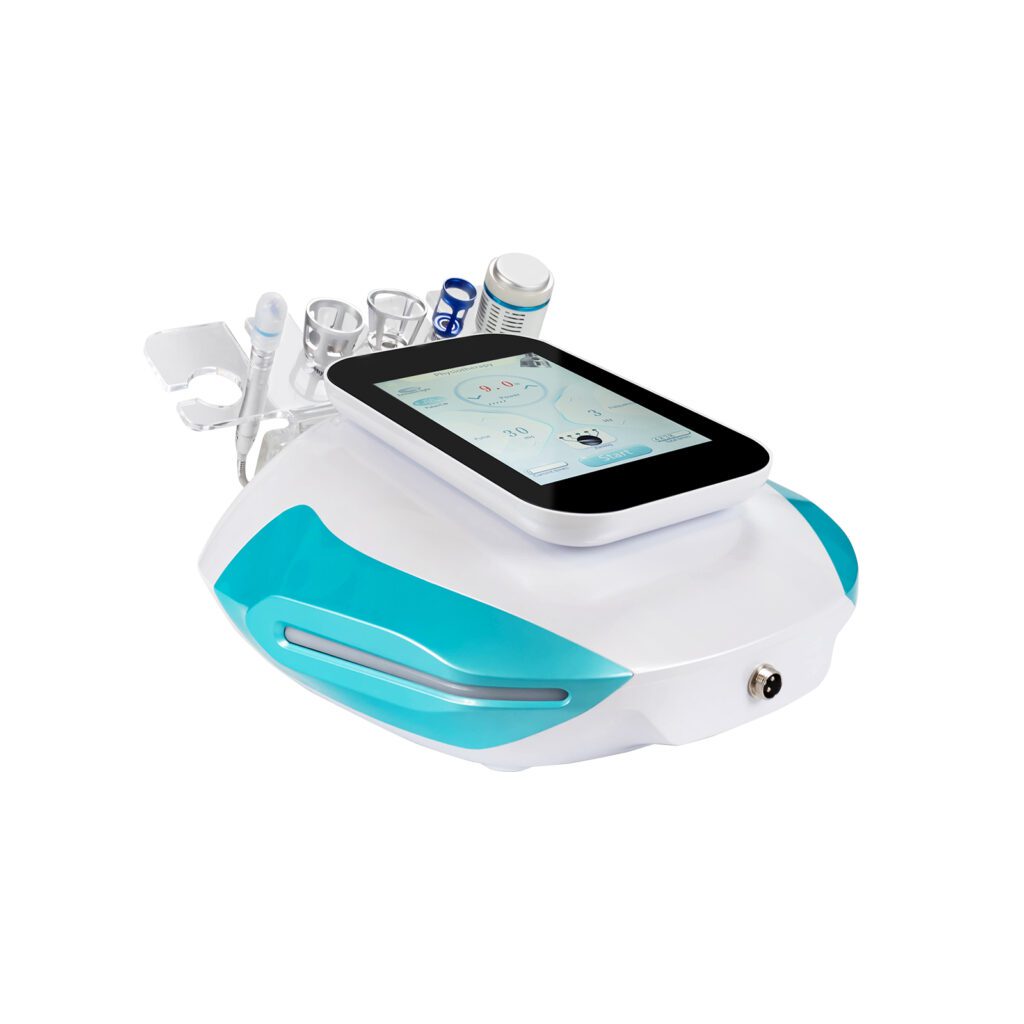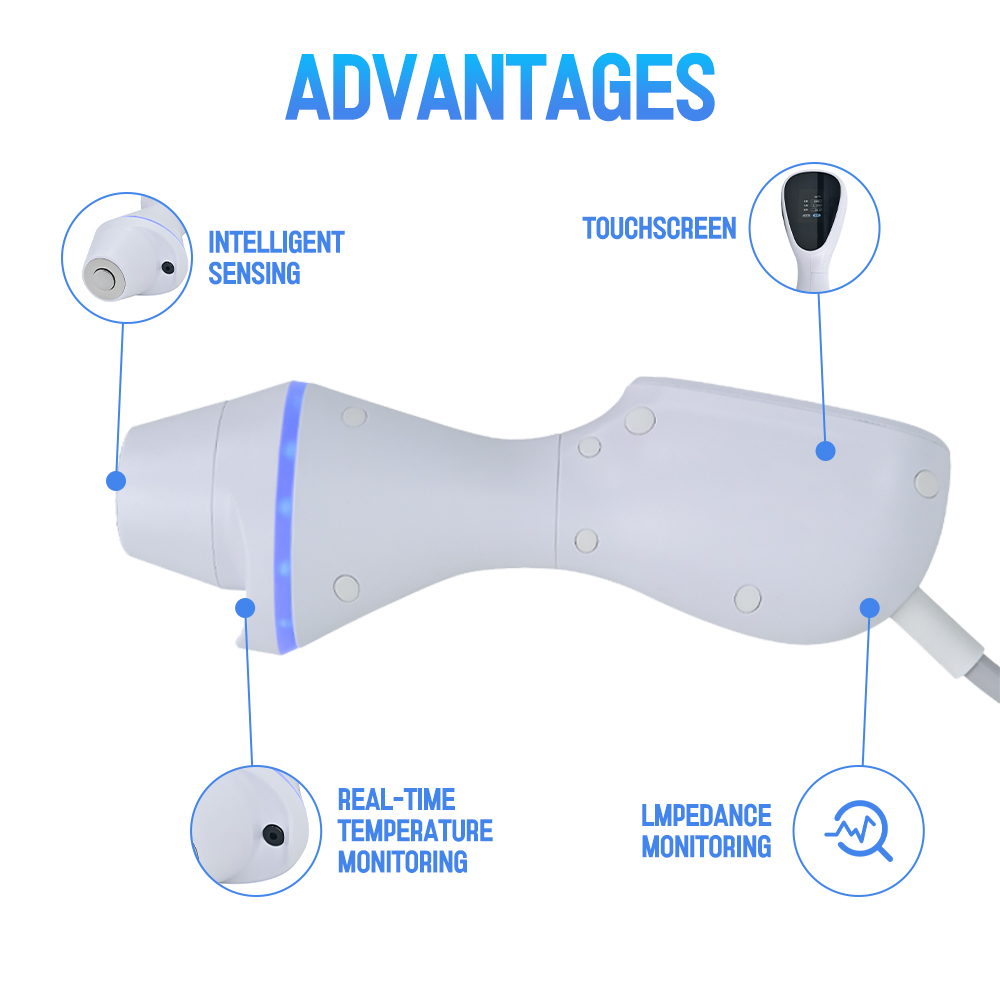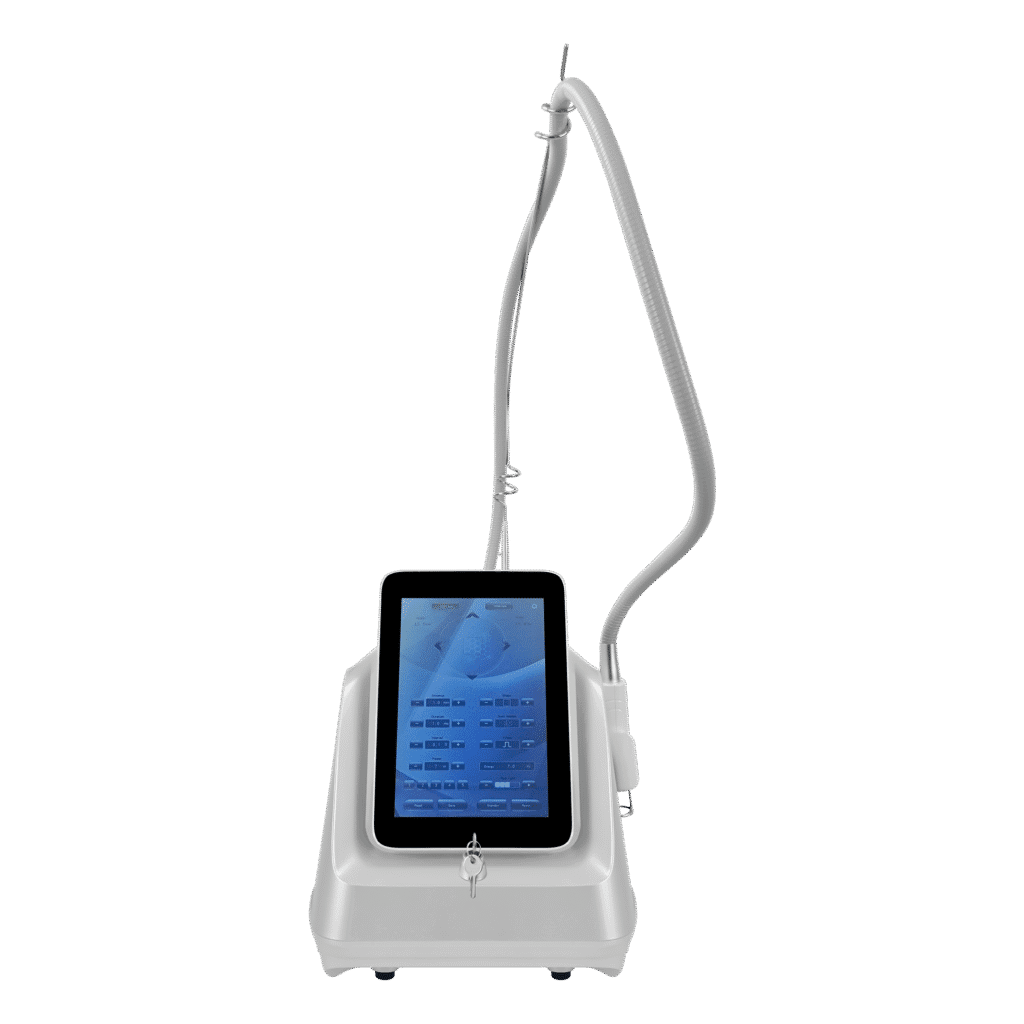

A factory that supplies one beauty device can manage many decisions within a single project. A factory that covers facial care, hair removal, body contouring, HIFU, RF microneedling, and related technologies faces a different problem: every new model, configuration, handle, software version, regional variant, and custom request can affect the rest of the portfolio.
Without clear governance, the range becomes difficult to explain and harder to build. Similar models compete for the same buyer, quotations describe inconsistent packages, optional components become mistaken for standard equipment, regional versions spread without ownership, and older products remain active after their commercial or service role has disappeared.
Product portfolio governance gives the factory a controlled way to decide what enters the range, how each product is classified, who approves changes, how resources are allocated, and when a model should be upgraded, restricted, or retired. This guide presents a practical governance framework for multi-category beauty device manufacturers, with SHEFMON product examples showing how different category structures require different controls.
Sintesi
Effective portfolio governance for a multi-category beauty device factory should:
- Give every category and product a defined role. The factory should know which buyer, service application, channel, and portfolio need each item serves.
- Separate platform, model, variant, configuration, option, and custom project. These levels require different approval, documentation, testing, and commercial rules.
- Create explicit decision rights. Product, engineering, quality, production, sourcing, service, and regional teams should know which decisions they recommend, approve, execute, and review.
- Maintain one controlled portfolio record. Product identity, status, relationships, components, software, market availability, documents, and lifecycle decisions should agree across factory and commercial systems.
- Use portfolio gates before development resources are committed. Category entry, model creation, regional variants, major upgrades, and retirement need evidence and named approval.
- Govern change across the installed base. A component or software decision can affect current production, inventory, quotations, manuals, spare parts, and devices already in the market.
- Balance growth with supportability. Portfolio value must account for production complexity, supplier risk, training, field service, consumables, and long-term obligations.
- Review the portfolio on a regular cadence. Decisions should use current market, quality, operational, and financial evidence rather than remain fixed after launch.
Governance does not mean that every decision becomes slow. It assigns the correct level of review so routine choices move quickly while high-impact decisions receive the evidence and authority they require.
1. What Is Product Portfolio Governance?
Product portfolio governance is the system of roles, records, rules, decision gates, and review routines used to control a factory’s complete product range.
It covers questions such as:
- Which product categories will the factory support?
- What role does each platform and model perform?
- When does a buyer request become an approved option or variant?
- Which teams can authorize product data, component, software, or package changes?
- How are regional and OEM/ODM versions separated from standard products?
- How are engineering, production, demonstration, and support resources allocated?
- Which products should be maintained, upgraded, consolidated, restricted, or retired?
- How will decisions affect distributors and installed devices?
The objective is a portfolio that is commercially useful, technically controlled, manufacturable, and supportable throughout its lifecycle.
2. Why Multi-Category Factories Need Stronger Governance
Complexity grows through interactions, not merely through the number of models. A factory may have:
- several categories using related technologies;
- desktop and vertical formats;
- multiple screen and software versions;
- voltage, plug, language, and label variations;
- Maniglie standard e opzionali;
- reusable and consumable components;
- distributor-specific packages;
- private-label projects;
- replacement models; and
- discontinued units that still need parts and service.
One uncontrolled change can spread across websites, catalogs, quotations, bills of materials, production instructions, manuals, training, and service records. Portfolio governance connects these views before inconsistency reaches a buyer or the factory floor.
3. Define the Scope of the Portfolio
The first governance decision is what belongs inside the managed portfolio. Include more than products currently shown in a catalog.
The portfolio record should cover:
- active standard models;
- approved regional variants;
- controlled configurations;
- optional handles and applicators;
- consumables and recurring components;
- custom and private-label projects;
- unità dimostrative e in prestito;
- products in development;
- products on hold;
- replacement and transition models;
- retired devices with installed-base obligations; and
- shared platforms, software, and components.
A product that is no longer offered may still require governance if customers need training, spare parts, consumables, repairs, or compatibility answers.
4. Build a Clear Portfolio Hierarchy
A hierarchy lets teams discuss the same product structure.
| Livello | Governance purpose | Example decision |
|---|---|---|
| Business portfolio | Defines the complete equipment scope | Which professional beauty markets the factory serves |
| Categoria | Groups a distinct buyer need or technical field | Facial cleansing, hair removal, body care, HIFU, RF microneedling |
| Platform | Controls shared architecture and reusable systems | Common console, software framework, power or handle architecture |
| Modello | Identifies a marketable product with a defined role | A specific desktop facial or hair-removal device |
| Variant | Controls a formally approved regional or technical version | Language, voltage, label, or defined hardware version |
| Configurazione | Defines the exact deliverable package | Selected standard handles, accessories, and software |
| Opzione | Adds an approved compatible item | Additional applicator, tip, cartridge, or accessory |
| Custom project | Separates buyer-specific work from the standard range | Private-label housing, interface, packaging, or function |
The hierarchy prevents every quotation difference from becoming a new model and prevents meaningful technical differences from being hidden under one product name.
5. Give Every Category a Charter
A category charter explains why the factory supports that part of the portfolio. It should define:
- target buyers and professional settings;
- service applications and client concerns;
- technologies included and excluded;
- typical device formats;
- entry, core, growth, and advanced product roles;
- expected handles, accessories, and consumables;
- route to market;
- aspettative in materia di formazione e supporto;
- relationship to other categories; and
- category owner.
The charter is a stable reference for new-product proposals. If a concept does not fit, the factory can decide whether the charter should change, whether the concept belongs elsewhere, or whether the opportunity should be declined.
6. Assign a Portfolio Role to Every Model
Two devices may use different technology yet compete for the same purchase. Another two may look similar but serve separate buyer levels. Portfolio roles make those relationships visible.
Common roles include:
- entry model for first-time buyers;
- core model for the most repeatable need;
- growth model for businesses expanding services;
- advanced model for qualified professional settings;
- compact model for limited rooms;
- high-throughput model for frequent use;
- regional model for defined markets;
- bundle-completion model;
- technology bridge for future platform development; and
- replacement model for an older installed base.
A model without a distinct role should be reviewed for duplication, unclear positioning, or consolidation.
7. Separate Platform, Model, Variant, Configuration, and Option
These terms should have written definitions because each creates a different obligation.
- UN platform contains shared technical architecture used across products.
- UN model is a saleable product identity with a defined buyer and application role.
- UN variant is a formally approved version of that model for a technical or regional reason.
- UN configuration is the exact combination of approved product elements supplied in an order.
- UN option is a compatible item that may be added within defined rules.
- UN custom project is controlled buyer-specific work that has not automatically entered the standard portfolio.
Governance should state which changes create a new identity and which remain within an existing one. The answer may depend on engineering, quality, production, service, and market effects rather than appearance alone.
8. Create One Authoritative Portfolio Record
The factory needs a single source that defines the approved portfolio baseline. Other systems may display or use the data, but ownership and authority should be clear.
For every product, record:
- official name and identifier;
- category, platform, and portfolio role;
- stato del ciclo di vita;
- standard configuration;
- approved variants and options;
- hardware, software, and language versions;
- compatible handles and consumables;
- supplier and production dependencies;
- available markets and channels;
- controlled documents;
- service and spare-parts status;
- owner and approval history; and
- effective dates.
Websites, catalogs, quotation tools, manufacturing records, manuals, training libraries, and service systems should refer back to this baseline.
9. Define Lifecycle States
A simple active/inactive label is not enough for a multi-category factory.
| Lifecycle state | Senso | Permitted activity |
|---|---|---|
| Opportunity | Category or concept is being evaluated | Research and controlled feasibility only |
| Development | Product is approved for engineering work | No general sale unless separately authorized |
| Pilot | Product and process are under limited controlled evaluation | Restricted units under defined conditions |
| Attivo | Approved for normal quotation and production | Standard commercial and factory process |
| Limitato | Available only for named markets, channels, or configurations | Orders require defined checks |
| Transizione | Replacement is being introduced | Controlled old/new model and inventory plan |
| Service-only | New sales have stopped, but support continues | Parts, repair, consumables, and records as defined |
| Pensionato | Commercial and support obligations have ended according to policy | Historical records retained |
Every state should have entry criteria, decision authority, allowed transactions, and required communication.
10. Establish Decision Rights
Portfolio governance works when teams know who can approve what.
| Decisione | Recommends | Required reviewers | Approves |
|---|---|---|---|
| Enter a new category | Product and market teams | Engineering, quality, production, sourcing, service, finance | Authorized portfolio leadership |
| Create a new model | Product owner | Engineering, quality, manufacturing, commercial and service teams | Product governance authority |
| Add a variant or configuration | Product or regional owner | Engineering, quality, operations, service | Named configuration authority |
| Change a critical component or software baseline | Engineering or sourcing | Quality, production, service, affected product owners | Change-control authority |
| Adopt a custom feature into the standard range | Product owner | Engineering, operations, market and service teams | Portfolio council |
| Restrict or retire a product | Product or lifecycle owner | Sales, service, supply, quality, finance | Authorized portfolio leadership |
The exact titles can vary by organization. The important point is that recommendation, review, approval, execution, and communication remain distinguishable.
11. Form a Cross-Functional Portfolio Council
A portfolio council should include the functions affected by its decisions:
- product management;
- market and regional teams;
- engineering;
- quality;
- sourcing and supplier quality;
- production and manufacturing engineering;
- service and training;
- finance or commercial planning; and
- leadership with resource authority.
The council should decide portfolio questions, not replace detailed technical reviews. It needs concise evidence, clear options, named decision owners, and recorded outcomes.
12. Use Different Review Cadences for Different Decisions
Not every issue belongs in the same meeting.
- Operational review: frequent review of shortages, urgent product-data errors, open release conditions, and configuration questions.
- Monthly portfolio review: model performance, roadmap movement, exceptions, quality trends, service burden, and resource conflicts.
- Quarterly category review: category role, buyer demand, channel fit, overlap, platform health, and lifecycle actions.
- Annual strategy review: category entry or exit, major platform investment, capacity, partnership, and long-term support obligations.
- Event-driven review: critical quality issue, supplier discontinuation, compliance change, major custom request, or material market shift.
Each cadence should have defined inputs and decisions so teams do not repeatedly present the same information without resolution.
13. Control How New Categories Enter the Portfolio
A new category should enter through a documented evaluation rather than through an isolated buyer request or competitor reaction. The decision should consider:
- clear buyer and application need;
- repeatable demand evidence;
- portfolio role and overlap;
- technical and manufacturing adjacency;
- supplier and component control;
- quality and testing implications;
- market-specific requirements;
- distributor and service readiness;
- consumable and installed-base obligations;
- scenario-based commercial case; and
- opportunity cost against current priorities.
The previous article, “How Beauty Device Factories Evaluate New Product Category Opportunities,” addresses this decision in depth. Within governance, the key requirement is that the result receives a category owner, scope, lifecycle status, and investment boundary.
14. Control the Creation of New Models
A model proposal should explain why an existing product, configuration, or variant cannot fill the intended role.
Approval evidence should include:
- target buyer and service application;
- category and platform relationship;
- distinction from current models;
- required functions and configuration;
- demand and channel evidence;
- engineering and production scope;
- supplier and quality implications;
- support and training needs;
- financial scenarios; and
- criteria for release and later review.
This helps prevent a portfolio in which several products differ only in small details that sales teams and customers cannot explain.
15. Allocate Resources at Portfolio Level
Engineering hours, prototype capacity, specialist knowledge, tooling, test equipment, supplier-development effort, pilot slots, demonstration units, and service training are shared resources.
Portfolio allocation should compare:
- buyer value;
- strategic fit;
- urgency;
- evidence strength;
- platform leverage;
- quality and service risk;
- expected resource demand;
- dependency on other projects;
- lifecycle obligation; and
- cost of delaying another initiative.
A project with high potential may still wait if it would block a more important quality correction, production transfer, or platform update.
16. Balance Core, Growth, and Exploratory Work
The portfolio should not devote all resources to only one horizon.
- Core work maintains active models, quality, supply continuity, documentation, and installed-base support.
- Growth work expands proven categories through distinct models, approved variants, or useful platform improvements.
- Exploratory work tests new categories, technologies, and buyer needs under limited investment.
Governance should assign explicit capacity or decision rules to these horizons. Otherwise urgent sales requests can consume resources intended for reliability and lifecycle work.
17. Govern Shared Platforms across Categories
Shared architecture can reduce duplication, but it also connects risk. A change to a common display, board, software module, connector, housing part, or power component may affect several models.
The platform record should show:
- products and variants using it;
- shared and product-specific components;
- compatible software;
- interface standards;
- verification evidence;
- supplier dependencies;
- service parts;
- change owner; and
- products that require regression review after a change.
A platform change should be evaluated by all affected product owners, even if only one category requested it.
18. Govern Configurations and Commercial Packages
Sales flexibility is valuable when configurations remain controlled. Each approved package should define:
- base model and version;
- standard handles and accessories;
- optional items;
- consumables included;
- software and language;
- voltage, plug, label, and packaging;
- compatible documentation;
- target market or buyer restrictions;
- quotation identifier; and
- approval status.
Configurations should be reusable across quotations when the need repeats. One-time exceptions should remain visible rather than quietly becoming informal standard packages.
19. Control Regional Variants
Regional variation may involve language, electrical input, plug, labeling, documentation, packaging, software, claims, accessories, or professional-use expectations.
Governance should answer:
- Which core model does the variant use?
- What exactly differs?
- Which markets can receive it?
- What verification or qualified review is required?
- How is it identified in production and service?
- Which inventory and spare parts are unique?
- Who approves future changes?
- Can the variant be consolidated with another version later?
A regional sales name without a controlled technical identity creates risk across orders, production, and after-sales support.
20. Keep OEM/ODM Work Separate until Adoption Is Approved
Custom projects may include housing, color, branding, interface, language, function, handle packages, manuals, or packaging. The SHEFMON OEM/ODM page describes exterior and mechanical design, development, prototyping, system-language, interface, function, packaging, and manual customization.
Portfolio governance should record:
- standard product baseline;
- buyer-specific changes;
- ownership and usage rights;
- technical and commercial approvals;
- configuration and version identity;
- verification and market responsibilities;
- production limits;
- support obligations; and
- decision on whether the feature remains custom or enters the standard range.
Repeated custom demand can justify a standard option or model, but adoption should be an explicit portfolio decision supported by broader evidence.
21. Govern Product Claims and Commercial Data
The portfolio baseline should control what teams may state about each product. Product names, functions, parameters, standard and optional items, compatibility, intended professional setting, and available versions should match approved records.
Governance should connect:
- factory specification;
- website product page;
- catalog and comparison sheet;
- modello di preventivo;
- distributor material;
- manual and training;
- packaging and labels; and
- service records.
Claims that require technical, clinical, or market-specific evidence should receive qualified review. Marketing language should not create an unsupported product requirement or promise.
22. Connect Portfolio Governance with Quality Control
Quality data should influence portfolio decisions, not remain limited to individual defects. The factory should review trends by category, platform, model, version, component, supplier, and configuration.
Relevant evidence includes:
- incoming inspection findings;
- assembly nonconformities;
- aging and functional-test failures;
- rework;
- pilot and production deviations;
- returns;
- recurring faults;
- repair time;
- parts consumption;
- documentation errors; and
- training-related issues.
Di SHEFMON quality-control page describes raw-material testing, precision-parts assembly, circuit-board aging and power testing, functional aging, and prototype inspections. At portfolio level, these controls can help reveal whether a problem belongs to one unit, one model, or a shared platform.
23. Use Service Data to Review Product Health
Sales volume alone cannot show whether a product strengthens the portfolio. Service evidence may reveal:
- recurring component failures;
- difficult repairs;
- excessive technician time;
- unavailable spare parts;
- configuration confusion;
- software mismatches;
- training gaps;
- consumable supply problems;
- repeated buyer complaints; or
- models that require disproportionate support.
These findings can lead to a corrective project, platform change, restricted availability, replacement plan, or retirement review.
24. Govern the Installed Base
The installed base links historical decisions to current obligations. Maintain records that can connect:
- customer or distributor;
- location where appropriate;
- modello e numero di serie;
- hardware and software version;
- supplied handles and options;
- training status;
- warranty or support entitlement;
- service history;
- upgrades;
- compatible consumables and parts; and
- lifecycle status.
This information helps the factory assess the effect of changes, plan spares, target updates, and avoid recommending incompatible components.
25. Control Component, Software, and Document Changes
Every proposed change should identify:
- reason and owner;
- affected categories, platforms, models, variants, and serial ranges;
- inventory and work in progress;
- technical and risk effects;
- required verification or regression testing;
- supplier and production updates;
- software and document revisions;
- service and installed-base consequences;
- distributor communication; and
- effective date.
The decision record should also state whether old and new versions can coexist and how staff will distinguish them.
26. Manage Exceptions without Creating a Shadow Portfolio
An exception register should cover one-time substitutions, unusual configurations, temporary deviations, buyer-specific documents, and nonstandard commercial promises.
Each exception needs:
- request and rationale;
- affected product and buyer;
- difference from the standard baseline;
- technical, quality, production, and support review;
- validity period or quantity;
- approver;
- documents and tests affected;
- closure; and
- decision on whether repeated demand warrants standardization.
If teams repeatedly quote the same exception, the portfolio council should decide whether to formalize it or stop offering it.
27. Use Facial Categories to Demonstrate Package Governance
IL Sistema di idromicrodermoabrasione 9 in 1 A0648 is presented around cleansing, exfoliation, extraction, hydration, and related facial functions.
Portfolio governance for this type of system should keep aligned:
- core facial-service role;
- function and handle package;
- tips, bottles, tubes, and recurring items;
- desktop or room-positioning decisions;
- software and language version;
- Informazioni su pulizia e manutenzione;
- standard versus optional accessories;
- distributor bundles; and
- relationship to other facial devices.
If a simpler facial model and a multifunction model target the same buyer, their differences and upgrade path should be clear in the portfolio record.
28. Use Hair-Removal Categories to Demonstrate Variant Governance
IL A0426 diode laser hair-removal system page lists 755, 810, 940, and 1064 nm choices, multiple spot sizes, cooling, and interface-language options.
For governance purposes, the factory should define:
- approved wavelength arrangements;
- matching handpiece and spot size;
- power and cooling dependencies;
- compatible software parameters;
- regional language and documentation;
- quotation and production identifiers;
- replacement handpiece rules; and
- effect of any change on current and installed units.
Several selectable specifications under one sales name require stronger configuration records, not less governance.
29. Use Body Categories to Demonstrate Overlap Control
IL B0155 Desktop Endos Velapro includes listed functions for vacuum rolling, radio frequency, rotating massage, and 80K cavitation.
A body-device portfolio may already contain cavitation, RF, cryolipolysis, muscle-stimulation, massage, or multifunction systems. Governance should separate them by:
- buyer profile;
- ruolo nel menu dei servizi;
- technical principle;
- handle workflow;
- room and staffing needs;
- treatment positioning;
- training and maintenance;
- price and package level; and
- relationship to other body platforms.
This prevents sales teams from presenting every body device as an interchangeable slimming solution.
30. Use Advanced Categories to Demonstrate Support Governance
IL Sistema HIFU focalizzato A0204 9D/7D E Sistema di microneedling a radiofrequenza A0152 illustrate products where cartridges, tips, handles, consumables, operator requirements, records, and aftercare support can shape the complete offer.
Portfolio control should address:
- buyer and professional-setting restrictions;
- approved device and consumable combinations;
- training and competency expectations;
- consultation, record, cleaning, and aftercare materials;
- replacement and reorder process;
- regional requirements;
- technical support capability; and
- whether distributors can responsibly sell and support the category.
The factory should not use one universal commercial process for basic facial equipment and advanced systems when their support obligations differ.
31. Govern Product Bundles without Losing Product Identity
Bundles can help distributors serve salons, clinics, or body centers, but each device should retain its own configuration and lifecycle status.
A governed bundle record should define:
- target buyer profile;
- service-menu purpose;
- included models and configurations;
- standard and optional accessories;
- training scope;
- consumables and spare parts;
- commercial identifier;
- approved markets;
- substitution rules; and
- owner and review date.
A bundle should not be used to clear unrelated inventory or conceal overlapping devices. It should create a coherent business solution for the intended buyer.
32. Connect Capacity and Supply Decisions to the Portfolio
Capacity planning should look across categories because products may compete for the same components, technicians, assembly stations, test equipment, and suppliers.
Revisione:
- forecast by approved configuration;
- shared critical components;
- long-lead items;
- supplier concentration;
- production and pilot slots;
- test-equipment utilization;
- seasonal demand;
- demonstration and replacement units;
- spare-parts reserves; and
- end-of-life inventory.
A new model can appear profitable while creating shortages or delays across more important active products.
33. Create a Portfolio Health Scorecard
The scorecard should combine several evidence groups.
| Dimensione | Example measures or review questions |
|---|---|
| Market relevance | Qualified demand, repeat orders, buyer fit, regional adoption |
| Portfolio clarity | Distinct role, overlap, substitution and upgrade logic |
| Operational performance | Lead time, shortages, rework, test failure, configuration errors |
| Quality and reliability | Nonconformance, returns, recurring faults, corrective actions |
| Supportabilità | Training load, repair time, spare availability, documentation gaps |
| Lifecycle value | Installed base, consumable continuity, replacement path, retirement burden |
| Platform leverage | Shared components, reusable engineering, cross-model improvement |
| Commercial resilience | Margin range, concentration, discount dependence, scenario risk |
The factory should define measures it can support with reliable data. A small set of consistent indicators is more useful than a dashboard filled with unverified numbers.
34. Review Products as Relationships, Not Isolated Rows
Portfolio decisions should consider networks of dependency:
- Which models share a platform?
- Which products compete for the same buyer?
- Which device creates demand for another category?
- Which options and consumables cross several models?
- Which supplier or component creates concentration risk?
- Which older product depends on a part used by the current range?
- Which regional version could be consolidated?
- Which replacement product needs a migration plan?
A product with modest direct sales may still have value if it completes a distributor package or supports an important installed base. The opposite is also possible: a popular model may create excessive portfolio complexity.
35. Govern Product Retirement as Carefully as Product Entry
Retirement should begin with a documented review of:
- current orders and qualified pipeline;
- installed units;
- open quotations;
- inventory and work in progress;
- shared and unique components;
- consumables and spare parts;
- warranty and service obligations;
- replacement model and compatibility;
- distributor and customer communication;
- website, catalog, and quotation updates; and
- support end date or policy.
The factory may move a product through restricted, transition, and service-only states before final retirement. This reduces confusion and protects existing customers.
36. Record Decisions and Their Rationale
A decision log should capture:
- question being decided;
- affected portfolio items;
- prove esaminate;
- alternatives;
- presupposti;
- decision and conditions;
- approver;
- data di entrata in vigore;
- actions and owners; and
- future review trigger.
The rationale matters because market conditions, staff, and suppliers change. Future teams should be able to understand why a model, configuration, or exception exists.
37. Common Portfolio Governance Failures
- Allowing commercial names to replace technical product identities.
- Creating a new model whenever one buyer requests a difference.
- Treating regional variants as informal sales descriptions.
- Letting custom features enter standard production without approval.
- Maintaining different specifications across factory and sales systems.
- Measuring models only by revenue while ignoring quality and service burden.
- Funding new products while neglecting active-product maintenance.
- Changing shared components without reviewing every affected model.
- Keeping low-value models active because no one owns retirement.
- Bundling overlapping products without a clear buyer pathway.
- Reviewing categories separately when they share platforms and resources.
- Recording decisions without conditions, owners, or effective dates.
38. Multi-Category Portfolio Governance Checklist
- Every category has a charter, boundary, owner, and intended buyer.
- Every model has a portfolio role and lifecycle state.
- Platform, model, variant, configuration, option, and custom project have written definitions.
- One authoritative record controls product relationships, versions, availability, and documents.
- Decision rights identify who recommends, reviews, approves, executes, and communicates changes.
- New categories and models pass evidence-based gates.
- Regional variants and OEM/ODM projects remain controlled and identifiable.
- Product claims and commercial data match the approved factory baseline.
- Quality, production, service, supply, and installed-base data influence portfolio reviews.
- Shared-platform changes are assessed across all affected products.
- Exceptions have scope, expiry, approval, and closure.
- Bundles retain device identities and defined substitution rules.
- Lifecycle and retirement decisions include customers, inventory, parts, consumables, and support.
- Portfolio decisions record evidence, rationale, conditions, owners, and review triggers.
Domande frequenti
1. What is the main purpose of beauty device portfolio governance?
It ensures that every category, platform, model, variant, configuration, and custom project has a defined role, owner, status, approval path, and support plan. This helps the factory keep commercial flexibility without losing technical and operational control.
2. How is portfolio governance different from product data governance?
Product data governance controls the accuracy, ownership, and distribution of product information. Portfolio governance makes the broader decisions about which products should exist, how they relate, where resources go, and when products change lifecycle state.
3. Who should approve a new beauty device model?
The approval group should have authority over product strategy and resources, supported by reviews from engineering, quality, sourcing, production, commercial, and service teams. One sales request should not create a model without cross-functional evidence.
4. When should a configuration become a separate variant or model?
The factory should consider whether the difference changes technical design, software, verification, production, documentation, service, market availability, or buyer role. Written identity rules should guide the decision consistently.
5. How should regional beauty device versions be governed?
Each version needs a base model, list of differences, market scope, technical identity, documentation, verification requirements, production controls, service information, and change owner.
6. Can an OEM/ODM feature enter the standard product portfolio?
Yes, when repeatable demand, strategic fit, engineering evidence, supply readiness, production control, documentation, and support justify adoption. The portfolio council should approve it as a standard option, variant, or model rather than allowing informal reuse.
7. Which metrics should a portfolio council review?
Use reliable measures of market relevance, portfolio clarity, lead time, shortages, quality, returns, repair effort, documentation, installed-base needs, platform leverage, and commercial resilience. Metrics should support decisions rather than simply fill a dashboard.
8. How often should a multi-category portfolio be reviewed?
Operational issues may need frequent review, model and project health can be reviewed monthly, categories can be reviewed quarterly, and major strategic choices can be reviewed annually. Critical quality, supply, or market events should trigger additional review.
9. When should a beauty device be retired?
Retirement may be appropriate when demand, strategic fit, supply continuity, quality, supportability, or replacement logic no longer justifies active sale. The decision must still protect installed customers through a defined transition and service plan.
10. How can distributors discuss portfolio requirements with SHEFMON?
Prepare the buyer types, markets, product categories, desired configurations, service capabilities, expected bundles, support needs, and known portfolio gaps. Then contattare SHEFMON to review relevant standard products, approved options, and potential OEM/ODM work.
Conclusione
Multi-category beauty device factories need governance that connects product strategy with engineering, production, quality, sales, and support. The portfolio must remain clear enough for buyers to understand, controlled enough for the factory to build, and stable enough for distributors and installed customers to support.
The strongest governance system gives every item a role and identity, assigns decision rights, keeps one authoritative record, reviews cross-product effects, and manages the complete lifecycle from opportunity to retirement. This structure allows a factory to expand its range while keeping complexity visible and intentional.
Esplora l'attuale SHEFMON beauty device portfolio, review its Capacità OEM/ODM, O contattare SHEFMON to discuss a category, configuration, or multi-device product plan.