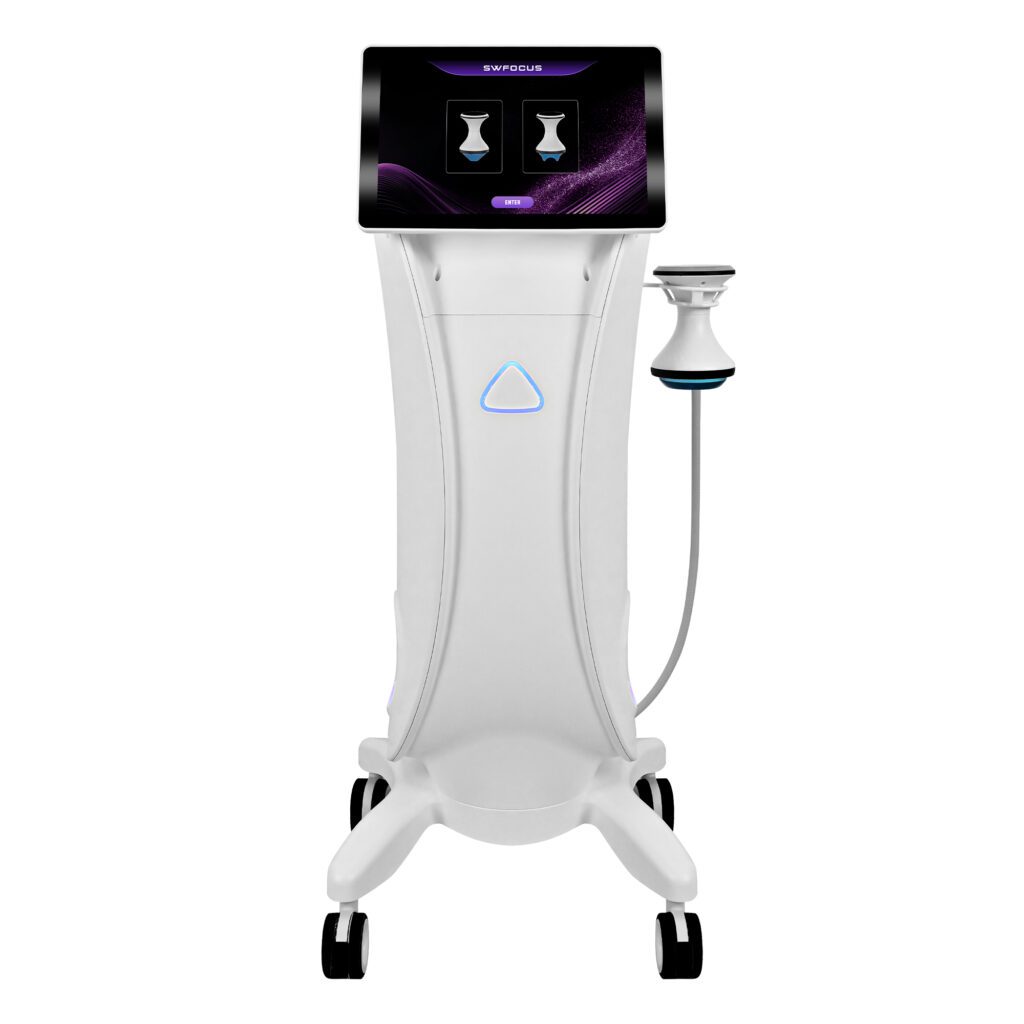
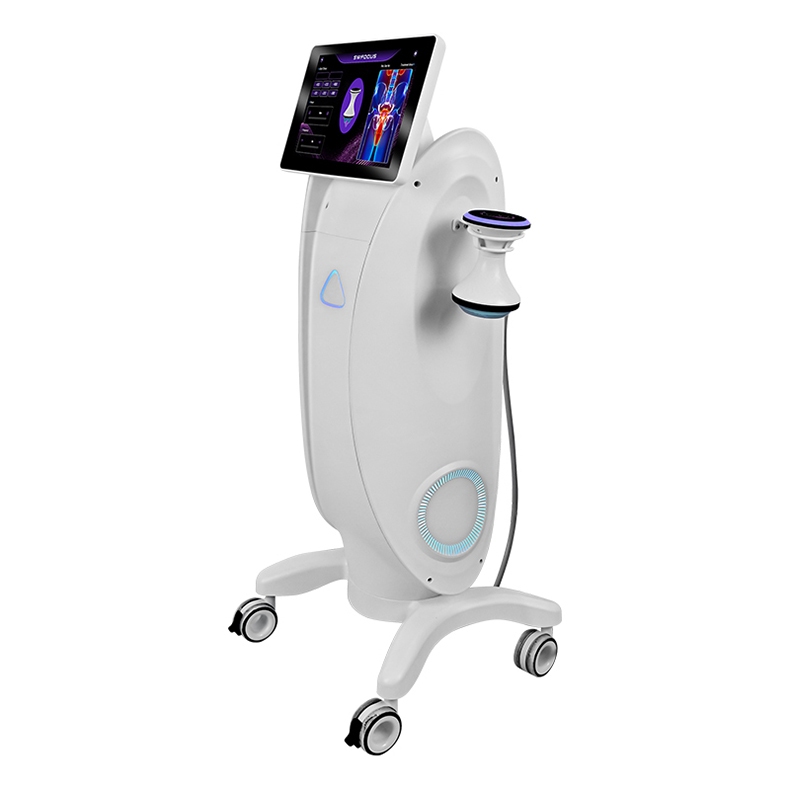
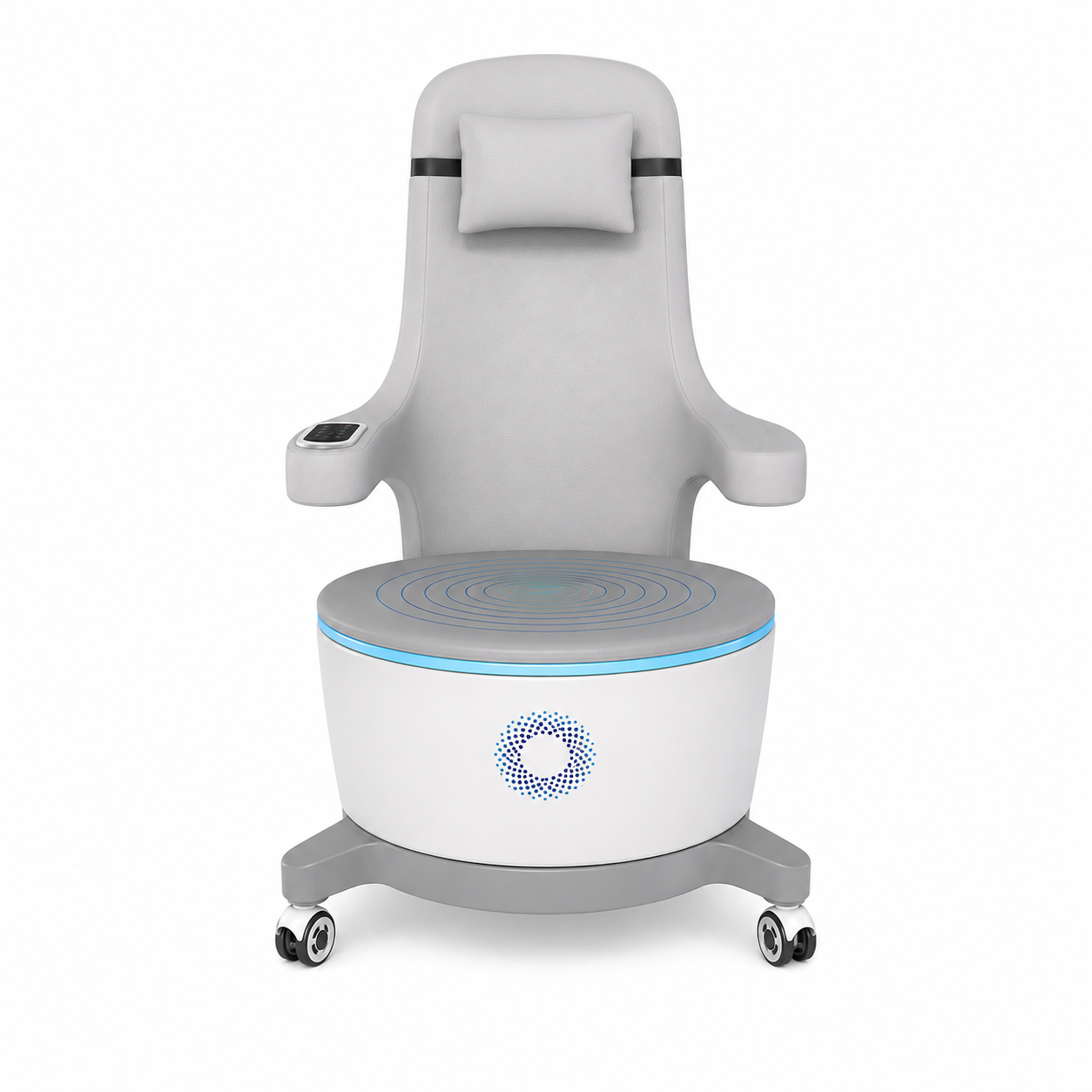
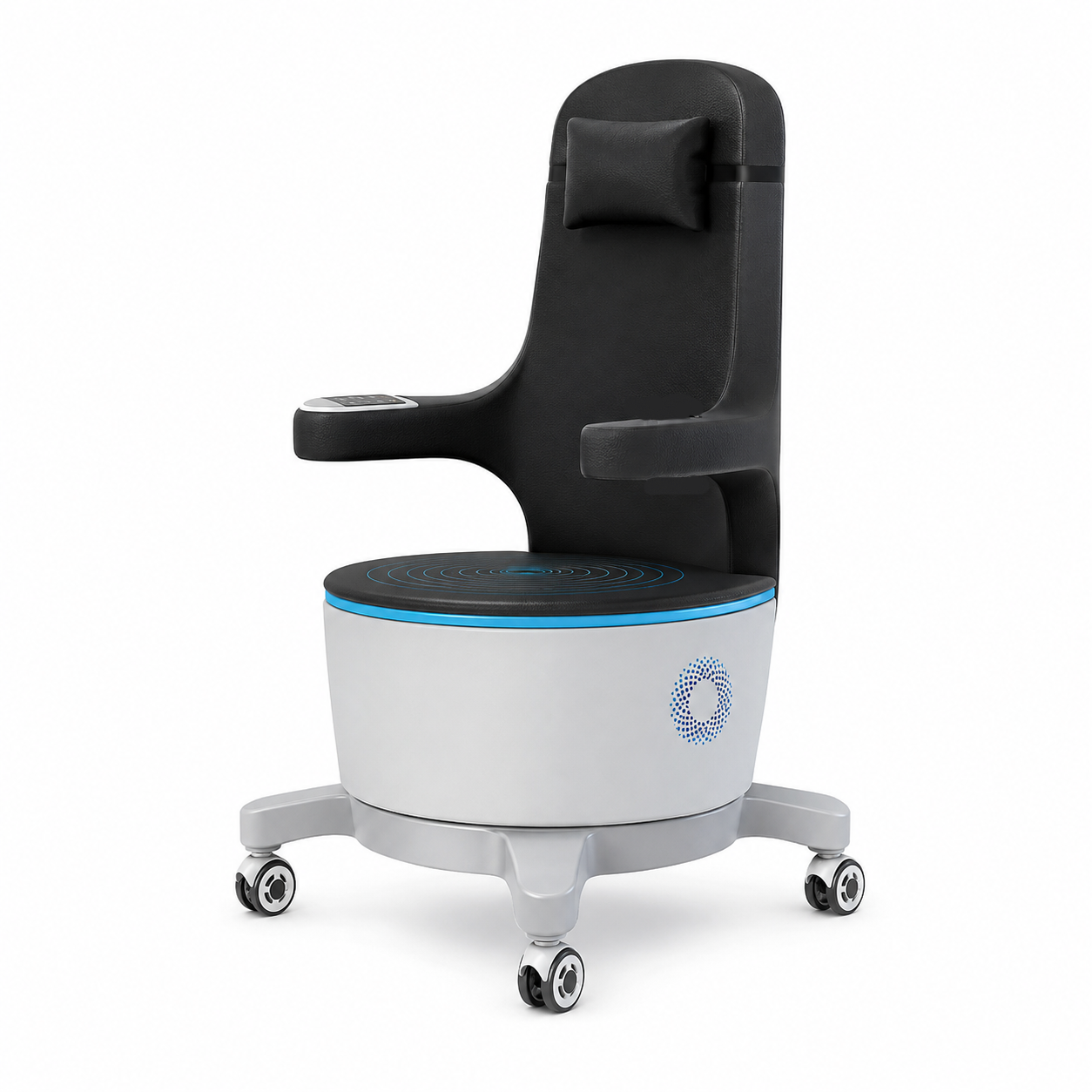
Scegliere il modello di partnership giusto è una decisione importante per le aziende che entrano o si espandono nel settore attrezzatura di bellezza Che siate una clinica estetica che desidera lanciare la propria linea di apparecchiature a marchio proprio, un distributore che si sta espandendo a livello regionale o un'azienda che intende sviluppare una linea di prodotti estetici professionali, il modello di collaborazione che sceglierete influenzerà direttamente i vostri investimenti, il posizionamento del prodotto e la crescita a lungo termine. OEM, Private Label e Distribuzione sono tre modelli di collaborazione comuni nel settore delle apparecchiature estetiche. Sebbene a volte vengano utilizzati in modo intercambiabile, ogni modello presenta caratteristiche diverse in termini di personalizzazione, investimenti, strategia di mercato e sviluppo commerciale. Comprendere queste differenze può aiutarvi a scegliere un modello di partnership adeguato con un produttore di apparecchiature estetiche esperto.
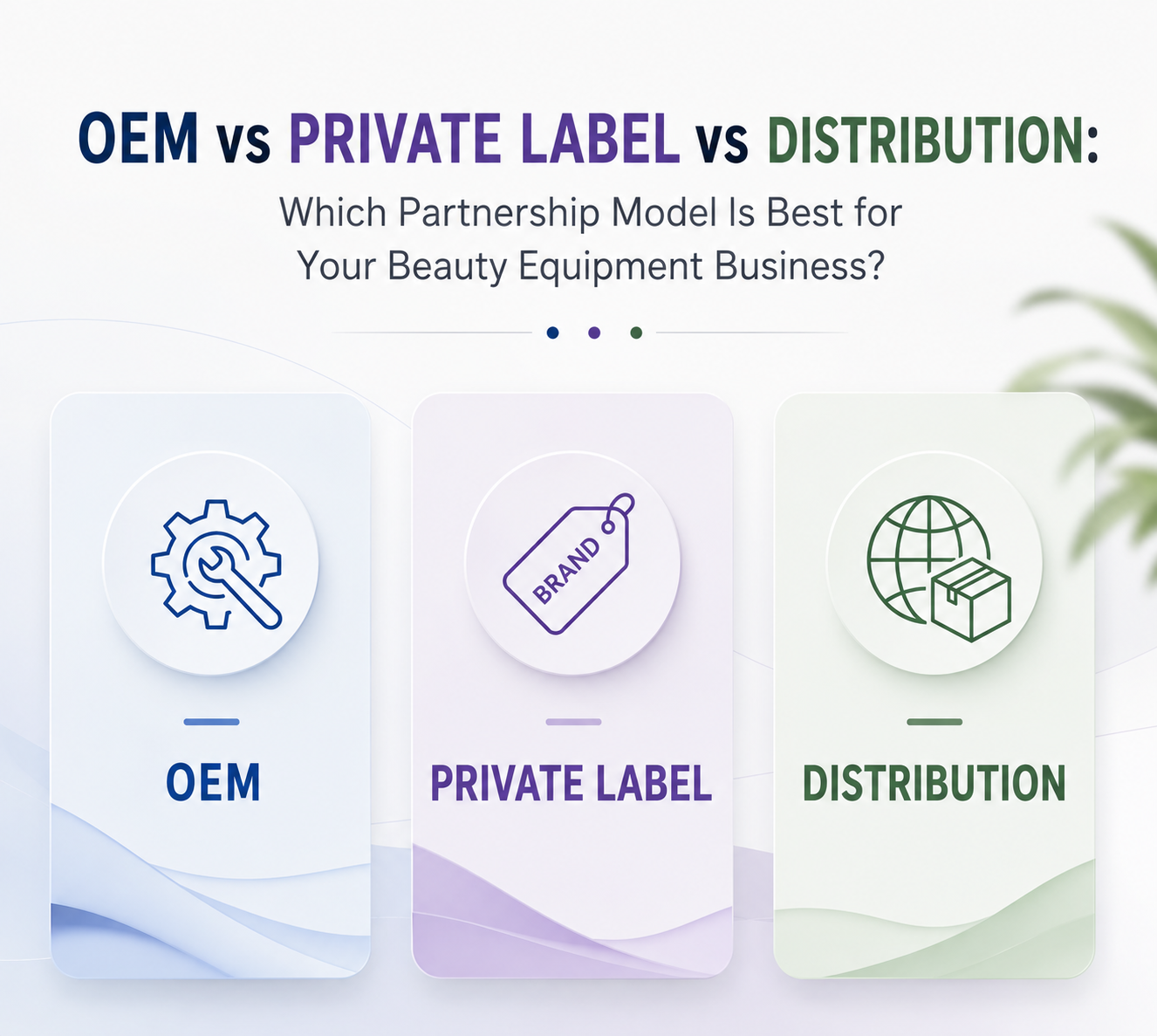
1. Comprendere i modelli OEM, Private Label e di distribuzione
1.1 OEM: Produzione personalizzata per lo sviluppo del marchio
Il termine OEM (Original Equipment Manufacturer) si riferisce a un modello di collaborazione in cui un produttore realizza apparecchiature in base alle esigenze del cliente. Rispetto all'acquisto di prodotti standard, l'OEM consente ai clienti di personalizzare determinati aspetti delle apparecchiature per adattarle al meglio al posizionamento del proprio marchio e alle esigenze del mercato.
Nel settore delle apparecchiature per la bellezza, la personalizzazione OEM può includere l'aspetto della macchina, il logo, il packaging, l'interfaccia utente, la lingua del software, gli accessori e altri dettagli del prodotto. A seconda dei requisiti del progetto, i produttori possono collaborare con i clienti per sviluppare soluzioni più personalizzate, mantenendo al contempo la qualità del prodotto e gli standard tecnici.
La produzione OEM viene solitamente scelta da aziende che desiderano creare un portafoglio prodotti unico e differenziarsi maggiormente in mercati competitivi. È particolarmente adatta a marchi affermati, distributori professionali e aziende con piani a lungo termine nel settore delle apparecchiature estetiche.
1.2 Private Label: ingresso più rapido sul mercato con il proprio marchio
Il private label è un modo più semplice e veloce per lanciare sul mercato apparecchiature per la bellezza con il proprio marchio. In questo modello, i clienti selezionano prodotti esistenti dalla gamma di un produttore e aggiungono i propri elementi di branding, come loghi, confezioni, manuali o schermate di avvio.
A differenza dell'OEM, il Private Label in genere non comporta modifiche sostanziali alla struttura o alla tecnologia del prodotto. Poiché l'apparecchiatura è già stata sviluppata e testata dal produttore, i clienti possono entrare nel mercato più rapidamente e con costi di sviluppo inferiori.
Questo modello è adatto a cliniche estetiche, nuovi marchi, venditori online e aziende che desiderano introdurre apparecchiature estetiche professionali senza investire ingenti somme nello sviluppo del prodotto.
1.3 Distribuzione: Costruire mercati attraverso reti di vendita
La distribuzione si concentra sull'espansione del mercato piuttosto che sulla personalizzazione del prodotto. Un distributore acquista i prodotti da un produttore e li promuove, vende e fornisce assistenza all'interno di un mercato o di una regione specifici.
Per i distributori di apparecchiature per la bellezza, una solida partnership con un produttore affidabile è fondamentale. Oltre a una fornitura stabile di prodotti, i distributori necessitano spesso di formazione tecnica, supporto marketing, conoscenza dei prodotti e assistenza post-vendita.
La distribuzione viene generalmente scelta da aziende che dispongono già di canali di vendita, risorse di clienti locali o esperienza nel settore della bellezza e dell'estetica.
2. Principali differenze tra OEM, Private Label e Distribuzione
2.1 Personalizzazione del prodotto e controllo del marchio
La differenza principale tra OEM e Private Label risiede nel livello di personalizzazione.
Il private label si concentra sulla proprietà del marchio. I clienti possono vendere prodotti con il proprio nome, ma generalmente utilizzano il design e la tecnologia già esistenti del produttore.
La produzione OEM offre maggiore flessibilità. I clienti possono richiedere soluzioni personalizzate per creare prodotti che rappresentino al meglio l'identità del loro marchio. Per le aziende che desiderano costruire una competitività a lungo termine, la produzione OEM offre maggiori opportunità di differenziazione del prodotto.
La distribuzione si concentra solitamente sulla vendita di prodotti già affermati piuttosto che sulla creazione di una linea di prodotti personalizzata. Il vantaggio del distributore deriva dalla conoscenza del mercato, dalle relazioni con i clienti e dalle capacità di vendita.
2.2 Investimento e tempi di immissione sul mercato
Ciascun modello richiede un diverso livello di investimento.
In genere, il private label presenta la barriera d'ingresso più bassa perché i prodotti sono già disponibili. Ciò consente alle aziende di lanciare rapidamente il prodotto senza dover investire risorse significative nello sviluppo.
La produzione OEM richiede una maggiore comunicazione, valutazione tecnica e processi di personalizzazione, pertanto l'investimento iniziale e i tempi di sviluppo sono generalmente più elevati. Tuttavia, offre un maggiore controllo sul prodotto finale.
La distribuzione richiede investimenti principalmente in scorte, marketing e sviluppo del mercato. Per le aziende con solide reti di vendita locali, la distribuzione può creare opportunità commerciali a lungo termine.
2.3 Scelta di un modello in base agli obiettivi aziendali
Il modello di partnership migliore dipende dalla fase attuale della tua attività e dai tuoi piani futuri.
Un nuovo marchio di prodotti di bellezza può iniziare con la formula Private Label per testare la domanda di mercato e raccogliere il feedback dei clienti. Man mano che l'attività cresce, l'azienda può passare alla personalizzazione OEM per sviluppare prodotti più esclusivi.
Un importatore o distributore esperto può scegliere la produzione OEM per creare linee di prodotti esclusive che si distinguono dalla concorrenza. Allo stesso tempo, le aziende con solidi canali di vendita regionali possono concentrarsi sulla distribuzione per espandere la copertura del mercato.
3. Quale modello di partnership si adatta meglio alle diverse attività nel settore della bellezza?
3.1 Cliniche di bellezza e centri benessere
Le cliniche estetiche si concentrano solitamente sul miglioramento dei servizi offerti e sull'aumento del valore per il cliente. Il private label può essere una scelta pratica perché consente alle cliniche di introdurre apparecchiature professionali con il proprio marchio, evitando al contempo complessi processi di sviluppo.
Per i gruppi di cliniche più grandi o le aziende che intendono espandersi in più sedi, le soluzioni OEM possono offrire strategie di fornitura di apparecchiature più personalizzate.
3.2 Marche di apparecchiature per la bellezza
Le aziende che creano i propri marchi di apparecchiature estetiche spesso necessitano di un maggiore controllo sull'aspetto del prodotto, sulle specifiche e sul posizionamento sul mercato.
La produzione OEM consente a queste aziende di sviluppare prodotti personalizzati beneficiando al contempo dell'esperienza produttiva, delle capacità tecniche e del sistema di gestione della qualità del produttore.
3.3 Importatori e distributori regionali
Gli importatori e i distributori si concentrano solitamente sulla competitività del prodotto, sulla stabilità dell'approvvigionamento e sul supporto al mercato.
Collaborare con un produttore che offre molteplici opzioni di cooperazione consente ai distributori di selezionare i prodotti più adatti a diverse fasce di clientela. Alcuni distributori potrebbero iniziare con prodotti standard e, in seguito, sviluppare progetti OEM esclusivi man mano che il loro mercato cresce.
4. Perché scegliere SHEFMON come partner per la produzione di apparecchiature per la bellezza?
In qualità di produttore professionale di apparecchiature estetiche, SHEFMON Offre soluzioni di collaborazione flessibili per diverse tipologie di aziende del settore cosmetico, tra cui partnership OEM, private label e distribuzione.
Per i clienti Private Label, SHEFMON offre servizi di personalizzazione del marchio come la stampa del logo, la personalizzazione del packaging, i manuali d'uso e altri requisiti di branding. Questo permette alle aziende di lanciare sul mercato apparecchiature estetiche professionali con il proprio marchio in modo più efficiente.
Per i clienti OEM, SHEFMON offre opzioni di personalizzazione più approfondite in base ai requisiti del progetto, tra cui l'aspetto del prodotto, il design dell'interfaccia, il linguaggio del software, gli accessori e altre configurazioni disponibili. I team di ricerca e sviluppo e di produzione collaborano a stretto contatto con i clienti per garantire che la soluzione finale soddisfi le aspettative del mercato.
Per i distributori, SHEFMON offre una vasta gamma di tecnologie estetiche, tra cui apparecchiature per il ringiovanimento del viso, macchine per il rimodellamento del corpo, sistemi laser e soluzioni per il trattamento della pelle. L'azienda ha già avviato collaborazioni con partner internazionali e sviluppato numerosi accordi di distribuzione esclusiva nei mercati esteri.
Grazie alla collaborazione con distributori regionali, SHEFMON supporta lo sviluppo del mercato globale attraverso una fornitura affidabile di prodotti, assistenza tecnica, materiale formativo e servizio post-vendita.
Grazie all'esperienza nella produzione, alle competenze professionali in ricerca e sviluppo, ai prodotti certificati CE, agli standard di gestione della qualità ISO 13485 e a un supporto di assistenza completo, SHEFMON aiuta i partner a costruire attività sostenibili nel mercato globale delle apparecchiature per la bellezza.

Conclusione
OEM, marchio privato, La produzione a marchio privato (Private Label) e la distribuzione offrono vantaggi diversi per le aziende del settore estetico. La produzione a marchio privato è adatta alle aziende che cercano una soluzione di ingresso sul mercato più rapida e a basso rischio. La produzione OEM è ideale per le aziende che desiderano prodotti personalizzati e una maggiore differenziazione del marchio. La distribuzione è una scelta adatta per le aziende con reti di vendita consolidate e capacità di sviluppo del mercato. Il modello di partnership più adatto dipende dagli obiettivi aziendali, dalle risorse e dalla strategia di crescita. Collaborando con un produttore esperto come SHEFMON, le aziende del settore estetico possono accedere a opzioni di cooperazione flessibili, attrezzature estetiche affidabili e supporto professionale durante tutto il loro percorso di sviluppo.