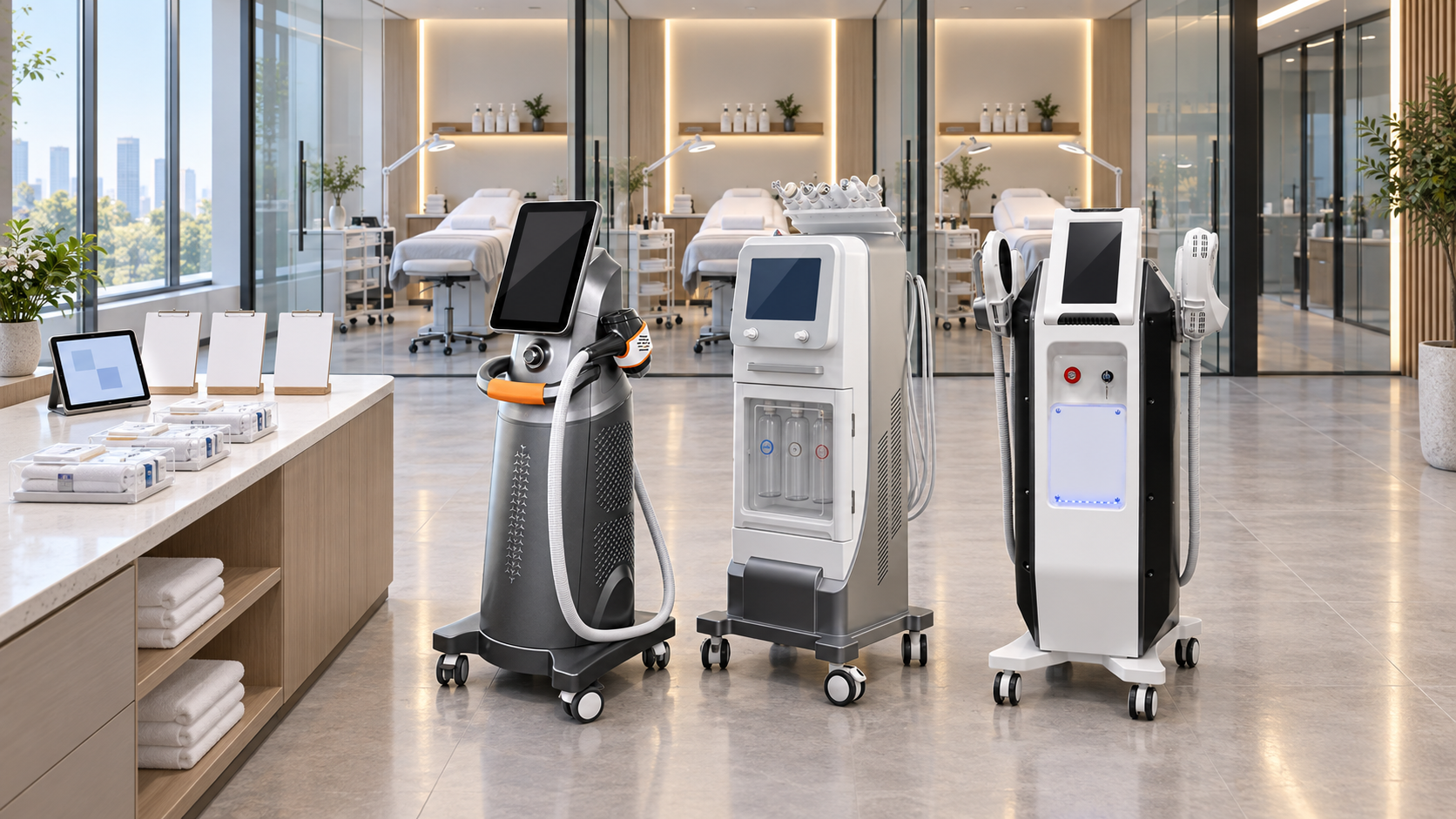
A beauty service is not standardized simply because every salon location uses the same device. Clients should receive the same service identity, consultation logic, approved workflow, hygiene controls, documentation, and escalation process wherever they book. The equipment configuration must also match; two machines with the same model name can create different operating conditions when their handles, cartridges, software, voltage, or accessories differ.
This guide explains how multi-location salons can standardize professional beauty device services. It covers branch-level equipment planning, service specifications, staff authorization, treatment records, consumables, maintenance, quality audits, and selected Dispositivi di bellezza SHEFMON for facial, body, hair-removal, and advanced-skin categories.
Sintesi
- Standardize the service before duplicating it across locations.
- Create one controlled service specification for each menu item, including its purpose, permitted locations, approved device and configuration, consultation route, workflow, records, and quality checks.
- Use the same model and documented configuration for a chain-wide service whenever possible.
- A0648 is a practical foundation platform for a shared cleansing and hydration-oriented facial category.
- A0272-F can support a separate facial electrical-stimulation and RF category where the chain can standardize placement, screening, and device-specific training.
- B0155 can support body-care locations, but its multiple handles should be divided into defined service routes instead of combined automatically.
- A0423 diode laser needs laser-specific operator, room, protective, assessment, and incident controls at every participating location.
- A0204 focused HIFU and A0152 RF microneedling belong only in locations that meet the required professional, clinical, hygiene, documentation, and local regulatory conditions.
- A core-location, specialist-location, and referral-hub structure is usually more controllable than placing every device in every branch.
- Track protocol compliance, documentation completeness, maintenance status, client feedback, incidents, and retraining needs. Sales volume alone cannot show whether a standardized service is being delivered correctly.
The objective is consistency within an approved scope. It is not identical treatment for every client. Consultation and qualified judgment still determine whether to proceed, modify the approved route, defer, or refer.
1. Define the Standardized Unit
The unit of standardization should be a complete service, not a machine.
For example, “Hydro Facial” is too broad to control across ten branches. A usable service definition might be “Signature Cleansing and Hydration Facial using A0648 configuration HF-01.” That definition can point to one consultation form, one list of permitted functions, one consumables kit, one cleaning checklist, and one record template.
Every standardized service should answer seven questions:
- What client goal does the service address?
- Which locations may offer it?
- Which device model and exact configuration are approved?
- Which staff roles may perform it?
- Which consultation, consent, and deferral rules apply?
- Which workflow, cleaning, maintenance, and documentation controls apply?
- Who can approve a change?
If these questions have different answers in different branches, the chain does not yet have one standardized service.
2. Build a Three-Level Service Architecture
Not every location needs the same technology portfolio. Standardization becomes easier when services are assigned by branch capability.
| Location level | Typical role | Suitable service direction | Representative SHEFMON models |
|---|---|---|---|
| Core location | Frequent, repeatable facial services | Cleansing, exfoliation, extraction, and hydration-oriented care | A0648 idromicrodermoabrasione |
| Enhanced location | Additional facial or body category with trained staff and suitable rooms | Facial electrical stimulation and RF; selected multifunction body care | A0272-F facial device O B0155 Endos Velapro |
| Specialist or referral location | Higher-control technology with stronger professional and facility requirements | Diode laser, focused HIFU, or RF microneedling | Laser a diodo A0423, A0204 focused HIFU, O A0152 RF microneedling |
This architecture gives clients a consistent brand pathway without forcing every branch to operate every device. A core branch can refer a client to a qualified specialist location while using the same consultation language and referral record.
3. Standardize Model, Version, and Configuration
Buying the same model is a useful starting point, but headquarters should record the delivered configuration for every unit.
Create an equipment master register containing:
- asset ID and branch;
- model and serial number;
- purchase and installation date;
- voltage and plug configuration;
- software or interface version where applicable;
- supplied handles, heads, tips, cartridges, and applicators;
- accessory and consumable codes;
- current operating documents;
- maintenance and repair history;
- authorized service list;
- unit status: active, restricted, under review, or retired.
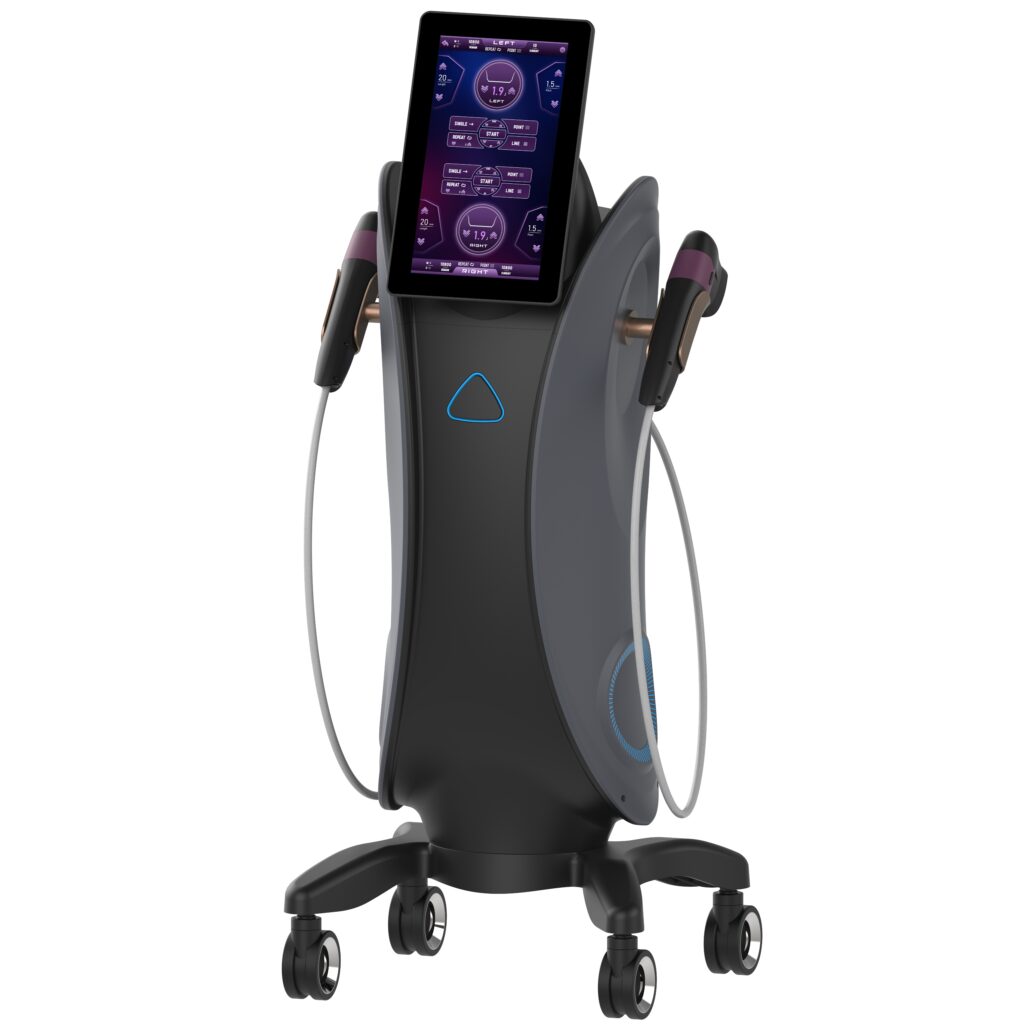
IL Piattaforma HIFU focalizzata A0204 9D/7D shows why configuration control matters. Its current page lists optional handles and multiple cartridge families. A location with only the standard configuration cannot copy a service built around an optional handle. The same rule applies to any platform whose heads or applicators vary by order.
Use one approved configuration code in purchasing, training, service documents, and branch audits. Do not allow a branch to add a handle or substitute a consumable without central review.
4. Create a Master Service Specification
Each menu item needs one controlled master file. Keep marketing copy separate from operating instructions, but make sure both describe the same service scope.
| Specification section | What headquarters should control |
|---|---|
| Service identity | Approved name, category, client goal, and plain-language description |
| Location authorization | Branch level, room requirements, and local permission status |
| Equipment | Model, configuration code, approved accessories, and software version |
| Staff authorization | Required training, assessment, role, and renewal status |
| Percorso del cliente | Consultation, suitability, deferral, referral, consent, and instructions |
| Operating boundary | Approved areas, functions, sequence, settings source, and prohibited improvisation |
| Hygiene | Preparation, single-use items, cleaning, disinfection, storage, and waste route |
| Registri | Device ID, operator, client decision, consumables, settings, observations, and follow-up |
| Controllo di qualità | Maintenance checks, audit questions, event reporting, and review frequency |
The master file should have an owner, version number, approval date, effective date, and change history. Branches should access the current controlled version rather than save personal copies that become outdated.
5. Use One Menu Language Across the Chain
Service names and descriptions should match in the website, booking system, printed menu, consultation form, and staff explanation.
Avoid a situation in which one branch sells “Deep Hydration Facial,” another sells “Pore Detox,” and a third promises “Acne Removal” while all three use the same A0648 workflow. Different names create different expectations and can lead staff to improvise.
A controlled menu entry should include:
- one approved service name;
- one client-friendly purpose;
- what the appointment includes at a high level;
- who must complete a consultation;
- who may need to defer or seek another pathway;
- realistic wording about individual response;
- no unsupported medical, guaranteed, permanent, or universal claims.
Local translation can be adapted, but the service meaning and operating boundary should remain unchanged.
6. A0648 as a Chain-Wide Foundation Facial
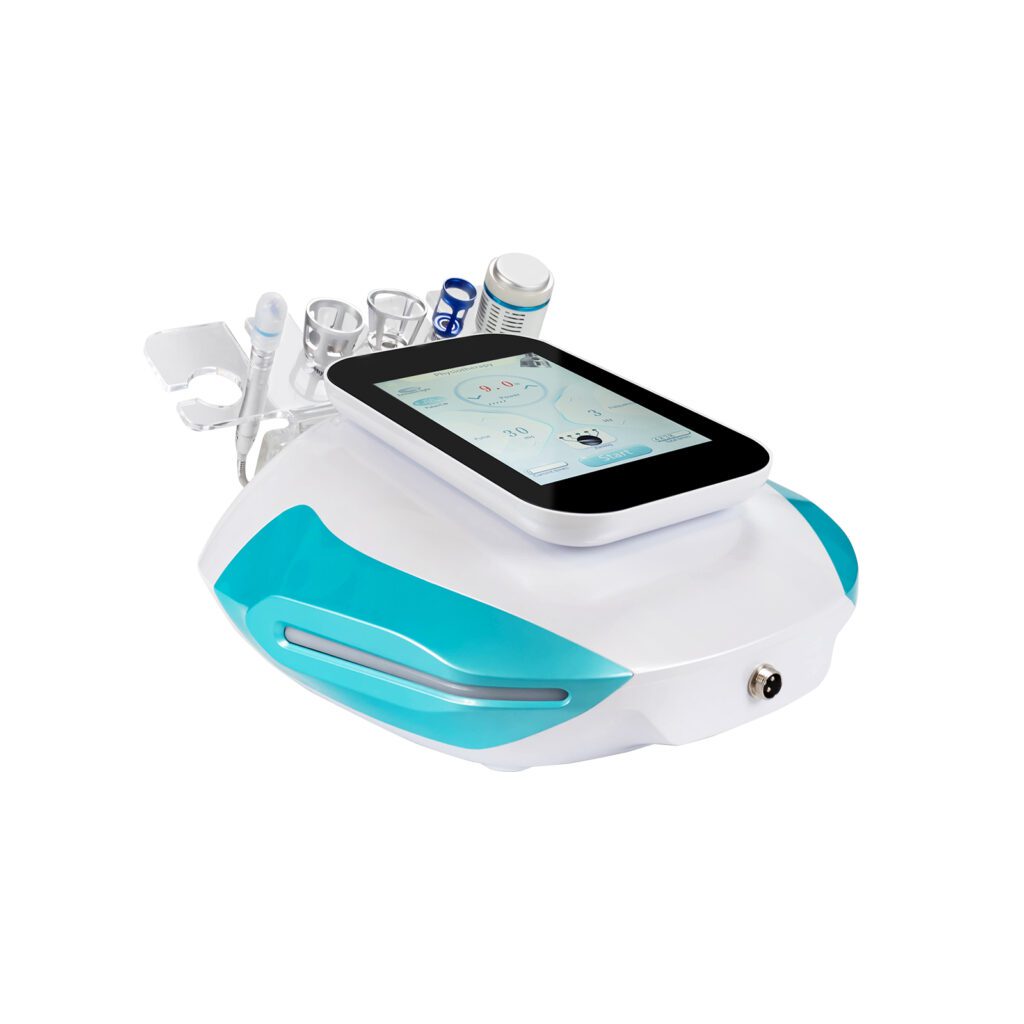
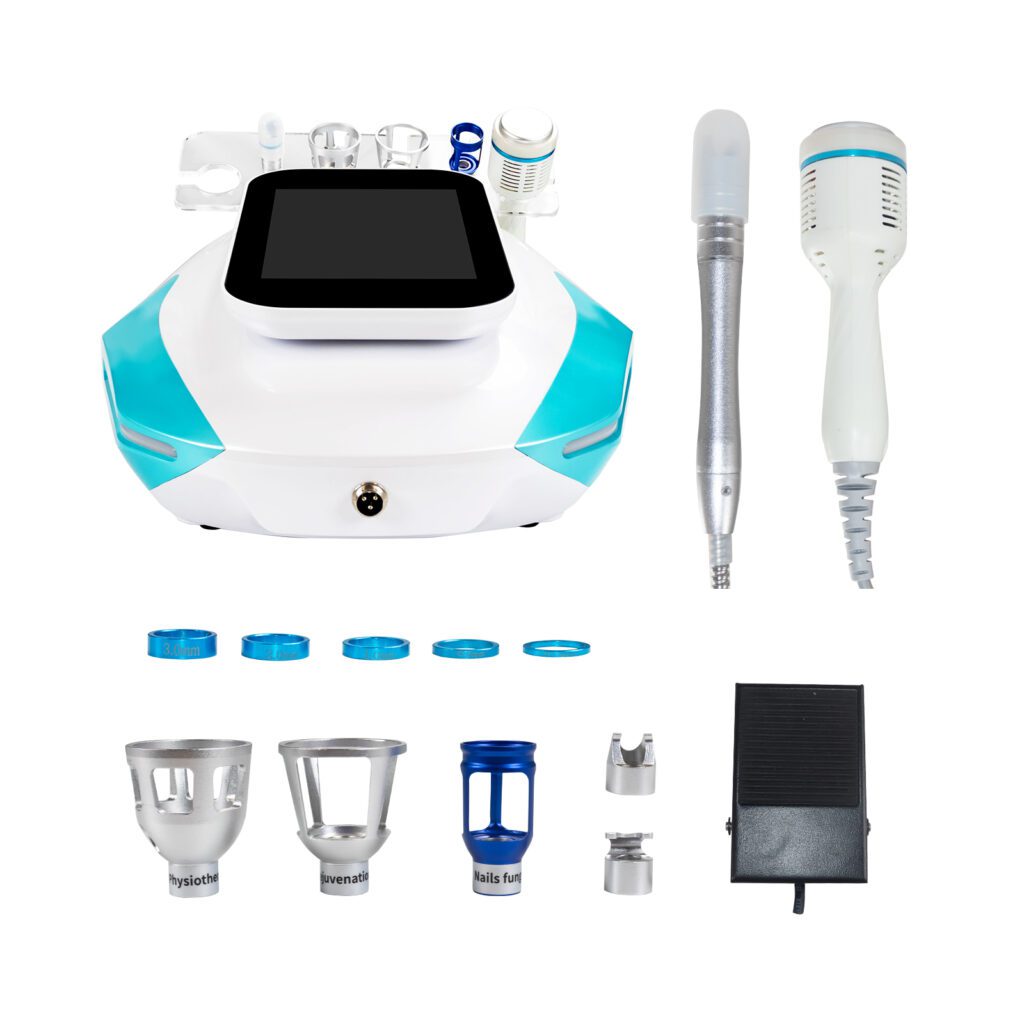
IL A0648 Apparecchio per idromicrodermoabrasione 9 in 1 is positioned around hydro facial care, cleansing, exfoliation, extraction, and hydration. These functions make it a practical candidate for a shared facial category across core locations.
The chain should not create nine services simply because the platform is described as 9-in-1. Choose a small number of defined routes, such as:
- Essential Cleansing Facial: a focused cleansing and suitable extraction pathway;
- Hydration Maintenance Facial: cleansing and hydration-oriented care;
- Signature Hydro Facial: a more complete approved workflow for suitable clients.
For every branch, standardize the supplied handpieces, solution containers, tips, filters, preparation, cleaning process, consumable codes, and record fields. Staff must know which functions belong to each menu item and which combinations are outside the approved route.
One controlled A0648 service can form the common entry point for the chain. More advanced categories can then sit above it without changing the basic facial identity from location to location.
7. A0272-F as a Consistent Facial Upgrade
IL A0272-F facial platform combines facial electrical stimulation with RF positioning. It can support a distinct facial tone and contour-oriented category at enhanced locations.
Standardization should cover:
- consultation and suitability questions;
- exact supplied applicators;
- approved placement from current device training;
- preparation and conductive materials where required;
- parameter selection source;
- service documentation;
- stop and escalation rules;
- maintenance and cable or applicator inspection.
Do not copy fixed session schedules, universal suitability statements, or guaranteed outcomes from promotional material into the chain protocol. The operating format must reflect the delivered device documentation, local scope, qualified instruction, and individual assessment.
Keep this service separate from the A0648 facial. A client can move between categories through consultation, but the chain should not teach staff that every hydro facial automatically requires an electrical-stimulation or RF add-on.
8. B0155 for Selected Body-Service Locations
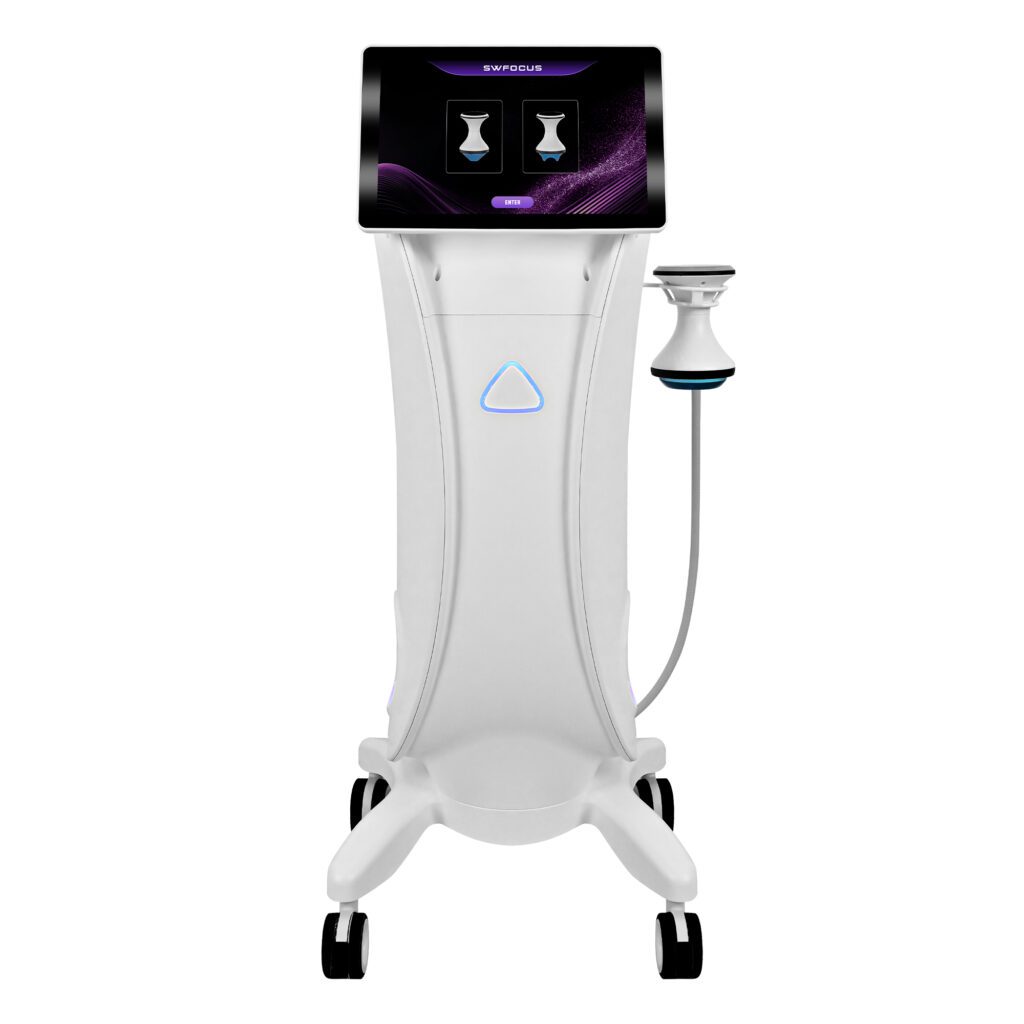
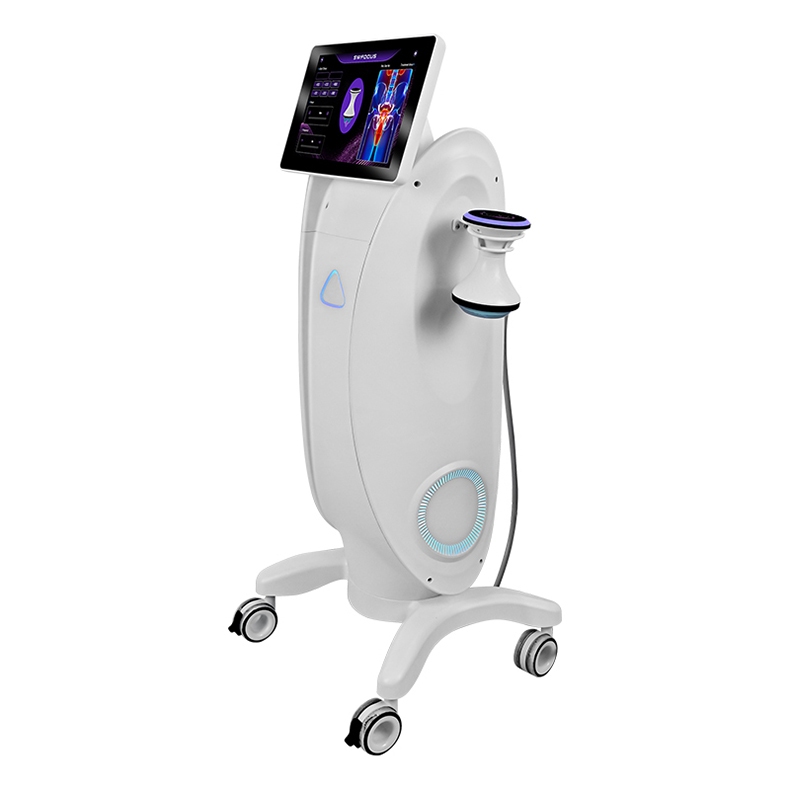
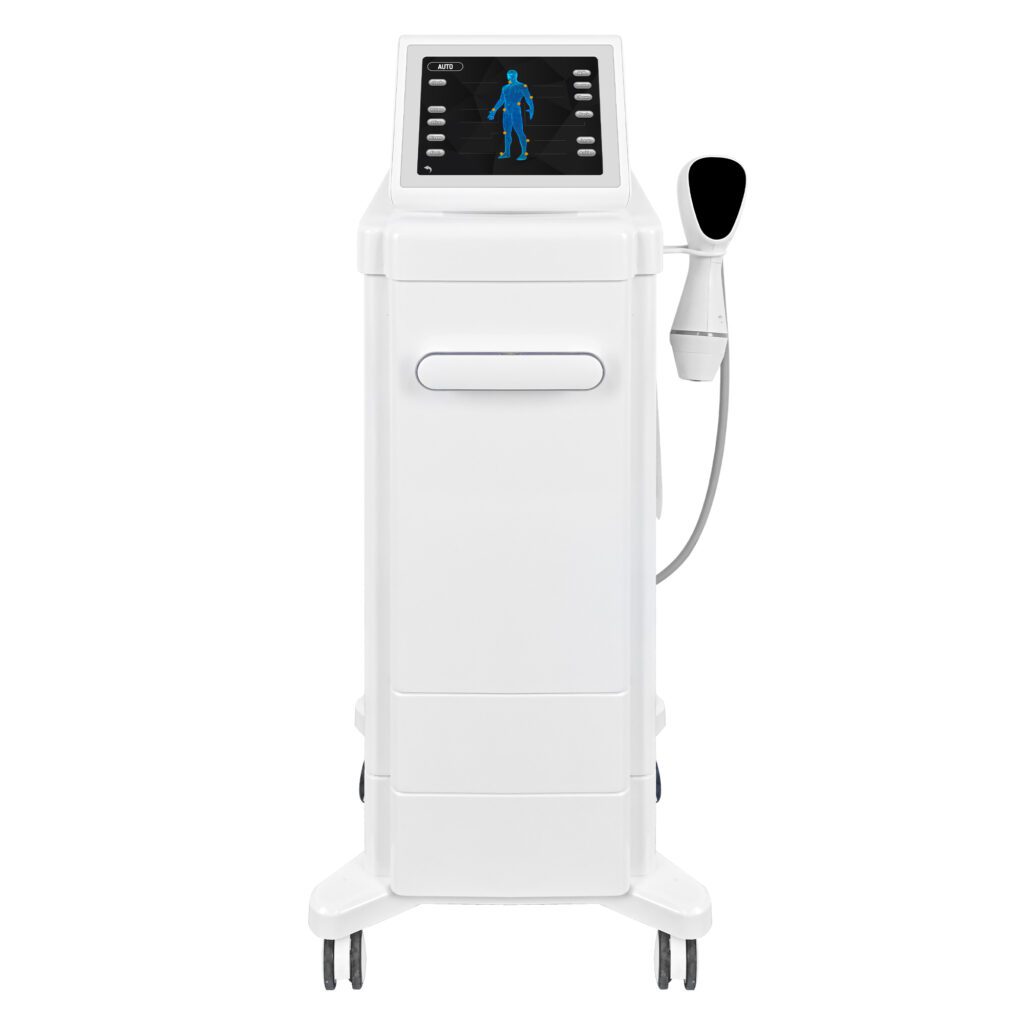
IL B0155 Desktop Endos Velapro lists body and smaller-area vacuum rollers, rotating handles, RF-related functions, and 80K cavitation. That variety can support several body-care routes, but it also creates a high risk of branch-to-branch variation.
Instead of one vague “5-in-1 body treatment,” define separate menu pathways. For example:
| Body pathway | Standardization focus |
|---|---|
| Mechanical roller body care | Approved roller, area, placement, pressure or vacuum guidance, room privacy, and cleaning |
| Smaller-area mechanical care | Correct smaller applicator, permitted areas, and separate workflow |
| RF-related body service | Configuration, coupling material, settings source, monitoring, and documented boundaries |
| Cavitation category | Exact handle, permitted scope, client selection, and device-specific training |
Do not assume every function should be used during one appointment. Same-day selection, sequence, areas, and settings require qualified, device-specific guidance. Claims about fat loss, pain relief, lymphatic conditions, or medical outcomes should not be adopted from broad product-page wording without appropriate evidence and local review.
B0155 is better placed in branches with body-treatment rooms, privacy, sufficient appointment turnover time, and staff assessed for each enabled function.
9. A0423 Requires a Laser Service System
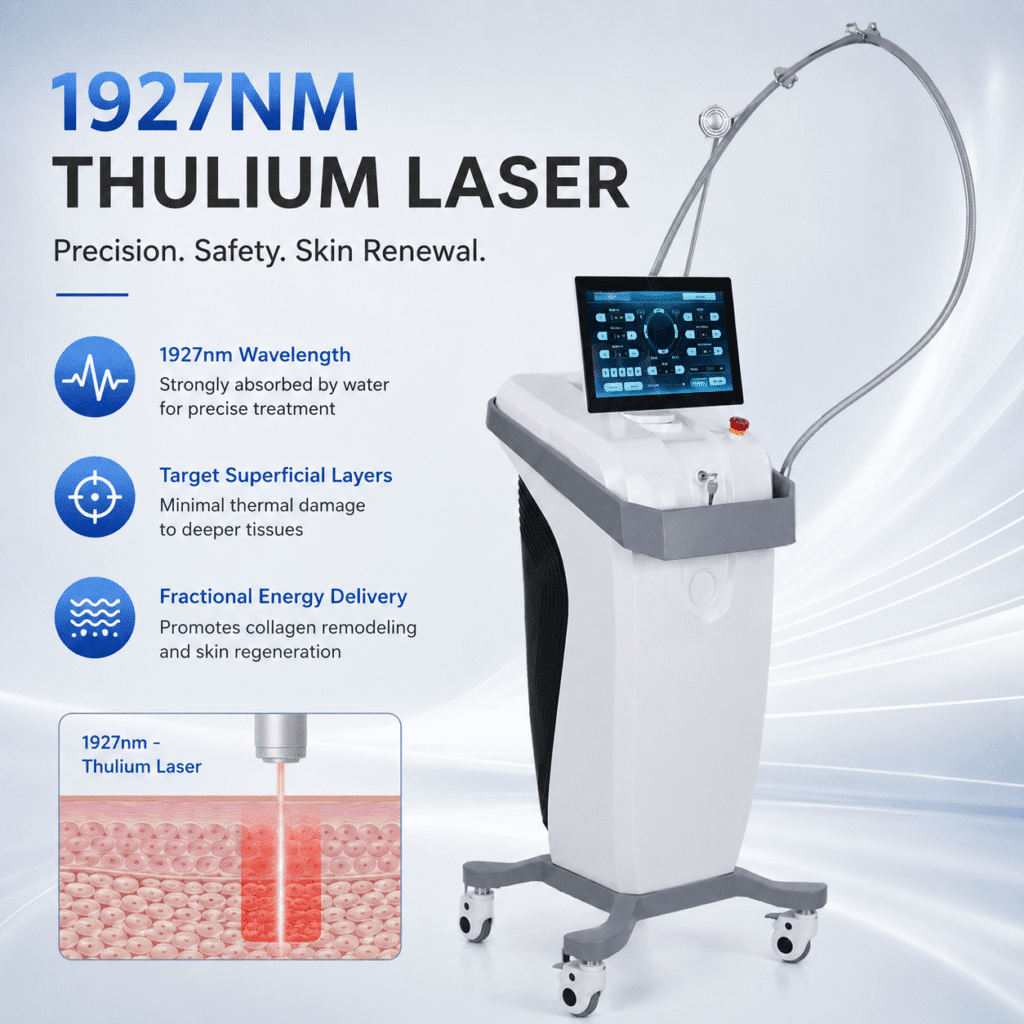
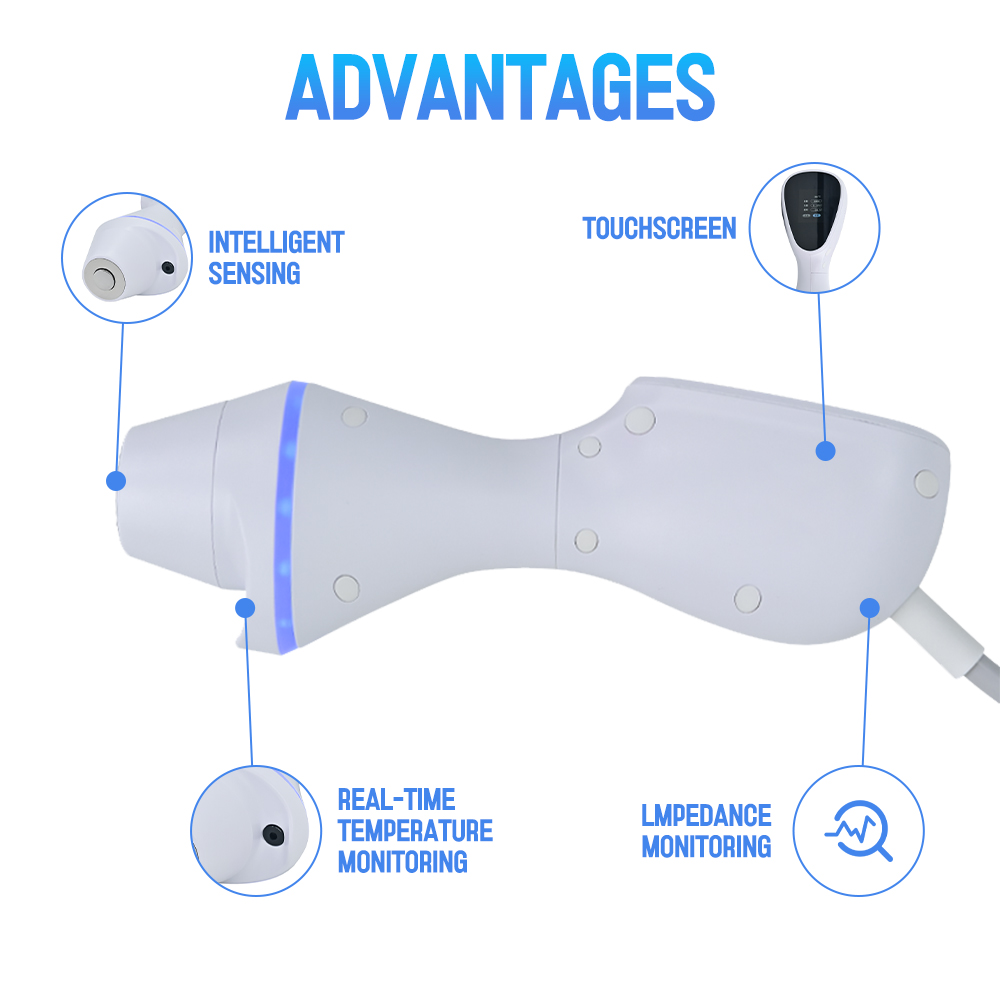
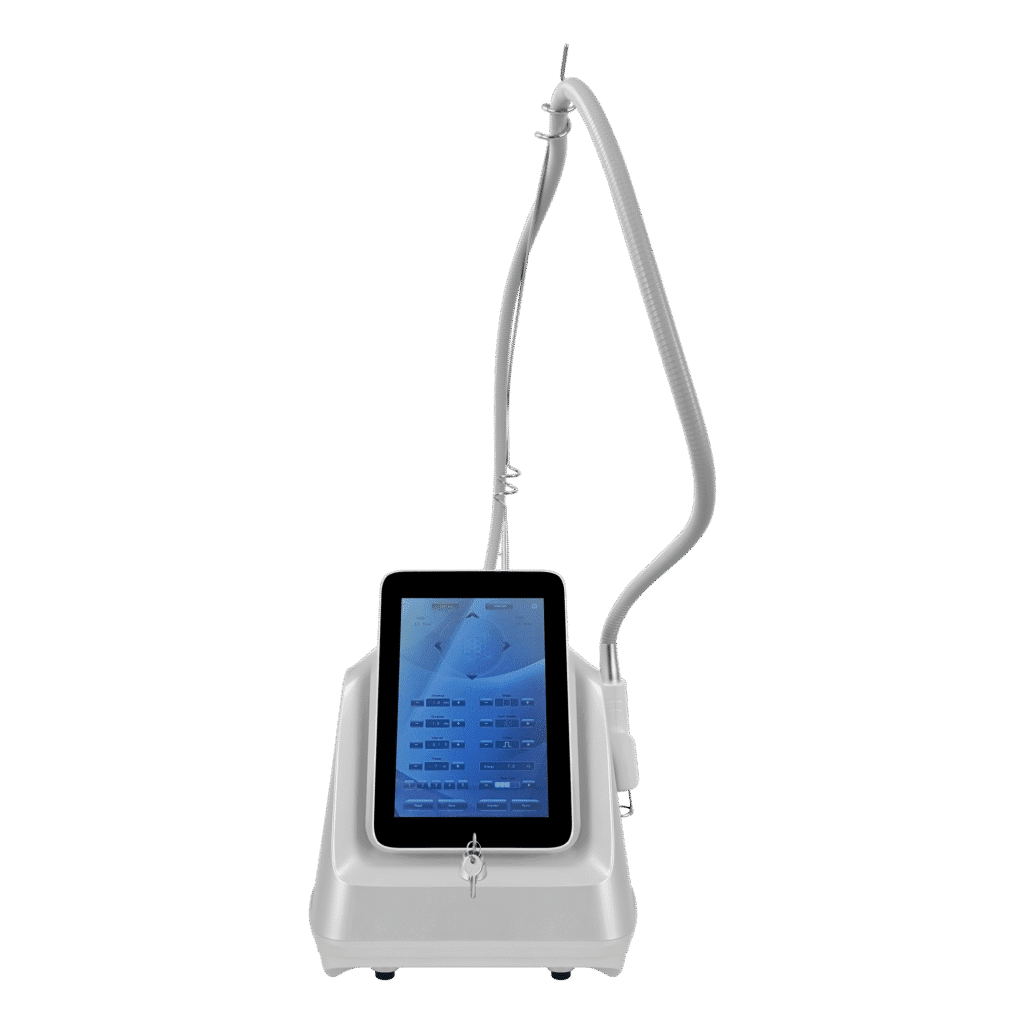
IL Laser a diodo A0423 belongs in qualified hair-removal locations rather than automatically in every salon. Its configuration may include different wavelength and spot-size options, so headquarters must verify exactly what each branch receives.
A standardized laser service needs more than common menu wording. Control:
- operator eligibility and laser-specific training;
- local licensing, registration, supervision, and facility requirements;
- client and area assessment;
- device configuration and parameter-selection process;
- protective eyewear and room access;
- equipment checks, cleaning, cooling-system care, and maintenance;
- preparation and aftercare information;
- event recognition, response, documentation, and escalation.
The American Academy of Dermatology warns that laser hair removal can cause burns, lasting skin-color changes, and scars in inexperienced hands, and it describes treatment in a dedicated room with protective eyewear. These points support a controlled specialist-location model rather than casual chain-wide deployment. See the AAD laser hair-removal guidance.
If a core branch cannot meet the complete standard, it should use the common consultation and referral pathway instead of offering a reduced version of the laser service.
10. Keep A0204 and A0152 in Qualified Specialist Locations
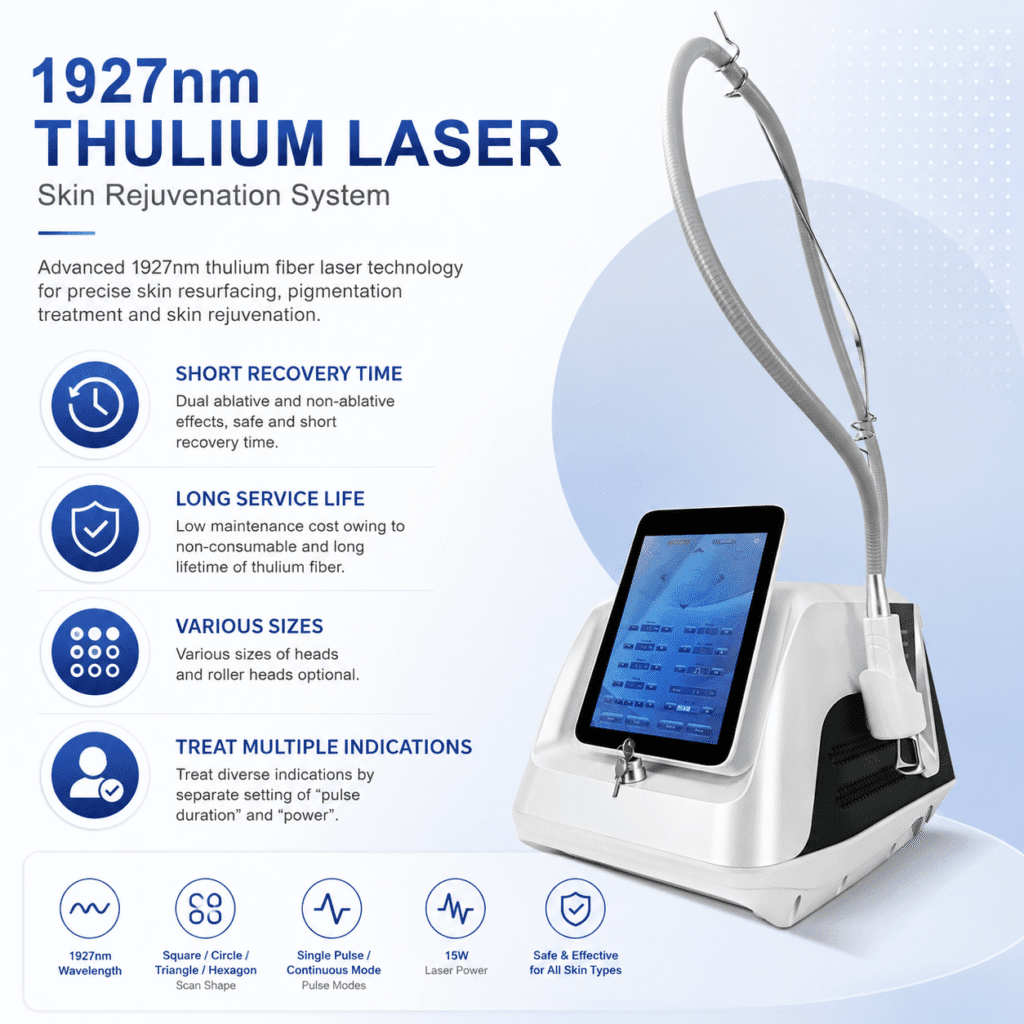
IL Piattaforma HIFU focalizzata A0204 E A0152 RF microneedling system should not be treated as routine upgrades for every branch.
A0204 has optional handles and multiple cartridge configurations. The service scope must be tied to the exact delivered components, current instructions, operator qualifications, facility capability, and local rules. Central approval should be required for every additional handle or service route.
A0152 lists 12-pin, 24-pin, 40-pin, and nano heads, computerized depth control, and selectable handle configurations. RF microneedling also adds needle-cartridge traceability, skin-penetrating procedure controls, hygiene, aftercare, and complication escalation. In its October 2025 safety communication, the FDA reported serious complications with certain uses of RF microneedling and described it as a medical procedure that should be performed by licensed health-care providers with appropriate training and experience. Chains operating in any market should verify the applicable local classification and requirements; the FDA communication is a useful reminder that a premium menu label does not reduce procedure risk.
For these categories, standardization may mean one regional specialist hub with a controlled referral route. It does not have to mean installation in every location.
11. Separate Service Standards from Individual Client Decisions
A protocol should define the permitted decision space. It should not force every suitable client through identical settings or every available function.
Use four consultation outcomes across all locations:
| Outcome | Senso | Required record |
|---|---|---|
| Proceed | Client fits an approved service route | Service, device, operator, consent, and selected pathway |
| Adapt within protocol | An approved alternative route is selected | Reason and permitted variation |
| Defer | Information, timing, condition, or readiness is unclear | Reason, advice given, and review requirement |
| Refer | Request or concern is outside the branch or operator scope | Referral destination and information provided |
Staff should never change the device, service area, function, or sequence merely to avoid losing a booking. A consistent deferral or referral process is part of service quality.
12. Build Role-Based Training and Authorization
Attendance at a product demonstration does not automatically authorize a staff member to perform every service.
Create a role matrix:
- Front desk: explain service categories, avoid clinical advice, and route bookings correctly.
- Consultation staff: use the approved form, recognize scope limits, and document proceed, defer, or refer decisions.
- Operators: complete device-specific theory, supervised practice, practical assessment, and service authorization.
- Branch leads: verify daily controls, records, stock, equipment status, and event escalation.
- Central technical or clinical lead: approve standards, changes, retraining, and higher-risk service access.
Authorization should name the service, device model, configuration, and location level. Record the assessor, assessment date, renewal date, and any restrictions. Retrain after a material software, accessory, protocol, safety, or regulatory change rather than relying only on an annual calendar.
13. Standardize Consumables and Hygiene Controls
Different tips, cartridges, gels, filters, cleaning products, or replacement parts can change service delivery. Create an approved item list for each service and block unreviewed substitutions.
The branch stock record should show:
- item name and code;
- compatible device and service;
- single-use or reusable status;
- lot or batch information where relevant;
- opening or expiry controls where applicable;
- storage requirements;
- minimum stock level;
- approved cleaning or disposal route.
For hydro facial services, control solutions, tips, tubing, filters, and waste handling. For RF microneedling, control cartridges and traceability under the applicable procedure policy. For laser, control eyewear and any device-specific accessories. For body platforms, define how each reusable handle is cleaned and inspected between clients.
14. Use One Treatment Record Structure
A common record makes cross-location review possible. Mandatory fields should be determined by the service and local requirements, but a chain-wide structure can include:
- branch and appointment date;
- client identity and consultation outcome;
- service name and specification version;
- device asset ID and configuration;
- operator ID and authorization status;
- relevant applicator, tip, cartridge, or consumable record;
- settings and areas where required;
- observations and any approved variation;
- instructions provided;
- event, escalation, or follow-up details.
Use structured fields for information that headquarters needs to compare. Free-text notes alone make it difficult to find missing records, unapproved variations, or recurring equipment issues.
15. Control Maintenance Across the Network
Service consistency depends on equipment condition. A device that powers on is not necessarily ready for client use.
Create daily, periodic, and event-based controls:
- pre-use visual and functional check;
- cleaning and end-of-day shutdown record;
- handle, cable, connector, filter, fluid, and cooling checks as applicable;
- preventive maintenance schedule;
- shot, cartridge, tip, or consumable tracking where relevant;
- repair history and replaced parts;
- quarantine procedure when performance or safety is uncertain;
- return-to-service approval after repair.
Branches should not continue using a questionable unit because the next appointment is already booked. The booking system should support moving the client, using an approved equivalent asset, or deferring the appointment without encouraging unauthorized substitutions.
16. Manage Changes Through Central Approval
Multi-location drift often begins with a small local change: a new service name, a different gel, an additional handle, a copied social-media claim, or an operator-developed sequence.
Require a change request when a branch wants to modify:
- the service name or advertised purpose;
- the device model or configuration;
- the approved area, function, sequence, or settings source;
- consumables or cleaning materials;
- consultation, consent, or record fields;
- staff eligibility;
- preparation, aftercare, or escalation instructions.
The central owner should assess the evidence, documentation, training impact, inventory impact, local requirements, and rollout plan. Approved changes receive a new version and effective date. Rejected or pending changes remain outside the service standard.
17. Audit the Service, Not Just the Branch
An audit should follow one menu item from advertising to completed record.
Revisione:
- website and booking description;
- branch menu and consultation explanation;
- device identity and configuration;
- operator authorization;
- room and protective controls;
- current protocol access;
- consumables and hygiene;
- observed workflow;
- completed treatment record;
- maintenance status;
- client instructions;
- event and complaint handling.
Useful indicators include documentation completeness, unauthorized deviations, overdue training, maintenance exceptions, stock substitutions, complaints by service, deferrals, referrals, and corrective-action closure. Compare trends carefully; a high referral or deferral rate may reflect good consultation rather than poor performance.
18. Roll Out One Service in Five Stages
Stage 1: Design
Define the client goal, location level, device configuration, service specification, records, and owner.
Stage 2: Pilot
Use one prepared location to test booking, consultation, room flow, documentation, cleaning, maintenance, and support.
Stage 3: Validate
Review actual records and staff performance. Resolve unclear steps before expansion.
Stage 4: Replicate
Install the approved configuration, train and assess staff, confirm stock and facility readiness, then authorize the service location by location.
Stage 5: Monitor
Audit early cases, equipment status, deviations, feedback, and corrective actions. Expand only after the service remains controlled.
Do not launch simultaneously across all branches simply because the equipment shipment has arrived. A staged rollout creates evidence that the operating system works.
19. A Practical Multi-Location SHEFMON Portfolio
| Network role | Direzione del dispositivo | Ruolo nel menu | Main control |
|---|---|---|---|
| All suitable core locations | A0648 | Shared cleansing and hydration-oriented facial foundation | Same configuration, tips, solutions, workflow, cleaning, and service names |
| Selected enhanced facial locations | A0272-F | Separate facial electrical-stimulation and RF route | Applicators, placement, screening, training, and realistic claims |
| Selected body locations | B0155 | Defined mechanical, RF-related, or cavitation body pathways | Handle-by-handle authorization, privacy, cleaning, and no automatic all-function service |
| Qualified hair-removal hubs | A0423 | Diode laser hair-removal category | Configuration, operator scope, room protection, client assessment, and incident response |
| Specialist locations only | A0204 | Configuration-specific focused HIFU pathway | Cartridge and handle control, qualified scope, documentation, and local review |
| Appropriately licensed clinical locations | A0152 | RF microneedling pathway | Licensed provider requirements, cartridge traceability, hygiene, aftercare, and complication escalation |
This portfolio keeps the common menu recognizable while matching equipment complexity to branch capability. It also gives distributors a clearer way to package devices for a salon group: core branch, enhanced branch, body branch, and qualified specialist hub.
20. Final Standardization Checklist
Before authorizing a beauty device service at another location, confirm:
- the service has one controlled name and purpose;
- the new location is approved for that service level;
- the device model, configuration, and accessories match the standard;
- current documents are available at the point of use;
- operators are assessed and specifically authorized;
- consultation, consent, deferral, referral, and escalation routes are ready;
- consumables, hygiene, waste, and stock controls are in place;
- treatment records identify the service, device, operator, and relevant configuration;
- maintenance and quarantine processes are active;
- marketing language matches the approved scope;
- the branch has passed a pre-launch review;
- early cases and deviations will be audited.
If one of these elements is missing, the branch is not ready to deliver the same controlled service, even if it already has the machine.
Domande frequenti
1. Should every salon location use exactly the same beauty devices?
Core services benefit from the same model and configuration. Higher-control devices can be assigned to enhanced or specialist locations when staff qualifications, rooms, demand, and local requirements differ.
2. What is the easiest device category to standardize across a salon chain?
A defined cleansing and hydration-oriented facial using A0648 can be a practical foundation. The chain must still standardize its configuration, supplied functions, tips, solutions, cleaning, consultation, and menu wording.
3. Can each branch create its own treatment names?
Local language may be adapted, but the approved purpose and scope should remain the same. Uncontrolled names can create different expectations and encourage different workflows.
4. Can a multifunction device use one protocol for every handle?
No. Each enabled handle or function needs a defined service role, operating boundary, training requirement, cleaning process, and record. Multifunction does not mean every function belongs in one appointment.
5. How should a chain manage device settings?
Settings must come from current device-specific documentation and qualified training, then remain within the approved decision framework. Client-specific decisions should be recorded. Branches should not copy settings from another technology or social-media post.
6. Should laser hair removal be available in every location?
Only locations meeting the complete operator, room, protective, assessment, maintenance, and local legal requirements should offer it. Other branches can use a standardized consultation and referral pathway.
7. Is RF microneedling suitable for ordinary salon branches?
Do not assume that it is. RF microneedling requires appropriately licensed and trained providers, procedure-specific controls, cartridge traceability, aftercare, and complication-management capability under applicable local rules.
8. How often should operators be reassessed?
Set a documented renewal interval based on service risk and local requirements. Reassessment should also follow material changes, long absence from practice, repeated deviations, incidents, or demonstrated skill gaps.
9. Which records should headquarters review first?
Review device and operator identity, consultation outcome, specification version, consumables or applicators, required settings, maintenance status, deviations, follow-up, and event escalation. Missing structured fields often reveal where branch drift begins.
10. How can distributors support a multi-location salon buyer?
Map devices to branch levels, quote the same documented configurations, identify accessories and consumables, and provide model-specific training and support information. The salon group should retain control of its service standards and staff authorization.
Conclusione
Standardizing beauty device services across multiple salon locations requires one service identity, one controlled specification, consistent equipment configuration, role-based authorization, common records, and a central change process. The strongest network is not necessarily the one that installs every technology everywhere. It is the one that places each category where it can be delivered within a complete, auditable system.
A0648 can anchor the shared facial menu, A0272-F can add a controlled facial upgrade, and B0155 can support selected body-service locations. A0423, A0204, and A0152 require progressively stronger specialist controls and may fit regional hubs rather than every branch.
Esplora il SHEFMON beauty device range O contattare SHEFMON with your branch structure, current menu, staff qualifications, service goals, and required configurations to compare devices for core, enhanced, and specialist locations.