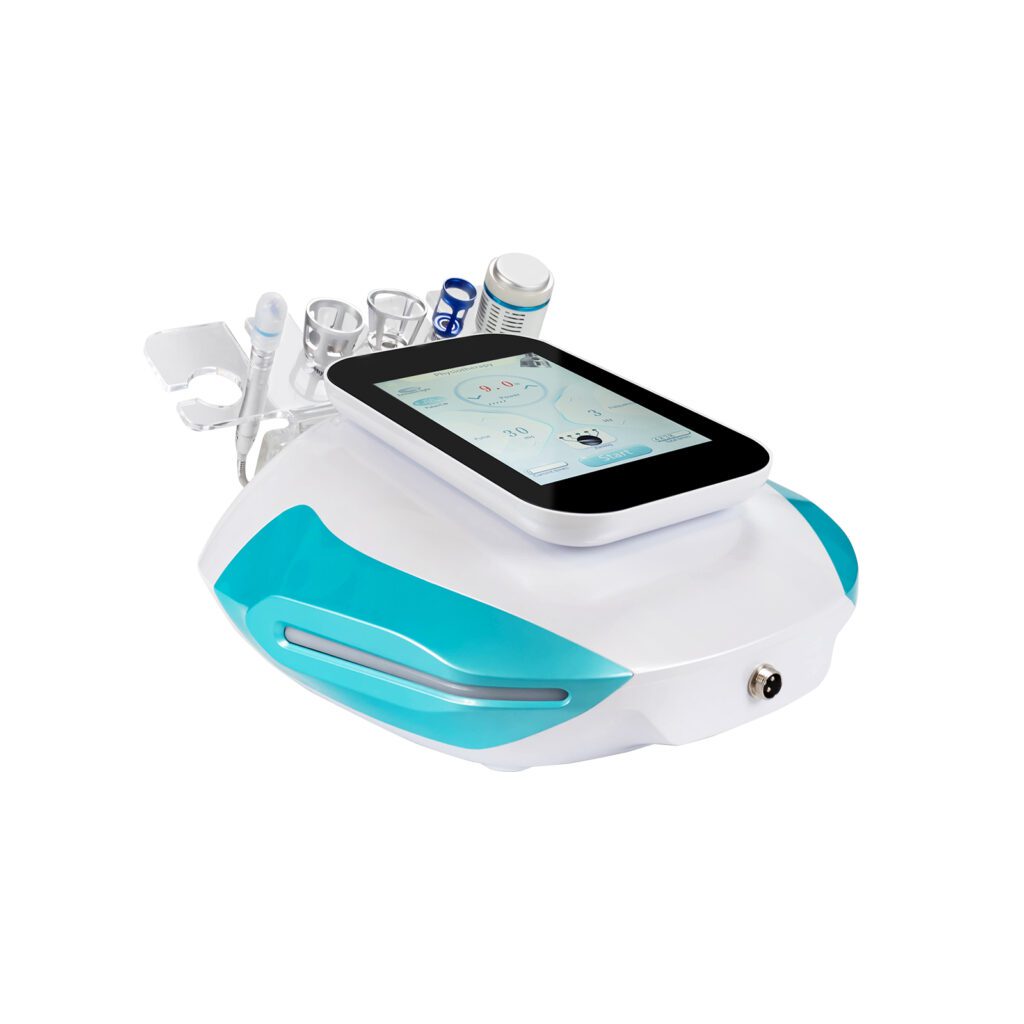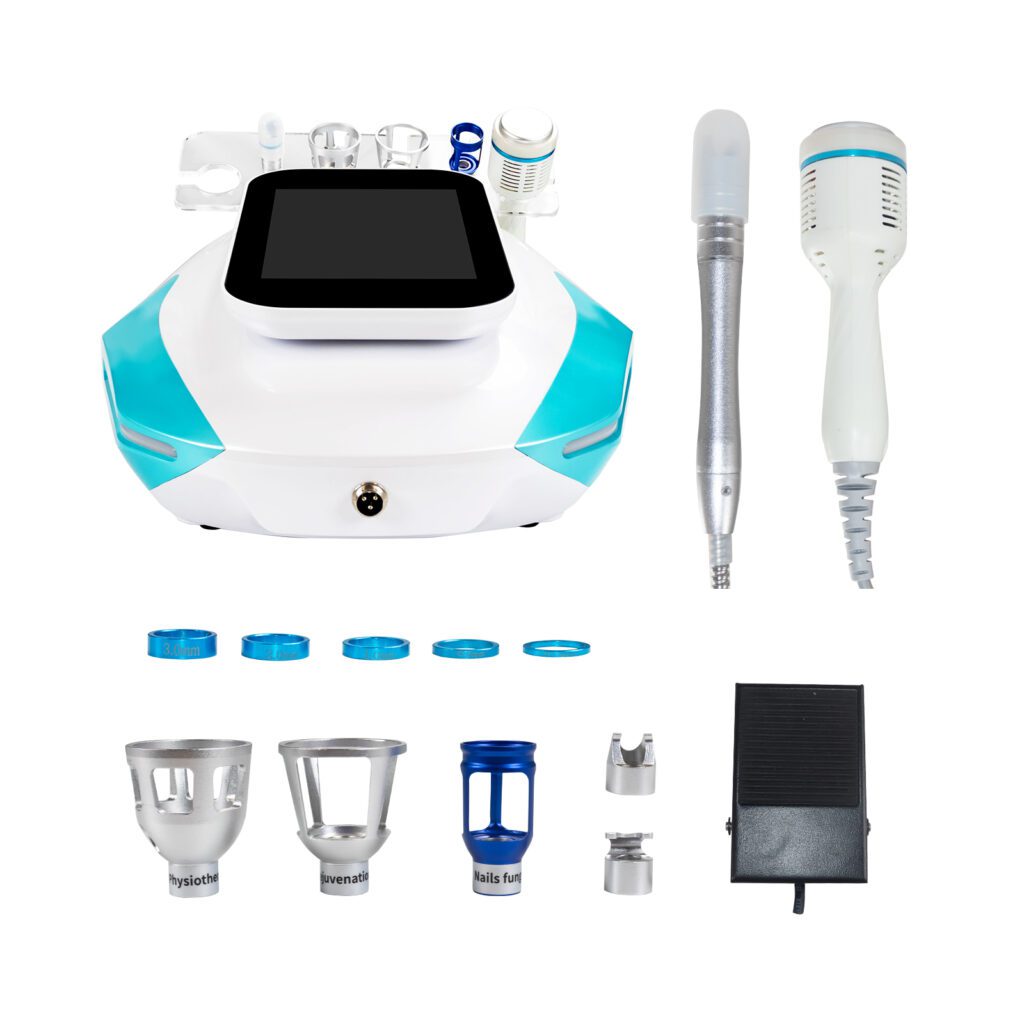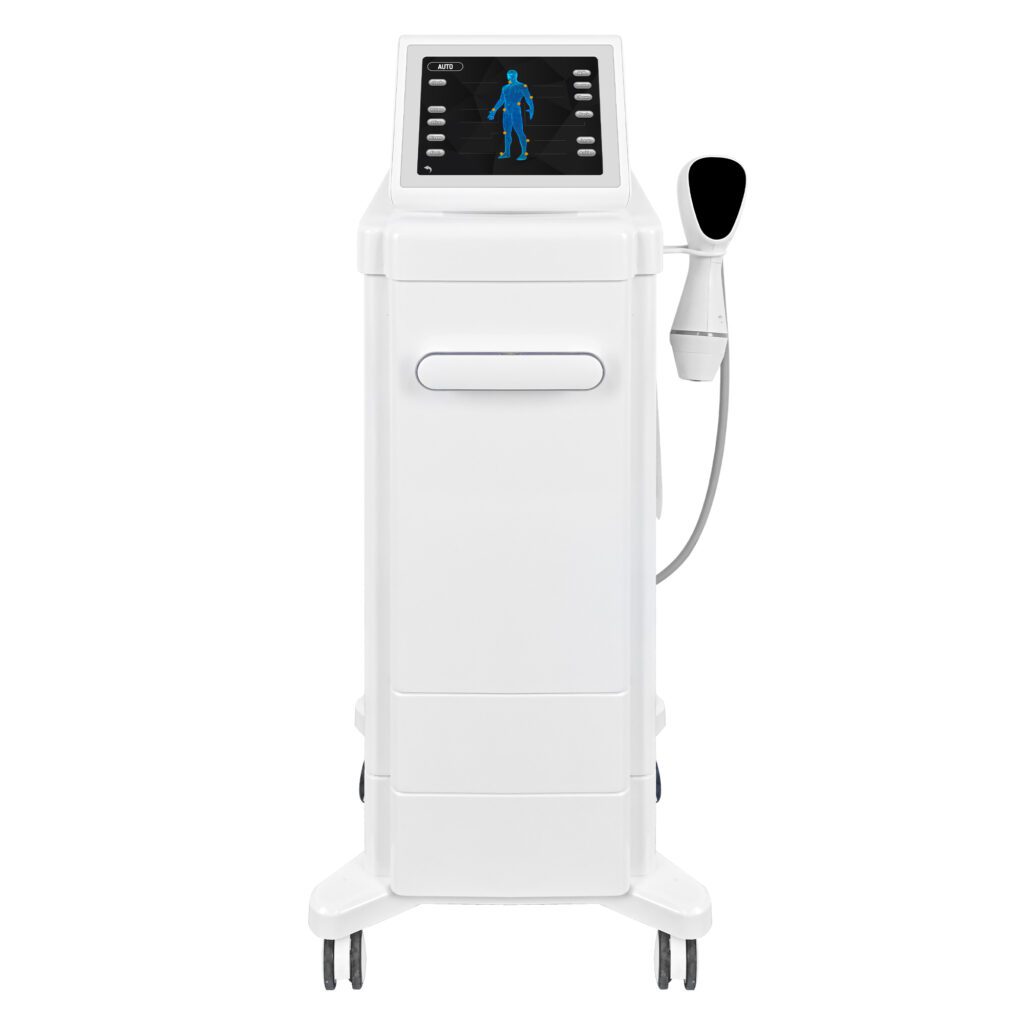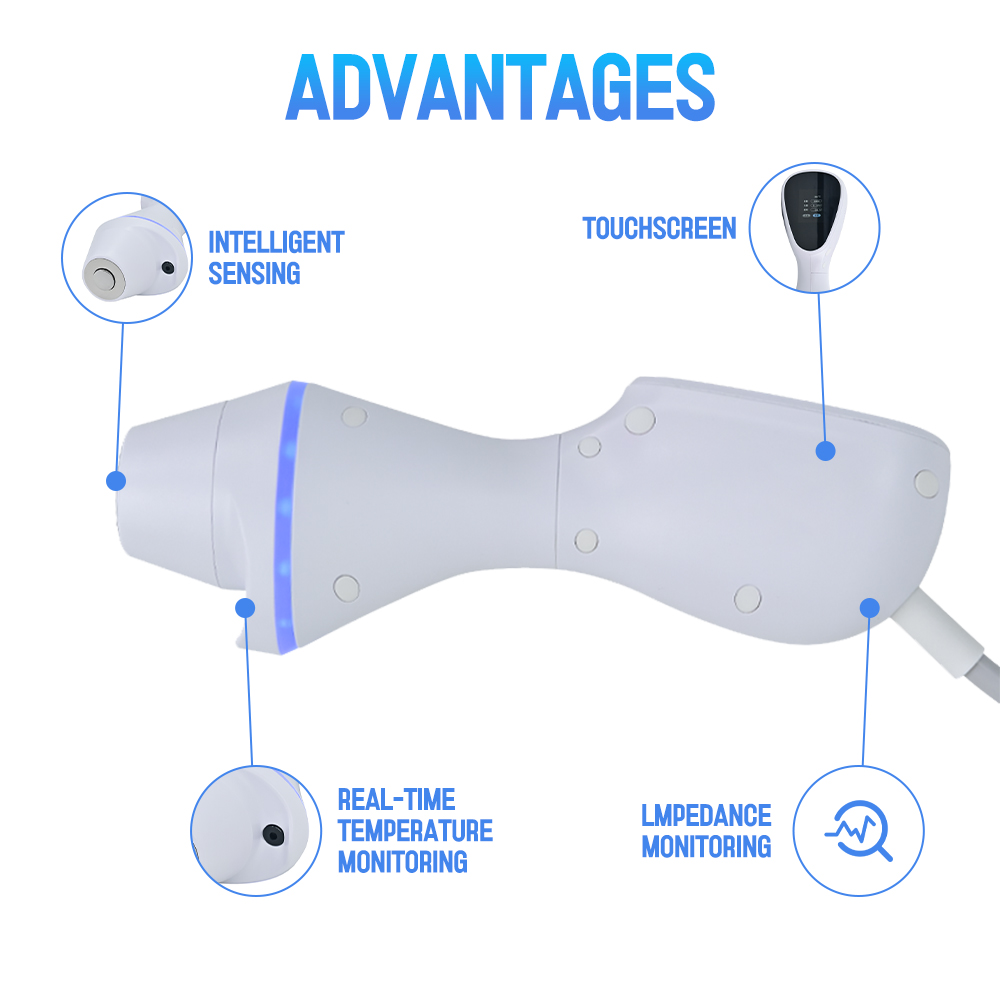










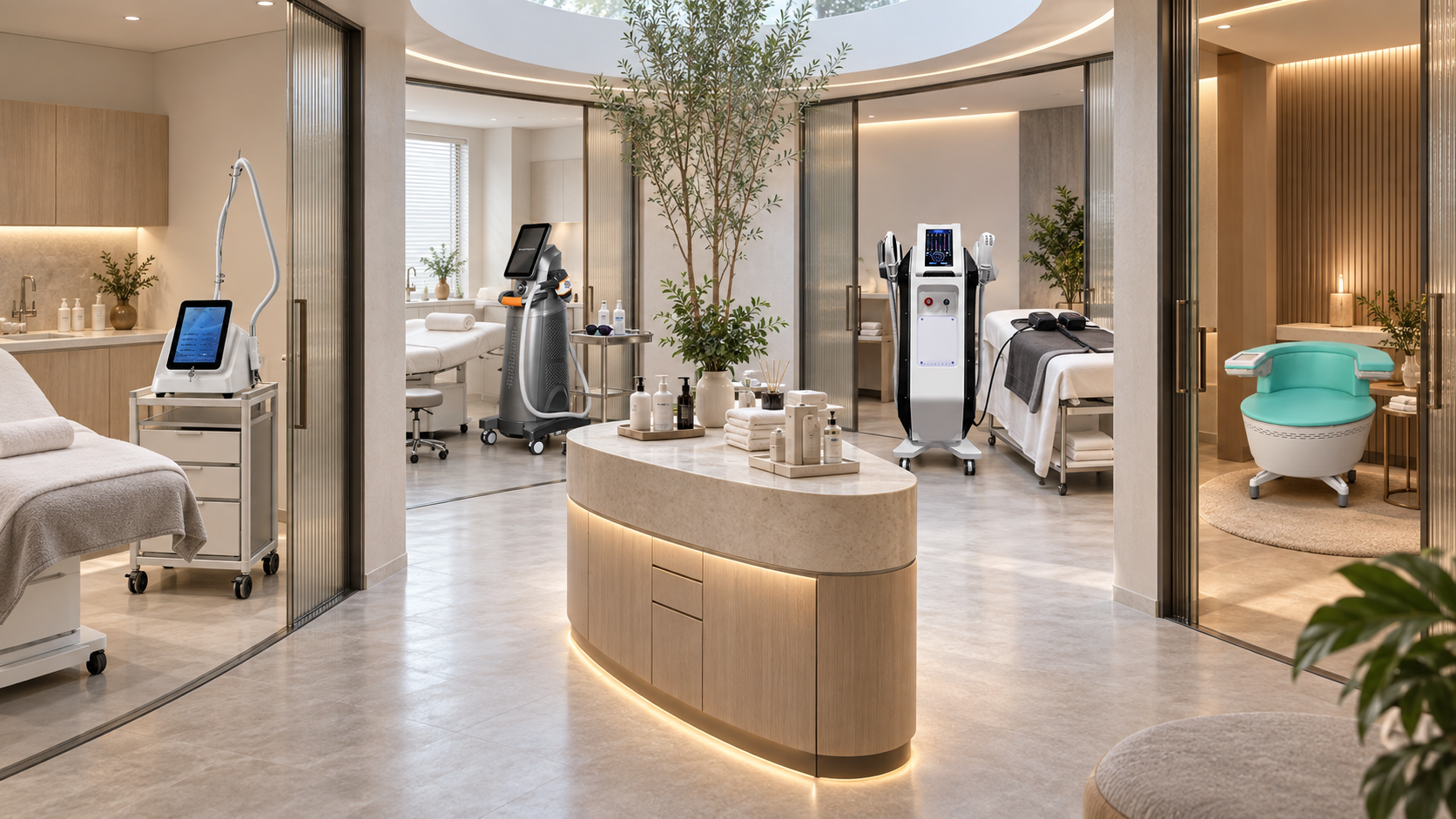
Beauty device allocation is the process of deciding which department owns each device, which service role it performs, who may operate it, where its accessories and consumables are controlled, and how its capacity is scheduled. It is a portfolio decision, not simply a matter of placing available machines into empty rooms.
Poor allocation creates duplicated services, unused equipment, stock confusion, and departments that compete for the same operator. Good allocation gives every device a primary purpose and makes gaps visible before the business buys more equipment.
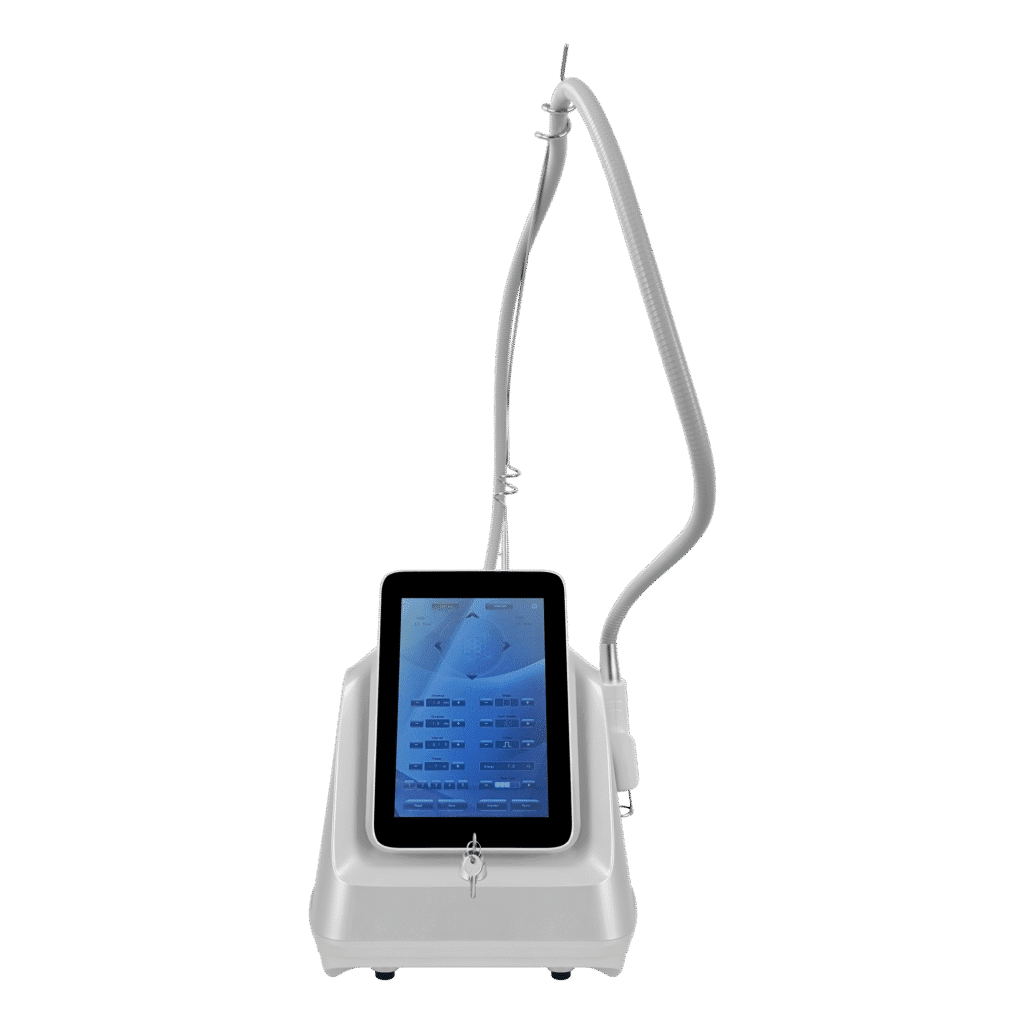
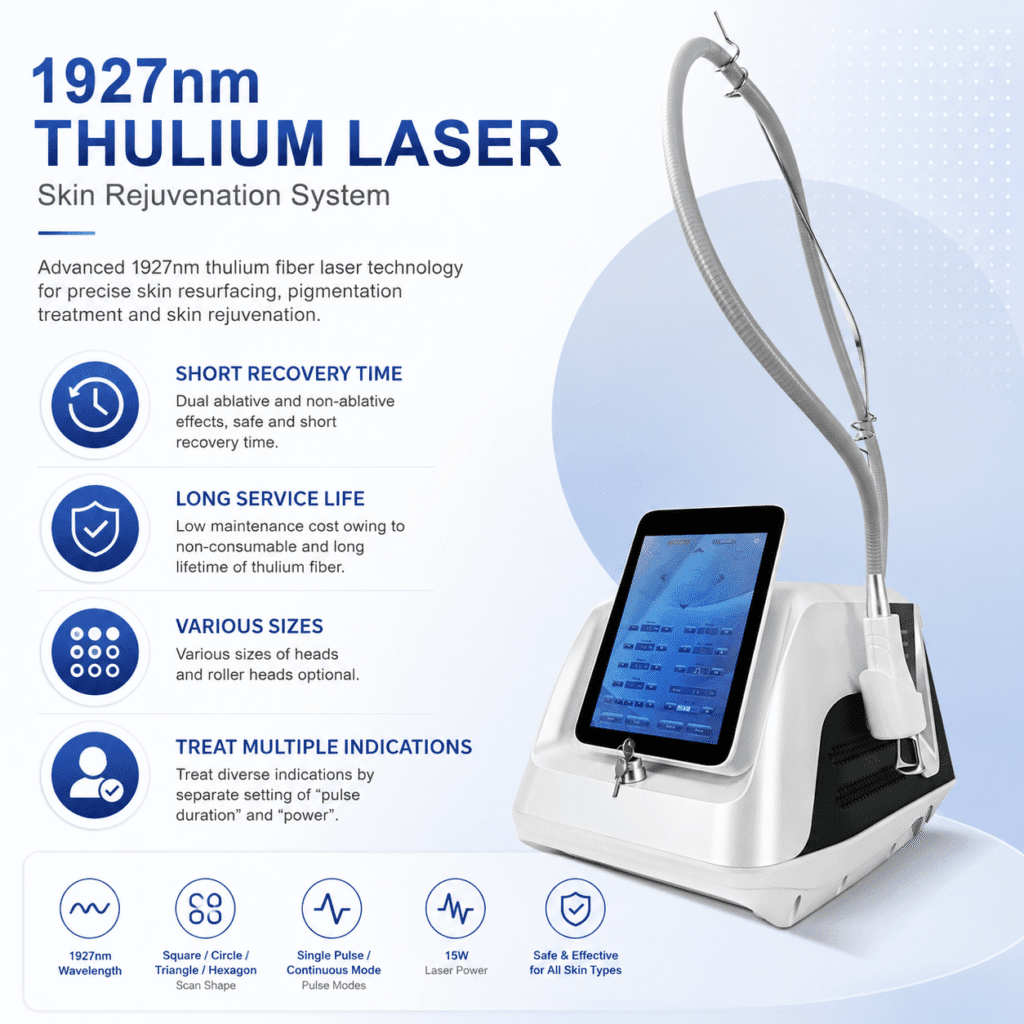
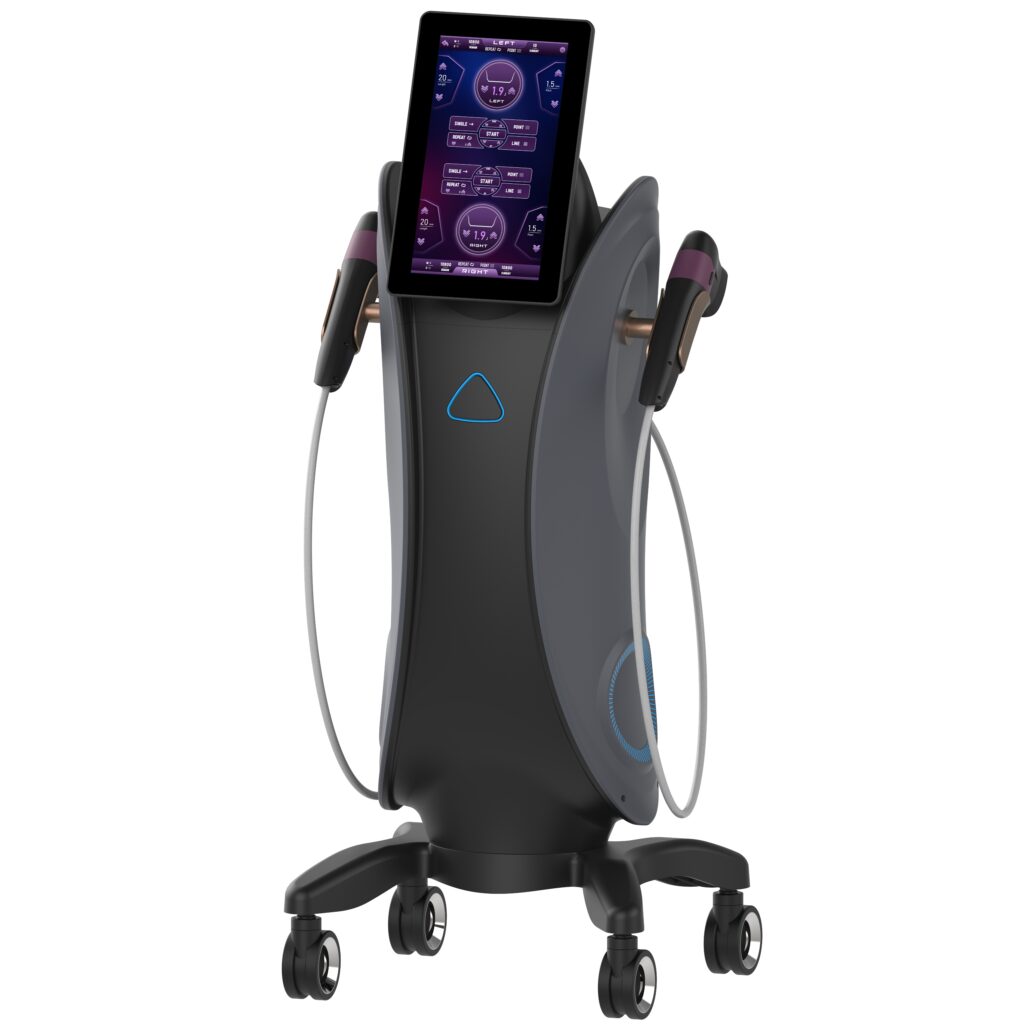
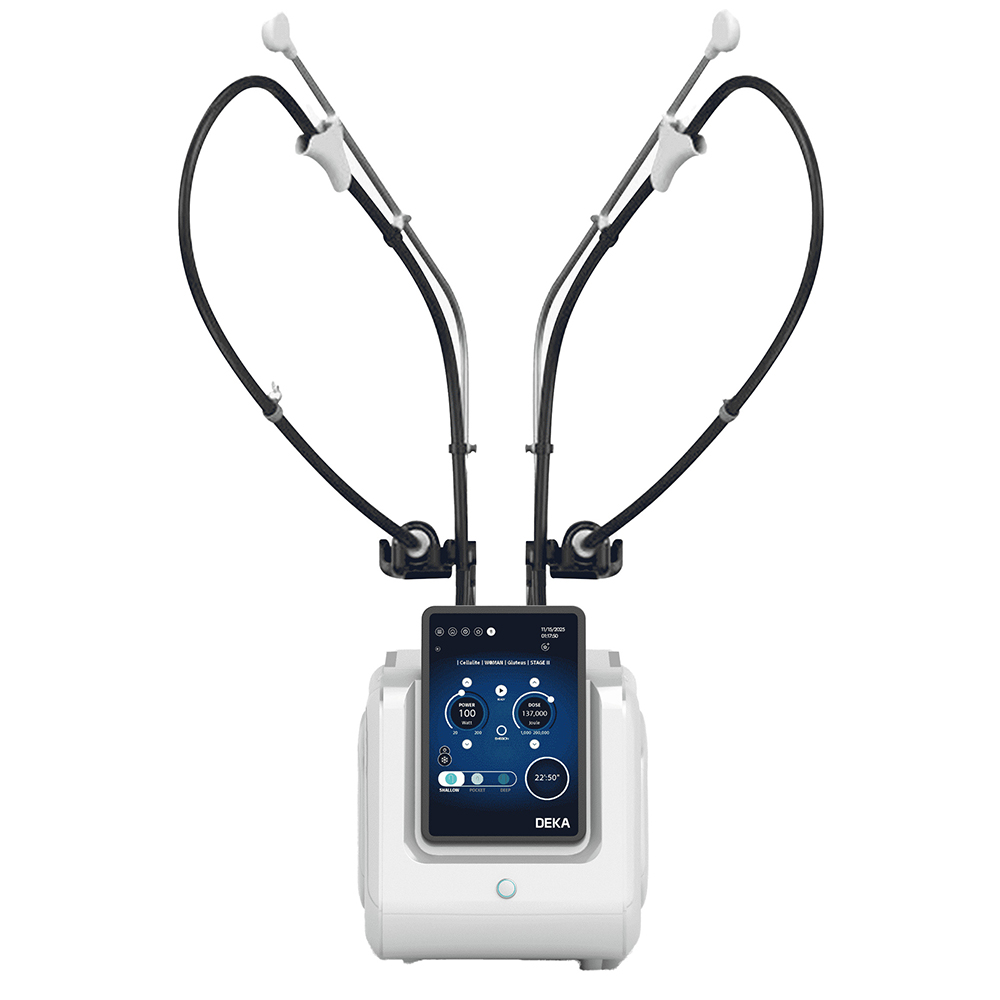
This guide provides a department-level allocation method for selected Dispositivi di bellezza SHEFMON. It covers facial maintenance, facial technology, hair reduction, multifunction body care, muscle-focused services, and advanced procedures.
Sintesi
- Inventory current devices, configurations, staff competencies, service demand, rooms, stock, downtime, and support before reallocating anything.
- Assign every device one primary department, one service purpose, one accountable owner, and one approved menu role.
- Score allocation options using demand, differentiation, staff readiness, room suitability, capacity, consumables, governance, and support.
- A0648 can anchor facial maintenance; A0272-F can support a separate facial-technology category.
- A0423 belongs in a controlled hair-reduction department with its own consultation, authorization, settings, aftercare, and records.
- B0155 fits selected multifunction body care, while A0241 should remain a distinct muscle-focused allocation.
- A0152 RF microneedling belongs in an advanced procedure department only when professional scope, hygiene, single-use stock, sharps, aftercare, and escalation are established.
- Share devices only through a written agreement that identifies ownership, approved locations, authorized users, booking priority, stock, movement, cleaning, faults, and return-to-use decisions.
- Allocate budget to complete operating pathways rather than to the largest possible number of consoles.
- Review allocation regularly and reassign, narrow, pause, duplicate, replace, or retire equipment according to evidence.
1. Define What “Allocated” Means
A device is fully allocated when the center has documented:
- its primary department;
- the client goal and service family it supports;
- the exact model and delivered configuration;
- its assigned room or approved shared locations;
- responsible manager and authorized operators;
- consultation, booking, service, aftercare, and follow-up workflow;
- handles, applicators, tips, heads, solutions, contact materials, and other components;
- cleaning, inspection, maintenance, fault, and support process;
- approved service names and marketing language;
- utilization, quality, and capacity measures.
A machine without these assignments is inventory, not an operating department asset.
2. Audit the Existing Beauty Device Portfolio
Create one row for every device.
| Audit field | What to record |
|---|---|
| Identity | Model, serial number, voltage, delivered configuration, purchase or acceptance date |
| Current allocation | Department, room, service names, manager, and authorized operators |
| Components | Standard and optional handles, tips, heads, applicators, cartridges, stands, and accessories |
| Operating inputs | Approved consumables, solutions, contact materials, protective items, cleaning products, and wear parts |
| Richiesta | Qualified enquiries, consultations, approved bookings, repeats, declines, and waiting time |
| Capacity | Complete appointment blocks, operator coverage, room availability, reset time, and downtime |
| Qualità | Documentation completion, complaints, unexpected responses, faults, stock errors, and audit findings |
| Supporto | Manual, training record, maintenance schedule, warranty, parts, and technical contacts |
This audit often shows that the portfolio does not need more devices. It may need clearer ownership, fewer overlapping menu items, better scheduling, or a complete workflow for equipment already purchased.
3. Separate Three Types of Equipment Need
Every request for a device should fit one of three categories.
| Need type | Senso | Appropriate response |
|---|---|---|
| Service gap | The center cannot currently address a documented client goal | Evaluate a new technology category and complete operating pathway |
| Capacity gap | An appropriate existing service has sustained demand beyond safe room, staff, and device capacity | Improve scheduling or consider a duplicate after confirming the real bottleneck |
| Replacement gap | Existing equipment no longer provides reliable, supportable capacity | Compare repair, replacement, updated configuration, and service continuity |
Do not describe every sales enquiry as a service gap. A new device should create a distinct, supportable category or solve a measured capacity or replacement problem.
4. Score Each Proposed Department Allocation
Use the same scorecard for every device instead of allowing each department to make an unrelated case.
| Allocation factor | Key question | Suggested evidence |
|---|---|---|
| Qualified demand | Are appropriate clients asking for this service? | Consultation records, declined requests, waiting list, repeat demand |
| Service differentiation | Does the device add a clear role rather than duplicate current wording? | Menu comparison and department charter |
| Prontezza del personale | Are qualified, trained, competent, and authorized operators available? | Scope, competency, supervision, and schedule |
| Room readiness | Does an appropriate room support the workflow? | Facility review, utilities, access, storage, hygiene, and turnover |
| Complete capacity | Can the center schedule assessment, service, documentation, cleaning, and follow-up? | Room and operator blocks |
| Operating inputs | Are approved components, consumables, replacements, and reorder routes available? | Stock list and lead times |
| Governance | Are records, aftercare, unexpected-response, and escalation processes ready? | Approved service documents and audit plan |
| Supporto | Can the device be installed, maintained, serviced, and returned to use responsibly? | Manual, warranty, parts, and technical plan |
A high demand score cannot compensate for missing professional scope or an unsuitable room. Set minimum pass conditions for safety, authorization, and governance before comparing commercial value.
5. Classify Devices by Allocation Behavior
Different devices should not be allocated with the same assumptions.
- Anchor device: supports frequent, repeatable services and often belongs permanently to a high-use department.
- Specialist device: serves a distinct goal and requires specific operators, room controls, records, or aftercare.
- Multifunction device: supports several functions but needs a deliberately limited service menu and strong accessory control.
- Program device: is commonly scheduled through a structured assessment, service, and review pathway rather than a single open booking.
- Advanced procedure device: requires a higher level of professional governance, hygiene, consumables, documentation, and escalation.
The classification affects ownership, access, booking priority, stock, and whether sharing is sensible.
6. Allocate SHEFMON Models by Department Role
| Department | Modello rappresentativo | Allocation behavior | Primary service role |
|---|---|---|---|
| Manutenzione del viso | A0648 idromicrodermoabrasione | Anchor, multifunction | Trattamento detergente, esfoliante, di estrazione e idratante. |
| Facial technology | A0272-F elettrostimolatore/radiofrequenza facciale EMS/RF | Specialist or program | Consultation-led facial tone and technology category |
| Riduzione dei peli | Laser a diodo A0423 | Specialista | Controlled, area-based professional hair-reduction pathway |
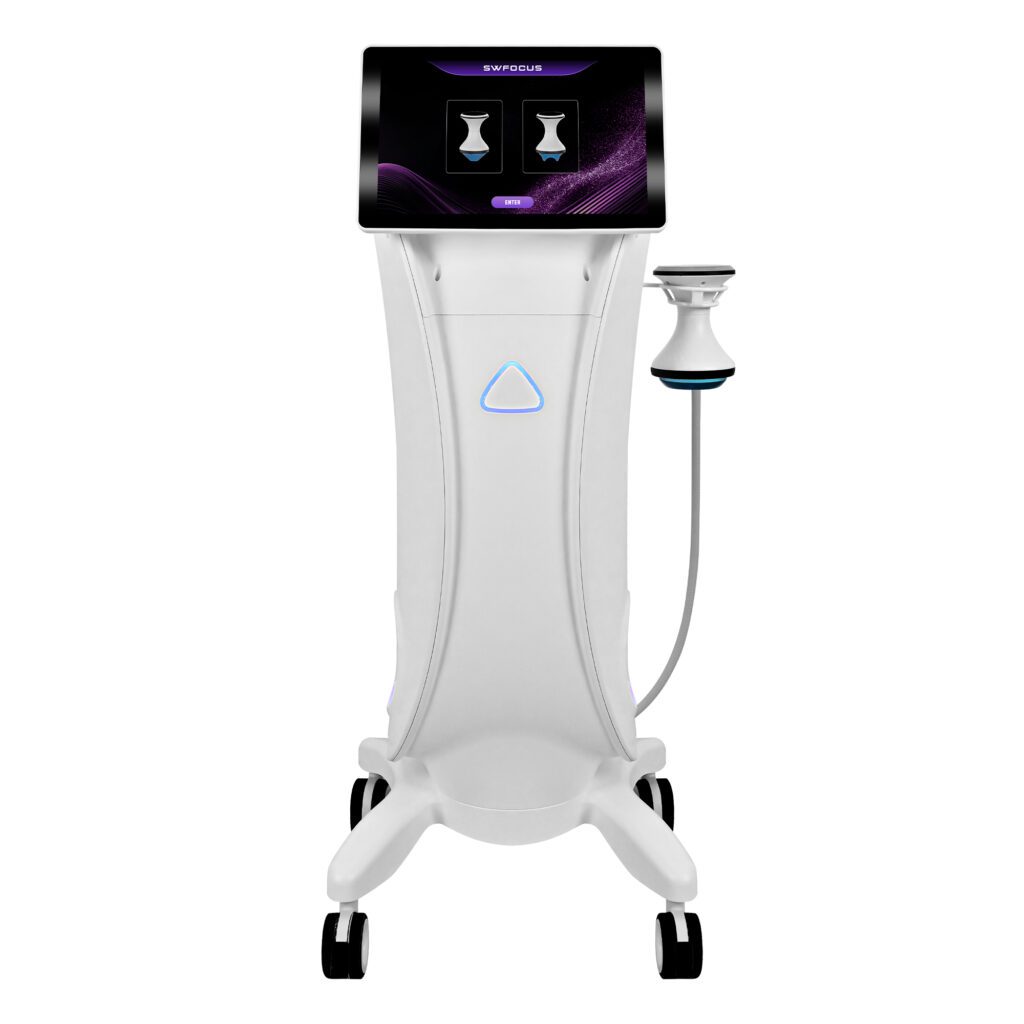
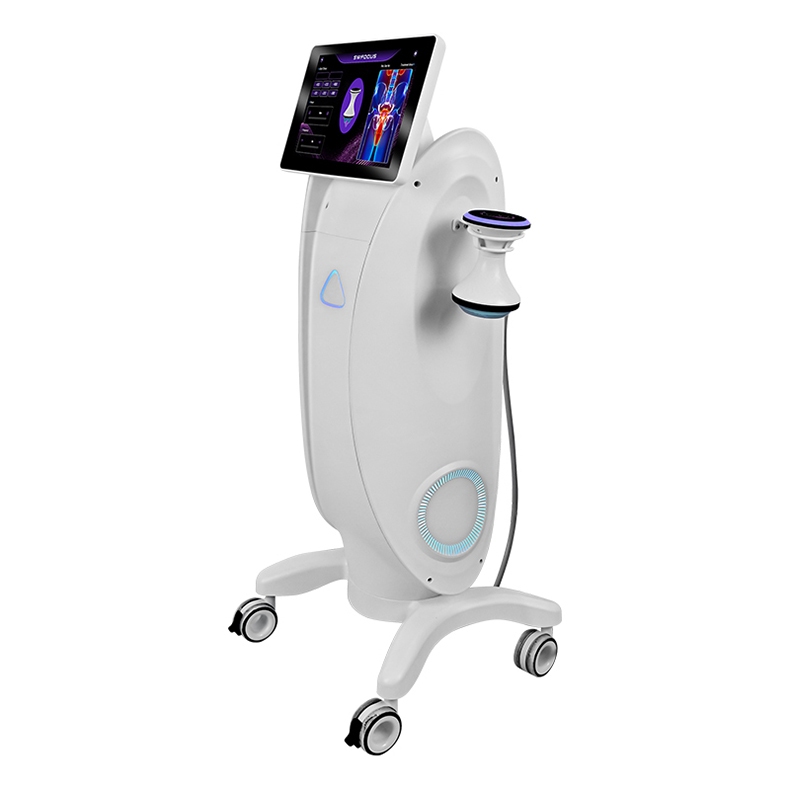
| Cura del corpo multifunzione | B0155 Desktop Endos Velapro | Multifunction | Selected mechanical and device-based body services |
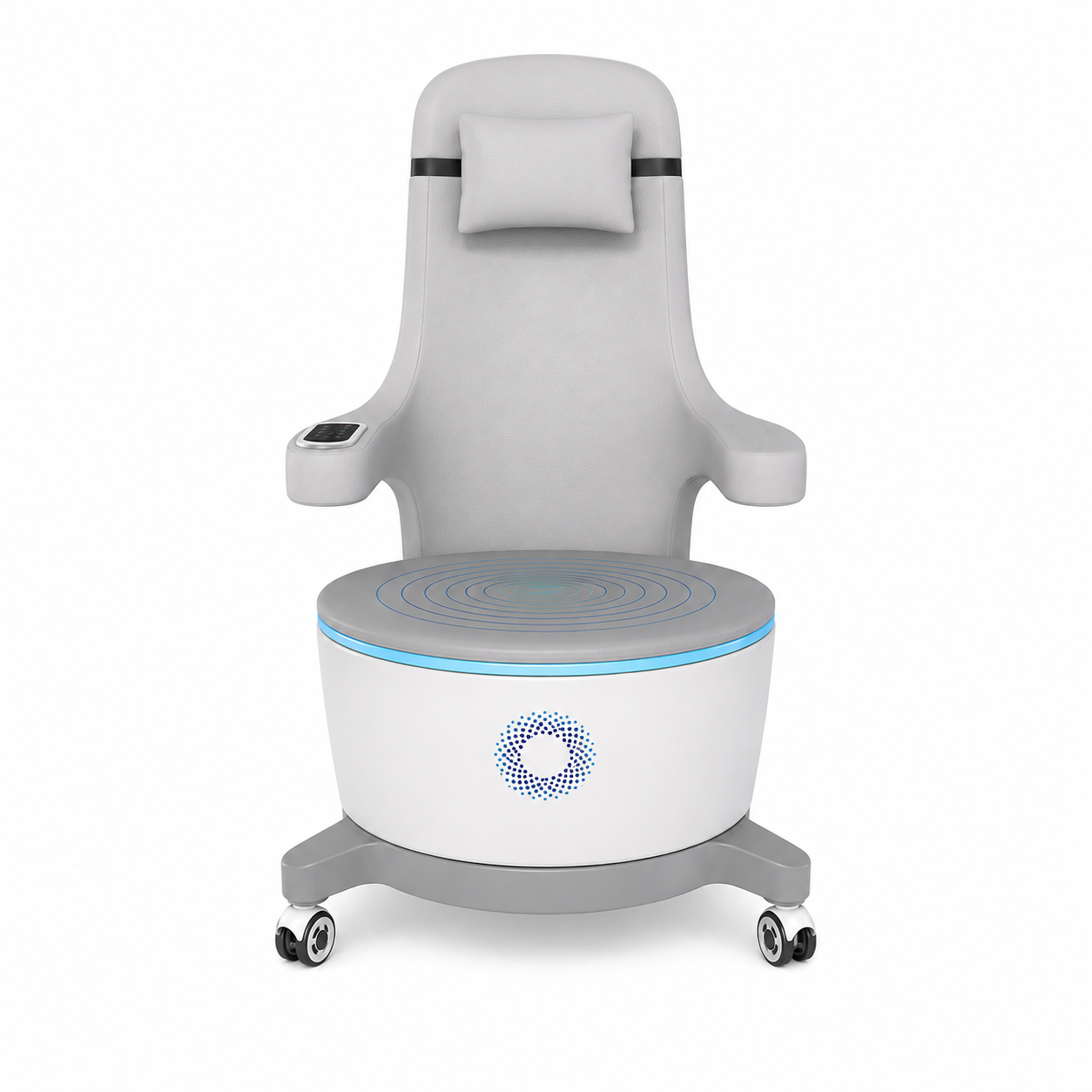
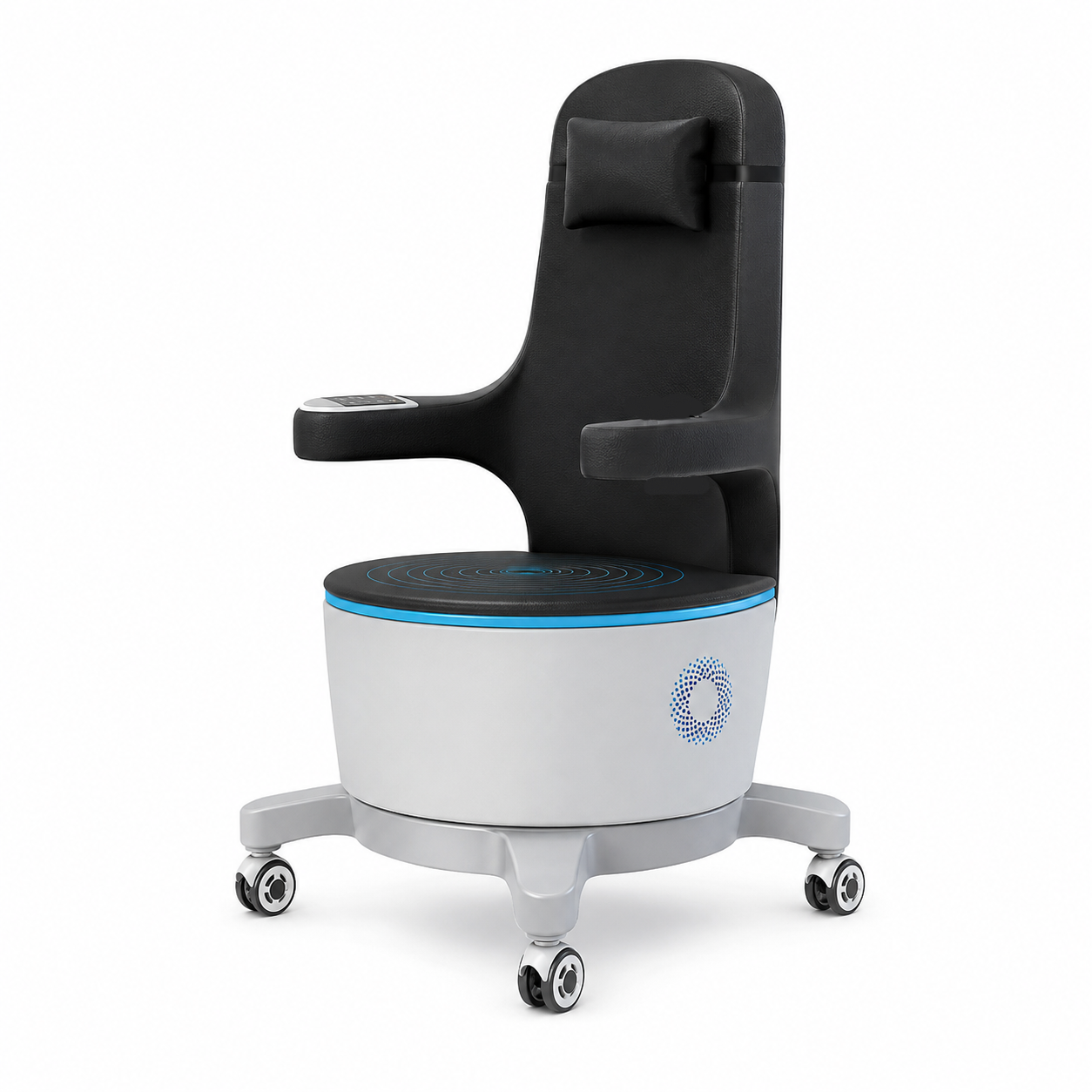
| Muscle-focused services | Piattaforma EMS/RF A0241 | Program | Separate muscle-stimulation service family |
| Advanced procedures | A0152 Microneedling a radiofrequenza | Advanced procedure | Professionally governed RF microneedling pathway |
This map provides allocation directions. It does not mean every center should buy all six models.
7. Allocate A0648 to Facial Maintenance
Il corrente A0648 listing presents a nine-function hydradermabrasion system and highlights cleansing, exfoliation, extraction, and hydration. That profile makes it a practical anchor for salons, skin clinics, and multi-service centers with regular facial demand.
Assign responsibility for:
- the approved facial menu rather than one public service per handle;
- compatible solutions, tips, filters, and replacements;
- fluid-path care, filling, emptying, inspection, and cleaning;
- trained operators and room turnover;
- maintenance, support, and documentation.
Do not allocate A0648 to every department because it is multifunction. Its primary owner should remain the facial-maintenance team.
8. Allocate A0272-F to a Separate Facial-Technology Category
IL A0272-F page describes facial electrical stimulation combined with RF. Its purpose differs from cleansing and hydration-oriented maintenance.
The facial-technology department should own:
- its specific consultation and suitability process;
- approved placement and accessory workflow;
- settings and operator records;
- contact materials and cleaning;
- service review and follow-up;
- accurate language that does not copy fixed prices, courses, universal-suitability claims, or guaranteed outcomes from promotional wording.
A0272-F may share a compatible facial room, but it should not share A0648’s menu identity or become a compulsory upgrade.
9. Allocate A0423 to Hair Reduction
IL A0423 page shows 755, 810, and 1064 nm configurations, an optional 940 nm option, several spot sizes, and multiple cooling elements. Confirm the exact delivered wavelength arrangement, handle, spot size, power, cooling, voltage, and included options in the commercial and acceptance documents.
The hair-reduction department should control:
- technology-specific assessment and treatment-area definition;
- authorized operators and room access;
- suitable protective eyewear;
- approved settings selection and traceable records;
- cooling and water-system checks;
- cleaning, maintenance, fault, and return-to-use decisions;
- aftercare, follow-up, and unexpected-response management.
Do not allocate the laser as a general facial or body add-on. Its department role and booking gate should remain visible even inside a larger center.
10. Allocate B0155 to Selected Body-Care Services
IL B0155 listing describes a larger body vacuum roller, a smaller face/arm/neck roller, rotating handles, RF-related functions, light, and 80K cavitation.
The body-care department should select one or two launch services and assign:
- the exact handle or function used;
- approved service areas and client-selection route;
- compatible contact materials;
- handle storage, cleaning status, and cable control;
- operator authorization and settings records;
- inspection, maintenance, and quarantine of damaged components.
Avoid allocating the smaller handle to the facial department merely because the page lists face or neck use. The center should first verify intended use, staff scope, room process, cleaning, menu differentiation, and local requirements. Avoid unsupported medical, rehabilitation, detoxification, pain-relief, lymphatic, metabolic, and weight-loss claims.
11. Allocate A0241 to Muscle-Focused Services
IL A0241 page presents electromagnetic muscle stimulation with RF and identifies body areas such as the abdomen, buttocks, arms, and thighs.
Use a separate department allocation for:
- Muscle Service Consultation;
- Sessione di allenamento focalizzata sui muscoli under approved instructions;
- Revisione del programma based on continued suitability and documented response.
The product page contains inconsistent handle or applicator descriptions. Require the quotation, packing list, manual, acceptance record, and training materials to agree on the delivered configuration.
Do not merge A0241 with B0155 under one generic slimming category. The technologies, goals, placement, records, and expectations differ. Avoid exercise-equivalent, fixed-course, universal-safety, and automatic weight-loss promises.
12. Allocate A0152 Only to an Advanced Procedure Department
Di SHEFMON A0152 listing specifies computerized depth adjustment, a 1–7 mm depth range with an additional thermal profile, four head types, and several available handle arrangements.
Allocation requires:
- qualified assessment and professional scope;
- exact handle and compatible-head configuration;
- controlled procedure hygiene;
- single-use inventory and lot tracking where applicable;
- sharps handling and disposal;
- consent, settings, area, photography, aftercare, and follow-up records where applicable;
- complication and escalation routes;
- secure stock, inspection, maintenance, and technical support.
Desktop size does not make A0152 a general shared device. Allocate it only after the center verifies intended use, device status, permitted areas, professional requirements, and local rules.
13. Assign a Primary Owner to Every Device
Primary ownership should include authority and accountability.
| Owner responsibility | Required action |
|---|---|
| Configurazione | Keep the current model, serial number, voltage, handles, applicators, tips, and options record |
| Accesso | Maintain the authorized-operator list and booking permissions |
| Stock | Control approved components, consumables, reorder points, and quarantined items |
| Qualità | Audit consultation, settings, cleaning, aftercare, follow-up, and incident records |
| Manutenzione | Schedule inspections, preventive service, parts, faults, and return-to-use approval |
| Prestazione | Review demand, utilization, capacity, downtime, cancellations, and service overlap |
| Change control | Approve menu, room, configuration, component, training, or workflow changes |
Shared devices still need one primary owner. “Everyone uses it” is not an ownership model.
14. Create a Written Shared-Use Agreement
When two departments use one device, document:
- primary owner and secondary department;
- approved services and locations;
- booking priority and conflict resolution;
- authorized operators by service;
- setup, shutdown, movement, and pre-use checks;
- which stock belongs to each workflow;
- cleaning and room changeover;
- settings and treatment-record separation;
- fault reporting, quarantine, service, and return-to-use authority;
- cost allocation for consumables, maintenance, and repairs;
- utilization and quality review date.
Do not share a device solely because its handle can reach more than one body area. Sharing must preserve service clarity and traceability.
15. Allocate Staff Capacity with the Equipment
A department does not gain capacity when it receives a device without authorized staff hours.
Calcolare:
- qualified and authorized operators per model;
- operator availability during actual demand periods;
- consultation, preparation, service, documentation, cleaning, and follow-up time;
- supervision or professional approval where applicable;
- training refreshers and competency reassessment;
- holiday, absence, and staff-turnover coverage;
- time required for stock, cleaning, maintenance, and audits.
If one specialist supports three devices, staff capacity may be the bottleneck. Buying a second console will not solve it.
16. Allocate Rooms by Workflow Compatibility
This is not a room-design article, but department allocation must respect the physical environment.
| Department | Room priority |
|---|---|
| Manutenzione del viso | Solution and tip workflow, fluid-path care, cleaning, facial access, and efficient turnover |
| Facial technology | Accessory placement, cable control, privacy, contact materials, and settings records |
| Riduzione dei peli | Controlled access, eyewear, verified utilities, cooling and water checks, maintenance, and event response |
| Cura del corpo multifunzione | Bed access, multiple-handle storage, contact materials, cleaning, privacy, and longer movement paths |
| Muscle services | Applicator storage, placement space, verified utilities, observation, and authorization |
| Advanced procedures | Professional scope, procedure hygiene, single-use stock, sharps, records, aftercare, and escalation |
A room may serve more than one department only when the complete changeover and each technology’s controls remain suitable.
17. Allocate Consumables and Components by Model
Use central purchasing with model-specific stock identities. Track:
- approved tips, heads, handles, applicators, cartridges, filters, and accessories;
- compatible solutions and contact products;
- protective items and eyewear;
- single-use items and lot information where relevant;
- cleaning and maintenance supplies;
- reorder levels, lead times, issued department, and storage location;
- damaged, expired, returned, or quarantined stock.
Do not allow departments to substitute similar-looking items. If a component or contact product cannot be traced to the delivered device and approved workflow, quarantine it until verified.
18. Allocate Budget to Complete Pathways
The equipment price is only one budget line. Department allocation should include:
- delivered base configuration;
- optional components chosen for the actual menu;
- shipping, delivery, installation, and acceptance;
- room or utility work;
- training, competency, and supervision;
- consumables and opening stock;
- replacement tips, heads, applicators, filters, wear parts, and protective items;
- cleaning, waste, sharps, or laundry requirements as applicable;
- maintenance, warranty, technical support, and downtime planning;
- documentation, photography, booking, and record-system changes;
- marketing and staff communication based on approved language.
A less expensive console is not a lower-cost allocation if the department cannot support its full operating pathway.
19. Use a Core, Growth, and Advanced Allocation Model
| Portfolio level | Department allocation | Representative direction |
|---|---|---|
| Nucleo | One high-use maintenance department plus one proven specialist category | A0648 + selected A0423, B0155, or A0272-F |
| Crescita | Facial maintenance, facial technology, hair reduction, and one body category | A0648 + A0272-F + A0423 + B0155 or A0241 |
| Avanzato | Core and growth departments plus one separately governed advanced procedure pathway | Growth portfolio + A0152 |
The levels describe operating maturity. They are not automatic bundles. A hair-removal-led business may allocate A0423 before A0648, and a body center may prioritize B0155 or A0241.
20. Adjust Allocation by Business Type
Salone di bellezza
Allocate A0648 first when routine cleansing and hydration-oriented services drive demand. Add A0272-F when facial technology has a separate client goal, consultation route, and operator capacity.
Multi-service aesthetic center
Use A0648 as a facial anchor, A0423 for hair reduction, and B0155 or A0241 for one clearly defined body category. Add another department only after the shared intake, referrals, records, inventory, and maintenance structure work reliably.
Skin clinic or med spa
Separate maintenance, facial technology, laser, body, and advanced procedures according to professional scope and local requirements. A0152 should remain within the clinic’s higher-governance pathway.
Centro di rimodellamento corporeo
Choose B0155 for multifunction body care or A0241 for muscle-focused services. If both are allocated, give each one its own client goal, assessment, service names, components, settings records, and review process.
Distributor demonstration portfolio
Allocate demonstration devices by buyer type and service category. A demonstration asset should have a current configuration record, approved functions, trained presenter, cleaning process, components, transport checks, and follow-up path to the appropriate buyer solution.
21. Diagnose an Underused Device Before Reallocating It
Underuse can mean several things:
- the service role is unclear;
- the menu duplicates another department;
- reception routes enquiries incorrectly;
- operators are unavailable at the times clients ask for service;
- assessment or booking is too difficult;
- the room or setup creates long changeovers;
- components, consumables, or maintenance limit availability;
- the device is unreliable;
- demand was overestimated;
- the category no longer fits the business.
Fix the relevant cause before moving the device. Reallocation without diagnosis may transfer the problem to another department.
22. Use Clear Reallocation Triggers
Review allocation when:
- utilization remains low after a defined launch and improvement period;
- the service no longer has a distinct client goal;
- authorized staff coverage changes;
- a room or facility requirement cannot be maintained;
- repeated stock or component conflicts occur;
- downtime makes the service unreliable;
- one department has sustained unmet demand while another rarely uses the asset;
- the delivered configuration does not match the department’s approved menu;
- professional or local requirements change;
- a replacement device changes the most appropriate ownership model.
Possible decisions include keep, narrow, share, move, duplicate, replace, pause, or retire. Document the reason and complete change control before the device is used under a new workflow.
23. Measure Allocation Performance
| Misura | What it reveals |
|---|---|
| Qualified demand by department | Whether the device matches a real client goal |
| Consultation-to-approved-service flow | Whether routing and suitability decisions are working |
| Complete utilization | Whether setup, records, cleaning, and reset are included in capacity |
| Authorized operator coverage | Whether staffing limits access |
| Repeat and review completion | Whether the department owns the client pathway |
| Stock-out and component error rate | Whether operating inputs are allocated correctly |
| Downtime and repeated faults | Whether support or replacement needs review |
| Complaints and unexpected responses | Whether quality controls require action |
| Referral loss | Whether clients disappear between departments |
| Waiting time for appropriate clients | Whether duplication or schedule change may be justified |
Do not use revenue alone. A department can appear financially active while documentation, maintenance, or authorization remains weak.
24. Run a Quarterly Allocation Review
For every device, ask:
- Does the primary department still match the client goal?
- Is the service different from adjacent menu categories?
- Is the exact configuration current and traceable?
- Are authorized operators available when demand occurs?
- Are room, stock, cleaning, records, aftercare, and support working?
- Is utilization low, appropriate, or constrained?
- Are declines, complaints, unexpected responses, faults, or downtime changing the decision?
- Should the device be kept, narrowed, shared, moved, duplicated, replaced, paused, or retired?
Record the decision, owner, actions, deadline, and next review date.
25. How Distributors Should Support Department Allocation
Ask buyers for:
- business type and client groups;
- current departments, devices, configurations, and service menus;
- qualified demand and capacity gaps;
- rooms and utilities;
- staff qualifications and authorized hours;
- consumable, replacement, maintenance, warranty, and support needs;
- local market and professional constraints;
- launch sequence and budget level.
Present a department-based proposal that states:
- recommended model and exact base configuration;
- optional components listed separately;
- primary department and menu role;
- staff, room, consumable, record, and support inputs;
- whether the device is an anchor, specialist, multifunction, program, or advanced asset;
- which facts need local verification;
- what evidence should trigger the next purchase.
This is more useful than assigning every department the largest package available.
26. Allocation Mistakes to Avoid
- Giving one device several primary owners.
- Allocating equipment according to room vacancies instead of demand and workflow.
- Using the same service name across facial, body, and advanced departments.
- Treating every multifunction handle as a separate sellable service.
- Moving A0423 into general rooms without a controlled laser workflow.
- Merging B0155 and A0241 under one generic slimming category.
- Allocating A0152 to a routine facial team because the console is desktop-sized.
- Buying a duplicate when staff availability is the real constraint.
- Sharing tips, heads, contact products, or cleaning processes across models without verification.
- Budgeting for the console while omitting stock, training, room, records, maintenance, and downtime.
- Reallocating an underused device without diagnosing why it is underused.
- Measuring only sales and ignoring declines, faults, quality, and follow-up.
27. Beauty Device Allocation Checklist
Before approving an allocation, confirm that:
- the request is a service, capacity, or replacement gap;
- the device has passed minimum staff, room, governance, and support conditions;
- one primary department and owner are named;
- the client goal and approved menu role are clear;
- the exact delivered configuration is documented;
- standard and optional components are separated;
- authorized staff hours match expected demand;
- room and utility conditions support the workflow;
- consumables, components, replacements, and reorder routes are controlled;
- cleaning, maintenance, faults, and return-to-use decisions have owners;
- booking, records, aftercare, follow-up, and escalation are ready;
- a shared-use agreement exists where needed;
- the full operating budget has been approved;
- performance measures and a review date are set;
- reallocation or retirement criteria are documented.
Domande frequenti
1. What is the first step in allocating beauty devices across departments?
Audit the existing portfolio and separate service, capacity, and replacement gaps. Record devices, configurations, demand, operators, rooms, stock, maintenance, quality, and support before considering new purchases.
2. Which department should own A0648?
Facial maintenance is the clearest primary allocation because the platform supports cleansing, exfoliation, extraction, and hydration-oriented services. Other uses should not blur ownership or the approved facial menu.
3. Should A0272-F be allocated to the same department as A0648?
It may sit within a broader facial division, but it should have a separate facial-technology pathway with its own assessment, placement, accessories, settings, cleaning, and follow-up.
4. Can A0423 be shared by facial and body departments?
Hair reduction should remain its own specialist department allocation. Treatment areas may vary, but the consultation, operator authorization, room controls, settings, cooling checks, aftercare, and records should stay within the hair-reduction pathway.
5. How should a center choose between B0155 and A0241?
Choose B0155 for selected multifunction body care and A0241 for a muscle-focused category. Compare client goals, demand, operator capability, room fit, delivered configuration, components, appointment flow, and support.
6. Can one beauty device have two department owners?
It should have one primary accountable owner. A secondary department may use it under a written shared-use agreement that defines services, booking priority, operators, stock, cleaning, faults, costs, and review.
7. When should a center duplicate a device?
Duplicate only after proving sustained qualified demand, complete utilization, operator coverage, waiting time, and lost appropriate bookings. First confirm that consultation, staffing, room reset, or downtime is not the real bottleneck.
8. When should a device be moved to another department?
Consider reallocation when the current role remains underused, demand has shifted, staff or room conditions have changed, or another department has a stronger verified need. Diagnose the cause and complete change control before use.
9. Is A0152 suitable for a general facial department?
Its desktop format does not make it a routine facial asset. RF microneedling requires appropriate professional scope, procedure hygiene, compatible heads, single-use controls, sharps, records, aftercare, and escalation.
10. What should a buyer send SHEFMON for an allocation recommendation?
Send current departments and devices, service gaps, demand, rooms, staff qualifications, country, preferred configurations, consumable and support needs, budget level, and staged expansion plan.
Conclusione
Beauty device allocation works when every model has a clear department, service purpose, accountable owner, authorized team, controlled stock, and measurable capacity. A0648 can anchor facial maintenance, A0272-F can support facial technology, A0423 can define hair reduction, B0155 can serve selected multifunction body care, and A0241 can support a separate muscle-focused pathway. A0152 belongs in an advanced procedure department with higher governance.
Use a common scorecard, fund complete operating pathways, and review evidence before sharing, moving, duplicating, replacing, or retiring equipment. This keeps the portfolio aligned with real demand and prevents devices from becoming unowned assets or overlapping menu items.
Explore the current Gamma di dispositivi di bellezza SHEFMON O contattare SHEFMON with your departments, current equipment, service gaps, staff profile, rooms, and budget priorities.