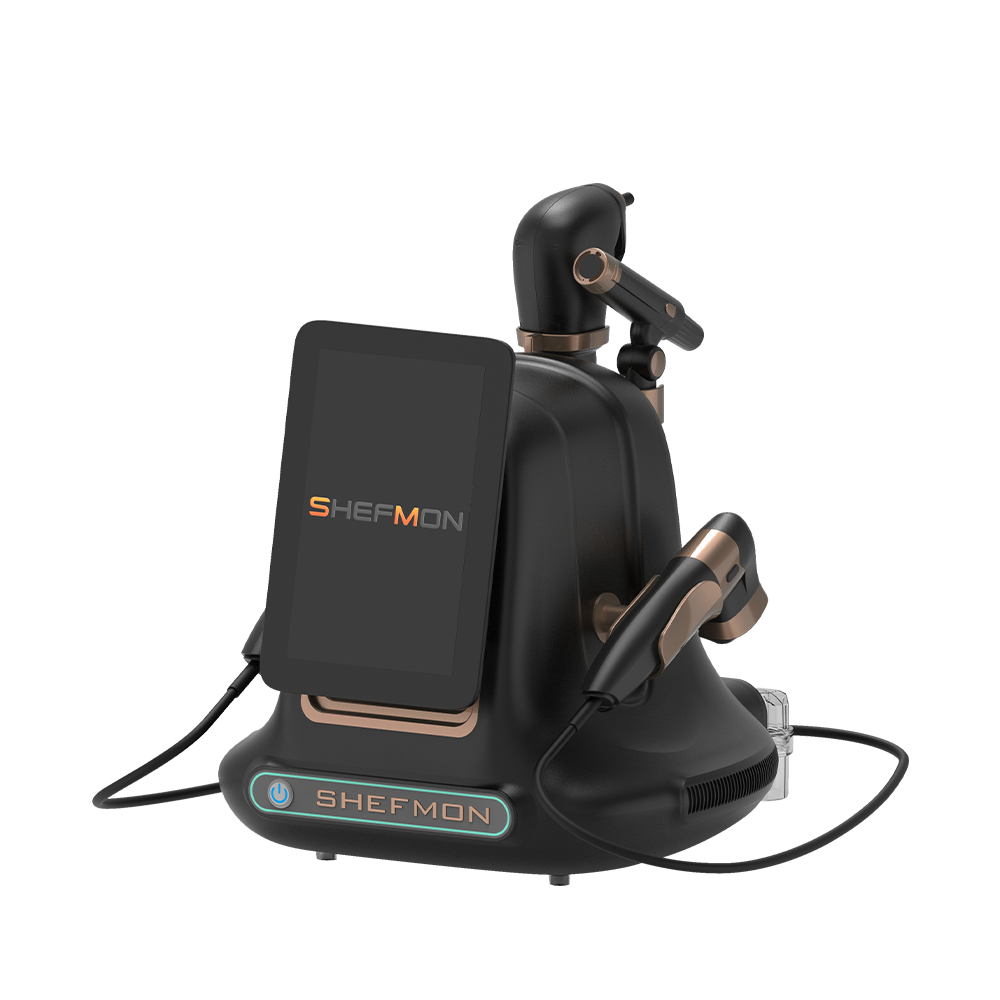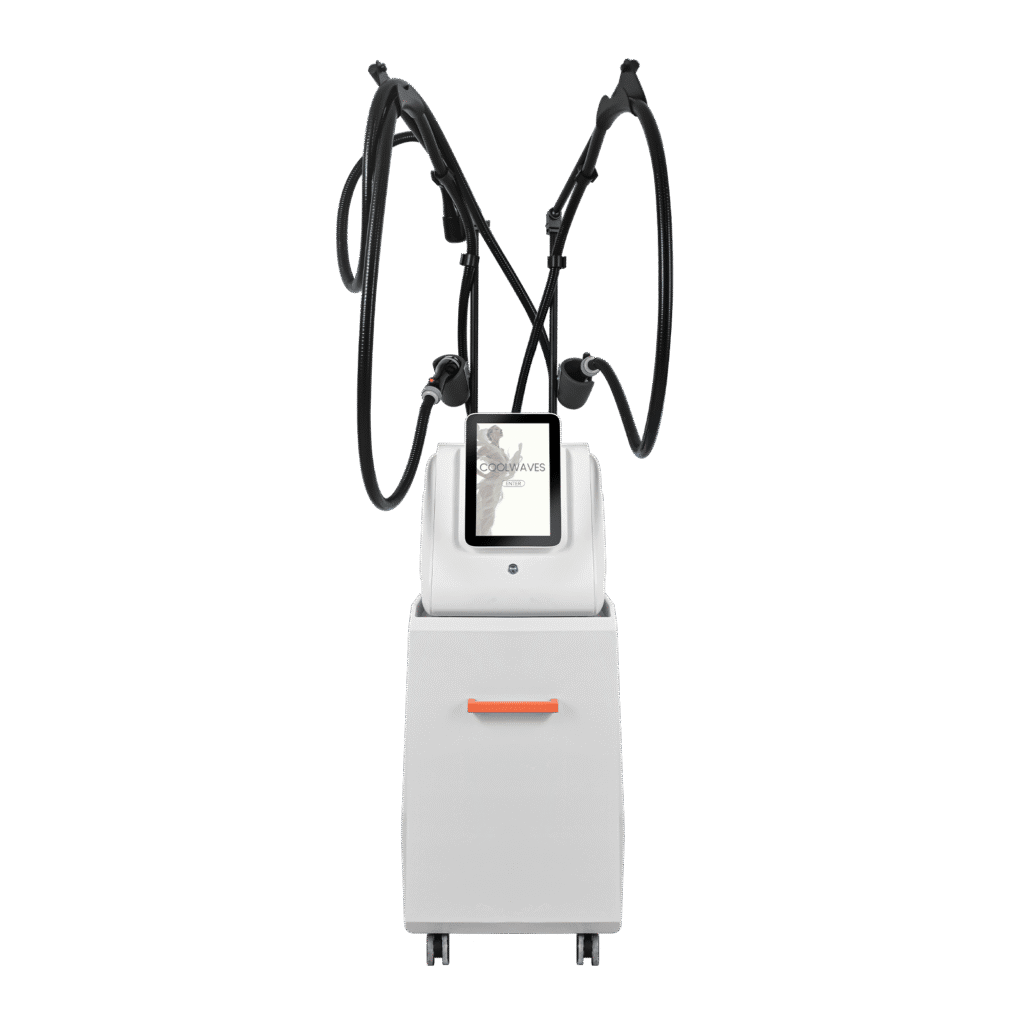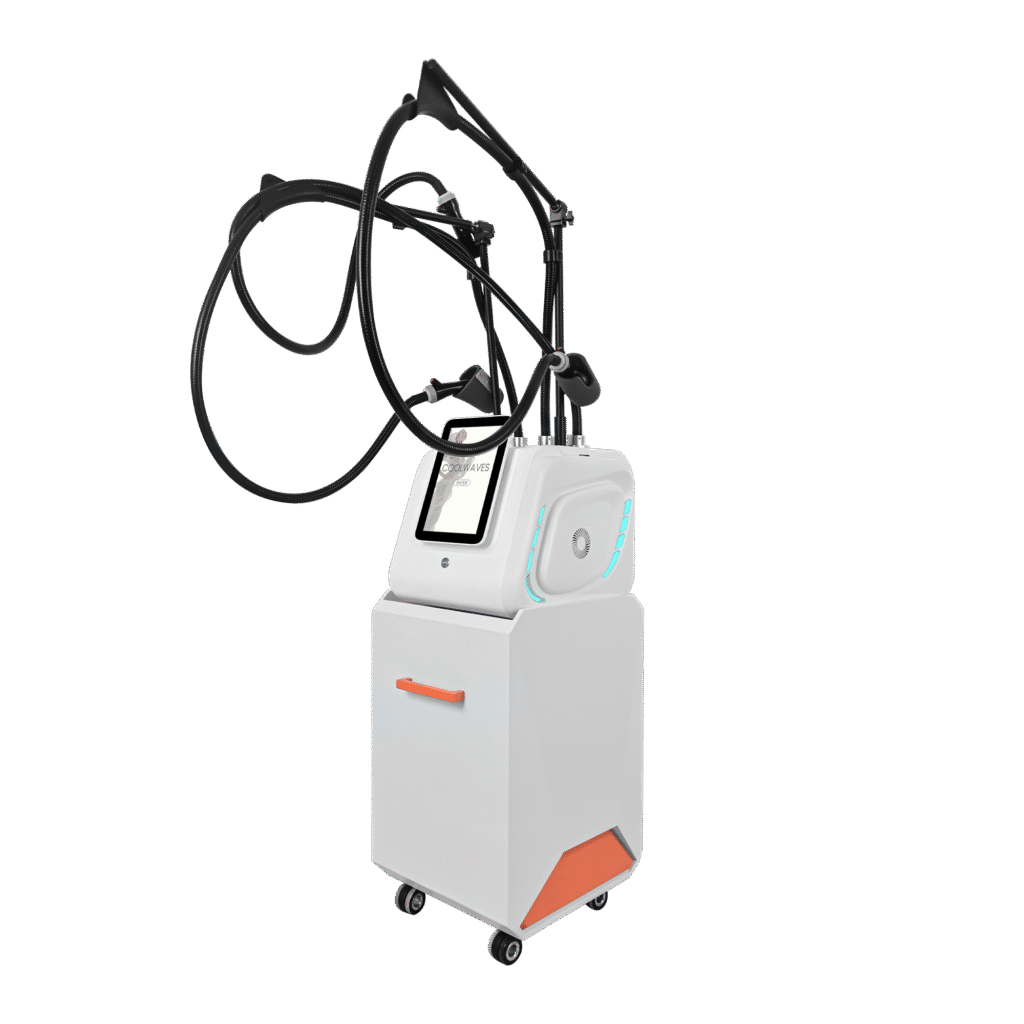








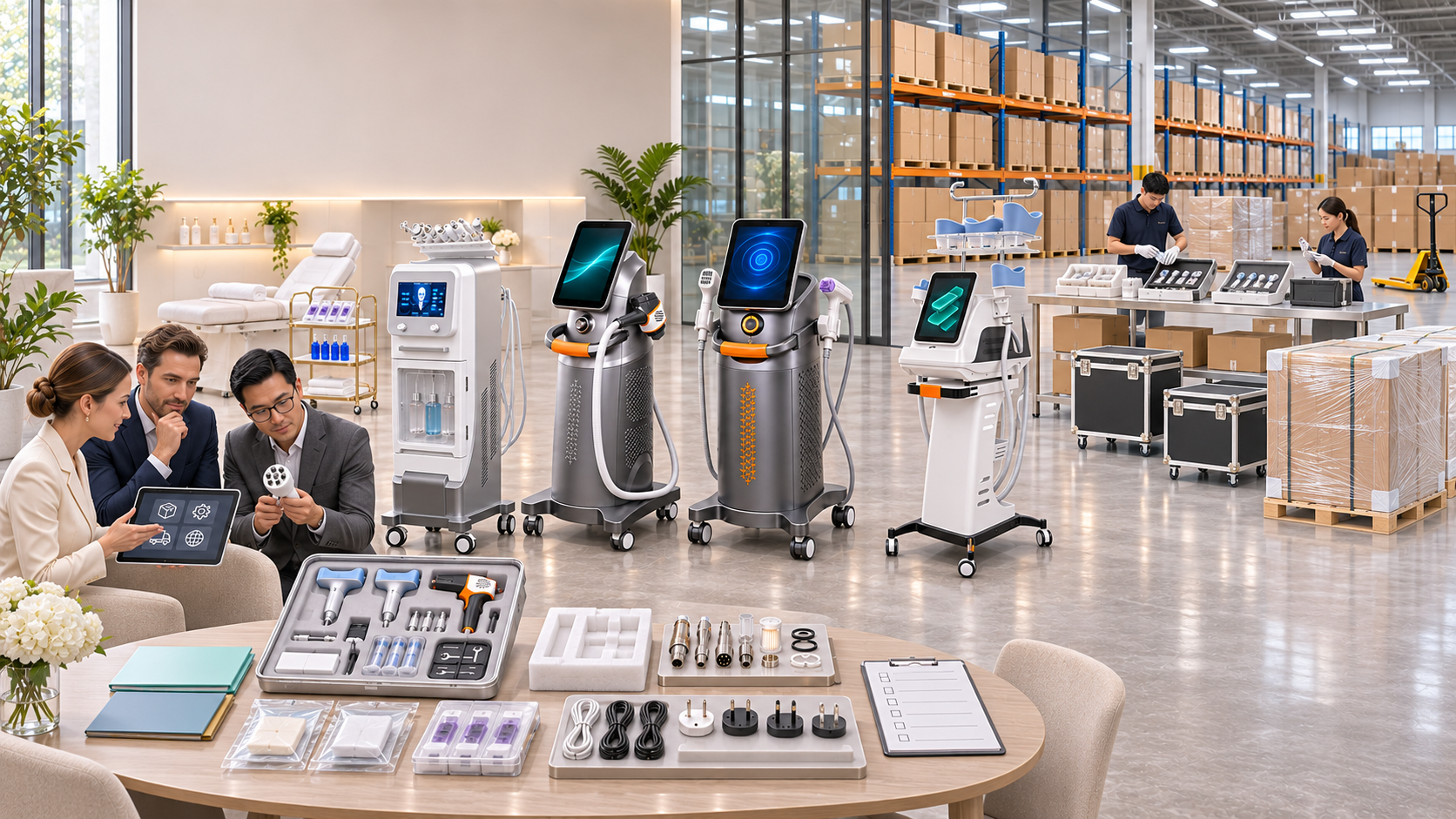
Choosing a beauty equipment wholesale supplier is a supply-chain decision, not simply a search for the lowest unit price. A distributor needs products that can be explained, demonstrated, supported and reordered. An importer also needs consistent model data, commercial documents, compliant labeling, suitable packaging and clear responsibility for customs and market access.
SHEFMON presents itself as a professional beauty machine manufacturer established in 2014, with a broad equipment portfolio and OEM/ODM support. For wholesale buyers, that combination can support anything from a focused starter range to a private-label catalog. The buyer still needs to verify every model, configuration, document and service term before committing to stock.
This guide explains how distributors and importers can evaluate SHEFMON as a beauty equipment wholesale supplier, choose product categories, control bulk-order configurations, plan OEM projects, prepare import documentation and build a workable after-sales system.
Sintesi
- Wholesale fit: SHEFMON supplies professional beauty equipment across facial care, HIFU, laser, RF microneedling, hair removal, cryolipolysis, EMS, body care, women’s wellness and recovery-related categories.
- Distributor priority: Build a focused catalog with clearly different product roles, reliable demo units, sales training and local service capacity.
- Importer priority: Confirm the legal manufacturer, intended use, classification, model-specific documentation, labels, manuals, tariff classification, shipping terms and destination-market requirements before shipment.
- Supporto OEM/ODM: SHEFMON’s current pages describe exterior, mechanical, interface, language, packaging, prototype and selected engineering customization.
- Configuration control: Approve a sample or golden unit, specification sheet, packing list, software version and label artwork before bulk production.
- Quality control: The supplier’s public pages describe raw-material inspection, circuit-board aging and power testing, burn-in and multiple finished-machine inspections. Wholesale buyers should add their own model-specific acceptance checklist and pre-shipment evidence.
- Commercial terms: MOQ, unit price, production time, warranty and logistics should be quoted per model and order. Do not assume one website statement applies to every configuration.
- Long-term value: Spare parts, training, complaint handling, change notification and repeat-order consistency often matter more than a small initial price difference.
1. What Is a Beauty Equipment Wholesale Supplier?
A beauty equipment wholesale supplier sells professional devices to businesses that resell, import, install or operate them at scale. Customers may include national distributors, regional dealers, e-commerce sellers, salon groups, clinic chains, training academies, rental companies and private-label brands.
The supplier relationship can take several forms:
| Supply model | What the buyer receives | Migliore vestibilità |
|---|---|---|
| Standard wholesale | Existing models with standard branding and configuration | New distributors validating demand or buyers needing fast model selection |
| Configured wholesale | Existing model with selected voltage, plug, language, accessories or option package | Importers serving a defined local customer profile |
| Private label / OEM | Existing platform with buyer logo, labels, packaging, interface or approved configuration | Distributors building their own brand and channel differentiation |
| Sviluppo ODM | Deeper exterior, mechanical, interface, handpiece or functional development | Established brands with technical requirements, budget and validation capacity |
| Supply-to-order | Equipment ordered after the distributor closes a customer sale | Specialized or higher-cost models with uncertain stock velocity |
| Stock program | Standardized models held for faster local delivery | Proven categories with repeat demand and reliable local service |
A factory can be a wholesale supplier, but the terms are not identical. “Manufacturer” describes the production role. “Wholesale supplier” describes how products, prices, quantities, logistics and support are delivered to business buyers. A good partner must perform both roles consistently.
2. Why Distributors and Importers Need Different Support
The same company may act as both distributor and importer, but the responsibilities are different.
The distributor’s commercial role
A distributor turns equipment into a local offer. Its work may include lead generation, demonstrations, quotations, installation, operator orientation, warranty coordination, consumable supply and customer support. It needs products that are easy to position and a supplier that can provide stable configurations, training and spare parts.
The importer’s supply-chain role
An importer brings goods into a market and may have legal duties that extend beyond paying freight and customs charges. Depending on product classification and jurisdiction, the importer may need to verify conformity, registration, labeling, instructions, traceability, complaint forwarding and incident reporting.
Ad esempio, il U.S. FDA explains that medical devices and radiation-emitting electronic products offered for import must meet applicable U.S. requirements; initial importers of medical devices may have registration, reporting and record responsibilities. In the European Union, MDR Articles 13 and 14 assign distinct verification and traceability duties to importers and distributors for products that fall within the regulation. These examples do not mean every beauty machine is regulated identically. The intended use, claims, technology and destination market determine the applicable route.
The manufacturer should provide accurate product information and documents. The importer or distributor must still obtain competent regulatory and customs advice for its own market.
3. SHEFMON Wholesale Product Categories
SHEFMON’s current beauty equipment portfolio covers a wide range of professional categories. Wholesale buyers should select categories by end-customer demand and support capability rather than listing every available machine.
| Categoria | Representative SHEFMON example | Typical wholesale customer | Main sourcing questions |
|---|---|---|---|
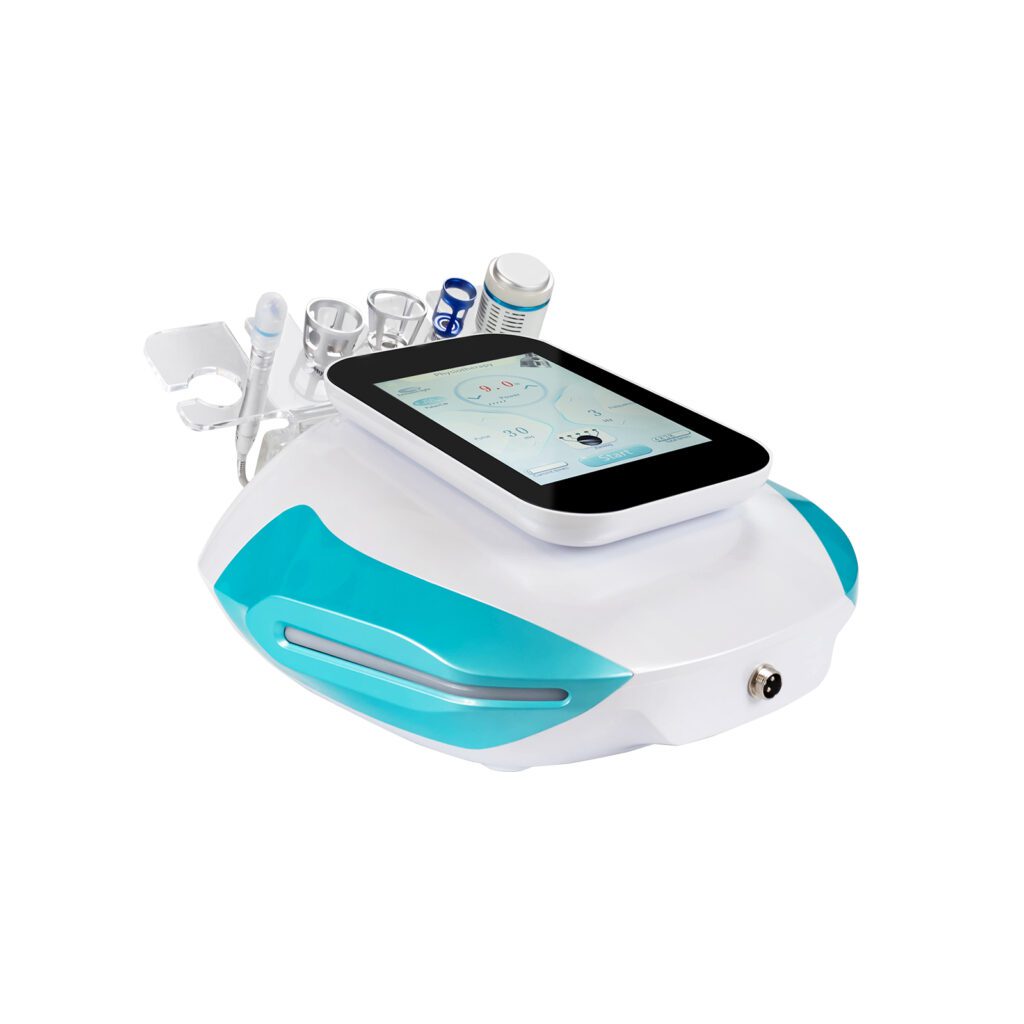
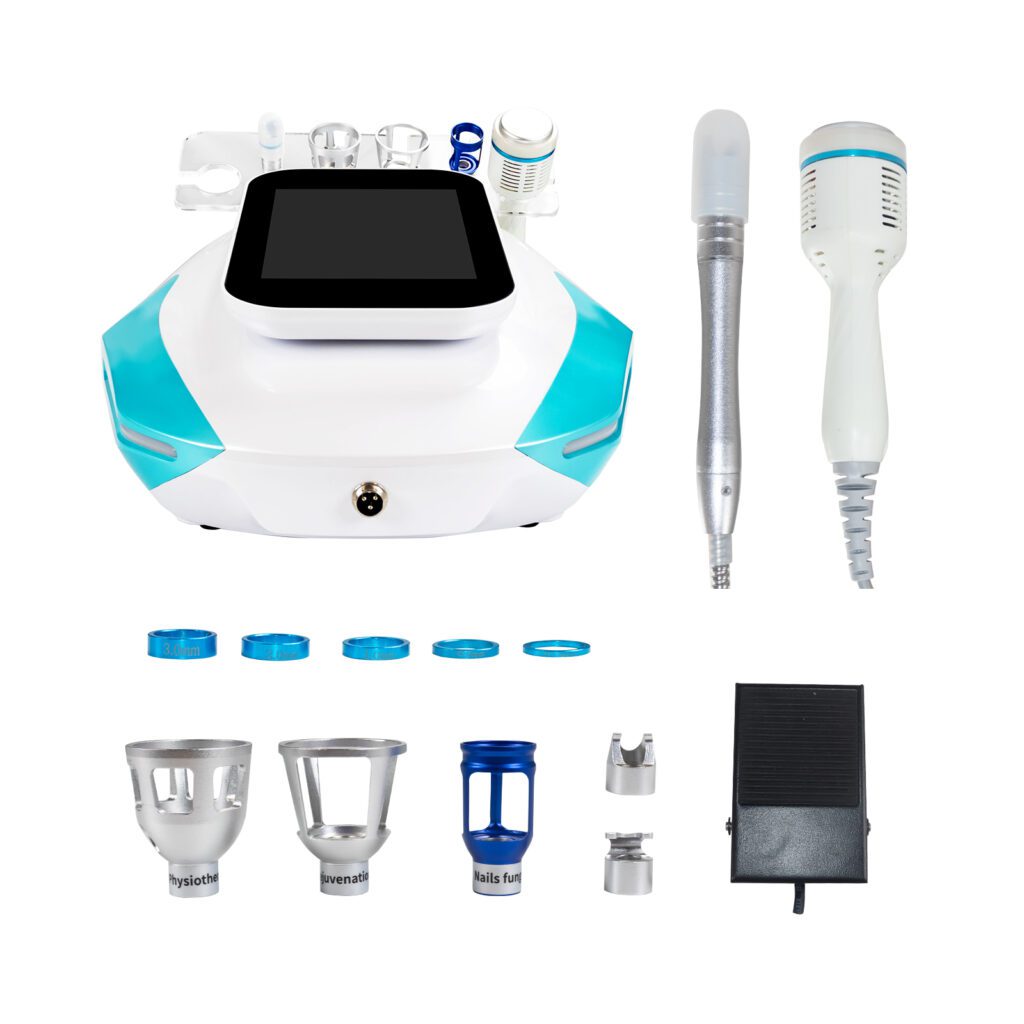
| Hydro facial and facial care | A0648 9-in-1 Hydro Facial Machine | Facial salons, spas, skin-management studios | Handpieces, solution path, tips, filters, cleaning and consumables |
| HIFU | A0203, A0204, A0205 | Med spas and appropriately qualified aesthetic businesses | Handles, cartridges, depths, shots, intended use and local scope |
| Microneedling RF | A0157 MNRF Profondità 8 | Skin clinics and advanced aesthetics providers | Sterile tips, depth/RF control, traceability and professional authorization |
| Epilazione laser a diodo | A0423 multi-wavelength diode laser | Hair-removal studios, clinics and laser-focused dealers | Wavelengths, output, spot size, cooling, eyewear, service and model documents |
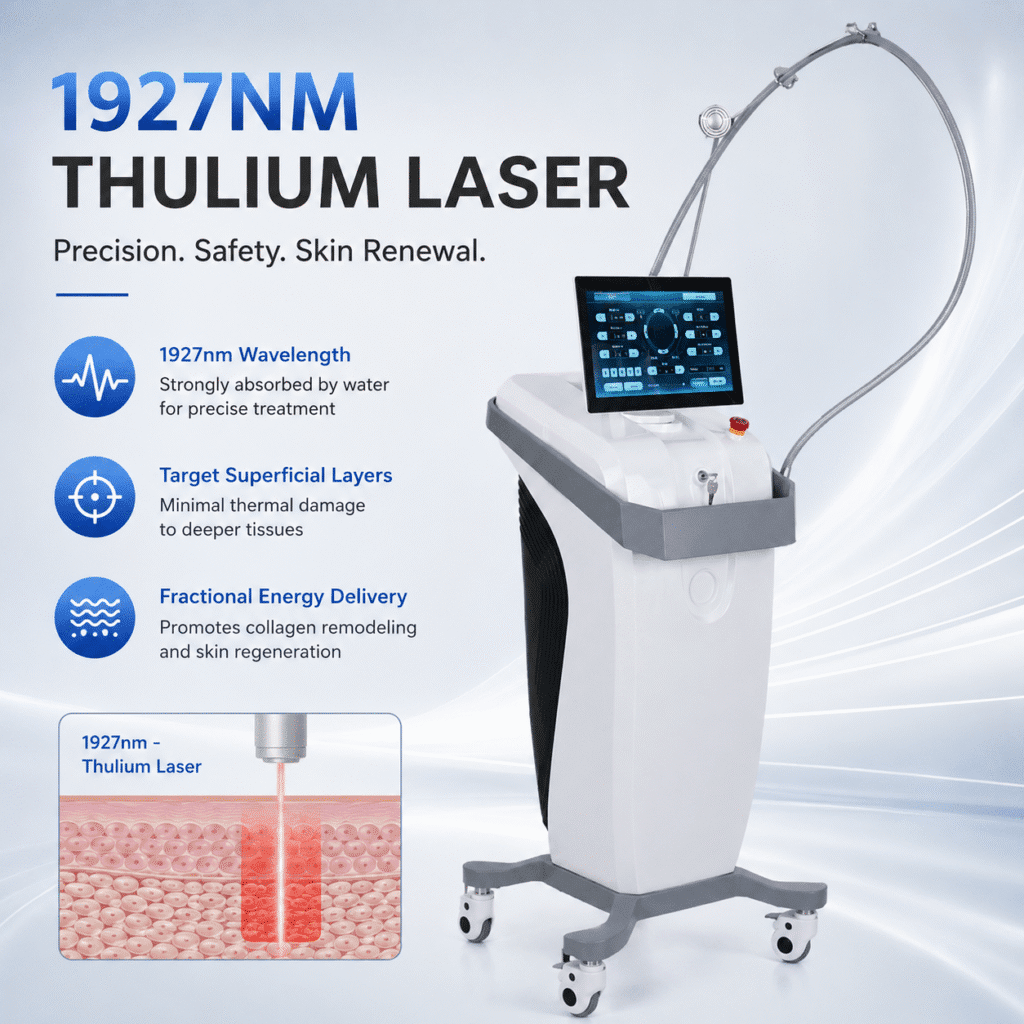
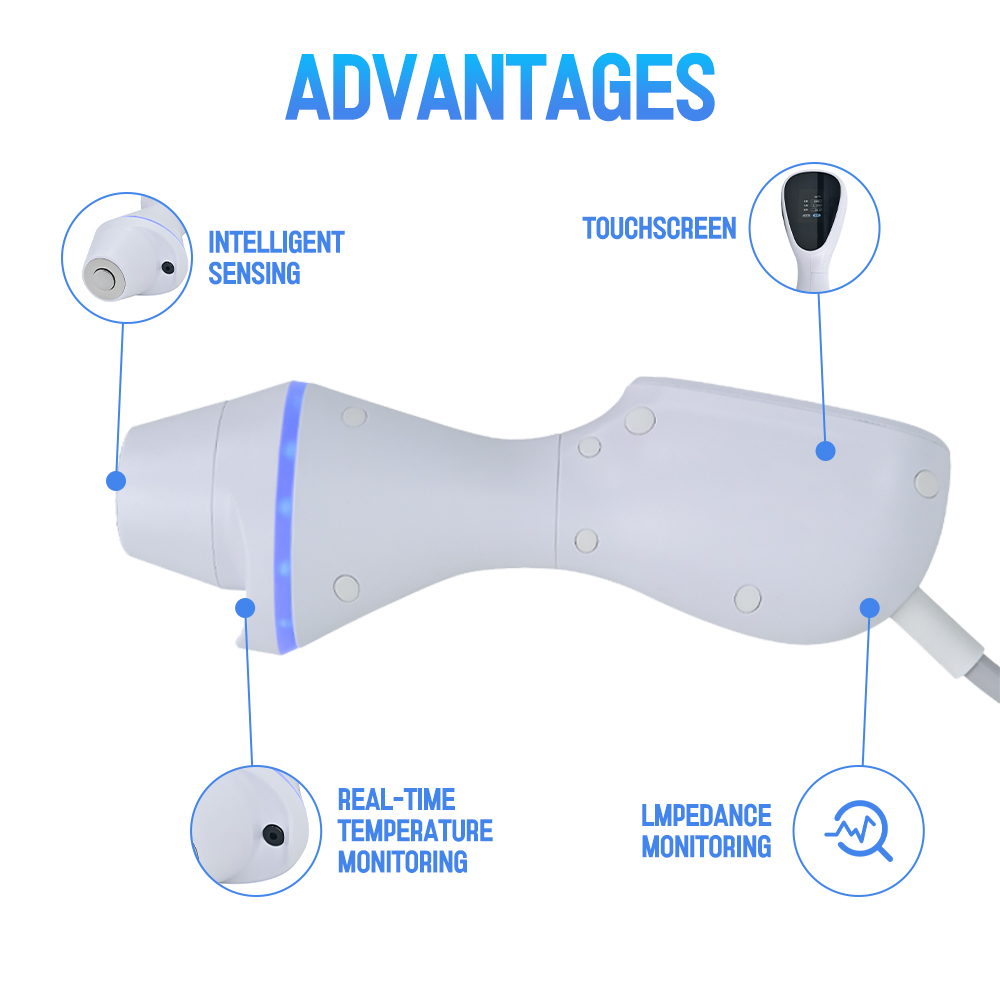
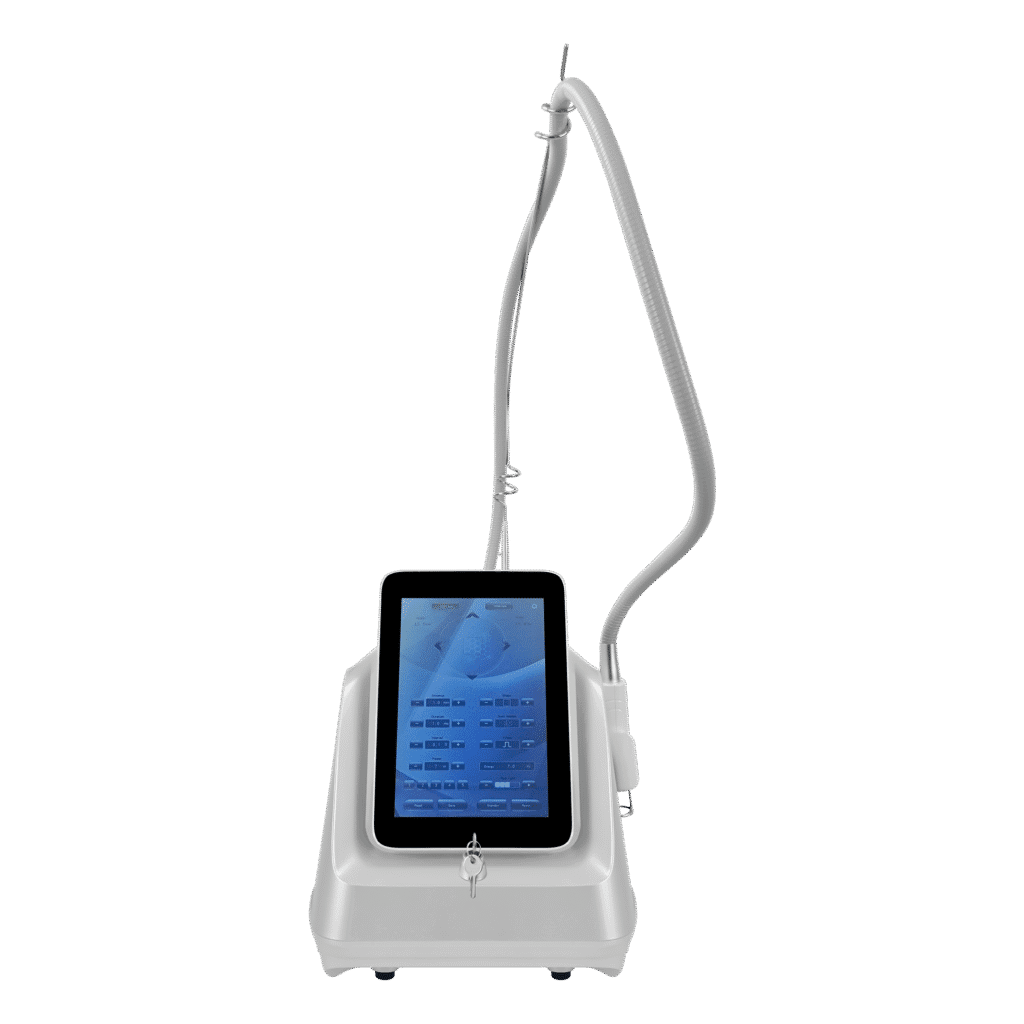
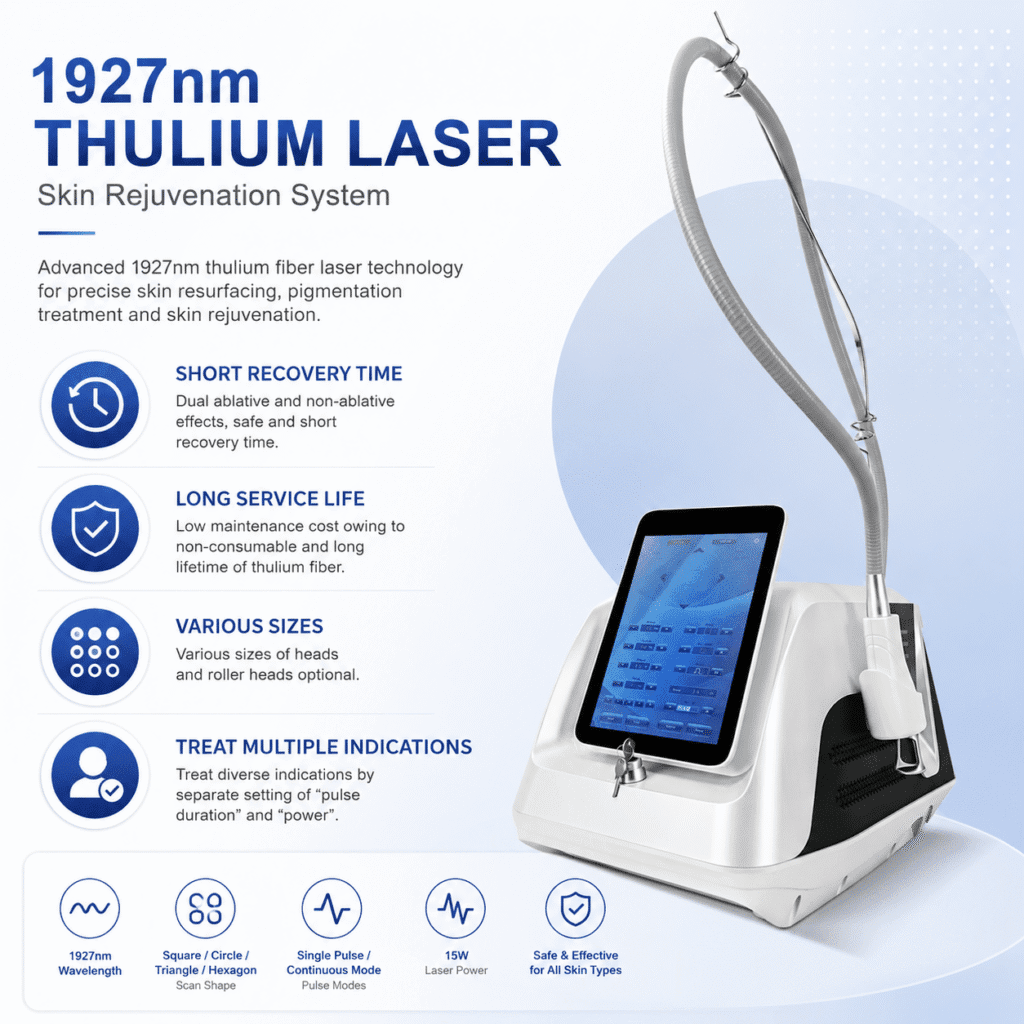
| Tattoo and aesthetic lasers | A0507 picosecond-category laser, A0529 CO2, A0531/A0532 thulium | Laser clinics and specialist distributors | Actual pulse/wavelength data, safety package, operator scope and market status |
| Criolipolisi | S9 360-degree cryolipolysis, S10, S25, S26 | Body-contouring studios and med spas | Applicators, membranes, cooling controls, screening, parts and maintenance |
| EMS and body sculpting | A0240 EMSlim, A0241, A0272 | Centri benessere e studi di bellezza | Handle count, functions, cooling, installation and claim boundaries |
| Roller and multifunction body care | B0155 Desktop Endos Velapro, B0154, B0158 | Salons, spas and body-care centers | Included heads, suits/consumables, cleaning and replacement parts |
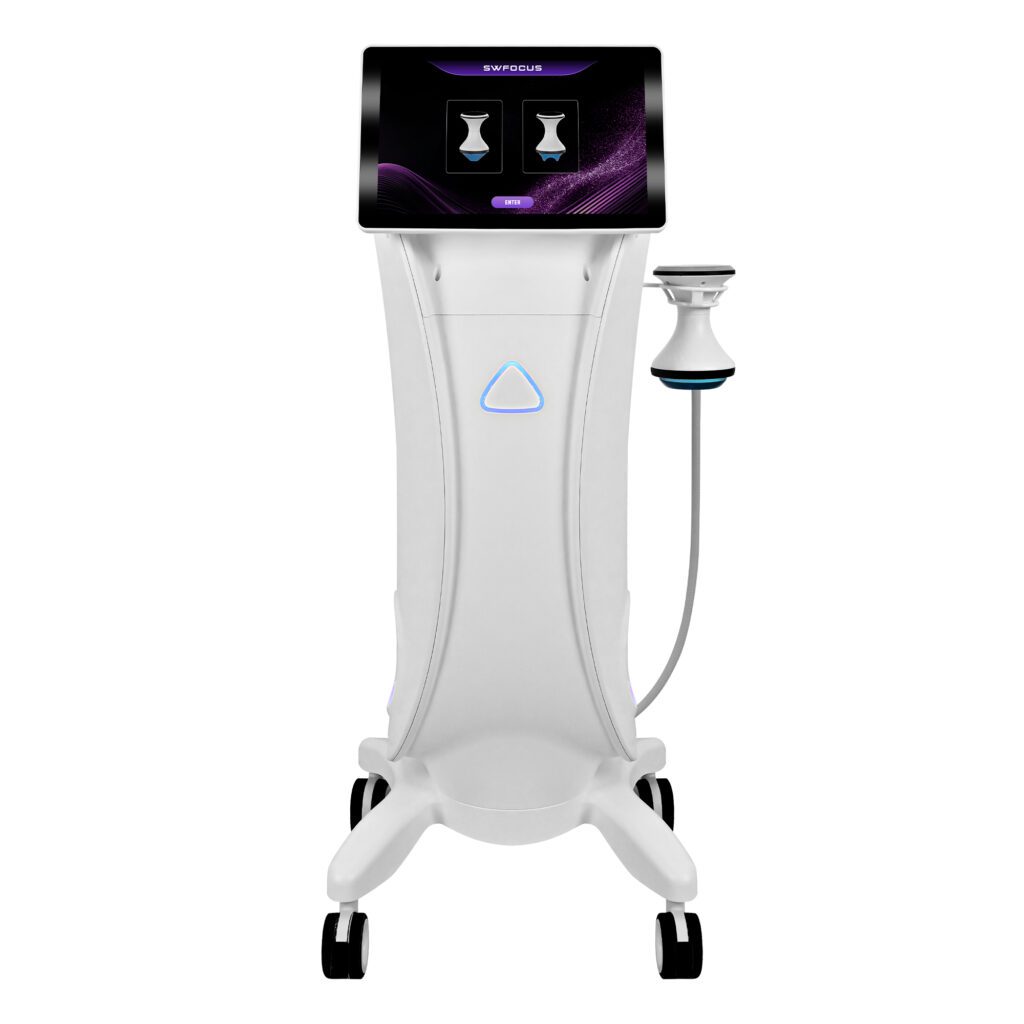
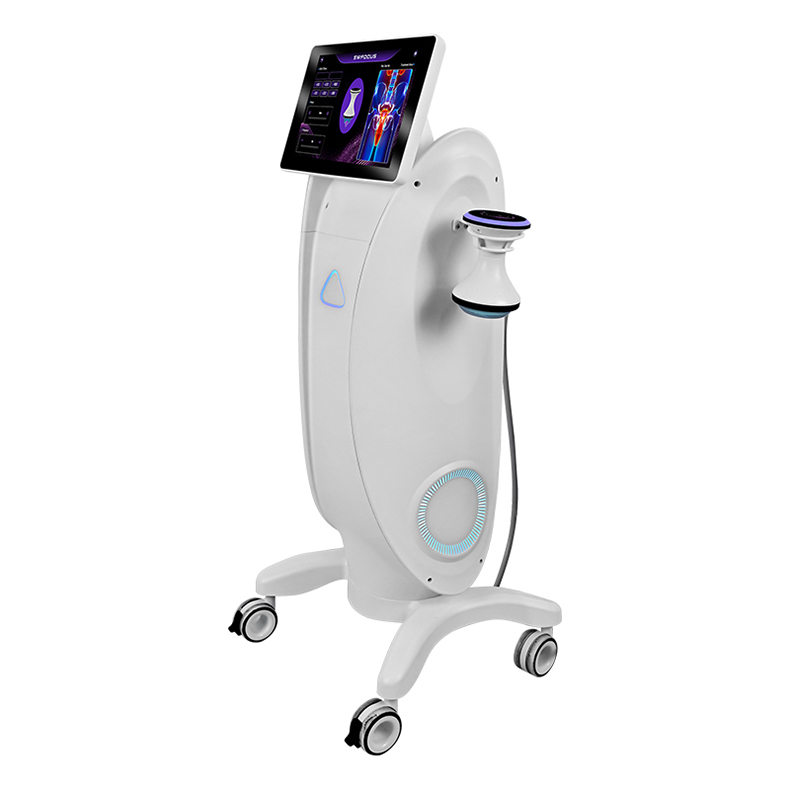
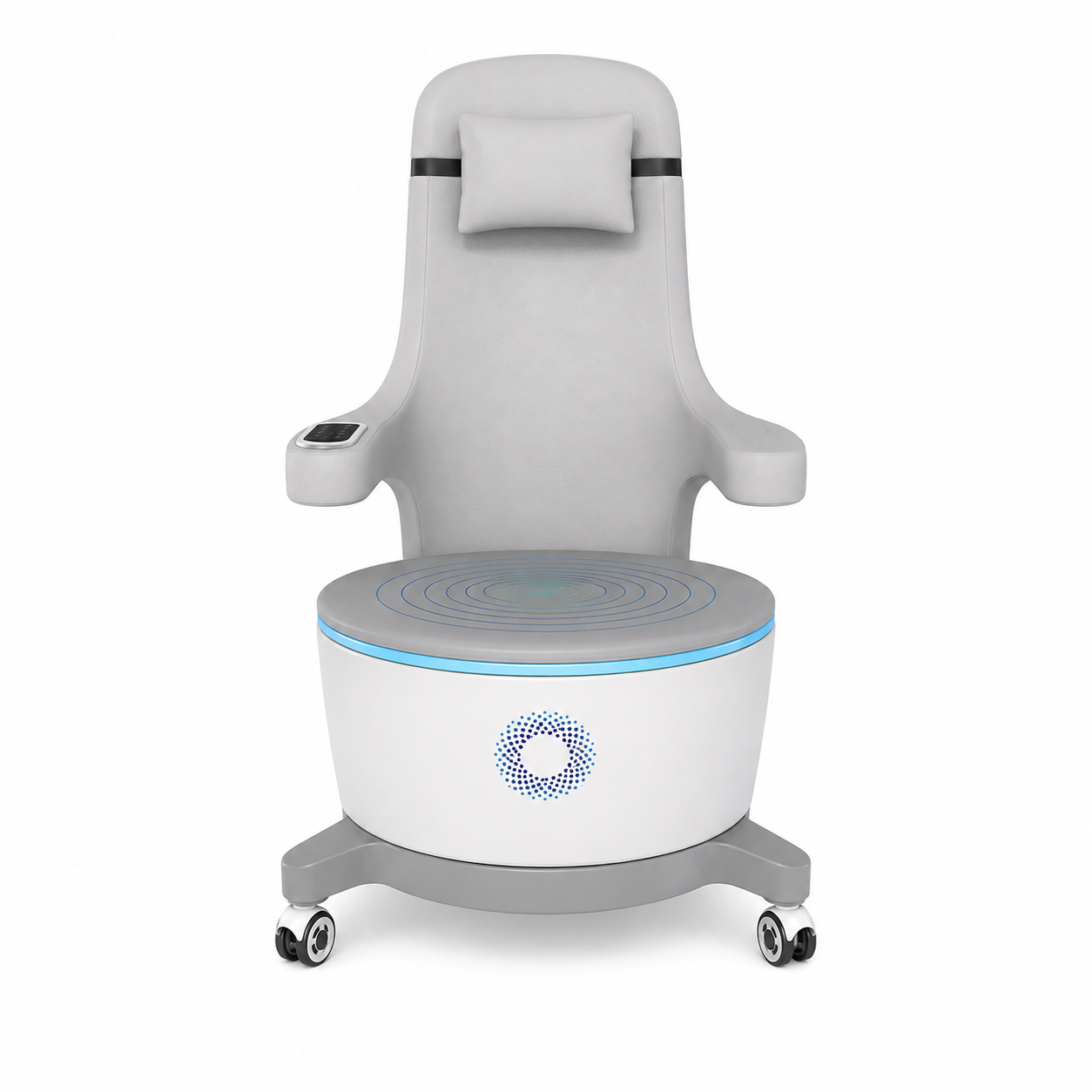
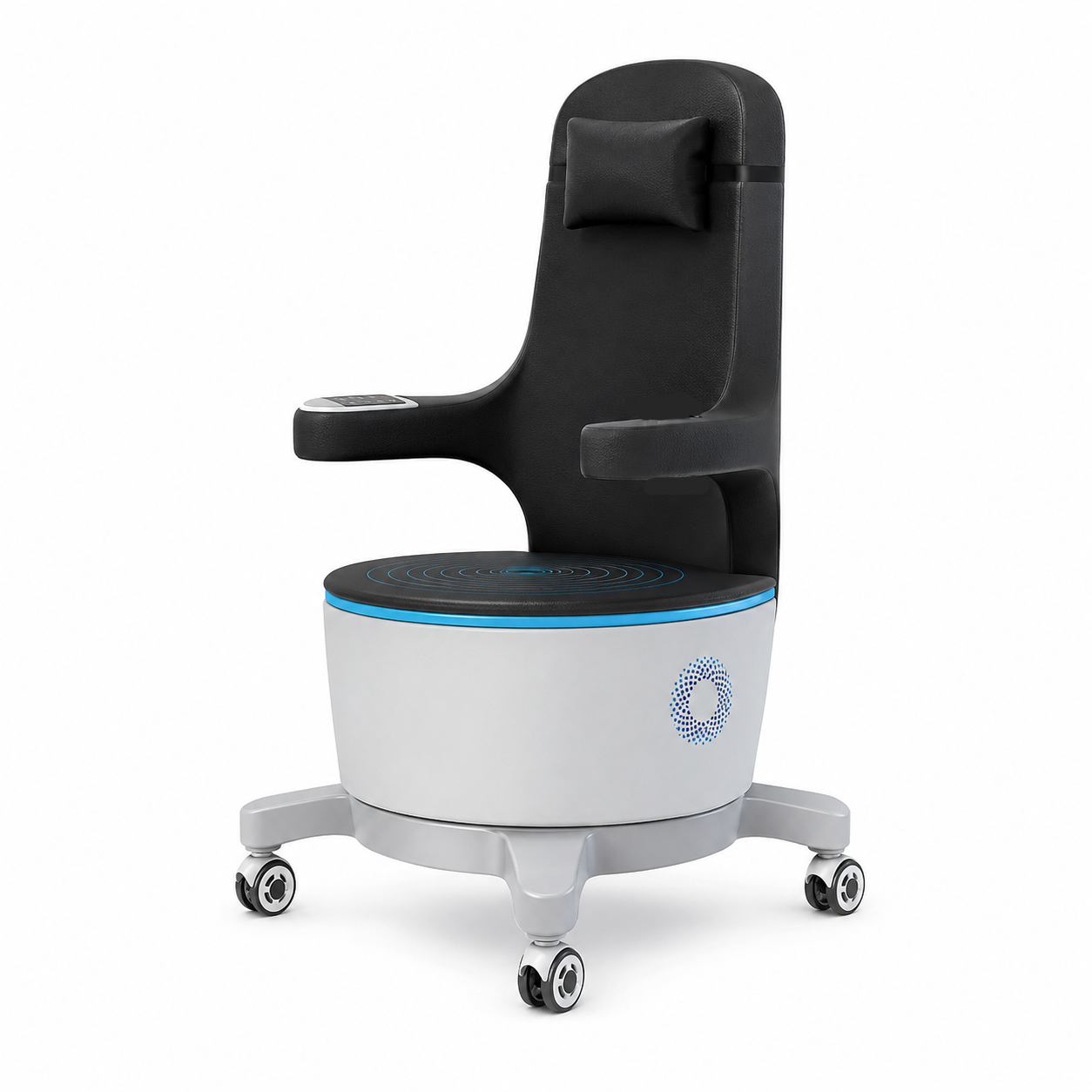
| Pelvic-floor and women’s wellness | E0435, E0436, E0437 | Appropriately governed wellness and clinical settings | Intended use, operator requirements, local rules and client screening |
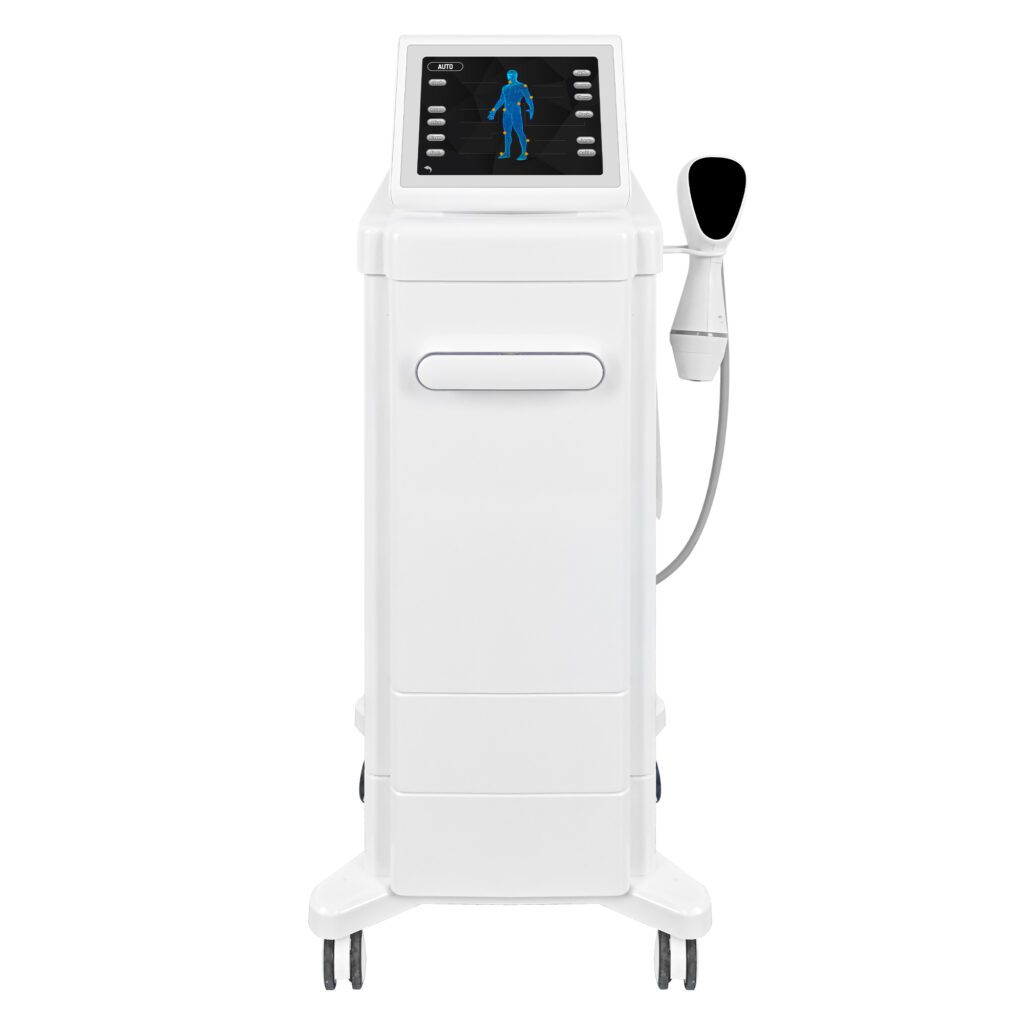
| Apparecchiature per onde d'urto e recupero | SW30, SW33, SW12, A0271E | Physiotherapy, sports-recovery and wellness buyers | Energy modes, applicators, intended use, training and maintenance |
This table maps product categories; it does not establish that every model is suitable or authorized for every customer or market. A wholesale catalog should distinguish ordinary salon equipment from higher-governance, invasive, laser, therapeutic or medical-device-related products.
4. Build a Wholesale Range Around Customer Types
Wholesale buyers often create unnecessary inventory by selecting several machines that solve the same problem. A better opening range gives each model a clear role.
Entry-level salon range
A distributor serving independent salons may begin with facial care, a compact body-care platform and selected non-laser equipment. The products should be straightforward to demonstrate, clean, maintain and support. Advanced laser or invasive categories can remain supply-to-order until the distributor develops the required technical and regulatory capacity.
Growth-stage professional range
As the customer base expands, the distributor can add hair-removal, body-contouring, HIFU or RF categories that answer documented inquiries. The catalog should offer a good/better/best structure rather than several models with no obvious difference.
Clinic and specialist range
Laser, RF microneedling, CO2, tattoo-removal and more clinically positioned equipment needs stronger documentation, trained sales staff and technical escalation. These products should not be promoted to ordinary salons without confirming the customer’s lawful scope and facility requirements.
Distributor stocking matrix
| Inventory class | Suggested use | Decision rule |
|---|---|---|
| Unità dimostrativa | Showroom, training and buyer evaluation | One approved configuration per priority category |
| Local stock | Fast delivery for proven repeat sellers | Stock only after actual sell-through and support data exist |
| Factory stock / quick supply | Standard model sourced after order | Use when demand is regular but local inventory cost is high |
| Build-to-order | Customized or high-value equipment | Require deposit, approved configuration and realistic lead time |
| Optional catalog | Listed for opportunity capture but not actively stocked | Quote only after factory availability and documentation are reconfirmed |
Do not label a model “best seller” simply because it appears in a hot-products section. Track qualified inquiries, closed sales, gross margin after support, return rate, parts usage and repeat orders.
5. What a Distributor RFQ Should Include
A useful request for quotation allows the supplier to quote the right product the first time. “Send your wholesale price list” is rarely enough.
Includi:
- Company name, website, sales channels and countries served
- Whether the buyer is a distributor, importer, chain, reseller or private-label brand
- Target customer: salon, med spa, clinic, wellness center or physiotherapy business
- Product category and preferred model numbers
- Estimated sample quantity, initial batch and annual volume range
- Required voltage, frequency, plug and software/manual languages
- Standard and optional handpieces, cartridges, tips, applicators or accessories
- Logo, label, housing, interface and packaging requirements
- Destination-market regulatory and document requirements
- Required Incoterms rule and named place or port
- Preferred freight method and whether batteries, liquids or magnets affect shipping
- Training, installation, spare-parts and warranty expectations
- Target launch date and sample-approval deadline
The quotation should return the same structure. A single unit price without a configuration code, packing list, trade term, validity period and warranty scope is not a complete wholesale offer.
6. Sample Approval and Configuration Control
The greatest bulk-order risk is not always a defective machine. It can be a production unit that differs from the sample the distributor demonstrated and sold.
Create a master product record for each approved model:
- Model number and internal distributor SKU
- Legal manufacturer and manufacturing address
- Dated specification sheet
- Photos of front, back, connections, handpieces and accessories
- Complete packing list with quantities
- Software version, system language and startup screen
- Voltage, frequency, plug and electrical label
- Logo, warning label, serial label and carton artwork
- Manuals and customer-facing documents by revision
- Test methods and acceptance limits
- Consumable and spare-part compatibility
- Warranty start point and claim process
The approved sample or “golden unit” should be identified by serial number and retained for comparison. If the supplier changes a power supply, board, pump, laser module, casing, connector, software, handpiece or consumable, the buyer should receive a change notice and decide whether re-evaluation is required.
For OEM products, the model identity must remain consistent across the device label, invoice, declaration, manual and local registration. Changing the logo does not automatically transfer legal-manufacturer responsibility or create new regulatory authorization.
7. Wholesale Price, MOQ and Total Landed Cost
Wholesale purchasing should be evaluated through total landed and supported cost, not unit price alone.
What can change the quotation
- Model and technical configuration
- Number and type of handpieces or accessories
- Order quantity and product mix
- OEM printing, interface, packaging or tooling
- Documentation and language work
- Spare-parts package
- Training and service level
- Export packaging and shipment mode
- Incoterms rule and named destination
- Payment schedule and production timing
SHEFMON’s OEM/ODM page discusses low-volume and small-batch customization, but it does not establish one universal MOQ for every model or project. A logo on an existing housing may have a different minimum from a custom casing, new tool, redesigned circuit or private-label document package.
Calcolare:
Landed cost = product price + options + OEM work + inspection + export packing + freight + insurance + duty/tax + customs/broker fees + local transport + installation + training + expected warranty/support cost.
A lower factory price may be less competitive after replacement parts, reshipment, customs delays or local technician time are included. Ask for separate prices for demo units, opening orders, repeat orders, consumables and critical spare parts.
8. OEM and ODM for Wholesale Buyers
Di SHEFMON Servizio OEM/ODM describes exterior design, mechanical design, product development, custom engineering, prototyping and small-batch trial production. It also discusses details such as housing color and finish, button layout, internal airflow, wiring, handpiece connections, fluid or air pathways, electrode geometry and interface customization.
Light private-label project
For an established distributor testing a brand, the first project may include:
- Logo on the housing and startup screen
- Buyer model name and approved product label
- Selected housing color or finish
- Local-language interface and manual
- Branded carton, inserts and warranty card
- A standardized accessory and spare-parts package
Deeper OEM/ODM project
An experienced importer may request a new housing, handpiece ergonomics, internal layout, interface flow or function package. That project needs design review, prototype testing, risk evaluation, verification, tooling ownership and change control. The commercial agreement should define who owns drawings, source files, molds, firmware and test data.
Customization should make a product easier to sell and support. It should not add functions solely to create a higher “in-1” count. Every added technology increases documentation, training, service and claim-management work.
9. Quality Control for Bulk Orders
Di SHEFMON pagina di controllo qualità describes inspection of incoming materials, circuit-board aging and power testing, computer burn-in, experienced assembly and at least three comprehensive mechanical inspections. These are useful factory-process signals, but a wholesale buyer needs product-specific records.
| Palcoscenico | Factory evidence to request | Buyer control |
|---|---|---|
| Incoming material | Supplier or incoming-inspection record for critical components | Identify critical parts and approved alternatives |
| Assemblea | Work instructions, torque/connection checks and serial tracking | Confirm configuration matches approved master record |
| Functional test | Device-specific output, flow, temperature, vacuum, RF, laser or EMS test as applicable | Agree numerical acceptance limits before production |
| Aging/burn-in | Test duration, conditions and failure handling | Request batch summary and sample records |
| Safety check | Electrical/protective checks applicable to the product | Match test to destination requirements and device type |
| Aspetto | Housing, screen, label, accessory and carton inspection | Use an approved visual standard and artwork revision |
| Final packing | Serial number, packing list, accessories and manuals | Request photo/video evidence or third-party inspection |
For a first bulk order, consider a remote live inspection, supplier-record review or independent pre-shipment inspection. Define the sampling plan, defect classes and reinspection responsibility in advance. “QC passed” is not useful unless the test and acceptance limit are known.
10. Import Documents and Market Compliance
Beauty equipment can range from general electrical salon equipment to medical devices or radiation-emitting products. Classification depends on intended use, claims, technology and jurisdiction—not on whether the supplier calls the product “beauty equipment.”
Commercial and shipping document set
An importer commonly needs to coordinate:
- Proforma invoice and final commercial invoice
- Packing list with weights, dimensions and carton count
- Transport document, such as air waybill or bill of lading
- Country-of-origin information and any requested certificate
- HS/HTS classification reviewed with the customs broker
- Insurance document where applicable
- Battery, liquid, magnet or dangerous-goods information where applicable
- Serial-number or batch list when required
Product and regulatory document set
Depending on the exact product and market, request:
- Legal-manufacturer and manufacturing-site details
- Intended use and classification rationale
- Model-specific declaration and certificates where applicable
- Test reports and applicable standards
- Label, UDI or registration information where required
- Instructions for use in required languages
- Risk, contraindication, maintenance and cleaning information
- Authorized representative or local responsible-party details where applicable
- Complaint, corrective-action and incident-reporting contacts
The U.S. FDA notes that inaccurate or incomplete entry data can delay review and that foreign authorization is not a substitute for applicable U.S. requirements. EU MDR Article 13 requires importers of covered devices to verify elements such as CE marking, the EU declaration of conformity, manufacturer/authorized representative identification, labeling, instructions and UDI where applicable. The European Commission also summarizes the roles of medical-device economic operators. These are regional examples, not a global checklist and not evidence that a particular SHEFMON model has authorization.
Do not accept a folder named “CE/FDA certificates” without matching each document to the exact manufacturer, model, intended use, configuration and current validity. Registration, listing, clearance, approval and certification are different concepts.
11. Logistics, Packaging and Incoterms
Di SHEFMON ordering-process page describes contact by email, WhatsApp or video, product shipment by air, sea or land, port pickup or home delivery, training and after-sales communication. A wholesale contract should replace general website timing with order-specific commitments.
The contract should name an Incoterms® 2020 rule and exact place—for example, not simply “FOB” or “DDP,” but the applicable named port or destination. The International Chamber of Commerce explains that Incoterms® 2020 allocates certain delivery obligations, costs and risk between buyer and seller; the rules do not replace a sales contract.
Confermare:
- Who books carriage and pays each freight segment
- Where risk transfers
- Who provides export and import clearance
- Who pays duty, tax, brokerage, storage and inspection fees
- Whether cargo insurance is included and at what coverage
- Packaging specifications for vibration, moisture and stacking
- Crate or carton dimensions and volumetric weight
- Whether wooden packaging needs treatment or markings
- Delivery appointment, unloading and liftgate requirements
- Damage-notification deadline and claim evidence
Before dispatch, request carton photos, machine serials, accessory layout and a powered-on test video. For high-value orders, agree whether the buyer, factory or forwarder is responsible for checking external damage at collection.
12. Training, Warranty and After-Sales Support
A wholesale supplier must help the distributor support installed machines. SHEFMON publicly describes video or in-person communication, tutorial materials, training and repair coordination. The final agreement should turn those general services into measurable deliverables.
Training package
- Product and category positioning for sales staff
- Installation and startup checklist
- Device-specific operator training
- Cleaning, consumable and daily-maintenance guidance
- Error-code and first-line troubleshooting
- Claims the distributor may and may not use
- Assessment or competence record where appropriate
Warranty and service package
- Warranty term by component and machine
- Definition of consumables and wear parts
- Start date: shipment, delivery, installation or registration
- Required diagnostics, photos, videos and logs
- Parts-only versus labor and freight coverage
- Response and escalation channels
- Repair location and expected turnaround
- Dead-on-arrival and shipping-damage procedure
- Software update and replacement-board compatibility
- Support after the warranty ends
Distributors should not forward every customer message to the factory without triage. Build a local ticket system with serial number, model, purchase date, symptoms, error codes, photos, steps already tried and urgency. The factory should provide second-line technical support, parts and engineering escalation under the agreed service model.
13. Supplier Evaluation Scorecard
Use a weighted scorecard instead of choosing on price or sales presentation alone.
| Area di valutazione | prove suggerite | Perché è importante |
|---|---|---|
| Product fit | Clear category map and model differentiation | Prevents a confusing catalog of near-duplicate devices |
| Technical clarity | Complete specification, configuration and manuals | Reduces quotation, training and support errors |
| Sample consistency | Golden unit and change-control process | Protects repeat orders and customer expectations |
| Controllo di qualità | Model-specific tests and traceable records | Makes “quality” measurable |
| Market documents | Exact-model, exact-manufacturer document match | Supports import and lawful sale where applicable |
| Capacità OEM | Defined scope, prototype, validation and ownership | Prevents customization delays and disputes |
| Supply reliability | Production plan, availability and change notice | Supports distributor stock and launch commitments |
| Packaging/logistics | Packing standard, dimensions and damage process | Reduces landed-cost surprises and transit loss |
| Training/service | Deliverables, parts, escalation and response terms | Protects the installed customer base |
| Commercial terms | Complete quotation, Incoterm, payment and warranty | Makes suppliers comparable on total cost |
Verify claims through documents, video inspection, sample testing and references appropriate to the order size. A polished website is useful for discovery but does not replace due diligence.
14. Recommended Wholesale Sourcing Workflow
- Define the local market. Identify customer types, legal scope, target prices and service gaps.
- Shortlist categories. Choose distinct product roles instead of collecting similar models.
- Send a structured RFQ. Include configuration, market, volume, documents, branding and support.
- Review compliance feasibility. Check classification and import requirements before paying for customization.
- Order and test samples. Evaluate operation, documentation, packaging and service response.
- Approve the master configuration. Freeze specifications, accessories, software, labels and manuals.
- Agree quality and change control. Define tests, evidence, defect handling and notification.
- Sign commercial terms. Cover payment, Incoterm, delivery, warranty, IP and dispute handling.
- Inspect before shipment. Verify units, serials, labels, accessories, documents and packaging.
- Prepare the local launch. Train sales/service teams, stock parts and publish verified claims only.
- Track installed-base data. Record sales, failures, consumables, complaints and repeat demand.
- Scale proven models. Increase stock or develop OEM variants only after evidence supports them.
Domande frequenti
1. Does SHEFMON sell beauty equipment wholesale?
SHEFMON presents itself as a beauty equipment manufacturer with OEM/ODM and international supply support. Exact wholesale pricing, minimum quantity, customization and service terms should be requested for the selected models and destination market.
2. Who can buy from a beauty equipment wholesale supplier?
Typical buyers include distributors, importers, resellers, private-label brands, salon or clinic chains, training academies, rental businesses and multi-location operators. The supplier may set different commercial terms for samples, mixed orders and customized production.
3. What beauty equipment categories can distributors source from SHEFMON?
The current portfolio includes hydro facial, HIFU, MNRF, diode laser, aesthetic laser, cryolipolysis, EMS, Endos-style body care, RF/cavitation, pelvic-floor, shockwave and recovery-related equipment.
4. What is the minimum wholesale order quantity?
There is no single reliable MOQ for every model and customization type. Ask separately about standard machines, mixed-model orders, logo orders, custom packaging, interface work, housing changes and full ODM projects.
5. Can a distributor order one sample before a bulk purchase?
Sample availability and terms should be confirmed with the supplier. A sample is valuable only when its configuration is documented and it becomes the reference for bulk-production approval.
6. Can SHEFMON provide private-label beauty equipment?
Its OEM/ODM pages describe logo, appearance, packaging, system language, interface and deeper design or engineering options. The exact scope, ownership, validation, MOQ, cost and lead time need a written project plan.
7. Which documents should an importer request?
Request commercial and shipping documents plus the product’s intended use, model-specific declarations or certificates where applicable, test reports, labels, manuals, manufacturer details, registration information and complaint/escalation contacts required by the destination market.
8. Is a CE or FDA statement enough to import every machine?
No. Document meaning and requirements vary by market and product. Verify the exact model, manufacturer, intended use, configuration and current document status. FDA registration or listing is not the same as clearance or approval, and a generic CE document may not cover every model.
9. How should distributors compare wholesale prices?
Compare total landed and supported cost: machine, options, OEM work, inspection, packaging, freight, insurance, duty/tax, brokerage, installation, training, parts and expected warranty cost. Also compare payment terms and Incoterms.
10. What after-sales support should a wholesale supplier provide?
The agreed package should cover manuals, training, startup, troubleshooting, parts, warranty claims, repair escalation, software or configuration support and post-warranty service. Responsibilities and response routes should be written into the order or distributor agreement.
Conclusione
A capable beauty equipment wholesale supplier helps distributors and importers build more than a price list. It connects product selection, stable configurations, OEM/ODM, quality evidence, import documentation, packaging, logistics, training, spare parts and repeat-order support.
SHEFMON’s broad product range and publicly described manufacturing, customization and inspection processes make it a relevant supplier for professional buyers. The final decision should still be model-specific and evidence-led. Start with a focused range, approve samples, lock configurations, verify destination-market requirements and calculate the full landed and supported cost before scaling.
Esplora il SHEFMON beauty equipment portfolio, rivedere il suo Capacità OEM/ODM E contattare SHEFMON with your target market, product categories, quantities, branding scope, required documents and after-sales plan to request a wholesale quotation.