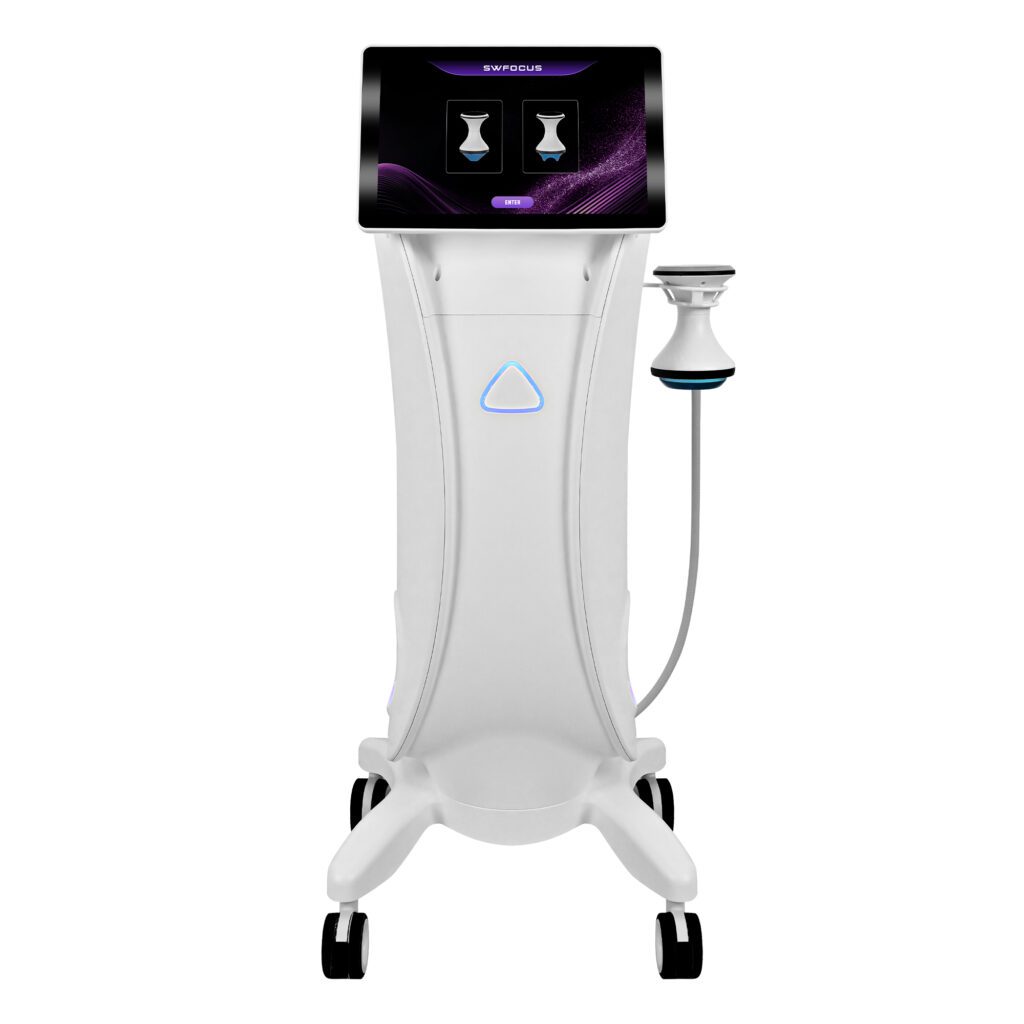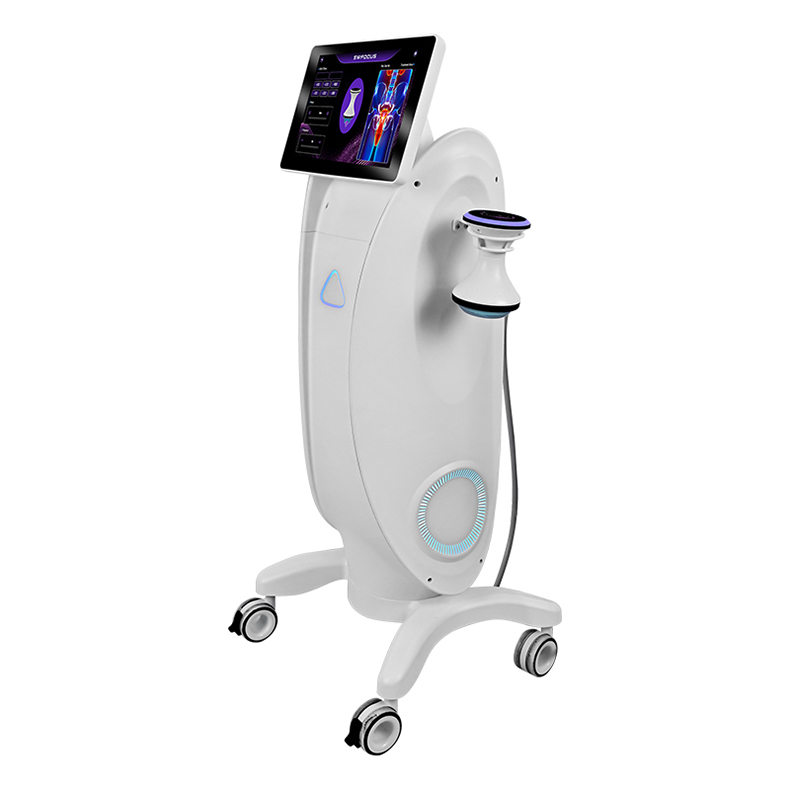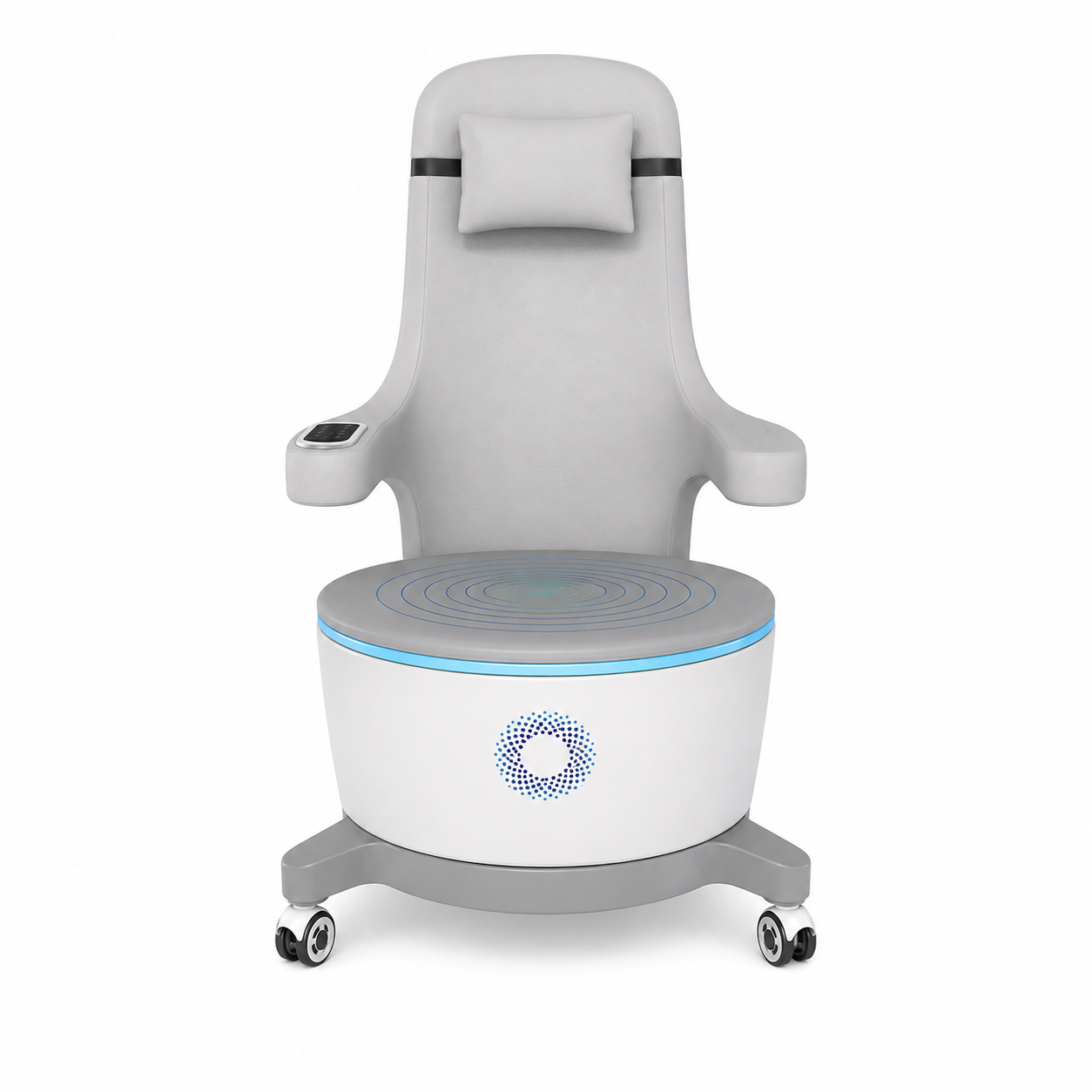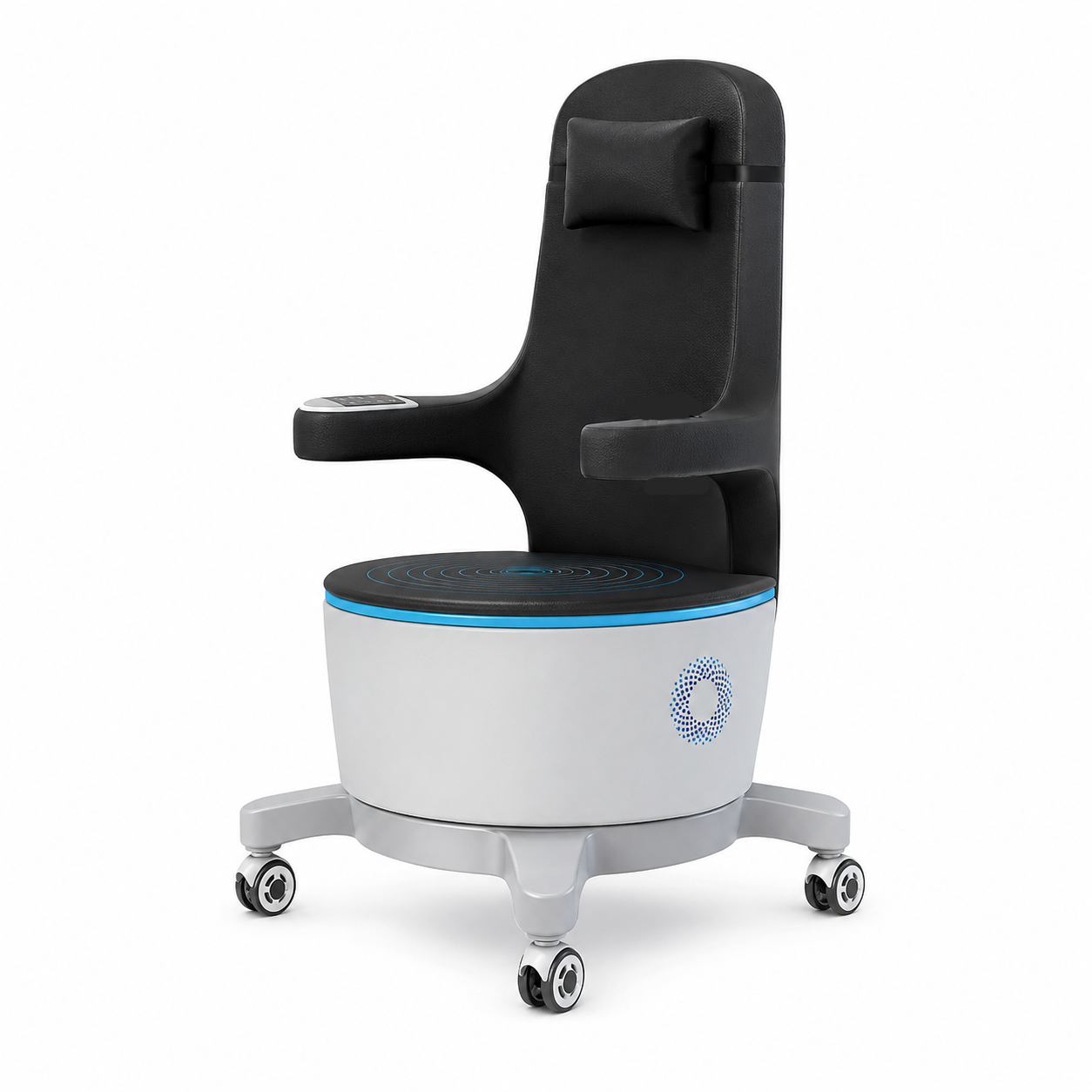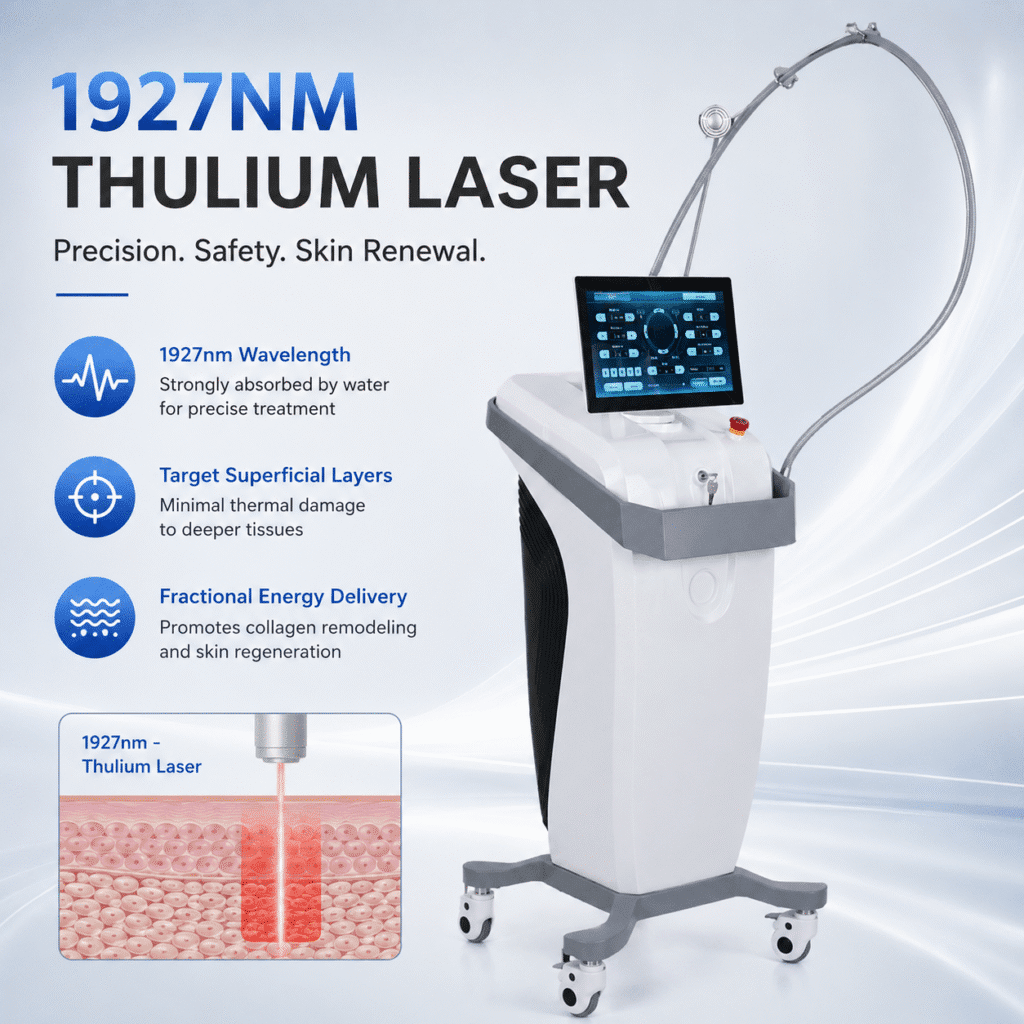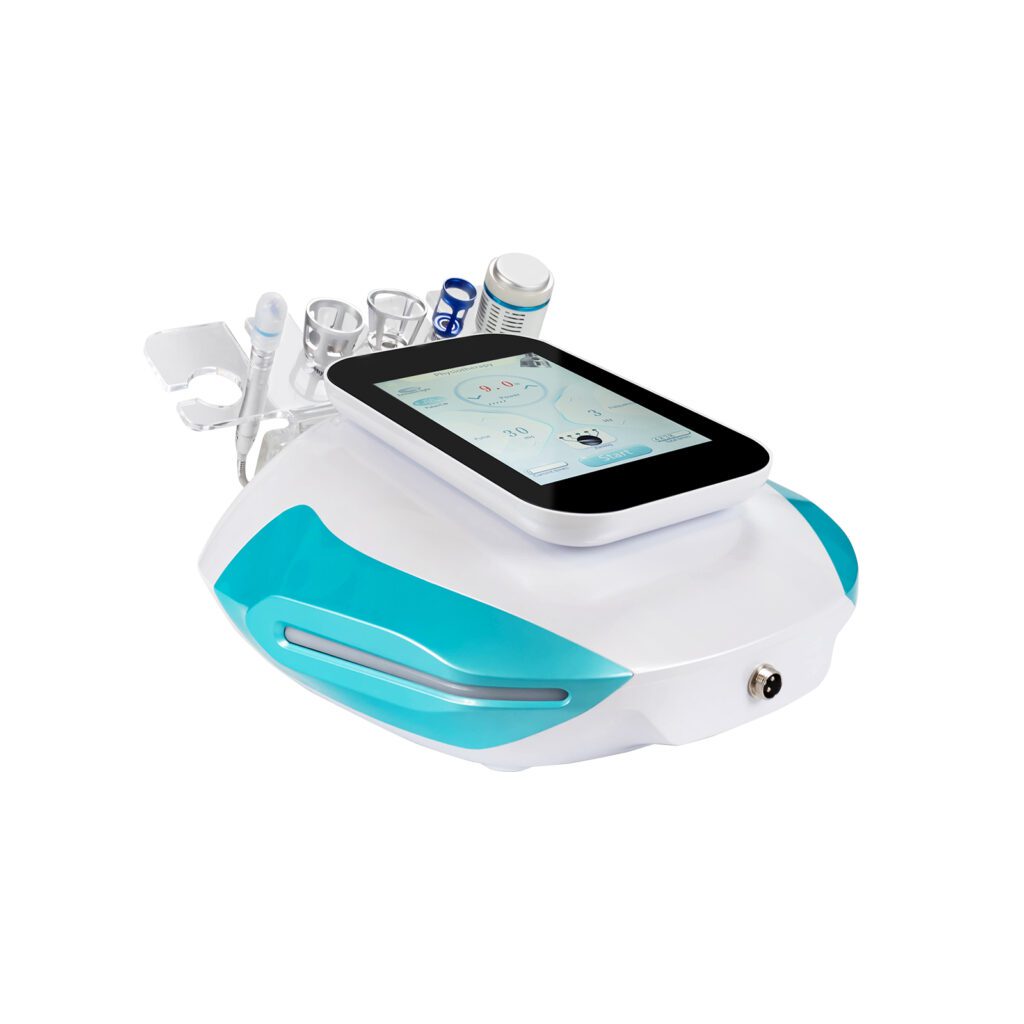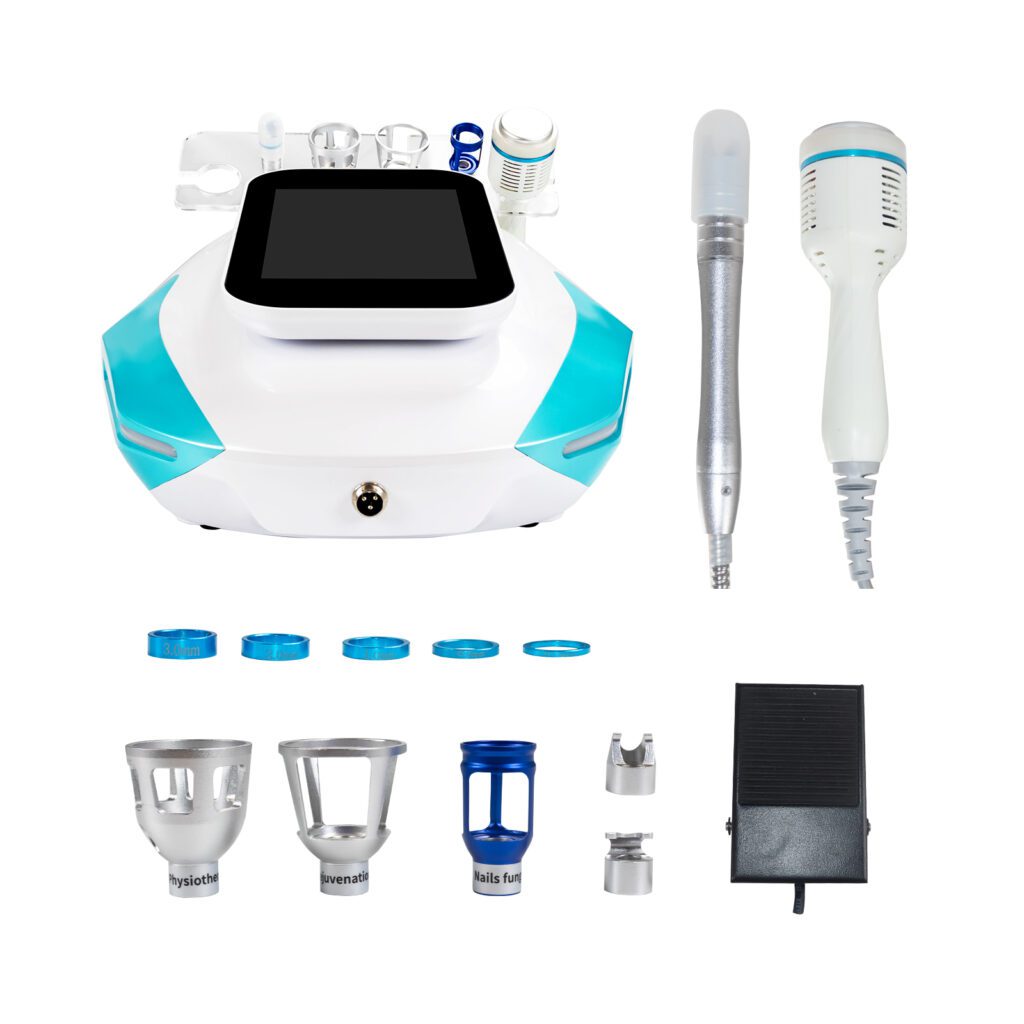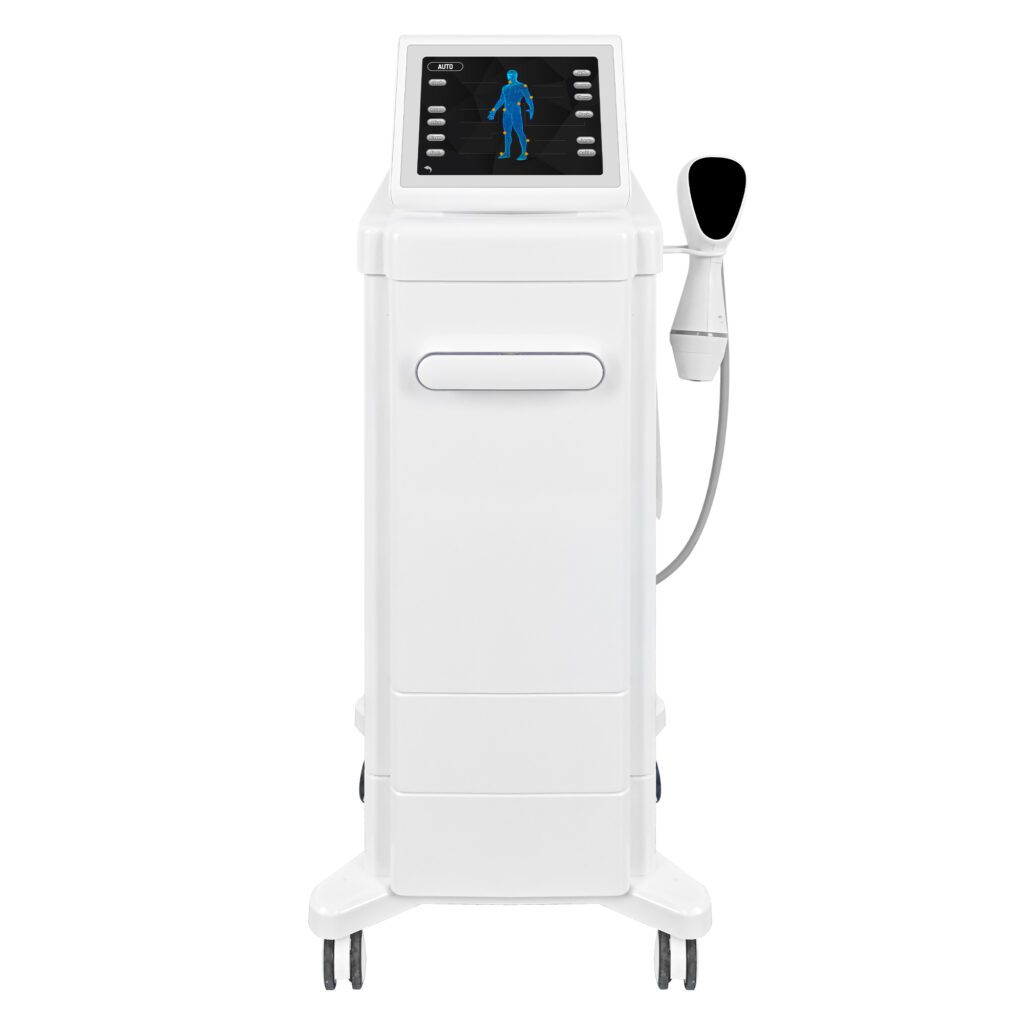
A buyer inquiry may contain only a model name and a request for price, yet it can also reveal a planned service, an equipment gap, a new location, a staff constraint, a target launch date, or a need for a particular handle or consumable. Distributors that capture these signals consistently can respond with more relevant beauty device categories and build a clearer picture of developing demand.
Inquiry data should not be treated as confirmed sales. A broad catalog request is different from a clinic describing an approved treatment room and launch schedule. A buyer asking about four models may be exploring categories rather than planning four purchases. The distributor needs to preserve the original message, structure what is known, mark what remains unknown, and avoid turning assumptions into demand.
This guide explains which signals distributors can capture across the SHEFMON beauty device portfolio, how to map them to facial, hair-removal, body, and advanced-device categories, and how to use the resulting data for follow-up, content, demonstrations, forecasting, and assortment planning.
Sintesi
Useful beauty device inquiry signals include:
- Buyer identity and business model. Record whether the inquiry comes from a salon, clinic, med spa, body studio, multi-location group, or reseller.
- Service intent. Capture the treatment category or business problem the buyer wants to address before focusing on a model.
- Current operating context. Existing devices, rooms, staff, client base, and service menu reveal whether demand is new, replacement, or expansion demand.
- Product and configuration detail. A named model, handle, wavelength, cartridge, tip, or format provides different levels of product specificity.
- Readiness and timing. Site status, decision milestone, budget process, demonstration request, and launch date help separate research from an active project.
- Quantity and rollout structure. Distinguish one pilot unit, several approved sites, and an unconfirmed future rollout.
- Support and continuity needs. Training, consumables, replacement components, language, and technical support can shape the appropriate device category and package.
- Engagement behavior. Relevant follow-up answers, stakeholder participation, document review, and scheduled next steps strengthen the signal, but never replace fit and readiness checks.
The best inquiry record preserves both the buyer’s original words and a controlled set of structured fields.
1. Define a Demand Signal
A demand signal is a piece of evidence showing what a buyer may need, why the need exists, how specific it is, and whether it may develop into a purchase decision. It can be explicit or discovered through follow-up.
Alcuni esempi:
- “We want to add deep-cleansing facials next month.”
- “Our clinic is comparing RF microneedling systems.”
- “We need a hair-removal system for two prepared rooms.”
- “Which body device can cover several massage and contouring services?”
- “We already have the console and need compatible consumables.”
- “Please send your full catalog.”
The first five contain different levels of usable intent. The last shows interest but provides little evidence about category, fit, quantity, or timing.
2. Separate Signal Strength from Opportunity Readiness
A specific inquiry can still be unready. A buyer may name A0426 after seeing a product page but have no room, trained staff, decision date, or defined configuration. Another buyer may not know a model number but may provide a complete service goal, site plan, and launch schedule.
Utilizzare campi separati per:
- demand clarity: how clearly the service need is defined;
- category fit: whether a relevant device category can be identified;
- configuration specificity: how much of the model and package is known;
- operational readiness: whether site, staff, workflow, and professional conditions can support the service;
- decision readiness: whether stakeholders, milestones, budget process, and timing exist; and
- evidence confidence: whether the signal is stated, documented, inferred, or unknown.
This prevents a model-name inquiry from appearing stronger than a well-defined business need.
3. Preserve the Original Inquiry
Keep the original message, source, timestamp, language, attachments, and referring page before summarizing it. Preserve relevant context from:
- website forms;
- email;
- messaging applications;
- social media;
- phone or video calls;
- live chat;
- exhibitions and showroom visits;
- distributor referrals; and
- existing customer support conversations.
The source text helps later reviewers distinguish buyer language from salesperson interpretation. Follow the organization’s privacy, access, and retention process and collect only information needed for the business interaction.
4. Record How the Signal Was Obtained
Classify each important field as:
- buyer stated: directly provided by the buyer;
- documented: supported by a requirement, site record, quotation, or other approved document;
- confirmed in follow-up: initially unclear and later verified;
- sales inferred: a reasonable interpretation that still needs confirmation; or
- unknown: not yet available.
Do not silently convert a sales inference into a buyer requirement. “Buyer asked about HIFU” does not prove the site, professional setting, intended application, or cartridge package is suitable.
5. Capture Buyer Identity and Role
At minimum, record:
- organization and location;
- website or verifiable business reference where appropriate;
- business type;
- number of locations;
- contact role;
- decision role;
- technical or professional stakeholder;
- purchasing stakeholder;
- existing customer status; and
- intended end user or resale market.
The person sending the inquiry may be gathering information for someone else. Identify who defines the service need, who reviews product fit, who approves commercial terms, and who will operate or support the device.
6. Capture the Business Trigger
Ask what started the inquiry. Common triggers include:
- opening a new salon, clinic, or treatment room;
- adding the first advanced service;
- expanding from facial to hair or body services;
- replacing an existing device;
- adding capacity because appointments are full;
- standardizing equipment across locations;
- responding to repeated client requests;
- creating a premium or membership menu;
- adding a complementary category; or
- building a reseller or distributor range.
The trigger clarifies whether demand concerns a new category, another unit, a replacement, an upgrade, or a portfolio decision.
7. Capture the Intended Service Outcome
Record the service the buyer wants to offer in operational language. Examples include:
- routine cleansing and hydration facials;
- hair-reduction appointments;
- multifunction body-care services;
- advanced lifting pathways;
- RF microneedling services;
- maintenance programs;
- premium consultations; or
- multi-category packages for several departments.
Avoid translating every concern directly into a product. The service outcome should lead to a relevant category review, followed by model and configuration selection.
8. Capture Current Equipment and Menu Gaps
Ask what the business already offers and which equipment is installed. Record:
- current device categories and models where known;
- approximate age and support status;
- rooms and utilization;
- services with high or low demand;
- menu overlap;
- missing service roles;
- recurring consumable or component needs;
- replacement reason; and
- whether the buyer wants standardization or differentiation.
An inquiry about a multifunction facial system means something different for a new salon and a clinic that already owns several overlapping devices.
9. Capture Buyer Type and Service Maturity
| Profilo dell'acquirente | Useful inquiry signals | Likely planning question |
|---|---|---|
| Nuovo centro estetico | First device, menu foundation, limited room, broad staff use | Which system creates a practical core facial offer? |
| Salone affermato | Existing devices, menu gap, capacity, replacement need | Is another unit or a new category required? |
| Clinica dermatologica o centro benessere medico | Professional setting, advanced pathway, procedures, consumables | Which qualified device and configuration fit the intended service? |
| Studio di body art | Current body methods, room flow, handles, target service roles | Is a broad platform or specialist body category more suitable? |
| Multi-location group | Pilot site, standard package, rollout gate, local variations | Which elements are common and which vary by site? |
| Distributor or reseller | Target buyers, regions, demo plan, support coverage | Which categories and models belong in the local range? |
Buyer type is a segmentation field, not a substitute for discovery. Two salons can have very different space, staff, menus, and growth plans.
10. Capture Category Signals Before Model Signals
Map inquiry language to a provisional category:
- facial foundation;
- advanced facial or skin;
- hair removal;
- multifunction body care;
- muscle-focused or other body subcategory;
- replacement components or consumables;
- multi-device package; or
- category unknown.
Allow more than one possible category during early discovery, but identify one primary service need when possible. If the buyer asks for “a slimming machine,” do not treat every body system as equivalent.
11. Capture Product-Specific Signals
Product specificity can be recorded in levels:
- Category only: “We need a facial device.”
- Function or technology: “We want hydro microdermabrasion.”
- Model family: “We are comparing A0648 and another facial system.”
- Configuration requirement: “We need these handles, tips, wavelengths, or cartridge depths.”
- Reviewed package: the relevant model and configuration have been checked against the buyer requirement.
Do not skip from category-only interest to a final quotation. Use the signal level to choose the next discovery action.
12. Capture Configuration Questions
Buyer questions about configuration can be stronger than a general price request. Record requests concerning:
- console format;
- handpieces and applicators;
- wavelengths;
- spot sizes;
- cartridge depths;
- tip or needle formats;
- standard and optional items;
- electrical version;
- apertura dei materiali di consumo;
- compatible replacement items;
- language or interface needs; and
- room or utility requirements.
Also record whether the question is exploratory, mandatory, or already approved by the buyer’s technical stakeholder.
13. Capture Quantity Without Inflating Demand
Separate:
- immediate required quantity;
- pilot quantity;
- approved rollout quantity;
- possible future quantity;
- number of sites discussed;
- sites actually approved; and
- replacement versus new-unit quantity.
“We have 20 locations” is not a 20-unit requirement. Record the number of locations as buyer context until the buyer defines the rollout decision and quantity.
14. Capture Timing and Decision Milestones
Useful timing signals include:
- planned service launch;
- room completion;
- staff recruitment;
- demonstration date;
- technical review;
- budget meeting;
- quotation deadline;
- tender schedule;
- pilot decision;
- head-office approval; and
- current equipment replacement date.
A date is stronger when it is connected to a named buyer milestone. “As soon as possible” should be preserved as the buyer’s statement, then clarified.
15. Capture Commercial Signals Carefully
Documentazione:
- whether the buyer requested budget guidance or a formal quote;
- approved, estimated, or unknown budget status;
- preferred currency;
- purchasing entity;
- required commercial review;
- financing or approval dependency where disclosed;
- delivery destination; and
- whether alternatives must be compared.
A price request alone is not a strong purchase signal. A buyer may be researching, benchmarking, or preparing an internal proposal. Combine commercial signals with service fit, readiness, stakeholders, and timing.
16. Capture Demonstration Signals
Demonstration interest becomes useful when the buyer can state what needs validation.
Documentazione:
- category and exact model requested;
- configuration to be shown;
- buyer questions to test;
- attendees and decision roles;
- target service workflow;
- site or showroom location;
- required preparation;
- expected next step; and
- decision date after the demonstration.
A request to “see the machine” is weaker than a scheduled session designed to compare two approved configurations.
17. Capture Training and Support Signals
Inquiry-stage support questions can reveal real operating needs:
- number and experience of operators;
- preferred training language and format;
- onboarding timeline;
- operating manuals and reference materials;
- technical support access;
- escalation expectations;
- warranty or service questions;
- consumable replenishment;
- componenti di ricambio;
- software or parameter guidance; and
- multi-location training consistency.
These signals can change the recommended package or show that the buyer is not ready for an advanced category.
18. Capture Negative and Hold Signals
Demand records should include evidence that reduces confidence:
- no clear service need;
- buyer identity or role cannot be verified;
- requested category does not fit the business setting;
- site, staff, or professional requirements are unresolved;
- quantity is copied from a broad rollout idea;
- buyer will not answer essential configuration questions;
- decision timing has no milestone;
- required option is unavailable or incompatible;
- local requirements are unresolved;
- inquiry duplicates another record; or
- repeated contact produces no active decision process.
Negative signals do not always mean permanent rejection. They may place the inquiry into education, nurture, or a dated requalification path.
19. Distinguish Behavioral Signals from Fit
Behavioral signals can include:
- opening product information;
- replying to discovery questions;
- providing a site or menu brief;
- inviting another stakeholder;
- scheduling a demonstration;
- requesting a configuration comparison;
- reviewing a quotation; or
- agreeing to a next milestone.
These actions show engagement, but they do not prove suitability. A highly responsive buyer can still lack the correct setting, while a qualified organization may move slowly because several stakeholders are involved.
20. Map Facial-Foundation Signals to A0648
IL Sistema di idromicrodermoabrasione 9 in 1 A0648 is relevant when an inquiry describes cleansing, exfoliation, extraction, and hydration-oriented facial services in a vertical multifunction format.
I segnali utili includono:
- first advanced facial service;
- demand for a core facial menu;
- need to consolidate several facial functions;
- available room and storage;
- current facial equipment and overlap;
- tip, liquid, bottle, and accessory questions;
- operator training needs;
- expected appointment types; and
- planned launch date.
A buyer naming A0648 without a menu goal should receive focused discovery before the model becomes an active recommendation.
21. Map Hair-Removal Signals to A0426
IL A0426 diode laser hair-removal system product page identifies 755, 810, 940, and 1064 nm options, multiple spot sizes, and a cooling system.
Catturare:
- intended hair-removal service and client context;
- wavelength requirement or uncertainty;
- handpiece and spot-size questions;
- expected utilization;
- room, electrical, and protective setup;
- staff capability and training;
- local requirements;
- demo configuration;
- launch timing; and
- technical support expectations.
These fields show whether the inquiry is category exploration, configuration comparison, or an active hair-removal project.
22. Map Body-Care Signals to B0155
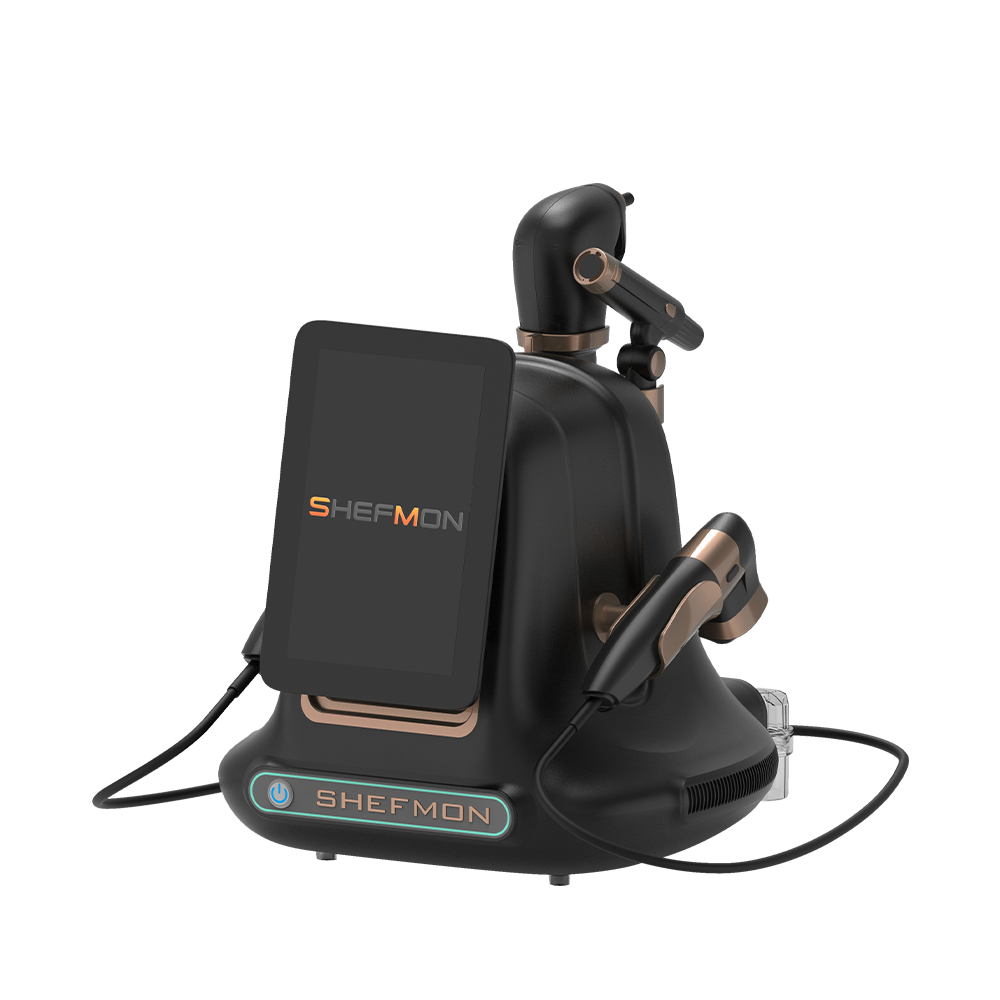
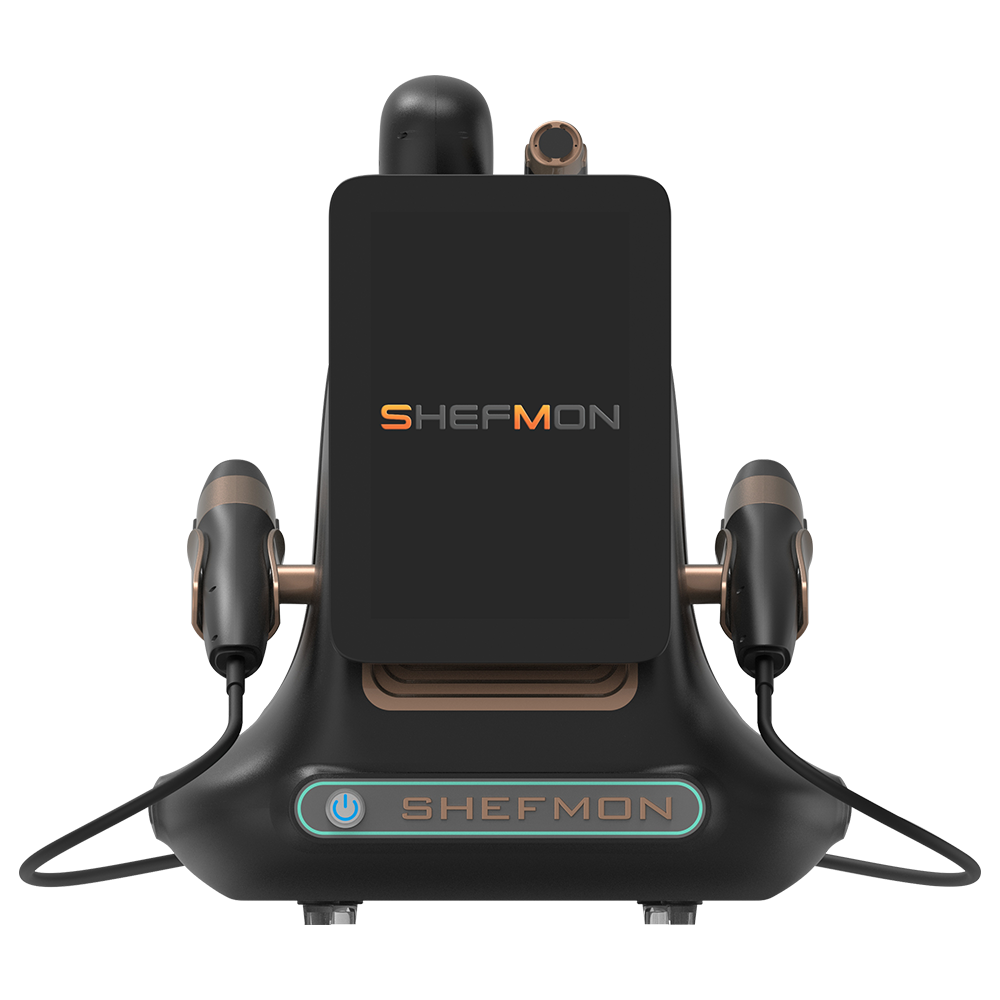
IL B0155 Desktop Endos Velapro lists vacuum roller, RF, rotating massage, and 80K cavitation functions across several handle roles.
Relevant inquiry signals include:
- body studio, salon, or multi-service-center context;
- desired body-service roles;
- preference for a multifunction platform;
- existing body equipment and overlap;
- requested handles or functions;
- room, storage, cleaning, and changeover workflow;
- formazione degli operatori;
- appointment duration and menu structure; and
- accessory and support questions.
If the buyer asks only for “body slimming,” clarify the intended service and operating model before mapping the inquiry to B0155 or another body category.
23. Map Advanced-Lifting Signals to A0204
IL Sistema HIFU focalizzato A0204 9D/7D lists several standard and optional cartridge depths together with optional handles.
Catturare:
- intended advanced lifting or contouring pathway;
- suitable professional setting;
- staff qualifications and training readiness;
- requested handpieces, cartridges, and depths;
- consumable planning;
- consultation and operating process;
- applicable local requirements;
- technical review; and
- service launch milestone.
Interest in an advanced category should remain a provisional signal until these requirements are understood.
24. Map Advanced-Skin Signals to A0152
Le informazioni sul prodotto per il Sistema di microneedling a radiofrequenza A0152 describes 12-pin, 24-pin, 40-pin, and nano tips, a 1–7 mm depth profile plus an additional heat profile, and optional handle arrangements.
Catturare:
- facial or body application;
- appropriate professional environment;
- staff competency;
- handle and tip preferences;
- opening and ongoing consumables;
- infection-control and disposal processes;
- consultation, documentation, and aftercare readiness;
- local requirements;
- training; and
- technical support expectations.
These signals help distinguish a product-page inquiry from a qualified advanced-skin project.
25. Handle Multi-Device Inquiries by Service Role
When a buyer requests several devices, create separate category lines under one buyer project. Record for each line:
- service role;
- primary or later-phase priority;
- buyer segment;
- intended site;
- preferred model or category;
- configuration status;
- quantity status;
- readiness gaps;
- next milestone; and
- relationship to other services.
Do not convert a request for a full catalog into demand for every category. The inquiry may be a portfolio exploration, a distributor range review, or a phased business plan.
26. Build a Structured Inquiry Record
| Gruppo di campo | Core fields | Perché è importante |
|---|---|---|
| Fonte | Original message, channel, date, language, referring page | Preserves buyer context |
| Acquirente | Organization, business type, region, locations, contact role | Defines the relevant segment |
| Need | Trigger, intended service, menu gap, current equipment | Identifies the business problem |
| Prodotto | Category, model, configuration questions, alternatives | Shows product specificity |
| Operazioni | Rooms, utilities, staff, professional setting, workflow | Tests operating context |
| Project | Quantity status, timing, milestone, stakeholders, demo | Shows decision structure |
| Supporto | Training, consumables, components, technical help | Defines continuity requirements |
| Prova | Stated, documented, confirmed, inferred, or unknown | Protects data quality |
| Next action | Owner, question, due date, and expected result | Turns the signal into follow-up |
Use controlled fields for reporting and a short note for nuance. Avoid storing the entire interpretation in one free-text box.
27. Use Signal Bundles Instead of One Lead Score
One total score can hide a failed requirement. Use several visible dimensions:
| Dimensione | Early signal | Developing signal | Stronger signal |
|---|---|---|---|
| Need | General interest | Defined service category | Documented business and menu gap |
| Prodotto | No category | Category or function named | Relevant model and configuration questions |
| Operazioni | Unknown site and staff | Some conditions known | Required room, staff, and process confirmed |
| Project | No date or stakeholder | Possible launch and contact role | Named milestone, decision roles, and quantity status |
| Engagement | Catalog request | Answers discovery questions | Completes next step with relevant stakeholders |
| Supporto | No questions | Training interest | Defined onboarding, consumable, and service needs |
A strong bundle supports the next sales action. It does not replace technical, professional, commercial, or local review.
28. Route Inquiries by the Next Information Need
Possible routes include:
- education: buyer needs category and service information;
- discovery: business need and operating context need clarification;
- product comparison: relevant categories or models are known;
- technical review: configuration or compatibility requires validation;
- demonstration planning: buyer has defined what must be tested;
- quotation preparation: requirement, configuration, quantity, and commercial inputs are sufficient;
- nurture: interest exists without an active milestone; or
- disqualification or hold: a mandatory condition is not met.
Record the reason, owner, and next date. Do not leave early inquiries in an active quote pipeline simply because they mention a product.
29. Aggregate Signals for Product Planning
Inquiry signals can support broader decisions when they are grouped carefully:
- service categories requested by buyer type;
- repeated unserved needs;
- model and configuration questions;
- regional version demand;
- common room or staff constraints;
- demonstration demand;
- training and language needs;
- consumable and replacement questions;
- multi-location pilot patterns; and
- reasons inquiries do not progress.
Compare inquiry signals with final quotations, orders, installed assets, and win-loss evidence. A high inquiry count with low progression may reveal unclear positioning, weak fit, early research behavior, or a process gap rather than strong stock demand.
30. Measure Inquiry-Capture Quality
Traccia:
- percentage of inquiries with an identifiable buyer type;
- percentage with a stated service goal;
- category-known rate;
- original-source retention;
- evidence-label completion;
- quantity-status completion;
- milestone and next-action completion;
- time to first relevant response;
- rate progressing to discovery, comparison, demo, or quote;
- unknown-field resolution rate; and
- later mismatch between inquiry record and accepted configuration.
Measure quality by channel and region. A short web form and a detailed consultation should not be expected to produce the same completeness at first contact.
31. Avoid Common Inquiry-Data Errors
- Treating every price request as active demand.
- Counting one multi-model inquiry as demand for every model.
- Assuming the requested device is the right category.
- Recording possible rollout locations as confirmed units.
- Replacing buyer language with sales interpretation.
- Making unknown values mandatory guesses.
- Using engagement behavior as proof of operating fit.
- Ignoring negative or hold signals.
- Sending a formal quote before essential configuration fields are known.
- Combining facial, hair-removal, and body demand in one generic field.
- Using early inquiry volume alone to justify stock.
- Collecting personal or business information without a defined purpose and access process.
32. Buyer Inquiry Signal Checklist
- The original inquiry, source, date, language, and referring context are preserved.
- Buyer organization, business type, region, and contact role are recorded.
- The business trigger and intended service are separate from the requested product.
- Current equipment, menu gap, rooms, staff, and service maturity are visible.
- Category, model, and configuration specificity use separate fields.
- Immediate, pilot, rollout, and possible quantities are distinguished.
- Timing is connected to a buyer milestone where possible.
- Demo, training, consumable, component, and support needs are captured.
- Important fields are labeled stated, documented, confirmed, inferred, or unknown.
- The next route, action, owner, and due date are clear.
Domande frequenti
1. What is a beauty device demand signal?
It is evidence from a buyer interaction that shows a possible service need, category, product requirement, quantity, operating context, timing, or support need. Its strength depends on specificity and evidence.
2. Is a price request a strong demand signal?
Not by itself. It may represent research or benchmarking. Combine it with buyer identity, service need, configuration, quantity status, readiness, stakeholders, and a decision milestone.
3. Should distributors record the model a buyer requests?
Yes, preserve it as buyer-stated information. Also record the underlying service goal and verify whether that model and configuration fit the business and operating environment.
4. How should unknown inquiry information be handled?
Mark it Unknown and create a relevant follow-up question. Do not guess a quantity, configuration, budget, site condition, or professional requirement merely to complete the record.
5. What signals indicate a facial-system inquiry may fit A0648?
Signals include a need for a core cleansing and hydration-oriented menu, interest in multifunction facial workflows, available room and operators, limited overlap with current equipment, and questions about tips, liquids, accessories, or training.
6. What should be captured for an A0426 inquiry?
Capture the intended hair-removal service, wavelength and handpiece questions, spot size, cooling expectations, room and electrical context, protective setup, staff readiness, local requirements, demonstration needs, and launch timing.
7. How should a broad body-device inquiry be handled?
Clarify the intended body-service role, current equipment, target clients, preferred functions, room and workflow, and whether the buyer needs a broad platform or a specialist category before recommending B0155 or another option.
8. Are demonstration requests reliable demand signals?
They become stronger when the buyer identifies the model and configuration, validation questions, attendees, next milestone, and decision timing. A general request to see equipment is still an early signal.
9. Can inquiry data be used for inventory planning?
It can reveal developing categories and repeated questions, but it should be combined with reviewed quotations, confirmed orders, forecast accuracy, installed-base needs, and support readiness before stock decisions are made.
10. How often should inquiry fields be updated?
Update them when the buyer provides new information or the project changes. Preserve the original inquiry and keep important category, configuration, quantity, timing, and evidence changes traceable.
Conclusione
Buyer inquiries become useful demand evidence when distributors preserve the original message and capture structured signals about the buyer, service goal, current operation, category, configuration, quantity, timing, stakeholders, demonstration, training, consumables, and support.
Use A0648 where inquiry evidence supports a core facial workflow, A0426 where a hair-removal project has relevant configuration and site signals, B0155 where the buyer defines a multifunction body-service role, and A0204 or A0152 only within suitable advanced-service pathways. Keep assumptions visible and strengthen the record through focused follow-up.
Esplora il Gamma di dispositivi di bellezza SHEFMON, review the Panoramica dell'assistenza post-vendita di SHEFMON, O contattare SHEFMON with your buyer type, intended service, current equipment, candidate category, configuration questions, quantity status, region, launch timing, and support needs. SHEFMON can provide relevant product information for the next stage of your buyer discussion.