








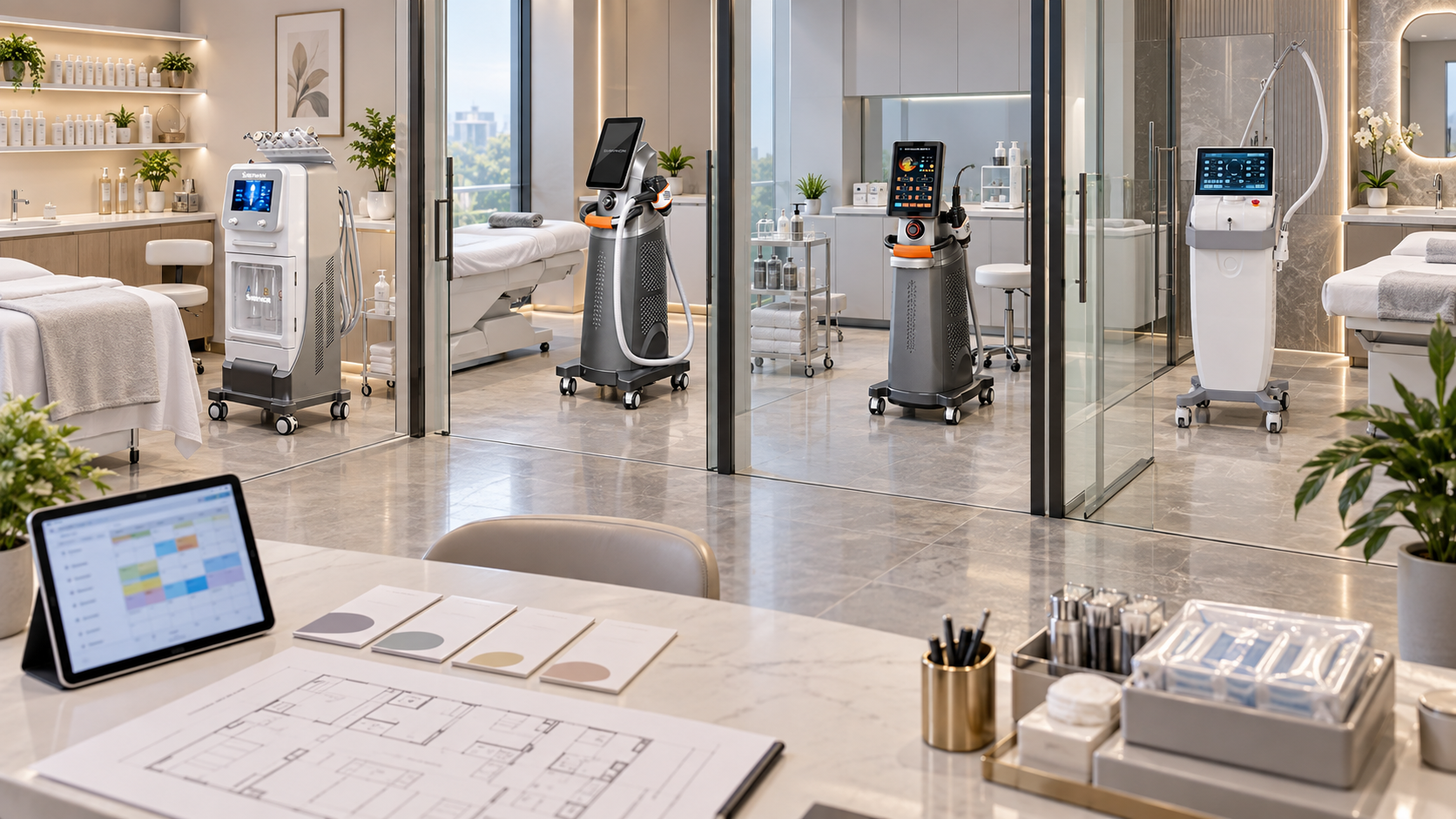
A growing skin clinic does not need the longest possible equipment list. It needs a service system that turns each device into a clearly defined client pathway. The clinic must know what concern the service addresses, who may deliver it, which room and consumables it requires, how clients enter and leave the pathway, and when another device category is justified.
This guide shows how to plan professional services around selected Dispositivi di bellezza SHEFMON. It covers routine skin maintenance, non-invasive facial tone, focused ultrasound, RF microneedling, and laser hair removal. The goal is to help a clinic expand its menu without blurring the boundaries between ordinary facial care and procedures that require stronger professional or clinical controls.
Sintesi
- Plan service categories before choosing additional machines.
- Give every service a defined client need, technology, operator level, room, appointment pathway, consumables, records, instructions, and quality measures.
- Utilizzare il Apparecchio per idromicrodermoabrasione A0648 to anchor routine cleansing, exfoliation, extraction, and hydration-oriented care.
- Utilizzare il A0272-F facial EMS and RF device for a separate non-invasive facial tone and contour category when the clinic can support its screening and applicator workflow.
- Add the A0204 focused HIFU system only for a defined, configuration-specific focused-ultrasound pathway.
- Place the A0152 RF microneedling system only within a licensed clinical service that has trained providers and procedure-level controls.
- Consider the Laser a diodo A0423 when verified hair-removal demand can support a separate laser room, consultation, protective controls, course management, and qualified operators.
- Launch one new category at a time. Stabilize booking, documentation, room turnover, follow-up, and consumables before opening another.
- Treat device combinations as service-menu architecture. They do not establish same-day compatibility, treatment order, settings, intervals, or individual suitability.
Growth becomes easier to control when each machine has one primary job and every appointment follows a service-specific operating path.
1. Plan Services Before Equipment
A device purchase creates work before it creates a service. Someone must write the client description, configure the booking system, prepare the room, order supplies, train staff, create records, deliver instructions, monitor follow-up, and review unexpected events.
Before adding a machine, complete this sentence:
This clinic needs a new service for ______ clients who want ______, and the current menu cannot meet that need because ______.
If the answer is unclear, the clinic is still comparing technology rather than planning a service. A new device should fill a specific menu gap, not merely add another treatment name.
2. Audit the Clinic’s Current Growth Stage
Review the present operation across five areas.
| Zona | Questions to ask | Evidence to review |
|---|---|---|
| Richiesta del cliente | Which concerns appear repeatedly in consultations? Which requests are referred elsewhere? | Consultation notes, enquiries, lost bookings, waiting lists |
| Current menu | Which services are overbooked, underused, duplicated, or poorly explained? | Booking data, menu descriptions, cancellations, rebooking |
| Team | Who is qualified and authorized for each technology? Where are the competency gaps? | Training records, scope requirements, supervision, incident reviews |
| Rooms | Which spaces can support fluids, electrical applicators, HIFU, skin-penetrating work, or laser controls? | Room layout, power, cleaning, storage, protective equipment, turnover time |
| Operations | Can the clinic control consumables, accessories, records, aftercare, follow-up, and maintenance? | Stock records, checklists, service logs, complaints, device downtime |
The audit should identify the bottleneck. If the core facial room is already overloaded, another facial device may not solve the problem. If clients request hair removal but the clinic has no laser-ready room or qualified provider, the growth project begins with readiness rather than purchasing.
3. Use Five Distinct Service Lanes
A growing clinic can organize its menu into five lanes.
| Service lane | Main role | SHEFMON example | Typical operating level |
|---|---|---|---|
| Core skin maintenance | Cleansing, exfoliation, extraction, and hydration-oriented care | A0648 | Trained facial team within approved scope |
| Non-invasive facial technology | A separate facial tone and contour experience | A0272-F | Device-specific screening and operator authorization |
| Focused rejuvenation | A selective focused-ultrasound pathway | A0204 | Qualified professional service with configuration control |
| Clinical skin procedure | Skin-penetrating RF microneedling | A0152 | Appropriately licensed clinical pathway |
| Specialist laser service | Hair reduction by area and course | A0423 | Qualified laser pathway with room and protective controls |
These lanes give the booking team a clear routing system. They also stop advanced services from being sold as casual add-ons to an ordinary facial appointment.
4. Build the Core Lane Around A0648
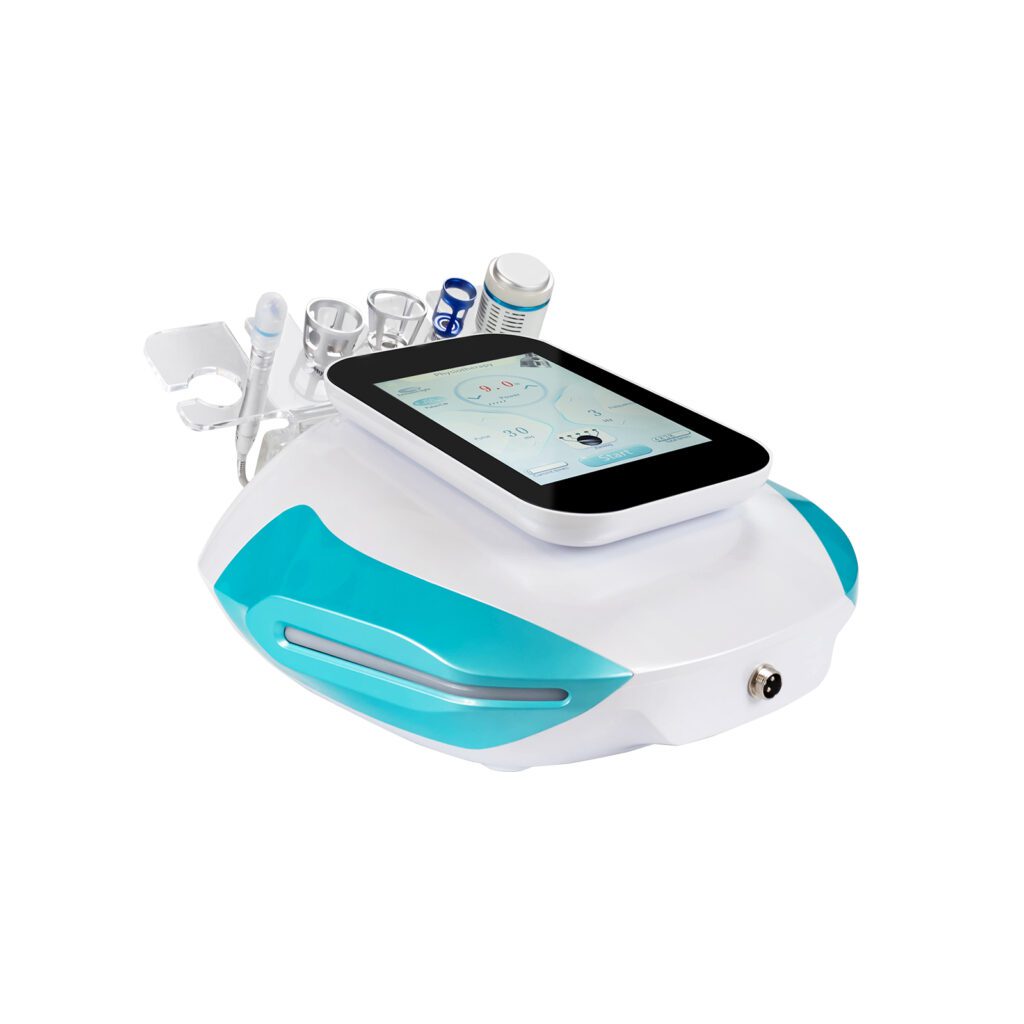
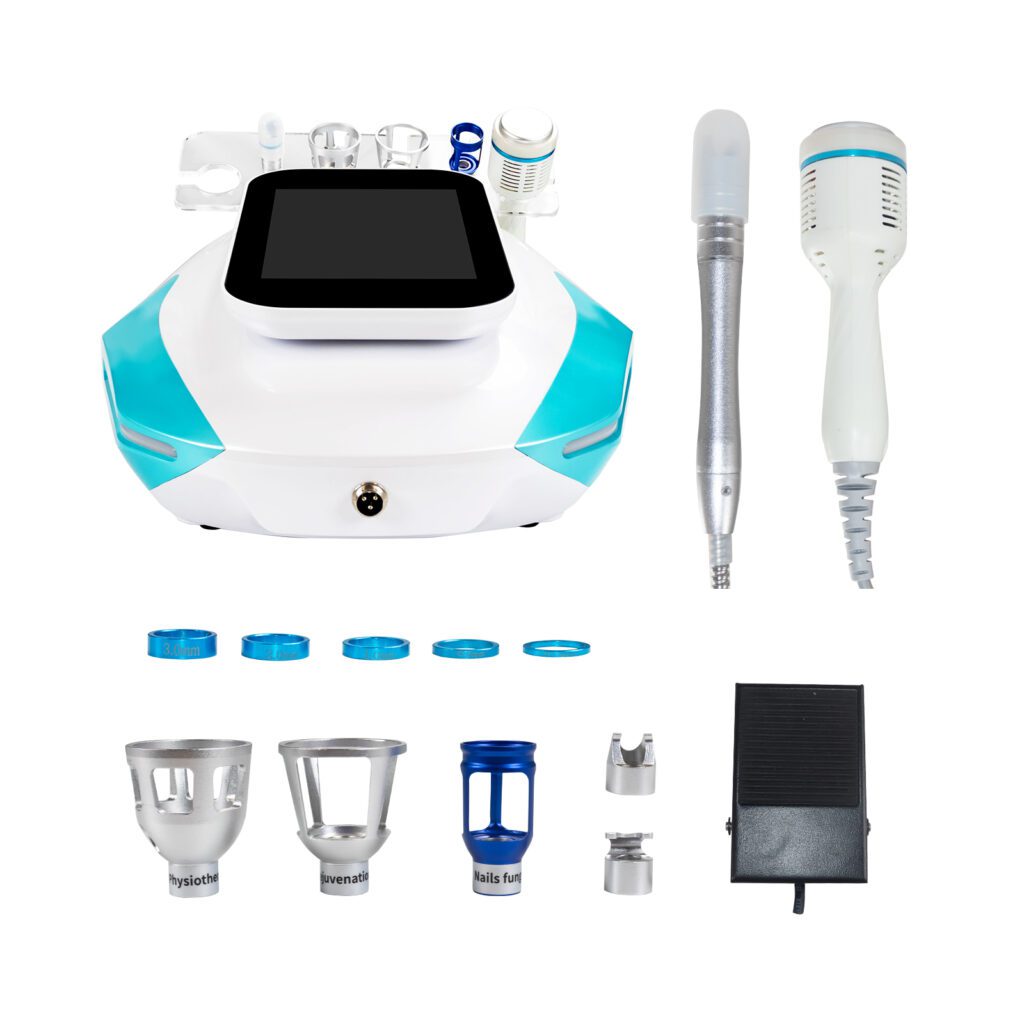
IL SHEFMON A0648 9-in-1 hydro microdermabrasion machine can support the clinic’s accessible, repeatable skin-care lane. Its current product page emphasizes hydro dermabrasion, vacuum-assisted pore cleansing, exfoliation, extraction, and hydration.
A clinic can organize the delivered functions into a focused menu such as:
- new-client cleansing and hydration facial;
- routine maintenance facial;
- congestion-focused facial within the approved scope;
- seasonal skin-care review and facial;
- membership maintenance visit;
- a separate maintenance appointment within a broader provider-approved care plan.
The core lane should have a clear boundary. It is not medical diagnosis, focused ultrasound, a skin-penetrating procedure, or laser treatment. Staff should refer clients when the concern falls outside the approved facial service.
Before launch, confirm the supplied handpieces, tips, solution containers, filters, tubing, product compatibility, cleaning method, replacement supplies, and exact workflow. “9-in-1” is a platform description, not a complete service plan.
5. Add A0272-F as a Non-Invasive Technology Lane
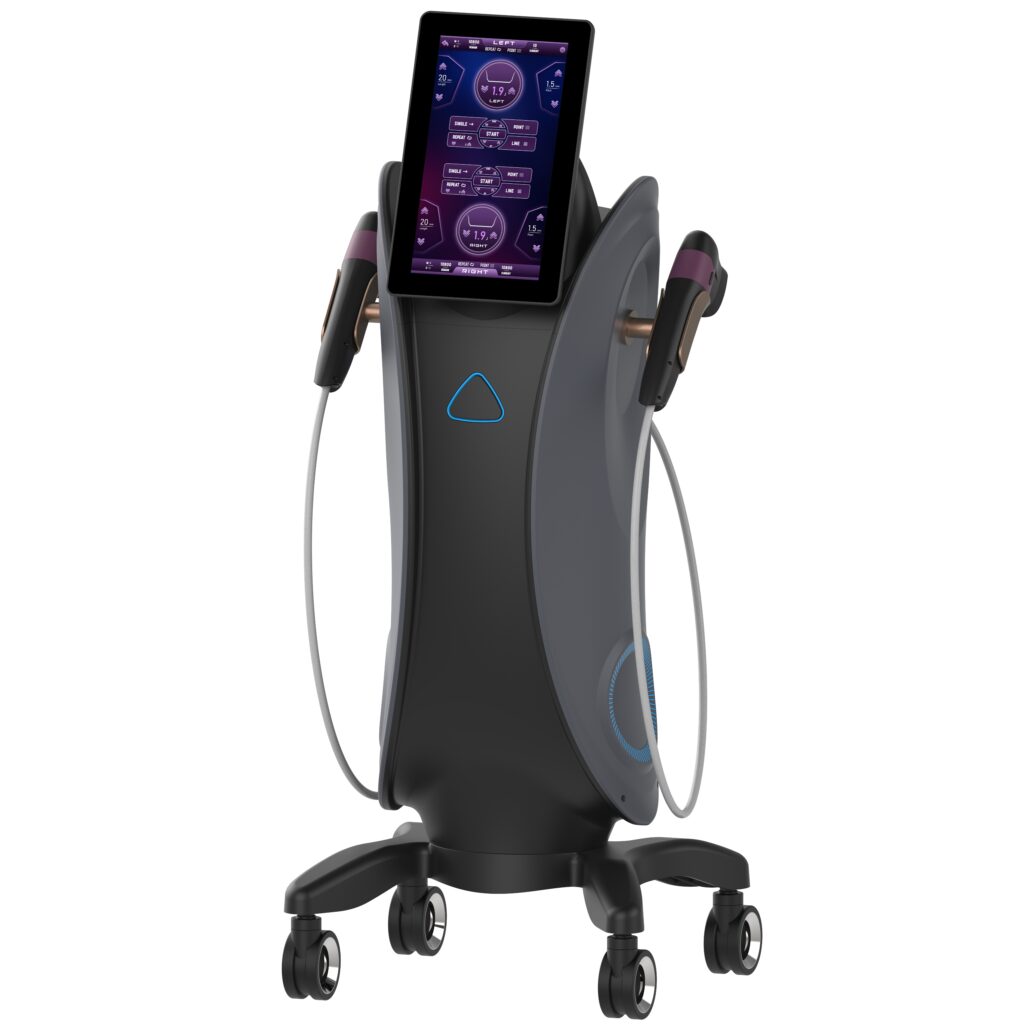
IL A0272-F SHEFMON Emface EMS Dispositivo a microcorrente per il lifting e la modellatura del viso is currently described as combining high-intensity facial electrical stimulation with RF. It should therefore have its own service identity rather than appear as a longer version of the A0648 facial.
A0272-F may fit a growing clinic that already has a stable maintenance menu and sees demand for a non-invasive facial tone and contour category. Plan:
- a client-facing explanation of EMS and RF;
- screening tied to the technology and current instructions;
- approved applicator placement and setup;
- staff competency for the delivered configuration;
- device, applicator, and appointment records;
- cleaning and inspection between clients;
- realistic marketing without guaranteed lifting or facelift comparisons.
This lane can broaden the clinic’s menu without immediately creating a skin-penetrating service. It still needs a complete operating system and must stay within applicable local requirements.
6. Build A0204 as a Configuration-Specific HIFU Service
IL A0204 Macchina HIFU focalizzata 9D/7D 5 in 1 is listed with standard and optional cartridges plus several optional handles. Service planning must begin with the final supplied configuration.
Create the service only after the clinic has confirmed:
- which 9D or 7D handles and cartridges are included;
- the intended service scope supported by current documentation;
- operator qualifications, training, and authorization;
- cartridge selection and tracking procedures;
- consultation, consent, records, client instructions, and follow-up;
- room layout, device placement, cleaning, storage, and accessory control;
- local requirements for the device, service, facility, and provider.
The product page also lists optional RF, Vmax HIFU, Lipo HIFU, vaginal HIFU, and microneedle RF-related components. Do not place every listed function on the menu. Each optional module needs confirmation, documentation, training, and a separate readiness decision.
7. Reserve A0152 for a Clinical RF Microneedling Lane
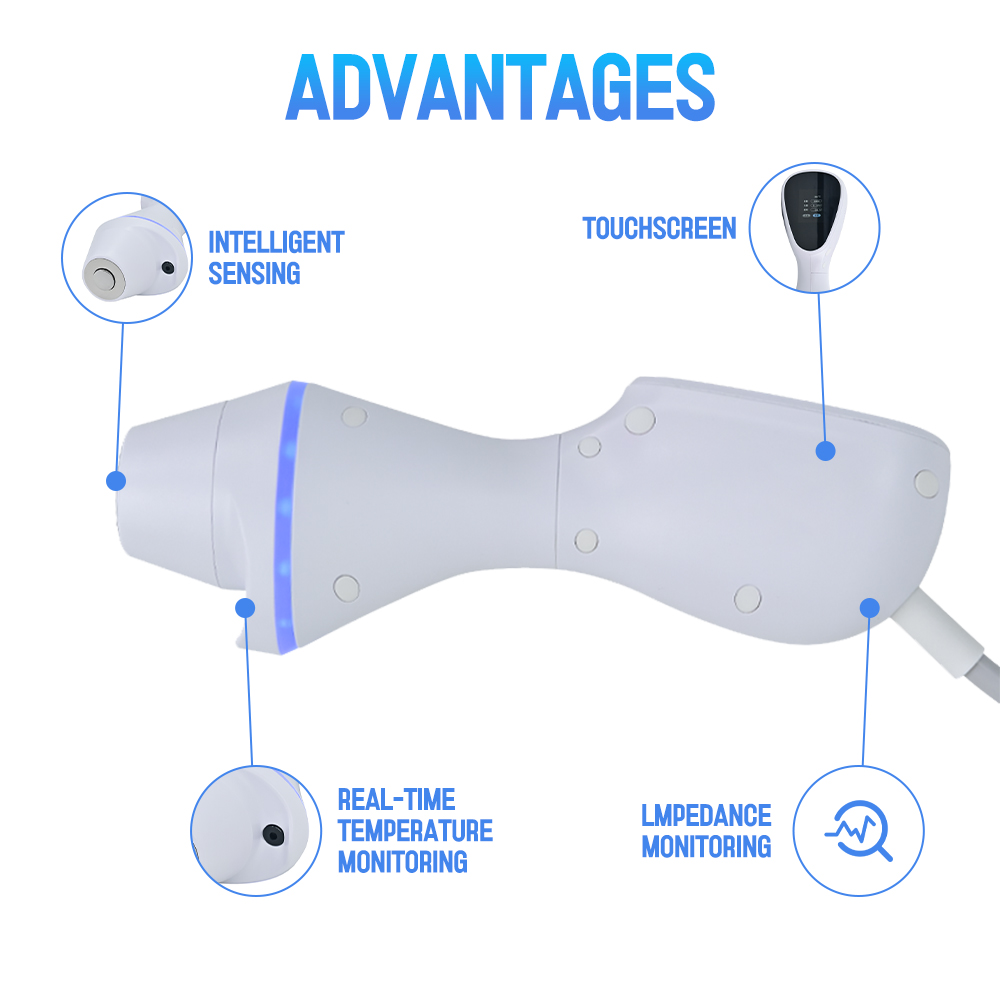
IL A0152 Microneedling RF da tavolo con profondità 8 is a skin-penetrating RF system. The current page lists computerized depth control, 12-pin, 24-pin, 40-pin, and nano heads, along with selectable handle configurations.
A0152 requires a clinical service plan that covers:
- licensing and provider scope under local rules;
- procedure-specific assessment and informed consent;
- supplied handle and head verification;
- single-use head traceability;
- clean setup and infection-control procedures;
- sharps or regulated-waste handling where applicable;
- settings and technique governed by current documentation and qualified training;
- written aftercare, follow-up, and complication escalation;
- adverse-event reporting and device quarantine where required.
The U.S. FDA’s October 2025 Comunicazione sulla sicurezza del microneedling a radiofrequenza reports serious complications with certain uses and describes RF microneedling as a medical procedure that should be performed by licensed healthcare providers with appropriate training and experience. Clinics outside the United States must apply their own rules and device status.
A0152 should appear in a clinical skin-procedure section, not under “premium facials.”
8. Add A0423 Only as a Separate Laser Service
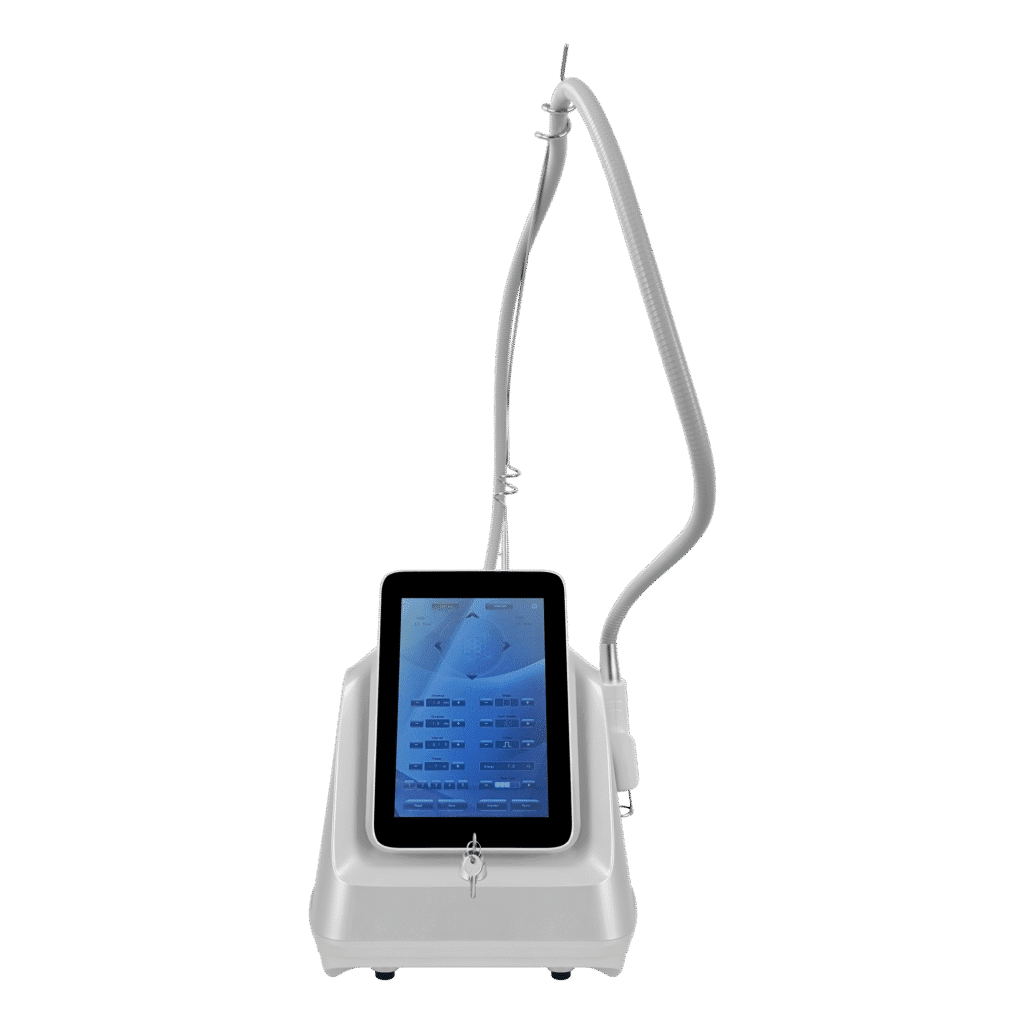
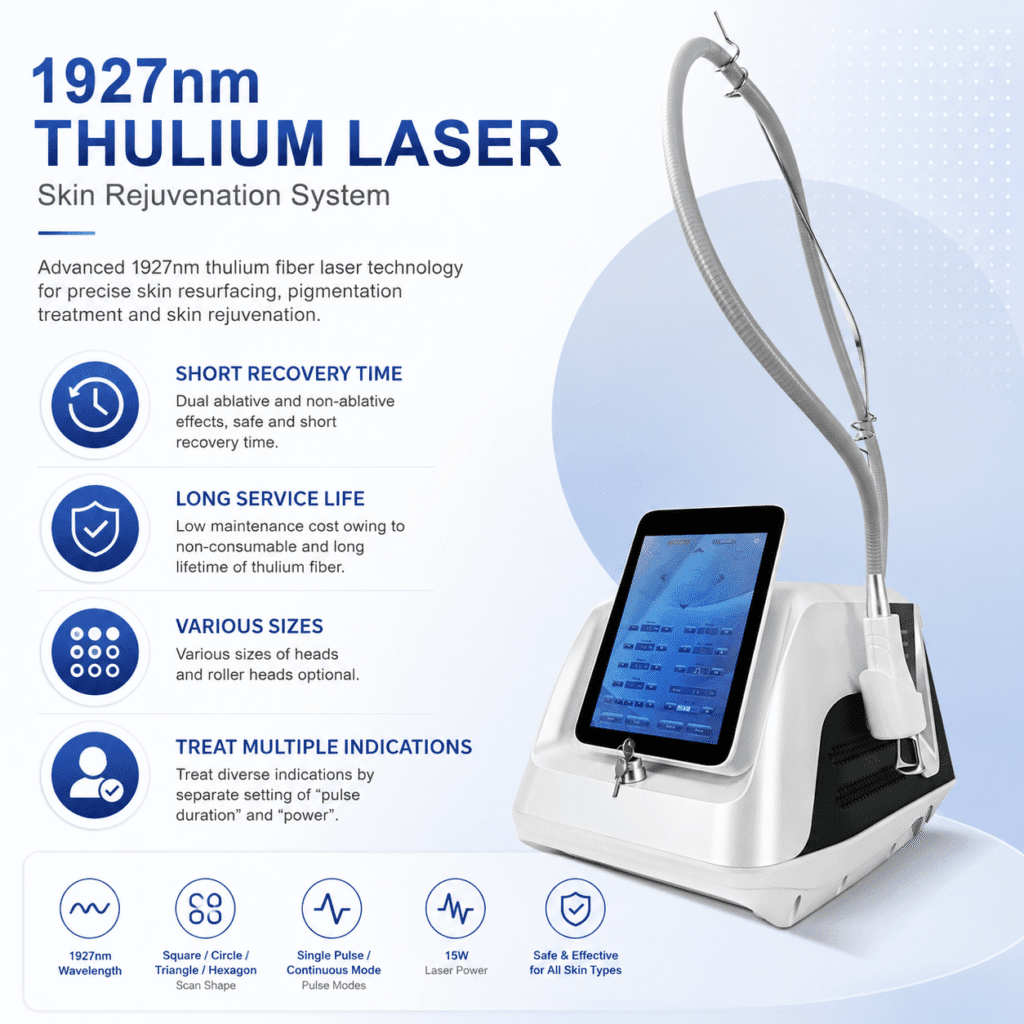
Lo SHEFMON Categoria depilazione currently lists A0423 as a 755/1064/810/940 nm diode laser hair-removal machine. Hair removal can add a distinct course-based service line, but it should operate separately from facial maintenance and rejuvenation.
Plan the A0423 lane around:
- a laser-specific consultation and suitability assessment;
- hair and skin characteristics relevant to the approved service;
- trained and locally authorized operators;
- a dedicated or properly controlled treatment room;
- protective eyewear selected for the delivered laser specification;
- access control, signage, reflective-surface review, and emergency procedures;
- cooling, handpiece, cable, water-flow, or other checks required by current documentation;
- service records, course tracking, pre-care, aftercare, and follow-up.
The American Academy of Dermatology’s laser hair removal guidance warns that burns, permanent skin-color changes, and scars can occur in inexperienced hands and emphasizes skilled medical delivery. Local rules determine who may perform the service, but the operational lesson applies to every clinic: a laser is not an ordinary facial-room accessory.
9. Choose the Next Lane from a Decision Matrix
| Current gap | Category to evaluate | Do not proceed until |
|---|---|---|
| No dependable entry facial | A0648 idromicrodermoabrasione | Core intake, consumables, cleaning, and staff competency are ready |
| Core facial is stable; clients request non-invasive facial tone | A0272-F EMS/RF | Screening, applicator workflow, records, and scope are confirmed |
| Repeated qualified demand for focused ultrasound | A0204 HIFU | Exact configuration, trained operator, consultation, room, and follow-up are ready |
| Licensed clinic needs a skin-penetrating texture pathway | A0152 RF microneedling | Clinical hygiene, traceability, waste, consent, aftercare, and escalation are ready |
| Repeated demand for professional hair reduction | Laser a diodo A0423 | Laser room, eyewear, operator qualification, consultation, and technical controls are ready |
If two gaps appear equally important, compare the clinic’s strongest existing capability. A clinical team with established procedure rooms may be closer to RF microneedling readiness. A clinic with strong course management and a suitable laser room may be better placed to launch hair removal.
10. Write a Service Brief for Every Device
Before the service reaches the public menu, create a one-page service brief containing:
- service name;
- client need and intended menu role;
- device, version, handle, head, or cartridge configuration;
- provider level and authorization;
- required consultation and consent;
- room and protective requirements;
- appointment blocks for consultation, setup, service, turnover, and follow-up;
- consumables and replacement items;
- required records;
- client instructions and escalation route;
- marketing claims that are permitted and prohibited;
- quality measures and review owner.
This document connects the purchase decision to daily operations. It also helps the clinic identify missing information before bookings open.
11. Create Client-Facing Menu Sections
Use service categories clients can understand.
Essential Skin Maintenance
- Hydro Cleansing and Hydration
- Congestion-Focused Maintenance
- Seasonal Skin-Care Review
Primary device: A0648.
Non-Invasive Facial Technology
- Facial EMS and RF Consultation
- Facial Tone and Contour Service
Primary device: A0272-F.
Focused Rejuvenation
- Focused HIFU Consultation
- Configuration-Specific HIFU Service
Primary device: A0204.
Clinical Skin Procedures
- RF Microneedling Assessment
- RF Microneedling Procedure and Follow-Up
Primary device: A0152.
Laser Hair Reduction
- Laser Hair-Reduction Consultation
- Area-Based Laser Course
- Course Review and Maintenance Assessment
Primary device: A0423.
Avoid menus that rank these as bronze, silver, gold, and platinum versions of the same treatment. Each category has a different functional principle and eligibility pathway.
12. Design Client Routes, Not Automatic Upsells
A route should begin with the client’s concern and current suitability.
Maintenance route
Consultation → A0648 service → routine instructions → rebooking based on the maintenance plan.
Non-invasive facial route
Device-specific screening → A0272-F service → instructions and review according to the approved plan.
Focused-HIFU route
Professional assessment → configuration-specific A0204 service → follow-up under the clinic’s approved pathway.
Clinical RF microneedling route
Clinical assessment and consent → A0152 procedure → aftercare → scheduled follow-up and escalation access.
Laser hair-reduction route
Laser consultation → area and course plan → A0423 sessions under the approved pathway → course review.
The clinic may own all five devices, yet a client may appropriately use only one service lane. Growth should increase the number of suitable choices, not pressure every client toward the most advanced procedure.
13. Separate Consultations by Technology
A general client profile can capture contact details, history, current products or medications where relevant, previous services, expectations, and consent to clinic policies. It should then branch into a form for the selected category.
The A0648 form should reflect the delivered facial functions and current skin condition. A0272-F needs EMS- and RF-specific screening. A0204 requires HIFU and cartridge-specific assessment. A0152 needs a clinical skin-penetrating procedure form. A0423 requires laser-specific assessment, course planning, and pre-care review.
One checkbox labeled “beauty device treatment” is not sufficient for this range of technologies.
14. Build a Staff Authorization Matrix
| Role | Trattamento viso principale | EMS/RF facial | HIFU focalizzato | Microneedling RF | Laser a diodo |
|---|---|---|---|---|---|
| Reception and booking | Explain entry criteria and correct appointment type | Route to screening | Book consultation first | Book clinical assessment first | Book laser consultation first |
| Facial practitioner | Operate if trained and authorized | Only if specifically authorized | No automatic authority | No automatic authority | No automatic authority |
| Advanced device practitioner | According to scope | According to scope | According to scope and configuration | Only if legally and clinically appropriate | According to local laser requirements |
| Clinical lead | Referral support | Oversight where required | Oversight where required | Clinical governance and escalation | Governance and complication pathway |
Record the exact model and configuration covered by each authorization. Training on one function does not grant permission to use every optional handle or another technology.
15. Allocate Rooms by Service Risk and Workflow
Map each room for power, ventilation where relevant, water or fluid handling, cleaning, storage, privacy, protective equipment, waste, device clearance, and emergency access.
- A0648 room: prioritize solutions, tips, filters, tubing, spill control, cleaning, and facial turnover.
- A0272-F room: prioritize applicator storage, cable inspection, placement setup, cleaning, and screening records.
- A0204 room: prioritize cartridge control, device clearance, positioning, storage, and aftercare materials.
- A0152 room: prioritize clinical hygiene, clean setup, traceability, sharps or regulated waste, and escalation supplies.
- A0423 room: prioritize access control, wavelength-appropriate protective eyewear, warning measures, reflective-surface review, and laser-specific emergency procedures.
If rooms are shared, define the complete reset between service categories. Do not rely on staff memory for removing products, accessories, waste, or protective items from the previous appointment.
16. Calculate Capacity from the Whole Appointment
Machine operating time is only one part of the booking block. Capacity planning should include:
- consultation or pre-service confirmation;
- room and device setup;
- the approved service workflow;
- client instructions and records;
- cleaning and room turnover;
- follow-up tasks;
- buffer for technical checks or unexpected delays.
The clinic can then compare available staff hours and room hours with realistic appointment blocks. This avoids publishing a full schedule that leaves no time for cleaning, records, or client questions.
Do not build revenue projections from the shortest time stated on a product page. Use the clinic’s complete operating pathway and actual controlled-launch data.
17. Control Consumables and Configurations
| Modello | Configuration or consumable controls |
|---|---|
| A0648 | Supplied functions, tips, solutions, filters, tubing, cleaning items, compatible products |
| A0272-F | Delivered applicators or pads, placement items, cables, cleaning materials, replacement parts |
| A0204 | Supplied handles, cartridge depths, shot or use tracking where applicable, coupling materials, storage |
| A0152 | Handle configuration, 12-pin/24-pin/40-pin/nano heads as supplied, lot or batch traceability, single-use control, waste |
| A0423 | Delivered wavelength configuration, handpiece, cooling-related items, eyewear specification, maintenance items |
Set reorder points using actual service use, supplier lead time, minimum operating stock, and expiry or storage requirements. Do not assume every item shown online is included with the machine.
18. Keep Packages and Memberships Within One Lane
Suitable package structures include:
- an A0648 maintenance membership with periodic suitability review;
- an A0272-F course only after device-specific screening;
- an A0204 pathway governed by the clinic’s qualified assessment and current documentation;
- an A0152 clinical plan with consent, single-use head control, aftercare, and follow-up;
- an A0423 area-based course with laser-specific review.
Avoid packages that promise every client the same number of sessions, guarantee an outcome, or combine several technologies into one appointment without a reviewed protocol. Packages should simplify booking and communication while preserving the decision points that protect the client.
19. Launch One New Category in Four Gates
Gate 1: Definition
Approve the service role, target buyer need, model and configuration, operator level, claims, and local scope.
Gate 2: Readiness
Complete training, room setup, consultations, consent where required, records, instructions, stock, cleaning, maintenance, and escalation.
Gate 3: Controlled launch
Open a limited schedule with authorized staff. Review every record, room reset, consumable issue, client question, follow-up, and unexpected response.
Gate 4: Stabilization
Expand availability only after the clinic demonstrates consistent booking, delivery, documentation, stock control, and quality review.
The next device category should wait until the current one passes the stabilization gate.
20. Measure Service Performance Without Inventing ROI
Useful operational measures include:
- consultation-to-booking conversion by category;
- appointment utilization by device and room;
- rebooking or course completion where appropriate;
- incomplete consultation or consent records;
- consumable variance and stock-outs;
- room-turnover audit results;
- follow-up completion;
- cancellations caused by incorrect booking or failed pre-screening;
- complaints, adverse events, device faults, and corrective actions;
- staff authorization and competency review dates.
These measures show whether the service is stable. They do not establish clinical efficacy or guarantee financial returns.
21. Hold a Monthly Service Review
For each device category, review:
- demand and booking quality;
- suitability and referral patterns;
- documentation completeness;
- device, handle, cartridge, head, or accessory issues;
- consumable use and stock;
- cleaning and room controls;
- follow-up and unexpected responses;
- staff feedback and competency needs;
- accuracy of website and menu claims;
- whether the category is ready to expand, needs correction, or should remain limited.
Assign one named owner for every action and a due date. Growth plans fail when review findings are discussed but never converted into operational changes.
22. Create Buyer-Specific Packages for Distributors
Distributors can organize recommendations around the clinic’s missing service system.
- Core clinic package: A0648 with confirmed handpieces, tips, solutions, filters, cleaning, and sample maintenance-menu roles.
- Non-invasive facial growth package: A0648 plus A0272-F, with distinct service descriptions, screening, applicator controls, and room needs.
- Focused rejuvenation package: A0648 plus a precisely configured A0204, with cartridge, training, consultation, and follow-up requirements.
- Clinical texture package: A0648 plus A0152 for an appropriately licensed clinic, including head traceability, hygiene, waste, aftercare, and escalation planning.
- Hair-removal expansion package: A0423 with its delivered wavelength configuration, room controls, protective eyewear, training expectations, course materials, and technical checks.
Before recommending a package, ask for the buyer’s country, facility type, staff qualifications, current menu, monthly enquiry patterns, room plan, existing devices, intended services, and preferred configuration.
23. Common Service-Planning Mistakes
Evitare:
- choosing machines before defining services;
- copying a product function list directly into the client menu;
- making every new device an add-on to the hydro facial;
- launching HIFU without confirming the exact A0204 configuration;
- treating A0152 as an ordinary facial upgrade;
- placing A0423 in a general facial room without laser controls;
- training one person while reception and follow-up teams remain unprepared;
- using the same consultation for hydro, EMS/RF, HIFU, RF microneedling, and laser;
- scheduling by machine time while ignoring setup, records, instructions, and turnover;
- ordering initial consumables without a reorder system;
- selling unverified same-day combinations;
- promising fixed outcomes, universal treatment intervals, or guaranteed payback;
- opening several categories before the clinic can audit the first one.
24. Final Planning Checklist
Before opening bookings, confirm:
- a proven client need and clear service role;
- the correct device, version, handles, heads, cartridges, and accessories;
- current documentation and intended use;
- applicable device, facility, provider, and advertising requirements;
- named service owner and authorized operators;
- completed consultation, consent, records, instructions, follow-up, and escalation;
- room layout, power, cleaning, storage, protection, waste, and turnover;
- consumables, reorder points, maintenance, warranty, spare parts, and support;
- client-facing menu description and staff booking guide;
- controlled-launch capacity and review schedule;
- quality measures and corrective-action process;
- a stabilization decision before the next service category is added.
Domande frequenti
1. Which beauty device service should a growing skin clinic plan first?
If the clinic lacks a dependable core facial, start with an A0648 maintenance lane. If the core menu is already stable, use consultation demand, staff scope, room readiness, and operating capability to select the next category.
2. How many new device services should a clinic launch at once?
One new category at a time is the clearest approach. Complete its controlled launch and stabilization review before opening another service with different training, room, and follow-up requirements.
3. What is a suitable second service after hydro microdermabrasion?
A0272-F can fit a clinic seeking a separate non-invasive facial tone category. A0204, A0152, or A0423 may be more appropriate when verified demand and professional readiness point to HIFU, RF microneedling, or hair removal.
4. Can A0272-F be listed as part of an A0648 facial?
It is clearer to give A0272-F its own EMS and RF service. This preserves technology-specific screening, applicator procedures, records, and client expectations.
5. Does A0204 include every handle shown on its product page?
No such assumption should be made. The page lists several optional handles and cartridges. The quotation and final configuration must state what is supplied and which services the clinic can support.
6. Is A0152 suitable for every skin clinic?
No. A0152 is a skin-penetrating RF microneedling system and should be used only where licensing, qualified clinical operation, hygiene, traceability, waste, aftercare, and complication controls are appropriate.
7. Why add laser hair removal to a skin clinic menu?
It can create a separate course-based service for clinics with verified demand. A0423 should be evaluated only when the clinic can support laser-specific consultation, operators, room controls, eyewear, technical checks, records, and aftercare.
8. Can these devices be combined in one appointment?
Do not infer same-day compatibility from portfolio ownership. Sequence, settings, treatment areas, intervals, and individual suitability require qualified, device-specific assessment and approved procedures.
9. What should a clinic measure after launch?
Track booking quality, utilization, record completion, consumable use, room audits, follow-up, cancellations, complaints, unexpected events, device faults, and staff competency reviews.
10. What should a buyer send SHEFMON for a service-planning recommendation?
Send the country, clinic type, current menu, client-demand patterns, staff qualifications, room plan, existing devices, target service lane, preferred configuration, and support requirements.
Conclusione
Professional beauty device services should grow as a controlled system. A0648 can anchor core skin maintenance. A0272-F can add a separate non-invasive facial technology lane. A0204 can support a qualified, configuration-specific HIFU pathway. A0152 belongs in an appropriately licensed clinical RF microneedling service, while A0423 can add a separate laser hair-reduction department when the room, staff, and controls are ready.
The clinic should define the service, prepare the operating system, run a controlled launch, and prove stability before adding the next category. This keeps the menu understandable for clients and workable for the team as the business grows.
Esplora il SHEFMON Hydra range, skin-care and facial rejuvenation devices, Sistemi HIFU, Dispositivi per microneedling MNRF, E hair-removal equipment. Clinics can contattare SHEFMON with their service plan, team qualifications, room, country, and configuration requirements for a focused equipment comparison.