Sintesi
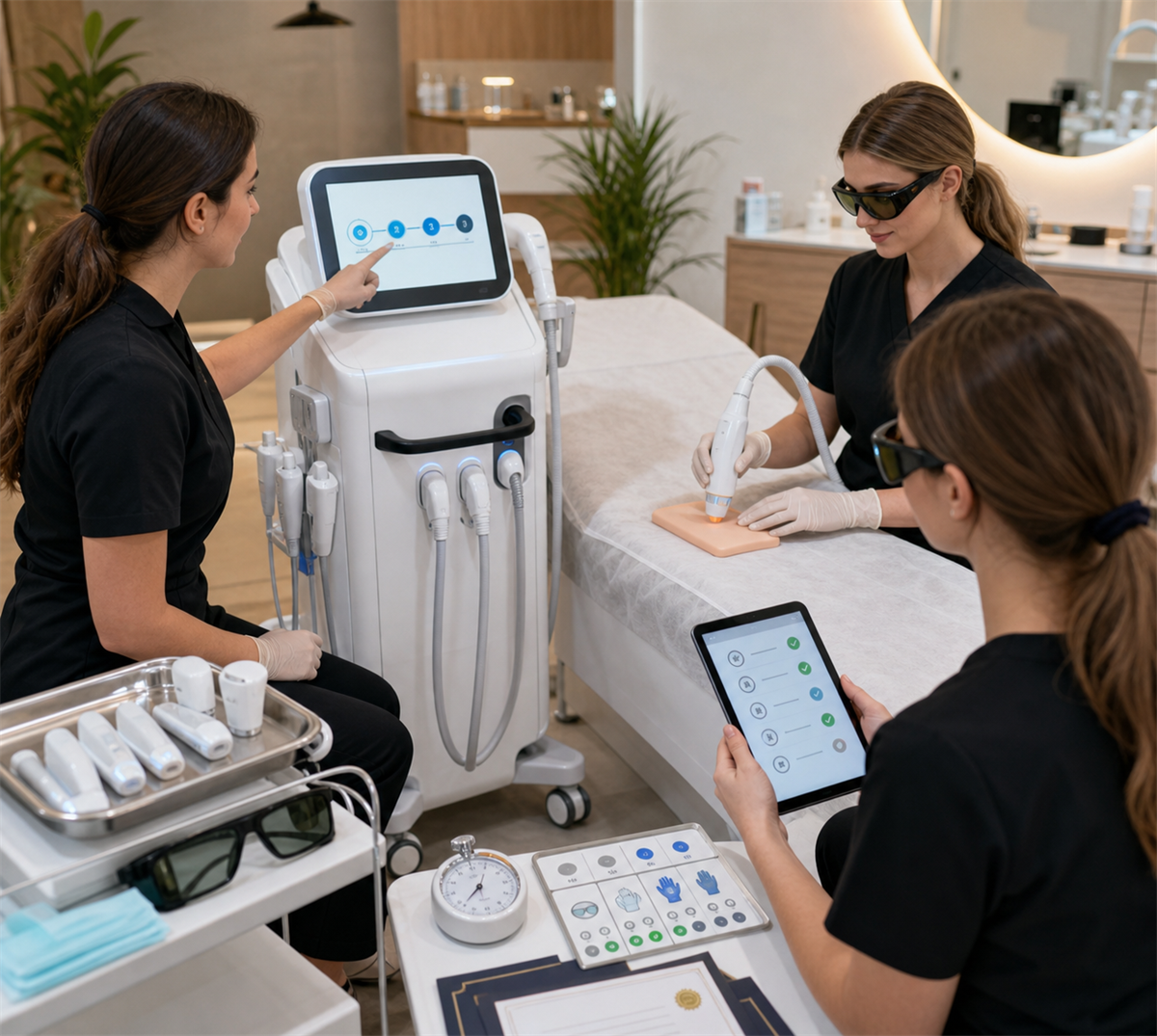
Le apparecchiature per la bellezza non sono tutte ugualmente difficili da utilizzare. Alcuni apparecchi possono essere appresi in poche ore, mentre i dispositivi più avanzati, basati sull'energia o regolamentati, possono richiedere giorni o settimane di formazione strutturata, pratica supervisionata e verifiche di conformità locali.
Una risposta pratica per i saloni di bellezza è:
- Analisi della pelle: funzionamento di base in mezza giornata o un giorno, utilizzo più efficace dopo 1 o 2 settimane.
- Dispositivi per fototerapia a LED: funzionamento di base in mezza giornata o 1 giorno, utilizzo con protocollo stabile in 3-7 giorni.
- Apparecchiature per idroterapia facciale, idroossigenazione e microbolle: funzionamento di base in 1-3 giorni, flusso di lavoro di servizio stabile in 1-2 settimane.
- Dispositivi a ultrasuoni, elettrostimolazione (EMS) e microcorrente: funzionamento di base in 1-3 giorni, servizio più completo in 1-2 settimane.
- Dispositivi a radiofrequenza per viso o corpo: formazione di base in 3-7 giorni, utilizzo supervisionato per 2-4 settimane.
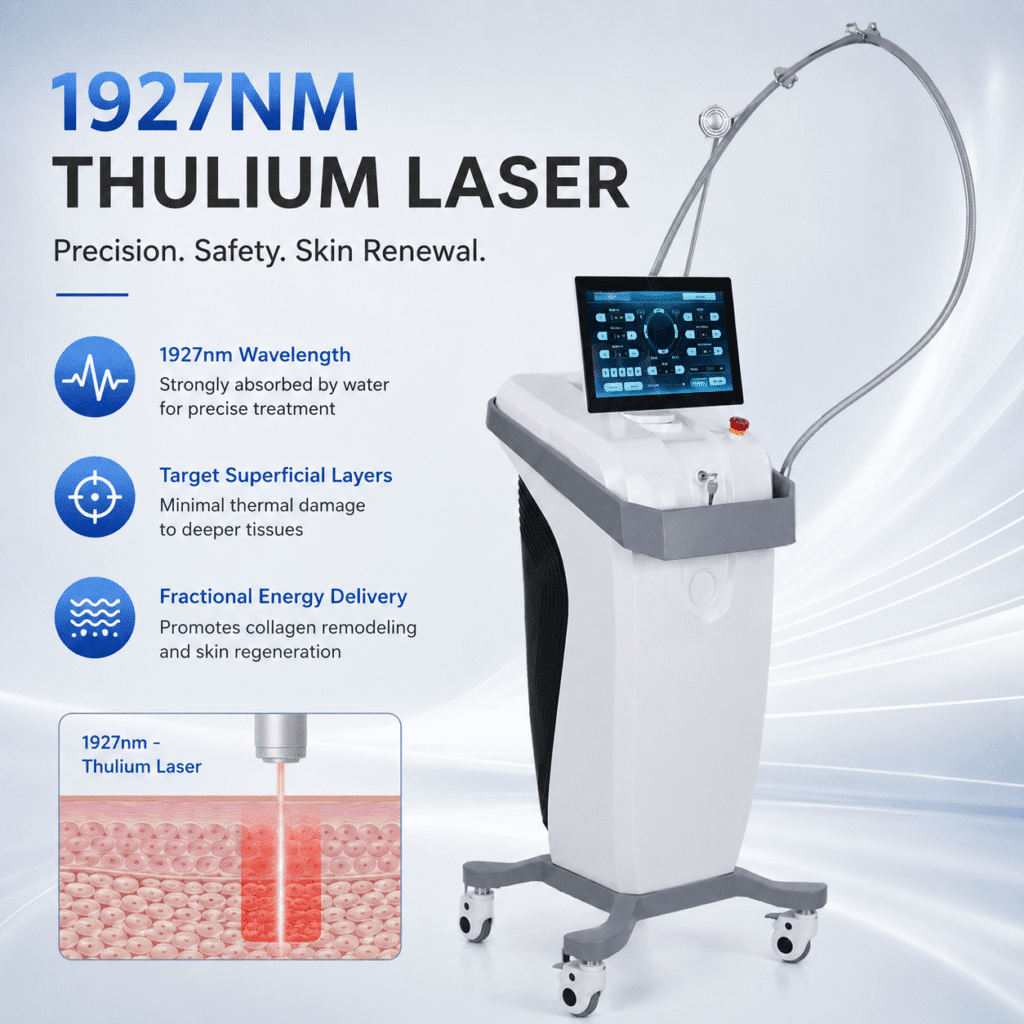
- Epilazione, luce pulsata (IPL), laser, HIFU, criolipolisi e dispositivi per il rimodellamento del corpo: i tempi di formazione variano notevolmente, ma i saloni dovrebbero prevedere almeno 1 o 2 settimane di formazione formale, oltre a un periodo di pratica continuativa sotto supervisione.
- Dispositivi medico-estetici o ad alto rischio: non utilizzare una semplice stima dei tempi. Il personale deve essere in possesso delle licenze locali, rispettare le normative professionali, aver ricevuto una formazione specifica dal produttore, possedere le competenze necessarie in materia di sicurezza e soddisfare i requisiti normativi.
La vera questione non è solo quanto tempo ci vuole per premere i pulsanti. La domanda migliore è quanto tempo ci vuole al personale per operare in sicurezza, selezionare i clienti adatti, seguire i protocolli, spiegare aspettative realistiche, gestire le controindicazioni, pulire correttamente il dispositivo e presentare il progetto senza esagerazioni.
Per la maggior parte delle attrezzature comuni nei saloni di bellezza, il personale può apprendere le funzioni di base in 1-7 giorni. Per diventare commercialmente efficaci e affidabili con i clienti, spesso sono necessarie 2-8 settimane di pratica ripetuta, feedback e analisi di casi reali.
1. Perché la difficoltà operativa è importante prima dell'acquisto
Quando i saloni di bellezza acquistano nuove attrezzature, molti proprietari si concentrano su prezzo, tecnologia, aspetto, promesse sui trattamenti e garanzie del fornitore. Tuttavia, la difficoltà di utilizzo può determinare se la macchina diventerà redditizia o rimarrà inutilizzata.
Se il personale non è in grado di utilizzare la macchina con sicurezza, il salone potrebbe trovarsi ad affrontare:
- Basso utilizzo delle attrezzature
- Rimborso lento
- Esperienza cliente scadente
- Qualità del trattamento incoerente
- Altre lamentele
- Rischio per la sicurezza più elevato
- Spiegazione del progetto debole
- Bassa conversione del pacchetto
- Maggiore dipendenza da un dipendente esperto
- Impatto di un maggiore turnover del personale
Anche una macchina facile da vendere può rivelarsi un fallimento se il team non è in grado di utilizzarla correttamente. Allo stesso modo, una macchina tecnologicamente avanzata può essere preziosa se il salone dispone del personale adeguato, di un sistema di formazione efficace e di una clientela consolidata.
2. La risposta breve
La maggior parte delle apparecchiature di base per la bellezza è facile da usare a livello di pulsanti. Molti operatori possono imparare a usare l'interfaccia, le manopole e le fasi del trattamento in pochi giorni.
Tuttavia, l'utilizzo professionale include ben più del semplice funzionamento dei pulsanti.
Il personale deve imparare:
- Cosa fa la macchina
- Quali clienti sono adatti
- Quali clienti non sono adatti
- Come scegliere le impostazioni di trattamento
- Come regolare il dosaggio in base alle condizioni della pelle o alla zona del corpo
- Come spiegare il progetto
- Come gestire le aspettative dei clienti
- Come pulire e disinfettare i componenti
- Come registrare le informazioni sul trattamento
- Come reagire al disagio
- Come evitare affermazioni esagerate
- Come rispettare le leggi locali e l'ambito professionale
Pertanto, il tempo di apprendimento dipende dalla categoria della macchina e dallo standard che il salone utilizza per definire il concetto di "apprendimento".“
3. Tre livelli di apprendimento
I saloni dovrebbero suddividere la formazione del personale in tre livelli.
Livello 1: Funzionamento di base
Il personale è in grado di accendere la macchina, selezionare le modalità, utilizzare le maniglie, seguire semplici passaggi, pulire il dispositivo ed eseguire una manutenzione di base sotto guida.
Tempo tipico:
- Da mezza giornata a 3 giorni per dispositivi semplici
- Da 3 a 7 giorni per i dispositivi più avanzati
Livello 2: Erogazione di servizi in autonomia
Il personale è in grado di accogliere il cliente, verificarne l'idoneità, spiegare la procedura, completare il trattamento, rispondere ai normali commenti del cliente e terminare la documentazione senza bisogno di assistenza costante.
Tempo tipico:
- Da 1 a 2 settimane per le attrezzature comuni da salone
- Da 2 a 4 settimane per dispositivi basati sull'energia o sul corpo
Livello 3: Consulenza e conversione professionale
Il personale è in grado di collegare l'apparecchiatura alle esigenze del cliente, progettare pacchetti, gestire le aspettative, spiegare le differenze rispetto ad altri trattamenti, gestire le obiezioni e migliorare le prenotazioni ripetute.
Tempo tipico:
- Da 1 a 3 mesi per molti membri dello staff
- Più lungo per progetti di fascia alta o trattamenti regolamentati
Ecco perché alcuni fornitori affermano che "la formazione dura un giorno", mentre i saloni hanno bisogno di settimane per presentare al meglio il progetto. Entrambe le affermazioni possono essere vere. Un giorno può bastare per imparare a usare i pulsanti, ma non per padroneggiare il flusso di lavoro aziendale.
4. Principali fattori che influenzano il tempo di allenamento
La difficoltà di utilizzo delle apparecchiature per la bellezza dipende da diversi fattori:
- Tipo di tecnologia
- Livello di energia
- Area di trattamento
- esigenze di valutazione del cliente
- Numero di MANIGLIE o modalità
- complessità della regolazione dei parametri
- Screening delle controindicazioni
- Requisiti di pulizia e disinfezione
- Fasi di sostituzione dei materiali di consumo
- Possibili disturbi o reazioni avverse
- Requisiti locali in materia di licenze o normative
- Formazione ed esperienza del personale
- qualità della formazione dei fornitori
- Se i protocolli di trattamento sono chiari
Un semplice dispositivo a LED con modalità fisse è solitamente molto più facile da usare rispetto a un sistema di epilazione a luce pulsata (IPL) o a un dispositivo a ultrasuoni focalizzati ad alta intensità. Un analizzatore cutaneo può essere facile da usare, ma più difficile da utilizzare correttamente durante una consulenza.
5. Tempo di addestramento per l'analizzatore cutaneo
Gli analizzatori cutanei sono generalmente facili da usare. Il personale può spesso apprendere le nozioni di base in mezza giornata o in un giorno.
L'addestramento di base comprende:
- Accensione del sistema
- Creazione del profilo cliente
- Acquisizione di immagini
- Posizionare correttamente il viso
- Lettura dei principali indicatori
- Salvataggio dei rapporti
- Mostrare i risultati al cliente
Tuttavia, utilizzare correttamente un analizzatore cutaneo in un salone richiede più tempo. Il personale deve imparare a collegare il report alle raccomandazioni di trattamento.
Tempistiche pratiche di apprendimento:
- Funzionamento di base: da mezza giornata a 1 giorno
- Tempistiche di consultazione: da 3 a 7 giorni
- Consegna consigliata: da 1 a 2 settimane
- Conversione e follow-up qualificati: da 1 a 2 mesi
Il rischio maggiore non è di natura tecnica. Il rischio maggiore è quello di trasformare l'analizzatore in uno strumento di visualizzazione anziché in uno strumento di consultazione.
6. Durata del corso di formazione sulla terapia con luce LED
I dispositivi per la fototerapia a LED sono generalmente tra le apparecchiature estetiche più facili da utilizzare.
L'addestramento di base può durare da mezza giornata a un giorno intero.
Il personale deve apprendere:
- Configurazione del dispositivo
- Protezione degli occhi
- Distanza di trattamento
- Tempo di trattamento
- Protocollo colore o lunghezza d'onda, se applicabile
- Tipologie di clienti adatte
- Controindicazioni
- fasi di pulizia
- Come combinare la terapia LED con trattamenti viso o pacchetti per la cura dell'acne
Tempistiche pratiche di apprendimento:
- Funzionamento di base: da mezza giornata a 1 giorno
- Utilizzo stabile del protocollo: da 3 a 7 giorni
- Buona spiegazione del progetto: da 1 a 2 settimane
La terapia a LED è spesso facile da usare, ma non bisogna esagerare nella sua promozione. Il personale deve spiegare il valore reale dei trattamenti, la frequenza di utilizzo e le differenze individuali.
7. Tempo di formazione su idroterapia facciale, acqua ossigenata e piccola macchina per bolle
I trattamenti idrofacciali, i getti d'acqua e le macchine per le bolle di sapone sono comuni nei saloni di bellezza perché sono pratici e relativamente facili da integrare nei servizi per il viso.
L'operazione di base richiede in genere da 1 a 3 giorni.
La formazione dovrebbe comprendere:
- Utilizzo della maniglia
- forza di aspirazione
- Selezione della soluzione
- valutazione della sensibilità cutanea
- Sequenza di trattamento
- Pulizia e risciacquo
- Sostituzione del filtro o della bottiglia
- Calcolo dei materiali di consumo
- Controllo del comfort del cliente
- Spiegazione del pacchetto di aggiornamento
Tempistiche pratiche di apprendimento:
- Funzionamento di base: da 1 a 3 giorni
- Flusso di lavoro del servizio senza intoppi: da 1 a 2 settimane
- Buoni aggiornamenti e offerte speciali: da 2 a 6 settimane
Queste macchine non sono difficili da imparare per il personale, ma i saloni dovrebbero evitare di offrire la stepper come accessorio gratuito a tempo indeterminato. Se il personale non è in grado di spiegarne il valore, la macchina potrebbe non contribuire ad aumentare il fatturato.
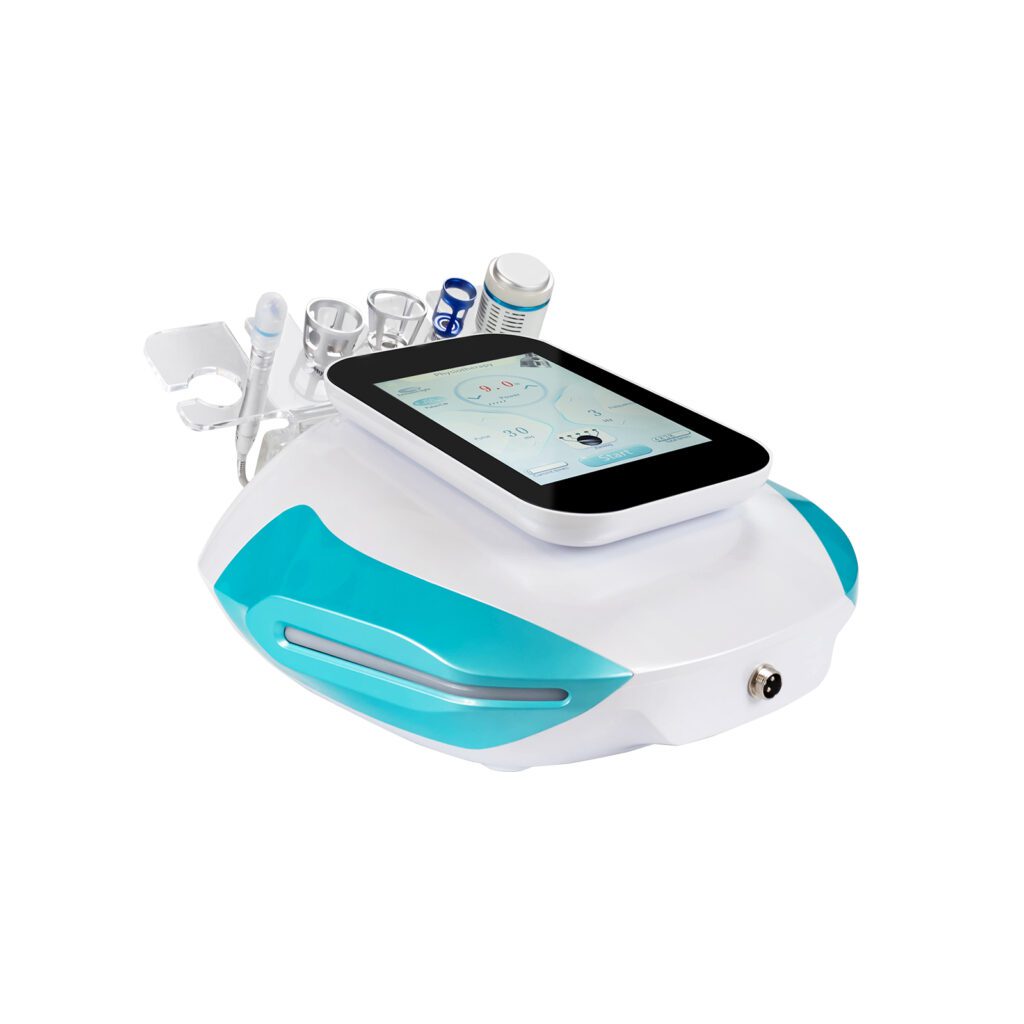
8. Tempo di formazione sull'utilizzo del dispositivo a ultrasuoni per il viso
I dispositivi a ultrasuoni per il viso sono generalmente di difficoltà moderata. L'interfaccia può essere semplice, ma il personale deve comprendere la tecnica di contatto, la velocità di movimento, l'uso del gel, il comfort del cliente e i limiti del trattamento.
Tempistiche pratiche di apprendimento:
- Funzionamento di base: da 1 a 3 giorni
- Servizio clienti stabile: da 1 a 2 settimane
- Consulenza riservata: da 2 a 4 settimane
La formazione dovrebbe includere:
- Zone di trattamento idonee
- Controindicazioni
- Uso di gel o medium
- Movimento della sonda
- Controllo del tempo
- Feedback dei clienti
- Pulizia e conservazione
I dispositivi a ultrasuoni possono essere utili nei trattamenti viso, ma il personale deve attenersi ai protocolli del fornitore ed evitare di fare affermazioni mediche o non supportate da prove.
9. Tempo di allenamento con EMS e microcorrente
I dispositivi EMS e a microcorrente sono comunemente utilizzati in progetti di rassodamento del viso, rimodellamento e stimolazione muscolare.
Le operazioni di base si possono spesso apprendere in 1-3 giorni.
Tuttavia, il personale ha bisogno di più pratica per offrire un'esperienza confortevole e coerente.
La formazione dovrebbe includere:
- Uso del gel conduttivo
- Posizionamento della sonda
- Regolazione dell'intensità
- Spiegazione della sensazione del cliente
- Zone da evitare
- Controindicazioni
- Ritmo di trattamento
- Progettazione del pacchetto di corsi
Tempistiche pratiche di apprendimento:
- Funzionamento di base: da 1 a 3 giorni
- Servizio autonomo: da 1 a 2 settimane
- Vendite di pacchetti consistenti: da 1 a 2 mesi
La macchina può sembrare semplice, ma il comfort del cliente e la chiarezza delle spiegazioni sono fondamentali. Se il cliente avverte una strana stimolazione senza comprenderne lo scopo, il tasso di conversione potrebbe essere basso.
10. Tempo di formazione sulle apparecchiature RF per la bellezza
Le apparecchiature per trattamenti estetici a radiofrequenza sono più complesse rispetto alle apparecchiature di base per il viso, poiché il personale deve comprendere il calore, il movimento, il controllo dell'energia, il contatto, il feedback del cliente e le controindicazioni.
L'addestramento di base dura in genere dai 3 ai 7 giorni.
Il periodo di pratica supervisionata deve proseguire per 2-4 settimane prima che il salone permetta al nuovo personale di operare in autonomia su una vasta gamma di clienti.
La formazione dovrebbe includere:
- Teoria delle radiofrequenze a livello pratico
- Impostazioni energetiche
- Pianificazione dell'area di trattamento
- Valutazione delle condizioni della pelle
- Percezione della temperatura, se applicabile
- Movimento e contatto della sonda
- Controindicazioni
- Monitoraggio del comfort e della sicurezza del cliente
- intervallo di trattamento
- Gestione delle aspettative di risultato
- Pulizia e manutenzione
La radiofrequenza può supportare progetti anti-invecchiamento di alto livello, ma non deve essere considerata una semplice aggiunta. L'operazione non è impossibile, ma il personale necessita di disciplina e supervisione.
11. Tempo di formazione su epilazione, luce pulsata (IPL) e laser
I dispositivi per la depilazione, i sistemi a luce pulsata (IPL) e i dispositivi laser richiedono una formazione più accurata, poiché la sicurezza, il tipo di pelle, il tipo di pelo, le impostazioni di energia, la protezione degli occhi e le normative locali sono fattori cruciali.
La durata della formazione varia in base al paese, al tipo di dispositivo e all'ambito professionale.
Come gamma pratica di pianificazione aziendale:
- Formazione di base del produttore: da 3 a 7 giorni
- Tirocinio supervisionato: da 2 a 4 settimane
- Servizio indipendente e affidabile: da 1 a 3 mesi
- Licenze o certificazioni locali: dipendono dalle normative di mercato.
La formazione dovrebbe comprendere:
- Valutazione del tipo di pelle
- Valutazione del tipo di capelli
- Selezione dell'area di trattamento
- Impostazioni energetiche
- Utilizzo del sistema di raffreddamento
- Protezione degli occhi
- Test di patch ove opportuno
- Controindicazioni
- Prevenzione delle ustioni e delle reazioni avverse
- Intervalli di trattamento
- Tenuta dei registri
- Intervento di emergenza
- Ambito di competenza legale
I progetti di epilazione possono essere redditizi, ma non sono adatti a un'attività occasionale. Un salone non dovrebbe mai considerare le apparecchiature laser o IPL come "facili guadagni" senza formazione adeguata e verifiche di conformità.
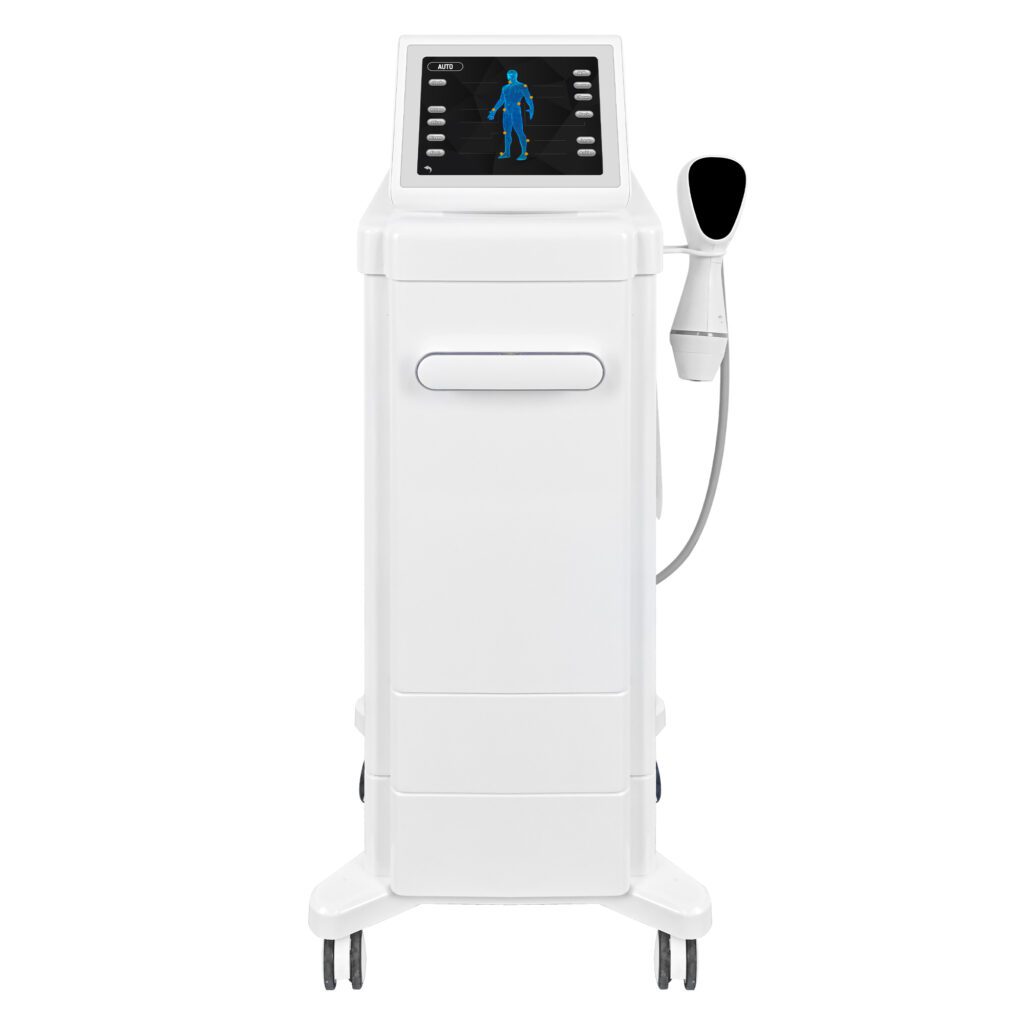
12. Tempo di allenamento con dispositivi per il rimodellamento e il dimagrimento del corpo
Le apparecchiature per il rimodellamento e il dimagrimento del corpo includono tecnologie come la cavitazione, la radiofrequenza, il vuoto, la stimolazione elettromagnetica (EMS), la criolipolisi e altri sistemi per la gestione del corpo.
La difficoltà operativa è generalmente da media ad alta, a seconda della tecnologia.
Tempistiche pratiche di apprendimento:
- Funzionamento di base: da 3 a 7 giorni
- Flusso di lavoro del servizio autonomo: da 2 a 4 settimane
- Forte crescita delle vendite di pacchetti di corsi: da 1 a 3 mesi
La formazione dovrebbe includere:
- Valutazione del cliente
- Selezione dell'area del corpo
- Controindicazioni
- Tempo di trattamento
- Livello di energia o impostazione di aspirazione
- Monitoraggio del comfort
- Registrazione del processo prima e dopo, ove consentito.
- Pianificazione del pacchetto di corsi
- Comunicazione delle aspettative relative allo stile di vita
- Pulizia e manutenzione
La parte più difficile spesso non è azionare la maniglia. È spiegare i risultati realistici dei progetti di chirurgia estetica e fidelizzare i clienti, evitando di fare promesse eccessive.
13. Dispositivi HIFU e ad alta intensità
I dispositivi HIFU e altri dispositivi ad alta intensità richiedono molta più cautela. Le esigenze di formazione dipendono dal tipo di dispositivo, dall'uso previsto, dalle leggi locali e dal fatto che il trattamento sia considerato cosmetico, medico o rientrante nell'ambito di competenza di un professionista abilitato.
I saloni non dovrebbero fare affidamento su una generica promessa di "formazione in un giorno" per questi dispositivi.
Dovrebbero confermare:
- Se il dispositivo è legalmente consentito nel contesto di destinazione
- Chi è autorizzato a utilizzarlo?
- Quali licenze sono necessarie?
- Quale formazione del produttore è richiesta?
- Quali controindicazioni si applicano?
- Quali protocolli per gli eventi avversi sono richiesti?
- Quali reclami sono ammessi?
- Se è necessaria la supervisione medica
Per i dispositivi ad alta intensità, la sicurezza e la legalità del funzionamento sono più importanti della rapidità dell'addestramento.
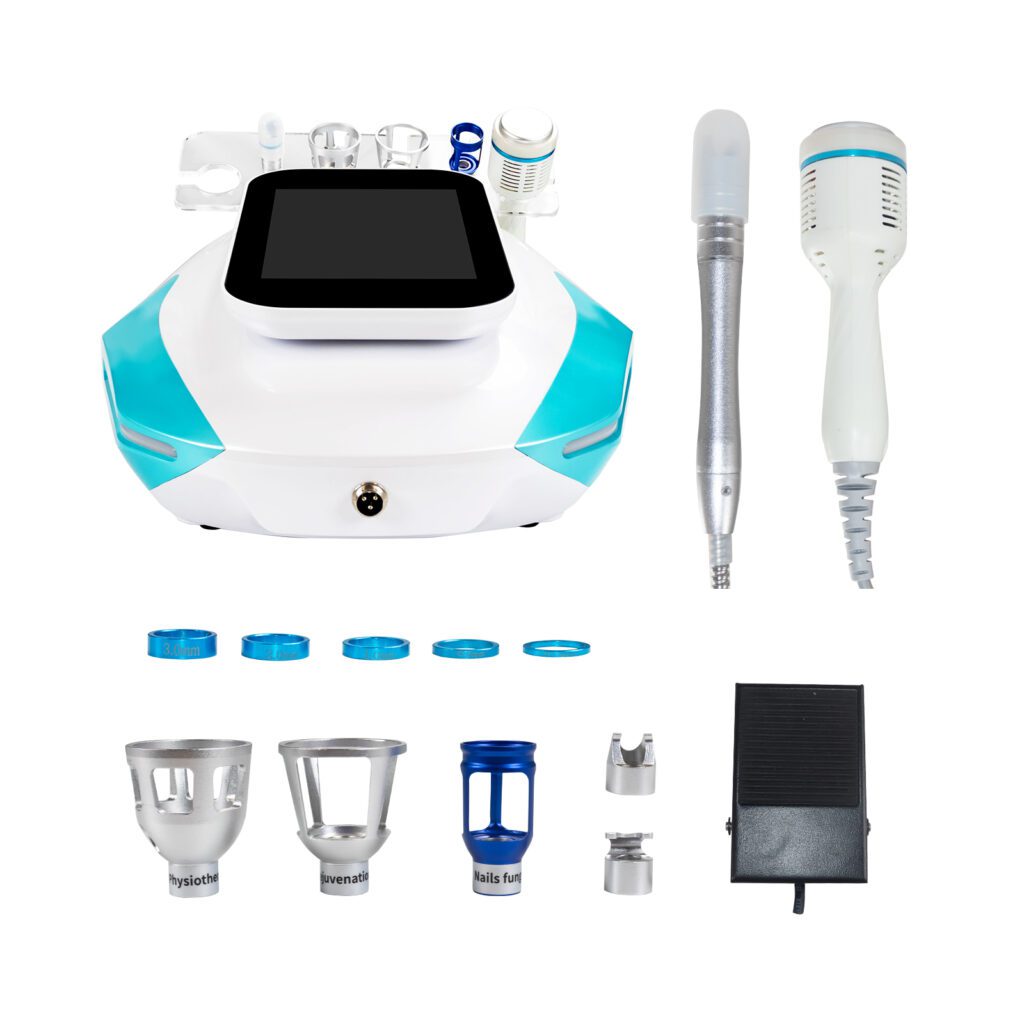
14. Tempo di formazione sulla macchina multifunzione
Le macchine multifunzione possono sembrare più semplici perché tutto è integrato in un unico sistema. Tuttavia, il carico di formazione complessivo può risultare elevato se la macchina dispone di numerose impugnature e molteplici protocolli di trattamento.
Tempistiche pratiche di apprendimento:
- Funzionamento di base del sistema: da 1 a 3 giorni
- Funzioni principali utilizzate nel servizio quotidiano: da 1 a 2 settimane
- Padronanza completa delle funzioni: da 1 a 2 mesi
Nei saloni di bellezza, il personale non dovrebbe essere formato contemporaneamente su tutte le mansioni, soprattutto se si tratta di nuovi dipendenti.
Una sequenza di allenamento migliore è:
1. Impara qual è la funzione più venduta.
2. Esercitati con il flusso di lavoro completo del servizio.
3. Aggiungere la seconda funzione dopo che il personale si è stabilizzato.
4. Crea un pacchetto alla volta.
5. Monitorare l'utilizzo e il feedback dei clienti.
L'utilizzo di attrezzature multifunzione risulta più semplice quando il listino prezzi dei servizi è chiaro. Al contrario, può creare confusione quando il salone cerca di vendere ogni singola funzione fin dal primo giorno.
15. Cosa aiuta il personale ad apprendere più velocemente?
Il personale impara più velocemente quando il salone offre una struttura ben definita.
Tra gli strumenti di formazione utili si annoverano:
- Manuale operativo scritto
- Schede del protocollo di trattamento breve
- Video passo passo
- Formazione dal vivo per i fornitori
- Esercitazione pratica
- Servizio clienti supervisionato
- Analisi del caso prima e dopo, ove consentito.
- lista di controllo per le pulizie
- Lista di controllo delle controindicazioni
- script per la consultazione del cliente
- Processo di risposta alle emergenze
- Lista di controllo per la manutenzione
- Registro di utilizzo giornaliero
Il personale impara anche più velocemente quando il salone inizia con un numero limitato di progetti. Cercare di avviare cinque nuovi progetti di attrezzature contemporaneamente può sovraccaricare il team.
16. Cosa rallenta l'apprendimento del personale?
Il personale apprende più lentamente quando:
- Il fornitore fornisce solo un manuale e nessuna formazione pratica.
- L'interfaccia della macchina è confusionaria
- I protocolli di trattamento non sono chiari
- Il salone non ha una procedura di servizio standard
- Il personale non comprende la valutazione della pelle o del corpo
- Il personale ha paura delle domande dei clienti
- I responsabili non supervisionano i primi casi
- La macchina ha troppe funzioni
- Non esiste una lista di controllo per la pulizia o la manutenzione.
- Il prezzo e il pacchetto del servizio non sono chiari
- Ci si aspetta che il personale venda prima ancora di aver compreso il progetto.
La formazione non è solo responsabilità del fornitore. Il salone ha bisogno anche di una gestione interna.
17. Un pratico piano di formazione di 7 giorni per le attrezzature più comuni dei saloni di bellezza
Per le comuni apparecchiature per il trattamento del viso, come gli idromassaggi facciali, i dispositivi a LED, gli EMS, le microcorrenti e gli analizzatori cutanei, un piano di avvio di 7 giorni può essere efficace.
Giorno 1:
- Introduzione al dispositivo
- Precauzioni di sicurezza
- Parti e accessori
- Funzionamento di base
- Pulizia e conservazione
Giorno 2:
- Protocollo di trattamento
- Tipologie di clienti adatte
- Controindicazioni
- Dimostrazione da parte del formatore
Giorno 3:
- Esercitazioni pratiche del personale
- Revisione del manager
- Correzione degli errori
- Consulenza tramite gioco di ruolo
Giorno 4:
- Servizio di prova per il personale interno
- Feedback sul comfort
- Tempistica del trattamento
- pratica della lista di controllo per la pulizia
Giorno 5:
- Servizio di assistenza supervisionata per clienti selezionati
- Registrare il feedback dei clienti
- regolare il processo di servizio
Giorno 6:
- Formazione sulla spiegazione del pacchetto
- Gestione dell'obiezione
- Revisione del menù prezzi e servizi
Giorno 7:
- Valutazione finale
- Approvazione autonoma dell'intervento per i casi a basso rischio
- piano di pratica continua
Questo piano non è sufficiente per i dispositivi ad alto rischio, ma è utile per le comuni attrezzature da salone.
18. Un piano di formazione di 30 giorni per progetti basati sull'energia
Per trattamenti come radiofrequenza (RF), luce pulsata (IPL), epilazione, rimodellamento del corpo e progetti simili, i saloni dovrebbero prevedere un piano di trattamento più lungo.
Settimana 1:
- Teoria e funzionamento del dispositivo
- Norme di sicurezza
- Controindicazioni
- Manifestazioni
- medicina interna
Settimana 2:
- Trattamento supervisionato su clienti selezionati a basso rischio
- Registrazione del caso
- Monitoraggio del comfort
- Revisione della pulizia e della manutenzione
Settimana 3:
- Casi di clienti più diversificati
- pratica di selezione dei parametri
- Formazione sulla sceneggiatura per consulenti
- Revisione del design e dei prezzi del packaging
Settimana 4:
- Valutazione delle competenze
- Revisione degli errori
- Autorizzazione all'esercizio indipendente riservata esclusivamente al personale qualificato.
- Programma di revisione continua dei casi
Per l'utilizzo di dispositivi regolamentati, il salone deve inoltre rispettare le normative locali in materia di licenze e i requisiti professionali.
19. Come capire se il personale è pronto
Il personale non dovrebbe essere considerato pronto solo perché ha partecipato a un corso di formazione.
Un membro dello staff è pronto quando può:
- Spiegare chiaramente lo scopo del trattamento.
- Identificare i clienti adatti e non adatti
- Segui il protocollo senza saltare alcun passaggio
- Scegliere le impostazioni entro i limiti approvati
- Monitorare il comfort del cliente
- Fermati se qualcosa ti sembra anomalo.
- Pulire e conservare i componenti correttamente
- Registrare il trattamento
- Spiegare le cure post-operatorie
- Evitate affermazioni esagerate
- Rispondere alle domande più frequenti dei clienti
- Chiedi aiuto quando la situazione esula dalle loro competenze.
I responsabili dovrebbero osservare diversi servizi reali prima di approvare l'operatività autonoma.
20. Perché la formazione alle vendite fa parte della formazione operativa
Le attrezzature per la bellezza non generano entrate solo perché il personale può utilizzarle. Il personale deve anche spiegare perché vale la pena investire in questo progetto.
La formazione alle vendite dovrebbe includere:
- scoperta delle esigenze del cliente
- Spiegazione tecnologica semplificata
- Descrizione del progetto
- Raccomandazione del pacchetto
- Gestione delle aspettative di risultato
- Spiegazione della frequenza di trattamento
- Spiegazione del prezzo
- Gestione dell'obiezione
- Prenotazione successiva
Ad esempio, un analizzatore cutaneo può essere facile da usare, ma se il personale non è in grado di tradurre il report in un piano di trattamento, non migliorerà il tasso di conversione. La radiofrequenza può essere utile per un servizio anti-età più costoso, ma se il personale promette risultati di lifting irrealistici, il salone potrebbe ricevere reclami.
Una buona formazione sull'utilizzo delle attrezzature combina funzionamento, consulenza e vendita etica.
21. La pulizia e la disinfezione devono essere incluse
La formazione deve includere la pulizia e la disinfezione, in particolare di maniglie, sonde, mascherine, parti a contatto con il paziente, flaconi, filtri e accessori riutilizzabili.
I saloni dovrebbero creare una lista di controllo scritta per:
- Pulizia prima dell'uso
- pulizia dopo l'uso
- Metodo di disinfezione
- Prodotti per la pulizia approvati
- Tempo di contatto, se applicabile
- Sostituzione di parti monouso
- Sostituzione del filtro o della bottiglia
- metodo di conservazione
- Pulizia profonda settimanale
- Responsabilità del personale
La pulizia è fondamentale per instaurare un rapporto di fiducia con i clienti. Inoltre, contribuisce a prolungare la durata delle apparecchiature e a ridurre i rischi legati agli interventi di assistenza.
22. Formazione sulla sicurezza e sulle controindicazioni
Ogni progetto relativo alle apparecchiature dovrebbe prevedere una lista di controllo delle controindicazioni.
La lista di controllo può includere elementi quali:
- Gravidanza o allattamento, ove pertinente
- Pacemaker o dispositivo elettronico impiantato, ove pertinente
- Infezione cutanea attiva
- ferita aperta
- intervento chirurgico recente
- Grave sensibilità cutanea
- Alcuni farmaci
- Fotosensibilità per trattamenti basati sulla luce
- Impianti metallici, ove necessario
- Storia di cicatrici cheloidi per determinati trattamenti
- Recente esposizione al sole per alcuni trattamenti a base di luce
- Condizioni mediche che richiedono l'autorizzazione professionale
La checklist esatta dipende dal dispositivo e dalle normative locali. I saloni dovrebbero attenersi ai protocolli del fornitore e alle linee guida professionali, adattandoli poi con la consulenza di personale qualificato.
23. Come i fornitori dovrebbero supportare la formazione
Un fornitore affidabile di apparecchiature per la bellezza dovrebbe offrire molto più della semplice macchina.
Un buon supporto da parte del fornitore include:
- Manuale utente
- Protocollo di trattamento
- Video dell'operazione
- Formazione dal vivo
- Guida alla risoluzione dei problemi
- opzioni di pulizia
- Istruzioni per i materiali di consumo
- Linee guida sulle controindicazioni
- Materiali di marketing
- Script di vendita per il personale
- Certificato o attestato di formazione, se applicabile.
- Contatto per l'assistenza post-vendita
- Informazioni sui pezzi di ricambio
- Programma di manutenzione
Se il fornitore non è in grado di spiegare al personale come imparare a usare il dispositivo, il salone dovrebbe essere cauto.
24. Come i proprietari di saloni dovrebbero valutare la formazione prima dell'acquisto
Prima di acquistare, i proprietari di saloni dovrebbero chiedersi:
- Quante ore di formazione sono incluse?
- La formazione si svolge online, offline o in entrambi i modi?
- La formazione prevede esercitazioni pratiche?
- Vengono forniti i protocolli di trattamento?
- Sono indicate le controindicazioni?
- Sono previste procedure di pulizia?
- Il personale viene valutato dopo la formazione?
- Sono disponibili corsi di aggiornamento?
- È possibile formare i nuovi dipendenti in un secondo momento?
- È disponibile assistenza tecnica dopo il lancio?
- Le affermazioni di marketing vengono verificate?
- Sono necessarie licenze locali o requisiti professionali?
La risposta a queste domande potrebbe essere più importante di una piccola differenza di prezzo tra i fornitori.
25. Errori comuni nella formazione sull'utilizzo delle apparecchiature per la bellezza
Gli errori più comuni includono:
- Consentire al personale di operare dopo aver guardato solo un video
- Formazione di un solo dipendente
- Ignorare le controindicazioni
- Ignorare la pulizia e la disinfezione
- Non si effettuano esercitazioni sui tempi di servizio reali
- Avviare troppi progetti contemporaneamente
- Consentire al personale di modificare liberamente le impostazioni
- Utilizzare affermazioni aggressive per vendere pacchetti
- Non registrare il feedback dei clienti
- Non esaminare i casi iniziali
- Dipendere solo dalle promesse del fornitore
- Dimenticare di formare il nuovo personale dopo il turnover
Questi errori possono far sembrare difficile una macchina semplice e far fallire un progetto potenzialmente redditizio.
26. Quanto tempo ci vorrà prima che il personale riesca a presentare bene il progetto?
Gestione operativa e vendite sono competenze diverse.
Un membro dello staff potrebbe imparare a utilizzare un apparecchio per idrotrattamenti viso in 2 giorni, ma potrebbe aver bisogno di 2-4 settimane per spiegare il pacchetto di aggiornamento in modo naturale.
Un membro dello staff può imparare a usare l'interfaccia del dispositivo RF in 3 giorni, ma potrebbe aver bisogno di 1 o 2 mesi per gestire con sicurezza le consulenze anti-età e le obiezioni relative al packaging.
Un membro dello staff può imparare a utilizzare l'analizzatore di immagini cutanee in poche ore, ma potrebbero essere necessarie settimane per collegare i risultati dell'analisi a piani di trattamento personalizzati.
Aspettativa pratica:
- Spiegazione di base: da 3 a 7 giorni
- Durata consigliata del progetto: da 2 a 4 settimane
- Elevata conversione dei pacchetti: da 1 a 3 mesi
Se un salone desidera dotarsi di attrezzature per aumentare il fatturato, la formazione alle vendite deve essere pianificata fin dall'inizio.
27. Standard di formazione raccomandati per tipologia di salone
Piccoli salotti comunitari:
- Concentrarsi su protocolli semplici e ripetibili
- Scegli prima i dispositivi facili da usare
- Formare tutto il personale sulle operazioni di base e sulla pulizia.
- Utilizzare semplici script di servizio
- Aggiungere dispositivi avanzati solo dopo aver dimostrato la necessità.
Nuovi saloni di bellezza:
- Iniziate con categorie di attrezzature limitate
- Richiedete ai fornitori il materiale formativo completo.
- Utilizza un piano di formazione per il lancio della durata di 7 giorni
- Monitorare i primi feedback dei clienti
- Evitate macchine troppo complesse nella prima serie.
Centri di alta gamma per la cura della pelle:
- Utilizzare una formazione teorica più approfondita
- È necessaria la revisione del caso
- Creare script di consulenza professionale
- Separazione delle responsabilità operative e di consulenza, se necessario.
- Aggiungere la formazione specialistica monofunzione
Impostazioni di supporto per la medicina estetica:
- Verificare la portata legale e le licenze professionali.
- Attenersi alle norme di supervisione medica ove applicabili.
- Utilizzare una formazione formale sull'utilizzo del dispositivo.
- Conservare la documentazione e le procedure relative agli eventi avversi.
- Evitare di consentire al personale non qualificato di utilizzare dispositivi regolamentati
28. Risposta pratica finale
È difficile utilizzare le apparecchiature per la cura della persona?
Per le apparecchiature di base dei saloni di bellezza, di solito no. La maggior parte del personale può imparare a utilizzarle in modo semplice entro 1-7 giorni.
Per i dispositivi professionali basati sull'energia, la risposta è più cauta. Il personale potrebbe aver bisogno di 2-4 settimane di formazione e pratica supervisionata, e alcuni dispositivi potrebbero richiedere una licenza locale o l'utilizzo da parte di un professionista qualificato.
Quanto tempo ci vorrà prima che i dipendenti imparino davvero?
- Imparare a usare i pulsanti: da poche ore a 3 giorni
- Servizi di base completi: da 3 a 7 giorni
- Lavoro autonomo su progetti comuni: da 1 a 2 settimane
- Gestisci con sicurezza progetti basati sull'energia: da 2 a 4 settimane o più
- Vendita di pacchetti professionali: da 1 a 3 mesi
Lo standard più sicuro per un salone è: non misurare l'apprendimento solo in base alla velocità. Misuralo in base alla sicurezza, alla coerenza, alla soddisfazione del cliente e alla capacità del personale di spiegare il progetto in modo onesto.
Conclusione
La difficoltà di utilizzo delle apparecchiature per la bellezza dipende dalla categoria del dispositivo e dal sistema di formazione del personale del salone.
Gli analizzatori cutanei, i dispositivi a LED, le macchine per idro-trattamenti facciali, le macchine a microbolle, i dispositivi a ultrasuoni per il viso, l'EMS e i dispositivi a microcorrente sono generalmente adatti a una formazione del personale relativamente rapida. La radiofrequenza (RF), la luce pulsata (IPL), la depilazione laser, il rimodellamento del corpo, la criolipolisi, l'HIFU e altri dispositivi a rischio più elevato o regolamentati richiedono una formazione, una supervisione e una verifica della conformità più accurate.
Nella maggior parte dei saloni, il personale può apprendere rapidamente le operazioni di base, ma il vero successo di un progetto richiede più tempo. La macchina deve essere collegata alla valutazione del cliente, ai protocolli di trattamento, alla pulizia, alla sicurezza, alla consulenza, alla definizione dei prezzi dei servizi e al follow-up.
Le migliori attrezzature non sono solo facili da usare. Sono anche facili da addestrare, facili da standardizzare, facili da spiegare, sicure da utilizzare entro i limiti previsti e sufficientemente pratiche da poter essere utilizzate quotidianamente dal personale.
Domande frequenti
Le attrezzature per la bellezza sono difficili da utilizzare per il personale dei saloni?
Le attrezzature di base di un salone di bellezza sono generalmente facili da usare. Molti dispositivi possono essere appresi in 1-3 giorni. I dispositivi che utilizzano energia e quelli a maggior rischio richiedono una formazione più lunga e una pratica supervisionata.
Quanto tempo impiegano i dipendenti ad imparare a usare le attrezzature per la bellezza?
Per i dispositivi più semplici, il personale può apprendere le operazioni di base in poche ore o al massimo in 3 giorni. Per le apparecchiature comunemente utilizzate nei saloni, in genere sono necessari dai 3 ai 7 giorni. Per i dispositivi a radiofrequenza (RF), luce pulsata (IPL), laser, per il rimodellamento del corpo o per gli ultrasuoni focalizzati ad alta intensità (HIFU), i saloni dovrebbero prevedere dalle 2 alle 4 settimane o più.
I nuovi dipendenti sono in grado di utilizzare le apparecchiature per trattamenti estetici dopo un solo giorno di formazione?
Dopo un solo giorno, i dipendenti possono utilizzare dispositivi semplici sotto supervisione, ma l'assistenza clienti in autonomia richiede solitamente pratica, valutazione e approvazione del responsabile. I dispositivi ad alto rischio non devono essere utilizzati in autonomia dopo un solo giorno.
Quale attrezzatura per la bellezza è la più facile da imparare a usare?
Gli analizzatori della pelle, i dispositivi per la fototerapia a LED, le semplici macchine per l'idroterapia facciale, le piccole macchine per le bolle di sapone e i dispositivi di base per la nebulizzazione di ossigeno o il martello freddo sono generalmente più facili da imparare.
Quali apparecchiature per la bellezza richiedono una formazione più approfondita?
Radiofrequenza (RF), luce pulsata (IPL), epilazione laser, rimodellamento del corpo, criolipolisi, ultrasuoni focalizzati ad alta intensità (HIFU) e alcuni dispositivi ad alta energia richiedono una formazione più approfondita, poiché le impostazioni, le controindicazioni, la sicurezza e le normative locali sono fattori cruciali.
I fornitori dovrebbero offrire formazione?
Sì. Un fornitore affidabile dovrebbe fornire manuali, video, protocolli operativi, indicazioni sulle controindicazioni, istruzioni per la pulizia, formazione dal vivo, supporto per la risoluzione dei problemi e assistenza post-vendita.
Cosa dovrebbero verificare i proprietari dei saloni prima di consentire al personale di lavorare in autonomia?
I proprietari dovrebbero verificare che il personale sia in grado di seguire i protocolli, identificare i clienti non idonei, scegliere le impostazioni di sicurezza, pulire correttamente la macchina, spiegare le istruzioni per la manutenzione, evitare affermazioni esagerate e rispondere alle domande dei clienti.