Che cos'è la disfunzione del pavimento pelvico?
Parliamo di qualcosa di cui la maggior parte delle persone non parla apertamente, ma con cui si confronta in silenzio. Disfunzione del pavimento pelvico (PFD) Si verifica quando i muscoli che sostengono la vescica, l'utero e l'intestino si indeboliscono o perdono coordinazione. Questi muscoli agiscono come un'amaca, mantenendo tutto in posizione e garantendo il normale funzionamento. Quando non funzionano correttamente, le conseguenze possono essere frustranti, imbarazzanti e persino sconvolgenti.
Immaginate di dover controllare il flusso dell'acqua con una valvola usurata: ecco cosa si prova quando i muscoli pelvici non svolgono correttamente la loro funzione. I sintomi possono variare da perdite urinarie e dolore pelvico a una ridotta soddisfazione sessuale. Non si tratta solo di un problema fisico; ha un impatto sulla sicurezza emotiva, sulla vita sociale e sul benessere quotidiano.
Molte persone pensano che si tratti di una condizione rara, ma niente potrebbe essere più lontano dalla verità. La realtà è che milioni di individui ne sono affetti in tutto il mondo, eppure la consapevolezza rimane bassa. Ecco perché soluzioni innovative come la sedia per il pavimento pelvico stanno attirando sempre più attenzione: offrono un metodo moderno, efficace e non invasivo per ricostruire la forza dove è più necessaria.
Quanto è comune la disfunzione del pavimento pelvico?
Se pensi che i problemi del pavimento pelvico siano rari, i numeri ti sorprenderanno. Gli studi dimostrano che Oltre il 501% delle donne soffre di incontinenza urinaria, uno dei sintomi più comuni della disfunzione del pavimento pelvico. Ciò significa che non si tratta di un problema di salute di nicchia, ma di una questione diffusa che colpisce persone comuni.
Ancor più sorprendente, la ricerca indica che La disfunzione del pavimento pelvico può interessare fino al 50% delle donne in età fertile. . Se si considera anche l'invecchiamento, le cifre aumentano ulteriormente. Entro gli 80 anni, circa il 111% delle donne avrà bisogno di un intervento chirurgico per problemi pelvici, il che evidenzia quanto grave possa diventare questa condizione nel tempo.
E non riguarda solo le donne. Anche gli uomini soffrono di problemi al pavimento pelvico, sebbene siano meno propensi a parlarne. Dagli atleti agli impiegati, fattori legati allo stile di vita come la sedentarietà prolungata, l'obesità e una postura scorretta contribuiscono al problema.
Allora perché non ne parlano tutti? Perché è personale. È delicato. E spesso le persone non si rendono conto che esiste una soluzione semplice. Ecco dove entra in gioco il sedia per il pavimento pelvico interviene trasformando un problema un tempo considerato tabù in una condizione curabile e gestibile, senza interventi chirurgici o disagi.
Trattamenti tradizionali contro tecnologia moderna
Limitazioni degli esercizi di Kegel
Probabilmente avrete già sentito il consiglio: "Fate semplicemente gli esercizi di Kegel". Sembra semplice, vero? Contraete, mantenete la contrazione, rilasciate... ripetete. Ma ecco il problema: la maggior parte delle persone li esegue in modo scorretto o in modo discontinuo. È come andare in palestra senza conoscere la tecnica corretta: potreste non vedere risultati, o peggio, potreste peggiorare la situazione.
Gli esercizi di Kegel richiedono disciplina, consapevolezza e tempo. Molti pazienti faticano a identificare i muscoli giusti, il che porta a un allenamento inefficace. Alcuni addirittura li contraggono eccessivamente, il che può aumentare la tensione invece di alleviare i sintomi.
Il problema principale? I risultati sono lenti. In un mondo frenetico, le persone desiderano soluzioni efficaci. Aspettare mesi sperando in un miglioramento graduale non è l'ideale, soprattutto quando si tratta di qualcosa di delicato come il controllo della vescica o il fastidio pelvico.
Ecco perché affidarsi esclusivamente ai metodi tradizionali spesso porta alla frustrazione. Le persone iniziano con entusiasmo, perdono la motivazione e alla fine si arrendono. Ciò di cui hanno veramente bisogno è un approccio più intelligente, qualcosa che garantisca una corretta attivazione muscolare ogni singola volta.
Perché le soluzioni non invasive sono di tendenza
Viviamo in un'epoca in cui comodità ed efficienza guidano le decisioni. Pensaci: preferiresti passare mesi a brancolare nel buio durante gli esercizi, oppure sederti comodamente mentre un dispositivo fa il lavoro per te?
Tecnologie non invasive come stimolazione elettromagnetica (EMS) stanno trasformando l'assistenza sanitaria. Queste soluzioni eliminano le incertezze e forniscono contrazioni muscolari mirate con precisione. Nessun dolore, nessun tempo di recupero, nessun intervento chirurgico: solo risultati.
Il vantaggio è evidente. Le persone desiderano trattamenti che si integrino nel loro stile di vita, senza stravolgerlo. Ecco perché cliniche e centri benessere di tutto il mondo stanno adottando le poltrone per il pavimento pelvico. Offrono una soluzione a mani libere e senza stress, che si percepisce più come un momento di relax che come una vera e propria terapia.
È come passare dal lavoro manuale all'automazione. Perché faticare quando la tecnologia può farlo meglio? La diffusione delle poltrone per il pavimento pelvico basate su elettrostimolazione muscolare (EMS) riflette un cambiamento più ampio verso un'assistenza sanitaria più intelligente, dove l'innovazione incontra le esigenze reali.
Che cos'è una sedia per il pavimento pelvico?
Come funziona la tecnologia EMS
UN sedia per il pavimento pelvico utilizza avanzato tecnologia elettromagnetica focalizzata ad alta intensità (HIFEM) per stimolare i muscoli pelvici profondi. A differenza degli esercizi manuali, che si basano su contrazioni volontarie, gli EMS attivano migliaia di contrazioni sopramassimali in una singola sessione.
Immaginate: durante una sessione di 30 minuti, i vostri muscoli eseguono l'equivalente di migliaia di esercizi di Kegel eseguiti alla perfezione. Non è solo efficiente, è rivoluzionario.
L'energia elettromagnetica penetra in profondità nel tessuto muscolare, attivando fibre che sono quasi impossibili da stimolare manualmente. Questo porta, nel tempo, a muscoli più forti e reattivi.
Ciò che rende questa tecnologia davvero straordinaria è la sua precisione. Agisce esattamente dove serve, senza intaccare i tessuti circostanti. Nessun fastidio, nessuna procedura invasiva: solo una stimolazione controllata ed efficace.
Perché le sedie EMS stanno rivoluzionando il trattamento
I trattamenti tradizionali si basano in gran parte sullo sforzo del paziente. Le poltrone EMS eliminano completamente questo ostacolo. Basta sedersi, rilassarsi e lasciare che la tecnologia faccia il lavoro.
Questo cambiamento è epocale. Trasforma la riabilitazione pelvica da un compito gravoso in un'esperienza agevole. Le cliniche possono offrire risultati costanti e i pazienti possono ottenere miglioramenti senza stress né imbarazzo.
Un altro vantaggio fondamentale è l'accessibilità. I trattamenti EMS non richiedono tempi di recupero, il che li rende ideali per le persone impegnate. Che siate neomamme, professionisti o persone che affrontano i cambiamenti legati all'età, questa soluzione si integra perfettamente nella vostra routine.
Non si tratta solo di un trattamento, ma di un vero e proprio miglioramento dello stile di vita. E con la crescente consapevolezza, le poltrone per il pavimento pelvico stanno rapidamente diventando un elemento indispensabile nei moderni centri benessere.
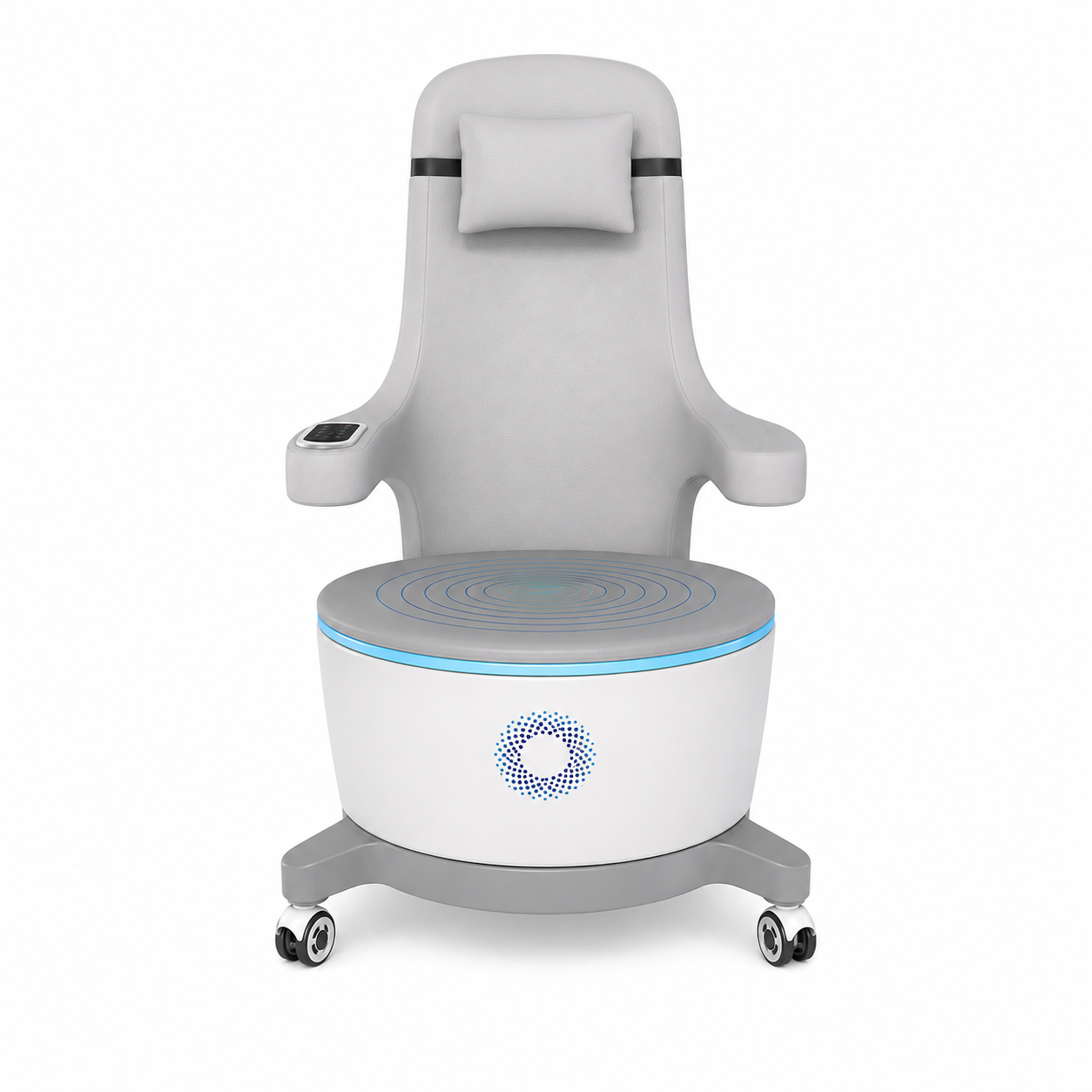
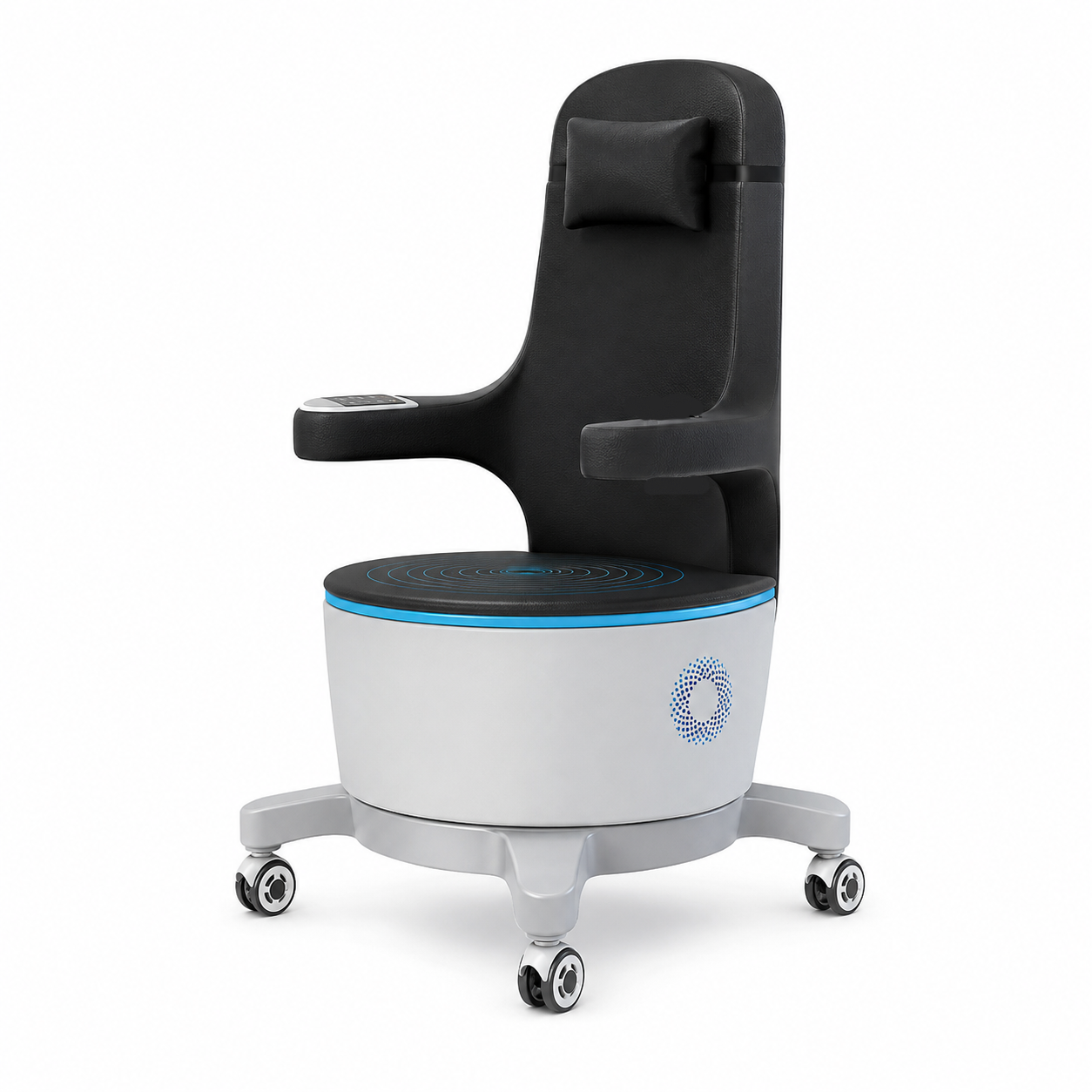
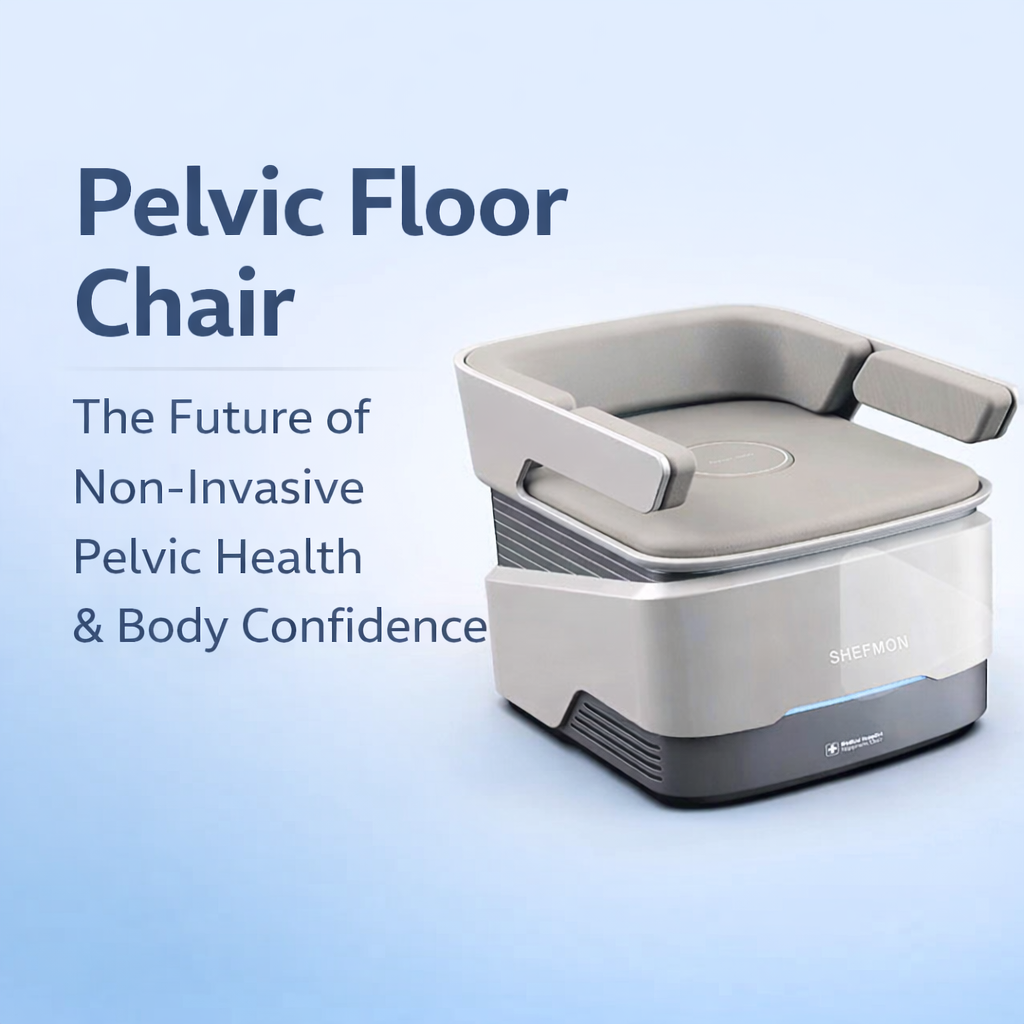
Vi presentiamo la poltrona per il pavimento pelvico SHEFMON.
Panoramica del prodotto
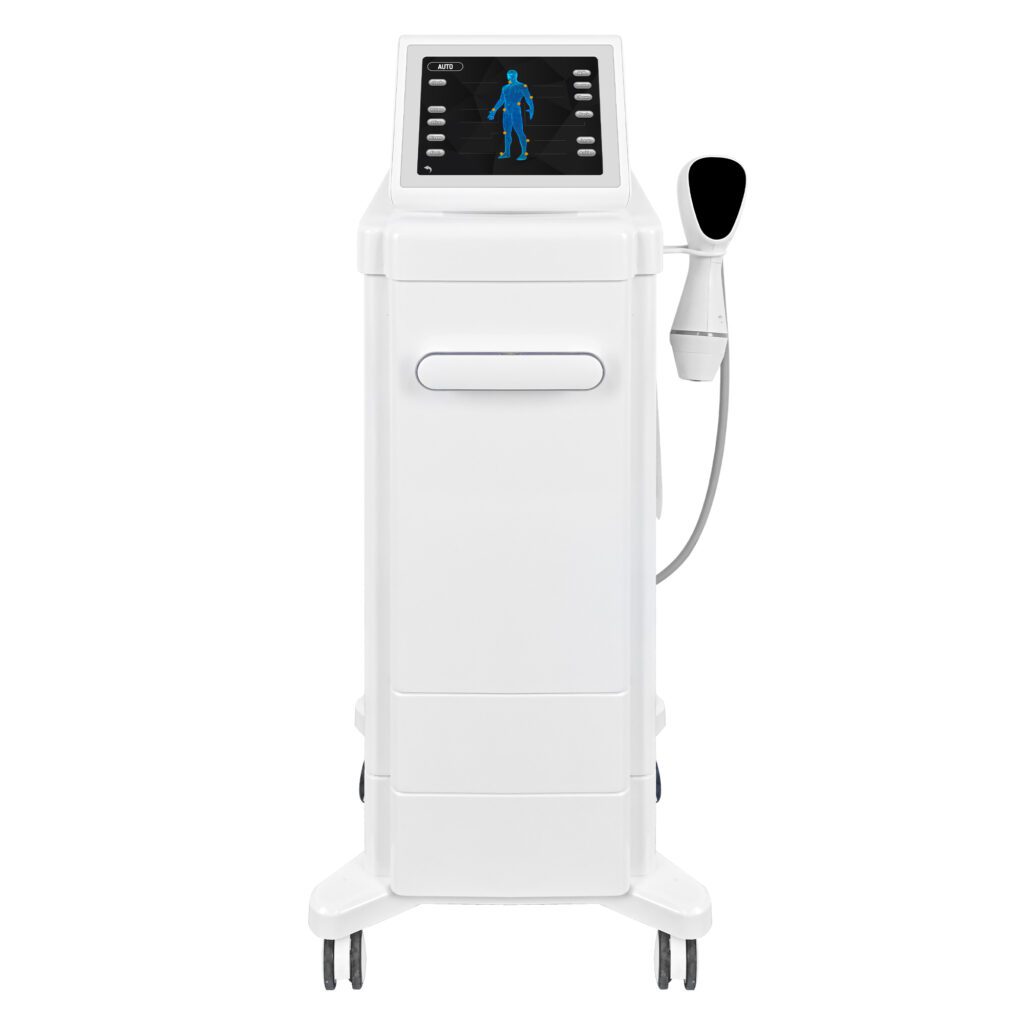
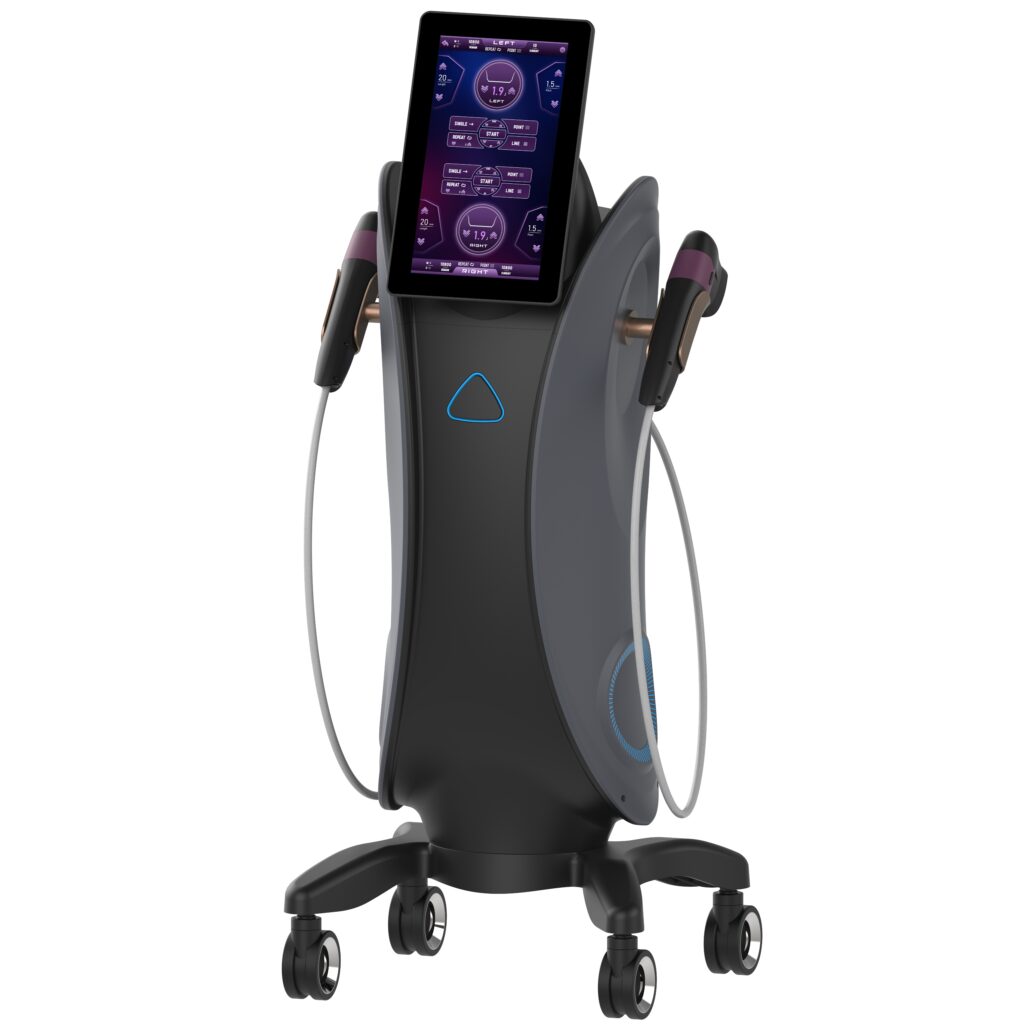
IL Sedia per pavimento pelvico SHEFMON È progettato per offrire una riabilitazione pelvica di livello professionale utilizzando una tecnologia elettromagnetica all'avanguardia. Ideale per cliniche, centri benessere e strutture mediche, combina efficienza, comfort e affidabilità.
👉 Scopri il prodotto qui:
https://shefmon.com/product/e0436-electromagnetic-stimulation-pelvic-floor-muscle-rehabilitation-ems-chair/
Questo dispositivo permette di rafforzare i muscoli pelvici senza doversi spogliare o ricorrere a procedure invasive. Le sedute sono semplici, discrete ed estremamente efficaci, il che lo rende un complemento ideale per le moderne attività nel settore dell'estetica e del benessere.
Vantaggi della tecnologia di base
Ciò che distingue SHEFMON non è solo la tecnologia, ma anche la sua realizzazione. La poltrona è progettata per garantire prestazioni costanti, offrendo una stimolazione potente ma controllata, personalizzata in base alle esigenze individuali.
I principali vantaggi includono:
- Stimolazione elettromagnetica ad alta intensità
- Trattamento non invasivo e indolore
- Sessioni brevi (20-30 minuti)
- Adatto sia per uomini che per donne
- Livelli di intensità personalizzabili
Queste caratteristiche lo rendono la scelta ideale per le cliniche che desiderano ampliare la propria offerta di servizi, ottenendo al contempo risultati concreti e misurabili.
Principali vantaggi della poltrona per il pavimento pelvico
Rafforzare efficacemente i muscoli pelvici
L'efficienza è il vero punto di forza della poltrona per il pavimento pelvico. Invece di affidarsi a esercizi manuali, offre un'attivazione muscolare rapida che accelera lo sviluppo della forza.
I pazienti spesso notano miglioramenti già dopo poche sedute. Questa rapidità è fondamentale: mantiene alta la motivazione e infonde fiducia fin dalle prime fasi del trattamento.
Migliorare il controllo urinario
L'incontinenza urinaria è uno dei sintomi più comuni della disfunzione del pavimento pelvico. Rafforzando i muscoli responsabili del controllo della vescica, i trattamenti EMS contribuiscono a ridurre le perdite e l'urgenza minzionale.
Per molti utenti, questo significa riacquistare la libertà: niente più preoccupazioni costanti per gli incidenti o la necessità di pianificare la propria vita in base all'accesso ai servizi igienici.
Migliorare il recupero post-parto
Il parto sottopone i muscoli pelvici a uno sforzo immenso. Il recupero può richiedere mesi e, in alcuni casi, la piena funzionalità non viene mai ripristinata senza un intervento.
Le poltrone per il pavimento pelvico offrono un modo sicuro ed efficace per ricostituire il tono muscolare dopo la gravidanza. È come dare al proprio corpo una scorciatoia per la guarigione, aiutando le neomamme a sentirsi di nuovo in forma.
Aumentare la fiducia in se stessi e migliorare la qualità della vita
L'impatto va oltre la salute fisica. Quando i sintomi migliorano, aumenta anche la fiducia in se stessi. Le persone si sentono più a loro agio in contesti sociali, nelle relazioni e nelle attività quotidiane.
Non si tratta solo di muscoli, ma di riprendere il controllo della propria vita.
Chi ha bisogno di una sedia per il pavimento pelvico?
Donne dopo il parto
Le donne nel periodo post-parto sono tra le maggiori beneficiarie. Il pavimento pelvico subisce uno stress considerevole durante il parto, rendendo la riabilitazione essenziale.
Invecchiamento della popolazione
Con l'avanzare dell'età, la forza muscolare diminuisce naturalmente. Le poltrone per il pavimento pelvico offrono un modo non invasivo per contrastare questo processo.
Uomini con problemi di salute pelvica
Anche gli uomini possono soffrire di disfunzioni pelviche, in particolare dopo interventi alla prostata o a causa di fattori legati allo stile di vita. La tecnologia EMS offre una soluzione discreta ed efficace.
Esperienza e processo di trattamento
Cosa succede durante una sessione
Ci si siede sulla sedia completamente vestiti. Il dispositivo inizia a emettere impulsi elettromagnetici, provocando lievi contrazioni muscolari. Non si avverte dolore, solo una sensazione di formicolio.
Quante sedute sono necessarie?
La maggior parte dei piani di trattamento include 6–10 sessioni, con miglioramenti evidenti che spesso si manifestano già nelle prime fasi del processo.
Confronto tra la poltrona per il pavimento pelvico e altre soluzioni
Sedia EMS contro esercizi di Kegel
| Caratteristica | Sedia per il pavimento pelvico | Esercizi di Kegel |
|---|---|---|
| Sforzo richiesto | Nessuno | Alto |
| Precisione | Perfetto | Spesso errato |
| Velocità dei risultati | Veloce | Lento |
| Convenienza | Alto | Basso |
Sedia per servizi di emergenza medica vs. sala operatoria
| Caratteristica | Sedia per il pavimento pelvico | Chirurgia |
|---|---|---|
| Invasività | Non invasivo | Invasivo |
| Tempo di recupero | Nessuno | settimane |
| Livello di rischio | Minimo | Più alto |
Perché scegliere SHEFMON per le apparecchiature per il pavimento pelvico OEM/ODM?
Capacità di personalizzazione e di produzione
SHEFMON offre Servizi OEM/ODM, Ciò consente alle aziende di personalizzare design, marchio e funzionalità. Questa flessibilità è ideale per costruire un marchio unico nel competitivo mercato delle apparecchiature per la bellezza.
Fiducia globale e controllo di qualità
Grazie alla sua pluriennale esperienza e alla distribuzione globale, SHEFMON garantisce un rigoroso controllo di qualità e prestazioni affidabili. I suoi prodotti sono progettati per soddisfare gli standard internazionali, il che la rende un partner di fiducia in tutto il mondo.
Conclusione
IL sedia per il pavimento pelvico Rappresenta una svolta nel benessere moderno, combinando scienza, praticità ed efficacia concreta. Poiché la disfunzione del pavimento pelvico colpisce milioni di persone, la domanda di soluzioni non invasive e affidabili continua a crescere.
La poltrona EMS avanzata di SHEFMON offre proprio questo: un sistema potente e intuitivo, progettato per fornire risultati senza disagio né tempi di recupero. Che siate titolari di una clinica o persone alla ricerca di una migliore salute pelvica, questa tecnologia apre le porte a un nuovo livello di cura e sicurezza.
Domande frequenti
1. La sedia per il pavimento pelvico è sicura?
Sì, è una procedura non invasiva ed è generalmente considerata sicura se utilizzata secondo le linee guida.
2. Quanto tempo ci vuole per vedere i risultati?
Molti utenti notano miglioramenti già dopo poche sedute, sebbene i risultati finali possano variare.
3. Gli uomini possono usare una sedia per il pavimento pelvico?
Assolutamente. È utile sia per gli uomini che per le donne con problemi di salute pelvica.
4. Il trattamento è doloroso?
No, la maggior parte delle persone lo descrive come una piacevole sensazione di formicolio.
5. È meglio degli esercizi di Kegel?
Integra o addirittura sostituisce gli esercizi di Kegel, garantendo un'attivazione muscolare corretta ed efficace.